Cheddar Man: Who He Was, His DNA and Where to Visit
Cheddar Man, a roughly 10,000-year-old skeleton found in Gough's Cave, Somerset, in 1903. See what DNA revealed and where to learn more.
Last updated November 2026. Cheddar Man is a Mesolithic skeleton of roughly 10,000 years old, found in Gough's Cave in Cheddar Gorge, Somerset, in 1903. He is described as Britain's oldest almost-complete skeleton, and 2018 DNA analysis suggested dark to black skin, blue eyes and dark curly hair. Read on to see where the original is held and how to plan a visit to the cave where he was found.
Featured image: Colin Smith, CC BY-SA 2.0, via Wikimedia Commons.
Who Was Cheddar Man?
Cheddar Man lived in Mesolithic Britain, shortly after the last ice age ended. Workers uncovered his skeleton in 1903, and he has been dated to roughly 10,000 years ago. Sources give slightly different dates, so treat "about 10,000 years" as a round figure rather than an exact one. He lived soon after the first settlers crossed from continental Europe to Britain. That timing is why researchers care about him: he sits close to the start of Britain's continuous human story, which began after the glacial period ended about 11,700 years ago.

What Did Cheddar Man Look Like?
Researchers at the Natural History Museum and University College London analysed ancient DNA from the skeleton. Their 2018 results strongly suggest blue eyes, dark curly hair and a very dark brown to black complexion. Museum scientists drilled a hole 2 mm wide into the skull to collect a few milligrams of bone powder. From that sample they extracted a full genome. Many people had assumed he would be pale, so the finding surprised the public.

- Skin: gene variants linked to lighter skin were in their older "ancestral" form, which points to dark to black pigmentation.
- Eyes: the genome points to blue eyes.
- Hair: the genome points to dark, curly hair.
- Method: a forensic reconstruction of his head was made to show these findings in a face.
What Does the DNA Result Really Mean?

"Dark to black" is a probabilistic inference from gene variants. It is not a photograph, and the exact shade cannot be known. Scientists describe the result with words such as "suggests" and "strongly suggests" for that reason. The finding also shows that genes for lighter skin spread across Europe much later than once assumed. Skin colour in the past did not always match geography the way people often imagine today.
Where Was Cheddar Man Found?
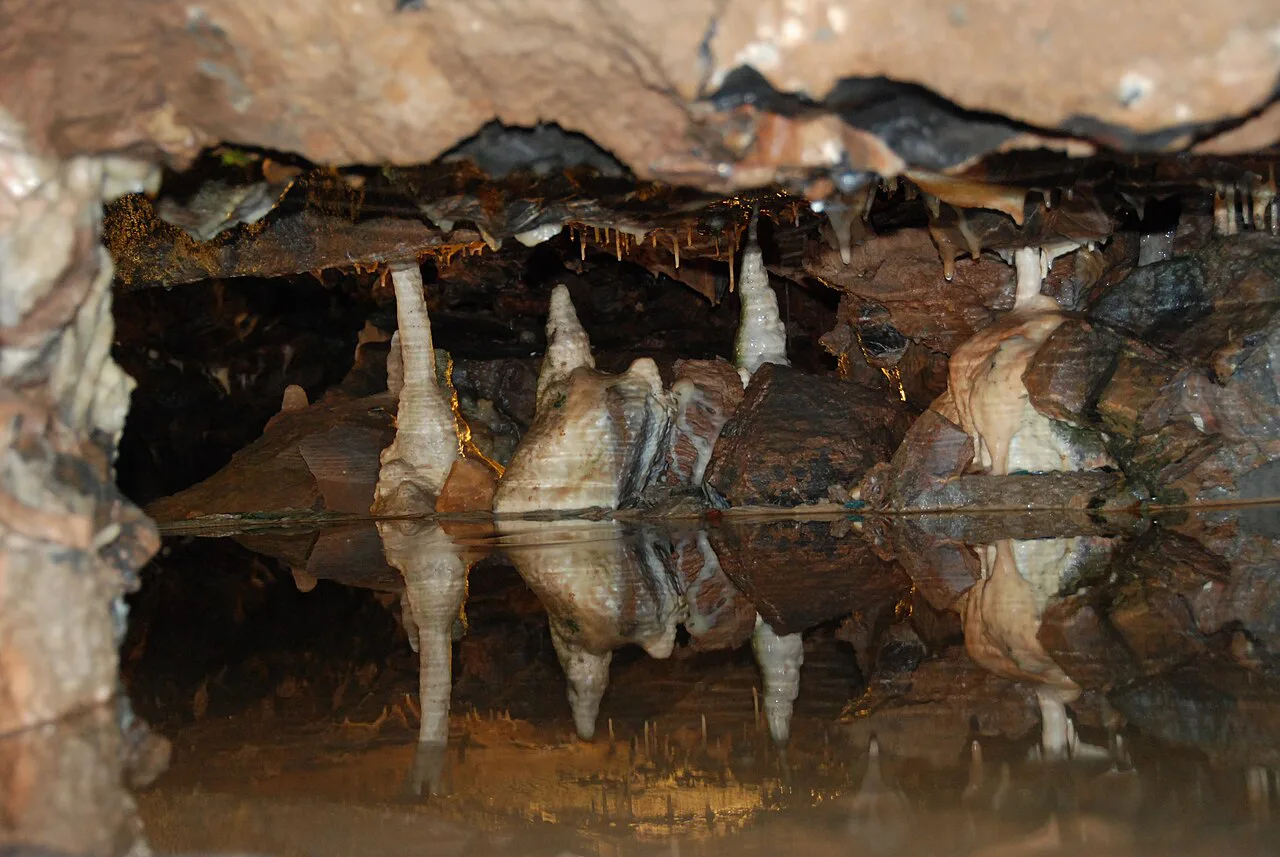
He was found inside Gough's Cave, which lies in Cheddar Gorge in the Mendip Hills of Somerset. For the cave itself, our guide to the cave where he was found covers what you walk through. Gough's Cave also held much older human remains, which scholars link to a very different group of people. That earlier group is not thought to be Cheddar Man's ancestors, so the cave tells more than one story.

Can You See Cheddar Man?
Not at Cheddar. The original remains are held by the Natural History Museum in London, where the DNA work was carried out, and they are not on public display in the gorge. Do not travel to Somerset expecting to see the bones. Instead, check what the cave and its exhibits currently show before you go. The official Cheddar Gorge & Caves site lists current displays and access. A trip to Cheddar still makes sense for the setting, because you stand in the place where he was buried.
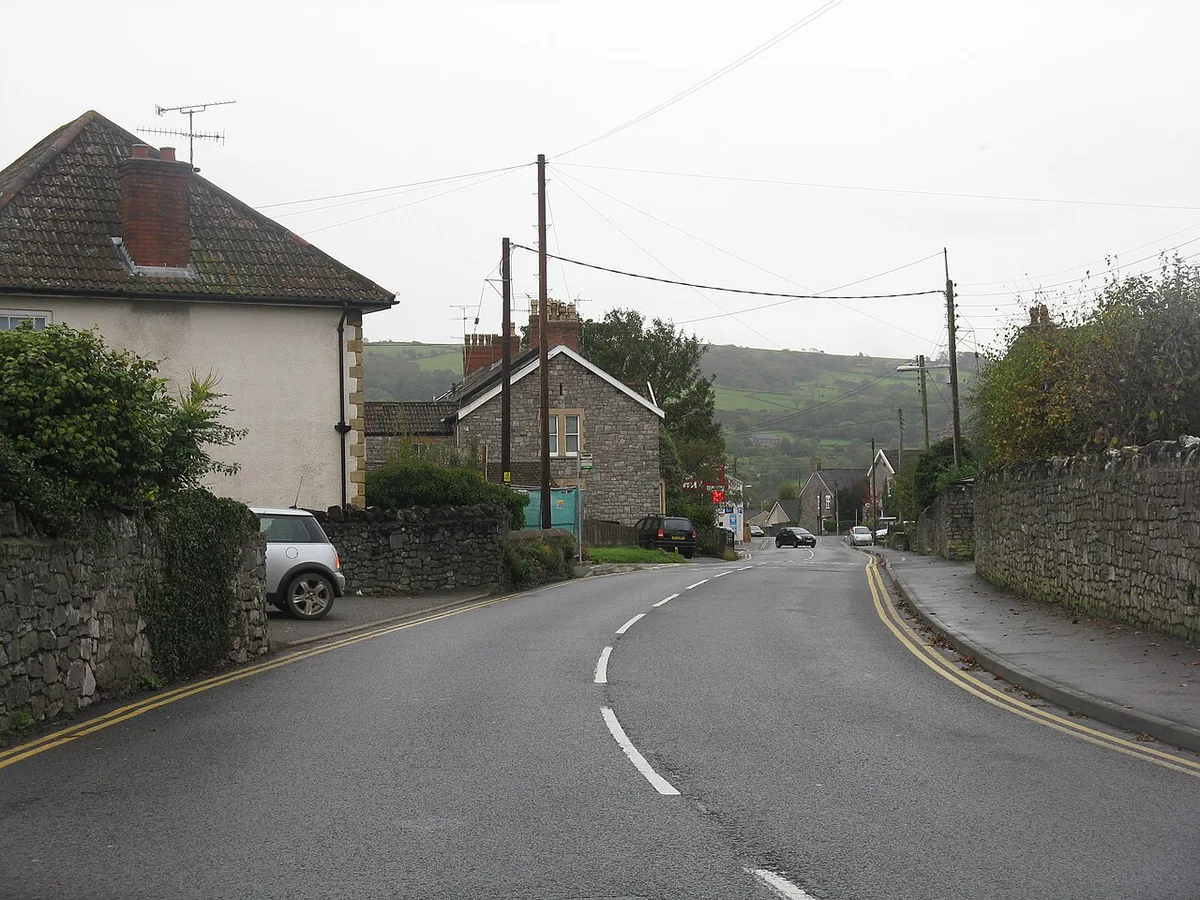
Only a 2 mm wide hole was drilled for the DNA sample. Those bones are held in London, not in the gorge.
Visiting Gough's Cave: Tickets, Times and Access
Opening hours, ticket structure and accessibility change by season. Gough's Cave has steps and a cool, damp interior, so wear grippy shoes and a warm layer. Prices and hours should be read from the official site, not from a third-party page. Our Cheddar Gorge ticket breakdown explains how entry works. Check there whether Cox's Cave is bundled with the gorge attractions on your date.
Getting to Cheddar and Planning Your Day
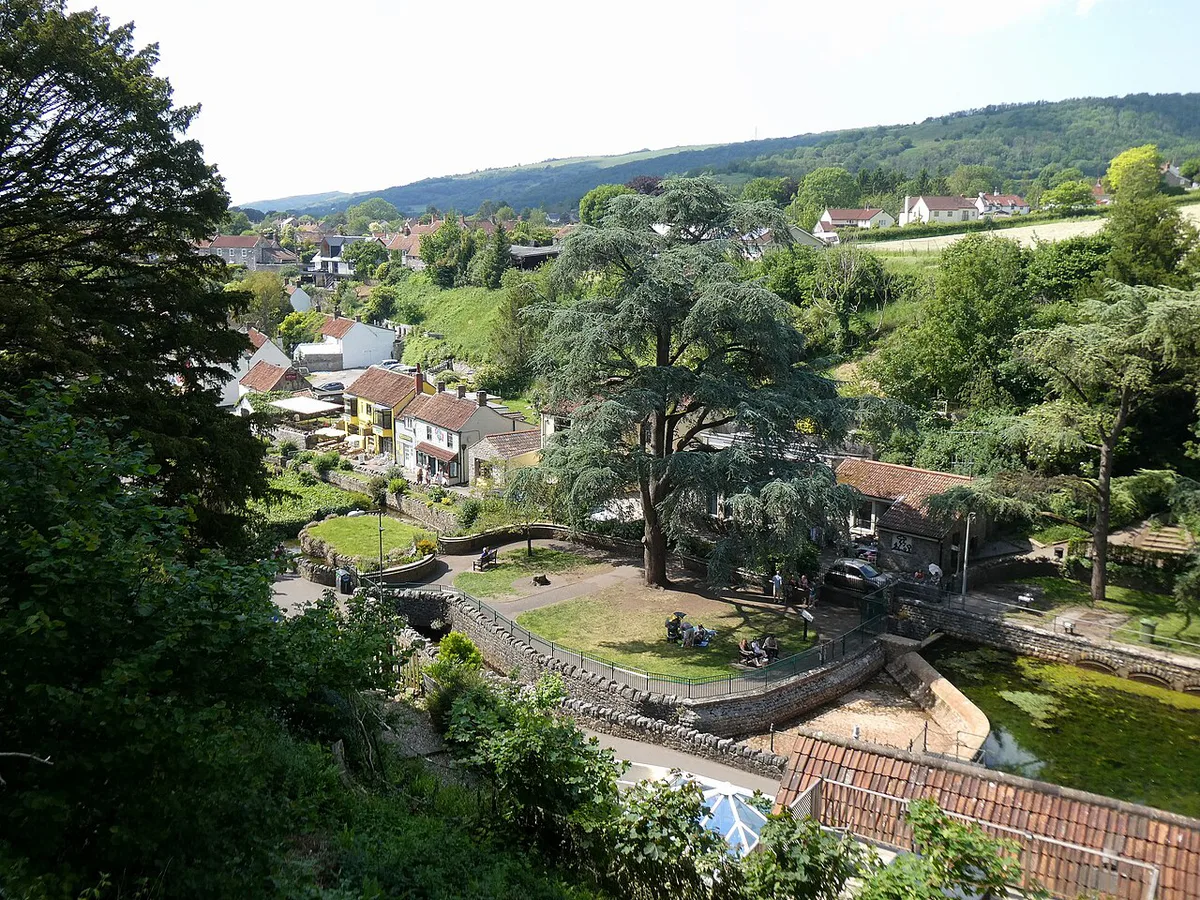
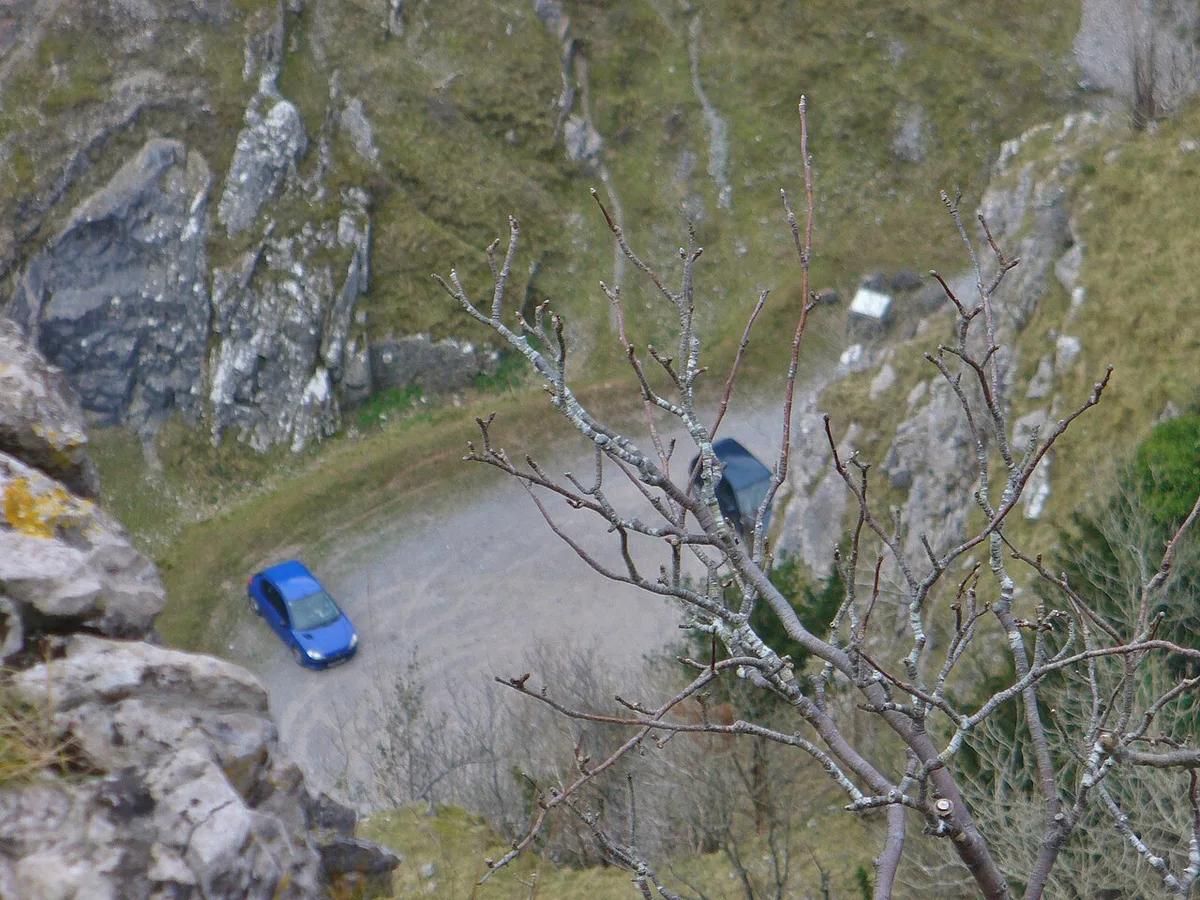
Cheddar sits in the Mendip Hills, and the gorge road can be congested in summer. Bus and rail options change, so check the current timetables on Visit Somerset before you set off. Allow a half day for the cave and the village. If you want a second cave on the same trip, our Cheddar and Wookey Hole day plan shows how the two fit together. For other options, browse more caves in Somerset.
Gough's Cave vs Cox's Cave vs Wookey Hole
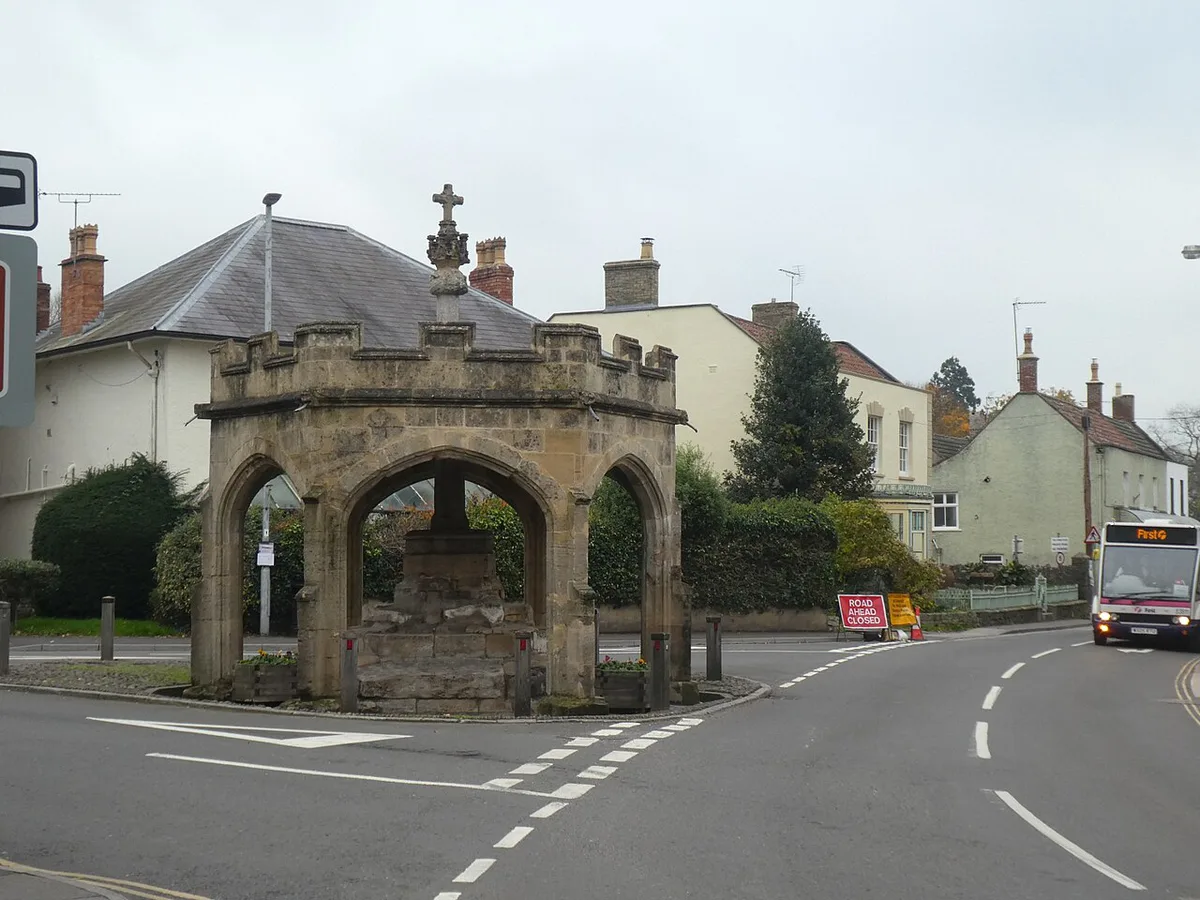
Only one of these three caves is tied to Cheddar Man. Use the table to choose how to spend your time, and read each site's official page for current times, prices and access. For a deeper look at the others, see Cox's Cave in Cheddar Gorge and the Wookey Hole visitor guide. Booking details for the latter are in the Wookey Hole ticket guide.
| Cave | Link to Cheddar Man | Where to check times and prices |
|---|---|---|
| Gough's Cave | Site of the 1903 discovery | Official Cheddar Gorge & Caves site |
| Cox's Cave | Same gorge, no link to the skeleton | Official Cheddar Gorge & Caves site |
| Wookey Hole | Separate site, no link to the skeleton | Official Wookey Hole site |
Common Mistakes to Avoid
Most confusion about Cheddar Man comes from a few repeated errors. Each one is easy to avoid with a little planning. Cheese is a separate topic, covered in our guide to Cheddar Gorge cheese caves.
Gough's Cave holds remains dated to 14,700 years ago, so its oldest story is not Cheddar Man's alone.
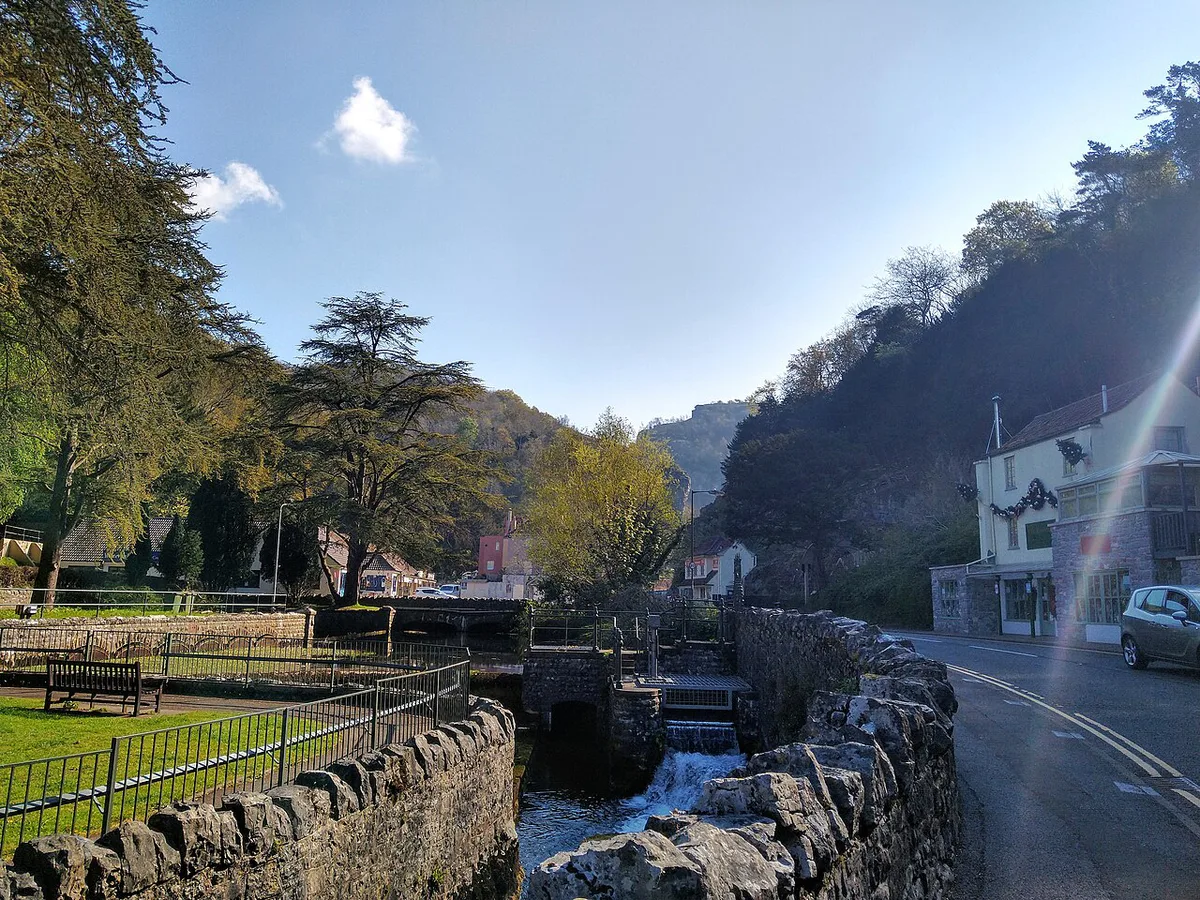
- Expecting the original skeleton at Cheddar: it is held in London.
- Mixing him up with the cheese: Cheddar Man is a person, not a food.
- Quoting one date as settled: sources vary, so say "about 10,000 years ago".
- Trusting social posts for facts: use museum and university sources instead.
Gough’s Cave Has a Much Older Human Story
Cheddar Man is not the only important prehistoric discovery from Gough’s Cave. His burial dates to about 10,000 years ago, but the cave also contains evidence from a much earlier period of human occupation. Some remains have been dated to around 14,700 years ago.
Archaeologists link those earlier remains to a different group of people. They are not regarded as Cheddar Man’s direct ancestors. The finds include evidence that human bodies were processed after death. This is often described as evidence of cannibalism, although it needs sensitive context rather than sensational treatment.
The gap between the two periods matters. Cheddar Man was found in 1903 and represents Mesolithic Britain. The older remains belong to the closing stages of the last Ice Age. Visiting Gough’s Cave therefore offers more than the setting of one famous skeleton. It shows that people returned to this Mendip Hills shelter across thousands of years.
Frequently Asked Questions
Was Cheddar Man African?
No. He was a Mesolithic Briton who lived in Somerset. His DNA suggests his distant ancestors left Africa, moved into the Middle East and later headed west into Europe.
What did Mesolithic people look like?
Cheddar Man is the best-known example. His genome suggests dark to black skin, blue eyes and dark curly hair. Other Mesolithic people may have looked different, because this is one individual.
Notes for your next trip underground
Optional updates when we add or revise cave and underground guides.
More guides
More guides you'll find useful