5 Ice Caves in Europe: Where to Go and What to Know
Compare 5 visitable ice caves and glacier grottoes in Europe by type, season, access and effort, with notes on who each one suits.

Last updated November 2026. Ice caves in Europe fall into 3 types: natural ice caves in rock, glacier caves, and grottoes cut into glaciers for visitors. Access and season decide which one fits your trip, so this guide compares 5 options and points to deeper pages for each country.
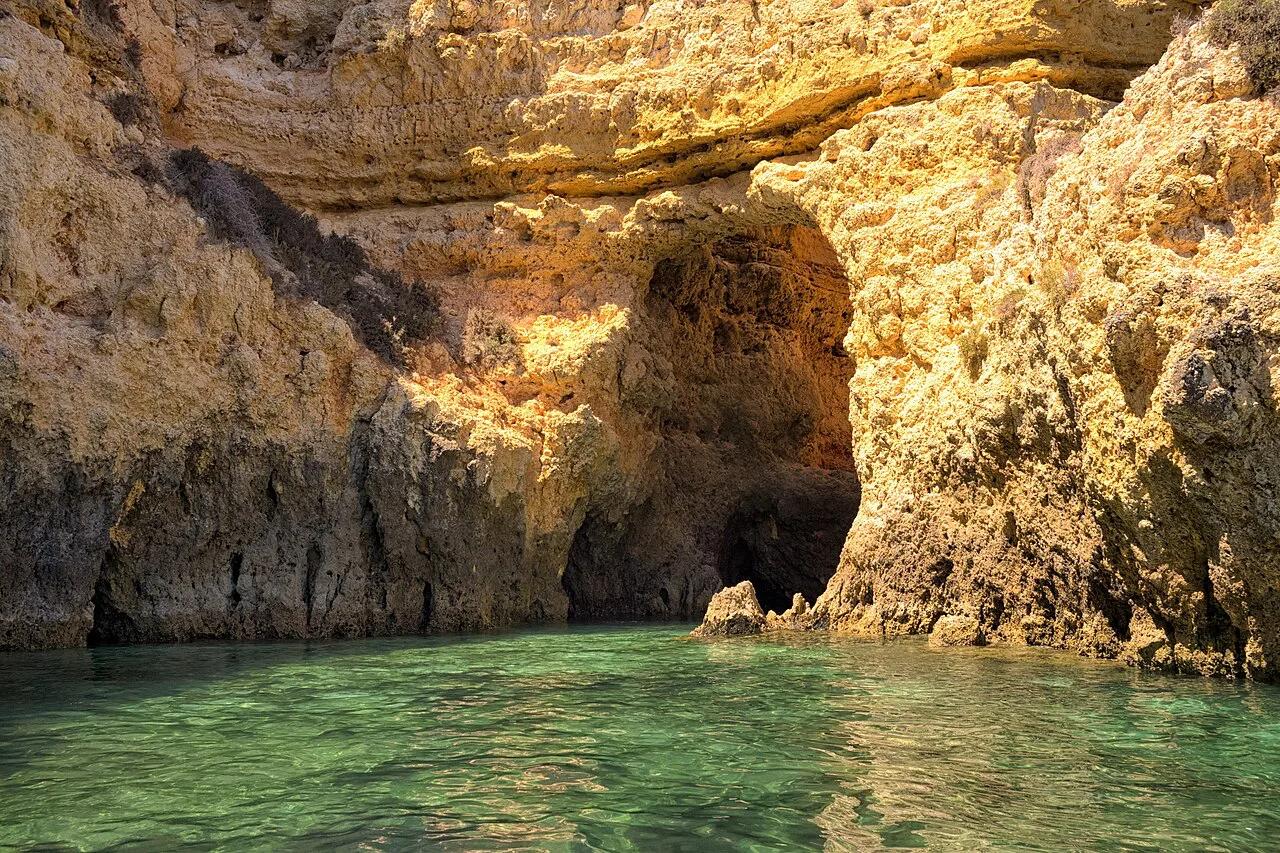
Featured image: Christian David, CC BY-SA 4.0, via Wikimedia Commons.
Quick answer: the main ice caves to visit in Europe
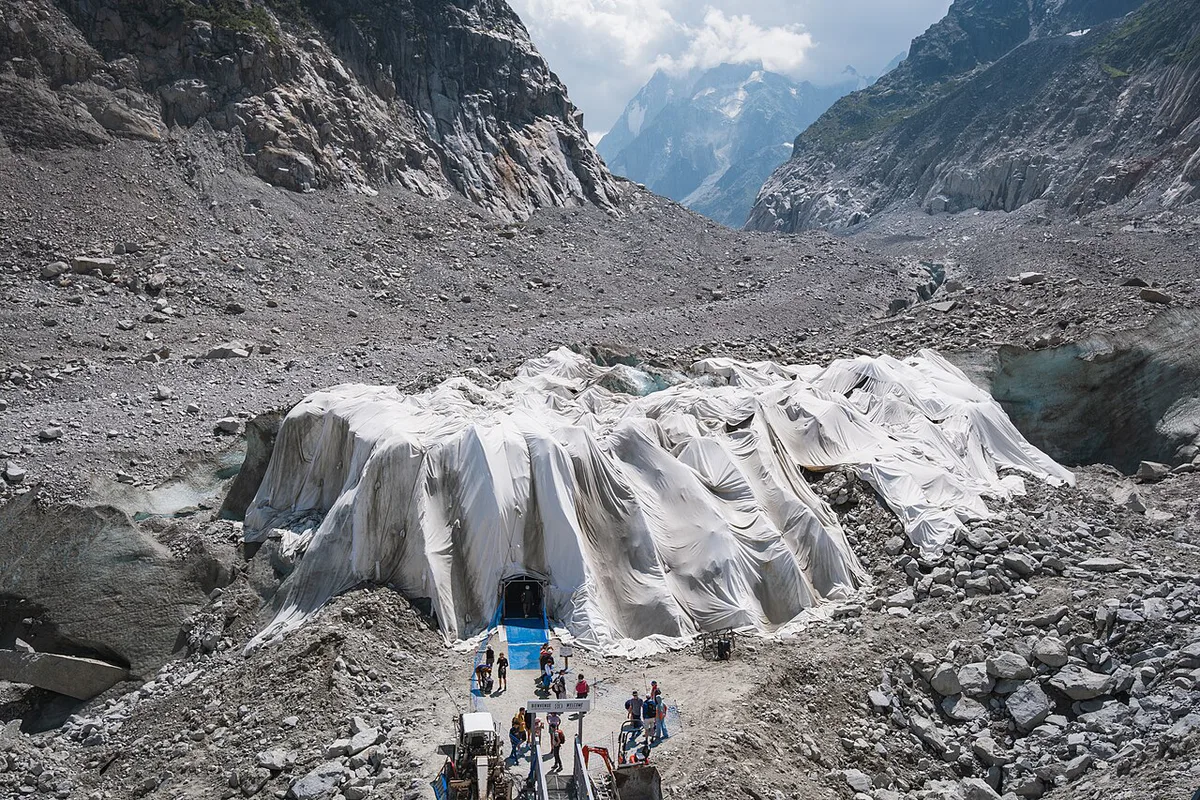
Stubai Glacier in Tyrol and the Rhône Glacier in Valais offer grottoes cut into the ice. At Chamonix, the Mer de Glace cave sits on a glacier that changes every year. Slovakia adds two lower-altitude natural ice caves, Dobšiná and Demänovská (Austria's Eisriesenwelt is the best-known natural example but sits outside this guide).
Three kinds of ice cave (and why it matters)
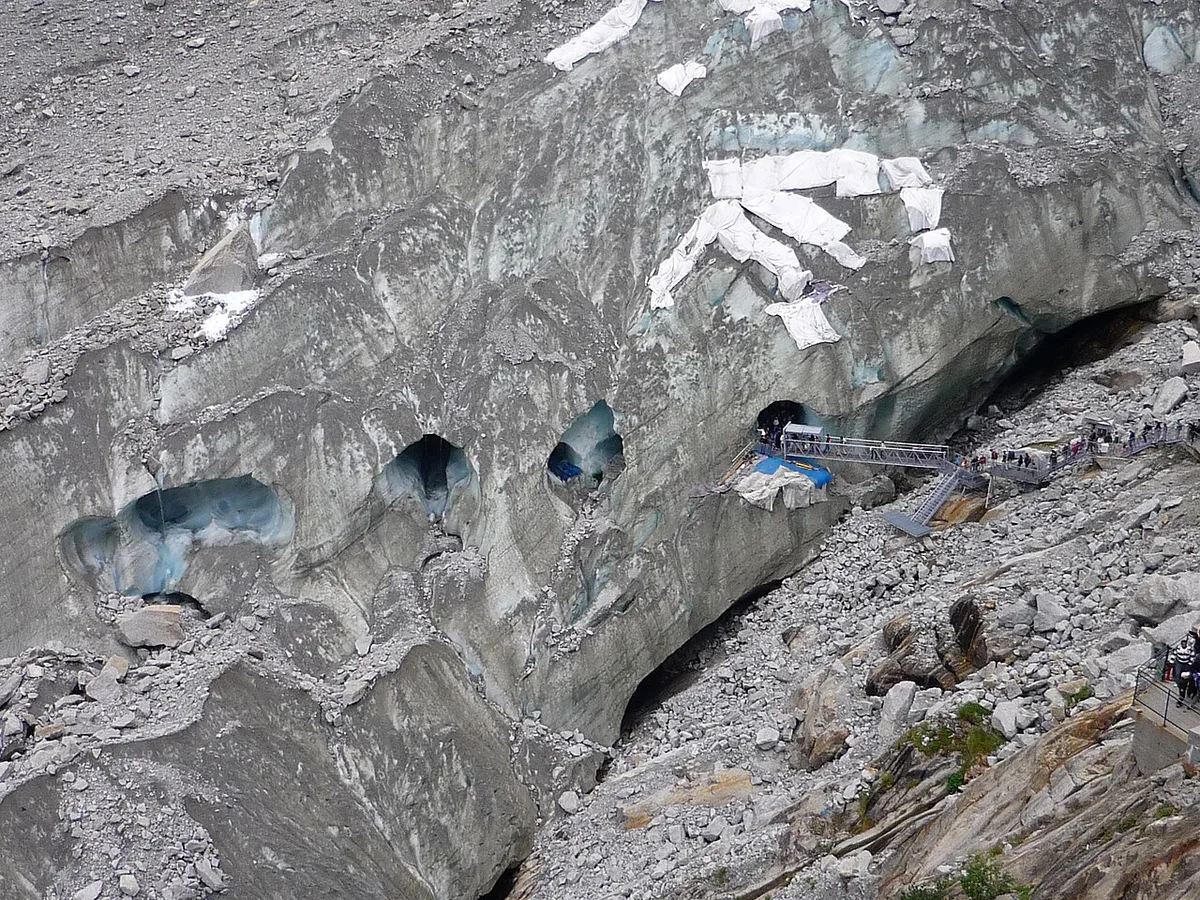
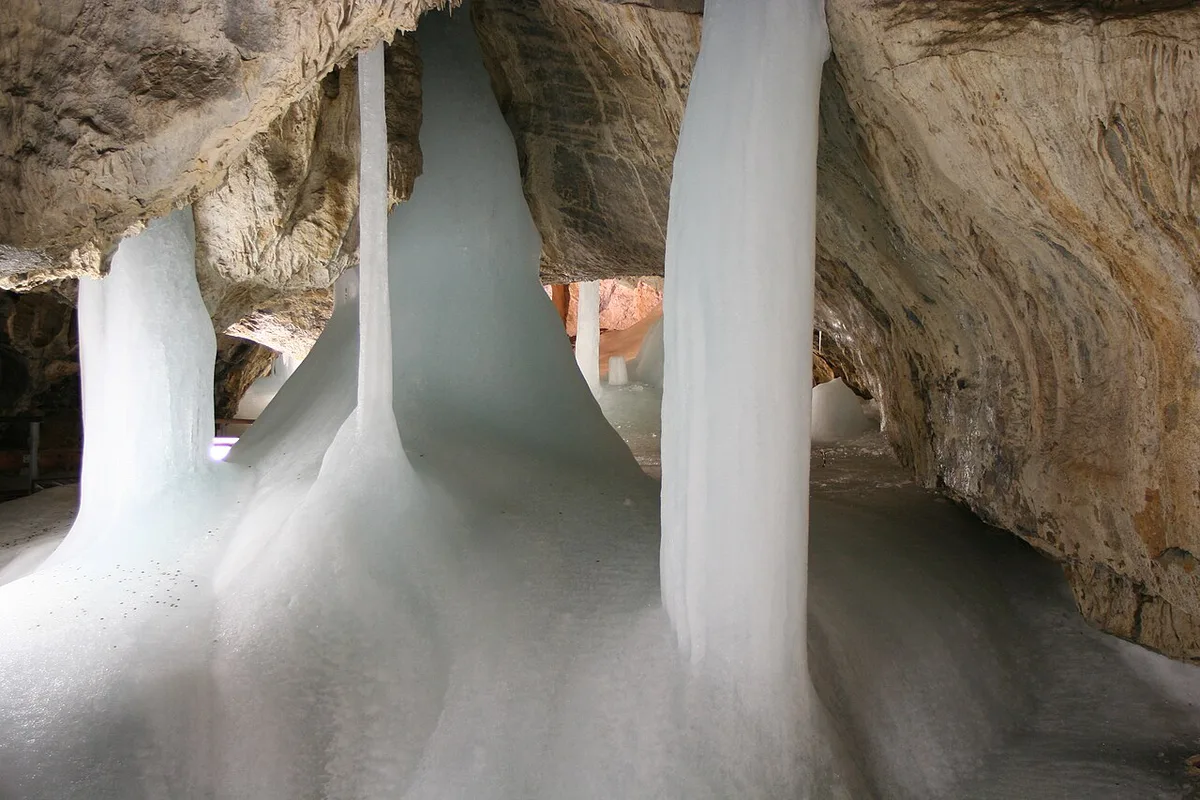
A natural ice cave is a limestone cave where ice forms and persists inside the rock. Opening depends on the season and on the cave's own conditions. A glacier cave is formed by meltwater inside moving ice, so it can close or shift from one year to the next. Our guide to how glacier caves form covers that in depth. A glacier grotto is a tunnel or chamber dug out for visitors, usually reached by lift and re-cut as the ice moves. This split affects reliability, safety and what you can book months ahead.
5 Ice Caves in Europe to Visit
Prices and hours checked November 2026 against each operator's site. Each entry names the access route, the season logic and who should skip it.
1. Stubai Glacier Ice Grotto, Austria
Stubai Glacier in Tyrol is a ski area with a man-made ice grotto, so it pairs well with an alpine stay. Its operator, Stubai Glacier, handles lift operations and current opening details. Our Stubai ice grotto guide covers the visit in detail.
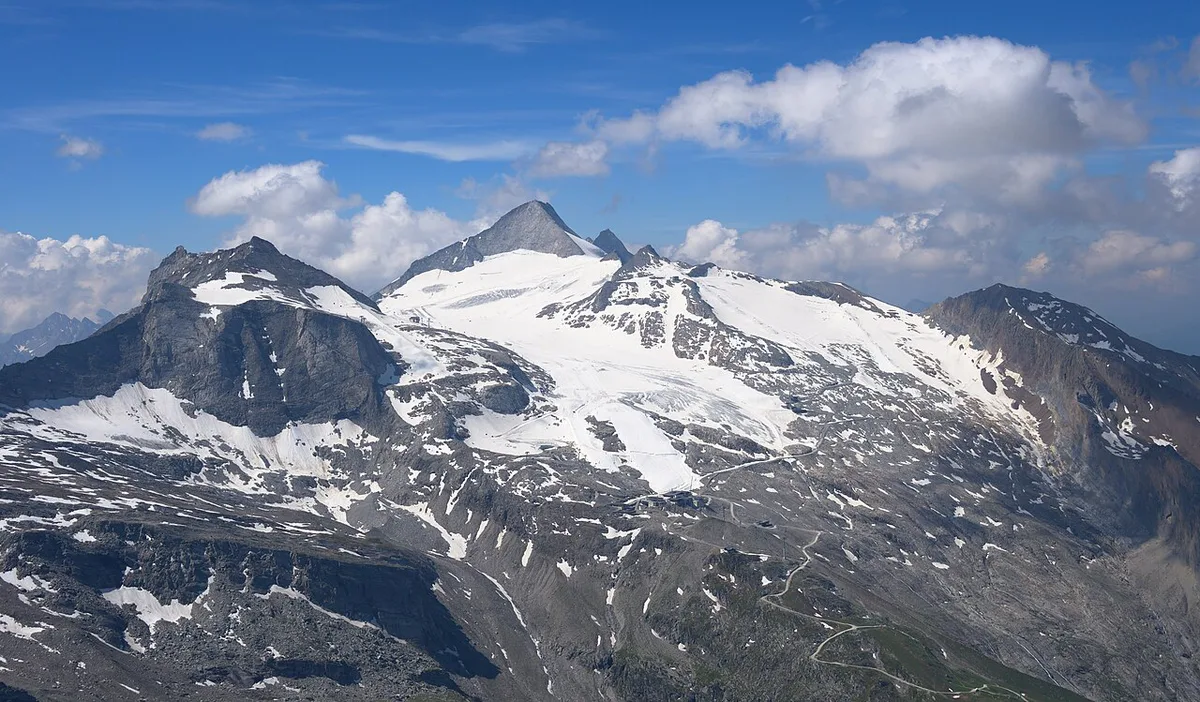
Pick this if you want the easiest add-on to a ski or glacier day, with lifts doing the climbing. Skip it if wind and cold at altitude are a problem, or if the lifts are not running on your dates.
2. Mer de Glace, Chamonix, France
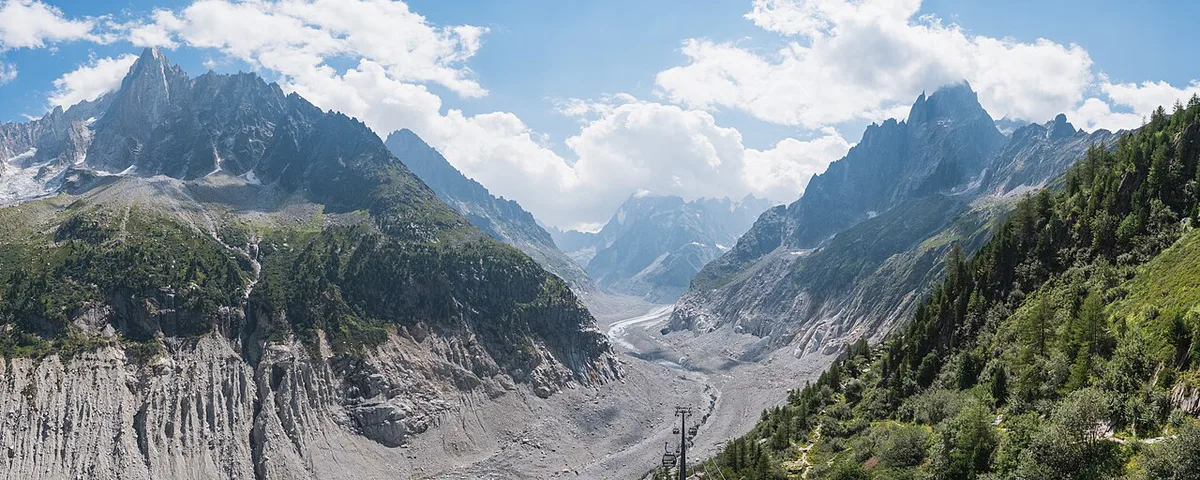
The Mer de Glace is a glacier above Chamonix, and the ice cave there is a visitor grotto in the glacier. The Compagnie du Mont-Blanc runs the route and posts current operating information at Montenvers–Mer de Glace. Because the glacier moves, the cave changes from year to year and should not be treated as a fixed attraction.
Read our Mer de Glace cave guide before you go. Pick this if you are already based in Chamonix and want a half-day with mountain scenery. Skip it if you are only passing through the Alps for a single day elsewhere, because the detour rarely pays off.
3. Rhône Glacier Ice Grotto, Valais, Switzerland
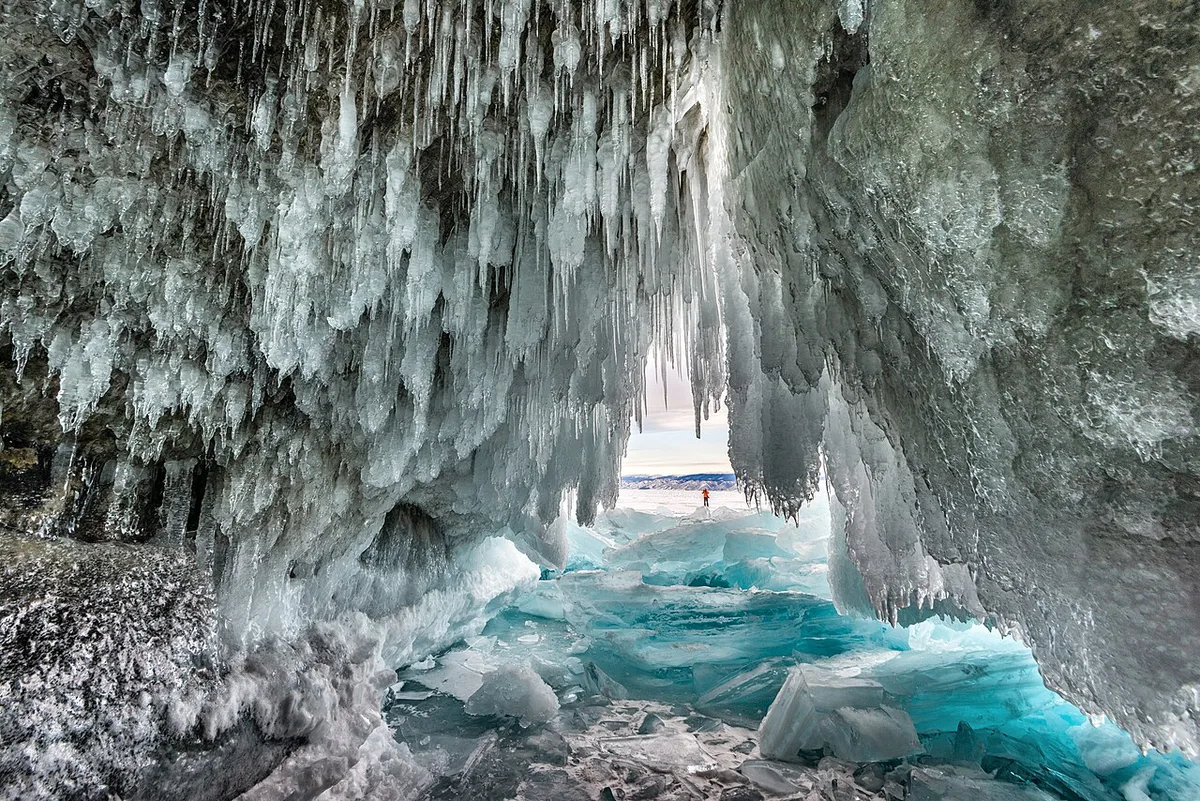
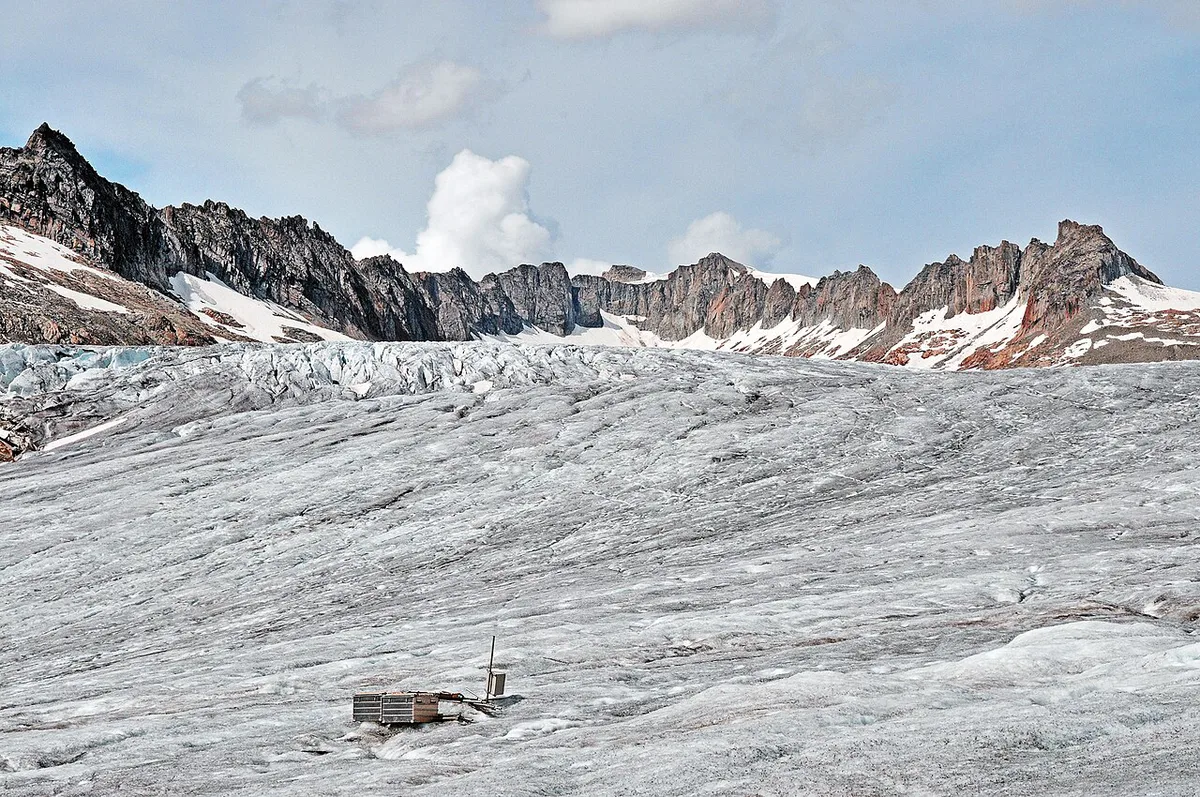
The Rhône Glacier in Valais has a tunnel-style ice grotto that visitors walk through on a wooden path. Operator, season and entry rules vary, so use the official Valais or Swiss tourism pages for current status. It is a glacier grotto, so expect cold air, slippery footing and changes from year to year.
Pick this if you are already driving or hiking in Valais and want a short, low-commitment ice stop. Skip it if you need guaranteed hours, or if you cannot confirm the grotto is open in your travel month.
4. Dobšiná Ice Cave, Slovakia
Dobšiná Ice Cave lies in the Slovenský raj area and is a natural ice cave, so ice persists inside the rock. The Slovak Caves Administration lists current opening details at ssj.sk. Natural caves like this one usually have a seasonal opening window rather than year-round access.
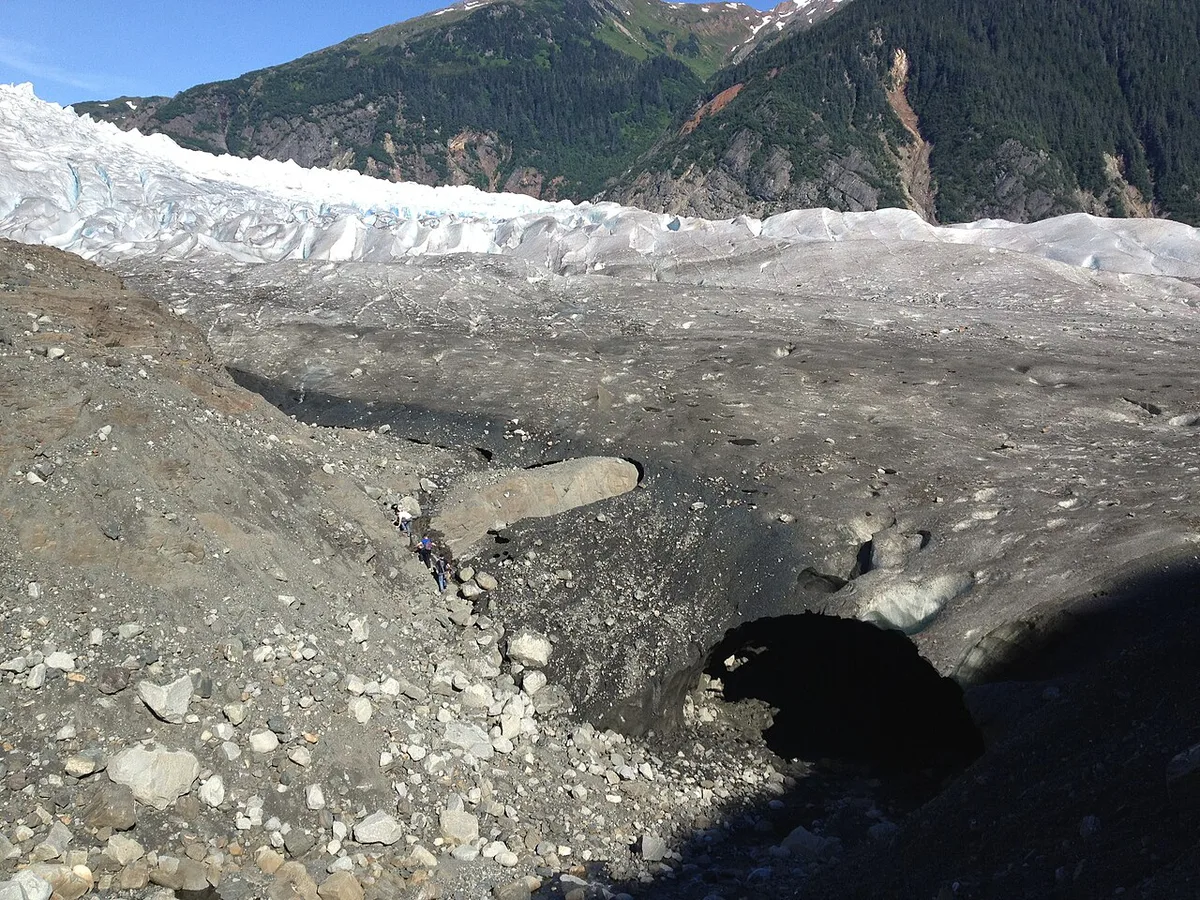
Pick this if you want a natural ice cave without alpine altitude or lifts. Skip it if you are only in Europe for a short alpine trip, since it sits far from the Alps.
5. Demänovská Ice Cave, Slovakia
The Demänovská Ice Cave is a short, cold show cave in the Demänovská Valley, near Liptovský Mikuláš and the Jasná resort area. The Slovak Caves Administration runs it, and the draw is permanent ice on a tour of about 45 minutes. The route starts among stalactites and stalagmites before steep sections lead to the ice-filled chambers. Summer cave temperatures run from 0.4°C to 3°C, and the amount of ice varies by season, so do not count on a frozen hall on a particular date.
Pick this if you are already in the Low Tatras and want a short ice stop; the official route is about 650 m with a 48 m elevation change. Skip it if you use a wheelchair or pushchair or have a heart or breathing condition, and ask the cave staff about steps before you buy tickets.
Ice caves in Europe at a glance
Use this table to compare the 5 options by type and effort. Where a cell says "check official site", the operator sets the detail and it changes by season.
| Site | Country | Type | Access | Season |
|---|---|---|---|---|
| Stubai Glacier | Austria | Glacier grotto | Lift access at ski area | Check official site |
| Mer de Glace | France | Glacier grotto | From Chamonix via operator route | Check official site |
| Rhône Glacier | Switzerland | Glacier grotto | Valais, walkway through ice | Check official site |
| Dobšiná | Slovakia | Natural ice cave | Guided visit, Slovenský raj | Check official site |
| Demänovská | Slovakia | Natural ice cave | Guided visit, Low Tatras | Check official site |
Countries beyond the main alpine sites
Each country has its own list of visitable caves. Our French ice cave list goes beyond Chamonix. Our Italian ice caves page covers Italy. Sicily has volcanic caves around Etna, and Parco dell'Etna is the authority on access in the park.
How to choose
Match the cave to your base. Staying in Chamonix points to the Mer de Glace. A ski or alpine stay in Tyrol points to Stubai Glacier. A Low Tatras stay points to Demänovská. Families and photographers should pick a site with an easy walkway, and anyone with low mobility should confirm the steps before booking.
When to go and what to wear
Natural caves have seasonal windows, and glacier grottoes depend on lift schedules and ice conditions. Wear warm layers, gloves and shoes with grip, because floors and steps are icy even in summer. Weather can close lifts and tours, so build in a spare day when you can.
Costs, tickets and getting there
Total cost stacks up in 3 parts: cave admission, the lift or train that gets you there, and transport from the nearest hub. A glacier cave can cost more than it looks because the lift is often the larger part. For Chamonix, Mer de Glace ticket options explain how to book. For other sites, use the operator's official page for current fares.
Costs split into 3 parts, so at Stubai Glacier the lift can outweigh the cave admission itself.
Mistakes to avoid
Do not assume a glacier cave looks the same every year. Do not treat a natural cave as open year-round. Do not arrive without checking that the lift or tour is running. Wear proper footwear, and book ahead on peak days where the operator allows it.
Frequently Asked Questions
Is ice cave worth it?
Yes, if you choose one that matches your base and season. Natural caves like Dobšiná reward a dedicated visit, while glacier grottoes work as shorter add-ons.
Will the ice caves reopen?
Natural caves reopen with their seasonal windows. Glacier caves depend on ice conditions, so check the operator's page for current status.
Explore More Guides
Keep planning your trip with these guides.
Guides
Notes for your next trip underground
Optional updates when we add or revise cave and underground guides.
More guides
More guides you'll find useful