Paxos Blue Caves: Boat Access, Timing and Honest Expectations
Paxos blue caves explained: where the west-coast sea caves are, how to reach them from Gaios or Lakka, when light is best, and how they compare with Zakynthos.
Last updated November 2026. The Paxos blue caves are a string of sea caves and grottoes along the island's cliff-lined west coast, and boat is the practical way to see them. Gaios and Lakka are the usual departure points, and the Ipapanti cave and the Ortholithos cliffs are the names to look for. Expect sheer rock and clear water rather than a copy of Zakynthos, and read on to decide which type of trip suits you.
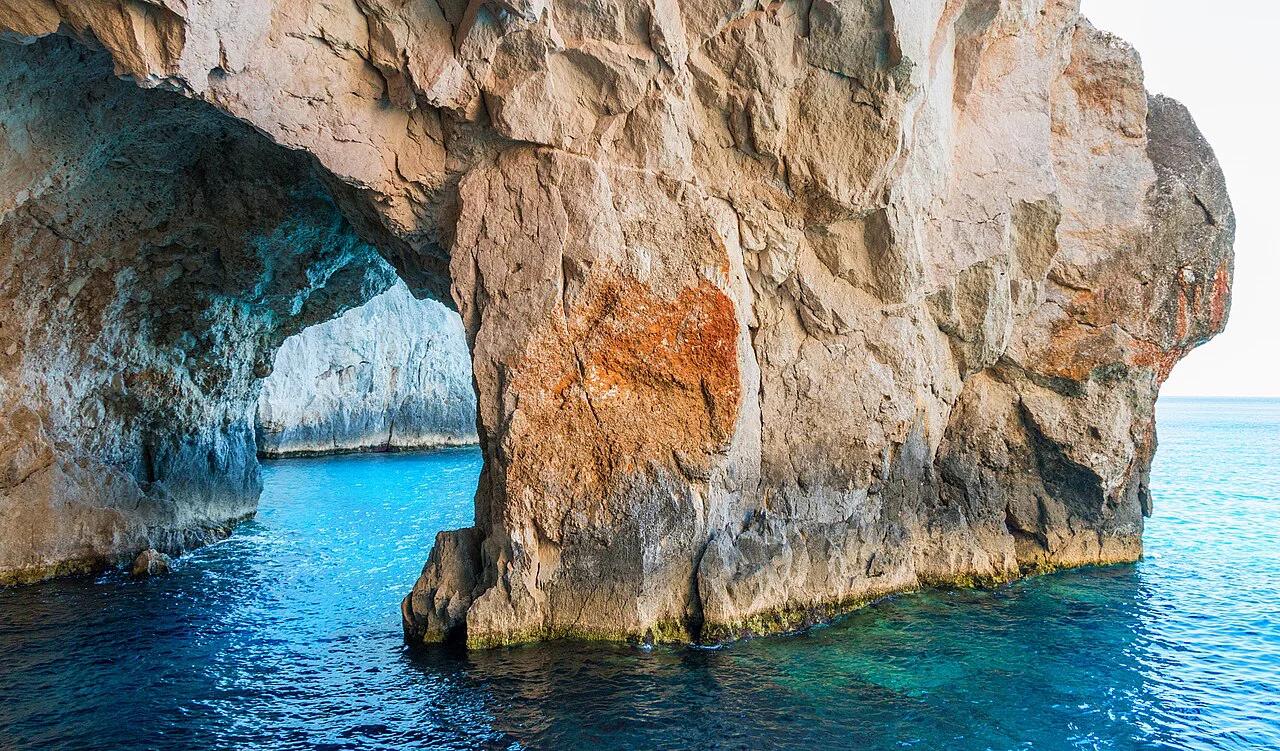
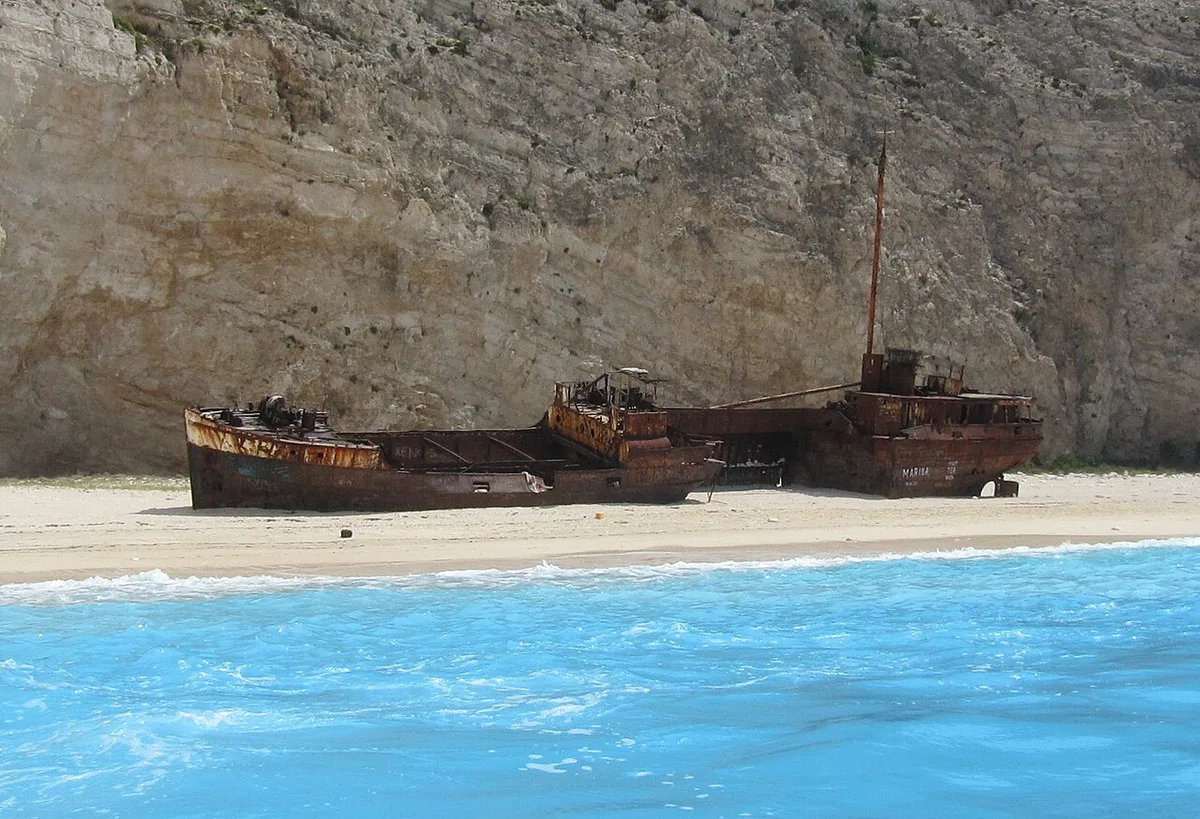
Featured image: Lubomir Mihalik, CC BY 3.0, via Wikimedia Commons.
Paxos blue caves: what they are and where they sit
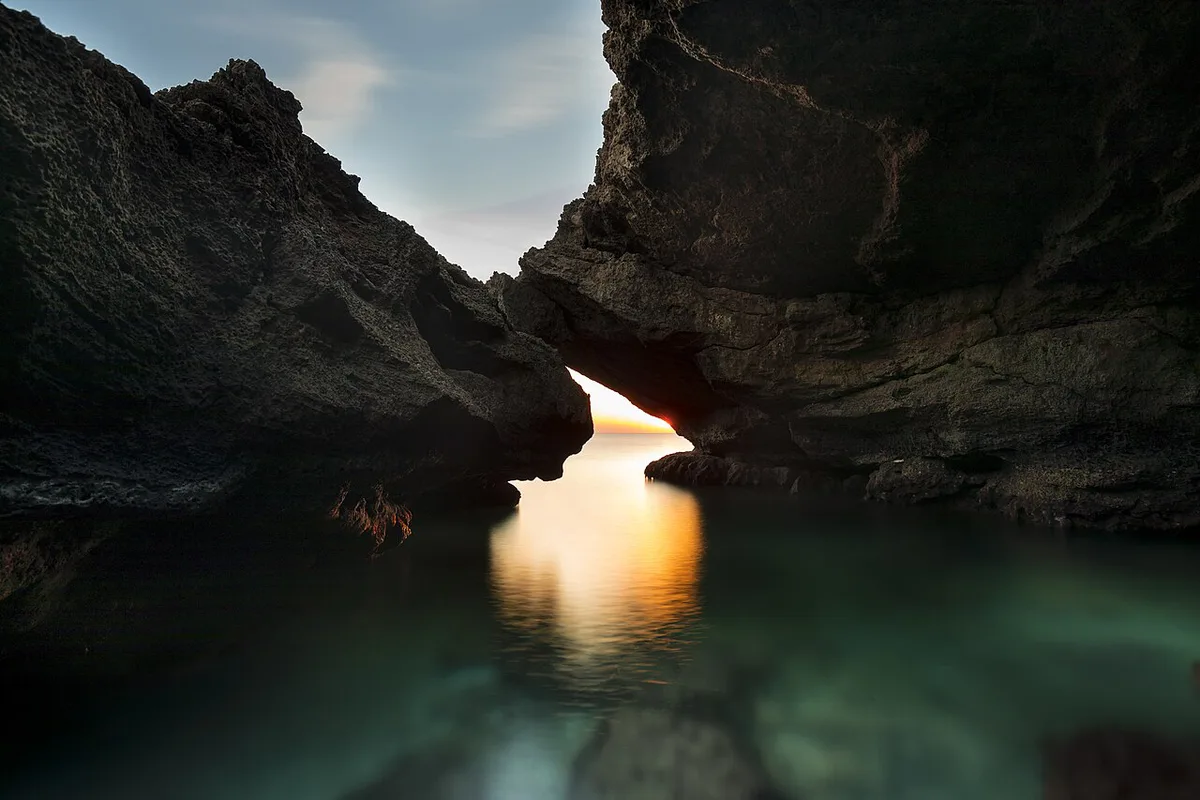
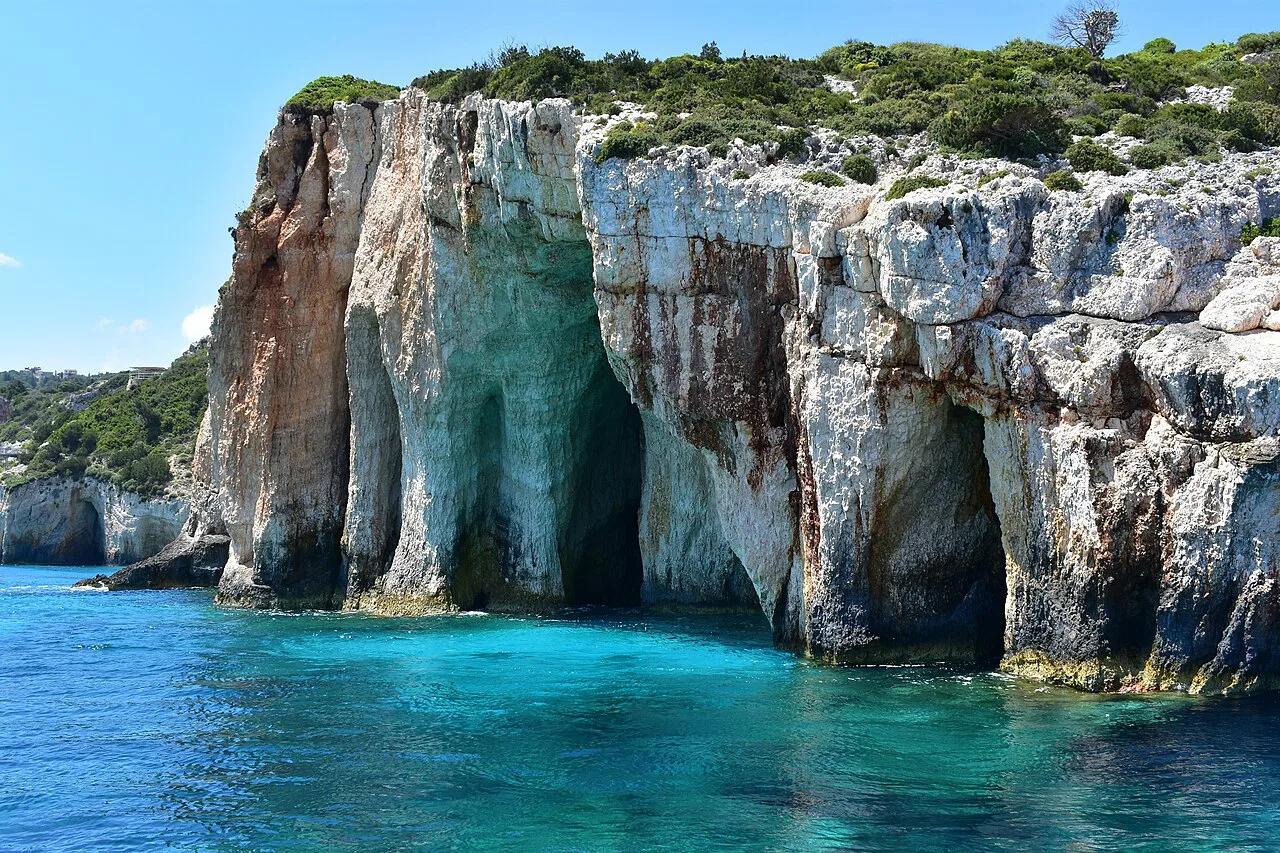
Paxos is a small Ionian island, and its west side faces open sea. Limestone cliffs drop straight into the water there, and wave action has cut caves and arches into the base. Boat trips along this coast are what visitors mean when they search for the blue caves of Paxos. Two features come up most often: the Ipapanti cave and the Ortholithos cliffs. Ipapanti is a sea cave on the west coast. Ortholithos is a tall cliff face that boats pass on the same stretch.
The east coast is gentler, with the harbours and olive groves. That contrast matters for planning. Sheltered water on one side does not mean calm water on the other. The west coast takes whatever the open sea sends.
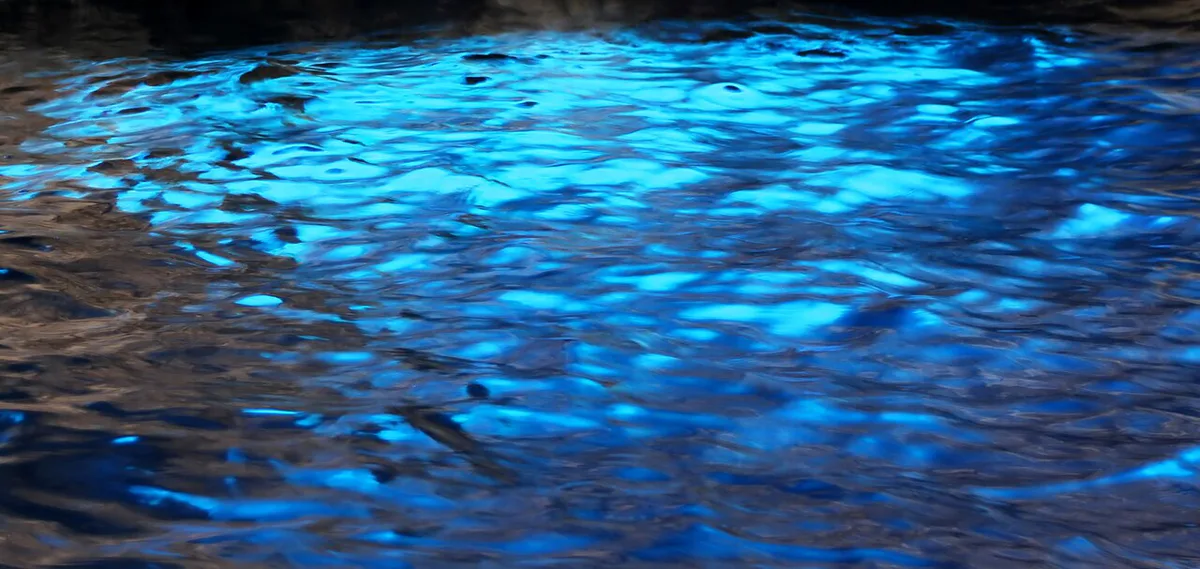
Islanders and visitors both use "blue caves" loosely, because water inside a cave can look blue when sun reaches it. Colour depends on the hour, the angle of light and the swell. Treat any promise of a glow with caution. You are going for rock formations, clear water and a short swim, with colour as a bonus.
Choose how to visit the caves
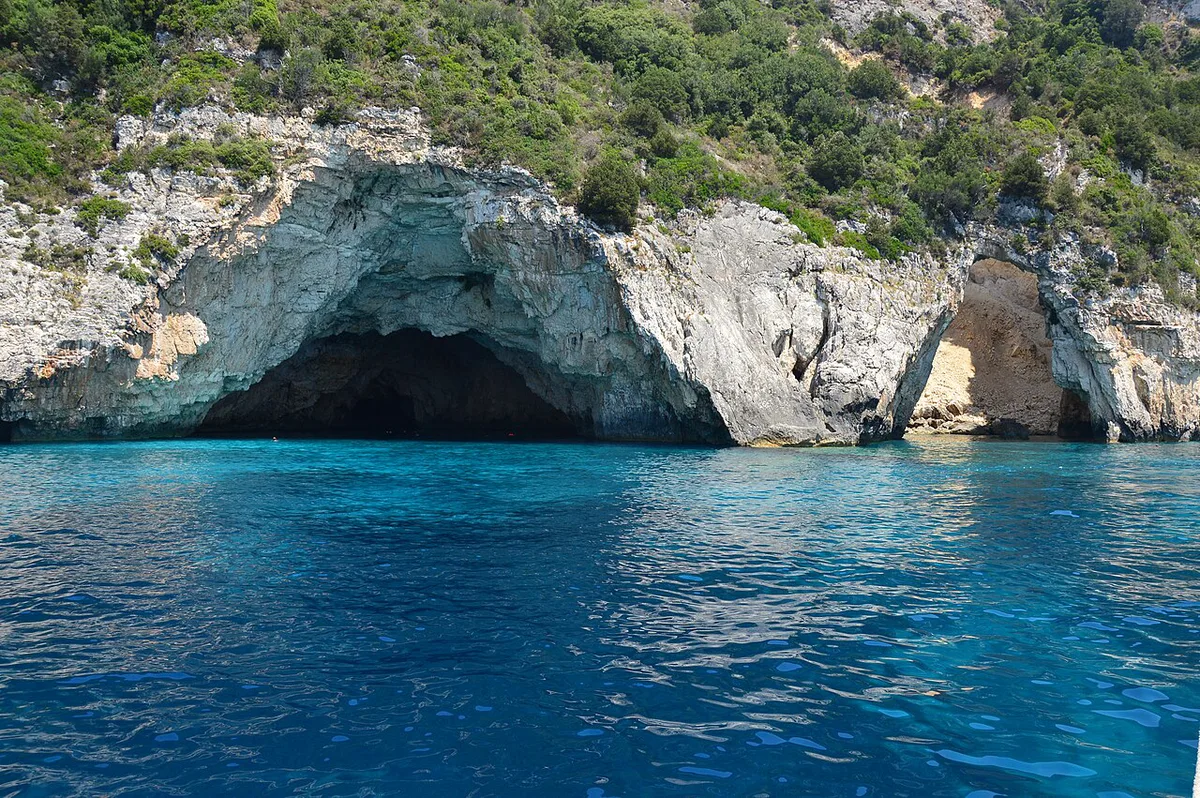
Three styles of visit are common around Paxos. Each trades cost, flexibility and comfort differently, so match the option to your group before you book. Operators change routes and equipment from year to year, so ask each one exactly what it offers.
| Option | Best for | Trade-off |
|---|---|---|
| Organised boat tour | Families, first-timers, non-swimmers | Fixed timetable and shared boat; lowest effort |
| Private or small-boat hire | Photographers, small groups, flexible timing | Higher cost; you choose the hour for the best light |
| Kayak or SUP, where an operator offers it | Confident swimmers who want a slow approach | Exposed to swell and wind; poor choice on rough days |
- Families and non-swimmers: pick a larger tour boat with life jackets and a sheltered deck.
- Photographers: a private or small boat lets you wait for the light to reach the cave mouth.
- Motion-sickness-prone visitors: take a morning departure, when the sea is usually quieter, and sit near the middle of the boat.
Getting to Paxos and to your departure port
Paxos has no airport. Most visitors arrive by ferry from Corfu or from the mainland coast. Timetables and crossing times change by season, so use the island's official tourism information at Visit Greece's Paxos page as your starting point. Then check the ferry operator's own schedule before you fix a date.
Gaios is the main port, and Lakka is the other base named for cave trips. Pick the one closest to where you sleep, because an early start is easier from your own doorstep. Many cave trips combine the west coast with swim stops elsewhere, so ask whether Antipaxos beaches are part of the route. That question changes both the length of the trip and the price.
Best time of day, season and sea state
Light decides how the caves look. The west coast faces the sea, so direct sun reaches the cliffs later in the day. Ask your skipper which hour works best for the cave you want, because the answer depends on the season and the cave's angle.
Summer brings the calmest and most reliable water, and also the most boats. Shoulder months can mean quieter water but more cancellations. Wind and swell can shorten or cancel a trip, and a cave entrance that is safe on one day can be unsafe the next. A skipper who turns back is making a normal call.
Build slack into your plan. Do not book the cave trip for your last day on the island. Keep a spare day, and check the forecast from the Hellenic National Meteorological Service the evening before.
Cost, time and what is included
Pricing differs by boat type, group size and season, and no fixed figure applies across operators. As a general rule, a shared tour costs less per person than a private boat, and a short cave-only run costs less than a full day with beach stops. Ask each operator for the current price in euros and what it covers.
Useful questions before you pay:
- How long is the trip, and is the cave visit one stop or the main stop?
- Are swim stops, drinks and snorkel gear included?
- Will the boat enter the caves, or only pass the entrances?
- What happens to the booking if the weather cancels the trip?
Can you swim in the caves? Safety and conduct
Swimming is often possible near the caves, but it depends on the swell and on your skipper's judgment. Only swim when the crew says conditions allow it. Wear a life jacket if you are not a strong swimmer, and stay close to the boat.
Swell can push you against rock inside a cave. Do not jump or dive from the boat or from ledges you cannot see under. Keep clear of cave entrances when waves surge in and out.
Boat entry is also limited. Larger boats usually stop at the mouth, while smaller craft may go further in when the water is calm. Follow the skipper's instructions, and check the Hellenic Coast Guard's current guidance if you are chartering your own boat.
Paxos versus Zakynthos and other Greek sea caves
Zakynthos is the benchmark for most visitors. Its blue water and large formations draw many boats, and our guide to Zakynthos's famous sea caves covers the details. The Municipality of Zakynthos is the official local source for that island.
Paxos is quieter and smaller in scale. Expect cliffs and modest grottoes, not a spectacle on the Zakynthos model. If you are also visiting Zakynthos, look at the Cape Skinari coastline too. The caves near Keri are another option there.
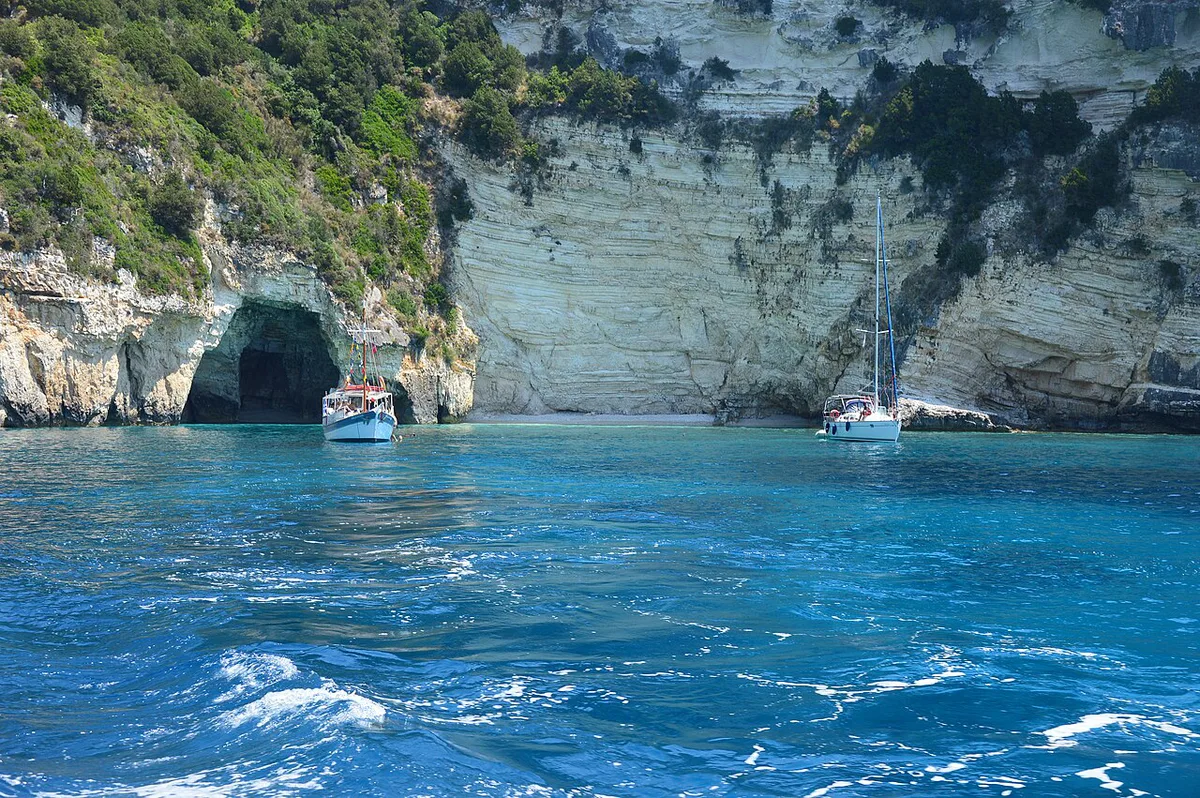
Further along the Ionian chain, the Papanikolis sea cave is another cave trip to consider around Kefalonia. In the Cyclades, Milos's boat-access caves offer a very different volcanic landscape. For the wider picture, browse more sea caves across Greece.
Plan B if the sea is rough
A cancelled cave trip does not have to end the day. Ask your operator whether the boat can switch to sheltered swim stops on Antipaxos. Walk or drive to a viewpoint on another stretch of the Paxos coast, and look down on the cliffs from above. A swim from a beach in the lee of the island is a sound fallback. If you still want caves, use the Zakynthos and Greece guides above to plan a later stop.
What to bring and who should skip it
Pack swimwear, water shoes for slippery rock, a waterproof phone case and sun protection. A light layer helps on the boat when wind picks up. Bring a hat that fits snugly.
These trips suit swimmers, photographers and families with children old enough to wear a life jacket. Skip them if you dislike small boats or open-water swell. Anyone expecting a Zakynthos-scale spectacle should adjust expectations first. Paxos rewards people who enjoy cliffs, clear water and a quiet boat ride.
Notes for your next trip underground
Optional updates when we add or revise cave and underground guides.
More guides
More guides you'll find useful