
Cave Boat Tours in Europe: Where to Ride and How to Choose
Compare cave boat tours across Europe: underground rivers, lakes and sea caves, with access, booking, season and who should skip each.
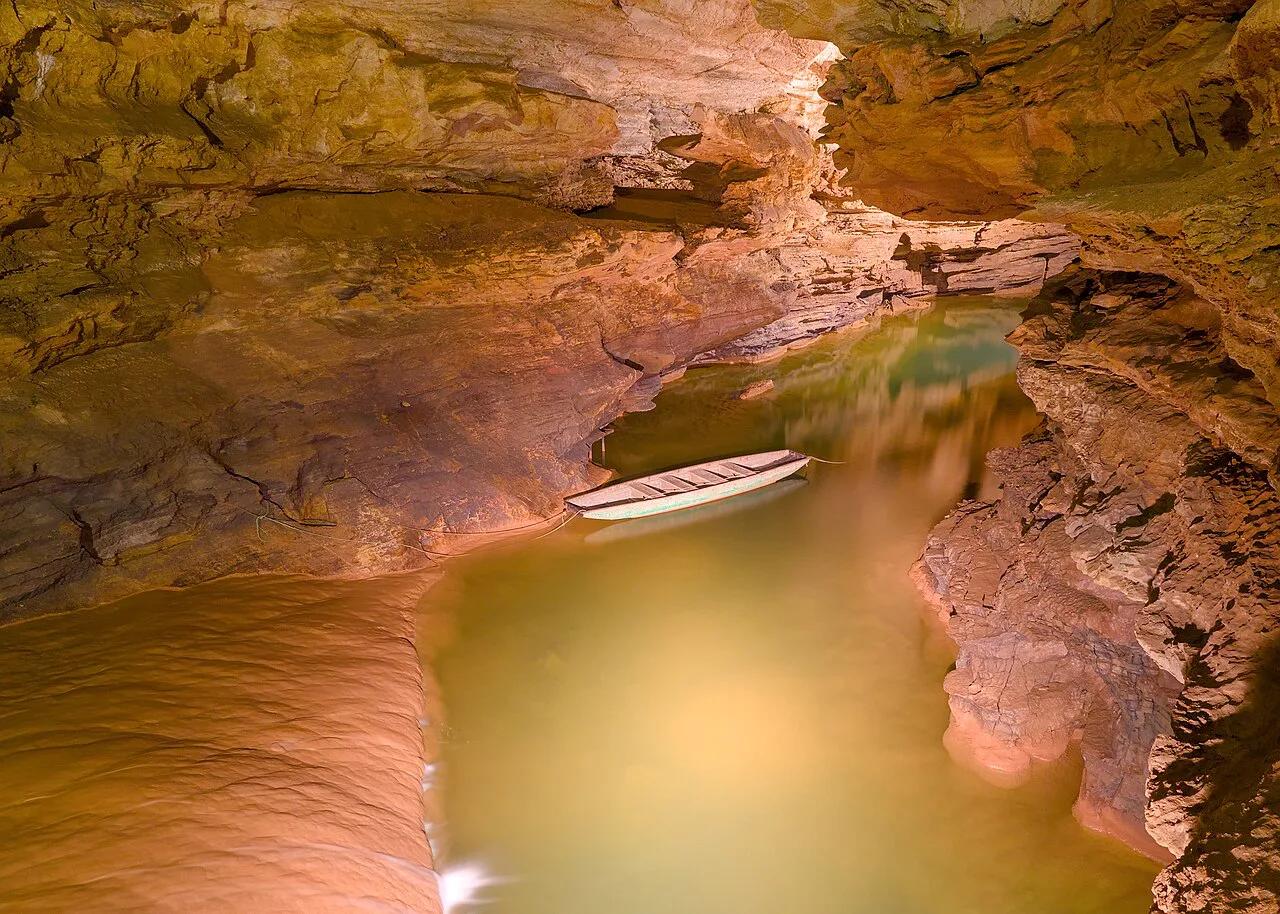
Last updated November 2026. A cave boat tour is a guided ride on an underground river, an underground lake or into a sea cave from the water. Europe offers all three, and the right pick depends on region, season, boarding access and how you feel about cold, dark or low-ceilinged spaces. This guide sorts the options so you can choose one before you browse the rest of our 8 Best Caves in Europe: Show, Painted and Lake Caves hub.
Featured image: Benjamin Smith, CC BY-SA 4.0, via Wikimedia Commons.
Types of cave boat tours in Europe
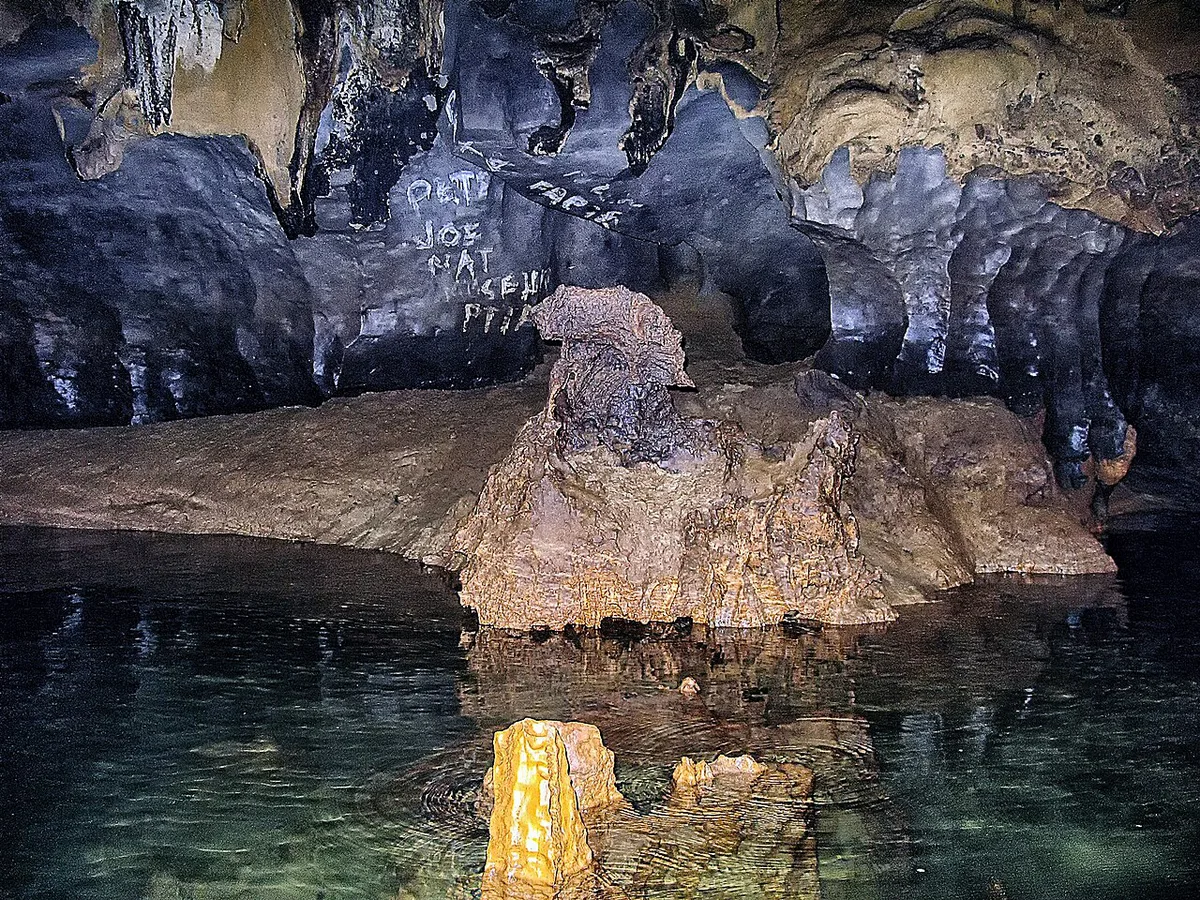
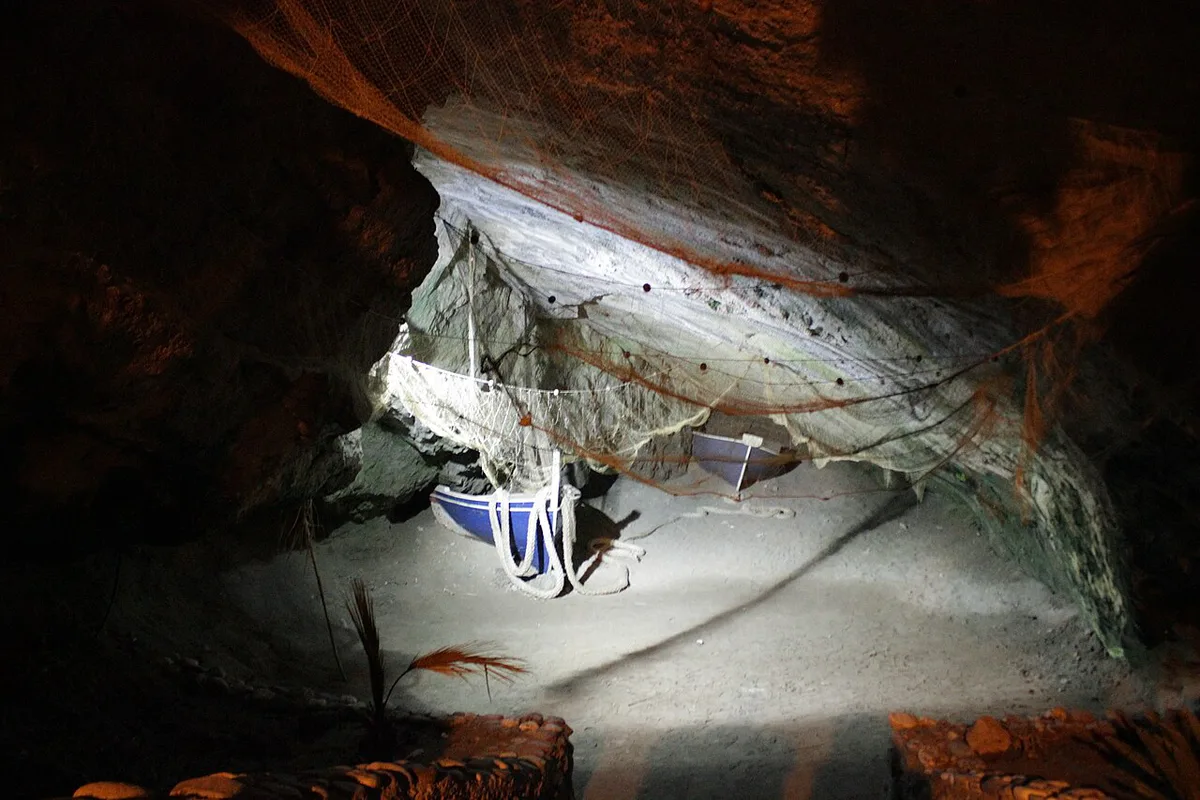
Three formats cover nearly every boat ride under or into rock. Inland rides run on water inside a show cave and are usually sheltered from the weather. Sea-cave trips start from a harbour and depend on swell and wind. Smaller caves sometimes use a short rowed or punted crossing. If you are unsure whether a cave is a guided attraction or an adventure, read about show caves versus wild caves first.
| Type | Experience | What can cancel it | Boarding | Best for |
|---|---|---|---|---|
| Underground river or lake inside a show cave | Calm, guided glide past lit rock and clear water | High water after heavy rain | Usually steps or a platform inside the cave | First-timers and families |
| Sea-cave boat trip | Open-water ride into a coastal cavern | Swell, wind and sea state | Harbour or pier, then a small boat | Travelers happy with a rocking boat |
| Rowed or punted ride in a small cave | Short, quiet crossing with little room to move | Rising water or operator limits | Narrow landing, sometimes stooping | Visitors who like intimate spaces |
Where to find a cave boat tour: venue picks by region
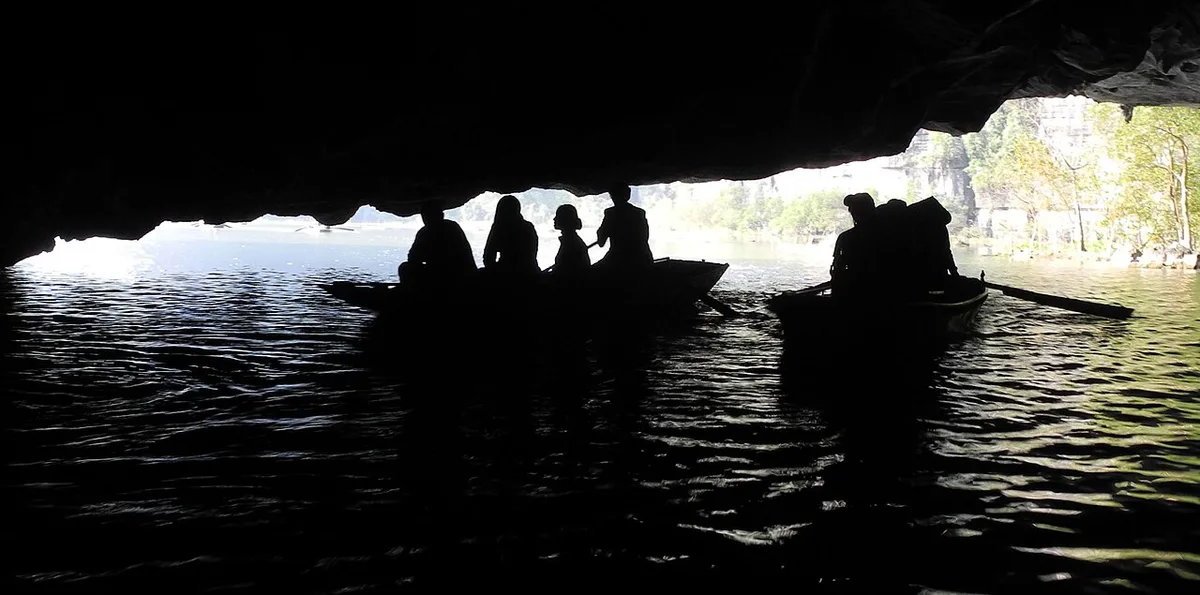
These four are the best-known inland options, and each pairs a cave with a boat segment. Boat operation can change with water levels and maintenance, so look at the operator's current page for the day you plan to go. For more lake-focused options beyond this list, see our guide to underground lakes across Europe.
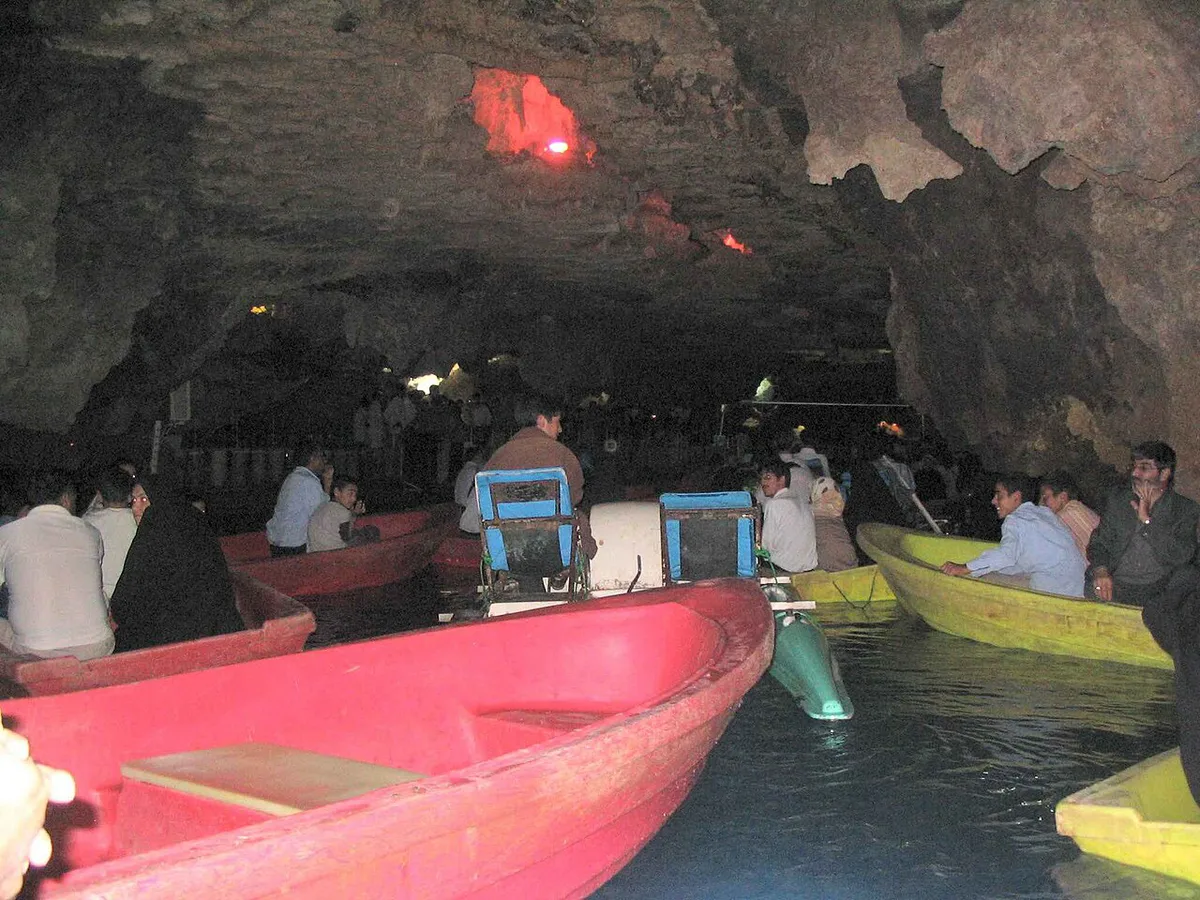
- Melissani, Kefalonia, Greece: a cave lake you cross by boat. Skip it if you want a long ride, because the lake is a short outing. National tourism information is on Visit Greece.
- Diros, Mani, Greece: a boat ride through a water-filled cave system. Skip it if narrow passages and low rock overhead bother you.
- Han-sur-Lesse, Belgium: a boat segment forms part of a larger cave visit. Details on the current tour format sit on the Han-sur-Lesse official site. Skip it if you want a boat-only trip.
- Cuevas del Drach, Mallorca, Spain: an underground lake that you cross by boat. The operator lists current visit details on the Cuevas del Drach site. Skip it if you dislike busy, timed visits.
Sea cave boat tours on the Mediterranean and Atlantic coasts
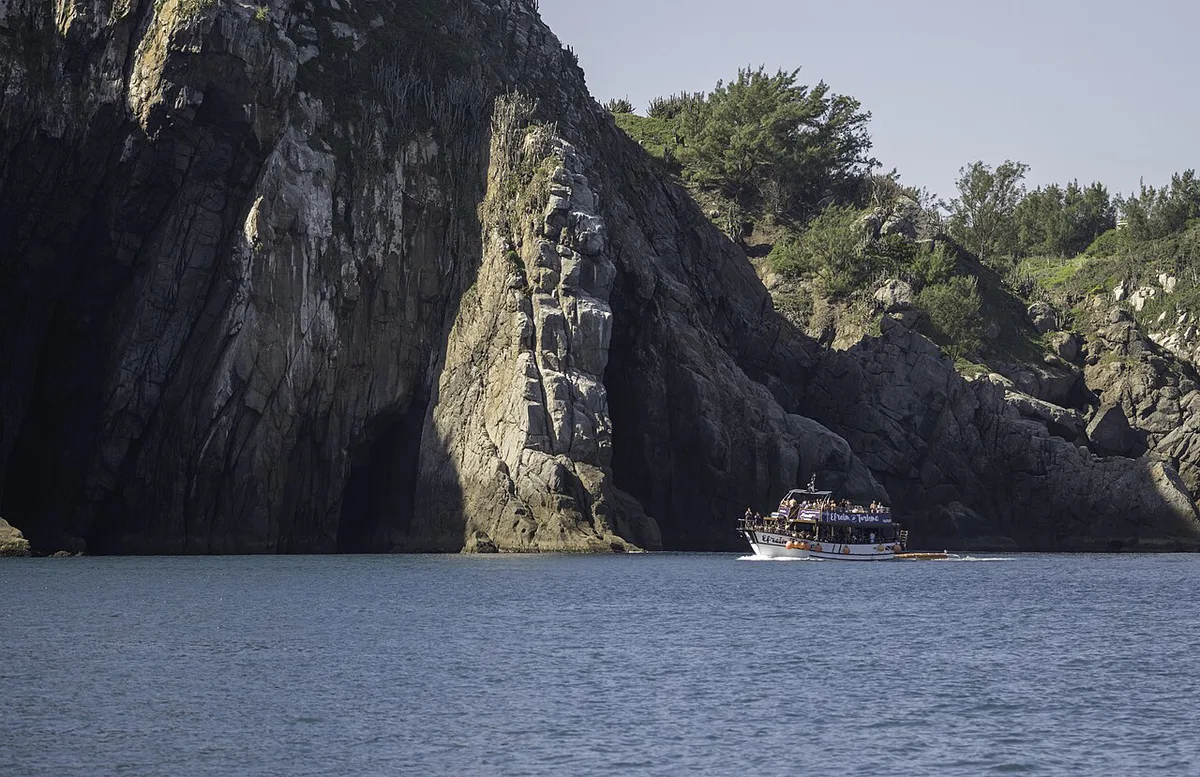
The four venues above are inland lakes and rivers (Scotland's Fingal's Cave is the best-known sea cave of the other kind, but it sits outside this guide). Southern Europe's coasts add a second group of cave boat trips, and these behave very differently from a show-cave ride. They run in open water, so the sea decides whether you go in.
| Area | What the trip is like | Main limit |
|---|---|---|
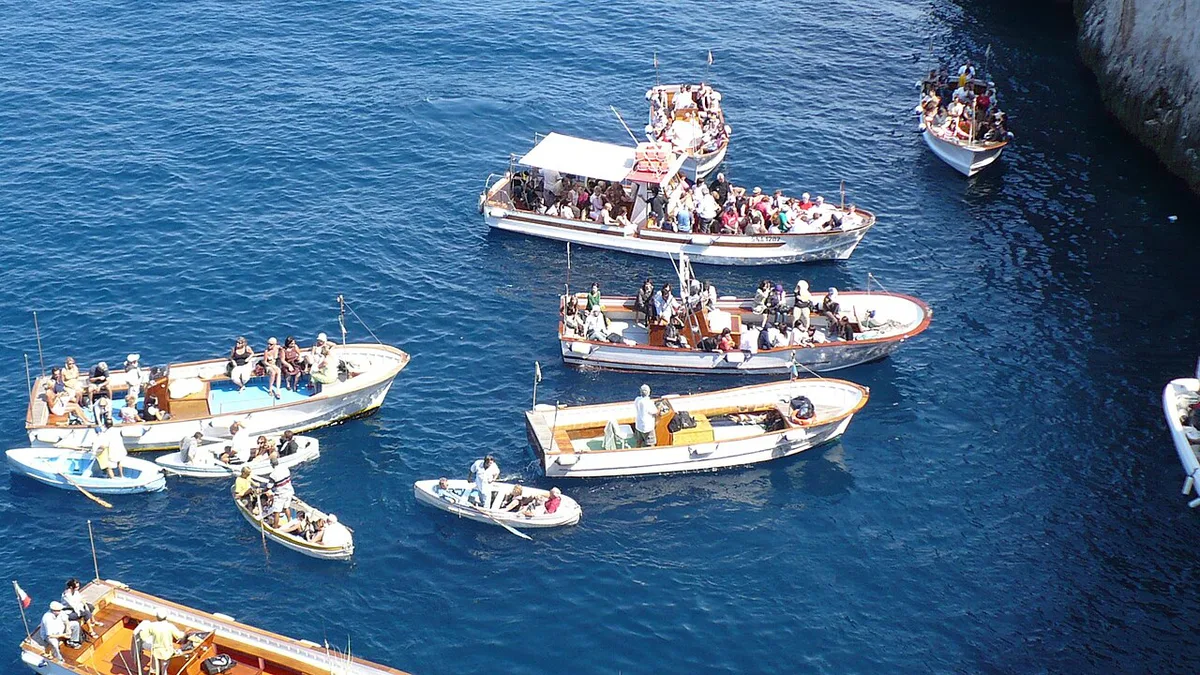
| Capri, Italy | You switch to a small rowing boat at the entrance of the Blue Grotto and lie back to pass through a very low opening. | Closed when swell makes the opening unsafe |
| Algarve, Portugal | Small boats and kayaks from harbours such as Lagos, Portimão and Carvoeiro enter sea caves and arches along the limestone coast. | Atlantic swell and wind |
Two practical points apply to the Mediterranean and Atlantic trips. First, a short cave stop is often one part of a longer coastal outing, so check how much of the trip is actually inside a cave. Second, entry to some grottoes is charged separately from the boat fare, so ask what the price covers before you pay.
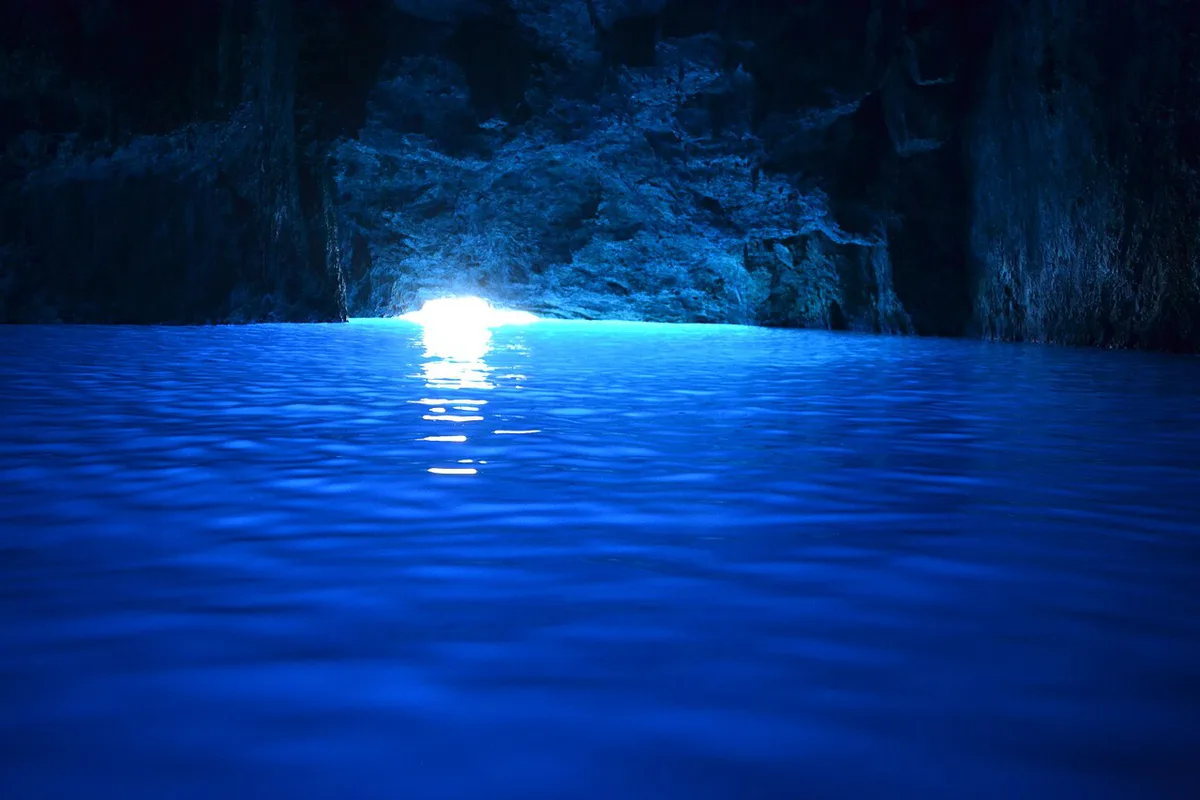
For details, see our guides to the Blue Grotto boat tour and Algarve cave boat tours. If you are based near Lagos, the Ponta da Piedade boat tour covers the grottoes around that headland.
Keep a flexible day for any of these. A cancelled departure is common on windy days, and operators usually rebook or refund according to their own policy, so ask about it when you reserve.
How to choose the right cave boat tour
Match the format to your group, not the other way round. Sheltered inland rides suit most people. Sea-cave trips reward flexibility. Anyone who wants rope work, crawling or wet suits should look at Caving in Europe: Show Caves vs Real Caving Guide instead of a boat ride.
- First-timers: pick an inland show-cave ride, where lighting and a set route remove most unknowns.
- Families with young children: ask the operator about age rules and life jackets before you buy.
- Limited mobility: ask about steps to the boarding point, since many caves involve stairs and uneven floors.
- Photographers: expect dim boat lighting, and ask whether photography is restricted on board.
- Claustrophobia: avoid small-cave rides with low ceilings and favour wide lake caverns.
Who should skip a cave boat tour
Skip a boat visit if you cannot manage stairs and no step-free route exists. Skip sea-cave trips if motion sickness is a problem. Skip small low-ceilinged crossings if enclosed spaces cause real distress.
Costs, tickets and booking
Three setups exist. In some caves the boat ride is bundled into a single cave ticket. In others it is a separate paid tour. Sea-cave trips are usually sold by a boat operator and sometimes as private charters. Prices and hours were not checked for this guide, and they change by season and currency, so read the official page first. Peak-season slots and sea-cave departures can sell out, which makes advance booking sensible. Shoulder-season walk-up is usually easier at inland caves.
Timing, weather and seasons
Cave air stays stable through the year, so the variable is outside weather and water level. Heavy rain can raise water inside an inland cave and halt the boats. Swell and wind can cancel sea-cave trips on the day. Winter schedules are often reduced, so confirm the operator's calendar early. Many cave visits include bats, and some sites restrict access when colonies are present, as explained in our guide to Bats In Caves: Why They Roost & Where To See Them.
- Mistake to avoid: booking a sea-cave trip on your only free day. Leave a spare day or a backup plan.
- Bad-weather backup: pair a sea-cave plan with an inland show cave nearby.
Getting there and planning the day
Start from the nearest base listed by the operator. Melissani and Diros sit on Greek tourist routes, and Han-sur-Lesse is a village-based visit. Cuevas del Drach is on Mallorca, where driving or an organized excursion is the usual choice. Public transport can be thin outside peak season, so check timetables. Some caves host performances, which you can explore in Cave Concerts in Europe: How to Plan One. Others sit near eateries, covered in Cave Restaurants in Europe: Where to Dine Underground.
What to wear and bring to a cave boat tour
Wear non-slip shoes, a light extra layer and clothes that can handle spray on sea trips. Boats are dim, so keep a phone secure and your hands free. Our guide on What to Wear in a Cave: Europe Checklist by Cave Type covers the details. For the temperature side, read about How Cold Is It in a Cave? Temperatures and What to Wear. Check the operator's page on the day for rules about bags and cameras.
Notes for your next trip underground
Optional updates when we add or revise cave and underground guides.
More guides
More guides you'll find useful






