Blue Grotto From Naples: Routes, Costs and Closures
How to reach the Blue Grotto from Naples: tour vs ferry, what it costs, and what to do if the grotto is closed.

Last updated November 2026: reaching the Blue Grotto from Naples takes two legs, a sea crossing to Capri and then a small-boat transfer into the cave. Ferries and hydrofoils leave Naples for Marina Grande, and a day trip works if you start early. Treat Capri as the sure thing and the grotto as the bonus, because sea conditions decide whether the entrance opens.
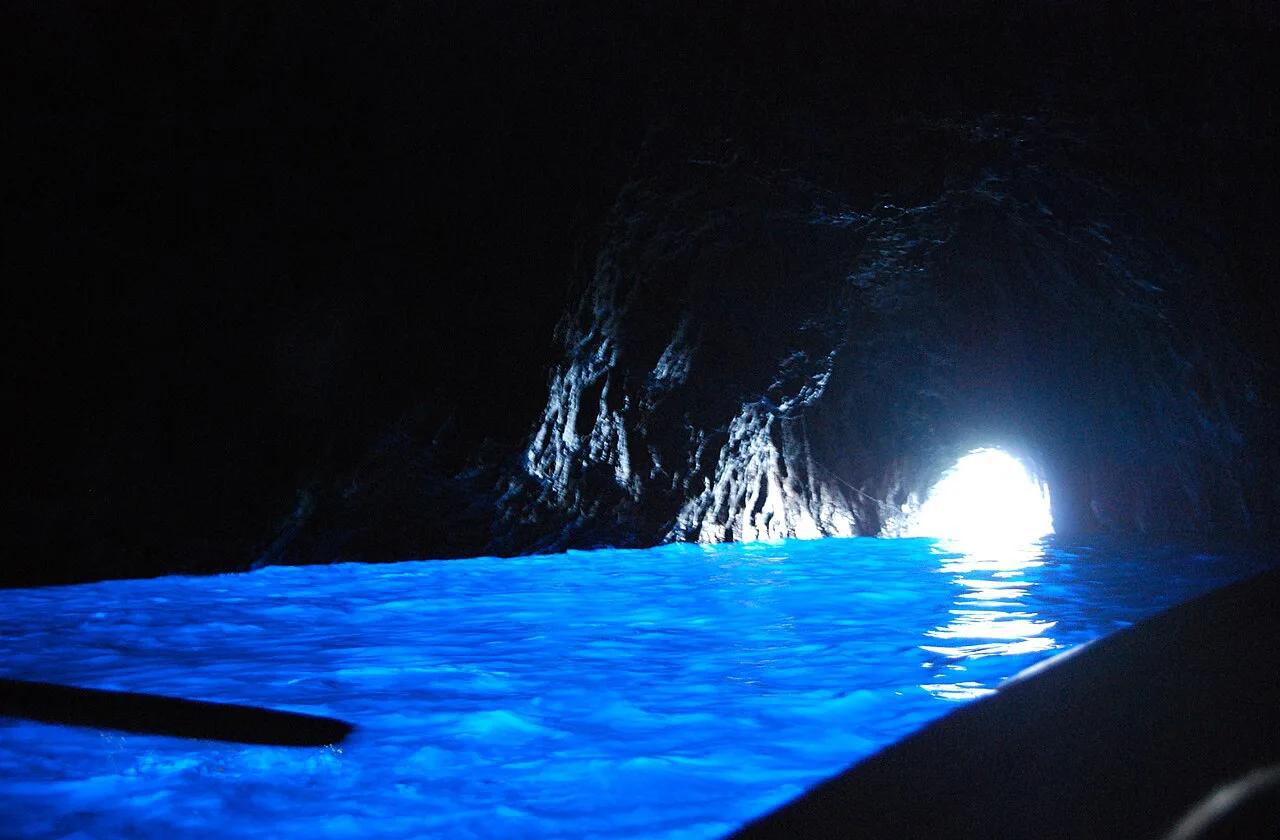
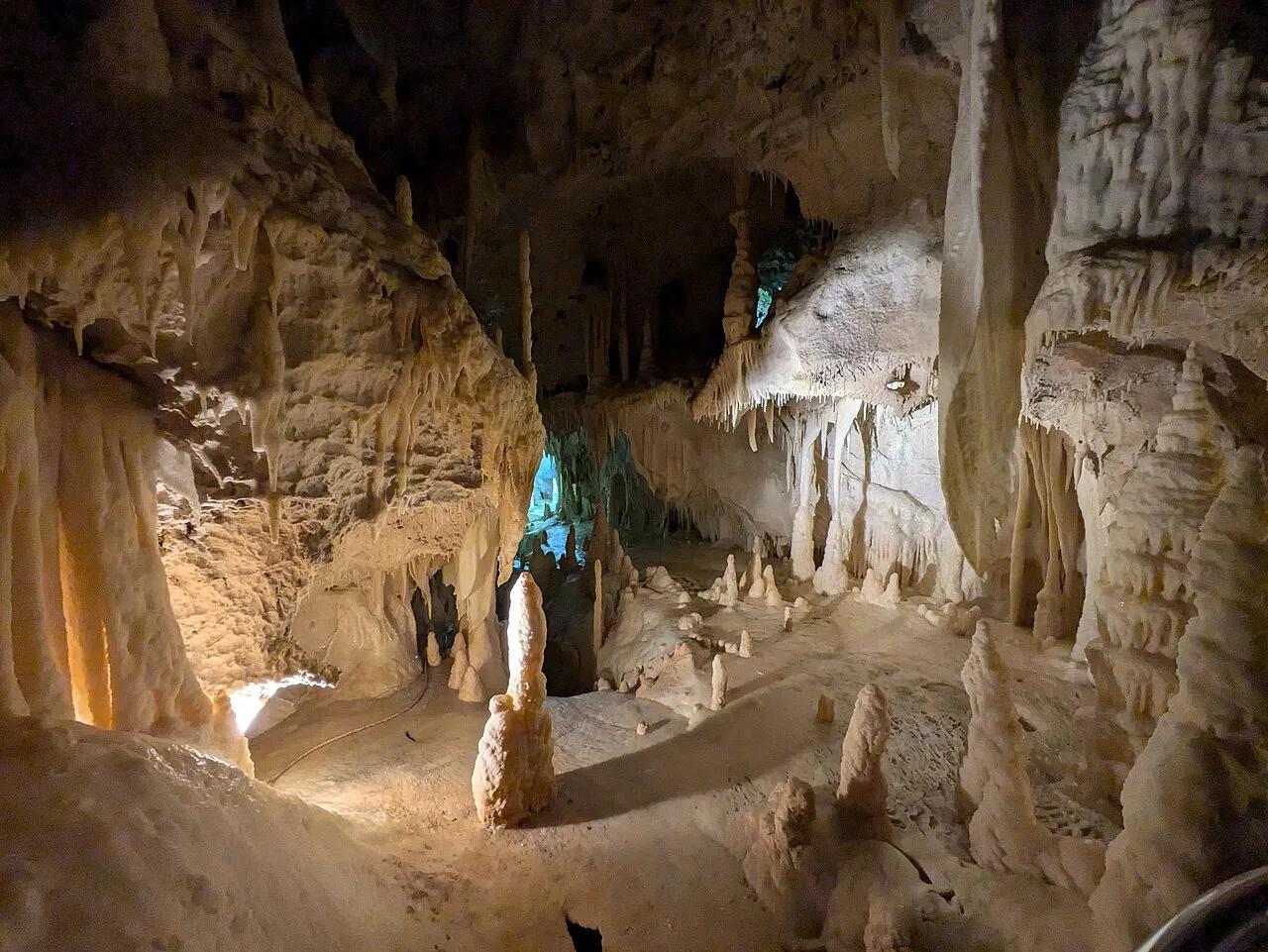
Featured image: CAPTAIN RAJU, CC BY-SA 4.0, via Wikimedia Commons.
Short answer: how to reach the Blue Grotto from Naples
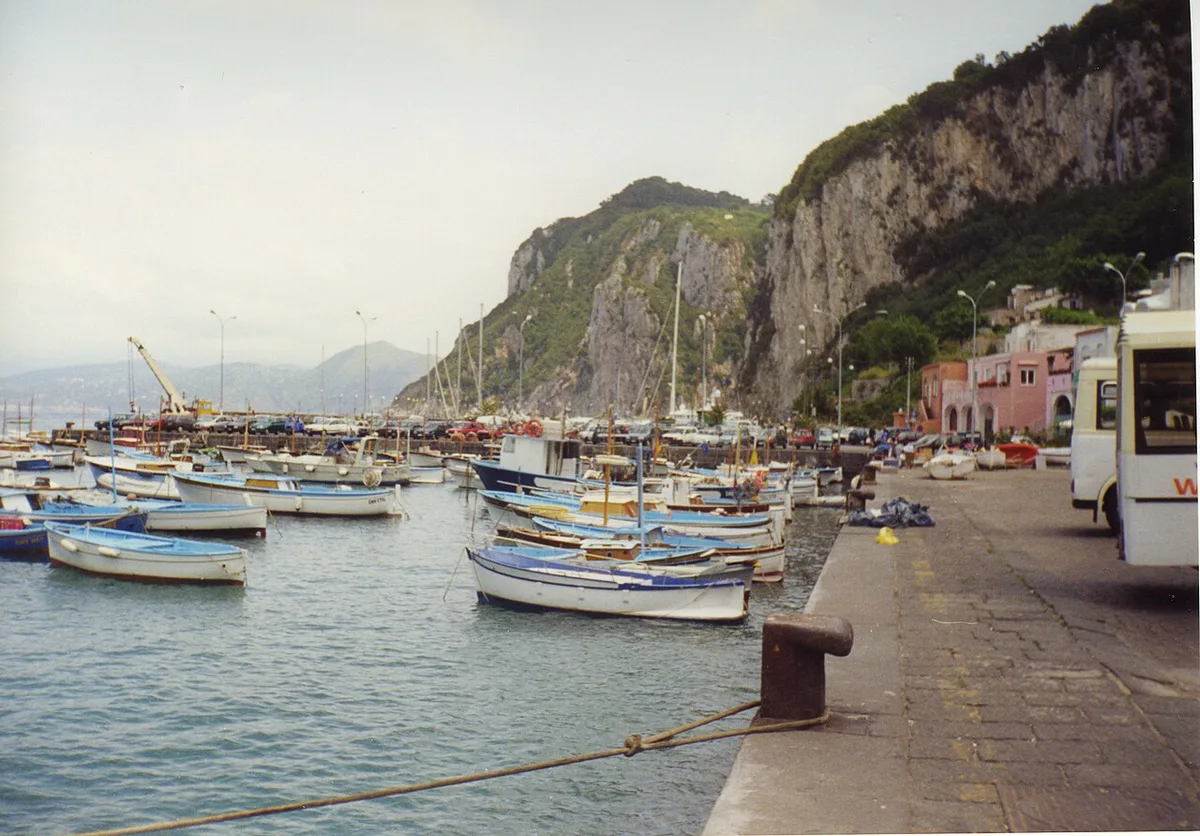
You cannot reach the cave directly from Naples. Take a ferry or hydrofoil from Molo Beverello or Calata Porta di Massa to Marina Grande, Capri's main port. From there, a boat or the Anacapri bus gets you to the grotto area. Our Blue Grotto on Capri guide explains the cave itself.

A one-day round trip is realistic. The crossing takes about 1 hour on a tour boat, and a typical tour leaves roughly 3 hours of free time on the island. That is enough for the grotto queue, a meal and a short walk, but not for everything.
The entrance is only about 1 m tall, so even moderate waves can close it. Closures are regular, which is why the plan below always includes a fallback.
Three ways to do it: compare side by side
Your choice comes down to how much you want arranged for you. An all-in-one tour is simplest, public ferries are cheapest, and a private boat adds the coastline. Prices below are planning figures as of November 2026, and operators set their own rates.
| Factor | All-in-one boat tour | Public ferry + DIY | Ferry + private boat |
|---|---|---|---|
| Cost | Highest; set by the tour operator | About €20 per person each way, plus €2.20 funicular | Ferry fares plus a private boat quoted on the day |
| Time on Capri | About 3 hours of free time on a typical tour | Whole day, set by you | Whole day, minus the boat hire |
| Flexibility | Low; fixed pickup and return | High | High |
| Grotto-closed risk | High; the price is usually not refunded | Lower; you pay for the grotto only if it opens | Lower; you can change the route that morning |
| Best for | First-timers who want one booking | Budget travelers and independent walkers | Photographers who want the coastline |
Getting from Naples to the dock
Most visitors depart from Molo Beverello, Naples' main ferry port in the city center. Calata Porta di Massa is the second departure point for Capri services. Check which pier your ticket names before you leave your hotel.
A tour pickup at 8am at Molo Beverello has been reported, and a 7:45am arrival at the dock is a sensible buffer. Walking from central Naples hotels can take around 25 minutes, so allow for that. Waterfront streets are quiet at that hour, and espresso bars open early.
If you go independently, read the timetables on Caremar's ferry pages and compare hydrofoil operators. Our route guide to the grotto covers each transport option in more depth.
Summer timetables run fuller than winter ones. Buy tickets before you reach the pier on busy days.
For wider city planning, Visit Naples lists transport and visitor information.
Crossing to Capri and Marina Grande
Expect about 1 hour at sea on a tour boat. Ferries and hydrofoils differ in speed, so check the sailing time on your own ticket. Capri's port is Marina Grande, where all routes converge.
Crossing takes about 1 hour each way, yet the 3-hour island window shrinks once you allow for a return trip that runs longer than expected.
The Bay of Naples is sheltered, and mornings are usually calm. Rougher water begins once boats round Punta Campanella and approach the Faraglioni. Afternoon returns can be bumpier when wind picks up, so plan for that sailing as well.
If you are prone to motion sickness, take a tablet before boarding. Sit near the middle of the boat and watch the horizon. Small tour boats move more than large ferries.
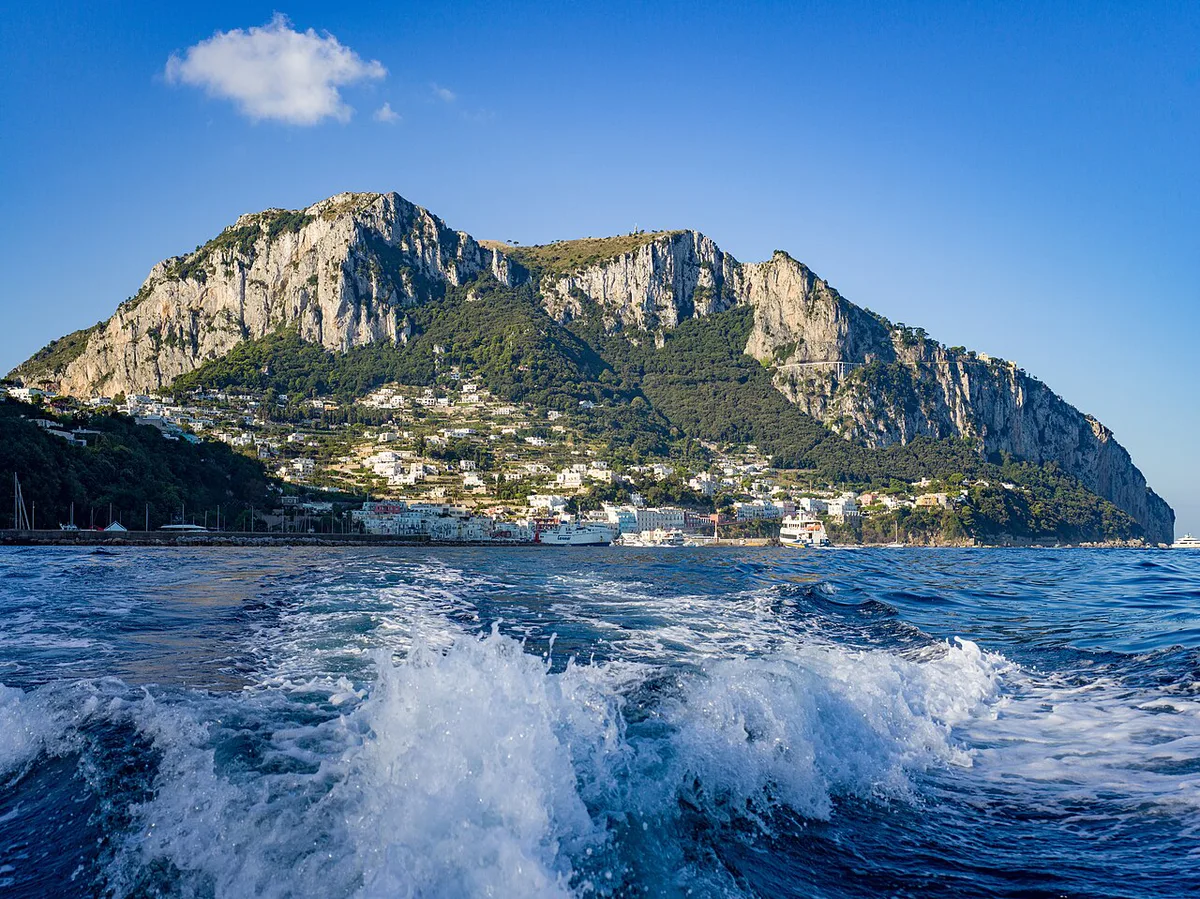
On arrival, Marina Grande has the funicular, bus stops and boat desks within a short walk. You can find general island information on Capri's official tourism site.
Blue Grotto entry: how it works and what it costs
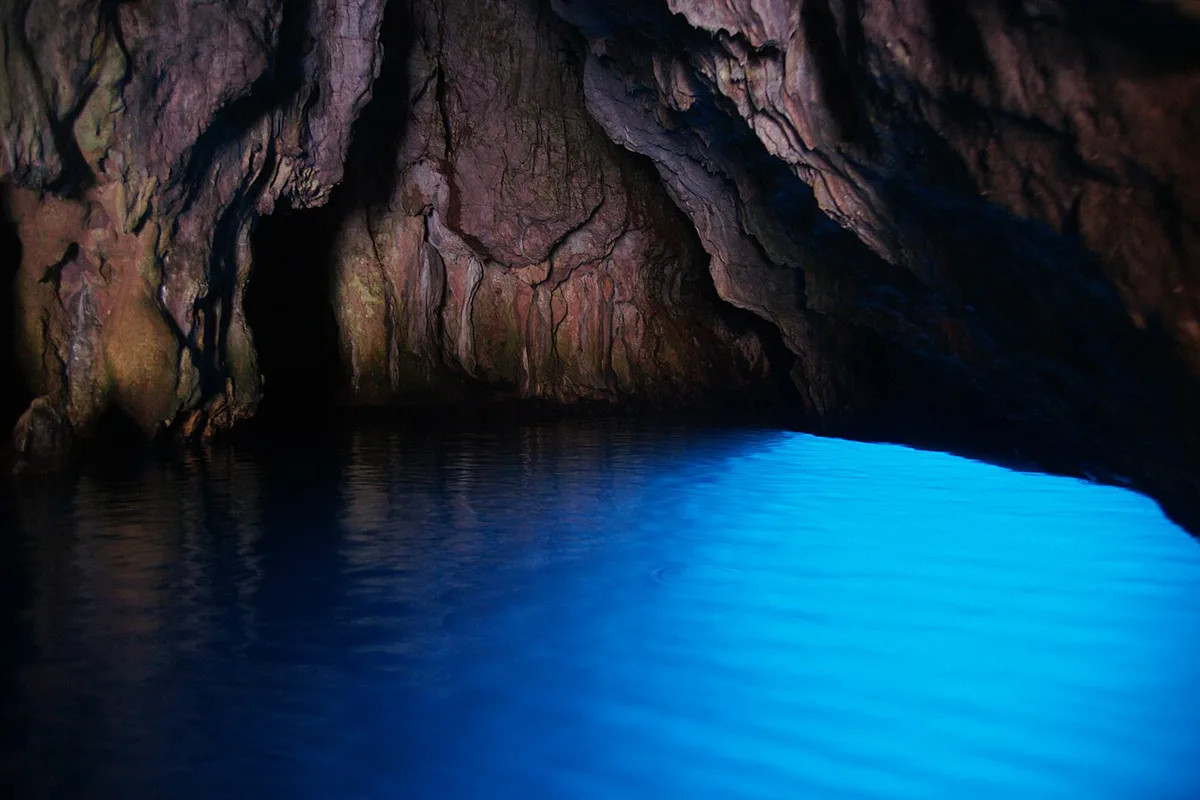
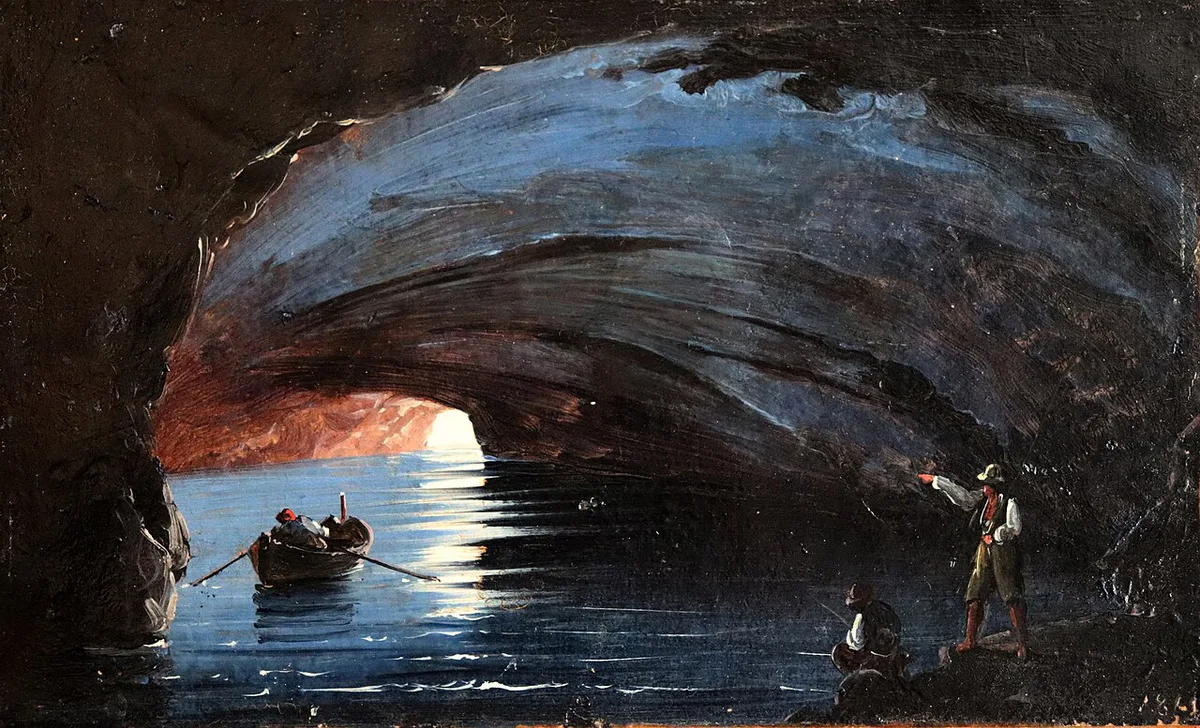
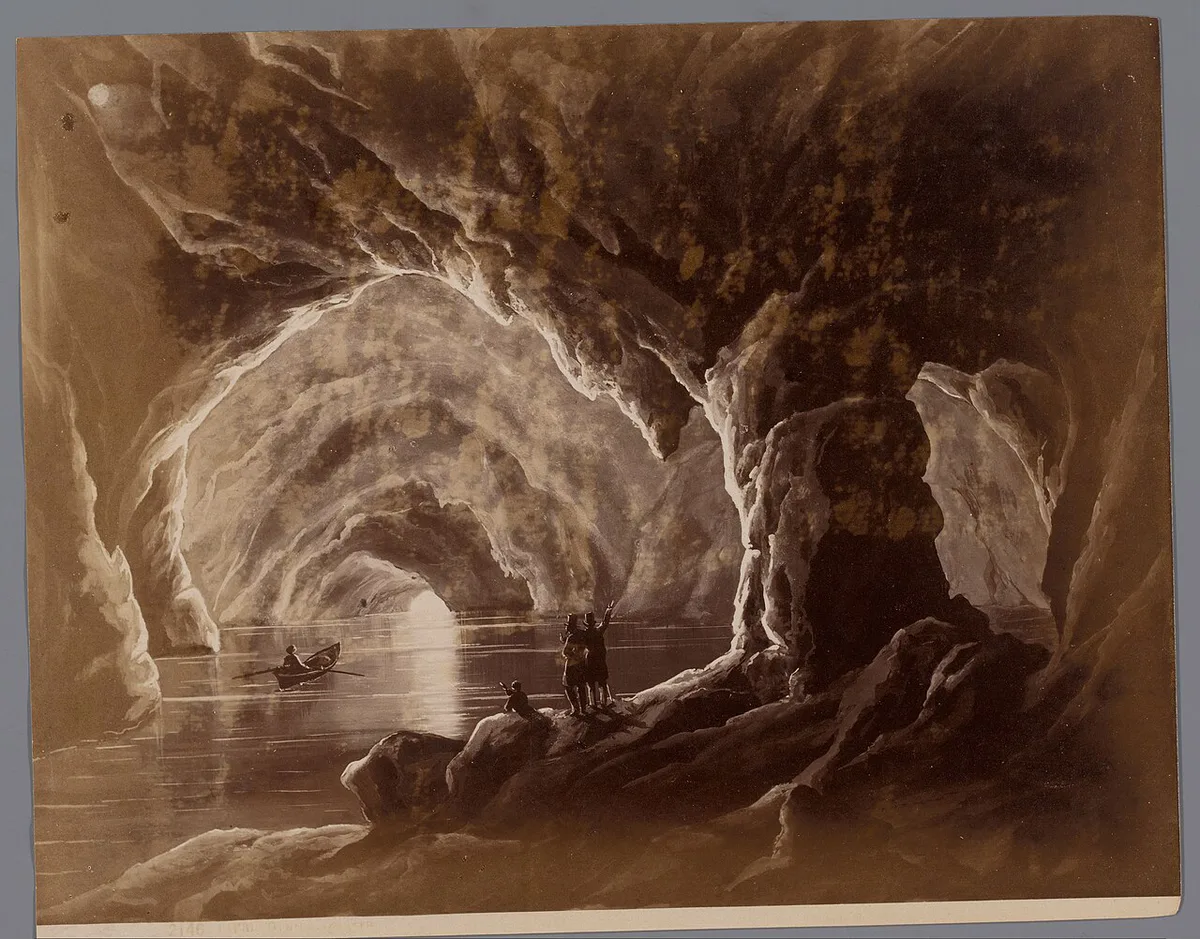
Entry is a two-step process. Your larger boat stops outside the cave, and you transfer to a small rowboat. Rowers pass through the narrow opening, and passengers lie back in the boat as it enters.
The grotto charges its own fee, separate from the ferry or tour. We do not quote a figure here because the fee, hours and rules are set locally and change. Our Blue Grotto ticket guide explains what is usually included and where to check.
Tour listings sometimes exclude the grotto fee. Read the inclusions before you pay.
If you prefer a guided option, see our boat tour comparison. Bring some cash, because card acceptance on the island can be unreliable.
Swimming is a separate question. Our swimming rules explainer covers it.
If the Blue Grotto is closed: your fallback plan
Sea state closes the entrance regularly. Summer is the most reliable season, with June to August on calm days the likeliest window. No season is guaranteed, so decide on your fallback before you sail.
Here is a go/no-go checklist for the morning:
Then choose a fallback. Our closure guide explains how closures are announced.
- Check the marine forecast for wave height and wind on the Capri coast.
- Ask your tour operator whether the grotto is open before you leave the dock.
- Read the weather policy and refund terms before you pay.
- Keep a second plan for the island: Capri town, the coastline or a walk.
- On the ferry, ask other passengers or the crew for the day's grotto status.
Fallbacks when the grotto is shut
Three fallbacks work well. The Green Grotto is a larger sea cave that boats can often enter when the Blue Grotto cannot. Its water has a deep emerald color.
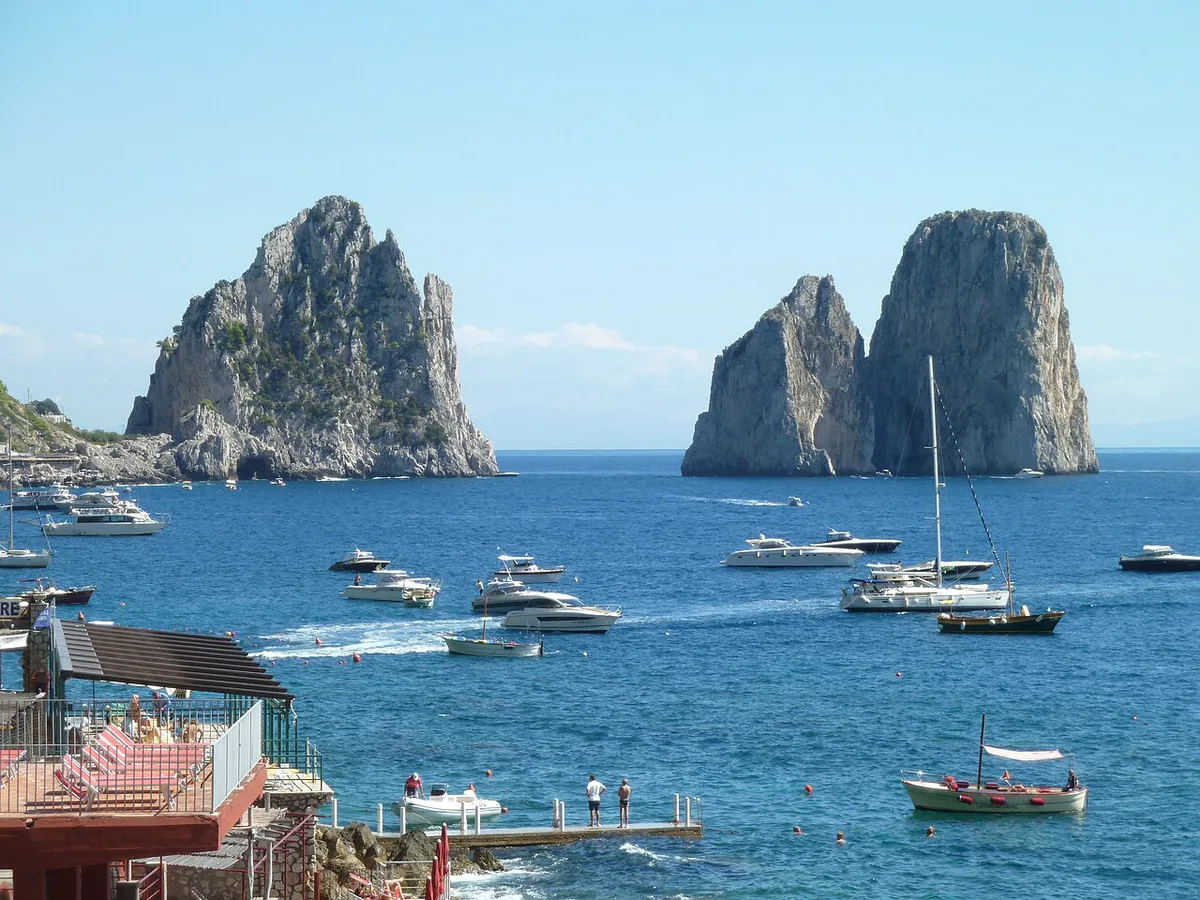
A coastline boat ride past the Faraglioni, the three rock stacks off Capri's south coast, is another option. Some boats pass through the natural arch in the middle stack. For a comparison of the two caves, read our Blue Grotto and Emerald Grotto comparison.
Capri town is the third option, reached by funicular from Marina Grande.
Refunds depend on the operator. A fixed-price tour has been reported as non-refundable when the grotto closes, so read the weather policy before booking. Independent travelers lose far less, because they only pay the grotto fee if the entrance is open.
Free time on Capri: how to spend it
The funicular from Marina Grande to Capri town costs about €2.20 each way, and it is the quickest way up. A 3-hour window leaves room for the ride, one meal and a short walk. Plan for the return trip to the marina too, because it takes longer than expected.
Budget €50 to €60 per person for lunch and funicular tickets on the island. Treat that as an estimate, because restaurant prices in Capri town vary.
Choose one of these longer options, because you will not fit all three:
- Monte Solaro chairlift: about €12 round trip, plus roughly 30 minutes each way and time at the top.
- Gardens of Augustus: a garden walk above Capri town with sea views.
- Villa Jovis: a longer walk to the ruins of an imperial villa.
- Capri town: the Piazzetta, shops and a terrace lunch, which suits a short stay.
Is the Blue Grotto from Naples worth the money?
It depends on who is traveling. First-timers get the most from the day, because the coastline and the island are worth the trip even when the cave closes. Our worth-it verdict looks at this in more detail.
Public ferries cost about €20 each way, and independent travelers pay the grotto fee only if the entrance opens.
Budget travelers should take the public ferry at about €20 each way and book the grotto separately. Photographers may prefer a private boat for the coastline and the Faraglioni. Families should check the rowboat transfer and the queue before committing. Anyone prone to seasickness should favor the larger ferry over a small tour boat.
Some travelers want other bases. Our guides cover the route from Sorrento and the route from Positano.
For more caves, see other blue caves in Europe.
Mistakes to avoid
A few errors cause most of the disappointment on this trip.
- Booking a fixed-price tour without reading its weather and refund policy.
- Planning a tight itinerary with no buffer for the 7:45am arrival or the last sailing back.
- Skipping a motion-sickness plan, especially on small boats and afternoon returns.
- Relying on cards alone when cash is useful for lunch and small fees.
- Stacking Pompeii and Capri into one day, because each is a full-day trip.
- Treating the grotto as guaranteed rather than as a bonus.
Frequently Asked Questions
Where is the Blue Grotto?
The Blue Grotto is a sea cave on Capri's northwest coast. Boats reach it from Marina Grande, and you transfer to a rowboat at the entrance.
Can Pompeii be a day trip from Naples?
Yes, Pompeii works as its own day trip from Naples. Pairing it with Capri on the same day is usually rushed, so schedule them on separate days.
Notes for your next trip underground
Optional updates when we add or revise cave and underground guides.
More guides
More guides you'll find useful