9 Best Caves in Italy by Region and How to Choose
Compare 9 of the best caves in Italy by region, with tour types, access and timing, plus how to choose between Liguria, Tuscany, Puglia and Sardinia.
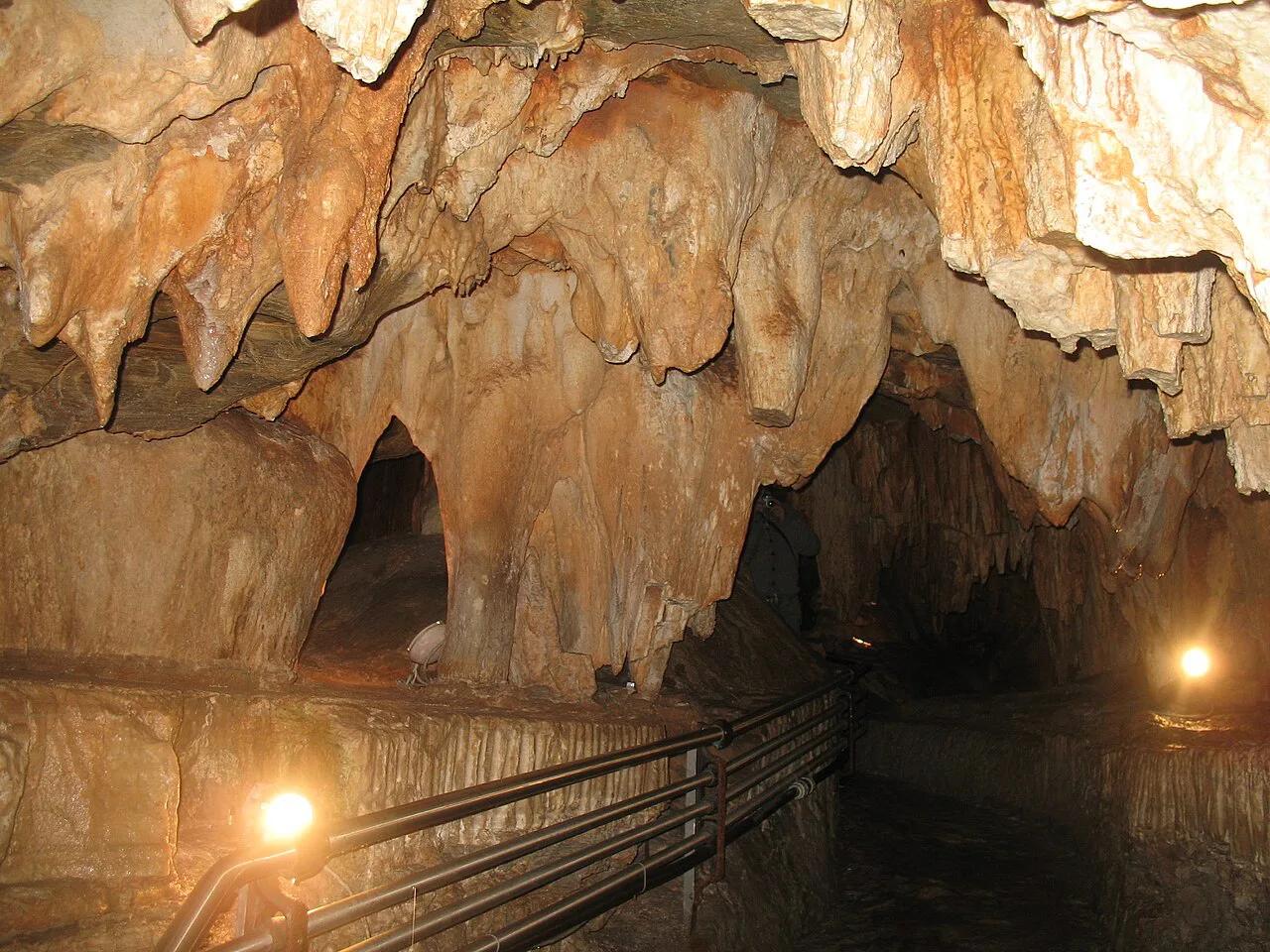
Last updated November 2026: the best caves in Italy run from prehistoric sites in Liguria to sea grottoes in Sardinia, and nine show caves anchor this guide. Toirano and Borgio Verezzi suit a Ligurian coast trip, while Grotta del Vento and Antro del Corchia suit Tuscany's mountains. Central, southern and island caves widen the choice further.
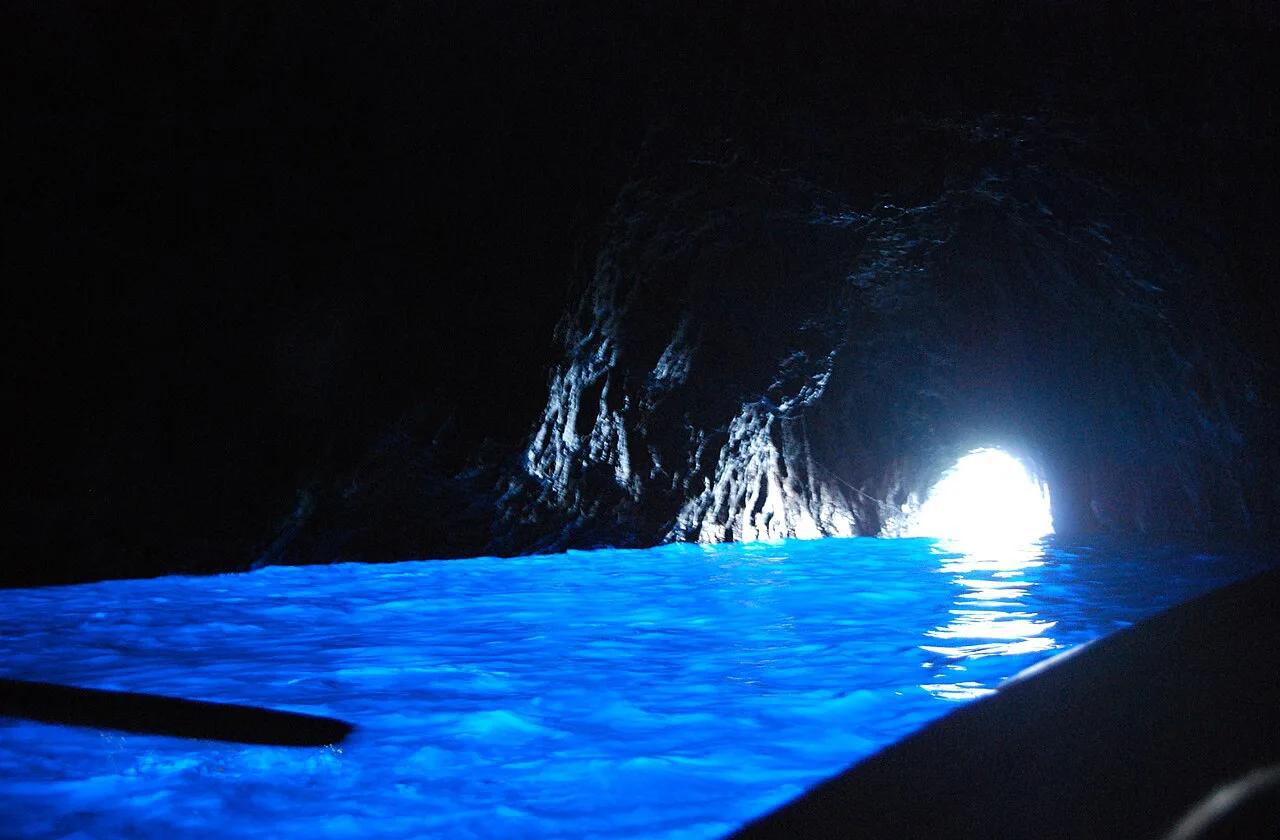
Featured image: Rinina25 / Twice25, CC BY 2.5, via Wikimedia Commons.
Quick answer: which Italian caves to visit
Start with the region you are already visiting, because transfers between cave regions are long. Toirano is the pick for prehistory, Castellana for a long route, Pertosa-Auletta for a boat entrance and Bue Marino for a sea approach. Tour lengths, prices and hours change by season, so each cave below points to its operator for current figures.
| If you want | Start with | Region |
|---|---|---|
| Prehistory and archaeology | Grotte di Toirano | Liguria |
| A second cave on the same coast | Grotte di Borgio Verezzi | Liguria |
| Mountain scenery plus a cave | Grotta del Vento or Antro del Corchia | Tuscany |
| Large underground halls | Grotte di Frasassi | Marche |
| A long underground route | Grotte di Castellana | Puglia |
| A boat on an underground river | Grotte di Pertosa-Auletta | Campania |
| A cave reached from the sea | Grotte del Bue Marino | Sardinia |
The 9 Best Caves in Italy, Region by Region
Northern and Tuscan caves come first because they are the easiest to combine, then the list moves south to the islands. Each entry names who it suits and who should look elsewhere.
1. Grotte di Toirano, Liguria
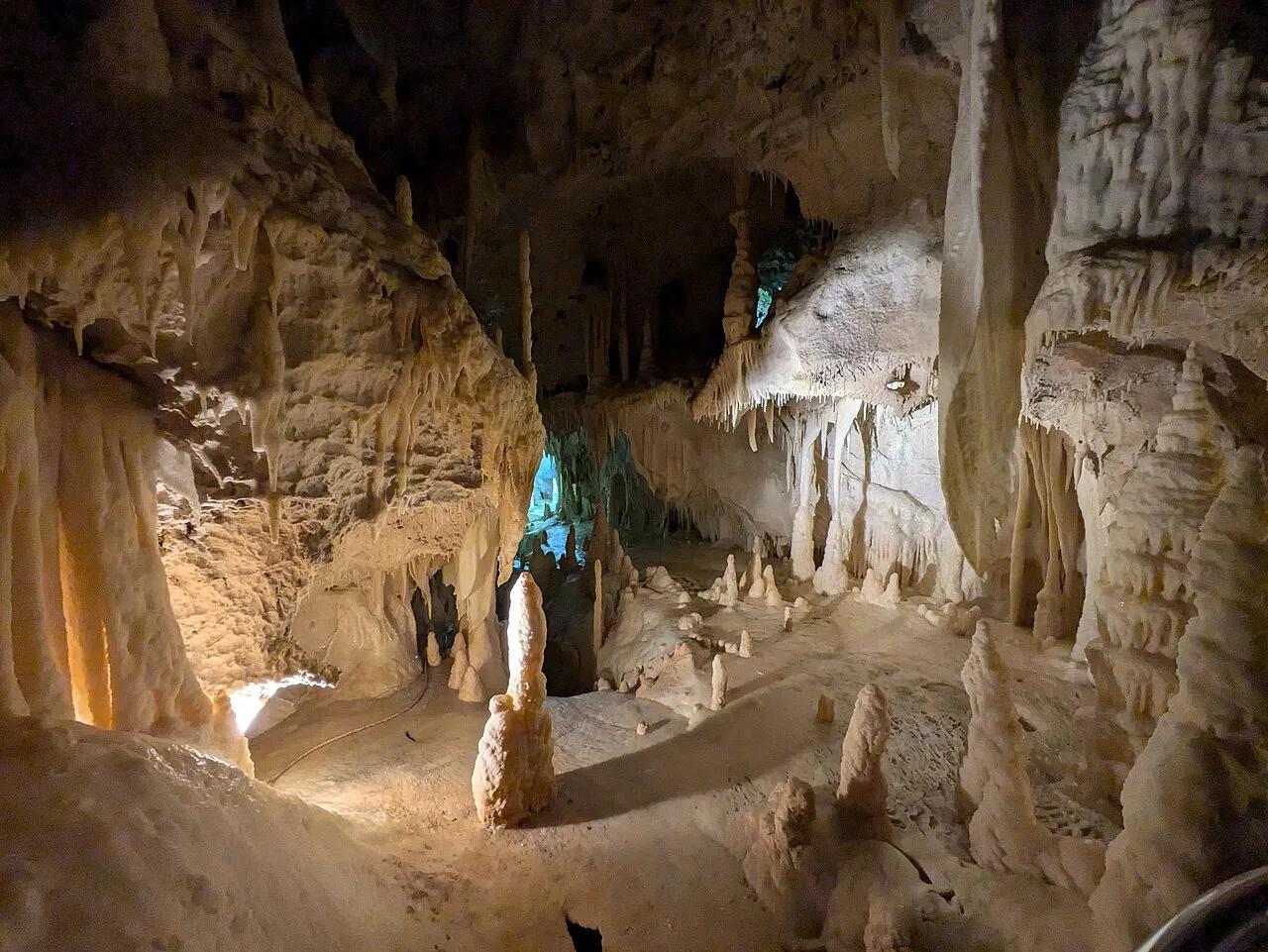
Toirano sits in Liguria's Savona province and is the strongest pick for anyone interested in prehistory. Cave-bear traces and prehistoric human footprints set it apart from caves visited mainly for their formations. Tour times and tickets are listed on the official Grotte di Toirano site.
Our Toirano cave visit guide covers the trip in more detail. History-minded travelers and rainy-day planners on the coast will get the most from it. Give it a miss if you want pure formation scenery and have no interest in archaeology.
2. Grotte di Borgio Verezzi, Liguria
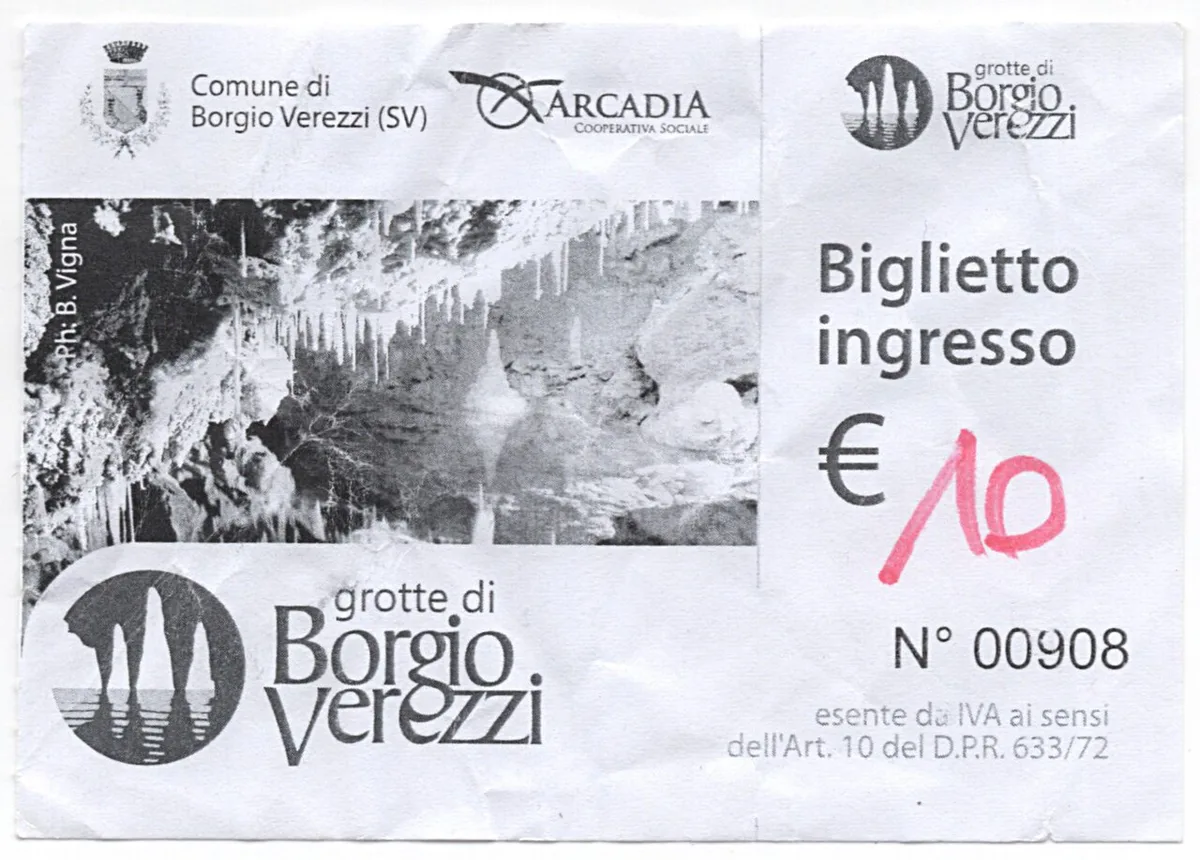
Borgio Verezzi also lies in Savona province, which makes it the natural partner for Toirano. Two caves in one province make a practical Liguria cave day, subject to the tour times each operator offers. Visit planning is covered in our Borgio Verezzi cave guide.
Current schedules are on the official Borgio Verezzi site. It suits travelers building a coastal itinerary around several short stops. Pass on it if you only have time for a single Ligurian cave, since Toirano has the stronger story.
3. Grotta del Vento, Tuscany
Grotta del Vento is in the Garfagnana area of Tuscany and pairs naturally with the Corchia region. Mountain-valley driving is part of the trip, so it works best as a half-day or full-day excursion. Plan the visit with our Grotta del Vento visit guide.
Tour options and tickets appear on the official Grotta del Vento site. Travelers already based in northern Tuscany will find it an easy addition. Not ideal if your route stays on the coast and you cannot spare time for the valley.
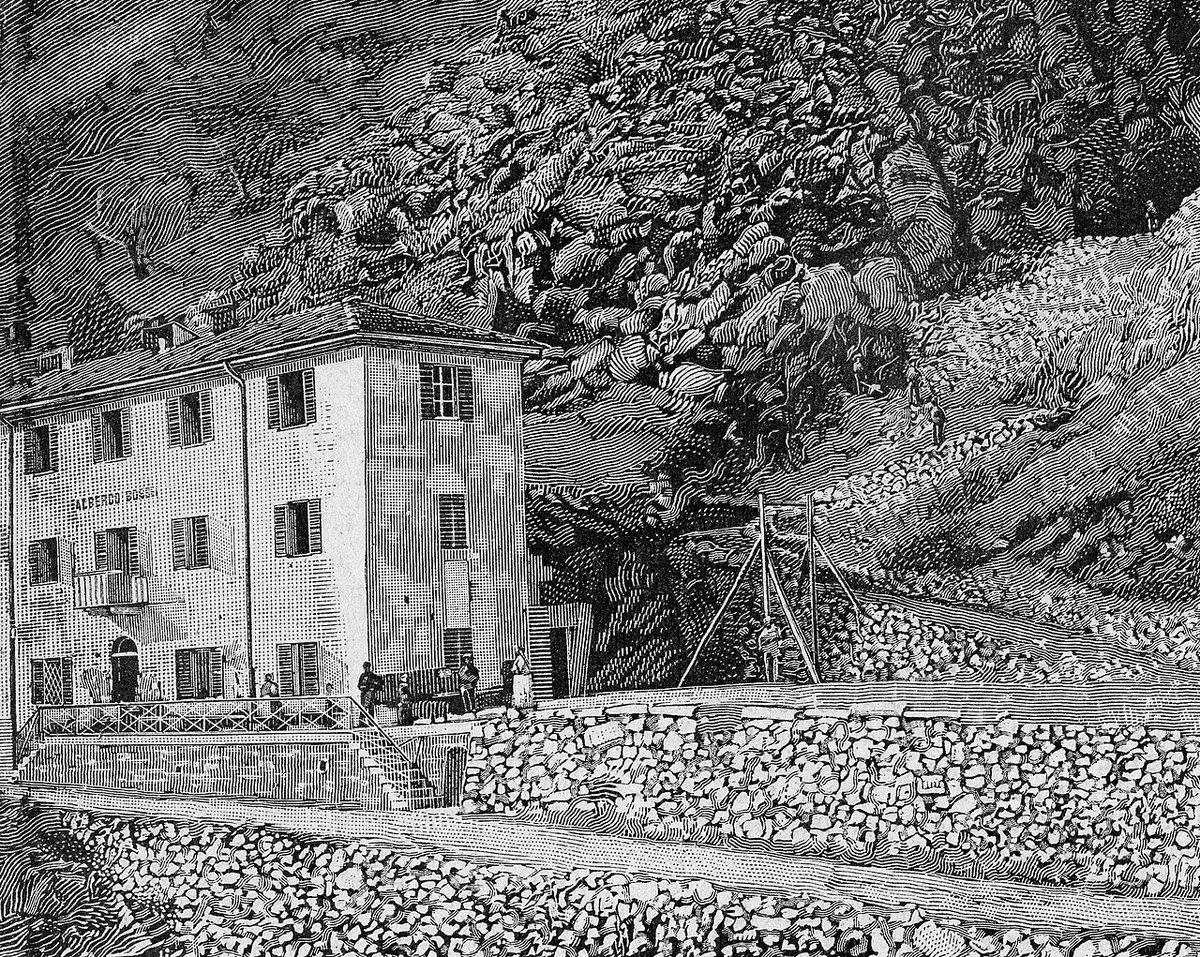
4. Antro del Corchia, Tuscany
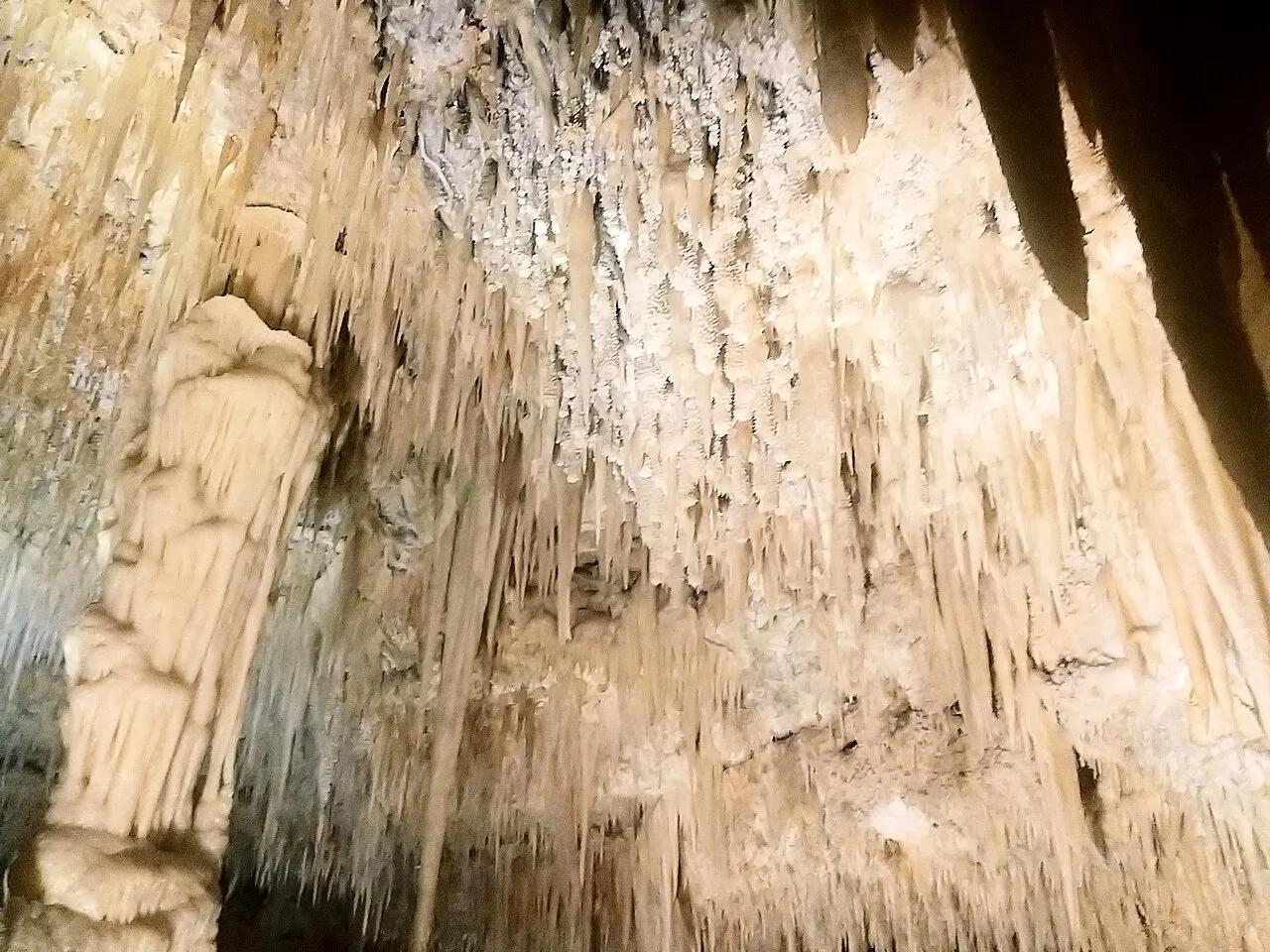
Antro del Corchia lies in the Apuan Alps and is one of the better-known karst systems in Italy. It is often described as having more than 70 km of passages, while the guided path covers about 2 km. Stalactites, stalagmites, columns and underground lakes line the visitor route, and the cave is also used for climate research.
Our Corchia cave visit guide covers the details. Booking rules and seasons are on the official Antro del Corchia site. Choose it for mountain scenery plus a cave; skip it if you dislike long drives into the Alps.
5. Grotte di Oliero, Veneto
Grotte di Oliero is in Valstagna, in Veneto, which puts it well away from the Ligurian and Tuscan caves. It suits travelers already exploring the Veneto interior rather than those following the coast. Tour format and opening periods are published on the official Grotte di Oliero site.
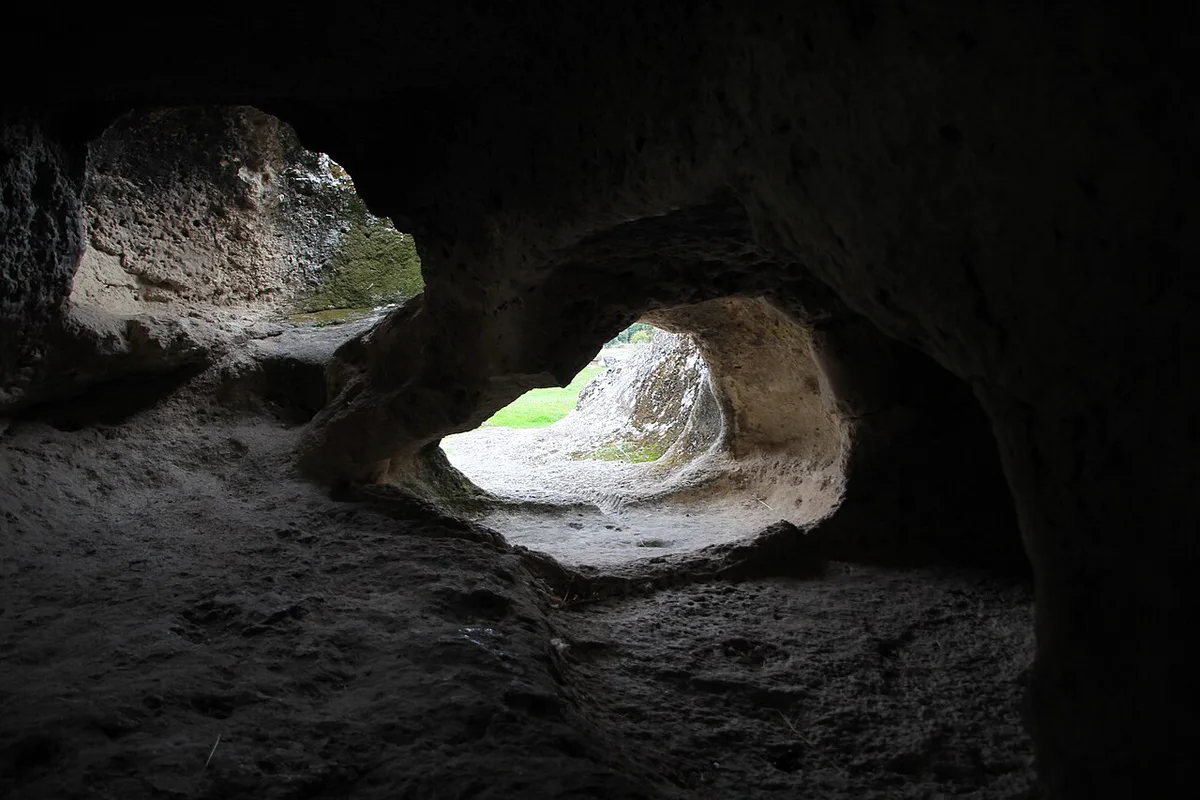
Our Oliero cave visit guide adds planning detail. Regional context is available from Veneto tourism. Skip it if your itinerary is built around Liguria and Tuscany only.
6. Grotte di Frasassi, Marche
Frasassi is in the Marche region and is known for its large underground halls. It is a strong choice for travelers crossing central Italy between the Adriatic coast and the Apennines. Visitors who like scale over fine detail will enjoy it most.
Operator pages list tour types, times and any booking requirements for each season. Pass if you need a short stop, because a visit here deserves a dedicated block of time.
7. Grotte di Castellana, Puglia
Castellana in Puglia offers a guided route of more than 3 km through the karst. Its best-known chamber is the White Cave, named for bright calcite formations. Long routes mean comfortable shoes and steady walking, so it suits active travelers best.
It also fits a Puglia trip that already includes inland stops. Avoid it if long walks underground are a problem or your day is tightly scheduled.
8. Grotte di Pertosa-Auletta, Campania
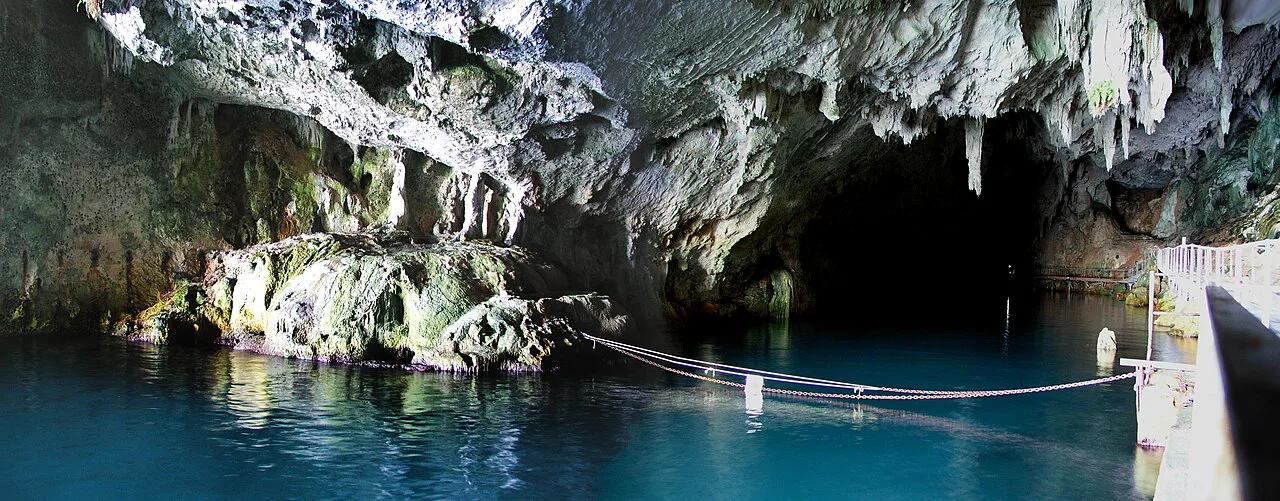
Pertosa-Auletta in Campania starts with a boat crossing on an underground river, then continues on foot. Few Italian caves open with a water entrance, so this is the one to choose for variety. Rock formations and fossils line the walking section after the crossing.
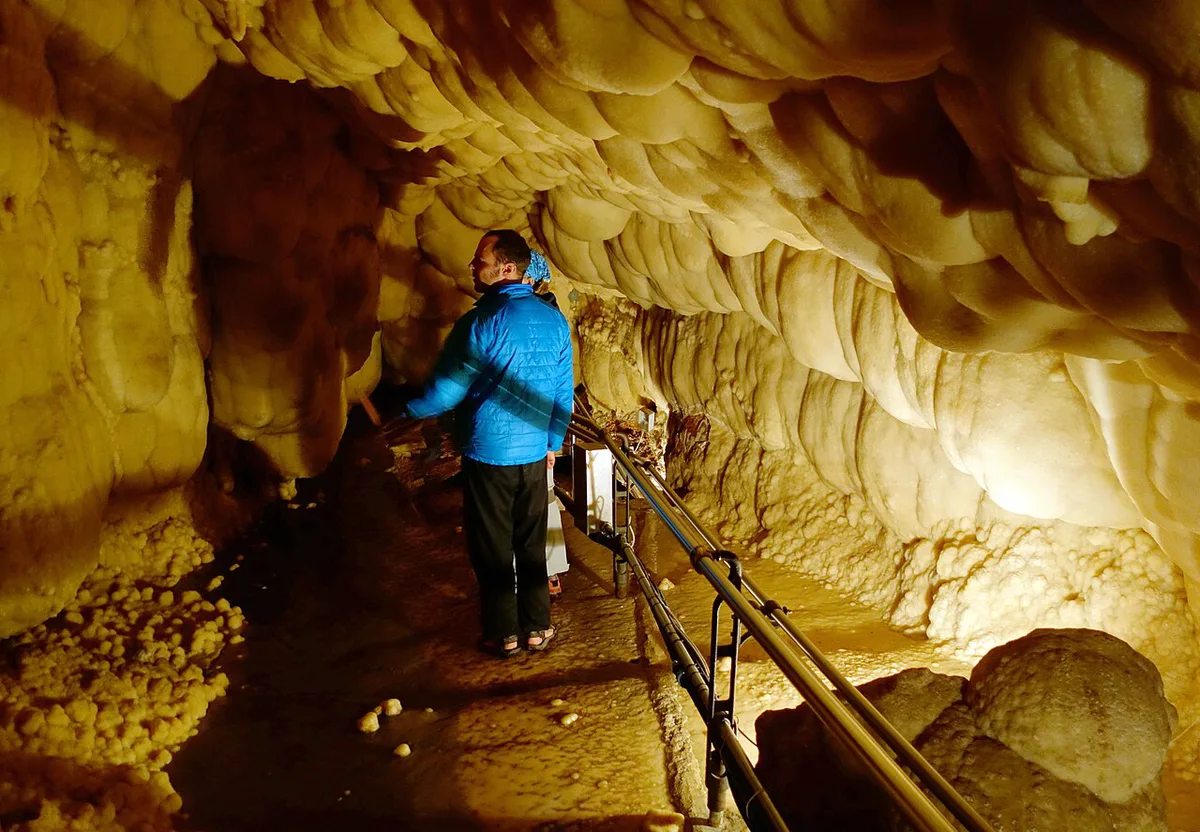
Families with older children and photographers who like water scenes will enjoy it. Not the best fit for anyone who dislikes boats or damp, low-light passages.
9. Grotte del Bue Marino, Sardinia
Bue Marino is on the Sardinian coast and is reached by sea, so the trip begins with a boat. Tradition links its name to monk seals that once sheltered there. Inside, passages and lakes have walls covered in limestone concretions.
Boat operation depends on season and sea conditions, so check current departures before planning around it. It rewards travelers who want a boat day and a cave in one outing. Anyone prone to seasickness should choose a land-access cave instead.
Compare the caves at a glance
Access and tour format are the main differences between these caves. Operator sites give the current details for each one.
| Cave | Region | Access or format | Best for |
|---|---|---|---|
| Toirano | Liguria | Guided tour; official site lists times | Prehistory |
| Borgio Verezzi | Liguria | Guided tour; official site lists times | Pairing with Toirano |
| Grotta del Vento | Tuscany | Guided tour; official site lists options | Garfagnana trips |
| Antro del Corchia | Tuscany | Guided path of about 2 km | Mountain scenery and science |
| Oliero | Veneto | Official site lists format | Veneto interior trips |
| Frasassi | Marche | Operator lists tour types | Large halls |
| Castellana | Puglia | Route of more than 3 km | Long walks |
| Pertosa-Auletta | Campania | Boat crossing, then walk | Underground river |
| Bue Marino | Sardinia | Reached by sea | Boat day |
More caves worth a detour in central and northern Italy
Falvaterra, in Lazio's Frosinone province, lies about 90 km southeast of Rome and has been a regional natural monument since 2007. Its river passage has a short entry stretch and longer adventure options, but operators change tours often, so confirm formats with them directly. Buco del Piombo in Lombardy has its own Buco del Piombo visit page, which explains how visits work there. Read it before assuming it runs like a ticketed show cave.
How to choose between Italian caves
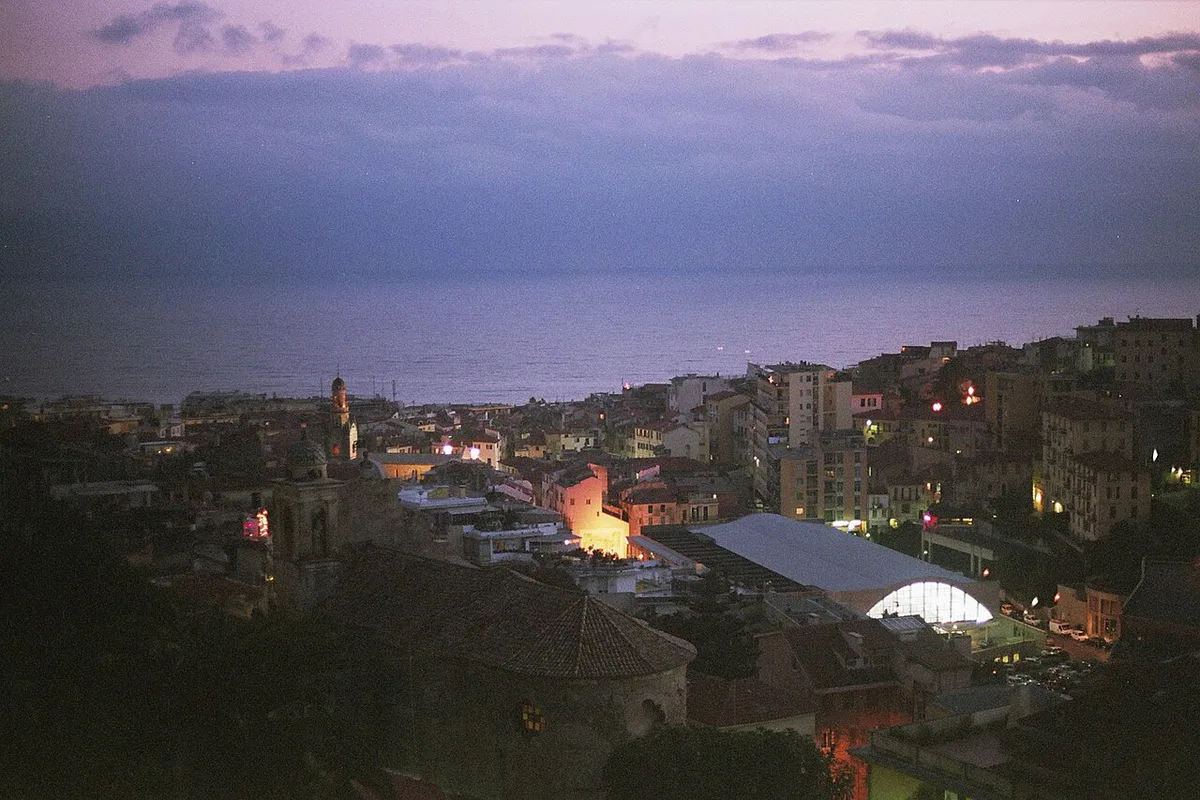
Pick by effort first, because routes range from short accessible walks to long guided routes like Castellana's 3 km. Next, weigh the transfer: Toirano and Borgio Verezzi share a province, while Oliero sits in Veneto and Bue Marino needs a boat. Season matters for sea access and adventure tours, and busy weekends call for booking ahead. Mobility needs vary by cave, so ask each operator about steps and slopes before you commit.
Antro del Corchia's guided path covers about 2 km, while its total passages run past 70 km, so judge effort by the route you actually walk.
Planning your visit to Italy's caves
Caves stay cool year-round, so bring a light jacket even in summer. Wear shoes with grip, because wet stone is common. Strollers and wheelchairs are not suited to every cave, and opening periods are not always year-round. Operators set tour languages, group sizes and photography rules, so read the official page before you travel. Regional tourism sites such as Visit Liguria and Visit Tuscany help with the rest of the trip.
Sample cave itineraries
A Liguria day pairs Toirano with Borgio Verezzi, both in Savona province, with the order set by tour times. A Tuscany trip pairs Grotta del Vento with Antro del Corchia, since both sit in the Apuan Alps and Garfagnana area. For southern Italy, treat Castellana, Pertosa-Auletta and Bue Marino as separate trips, because they sit in different regions.
Across the Alps to the north, our guide to caves in Switzerland covers the show caves you can add to the same trip.
Explore More Guides
Keep planning your trip with these guides.
Guides
Notes for your next trip underground
Optional updates when we add or revise cave and underground guides.
More guides
More guides you'll find useful