Bochnia Salt Mine: Visitor Guide, Tickets & Tips
Planning a visit to the Bochnia salt mine? See what makes it distinctive, how to plan the trip from Kraków, and where to check tickets.
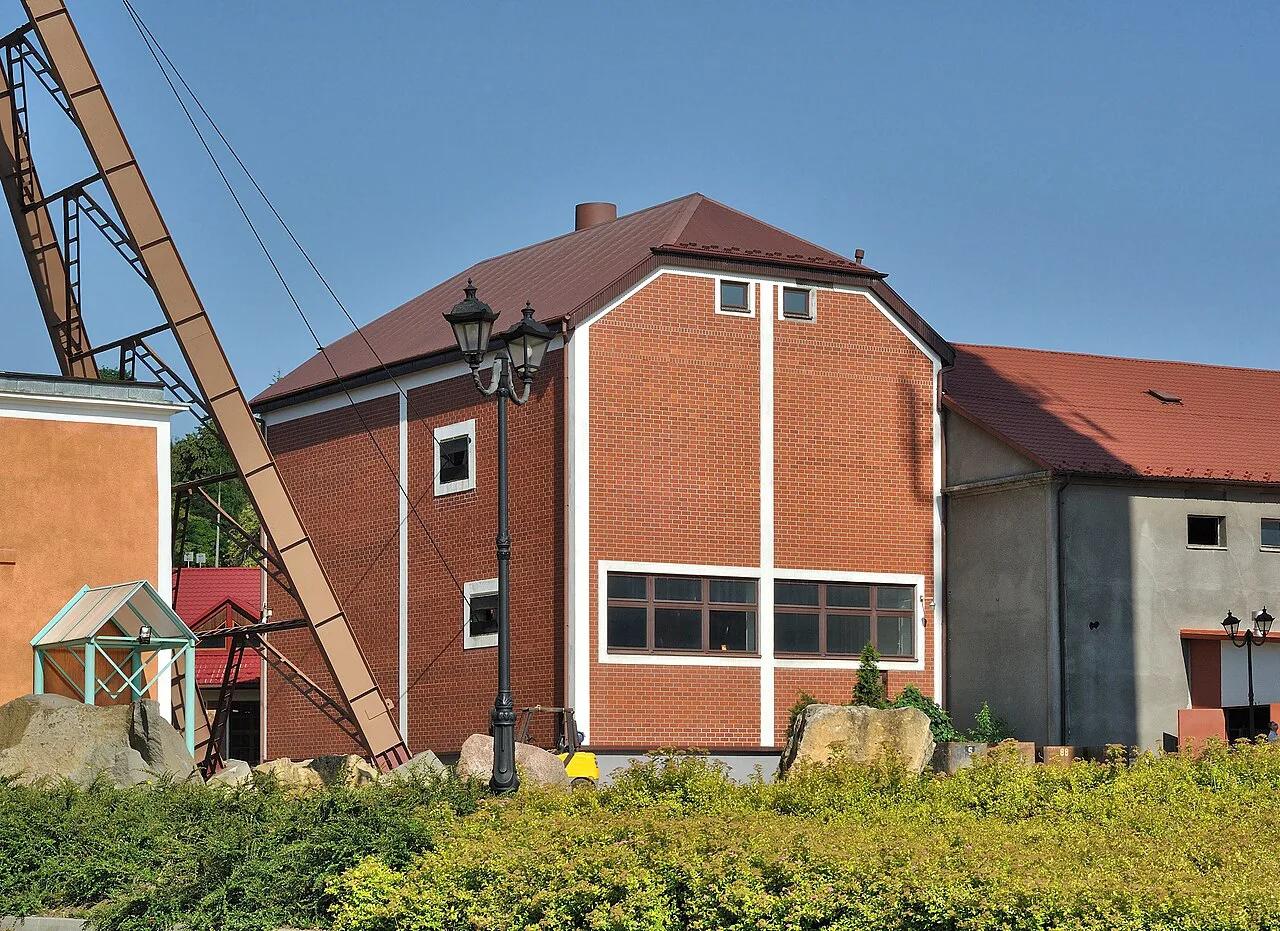
Last updated November 2026. The Bochnia salt mine (Kopalnia Soli Bochnia) is a UNESCO-listed underground site at ul. Campi 15 in Bochnia, a town in the Kraków area. It suits visitors who want a historic mine route without the crowds of a better-known salt mine. Skip it if you dislike stairs, enclosed spaces or cool, damp air.
Featured image: Kroton, CC BY-SA 3.0 pl, via Wikimedia Commons.
Is the Bochnia salt mine worth visiting?
Yes, if you care about mining history more than a quick photo stop. Salt mining here ended in December 1996. Salt is still produced from brine, at about 15,000 tons a year. That makes Bochnia a former working mine that now operates as a heritage site. Visitors who want a single, easy underground stop near Kraków may find it a good fit. Anyone short on time or uneasy underground should weigh the trade-offs below first.
What makes Bochnia distinctive
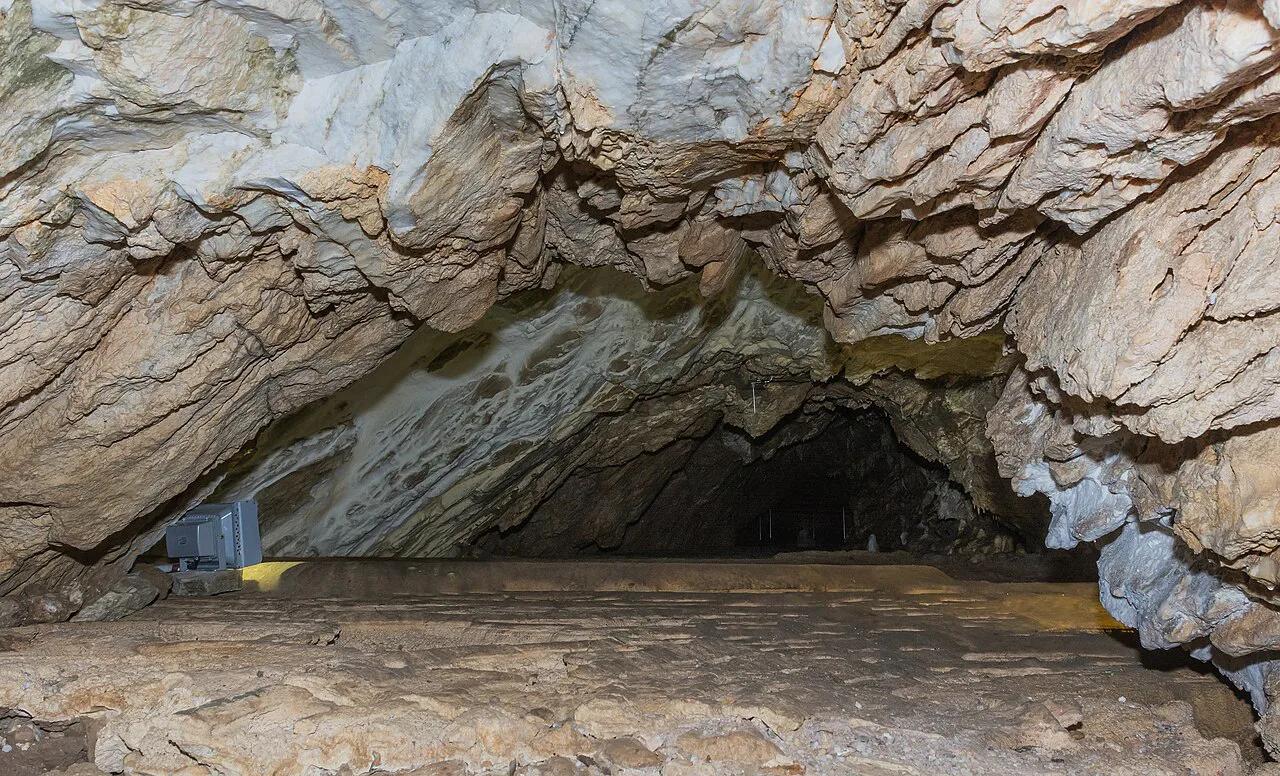
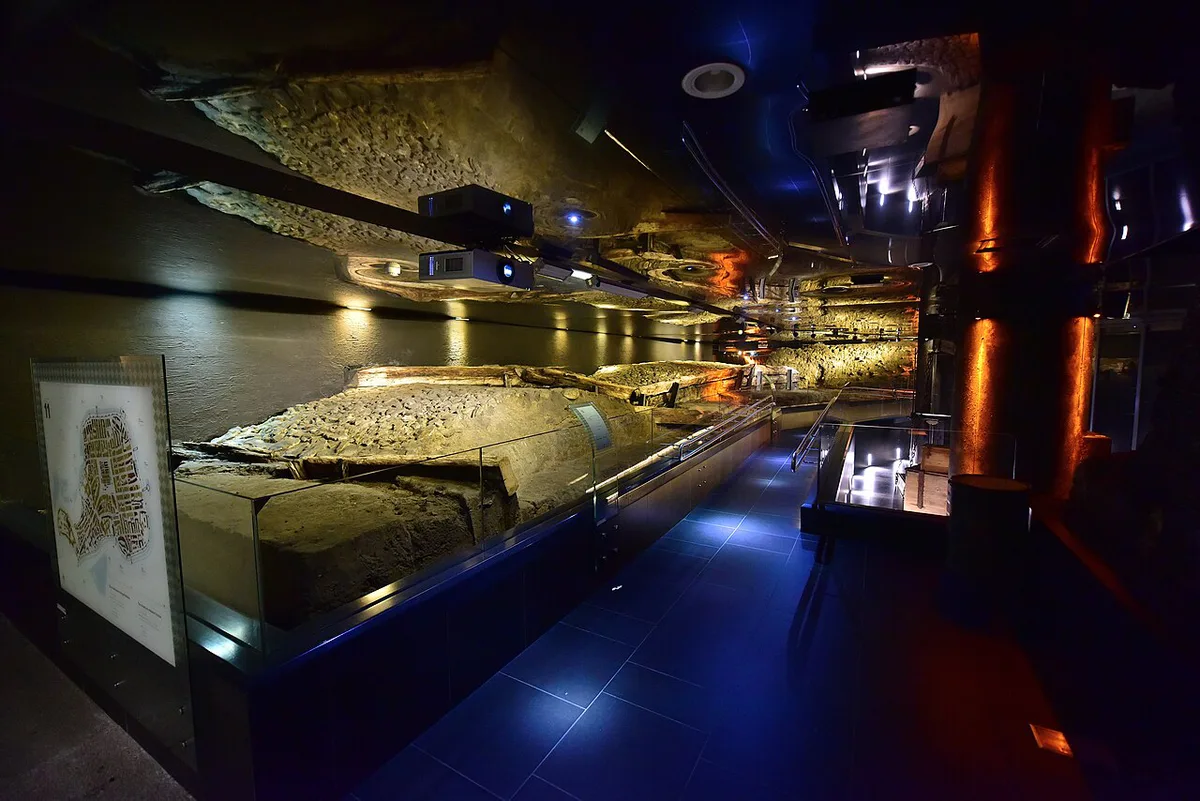
Bochnia is a mine first and an attraction second. Its main tourist route moves through chambers such as the Chapel of St. Kinga, so the visit centres on the working history of salt extraction. That focus is the main reason to choose it: you see how salt was actually won, not a staged display. Brine production continues on site, so the mine's story runs from the 13th century to the present day.
- Choose Bochnia for mining heritage and a quieter route.
- Choose a Kraków-based underground tour if you have only half a day.
- Add a second mining site only if you have two days and enjoy industrial heritage.
Salt mining history and the underground climate at Bochnia
Bochnia is among the oldest salt mines in Poland. Written sources place the start of extraction in the 13th century, and the mine supplied salt to the royal treasury for hundreds of years. Together with the mine at Wieliczka, it is part of the UNESCO-listed Royal Salt Mines, which is why a visit here feels more like walking through a long industrial timeline than a themed attraction.
What the history looks like underground
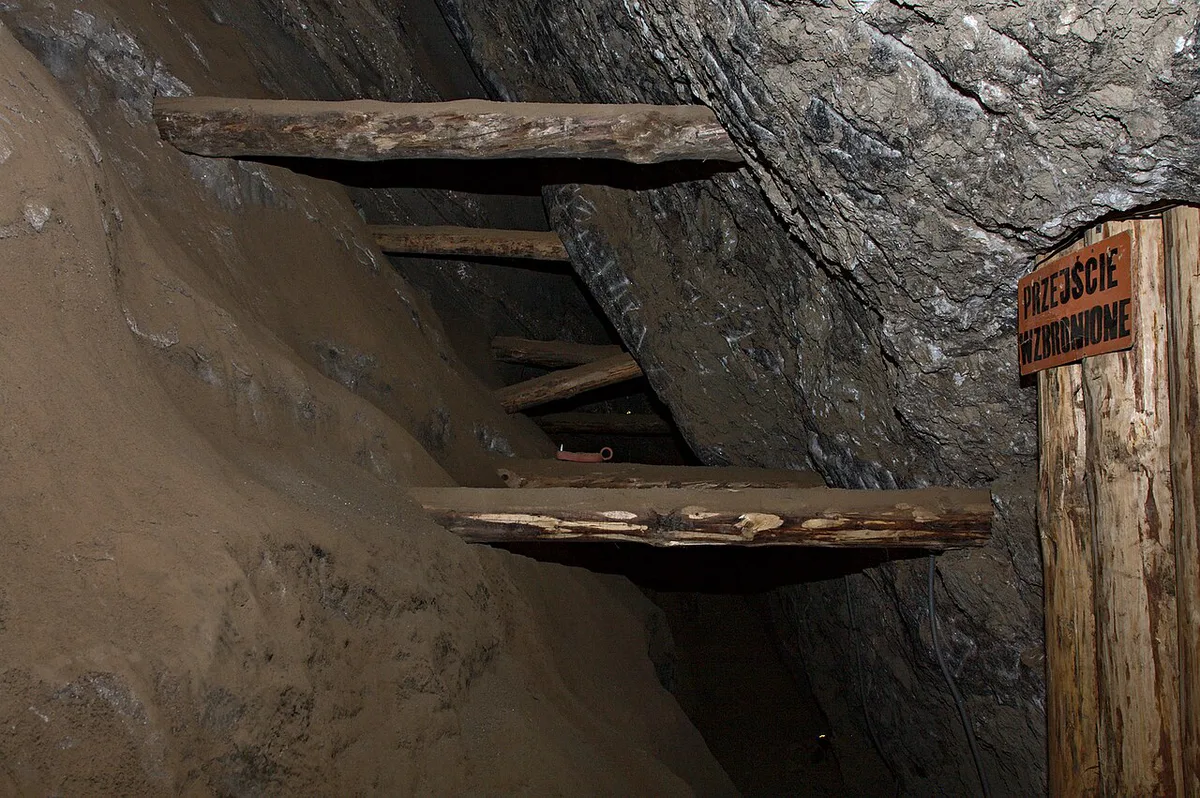
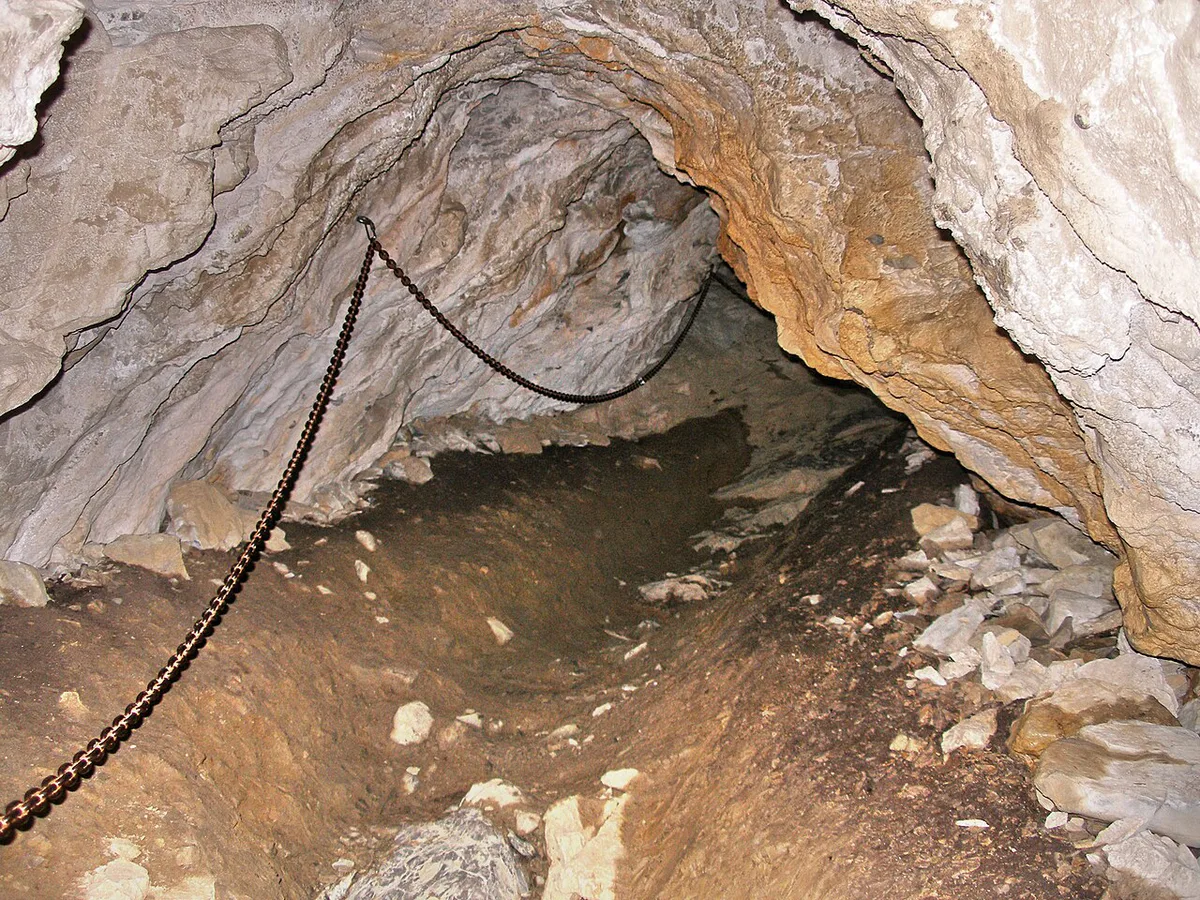
- Early workings: the older parts of the mine show how miners followed salt bodies by hand, with timber supports and narrow passages.
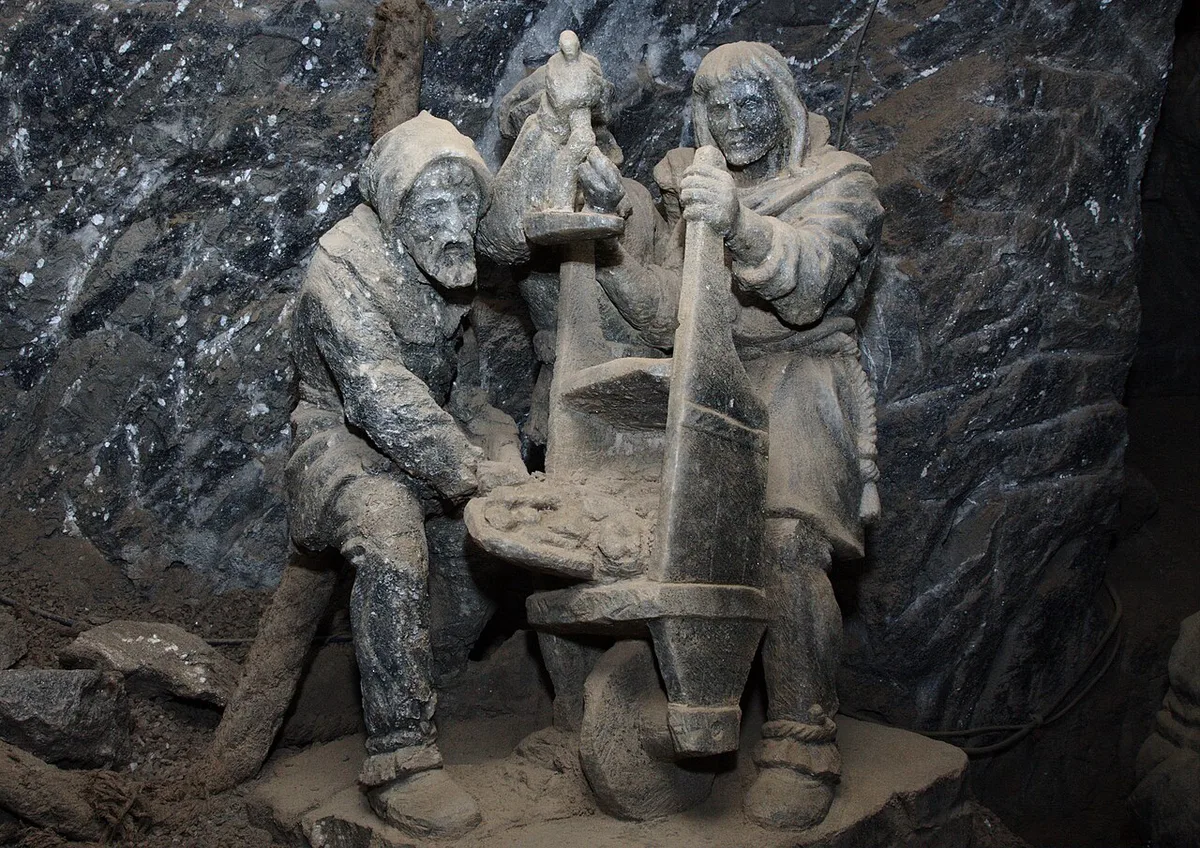
- Chambers and chapels: miners carved worship spaces out of the salt itself. The Chapel of St. Kinga, mentioned above, is the best-known example.
- Later mechanisation: tools, haulage equipment and shaft machinery show how extraction changed before the mine closed to mining in December 1996.
Air, temperature and what to wear
The salt-laden air stays cool and humid all year, and the temperature underground barely changes with the seasons. That steady microclimate is the reason Bochnia has long been associated with wellness and breathing-focused programmes. Ask the operator which of these are currently offered, as they are separate from the standard sightseeing route.
Treat the climate as a practical point rather than a medical promise. Bring a layer even in July, and ask the operator if you have a respiratory condition or find damp air uncomfortable.
If you enjoy comparing heritage mines, our guide to Salt Mines in Germany: Which to Visit and How to Choose shows how other European sites present the same industry.
Tickets, opening hours and booking
Prices, seasons, tour languages and booking rules change from year to year. The operator publishes the current schedule for the mine at ul. Campi 15. Check it before you travel, especially in winter and on public holidays.
Before leaving Kraków, save ul. Campi 15 as the destination, then look up the final walk from your arrival point on a map.
Getting there from Kraków
Bochnia is a separate town from Kraków, so plan a proper day trip. Look up current train and bus timetables on the national rail operator's site and in local timetable apps. Then look up the walking route from the station or car park to the entrance on a map. Visit Krakow's tourism portal is a useful starting point for onward transport questions.
Combining Bochnia with other underground stops
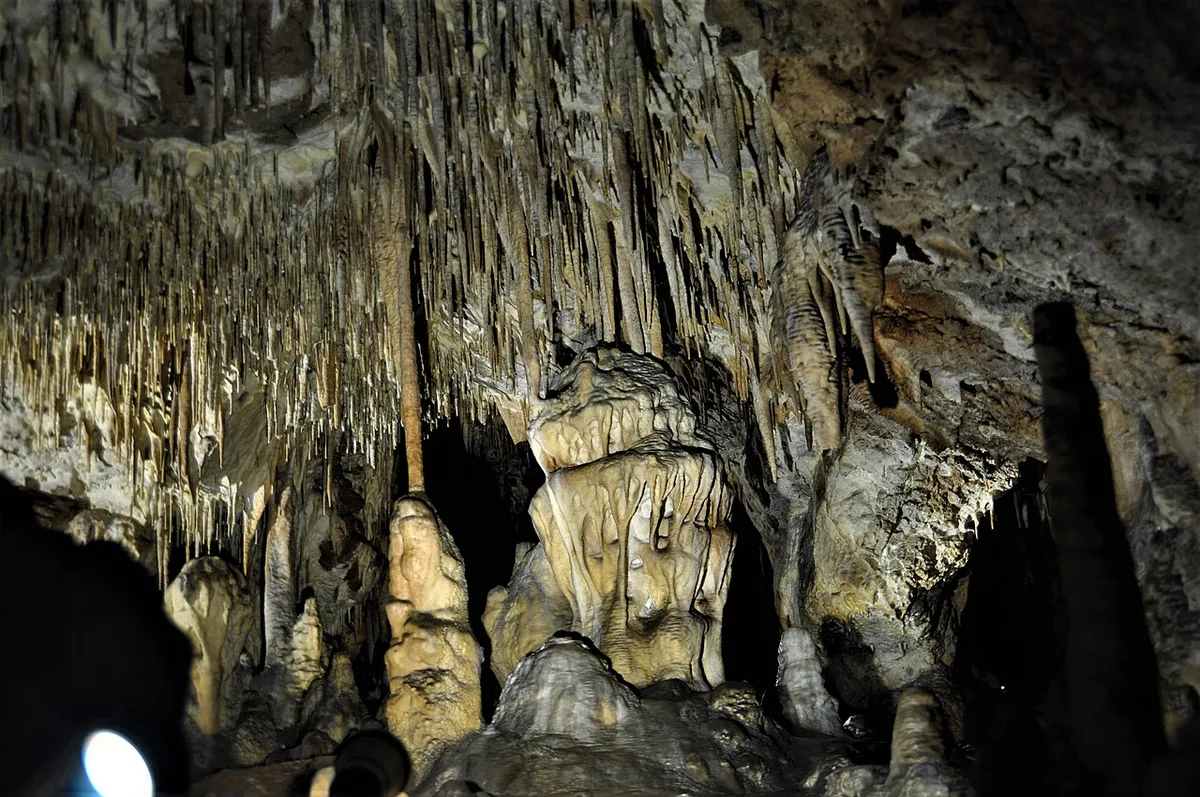
If you base yourself in Kraków, pair the mine with the Rynek Underground museum on a separate day. Our guide to underground tours from Kraków helps you compare options. Mining fans can also look at the silver mine at Tarnowskie Góry or Guido Mine in Zabrze. For natural caves instead, see Raj Cave (Jaskinia Raj) Poland: Season & Visitor Guide or the wider overview of caves in Poland.
Pairing Bochnia with Rynek Underground takes a separate day. Plan 2 days only if you truly enjoy mining history and want a second mining site.
Bochnia compared with Poland's other mining sites
Bochnia is a salt mine, and Poland offers very different mining experiences if you want a contrast. The Tarnowskie Góry silver mine in Upper Silesia is part of a UNESCO-listed historic mine system. Its tourist route runs about 1,700 m at a depth of around 40 m, with a 270 m stretch covered by boat, and its workings date from the 15th to the 20th century. That boat leg is what sets it apart from dry salt and coal sites.
The Guido Mine in Zabrze is a coal mine turned mining museum, with underground levels at about 170 m and 320 m. The deeper level holds three large chambers: Research Chamber No. 8 (192 m², used for concerts and theatre), the Compressor Chamber (248 m², with compressors from 1914 and 1965) and the Pump Hall (164.5 m², now an underground pub). Both Silesian sites sit near Katowice, so they pair with each other more easily than with Bochnia. Treat each as its own half-day outing and read the operator's current details before you book.
Practical tips before you go
Wear closed, grippy shoes and a warm layer, since mines stay cool all year. Expect stairs and uneven floors, which can be hard for visitors with limited mobility. Ask the operator about age limits, photography rules and bag storage when you book. Official guidance for the region appears on Poland's national tourism portal. A day trip from Kraków is simpler than an overnight stay, and Bochnia works best as a half-day outing.
Plan Bochnia as a focused Kraków day trip
Bochnia works best when you treat it as one planned stop, rather than trying to squeeze it between several underground attractions. The mine entrance is at ul. Campi 15, so save the full address before leaving Kraków.
A half-day visit is the sensible choice if Bochnia is your only underground destination. Keep the rest of the day flexible for travel delays, meals, or time back in Kraków. Rail and bus timetables change, so fix your departure time only once you have the current ones.
Do not stack Bochnia with another underground stop on the same rushed day. Give yourself 2 days only if you genuinely enjoy mining history and want a second mining site without turning the trip into a transport exercise.
Notes for your next trip underground
Optional updates when we add or revise cave and underground guides.
More guides
More guides you'll find useful