Salt Mines in Germany: Which to Visit and How to Choose
Compare visitable salt mines in Germany: what each tour is like, how to get there, booking tips, and who should pick which.
Last updated November 2026. Salt mines in Germany are a different underground visit from natural caves, and the two covered here are Alte Saline in Bad Reichenhall, Bavaria, and Salzwelten in Bad Friedrichshall, which works from the old Kochendorf mine in Baden-Württemberg. The well-known ride-in mine at Berchtesgaden is a separate trip outside this guide. If you want natural caves instead, start with our guide to caves in Germany.
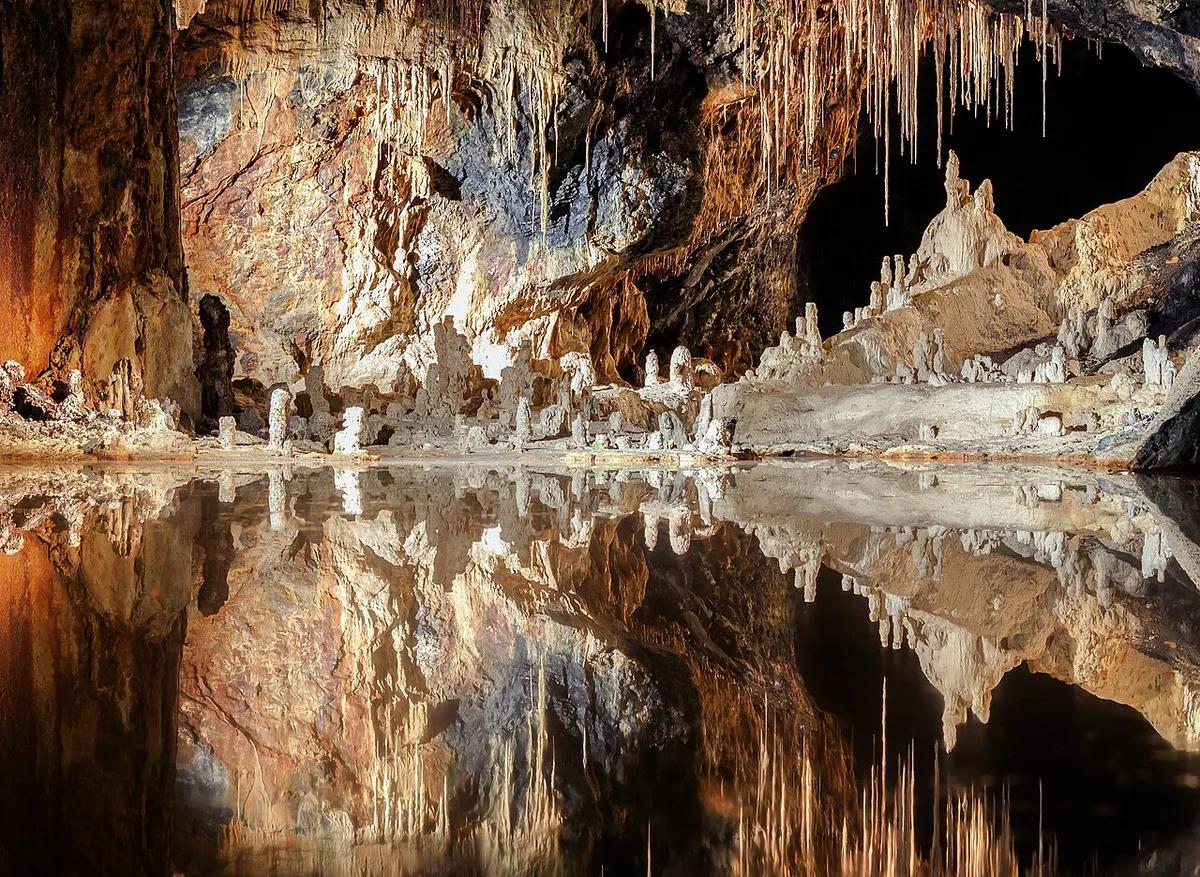
Featured image: Leo Michels, Public domain, via Wikimedia Commons.
Quick answer: which German salt mine should you visit?
Pick Bad Reichenhall's Alte Saline for a historic saltworks and museum feel in a town you can walk. Pick Bad Friedrichshall's Salzwelten if you are travelling in the Heilbronn area and want to go down into a former working salt mine.
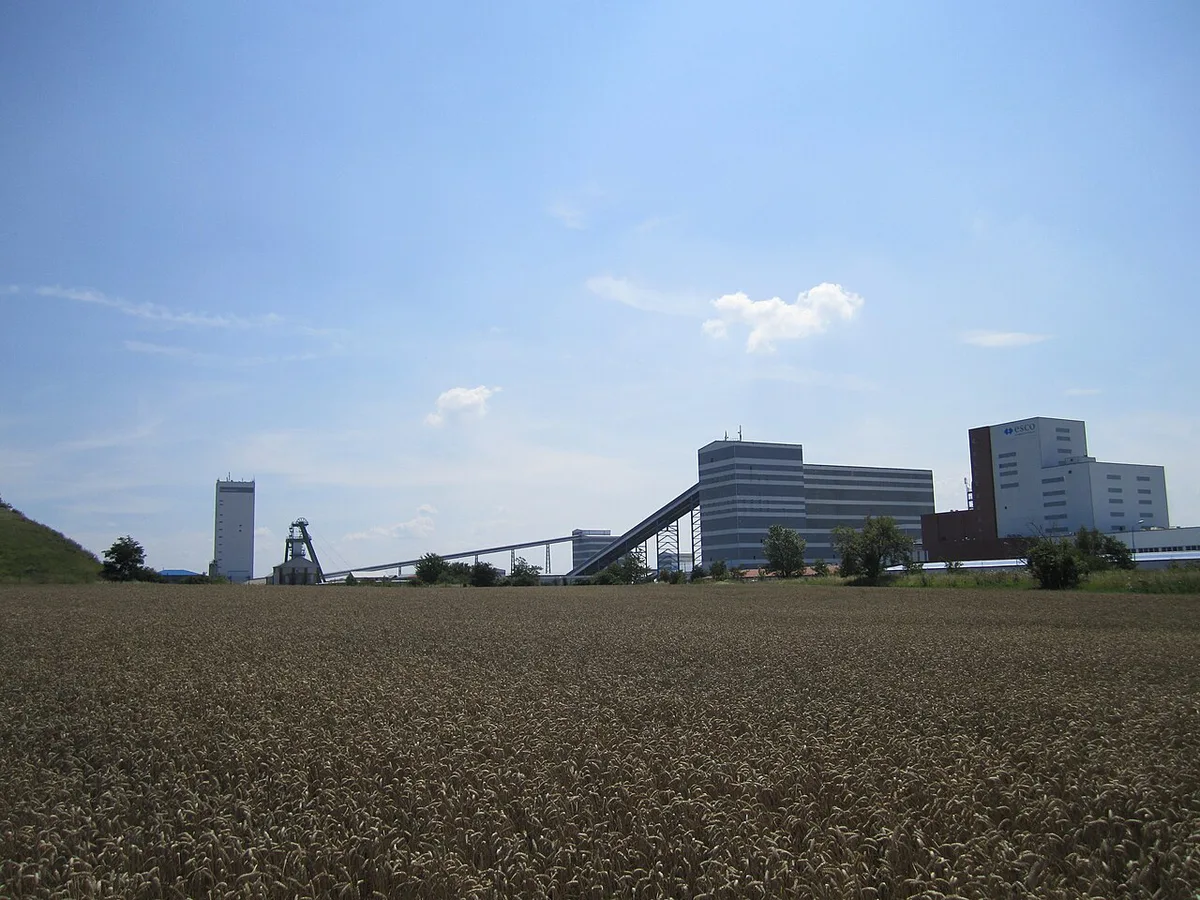
- Underground in a former working mine: Salzwelten at Bad Friedrichshall (Kochendorf mine).
- History fans: Alte Saline in Bad Reichenhall, a walkable town stop.
- Baden-Württemberg route: Salzwelten, in the Heilbronn area.
- Rainy day: either, because all the visiting happens indoors or underground.
Salt mines in Germany at a glance
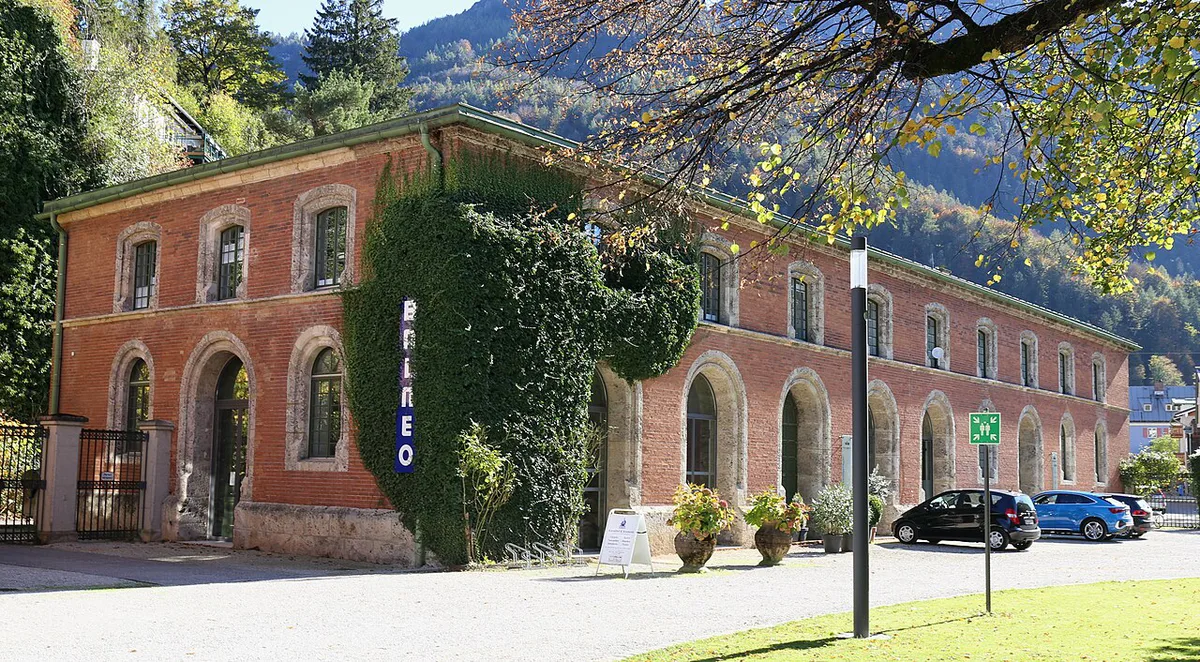
This table compares the two show mines on format and fit. Tour lengths, prices and seasons change, so each operator's own site is the place to find them.
| Mine | Location | What you do | Best for |
|---|---|---|---|
| Alte Saline | Alte Saline 9, Bad Reichenhall | Walk through a historic saltworks with old mining equipment | History fans, rainy days |
| Salzwelten (Kochendorf mine) | Bad Friedrichshall | Underground visit at a former working salt mine | Travellers in the Heilbronn area |
Salzwelten at Bad Friedrichshall: what to expect
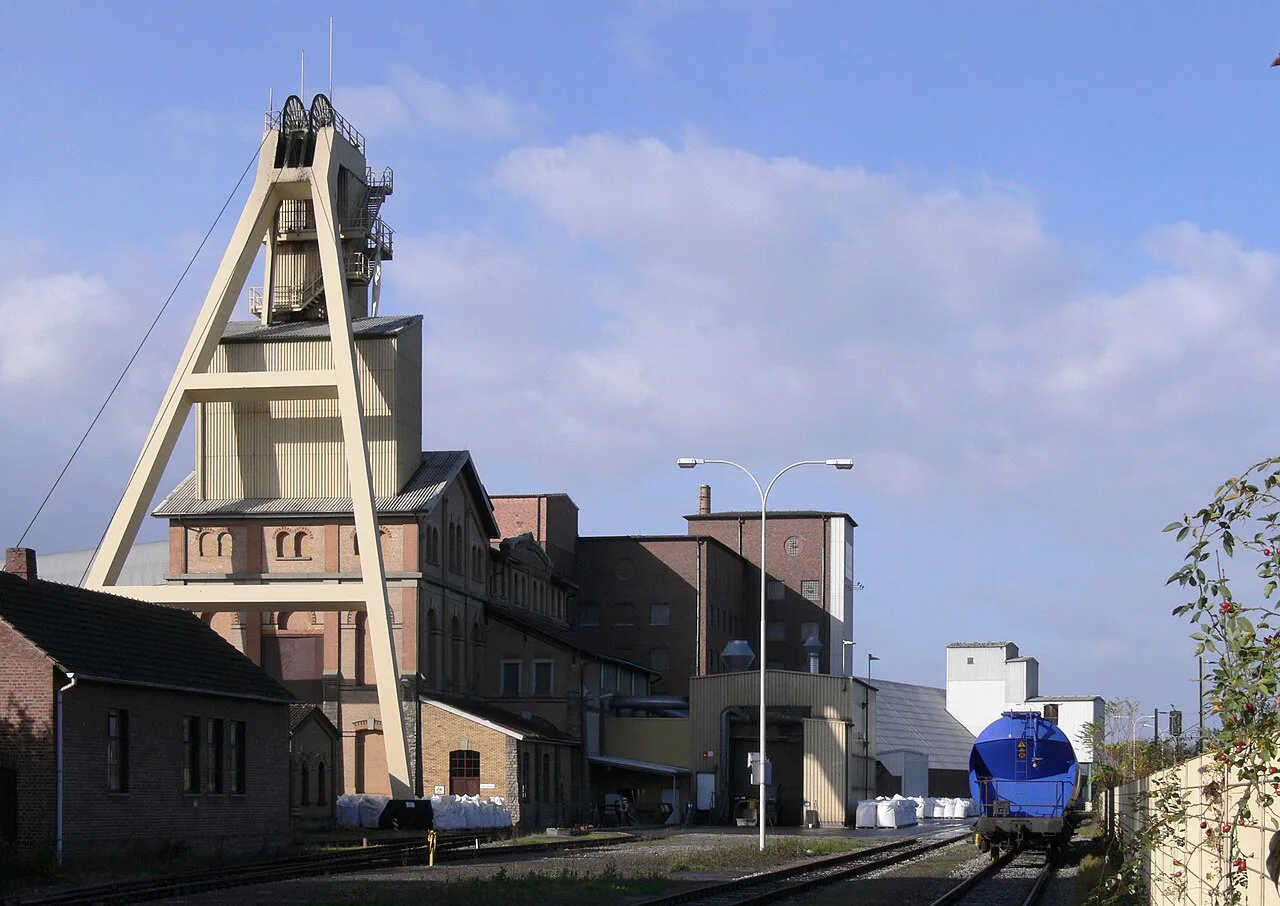
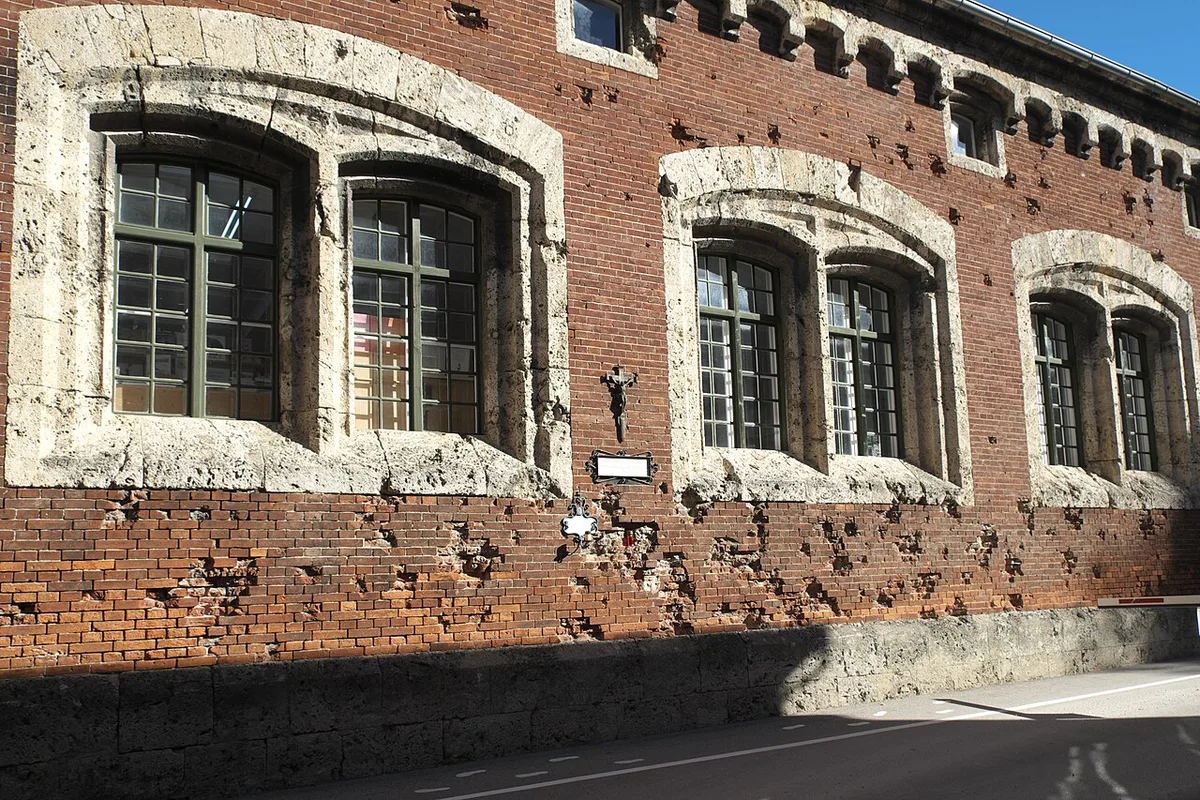
Salzwelten is an underground visit at a former working salt mine, the old Kochendorf mine in Bad Friedrichshall, in the Heilbronn area of Baden-Württemberg. It is the pick for travelers based in the north of the state instead of Bavaria. Tour lengths, prices and seasons are set by the operator, so the official site has the current ones. Skip it if you dislike enclosed, cool spaces, since the visit happens underground.
Bad Reichenhall Alte Saline: what to expect
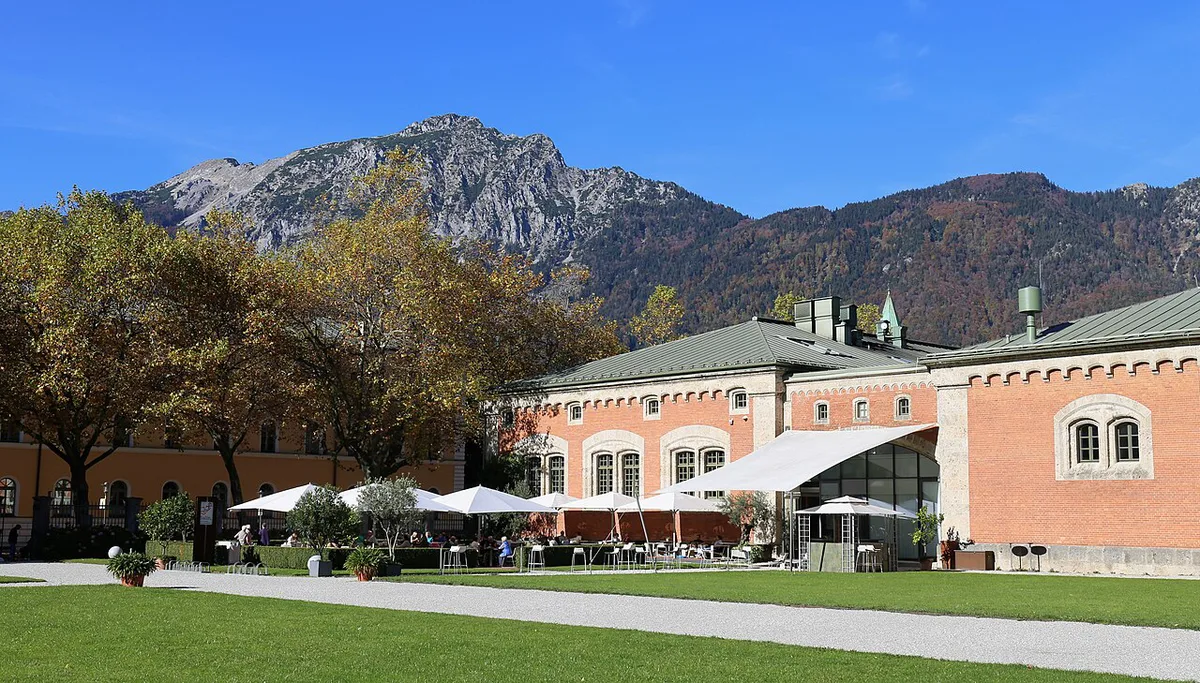
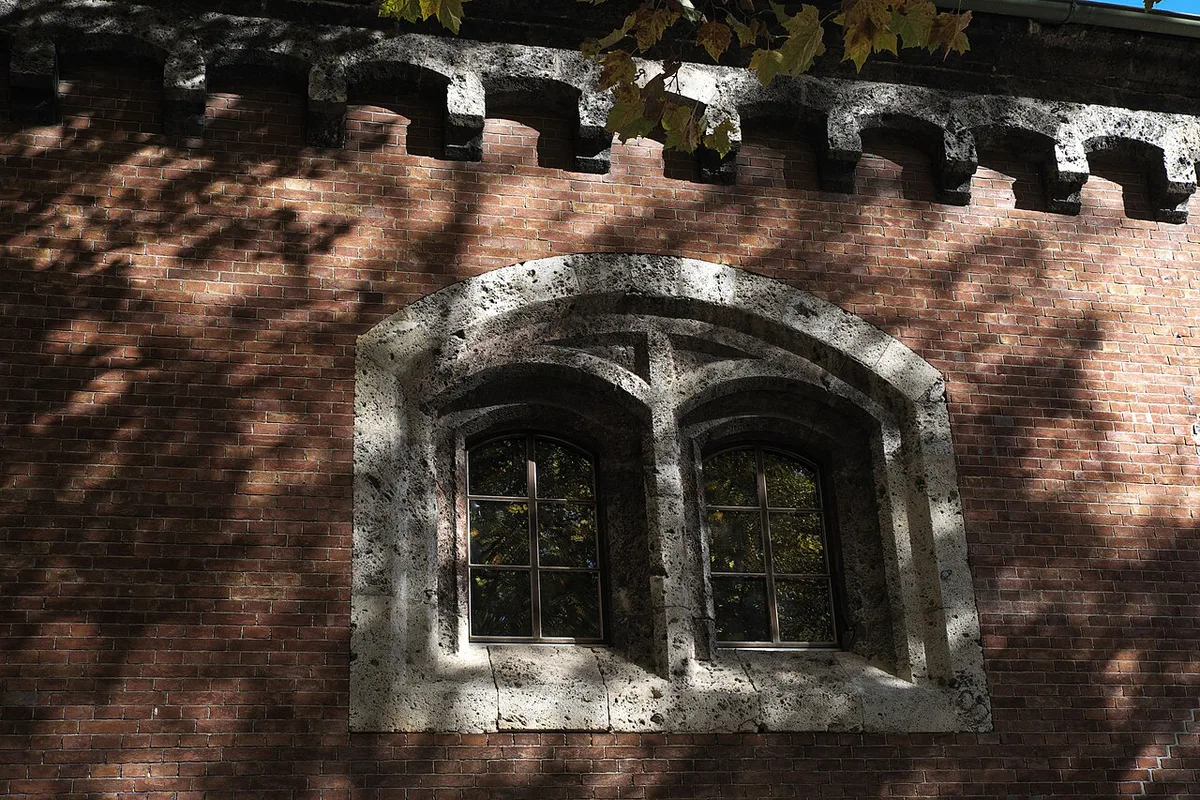
Alte Saline sits at Alte Saline 9 in Bad Reichenhall, on the way from the old town toward the Predigtstuhl mountain. Published details put the tour at about 45 minutes, with underground temperatures near 12°C all year. Strollers are said not to be allowed, so carry small children or use a sling. Skip it if you want a thrill ride, because this is a museum-style visit with old mining equipment and local salt history.
Alte Saline vs Salzwelten: how to choose
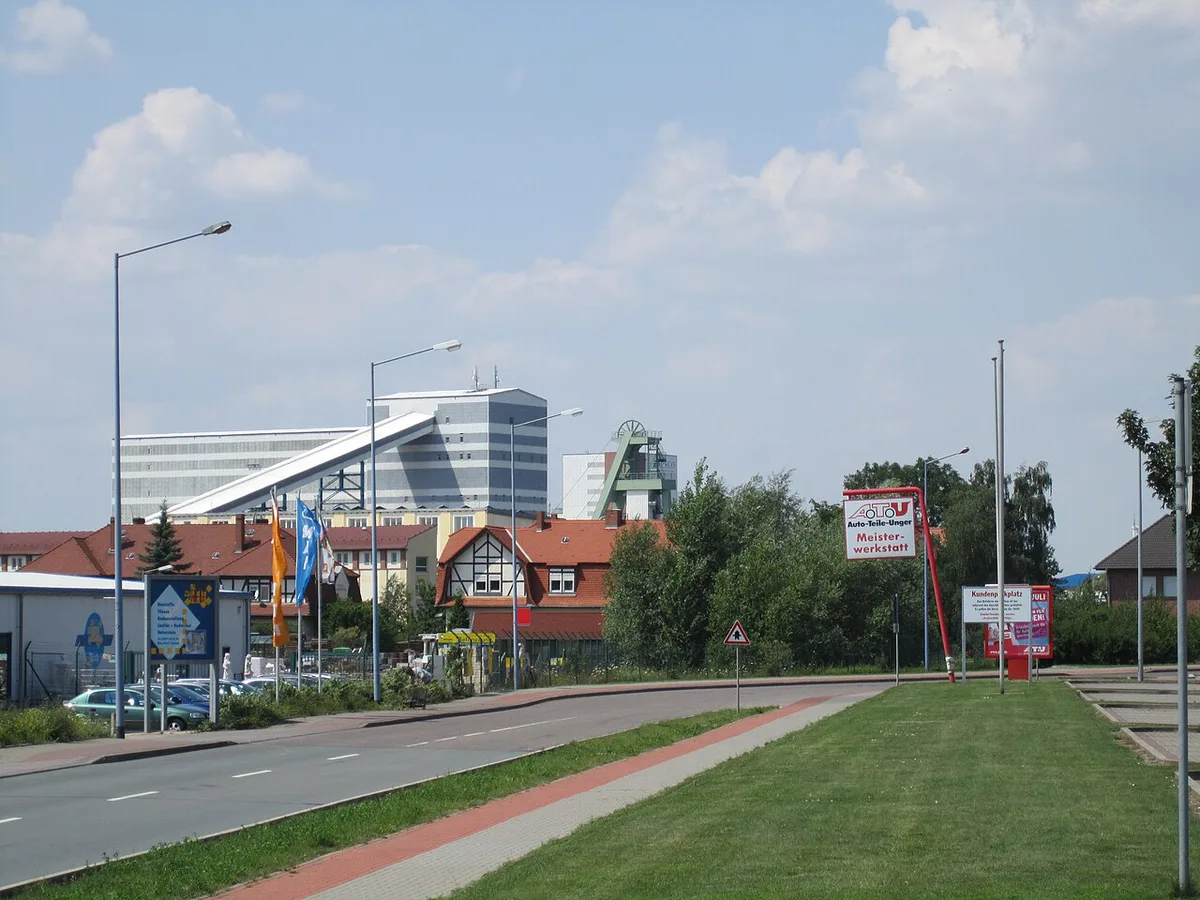
Choose by region first. Alte Saline is in Bad Reichenhall, close to Salzburg and Munich, while Salzwelten is in the Heilbronn area. Then choose by format. Alte Saline is a quiet, museum-style visit with old mining equipment and local salt history, and its published 45-minute route leaves time for the old town. Salzwelten takes you into a former mine. Visitors with a stroller will find Alte Saline harder, given the stroller restriction mentioned above.
Tickets, opening hours and booking
Prices, seasons and winter hours at both mines change from year to year. Check the official site for current figures: Bad Friedrichshall, and the operator's page for Alte Saline. Family tickets are usually the cheapest way for groups with children, so ask about them when you book. Reserve ahead for summer weekends and holidays.
Getting there and planning your day
Bad Reichenhall is a realistic day trip from Salzburg and Munich. Check Deutsche Bahn and regional bus timetables for transfer times, since schedules shift each season. Plan a half-day per mine. Combine Bad Reichenhall with the Kurgarten, Thumsee or the Predigtstuhl, and look up opening seasons first. In bad weather the salt mines are a dry fallback, though mountain excursions are not.
Alte Saline is said to take about 45 minutes, so it fits a half-day with time for the old town.
What to wear and mistakes to avoid
Dress for cool underground air even in July. A light jacket and closed shoes are enough for most visits. Avoid arriving without a booking in peak season. Do not bring a stroller to Alte Saline. Do not count on sunshine for outdoor add-ons, and keep a museum or mine as your backup plan.
Underground temperatures near 12°C all year at Alte Saline mean a light jacket matters even on a July visit.
Salt mines vs caves: other underground visits
Salt mines show human extraction. Caves show natural formations. For mining beyond salt, Rammelsberg Mine Guide: Tours, Tickets and Getting There is a UNESCO mining site, not a salt mine. For natural caves, try Dechenhöhle for dripstones, Atta Cave (Attahöhle) Guide: Hours, Tickets & Tips near Attendorn, or Saalfeld's Fairy Grottoes. The full caves cluster covers the rest, and Blautopf suits readers who want underground water.
Plan a Bad Reichenhall half-day
Alte Saline sits at Alte Saline 9, on the way from the old town toward the Predigtstuhl mountain, so it pairs naturally with central Bad Reichenhall rather than a mountain excursion. Its guided route is said to take about 45 minutes, and the underground temperature is around 12°C. Keep the visit for the part of the day when you want an indoor activity, and leave time for the old town, the Kurgarten or Thumsee.
Check tour slots before fixing the order of your day. Booking availability, regional transport timetables and border-crossing connections from Salzburg can shape the plan. A light jacket and closed shoes make the cooler underground portion more comfortable.
Other German mine visits worth a stop
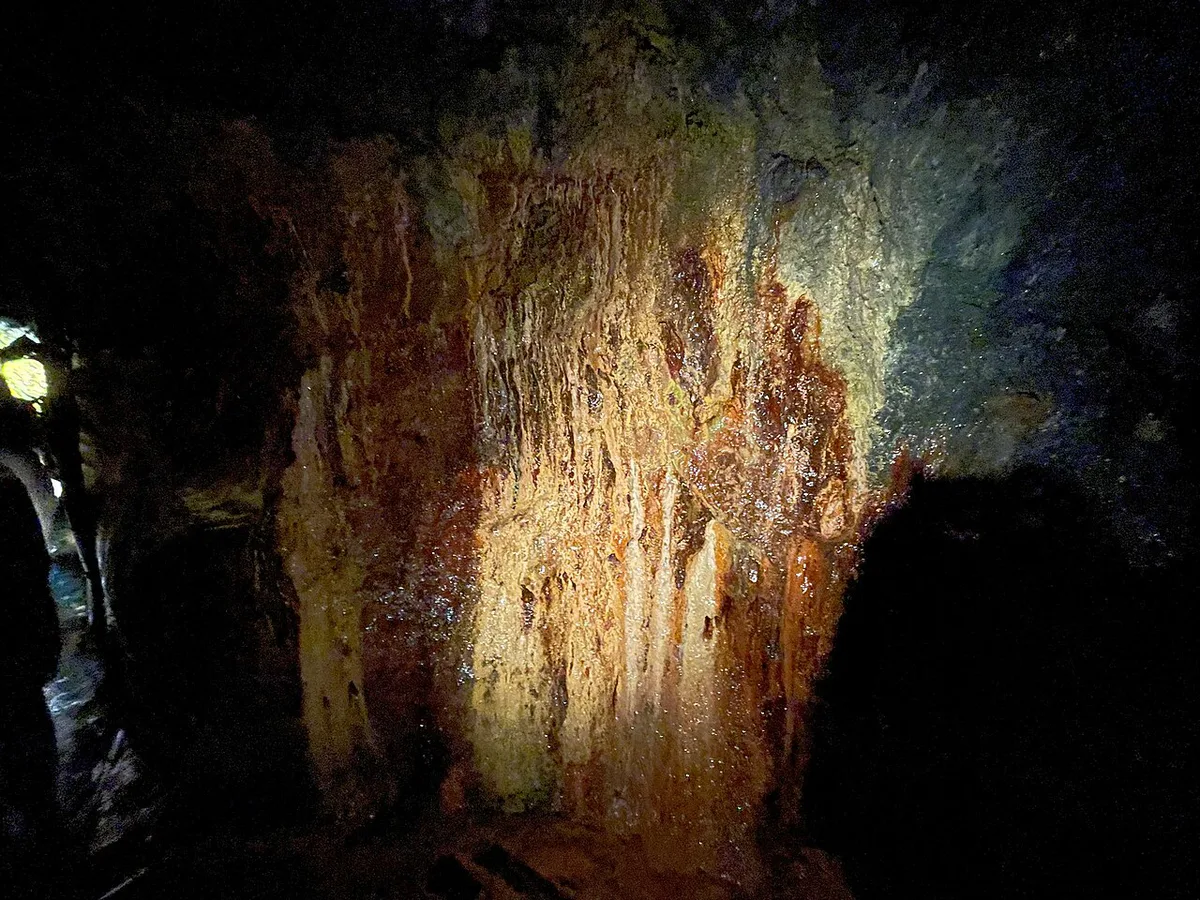
If salt is not the point, two other German mines show different kinds of mining. Rammelsberg Mine in Goslar is a UNESCO-listed former silver, copper and lead mine above Goslar's old town in Lower Saxony. Mining there ran for more than 1,000 years and stopped on 30 June 1988, and you go underground only on a guided tour at 10 to 12°C among rails, timber and water wheels. The mountain is 635 m high, about 30 million tonnes of ore came out before closure, and UNESCO inscribed the mine with Goslar's old town in 1992. Expect no stalactites, and bring sturdy shoes and a jacket. Underground areas open only through guided tours, while the surface buildings and the museum can be explored on your own with a museum ticket, so match the tour to how much walking you can manage. Feengrotten Saalfeld in Thuringia is a former alum slate mine turned show mine, where mineral colors in the old workings are the draw. It is a mine, not a natural limestone cave, and the floors stay wet, so wear sturdy shoes with grip.
For a natural cave instead, Dechenhöhle in Iserlohn is a dripstone show cave discovered in 1868, and Atta Cave in Attendorn offers tours of about 40 minutes at a constant 9°C. Both sit in the Sauerland, so they pair easily as a second underground day.
Notes for your next trip underground
Optional updates when we add or revise cave and underground guides.
More guides
More guides you'll find useful