
6 Caves in Switzerland: Best Ones to Visit and How to Choose
Which Swiss caves are worth visiting? Compare 6 underground sites by type, region and effort, from Trümmelbach Falls to the Rhône Glacier ice grotto.
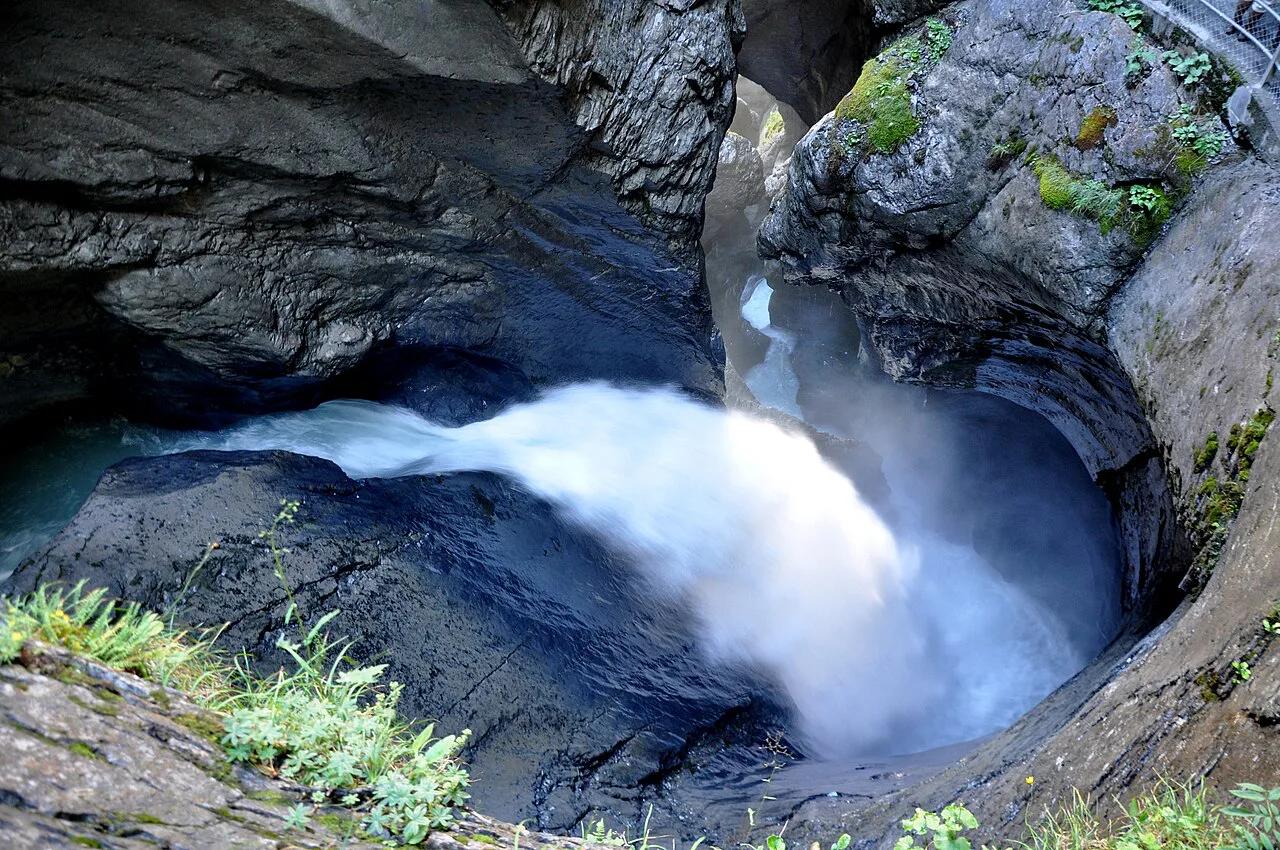
Last updated November 2026: the best caves in Switzerland range from limestone show caves to a gorge inside a mountain, a salt mine and a glacier ice grotto. Six sites cover the main choices across the Bernese Oberland, Romandie and Valais. Each one below says what it really is, so you can pick by region, weather and effort.
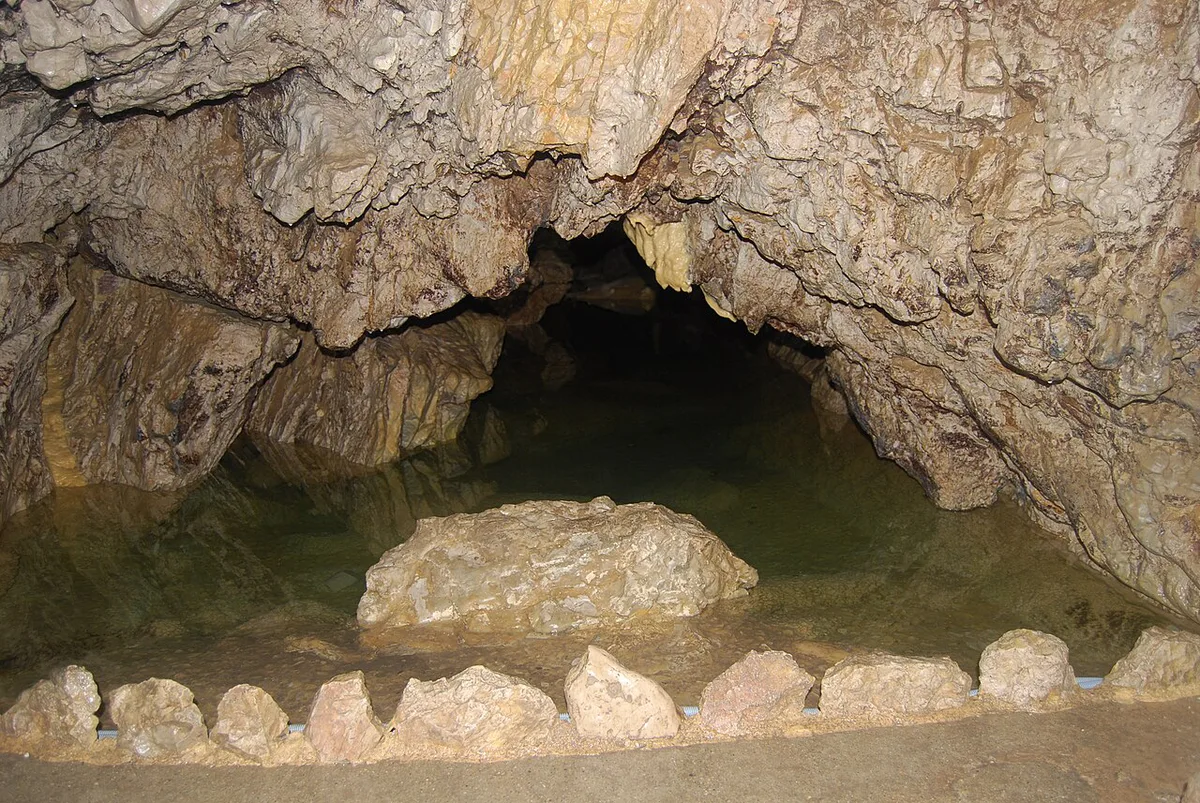
Featured image: Simisa, CC BY-SA 3.0, via Wikimedia Commons.

6 caves in Switzerland worth visiting
Opening seasons and tour formats change, so each entry points to its official site. Prices and hours checked November 2026.
1. Trümmelbach Falls (Lauterbrunnen)
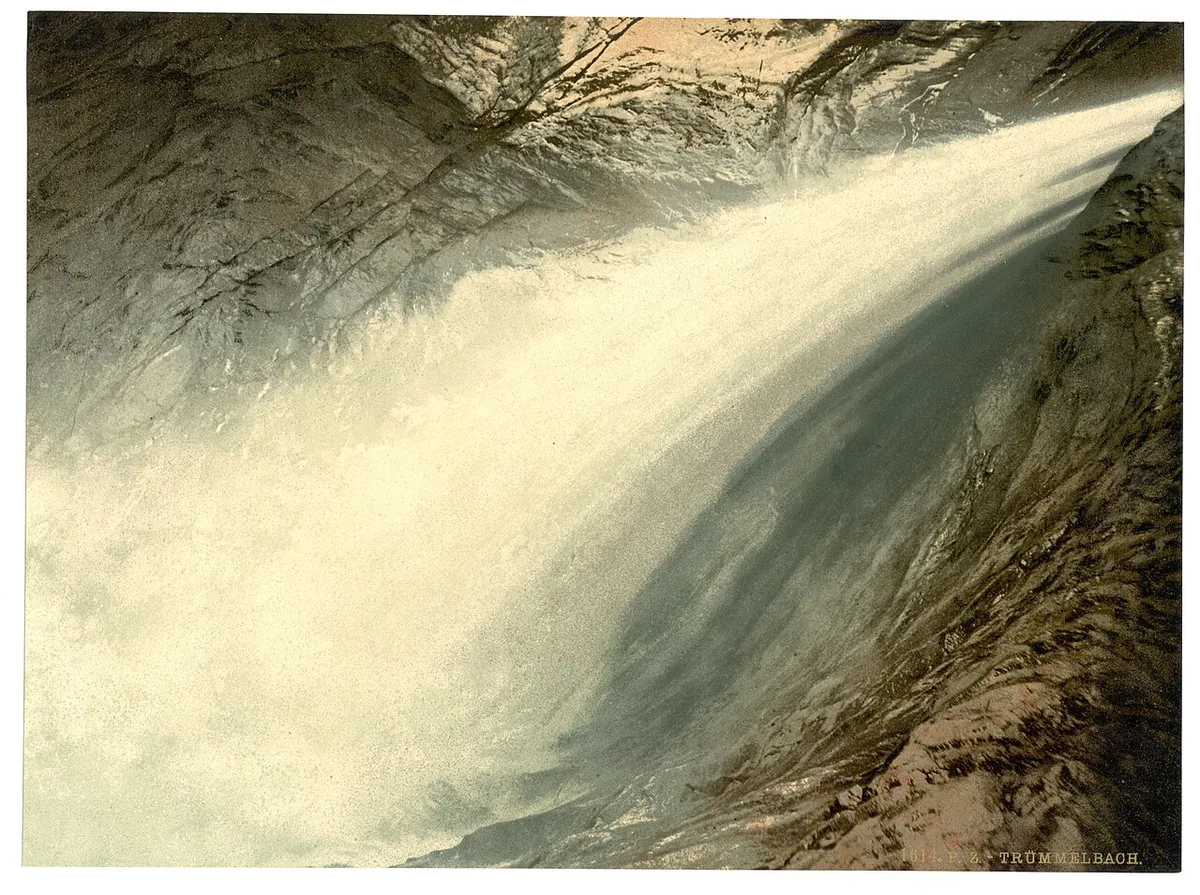
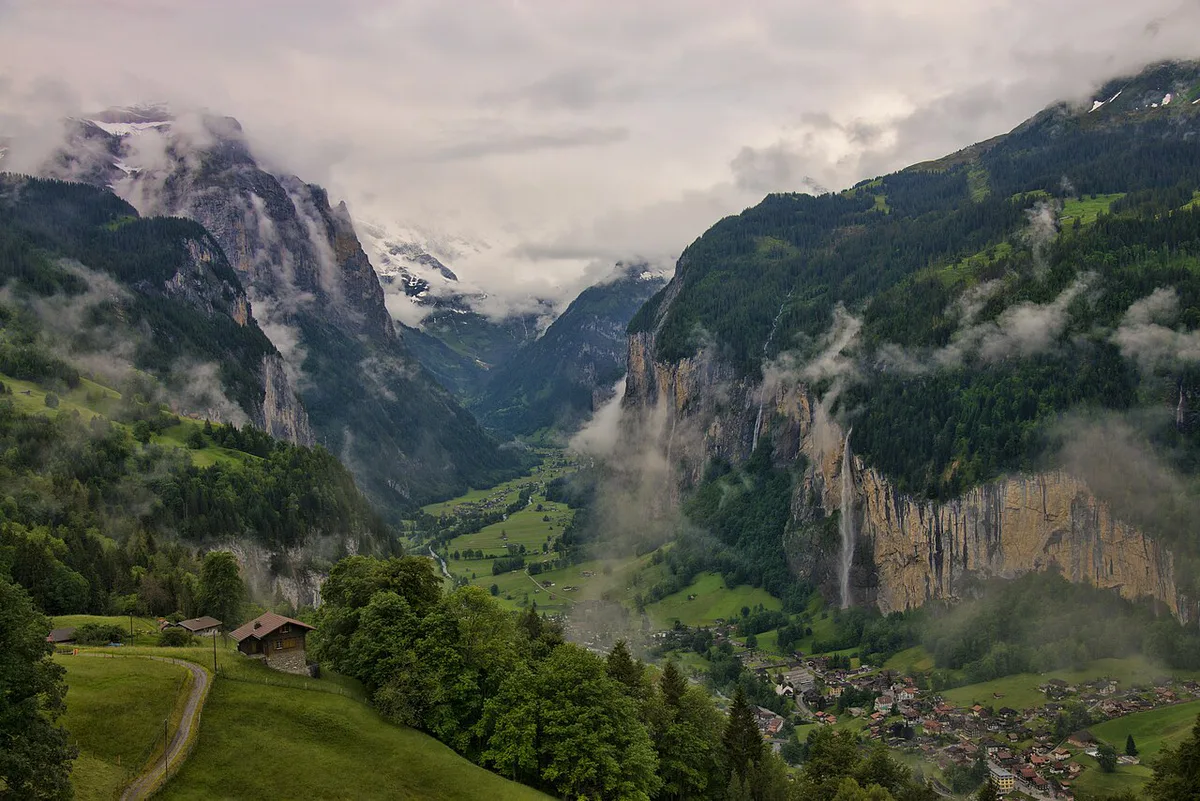
Trümmelbach Falls is a glacier-water gorge inside the mountain at Lauterbrunnen. It is a waterfall cave rather than a limestone show cave. Water pounds through carved rock chambers, so spray and noise define the visit. Our Trümmelbach Falls guide covers the walk in detail.
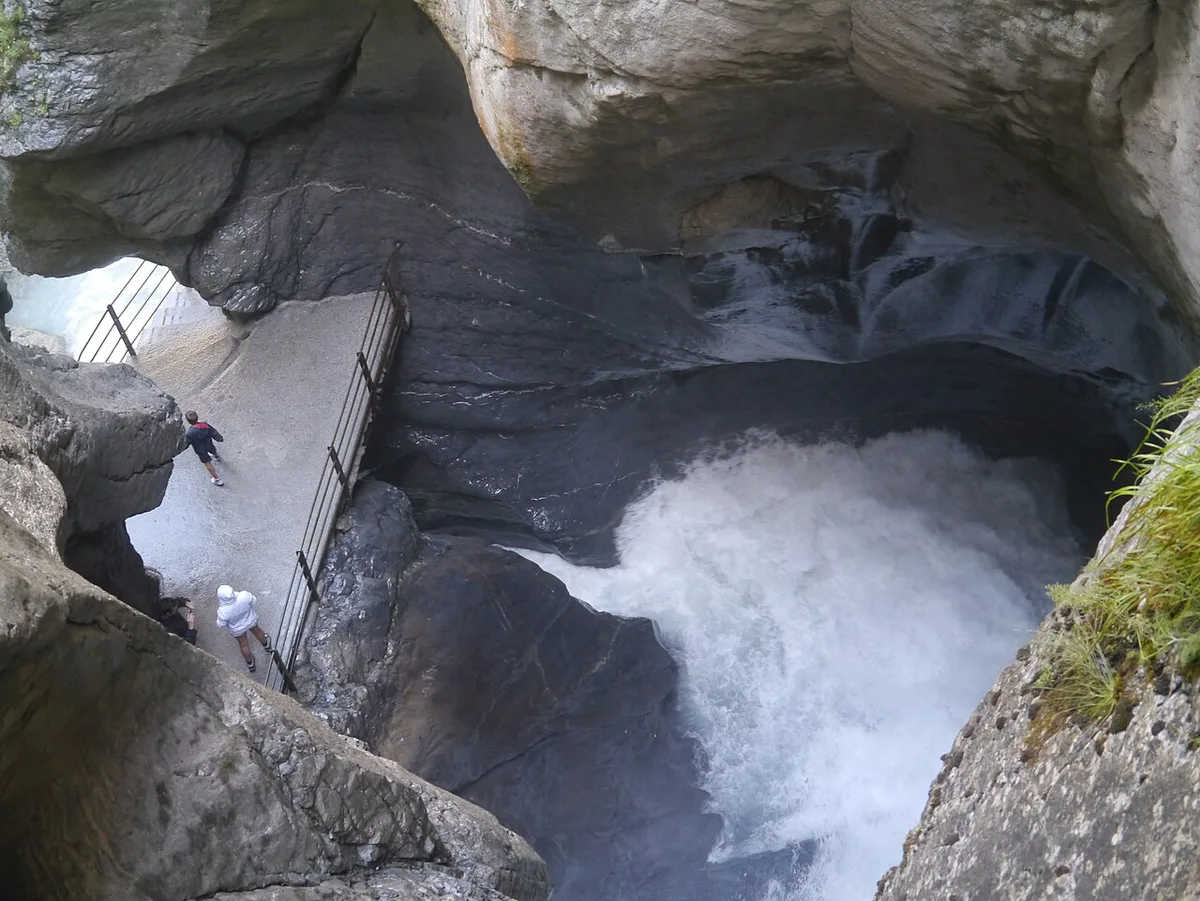
Opening is seasonal, and the official Trümmelbach site lists the current schedule. Skip it if wet rock, loud passages or stairs are a concern.
2. Hölloch
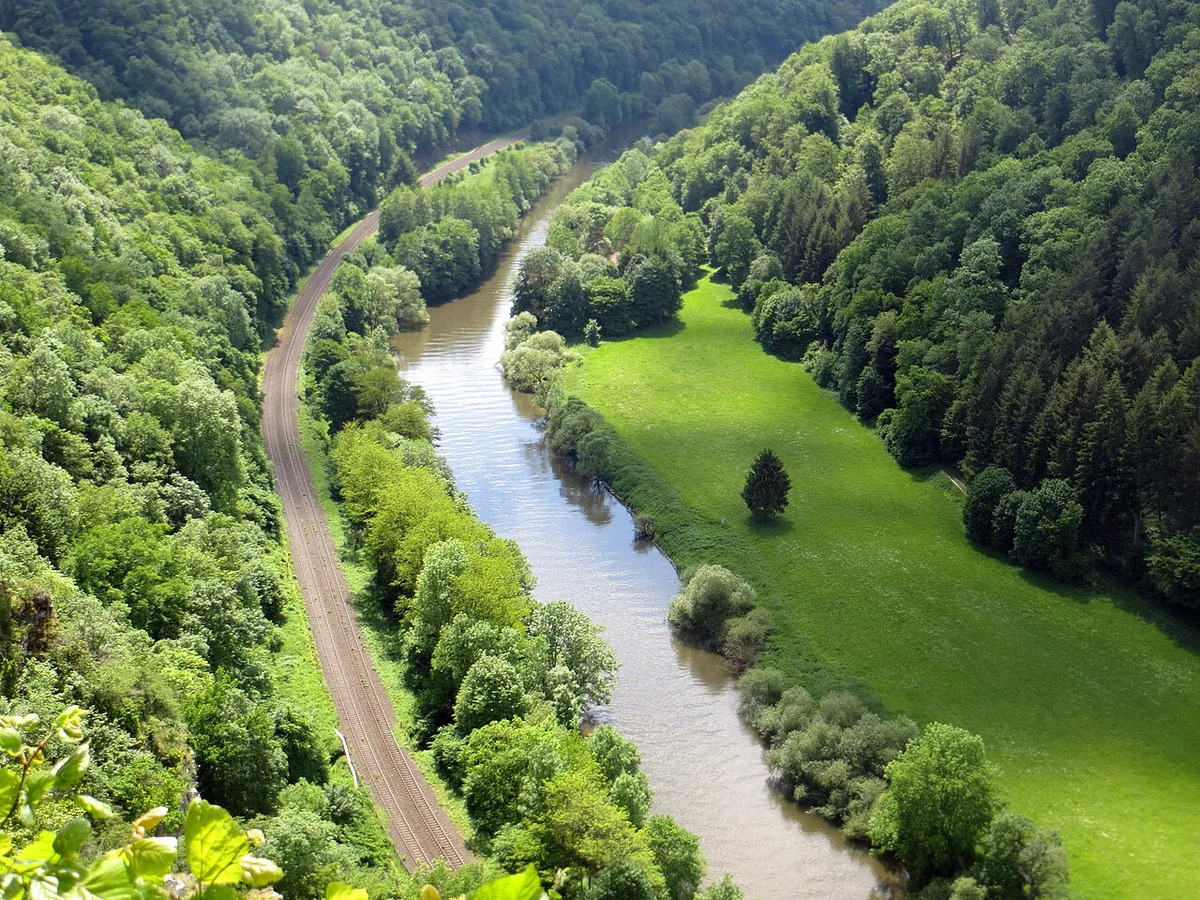
Hölloch is a cave system visited on organised tours, so treat it as a planned excursion rather than a casual walk-in stop. Our Hölloch cave guide explains the access and what a visit involves.
Tour formats and dates are set by the official Hölloch site, so book from there. Skip it if you want a short, unscheduled stop or dislike confined, cold spaces.
3. Grottes de Vallorbe
Grottes de Vallorbe is a Jura limestone cave and the closest match here to a classic show cave. It suits visitors who want formations and a guided-style underground walk. Our Grottes de Vallorbe guide covers the visit.
Seasons and tour details are on the Vallorbe tourism site. Skip it if you only have a gorge or glacier day planned in the Alps.
4. Lac souterrain de St-Léonard
Lac souterrain de St-Léonard is an underground lake in Valais, so the highlight is still water inside rock. Our St-Léonard underground lake guide covers what the visit is like.
Hours and seasons sit on the official lake site. Pair it with other Valais stops using Valais tourism. Skip it if you want a walking-heavy or high-altitude outing.
5. Bex Salt Mines
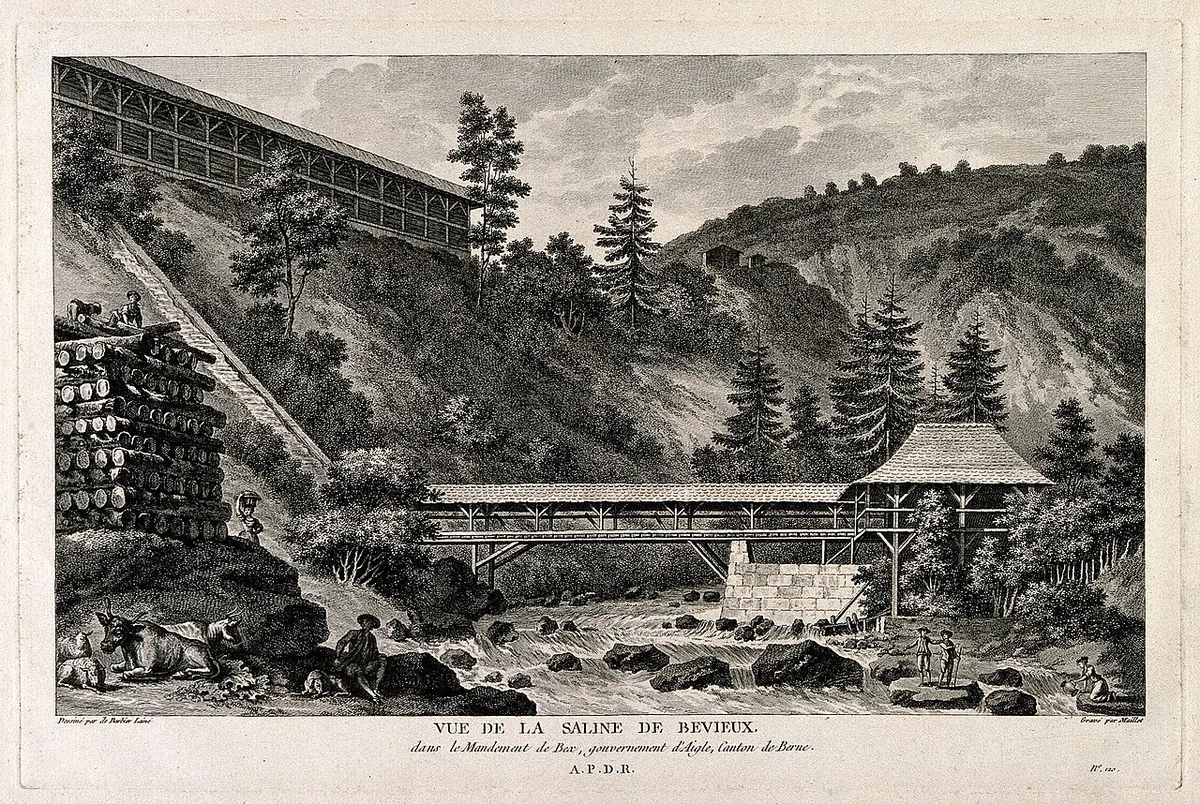
Bex is a working-history salt mine, not a natural cave, so expect mining tunnels and not stalactites. Our Bex salt mines guide explains the visit.
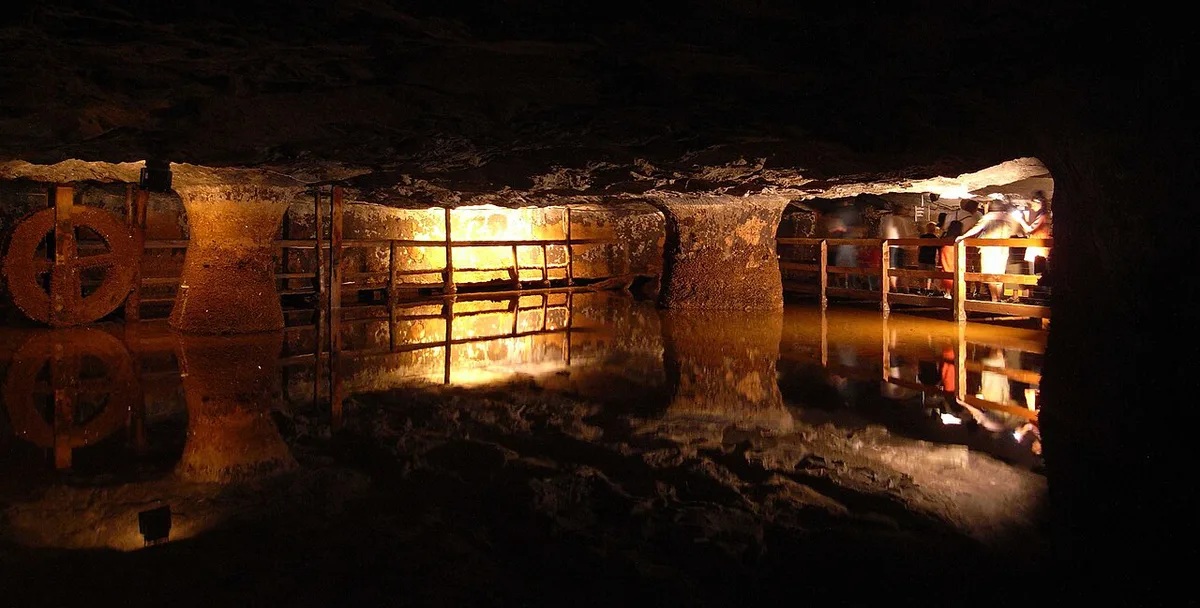
Tour times and booking rules are on the Mines de sel de Bex site. Skip it if you specifically want natural limestone formations.
6. Rhône Glacier Ice Grotto
The Rhône Glacier ice grotto is a high-altitude ice tunnel, not a limestone cave. Treat it as a glacier attraction with an underground element. Our Rhône Glacier ice grotto guide covers access and seasonal limits.
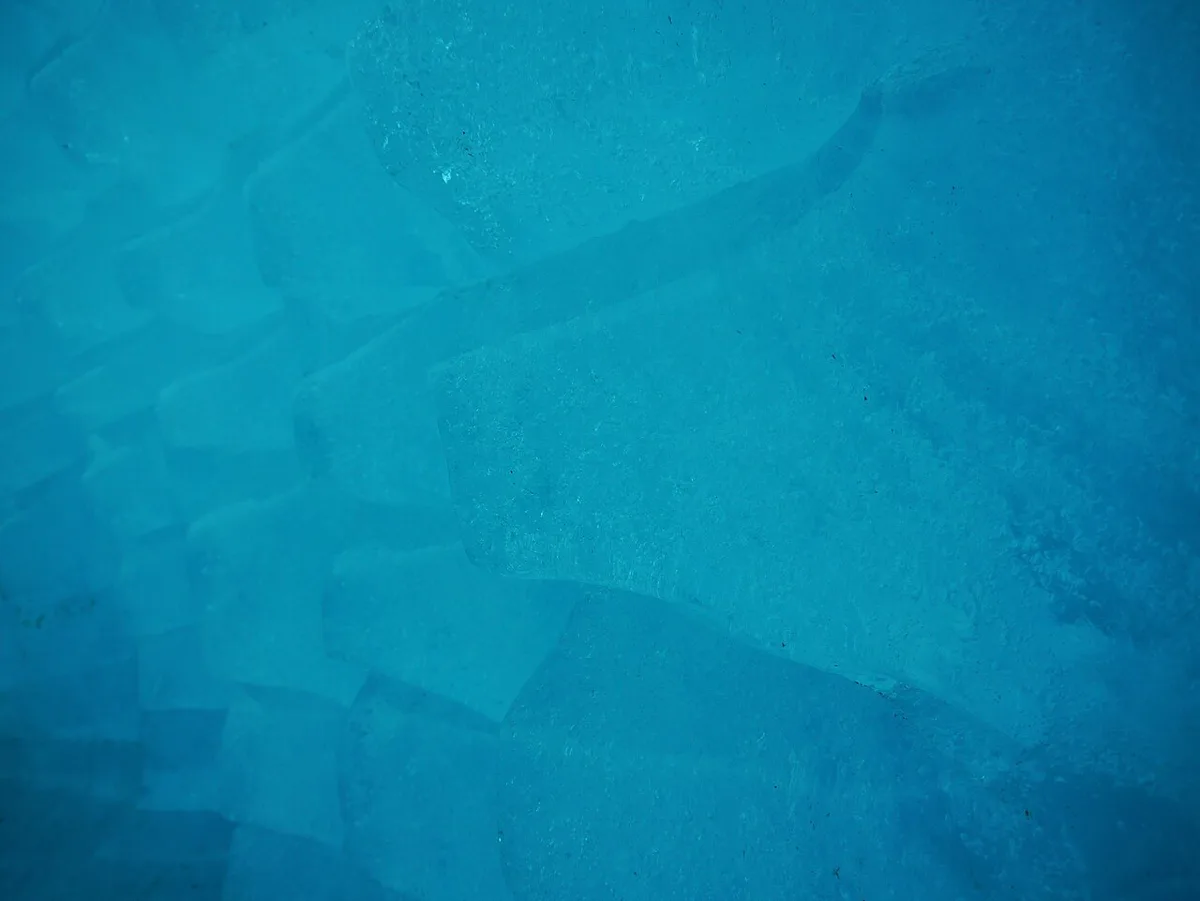
Access depends on season and mountain weather, so check current conditions before travelling. Skip it if you need easy access, a year-round option or a rainy-day indoor plan.
How to choose between caves, gorges and mines
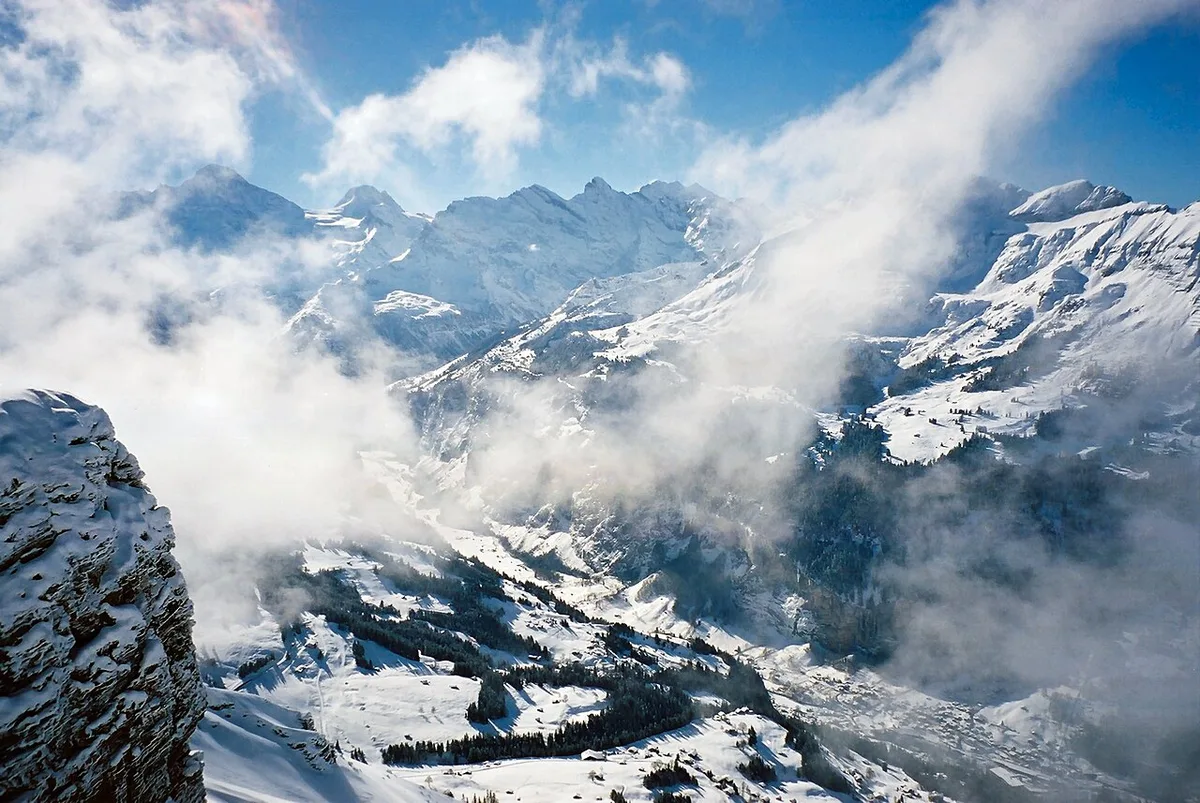
Pick Grottes de Vallorbe for a classic limestone cave and Trümmelbach for moving water. Choose Bex for mining history and St-Léonard for an underground lake. Staying in Interlaken? Our Trümmelbach day trip from Interlaken shows how to reach it, and the Interlaken tourism site lists local options.
Swiss caves by region and type: a quick comparison
Switzerland has few classic limestone show caves, so the six sites above fall into different categories. Only two are natural caves in the traditional sense, which is worth knowing before you plan a day around them.
| Site | Region | What it is |
|---|---|---|
| Trümmelbach Falls | Bernese Oberland | Glacier-water gorge inside the mountain |
| Hölloch | Muotathal, Schwyz | Large cave system, organised tours |
| Grottes de Vallorbe | Vaud, Jura | Limestone show cave |
| Lac souterrain de St-Léonard | Valais | Underground lake |
| Bex Salt Mines | Vaud | Historic salt mine |
| Rhône Glacier Ice Grotto | Valais | High-altitude ice tunnel |
Pairing sites by area
- Romandie and Vaud: Vallorbe and Bex sit in the same canton, so they suit a French-speaking-Switzerland itinerary built around underground sites.
- Valais: St-Léonard and the Rhône Glacier grotto are both in this canton. One is a sheltered lake and the other a mountain stop, so check the weather before choosing your day.
- Bernese Oberland: Trümmelbach is the easy add-on to a Lauterbrunnen or Interlaken base.
If you are also planning cave visits in neighbouring countries, our 8 Best Caves in Europe: Show Caves, Sea Grottoes and Underground Lakes guide compares the wider options.
Tickets, seasons and what to wear
Prices and opening dates vary by venue and season, so use each official site above. Our Trümmelbach ticket guide covers that site's admission. Underground sites run cool and damp, so bring a warm layer and shoes with grip.
Sample routes and who should skip which site
The six sites sit in different regions, so the easiest way to plan is to build one short route around a single area instead of chasing all six. We give no drive times here, because they depend on the day and the road. Check current rail and bus connections with the Swiss rail operator SBB or your own route tool before you commit to a day.
Three simple routes
- Oberland day: base yourself in Interlaken or Lauterbrunnen and visit Trümmelbach Falls. Dress for spray and keep the rest of the day flexible.
- Romandie and Valais loop: combine Grottes de Vallorbe and Bex Salt Mines in Vaud, then St-Léonard in Valais. This route mixes a limestone cave, a mine and an underground lake.
- Glacier day: the Rhône Glacier ice grotto works best as the main outing of its day, since access depends on season and mountain weather.
Who should skip what
- Stairs and wet rock: think twice about Trümmelbach Falls.
- A confined or cold space: think twice about Hölloch, which is run as an organised excursion.
- A natural limestone formation: Bex and the Rhône Glacier grotto are a mine and an ice tunnel.
- A year-round plan: check the season for every site, since several open on limited schedules.
Rainy day or short on time
Underground stops are less exposed to the weather than a glacier outing, which makes Vallorbe, Bex and St-Léonard sensible fallbacks when the mountains are clouded in. Still check seasons and booking rules first, because a closed cave is a worse rainy-day plan than none. If you only have a few hours, pick the site closest to your base and skip the rest.
Mistakes to avoid
Assuming every site is open all year is the most common error. The second is expecting a classic cave at a gorge, a mine or an ice tunnel. The third is arriving in light clothes, because every underground stop here is cool and damp.
Explore More Guides
Keep planning your trip with these guides.
Guides
- Trümmelbach Falls Guide
- Trummelbach Falls Tickets: Pass Coverage and Booking
- Trümmelbach Falls from Interlaken
- Holloch Cave Switzerland
- Grottes de Vallorbe: Visit Guide, Tickets & Tips
- Lac Souterrain de Saint-Léonard
- Bex Salt Mines: Tickets, Tours & How to Visit
- Rhone Glacier Ice Grotto: Access, Season & Tips
Notes for your next trip underground
Optional updates when we add or revise cave and underground guides.