Caves of Aggtelek Karst and Slovak Karst: Visitor Guide (Slovakia Side)
What the Aggtelek and Slovak Karst caves are, which ones you can visit in Slovakia, and how to choose between ice, aragonite and border caves.
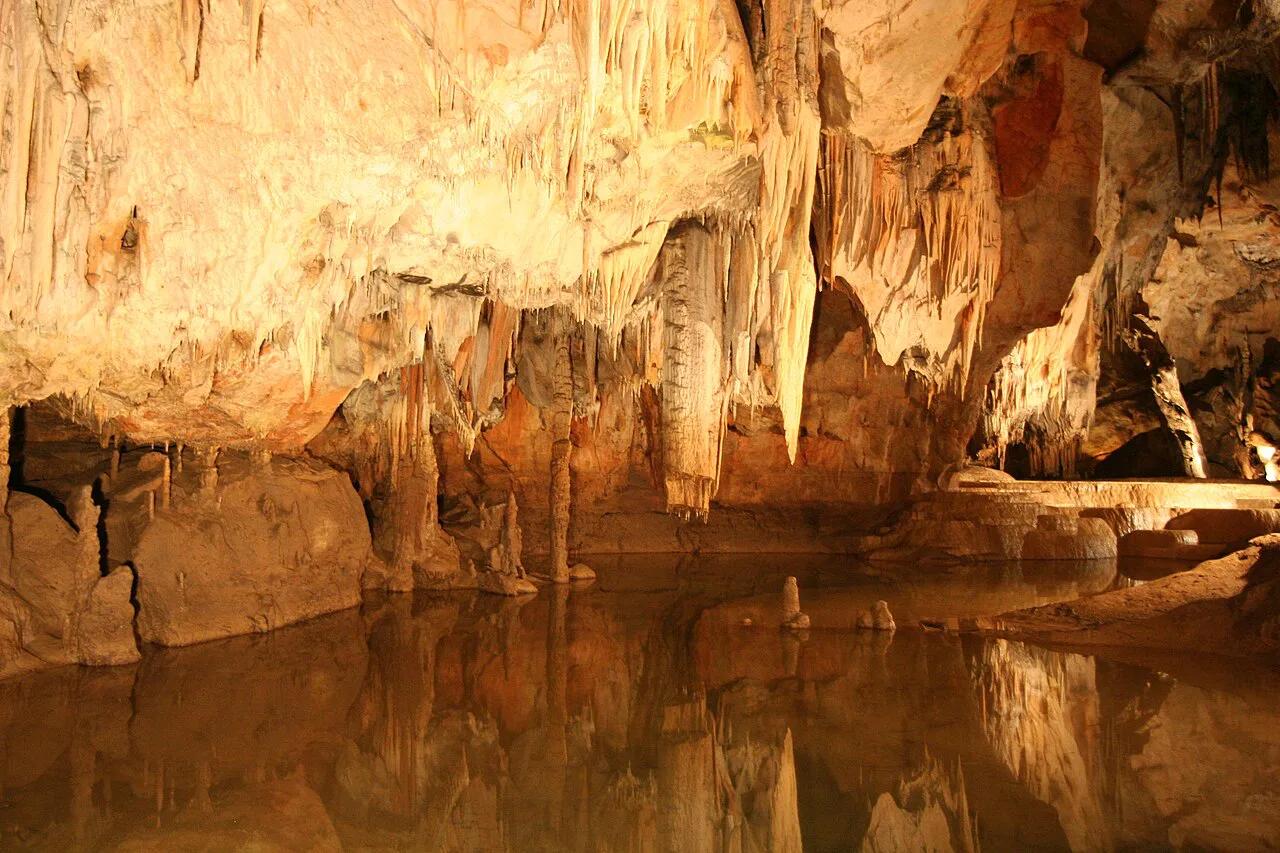
Last updated November 2026: the caves of Aggtelek Karst and Slovak Karst are a UNESCO World Heritage Site shared by Slovakia and Hungary, not one cave you can walk into. On the Slovak side, in Košice Region, the visitor caves include Domica, Ochtinská Aragonite Cave and Dobšinská Ice Cave. Choosing between them is the real decision, and our guide to caves across Slovakia covers the rest of the country.
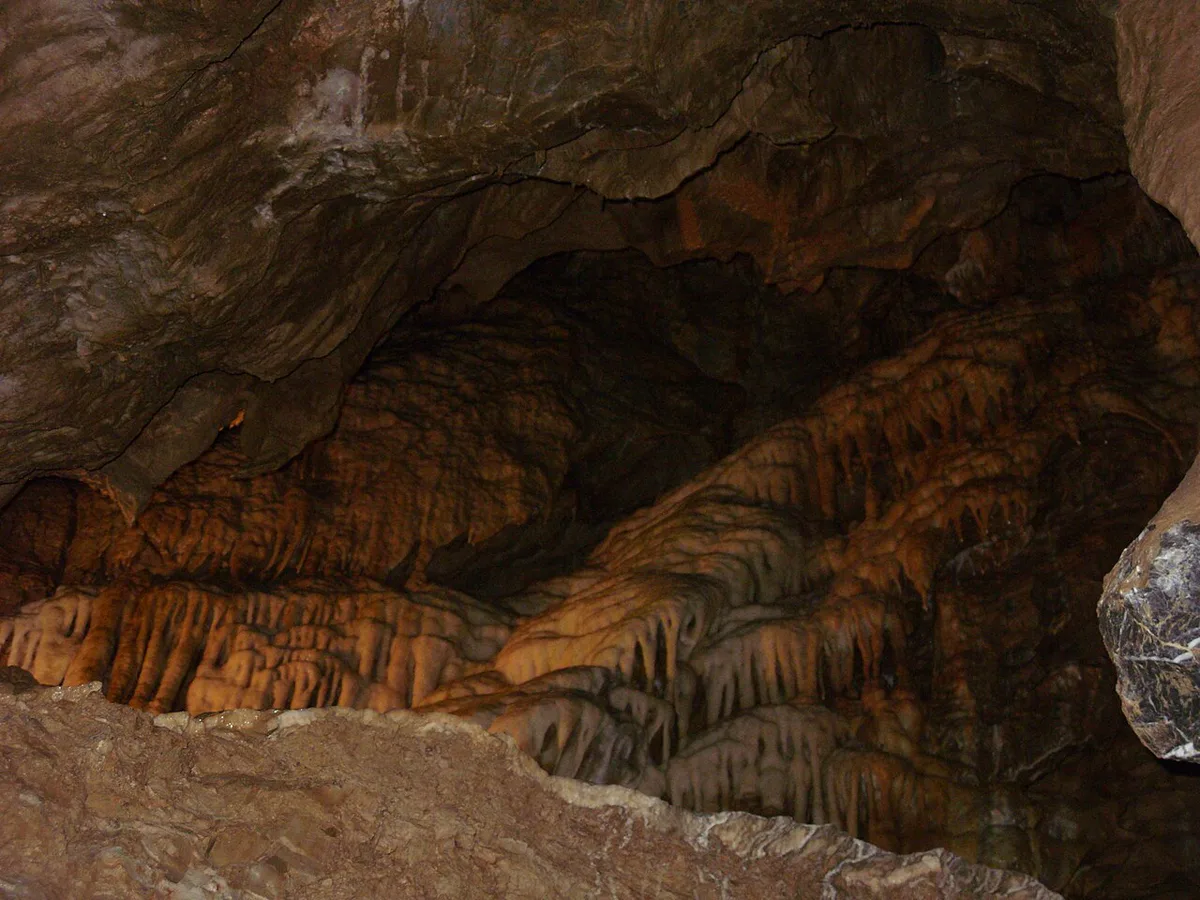
Featured image: Jojo, en:Jojo_1, pl:Jojo, CC BY-SA 3.0, via Wikimedia Commons.
What the Caves of Aggtelek Karst and Slovak Karst Are
UNESCO inscribed this site in 1995 and extended it in 2000. It is listed under criterion (viii), which recognizes outstanding earth-science value, and appears as World Heritage entry 725. The listing covers 56,651 hectares of karst. That land spans Borsod-Abaúj-Zemplén County in Hungary and Košice Region in Slovakia. Think of it as a serial site: many separate caves and karst areas under one name. Parts named in the listing include the following.
- Domica and Baradla's Aggtelek Karst entrance on the Hungarian side
- Slovak Karst as the wider upland area
- Jasovská Cave and Gombasek Cave
- Ochtinská Aragonite Cave
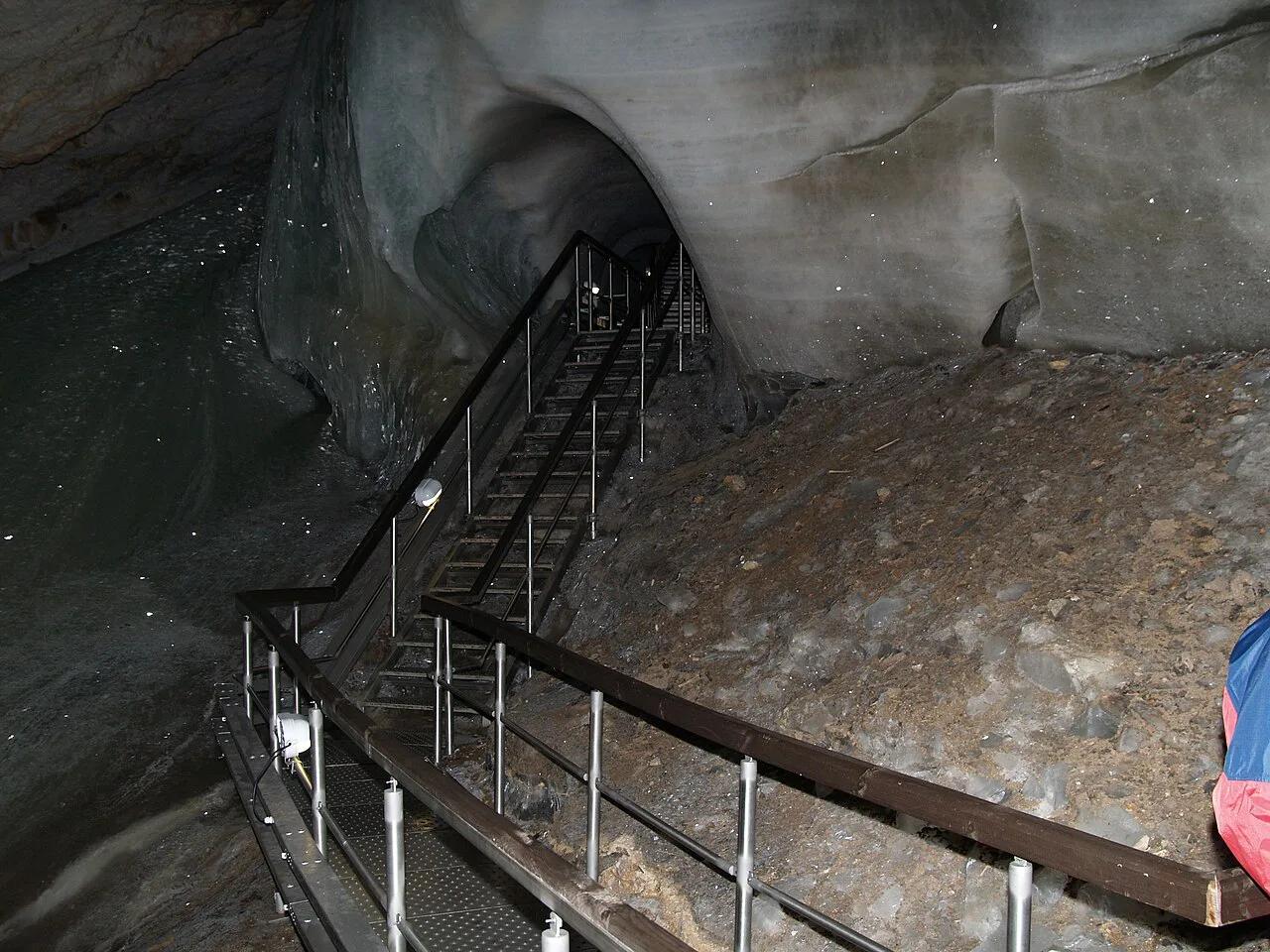
- Dobšinská Ice Cave
- Silická ľadnica, an ice-bearing karst feature
Which Caves in the Listing You Can Visit in Slovakia
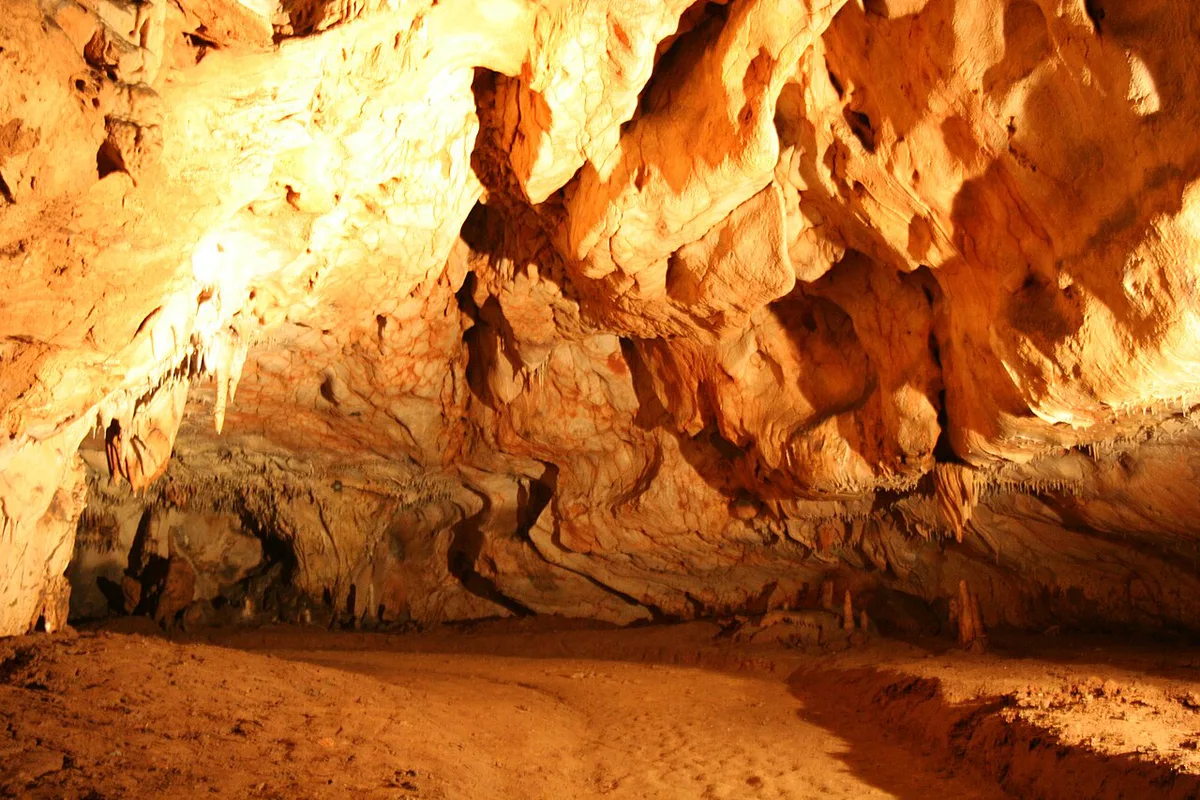
Not every part of the listing is a show cave with tours. The three below are the best-known visitor options in Slovakia, and each has its own guide. Opening dates and tour formats are set by the operators, so use this table to shortlist, then look up the schedule.
| Cave | Known for | Best for | Guide |
|---|---|---|---|
| Domica | Cave that continues into Hungary's Baradla system | Border-cave curiosity and underground rivers | Domica Cave guide |
| Ochtinská Aragonite Cave | Aragonite formations, rare among show caves | Mineral and geology fans | Ochtinská aragonite formations |
| Dobšinská Ice Cave | Ice filling the cave year-round | First-timers who want a dramatic interior | Dobšinská Ice Cave guide |
| Jasovská Cave and Gombasek Cave | Named parts of the listing | Travelers adding a second stop | No dedicated page yet; ask the operator |
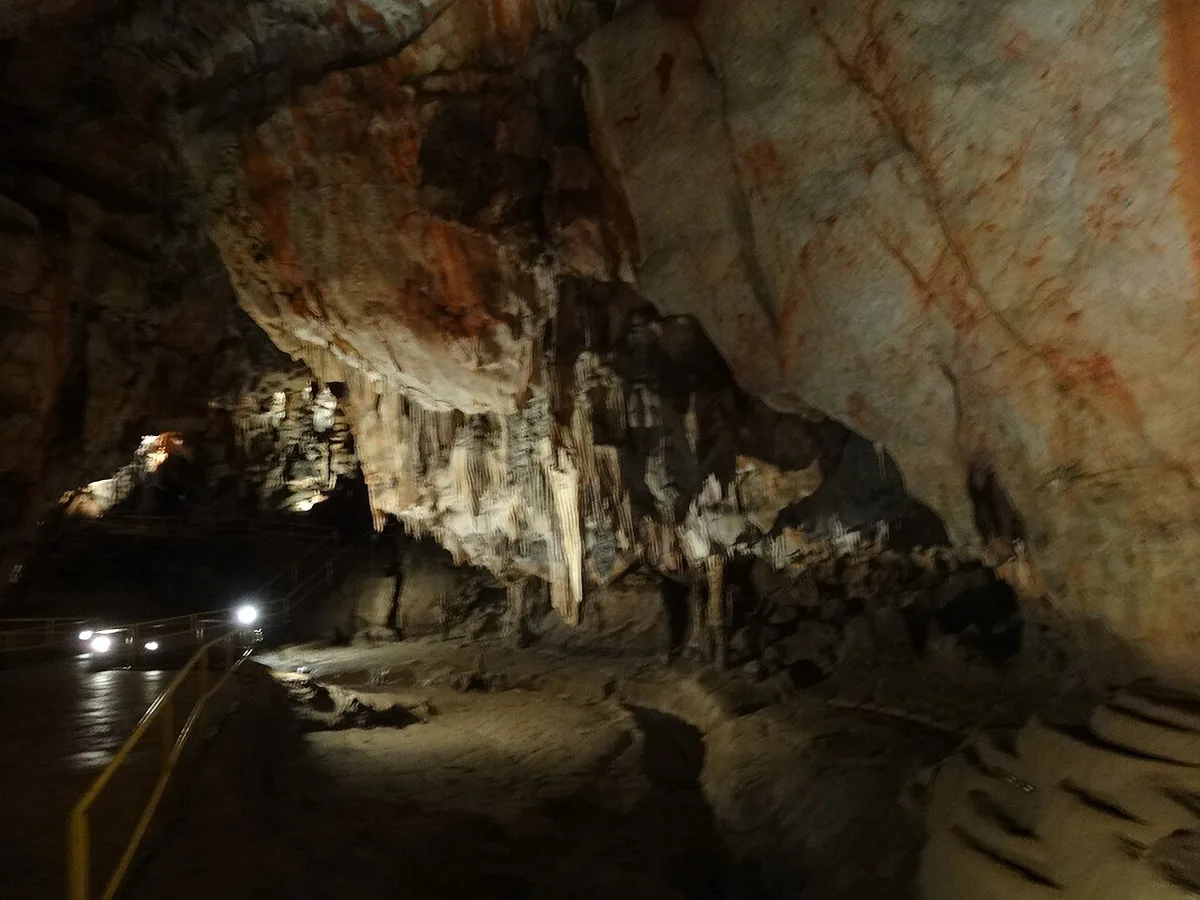
How to Choose: Ice, Aragonite or Border Cave
Pick Dobšinská Ice Cave if you want one memorable interior and have little time. Pick Ochtinská if minerals interest you more than scale. Pick Domica if the cross-border story is the draw. Families with young children should weigh stairs and cold, since all underground routes are cool even in summer. Mobility-limited visitors should ask the operator about steps before booking any of them.
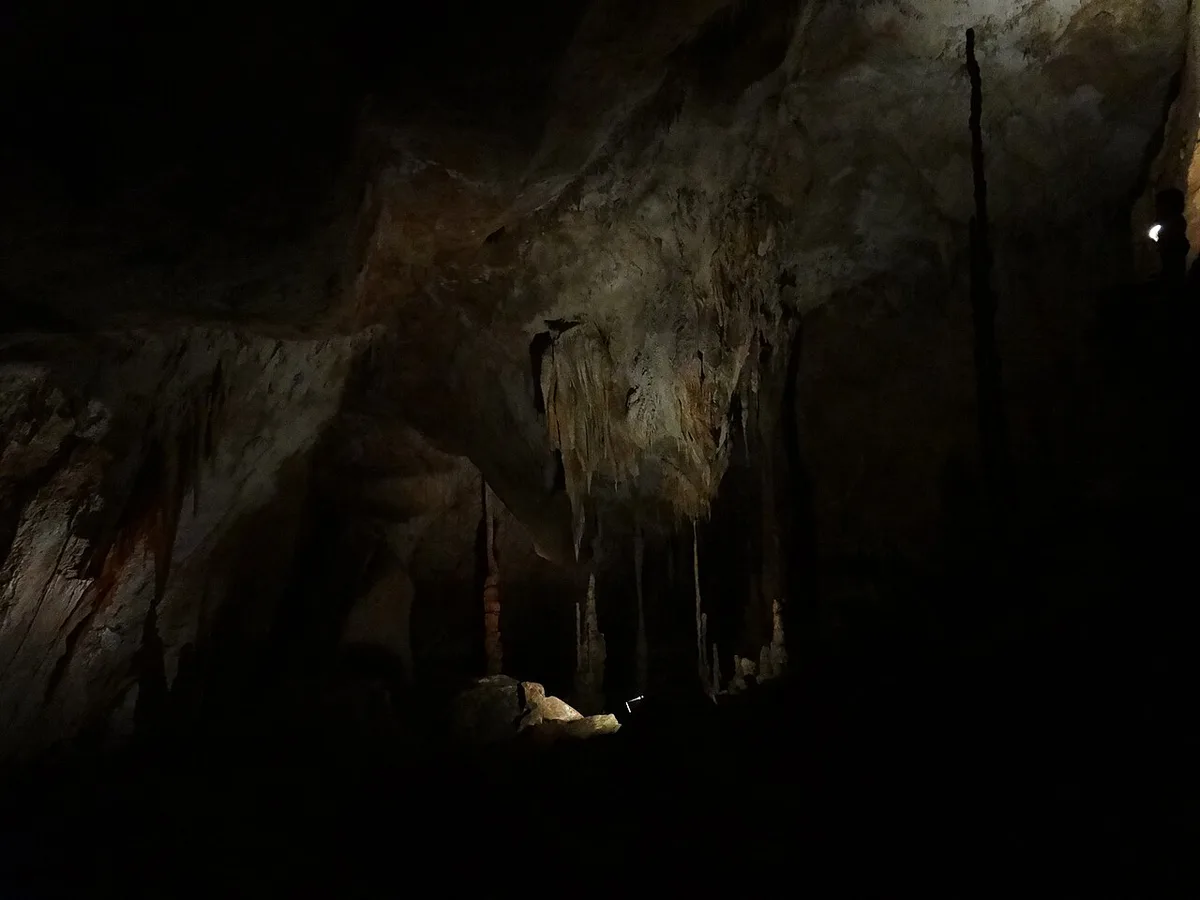
- Skip Dobšiná if you dislike cold, damp air and many steps.
- Skip Ochtinská if you expect large chambers; its appeal is fine mineral detail.
- Skip Domica if you only have a short window, because it is a separate trip from the other two.
Crossing Into the Hungarian Side: Aggtelek and Baradla
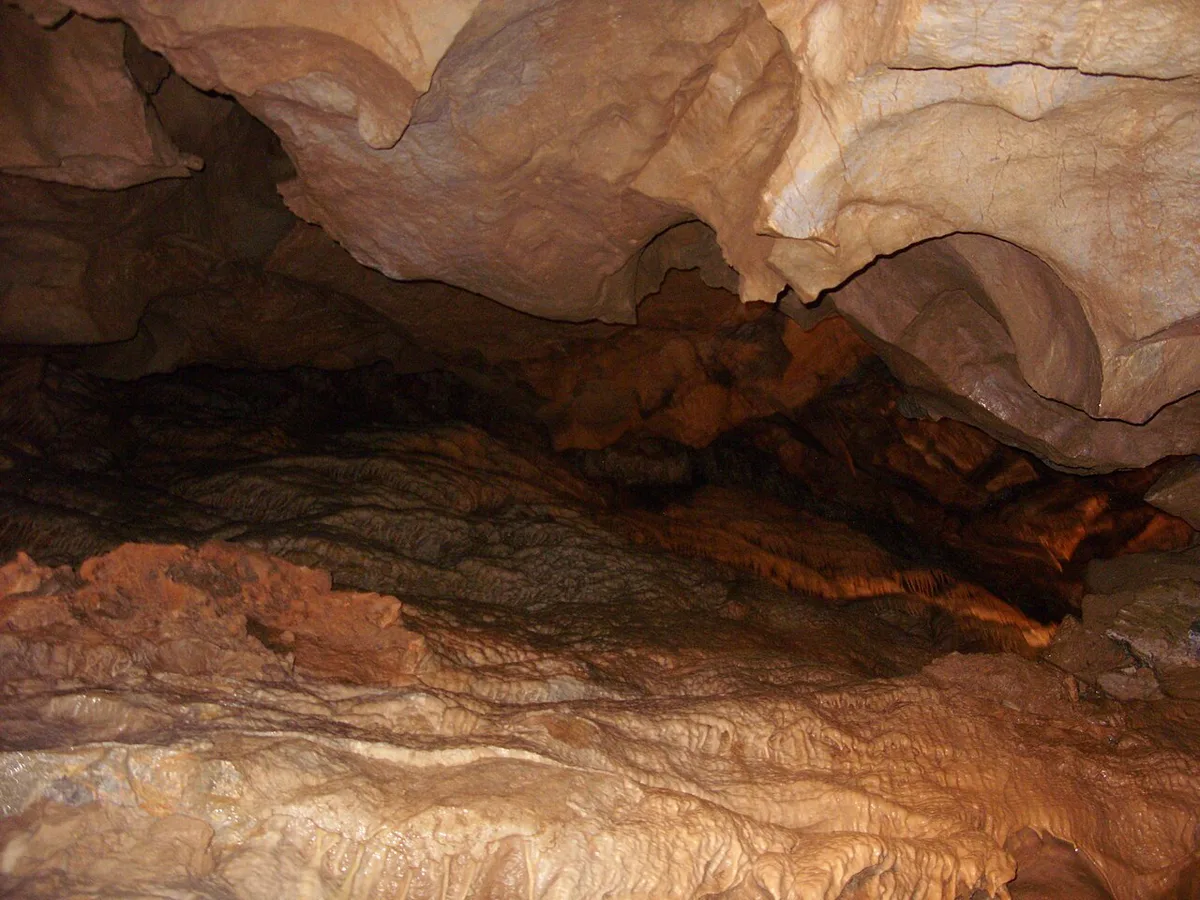
The Hungarian entrance is the Baradla cave entrance at Aggtelek, in Borsod-Abaúj-Zemplén County. It belongs to the same karst system as Domica. Do not assume you can walk from one country to the other underground. Ask both operators whether a cross-border route runs this season and what documents you need. If you want to stay in Slovakia, book Domica, not the Aggtelek entrance.
Planning Your Time, Costs and Booking
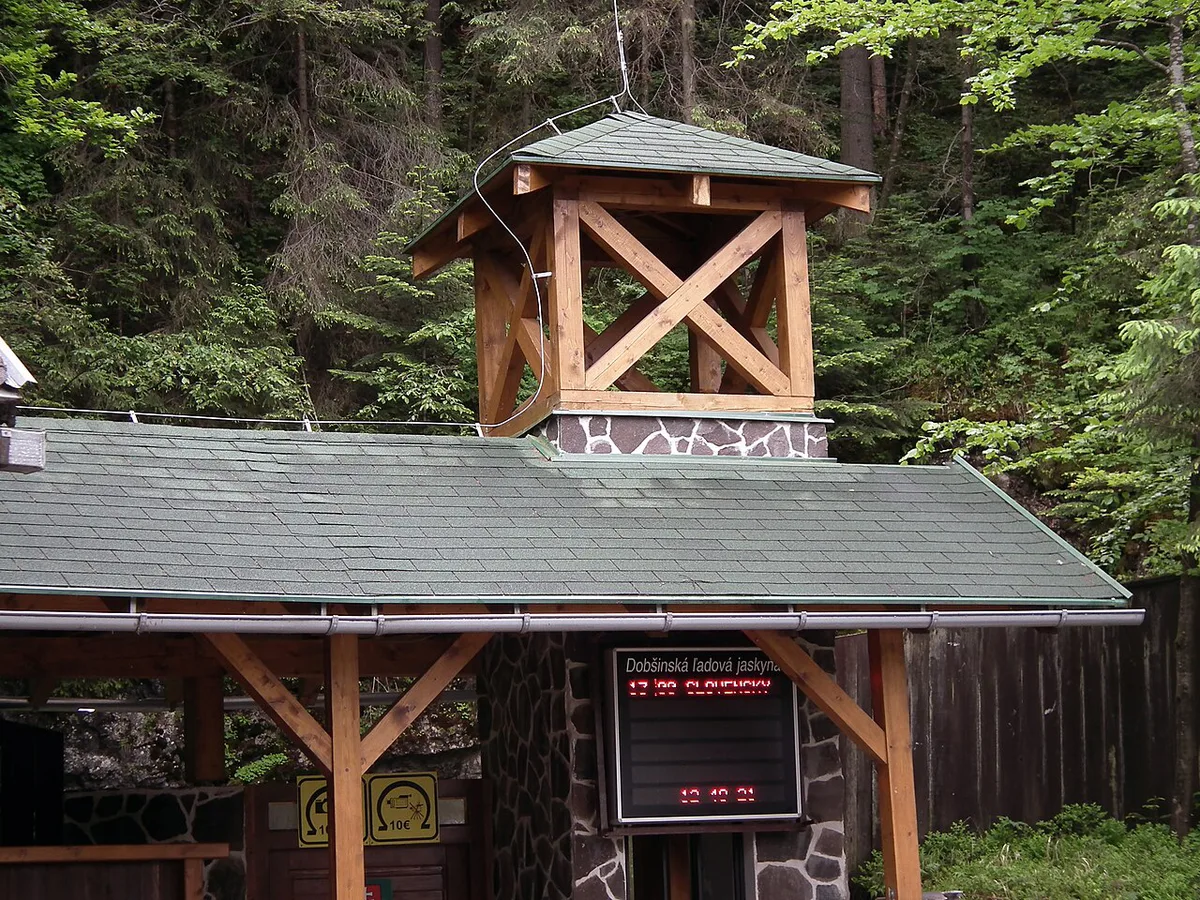
Ticket prices, tour lengths and seasonal closures vary by cave. Check the Slovak Caves Administration site for current figures and booking rules.
Getting There and Where to Stay
Public transport to cave entrances is limited, so plan around the last return connection before you commit to a day trip. For regional transport and accommodation ideas, start with Slovakia's official tourism site.
Mistakes to Avoid
Three errors cause most wasted trips.
- Assuming every named part of the listing is open to visitors. Some are closed or restricted.
- Planning a day trip without checking seasonal closures for that specific cave.
- Arriving at the Hungarian entrance when you meant to stay on the Slovak side.
Other Caves in Slovakia Beyond This Listing
Some of Slovakia's best-known caves are not part of this World Heritage site. Demänovská Ice Cave and the Demänovská Cave of Liberty sit in the Tatras area. The Belianska Cave guide covers another separate show cave. All three make good additions to a caving itinerary, but none counts as a visit to the listed site.
Plan It as Several Separate Cave Visits
The World Heritage Site covers 56,651 hectares across Slovakia and Hungary. It is not a single attraction with one ticket desk or one underground route. Treat Domica, Ochtinská Aragonite Cave and Dobšinská Ice Cave as separate destinations when planning your days.
UNESCO inscribed the site in 1995 and extended it in 2000. Those dates reflect a larger serial landscape, rather than a compact cave complex. A visit to one Slovak show cave does not mean you have seen every part of the listing.
Choose one cave as the main aim of a day, then look up its current tour schedule before arranging transport. Domica is the sensible choice for the Hungary-border story. Dobšinská suits visitors focused on ice, while Ochtinská is the specialist choice for aragonite formations. Avoid building an itinerary around an assumed underground connection between cave entrances.
Notes for your next trip underground
Optional updates when we add or revise cave and underground guides.
More guides
More guides you'll find useful