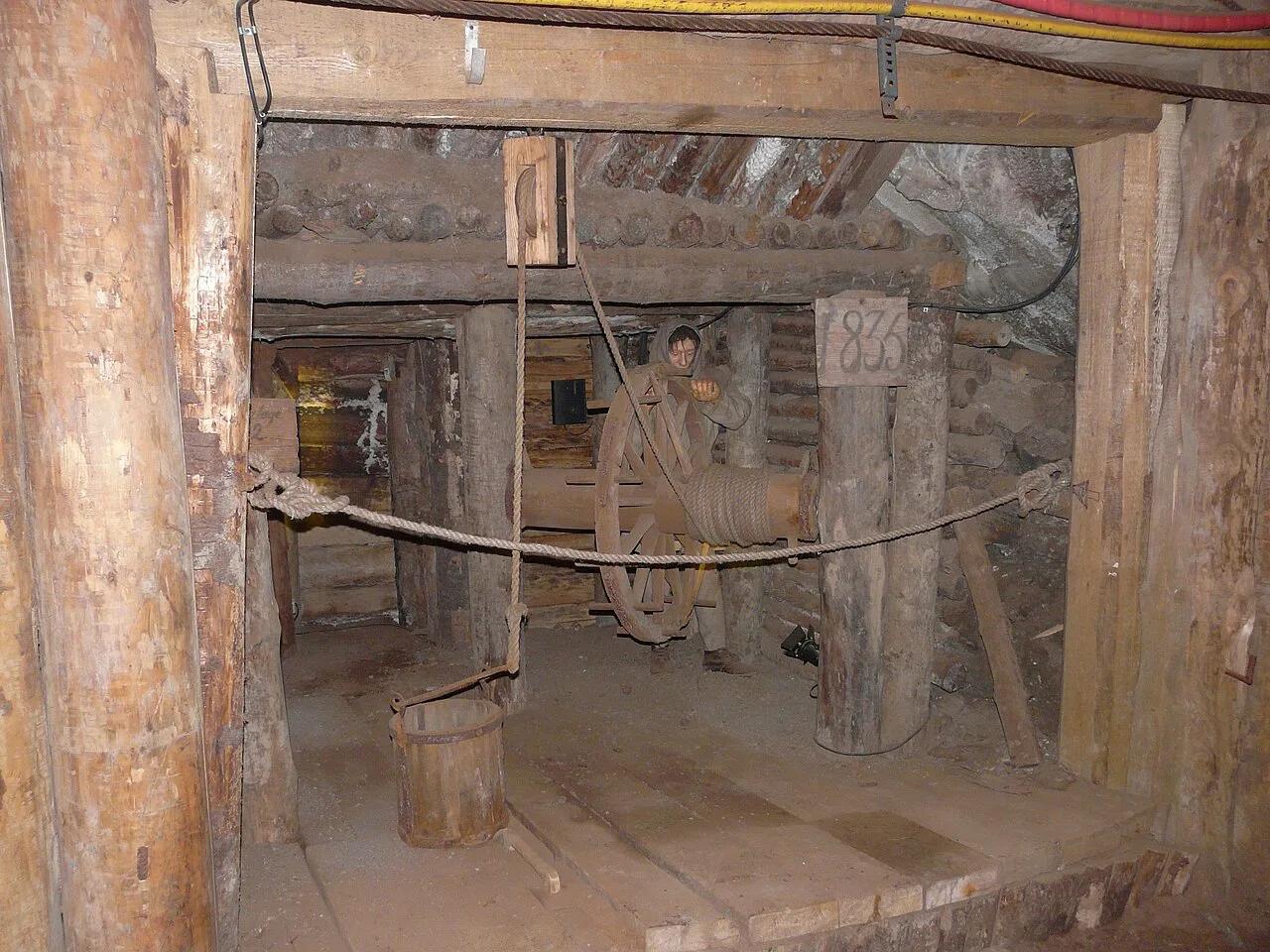
What Is a Show Cave? Show Caves vs Wild Caves Explained
A show cave is a natural cave opened to visitors with paths and lighting. Compare show caves with wild caves, and learn what to expect, wear and book.
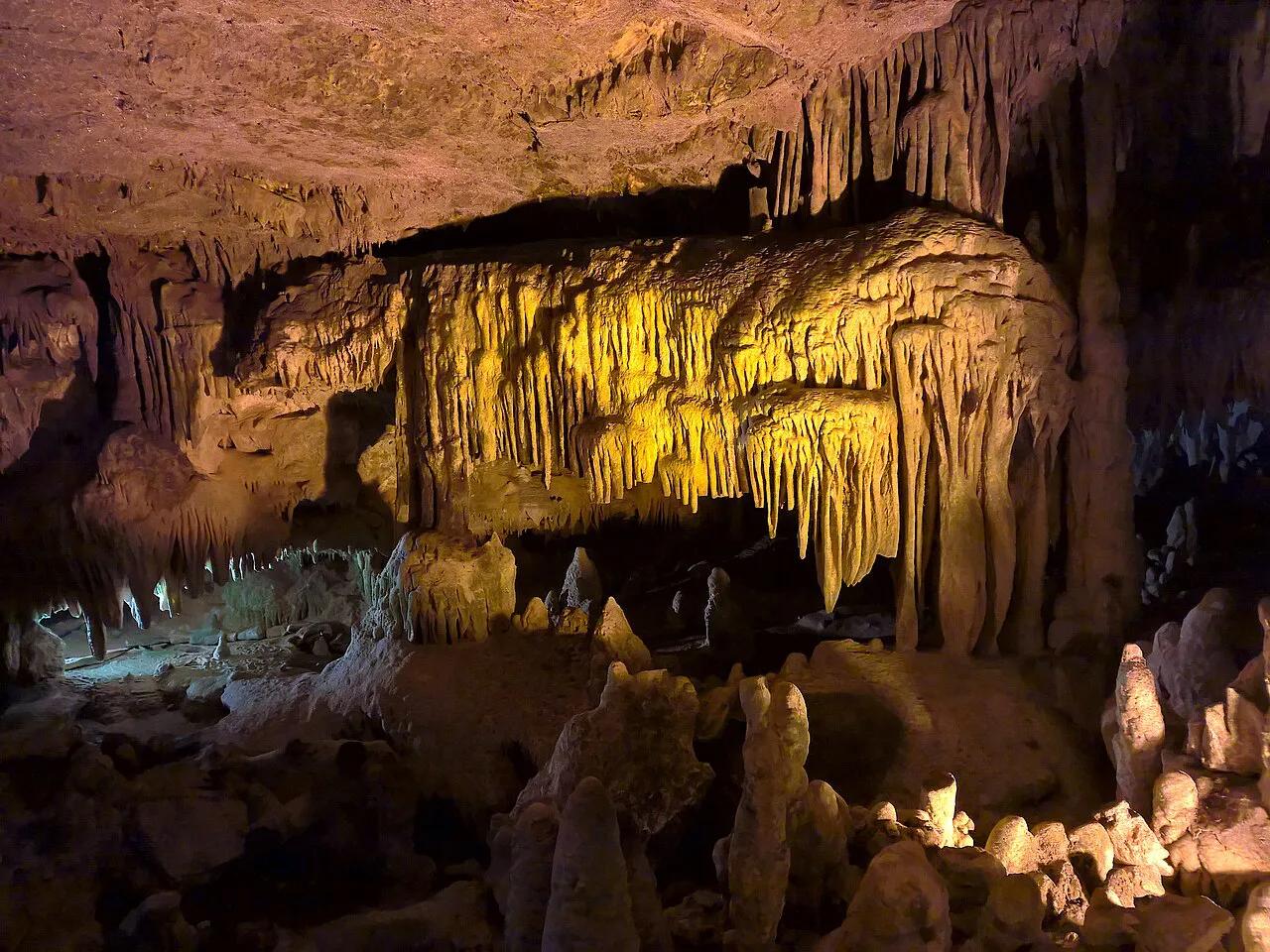
Last updated November 2026: what is a show cave, and how does it differ from a wild cave? It is a natural cave developed for paying visitors, with paths, lighting, handrails and usually guided or timed entry. Our hub on 8 Best Caves in Europe: Show, Painted and Lake Caves shows where to find both kinds.
Featured image: uwelino, CC BY-SA 4.0, via Flickr.
What Is a Show Cave?
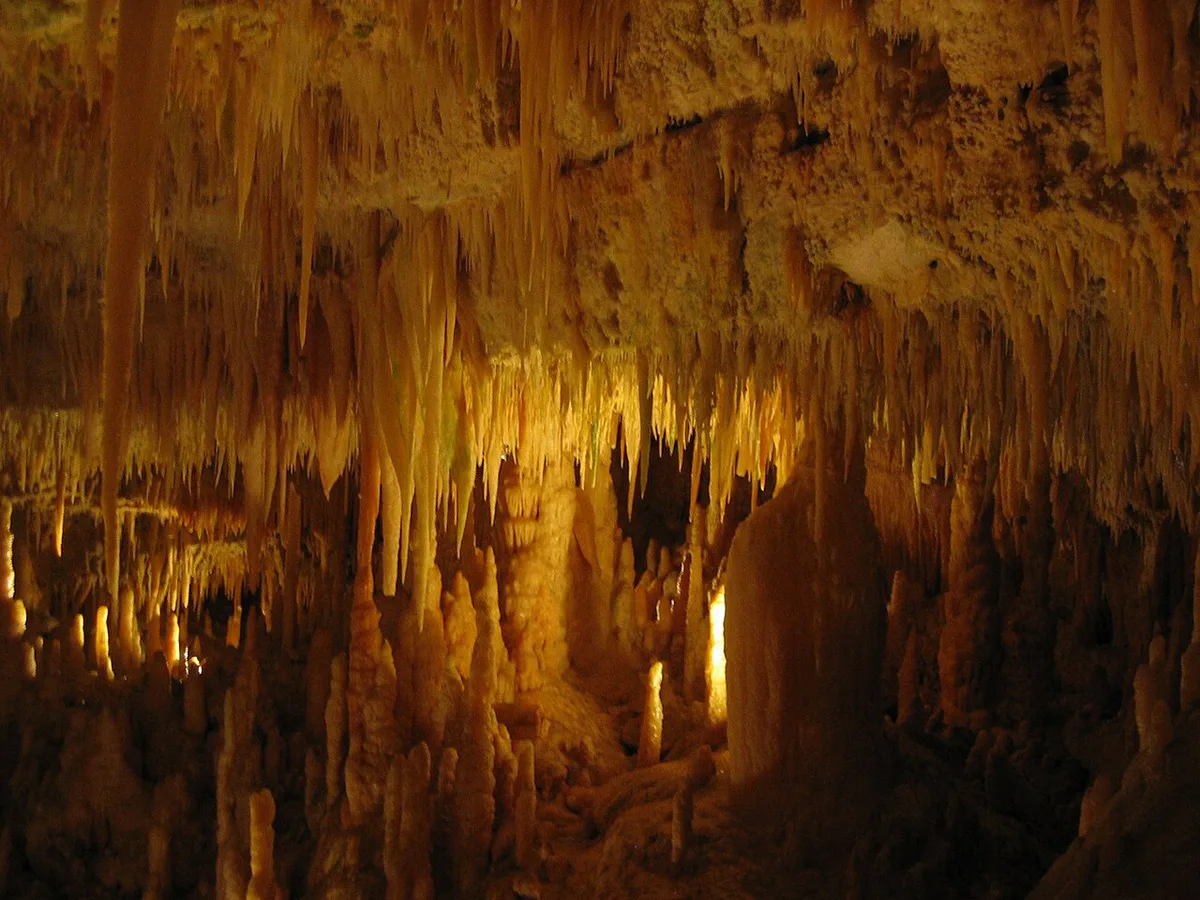
A show cave is a natural cave developed for paying visitors. Operators add paths, lighting, handrails and usually guided or timed entry, so you need no caving skill. Wild caves stay undeveloped. They call for skills, equipment and often a permit or a guide. Show cave describes how people get in, not what the rock is. Limestone caves, lava tubes and sea caves can all be developed for visitors. You may also meet the terms tourist cave or developed cave, though usage differs by country.
Show Cave vs Wild Cave: Quick Comparison
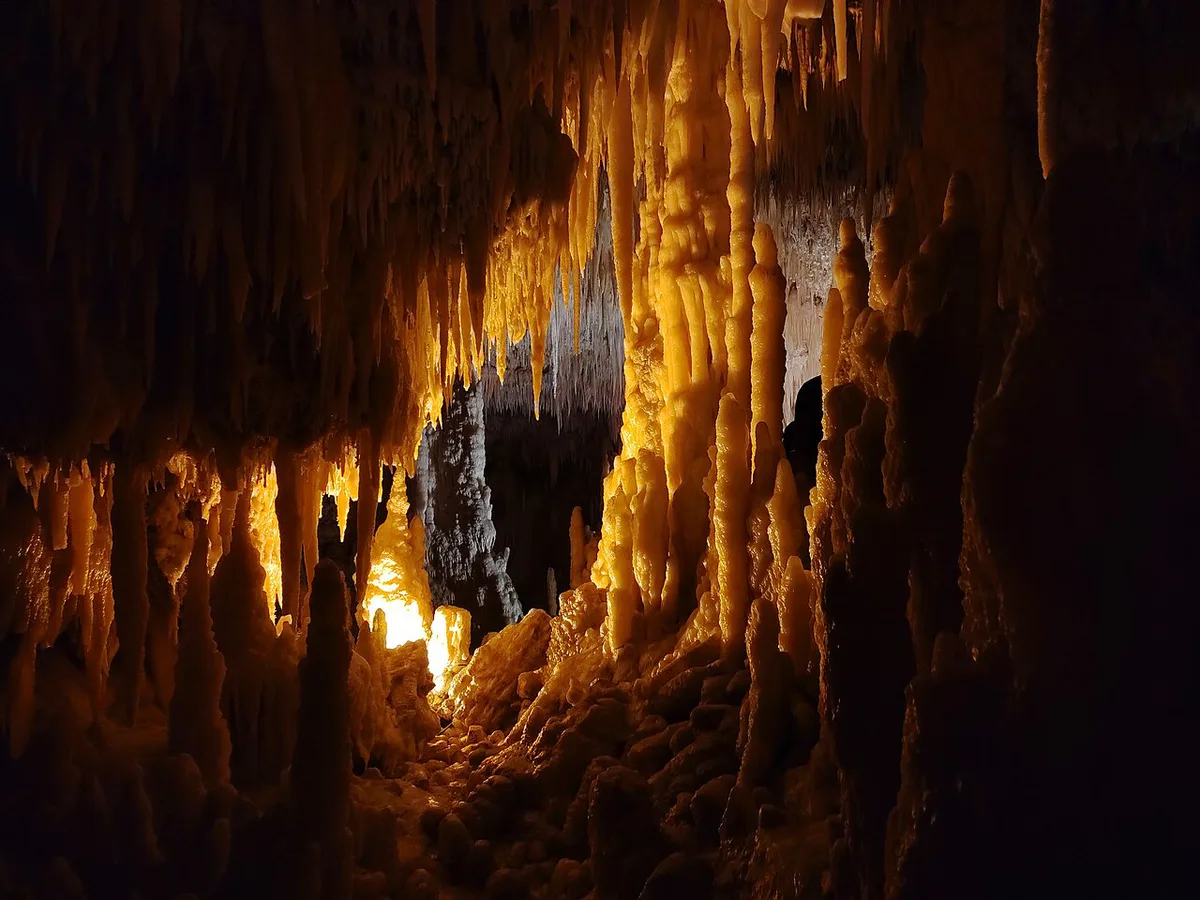
Both are natural caves, so the real difference is how much has been built or managed for visitors. Use the table to see which one fits your plans.
| Factor | Show cave | Wild cave |
|---|---|---|
| Access and entry | Ticketed, guided or timed | Often by permit, club or guide |
| Skill and fitness | Walking ability is enough | Crawling, climbing and sometimes rope work |
| Equipment | Warm layer and grippy shoes | Helmet, lights, protective clothing, specialist kit |
| Paths and lighting | Fixed paths, handrails, installed lighting | None; you carry your own light |
| Group size | Set by the operator | Small teams |
| Duration | Usually 30 minutes to two hours | Varies with the route and conditions |
| Mobility access | Varies by cave and route | Generally not suitable |
| Risk | Lower, managed route | Higher, with limited rescue access |
| Conservation impact | Managed through lighting and visitor numbers | Depends entirely on cavers' care |
| Booking | Often advance booking in peak season | Arranged through a caving operator |
What a Show Cave Visit Is Like
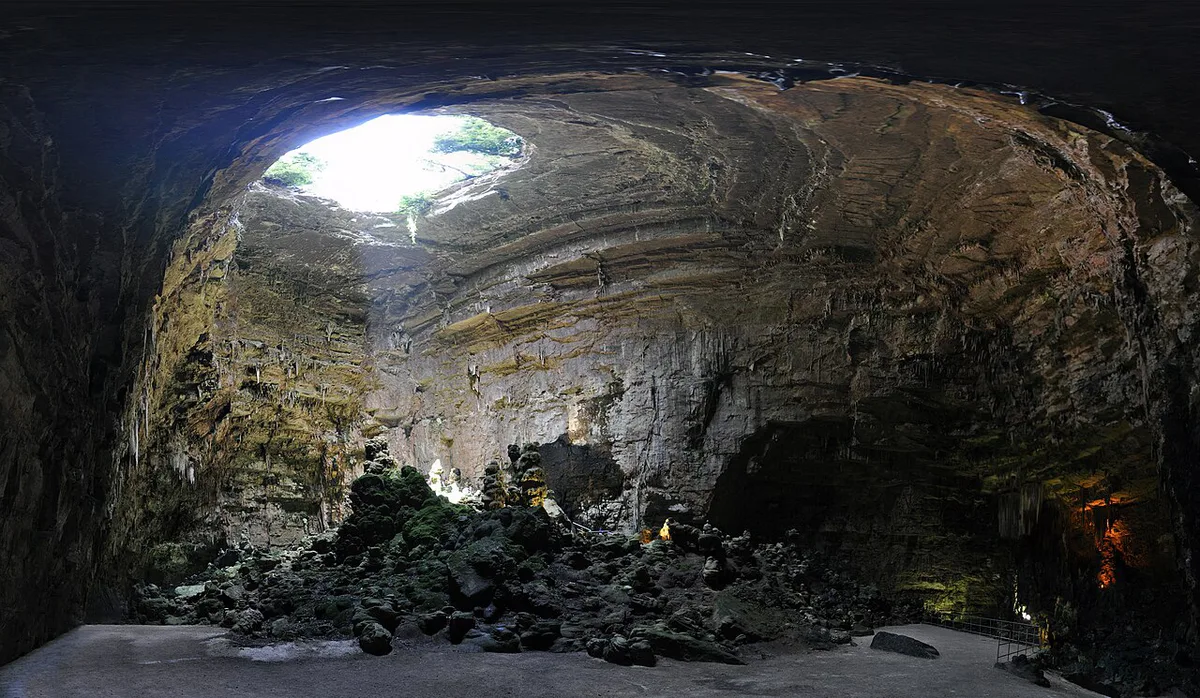
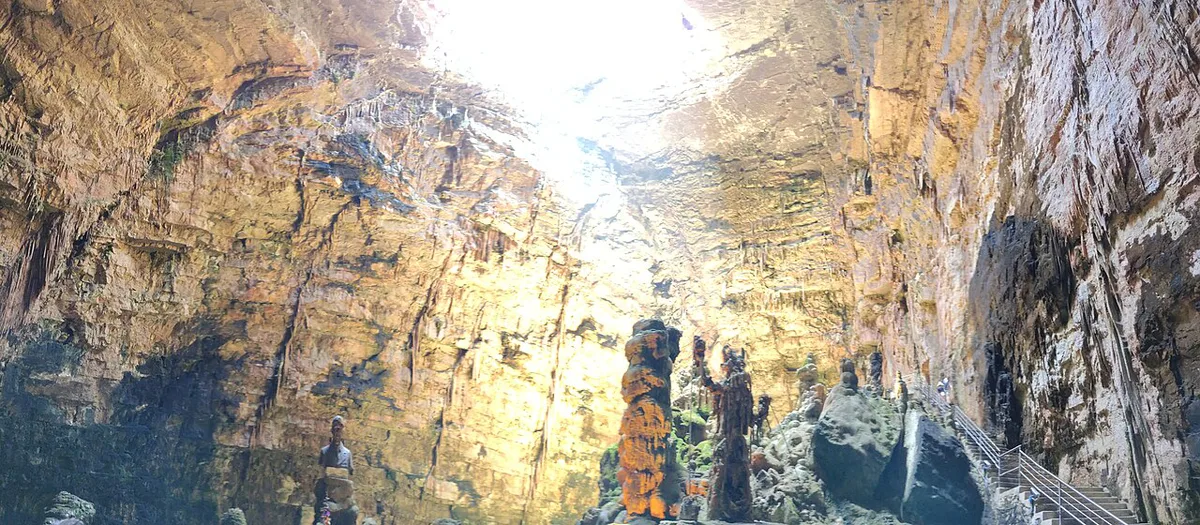
Most visits follow a set route with a guide or at a fixed time. Guided visits usually last between 30 minutes and two hours. Expect steps, damp surfaces and low light in places. Caves stay cool all year. In the dark zone, the temperature sits close to the average surface temperature of the region. Our guide to How Cold Is It in a Cave? Temperatures and What to Wear explains what that means in practice. Pack a warm layer and shoes with good grip. Our advice on What to Wear in a Cave: Europe Checklist by Cave Type covers the details. Guides will point out formations along the way, and our explainer on stalactites and stalagmites helps you tell them apart.
Types of Show Cave Experience in Europe
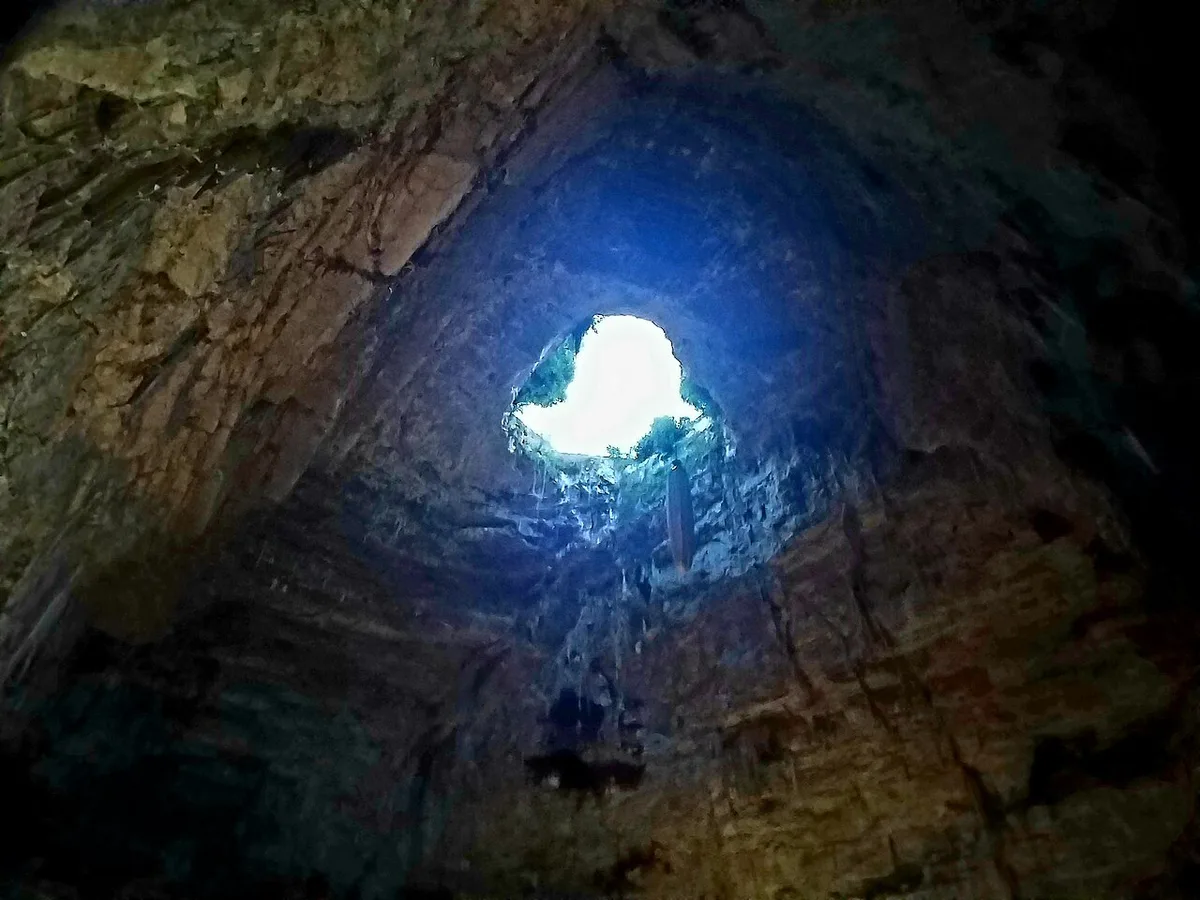
Developing a cave does not mean one format. Europe offers several ways to see the underground, each with a different effort level.
- Walking tours: Aillwee Cave in the Burren, County Clare, leads visitors past an underground waterfall and hollows where brown bears once hibernated.
- Boat tours: the Marble Arch Caves in County Fermanagh begin with a boat trip on an underground river. See our list of Cave Boat Tours in Europe: Where to Ride and How to Choose for more.
- Underground water: some caves are built around lakes and rivers. Our roundup of Underground Lakes in Europe: Where to See Them covers them.
- Concerts: some caves host performances in natural chambers. Browse Cave Concerts in Europe: How to Plan One to compare.
- Dining: a few caves serve meals underground. Our page on Cave Restaurants in Europe: Where to Dine Underground lists them.
- Mineral displays: some caves are known for sparkling crystals. Our guide to Crystal Caves in Europe: Where to See Them lists the main ones.
- Ice caves: Dobšinská Ice Cave in Slovakia is a show cave built around ice rather than dripstone, entered by guided visit only and open seasonally. Demänovská Ice Cave is a second option in a different part of the country.
- Closed originals: some fragile caves are closed to visitors altogether, so check whether a venue offers the original or a reproduction.
How Show Caves Are Protected (and Why Some Are Replicas)
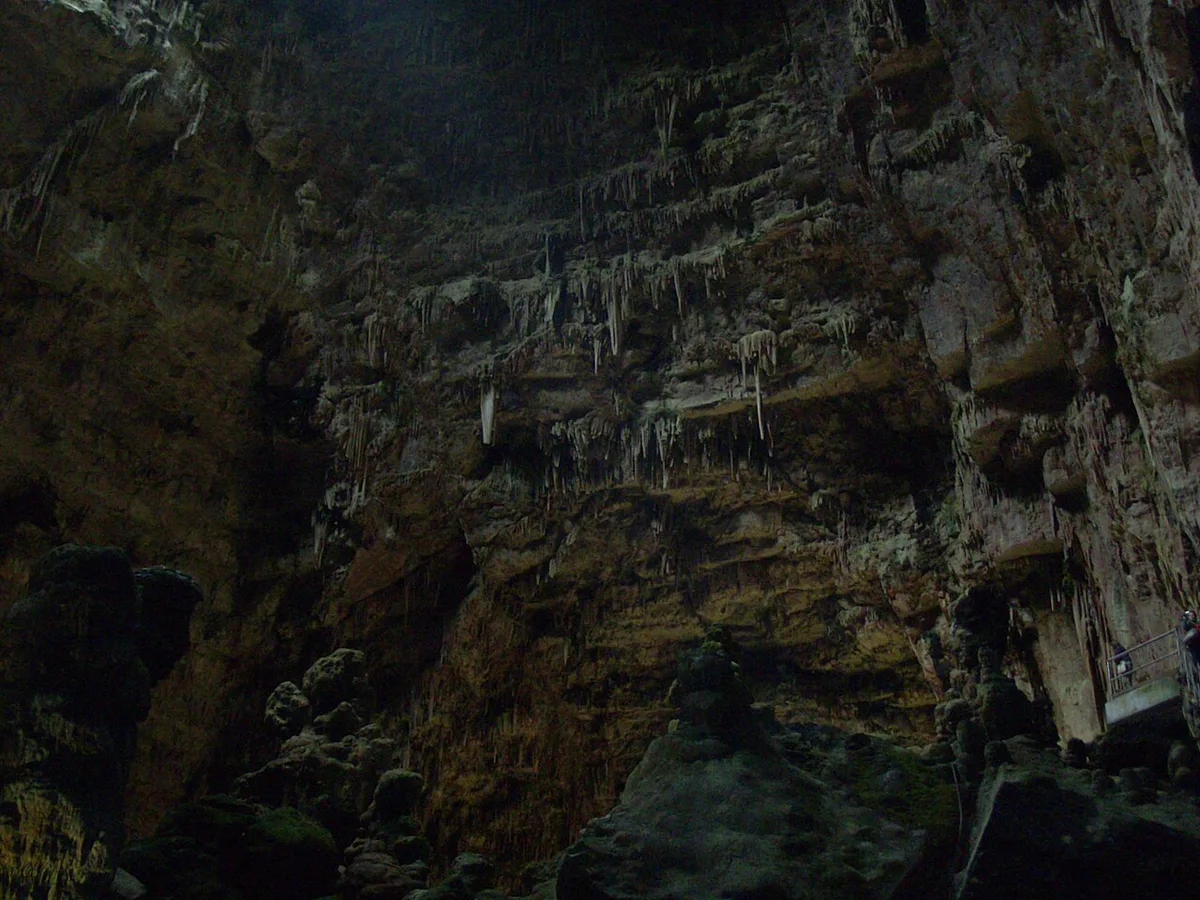
Caves are fragile. Lighting, visitor numbers and breath all change the conditions inside, which is why operators cap groups and limit time underground. Lascaux in the Dordogne was found in 1940. It closed to the public in 1963 after visitors' breath and lighting began to damage the paintings. Visitors now see a replica. That case shows that the best protection for a fragile original can be to keep people out. Wildlife sets limits too. Bats roost in many caves, and our page on Bats In Caves: Why They Roost & Where To See Them explains why disturbing them matters. Do not touch formations, because skin oils can stop them growing.
When to Choose a Wild Cave Instead
Choose a wild cave only if you want crawling, climbing and real exploration, and you have the fitness and skills to match. Beginners should go with a qualified instructor or caving club. Rescue access is limited underground, and water levels can rise quickly after rain falling some distance away. If that appeals, start with our overview of Caving in Europe: Show Caves vs Real Caving Guide. Otherwise a show cave gives you the same darkness and rock with far less risk.
How to Choose and Book a Show Cave
Official venue pages are the place to confirm details, and they differ cave by cave. The Slovak Caves Administration publishes visitor information for the caves it runs. The Grotte di Frasassi site does the same for that cave. Check these points on the venue's own page.
Fragile caves can close to the public or switch to a reproduction, so check the venue page before booking.
- Tour language: confirm that your language is offered on the day you plan to go.
- Accessibility: ask about step counts and step-free routes, since both vary by cave.
- Booking and season: some caves run seasonally, and peak dates can sell out.
- Photography: rules differ, and some tours ban flash or cameras.
- Children: check age limits and whether strollers are allowed.
- What to bring: a warm layer and shoes with good grip.
Common Show Cave Mistakes to Avoid
A few errors spoil most first visits.
- Skipping a warm layer, because caves stay cool all year.
- Wearing smooth-soled shoes on wet paths.
- Leaving booking until the day in peak season.
- Assuming step-free access without checking.
- Booking a wild-cave trip without the right fitness or skills.
Where to Go Next
Once you know which kind of cave suits you, the superlative pages are the next reads. Start with the Largest Cave in Europe: Which One and Can You Visit?. Then see the Deepest Cave in Europe: Depth, Ranking and Access. Finish with the Longest Cave in Europe: Top Caves by Length.
Frequently Asked Questions
What defines a cave?
A cave is a natural opening large enough for a person to enter that continues beyond daylight. Mines and tunnels are man-made underground spaces, so they do not count.
What is an underground cave called?
Most people simply say cave. A cavern usually means a large chamber, or a cave made of several chambers.
Who explores underground caves?
Cavers and speleologists, the scientists who study caves, explore undeveloped caves. Most travelers see caves through show caves, where paths and lighting open the underground to nearly anyone.
Notes for your next trip underground
Optional updates when we add or revise cave and underground guides.
More guides
More guides you'll find useful