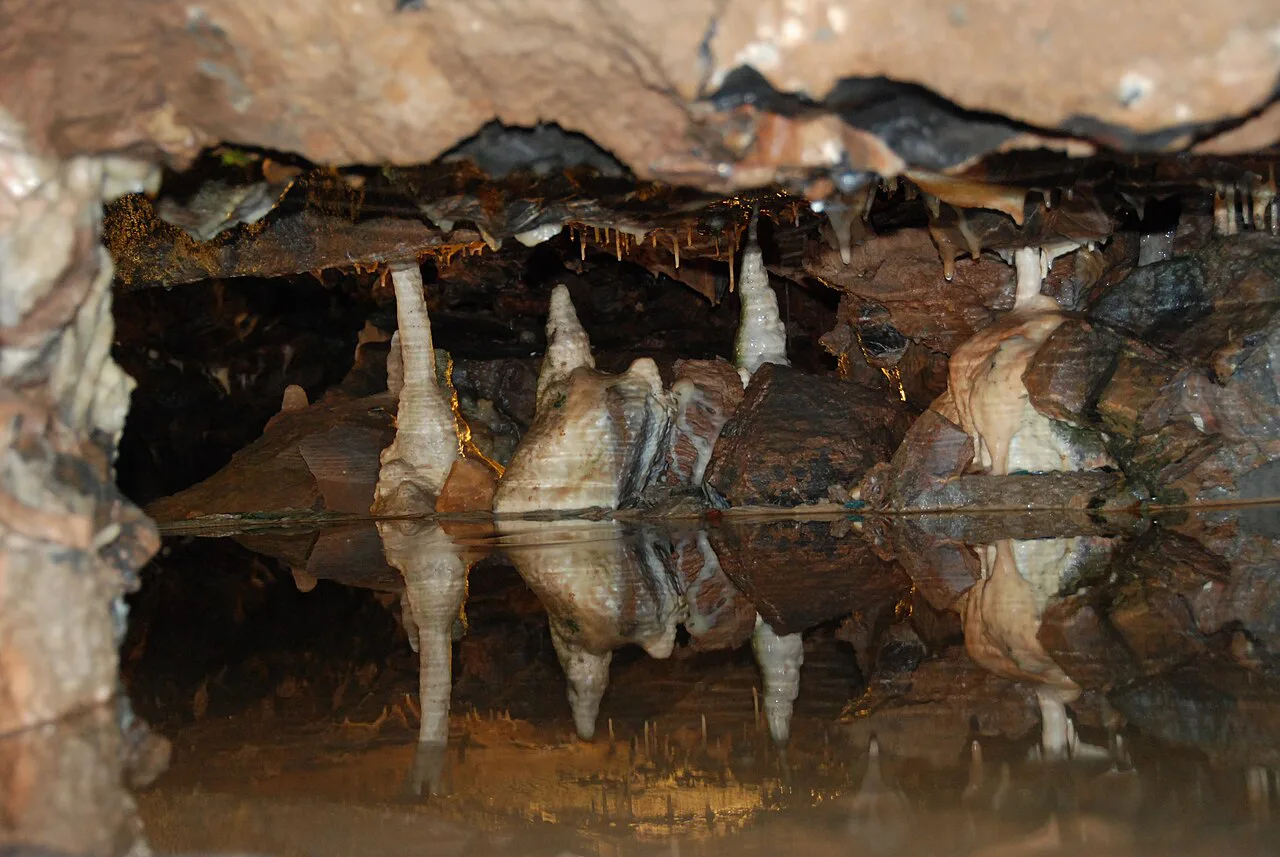
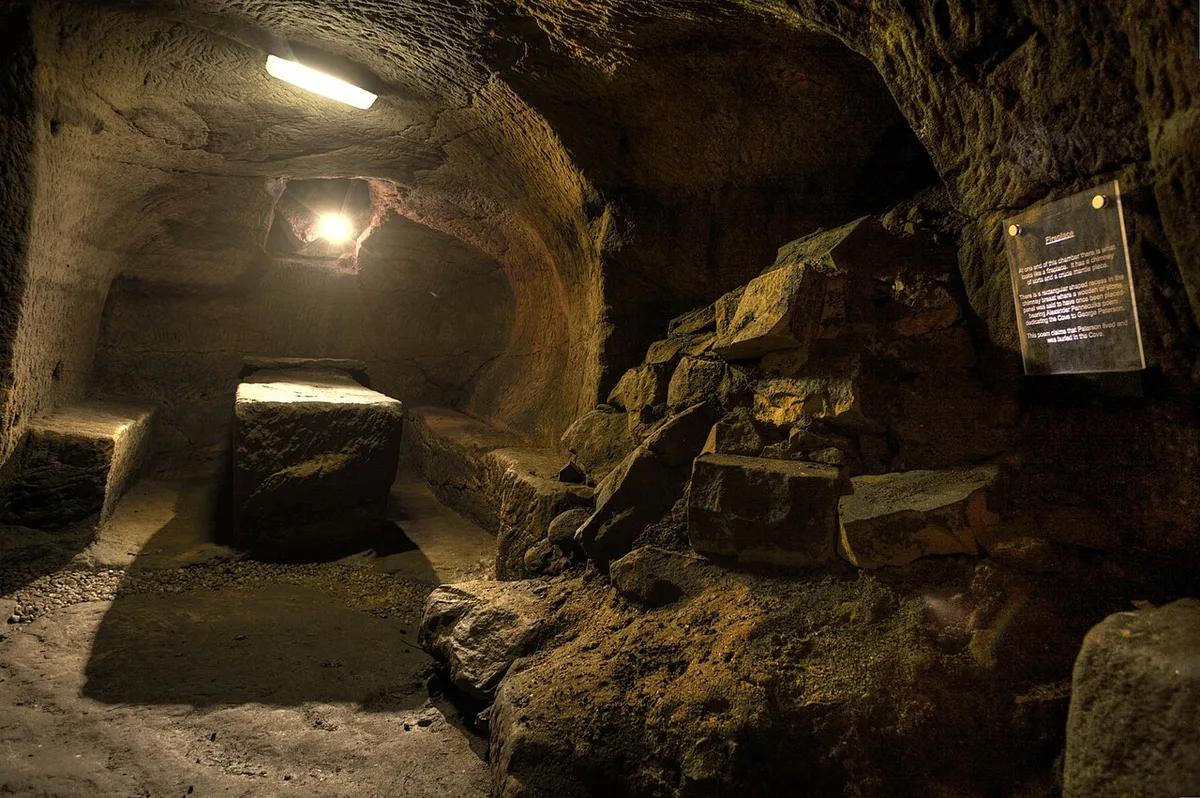
Dolaucothi Gold Mines: Roman Mine Tour Guide (Wales)
Plan a visit to Dolaucothi Gold Mines in Carmarthenshire: Roman-origin tunnels, underground tours, gold panning, walks and how it compares with other Welsh mines.
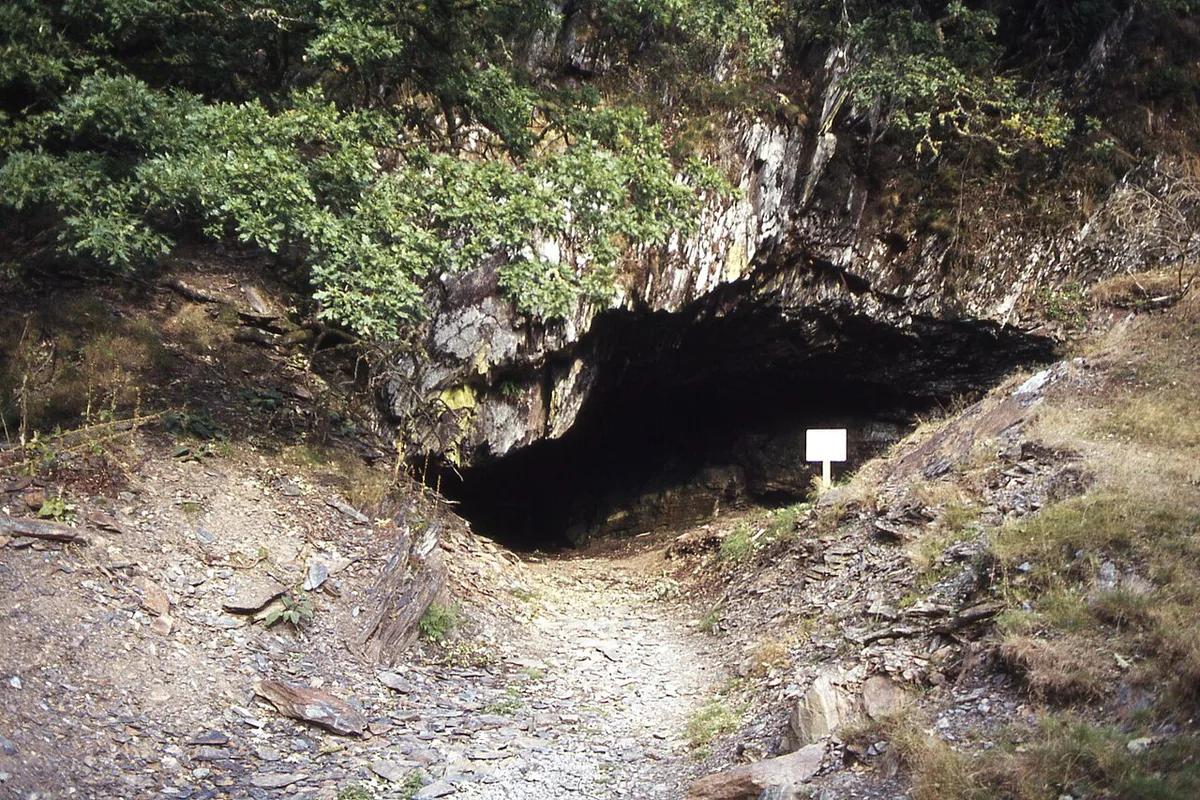
Last updated November 2026. Dolaucothi Gold Mines is a National Trust site near Pumsaint in Carmarthenshire with Roman-origin gold workings and guided underground tours. Gold panning, an exhibition and waymarked walks sit alongside the tunnels. This guide covers what to do, who it suits and how it compares with other Welsh mines.
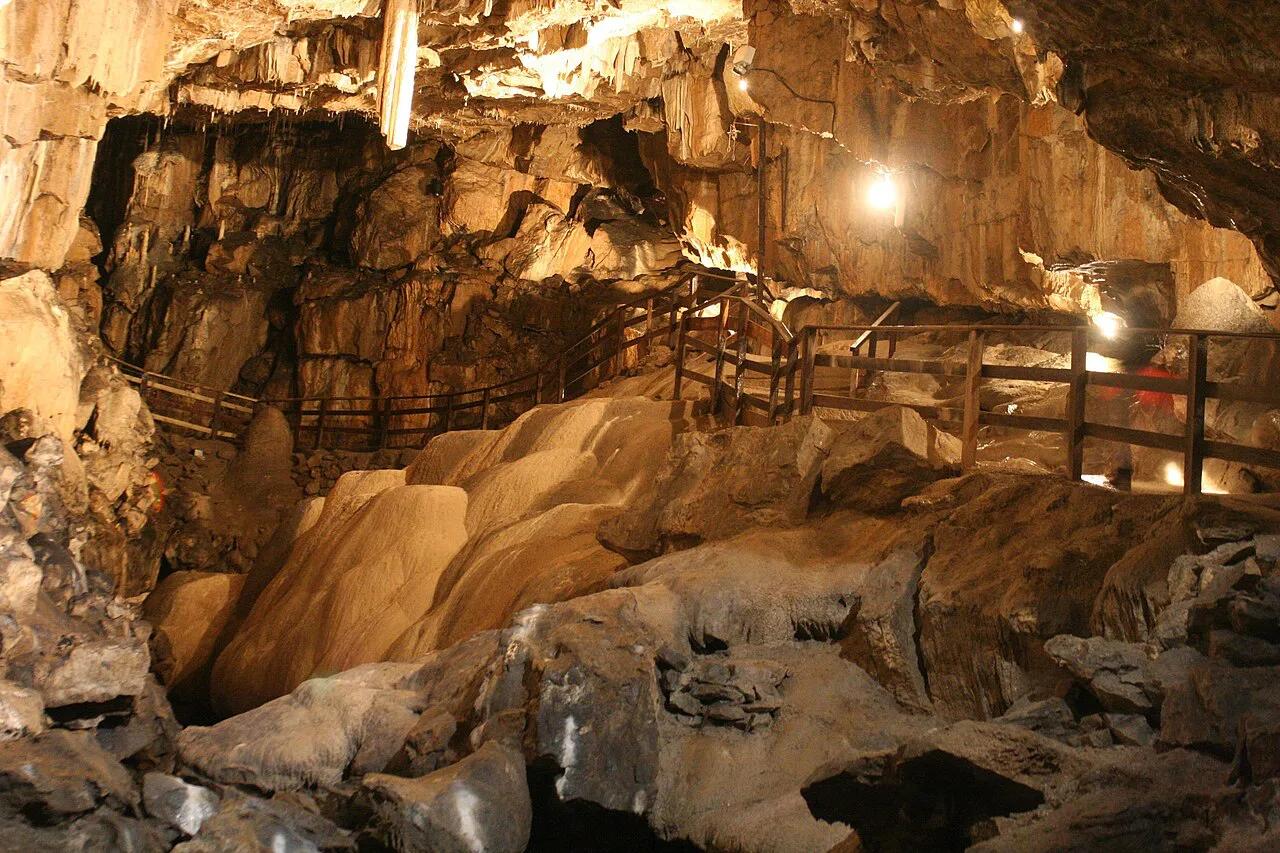
Featured image: Colin Park, CC BY-SA 2.0, via Wikimedia Commons.
Dolaucothi Gold Mines: What It Is and Why It Matters
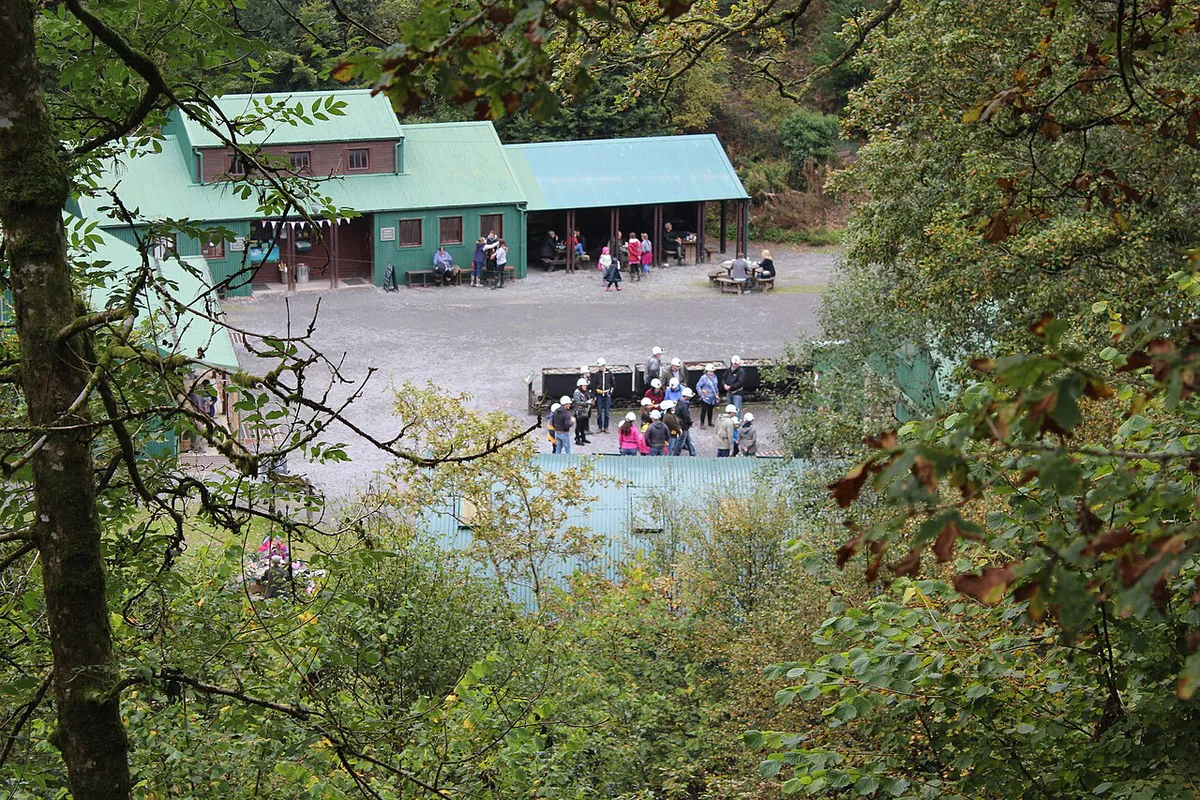
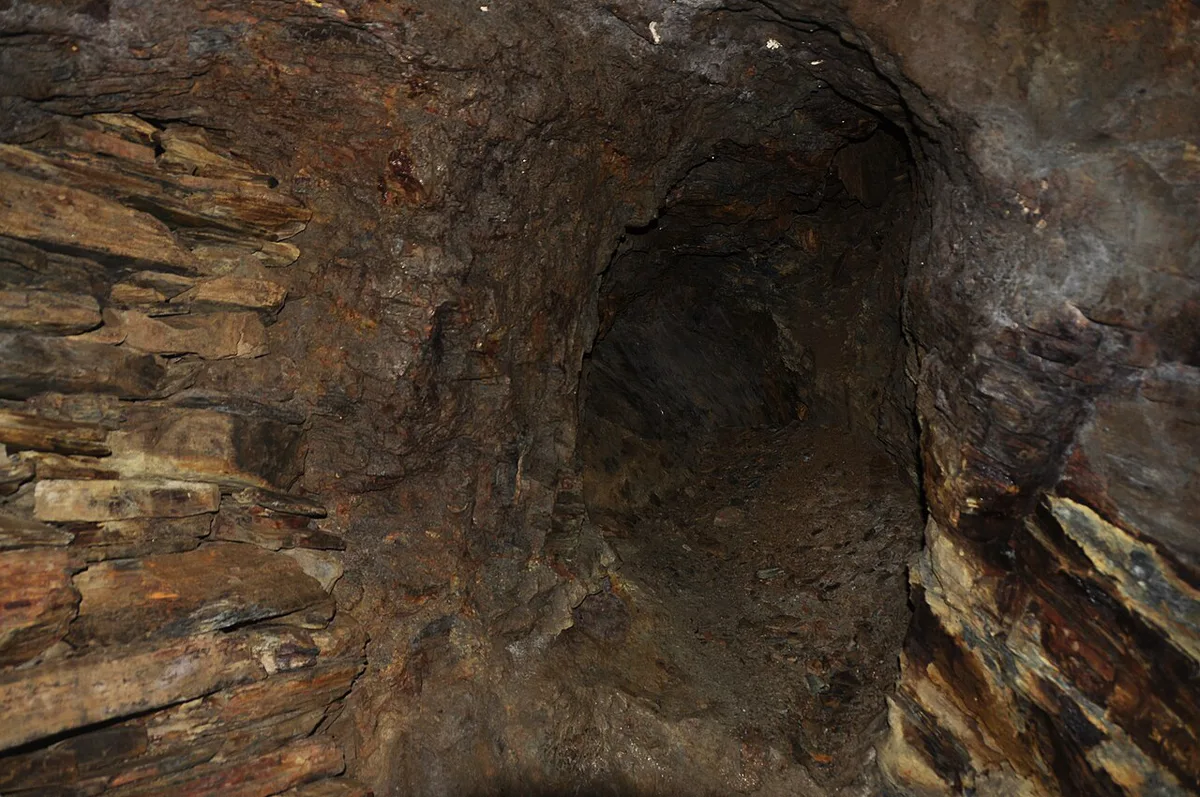
Dolaucothi sits in the Cothi valley on the Dolaucothi Estate, which the National Trust now looks after. The gold was worked about 2,000 years ago by the Romans. Mining resumed in the 19th century and carried on into the 20th, with a further working period in the 1930s. Few Welsh attractions let you walk through tunnels with that much layered history. Its National Trust visitor page is the main source for current visit details. Dolaucothi also belongs in any plan for caves and mines in Wales, as the gold option among them.
What You Can Do On Site
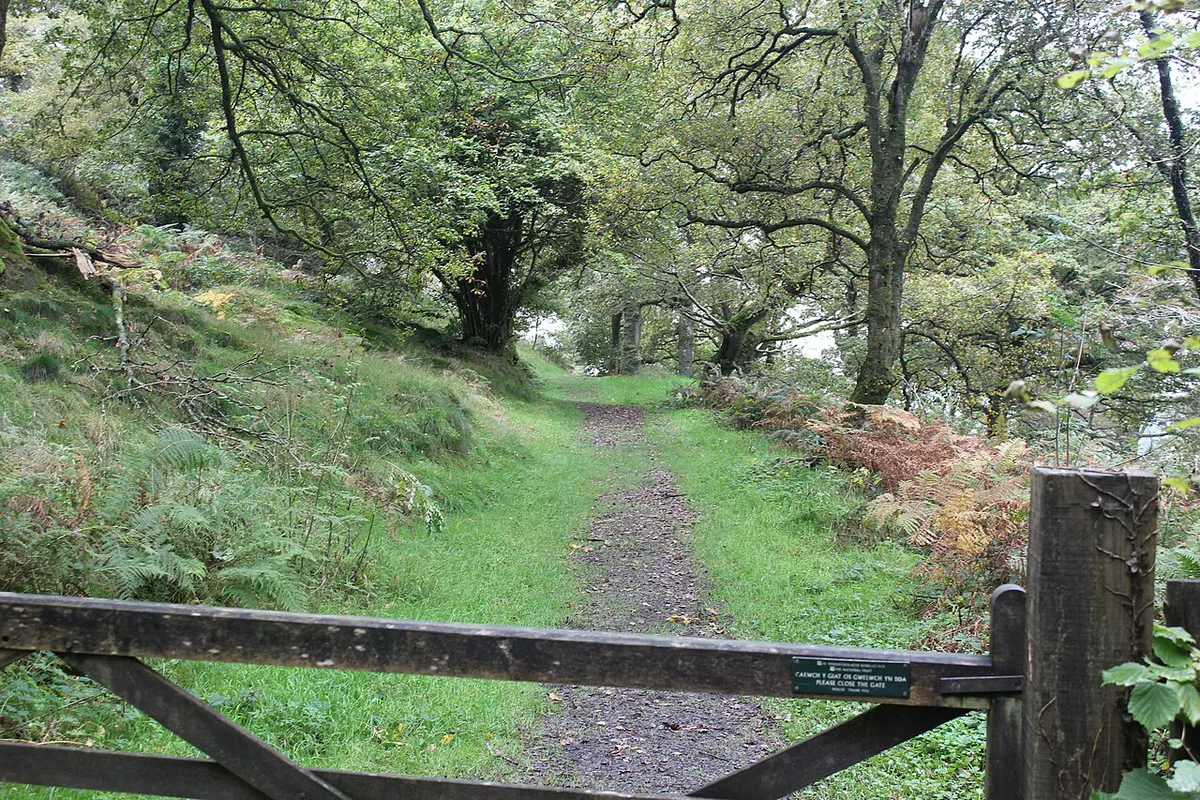
Underground guided tours are the headline. Visitors are led through the tunnels wearing hard hats and lamps. Above ground, there is an exhibition on the history of gold mining. You can also try gold panning and find out how frustrating the search for gold can be. Waymarked walks and picnic areas overlook the Cothi valley. Seasonal events have included Roman weekends and Easter trails. Which of these run on your date depends on the season, so check the events listing first.
- Guided underground tour with hard hat and lamp
- Exhibition on the history of gold mining
- Gold panning in the yard
- Waymarked walks and picnic areas above the Cothi valley
- Seasonal events such as Roman weekends and Easter trails
Is It Worth It? Who It Suits and Who Should Skip
History fans get the most from Dolaucothi, because the tour explains how Roman, Victorian and 1930s miners each shaped the workings. Families get a hands-on extra from the panning. Walkers can use the valley trails to fill a day. Skip the tour if confined, dark spaces make you uneasy. Underground rules on age, footwear, pushchairs and accessibility are set by the National Trust, so read them before you travel. Wet weather suits the tunnels better than the walks. Pack waterproof footwear either way.
Cardiff University leased the mine from 1975 to 2000, while the 1930s-style headgear above ground is built to resemble that era, not original.
- Best for: history fans, families who like hands-on activities, walkers
- Think twice if: you dislike tight, dark spaces or need step-free access underground
- Mistake to avoid: arriving without checking the tour rules and times
Tickets, Opening Times and Booking
Prices and hours checked November 2026 against the National Trust listing, which publishes no figure we can quote here. Current admission, tour booking rules, winter closures and membership benefits are on the official Dolaucothi page, so check it before you set off.
Getting There and Planning Your Day
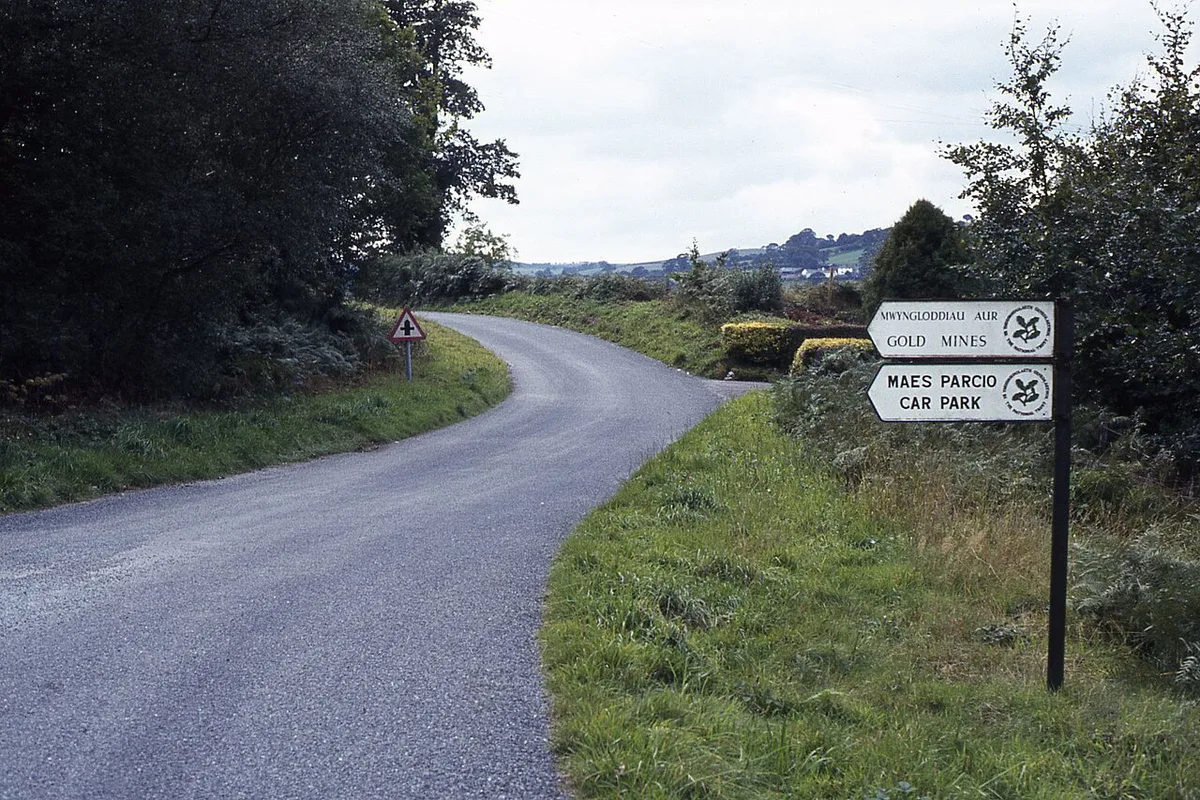
Dolaucothi is in rural West Wales, near the village of Pumsaint in Carmarthenshire. A car is the practical way to arrive, and public transport details are best checked with the National Trust before you plan around them. Allow at least a half-day. That covers a tour, panning and the exhibition. Add the valley walks and picnic areas if you want a longer day. Tour times are set by the site, so build your day around the current schedule.
Dolaucothi vs Other Welsh Mines and Caves
Wales has several underground attractions, and each centres on a different mineral or experience. This table helps you choose.
| Site | Theme | Best for |
|---|---|---|
| Dolaucothi Gold Mines | Roman-origin gold workings, Carmarthenshire | Mining history with panning and walks |
| Big Pit Guide: Underground Tour, Tickets & Visiting Tips | Coal mining at Blaenavon | Industrial and coal heritage |
| Sygun Copper Mine, Beddgelert: Visitor Guide and Tips | Copper mining | Visitors who want a copper-mine tour |
| Great Orme Mines: Bronze Age Copper Tour and Visiting Tips | Mines on the Great Orme, Llandudno | A mine visit on the north Wales coast |
| Llechwedd Slate Caverns: Tours, Tickets & Visitor Guide | Slate caverns | Slate-industry history |
What to Combine Nearby
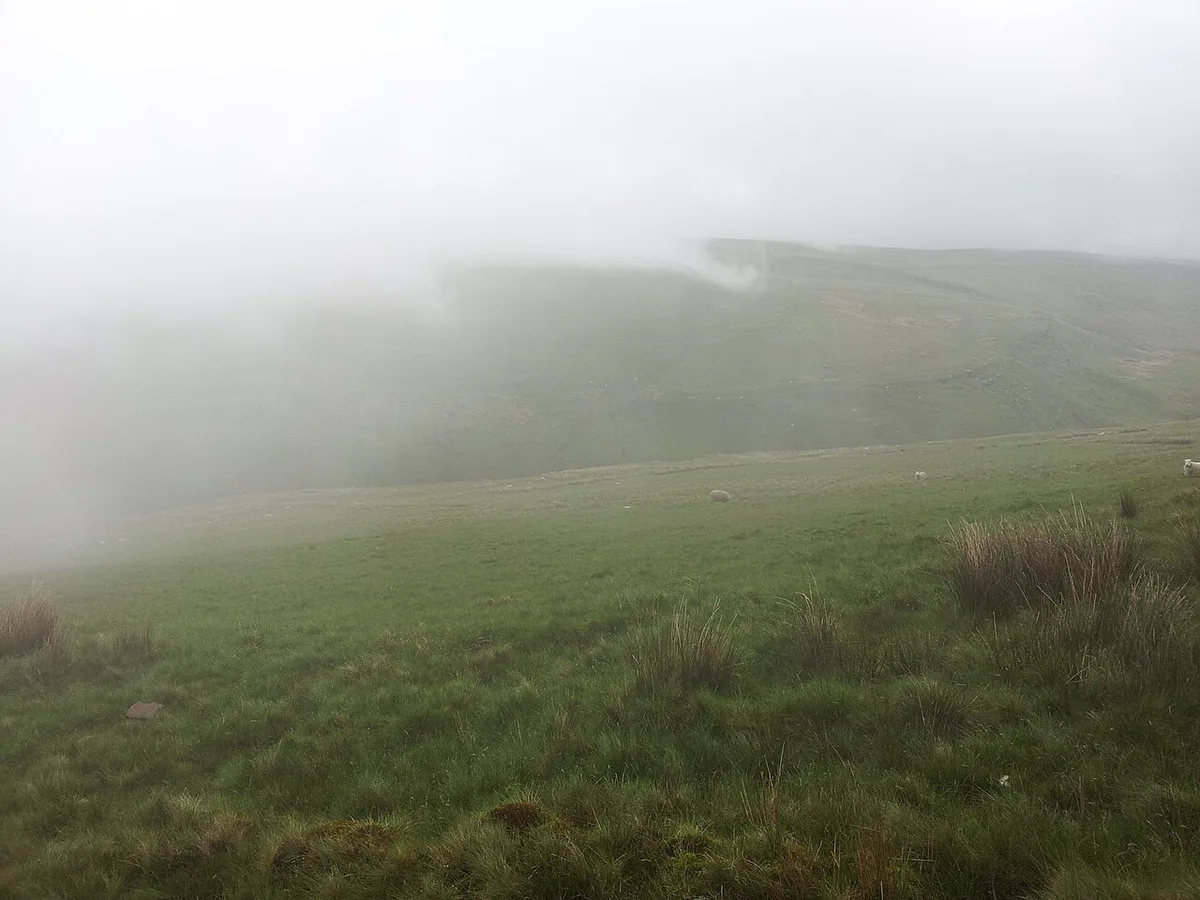
Bannau Brycheiniog (Brecon Beacons) National Park and Penderyn Distillery are the usual next stops from Dolaucothi. Both are further away, so check drive times before you plan the day. If you prefer natural caves to mines, Dan yr Ogof Showcaves: Visitor Guide and Planning Tips is the better choice. Readers wanting adventure over heritage can look at Go Below Underground Adventures: Trips, Ages & Which to Pick. For wider mining tourism, see coal mine tours across Europe.
What Is Original at Dolaucothi?
The underground workings are the reason to visit Dolaucothi. They reflect a mining landscape used by the Romans about 2,000 years ago, then worked again in the 19th century and into the 1930s. Do not assume every structure above ground is equally old.
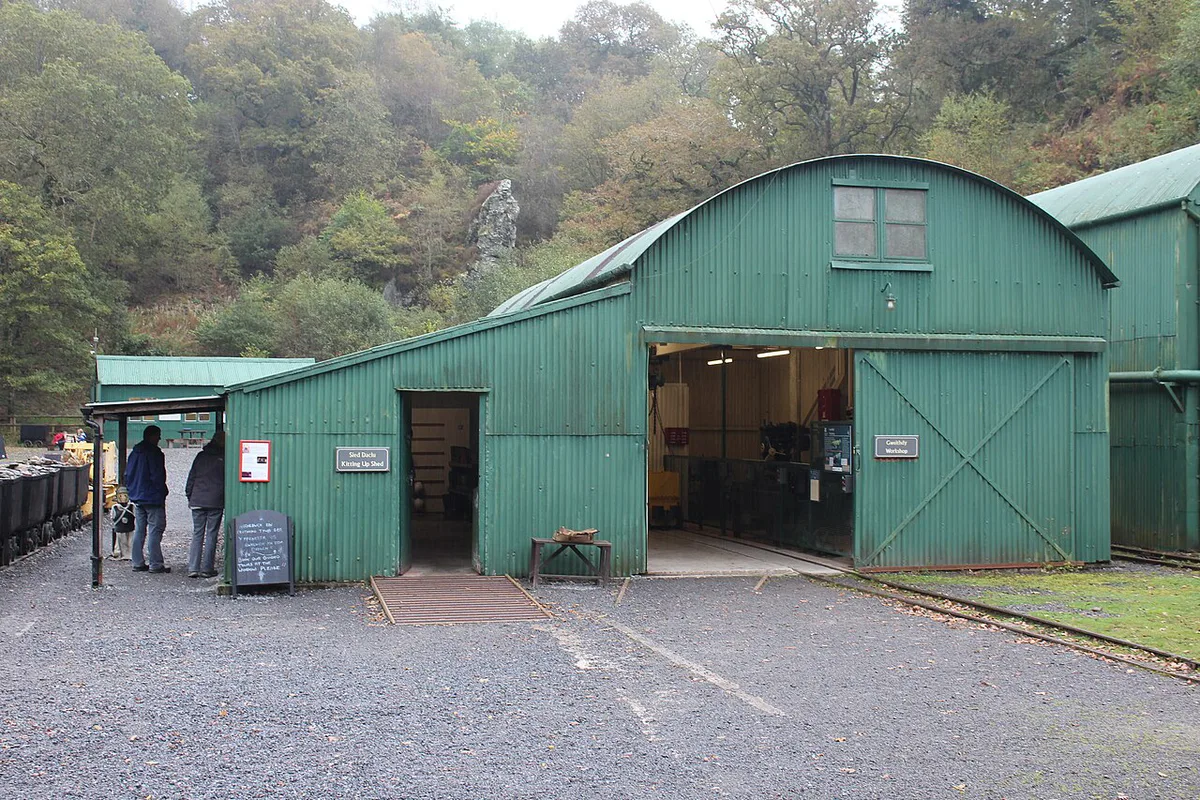
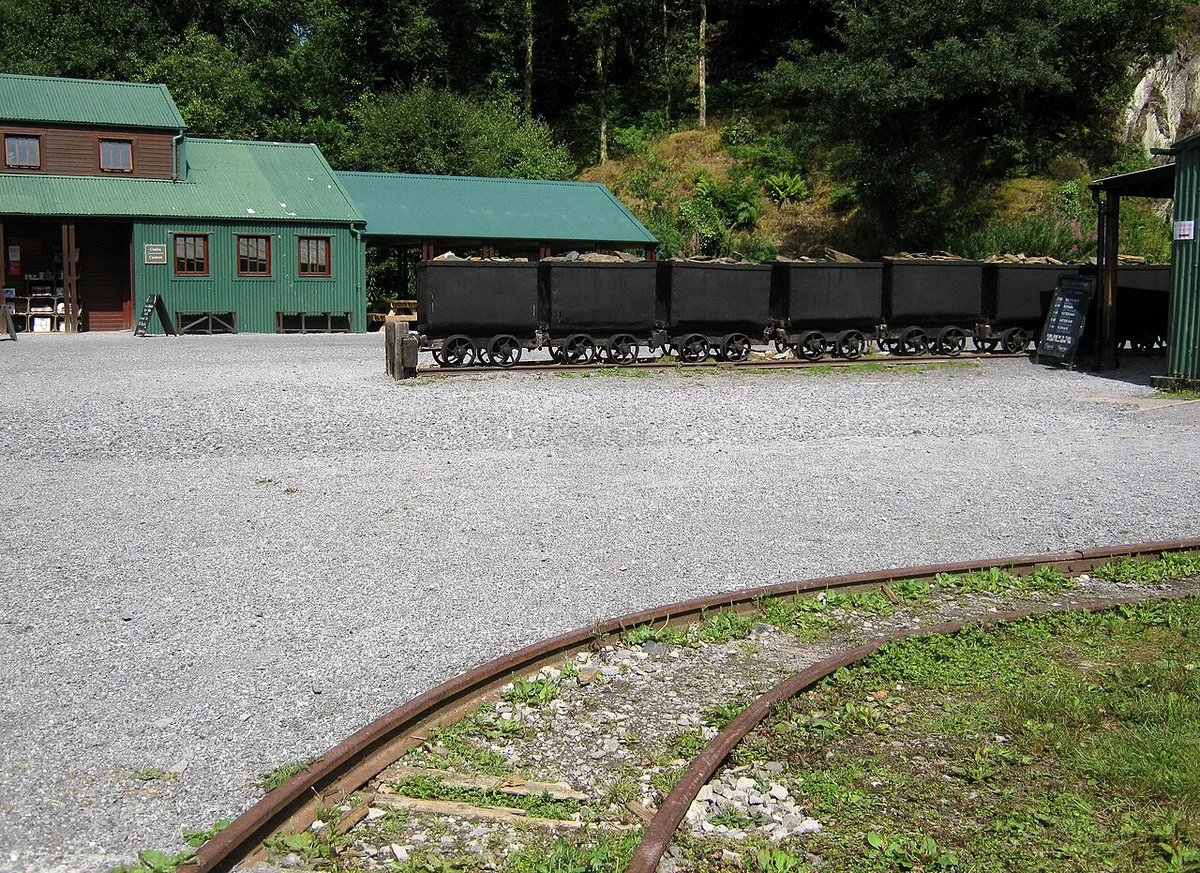
The visible surface buildings and headgear were made to resemble the 1930s mining operation. They are not the original equipment from that period. The original headgear came from the Halkyn area of Flintshire. Cardiff University leased the mine from 1975 to 2000 and helped make the workings safe for visitors.
This distinction makes the guided tour more rewarding. Look for the mine’s surviving workings underground, then use the exhibition to understand how later miners and modern conservation shaped the site. Ask your guide which features are Roman-origin, which belong to later mining, and which are visitor-era reconstructions.
For trip-planning details, see Visit Wales.
Notes for your next trip underground
Optional updates when we add or revise cave and underground guides.
More guides
More guides you'll find useful