Great Orme Mines: Bronze Age Copper Tour and Visiting Tips
Plan a visit to the Great Orme Mines in Llandudno: what the Bronze Age underground tour involves, how to get there, and how it compares with other Welsh mines.
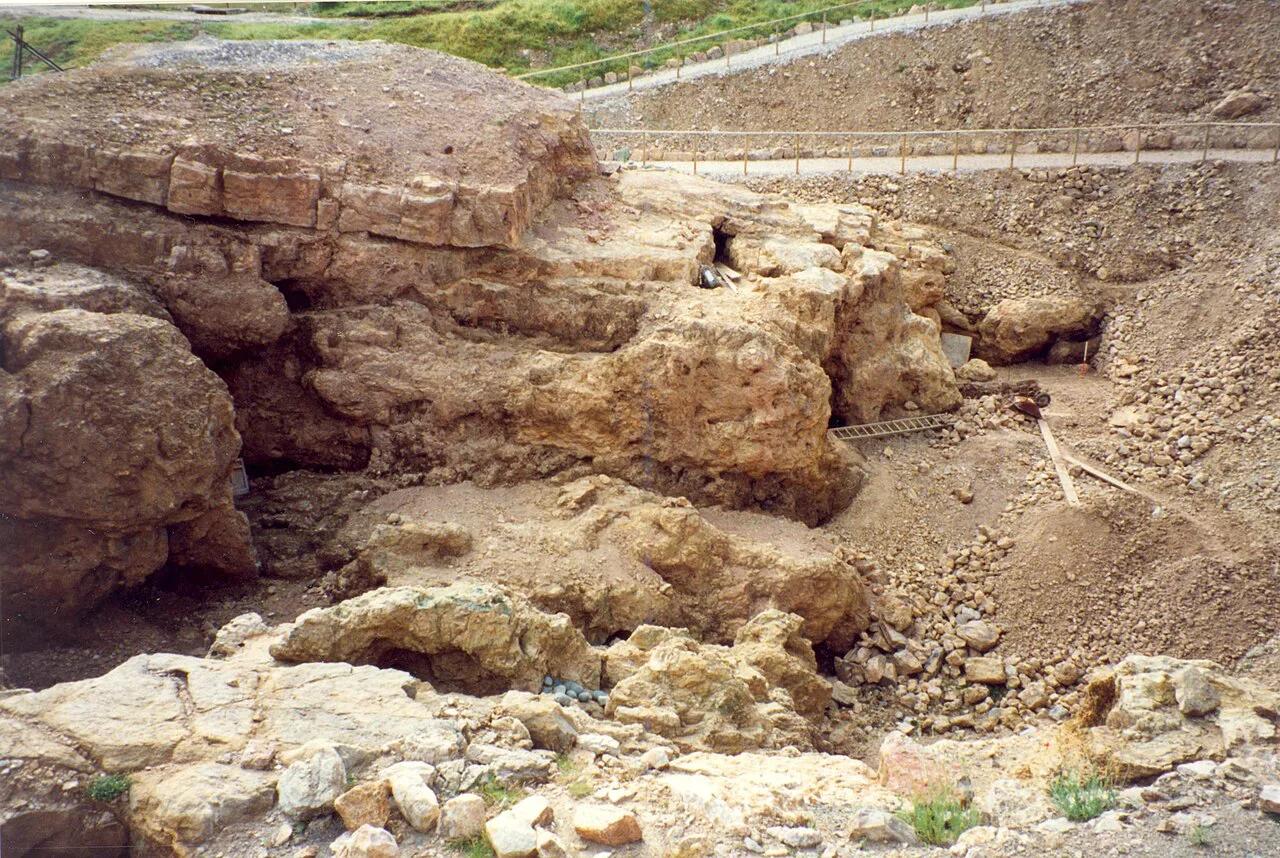
Last updated November 2026: the Great Orme Mines are a Bronze Age copper mining complex on the Great Orme headland in Llandudno, North Wales. Visitors walk through a self-guided underground route, with a visitor centre on the headland. It ranks among the largest prehistoric copper mining complexes in Europe. This guide covers who should go, what a visit involves and how it compares with other Welsh underground attractions.
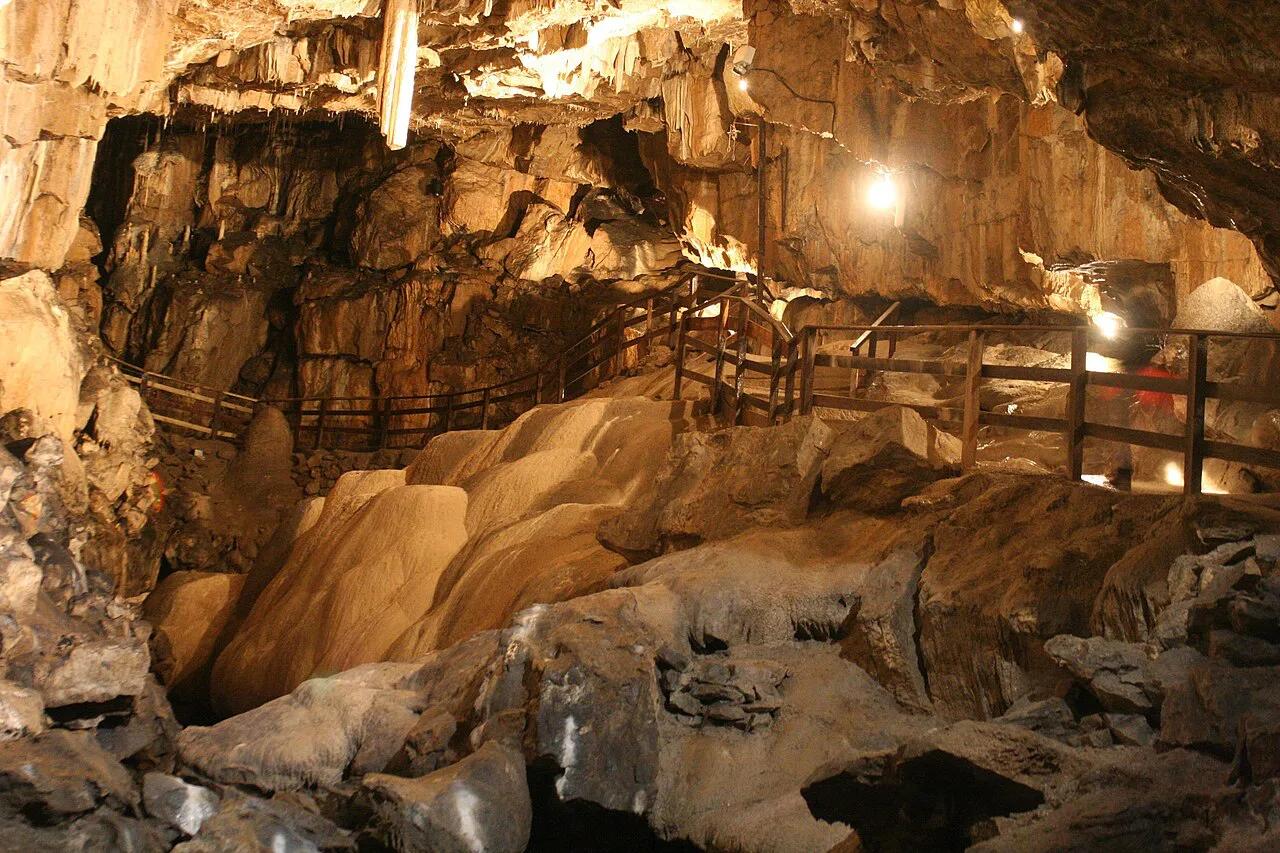
Featured image: Humphrey Bolton, CC BY-SA 2.0, via Wikimedia Commons.
What the Great Orme Mines are
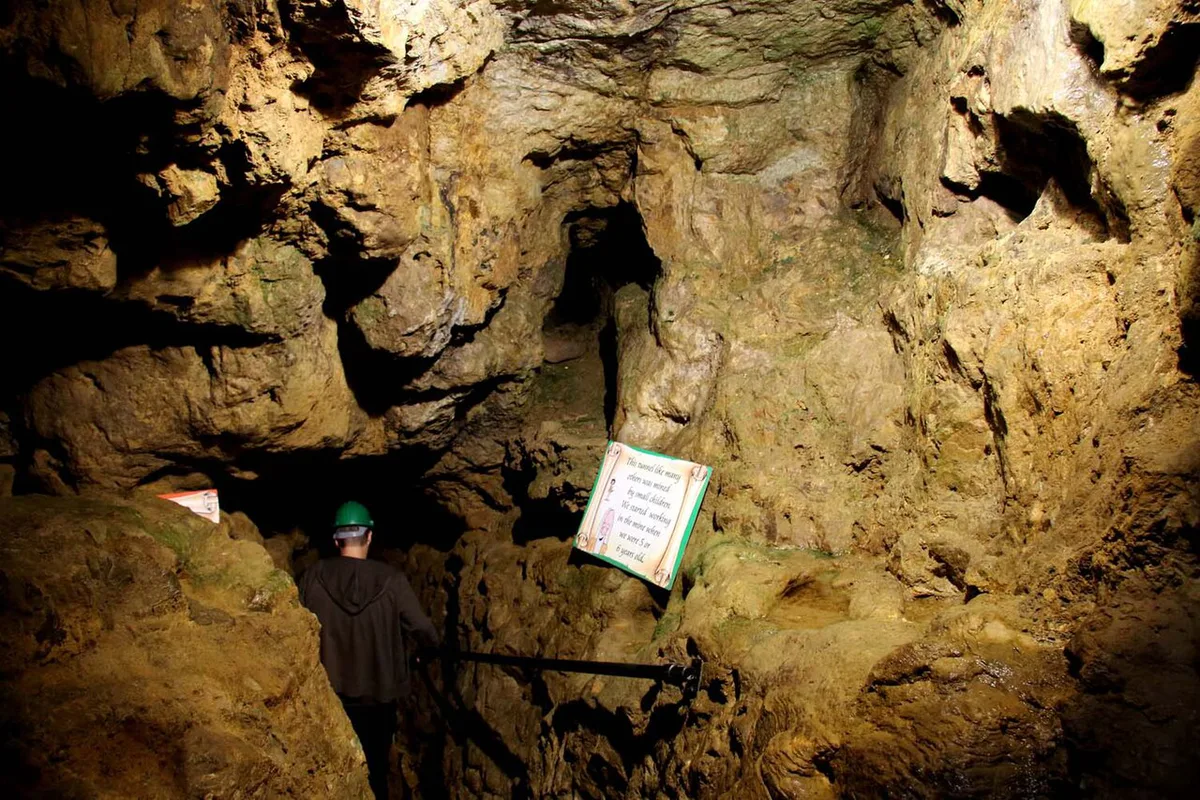
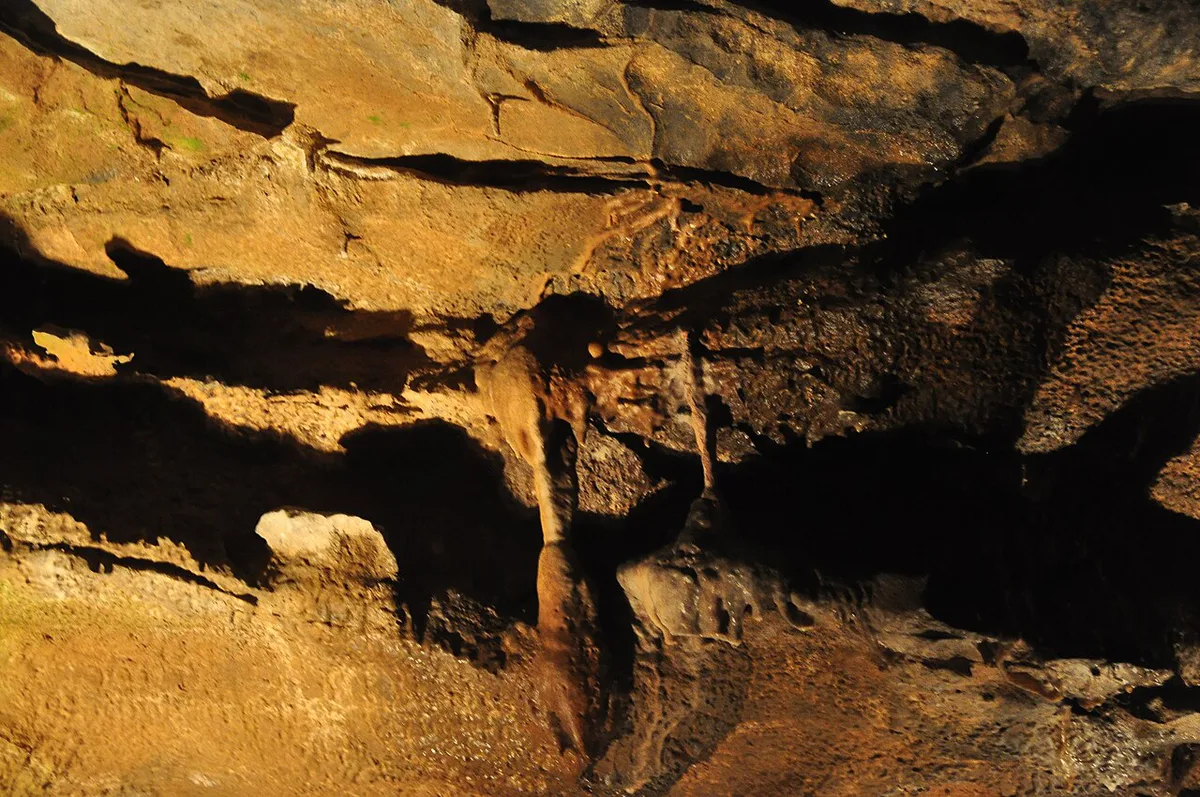
Great Orme Mines is a copper mine in Carboniferous limestone, worked first in the Bronze Age through a series of crawls and chambers. Those early workings were later lost and forgotten. Mining resumed in the 17th century as the Old Mine and the New Mine. Today the site combines a visitor centre with an underground tour through the prehistoric workings. Ore here was malachite and chalcopyrite, the green and brassy copper minerals you may spot in displays. The mines sit on private land, so stay on the signed visitor routes.
Is the Great Orme Mines tour worth it?
Go if you want to stand inside a working landscape that is far older than Roman Britain. Skip it, or ask the venue first, if steps, low ceilings or cool, damp air will be a problem. Underground sections of this kind are usually narrow in places, so ask the operator about access before you travel.
- Worth it for history and mining fans who want prehistoric workings rather than a Victorian show mine.
- Worth it for families with older children who can follow a self-guided route.
- Worth it on a wet day, because the main interest is underground.
- Think twice if you cannot manage steps or confined passages, and ask the venue about step-free options.
- Think twice if you want a guided, adventure-style session; Go Below's underground sessions suit that better.
Bronze Age to Victorian: the history in brief
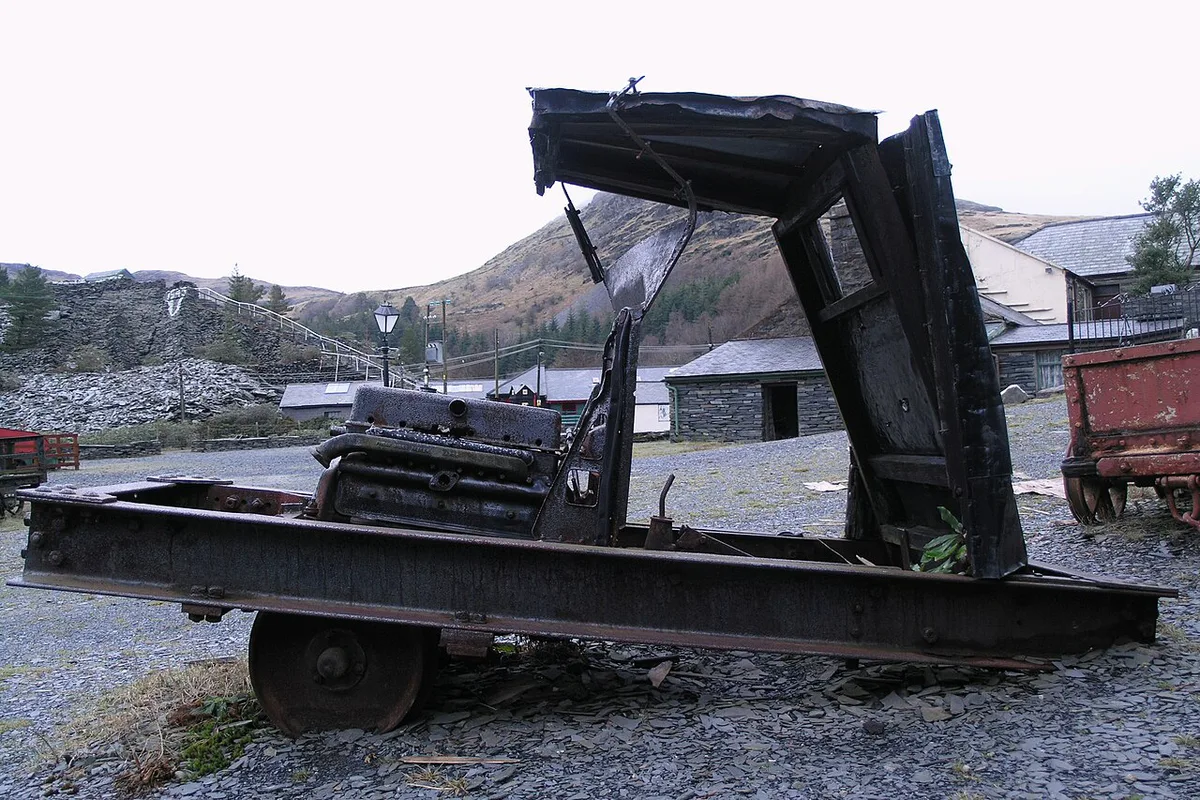
Bronze Age miners opened the first workings, and nobody records what happened to the knowledge afterwards. Later miners assumed the old tunnels were Roman. In 1850 the mine manager wrote in the Mining Journal that he had holed into ancient workings holding stone tools and animal bones. By the mid-1850s the mines employed around 150 men and boys. Operations stopped in 1869, said to be because seawater entered through fissures that could not be sealed. Archaeologists later got their chance. In the 1970s, investigation of a filled area intended for a car park revealed the true extent of the prehistoric mine. Excavation followed, and it led to the Visitor Centre and Underground Tour that interpret the site today.
What a visit involves
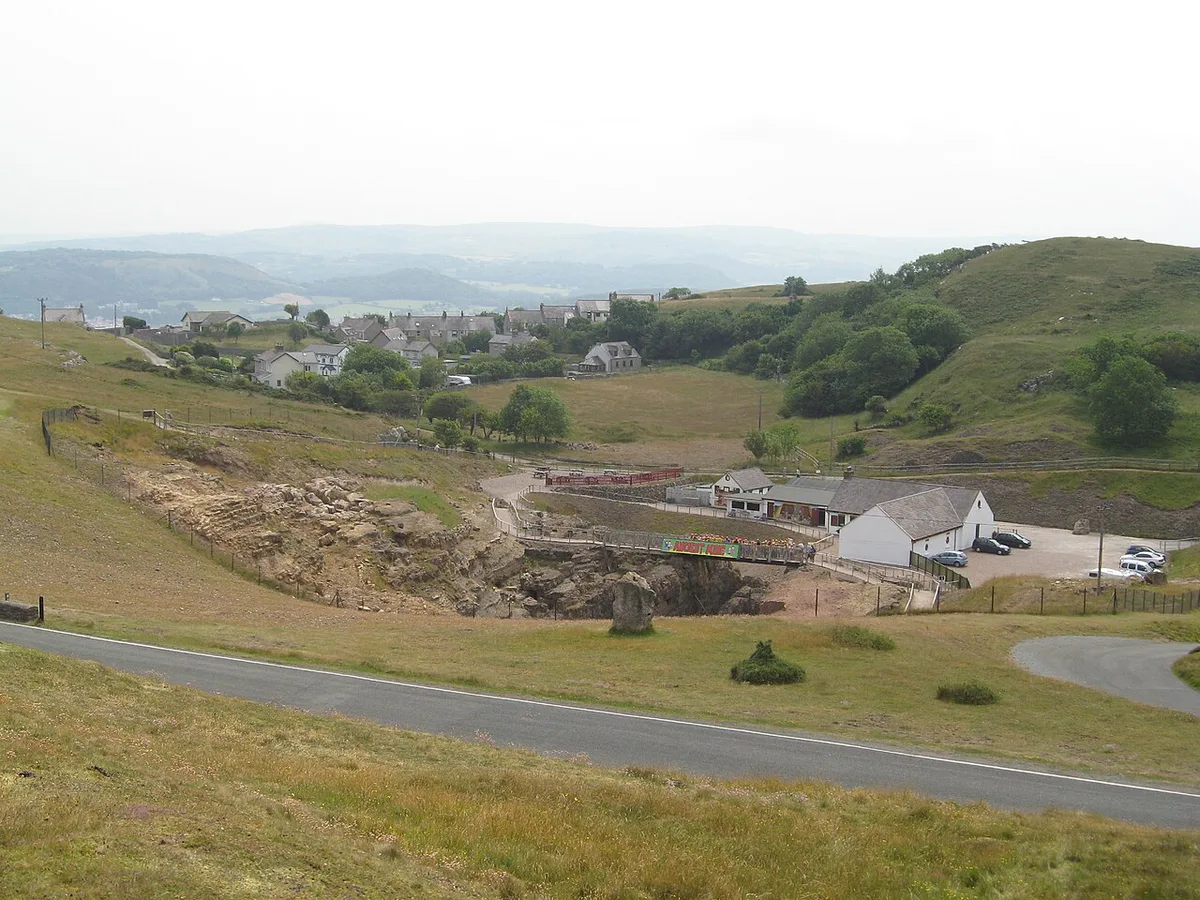
A visit has two parts: the visitor centre and the underground route through the ancient workings. Several named shafts survive on the surface nearby. Vivian's Shaft lies about 37m from the mapped mine point. Higher Shaft is 52m away, Treweek's Shaft 159m and Roman Shaft 172m. The visitor centre is mapped about 75m away. These are mapped distances, not a walking route. Surface shafts are not visitor attractions, so keep to signed paths. For details on the tour itself, including steps, passage height and age limits, use the venue's official website before you go.
Named shafts sit 37m to 172m from the mapped mine point, but 46 old shafts, trials and adits within 2km of the mine are also listed.
- Underground tour: through prehistoric workings, following a route set by the venue.
- Visitor centre: interpretation of the 1970s discovery and the mining story.
- Surface shafts: seen from signed routes only, never entered.
Opening times, tickets and booking
Opening days, seasonal closures and ticket prices are set by the operator and change between seasons. Read them on the venue's official website, and use Visit Llandudno's visitor information for local planning.
How to get there and where to park
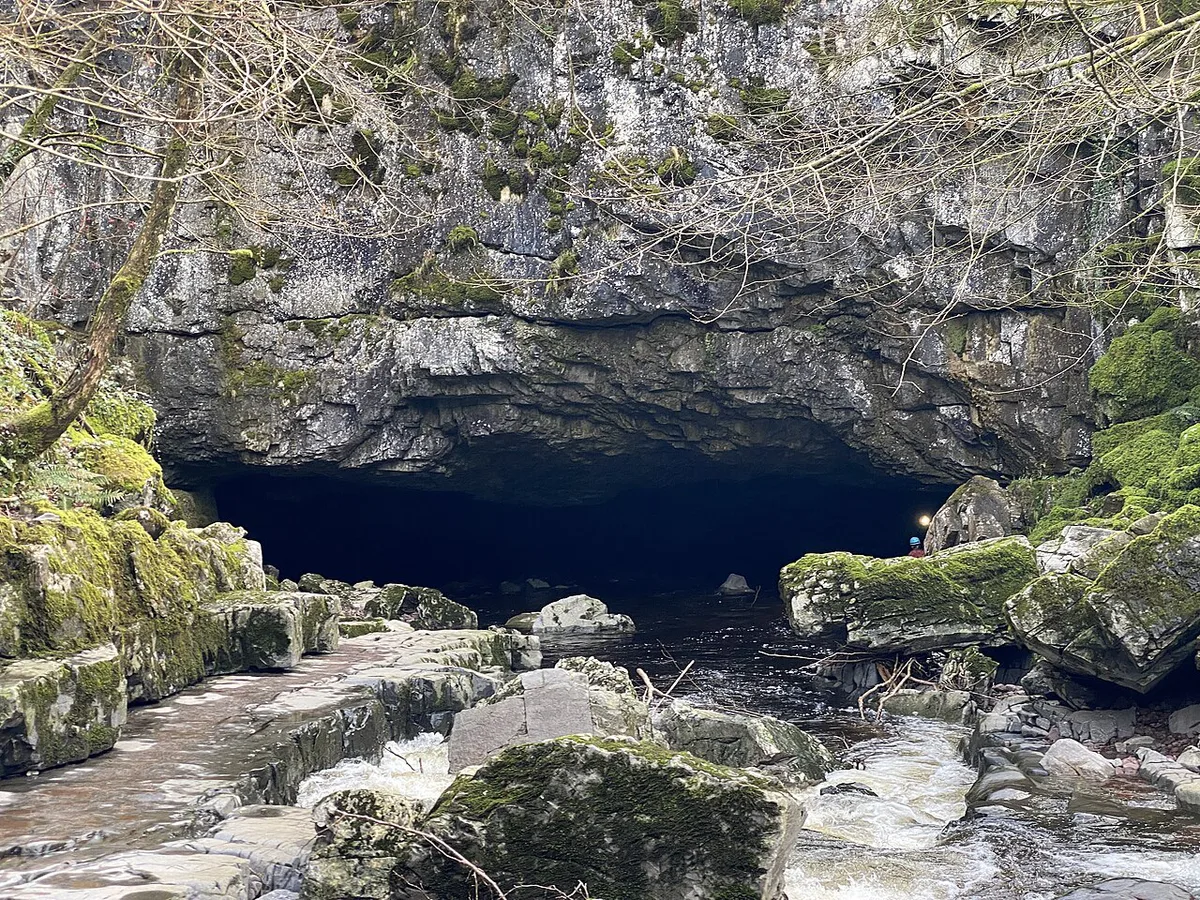
The mines are on the Great Orme headland above Llandudno, in North Wales. Plan the route from Llandudno town, since the headland is a short climb above the seafront. Parking, buses and any tramway or cable car service vary by season. Look them up on Visit Wales or the local tourist information pages before you travel. If you drive, check where visitor parking is signed on the headland.
How long to allow and what to combine
Allow time for the underground route, the visitor centre displays and the walk up from Llandudno if you choose to walk. The venue can give you a tour length, so ask it for a current figure. A sensible half-day pairs the mines with a walk on the Great Orme headland. Keep the rest of the day flexible, since an underground visit is often the fallback when rain moves in. In poor weather, other options are listed in our guide to caves in Wales.
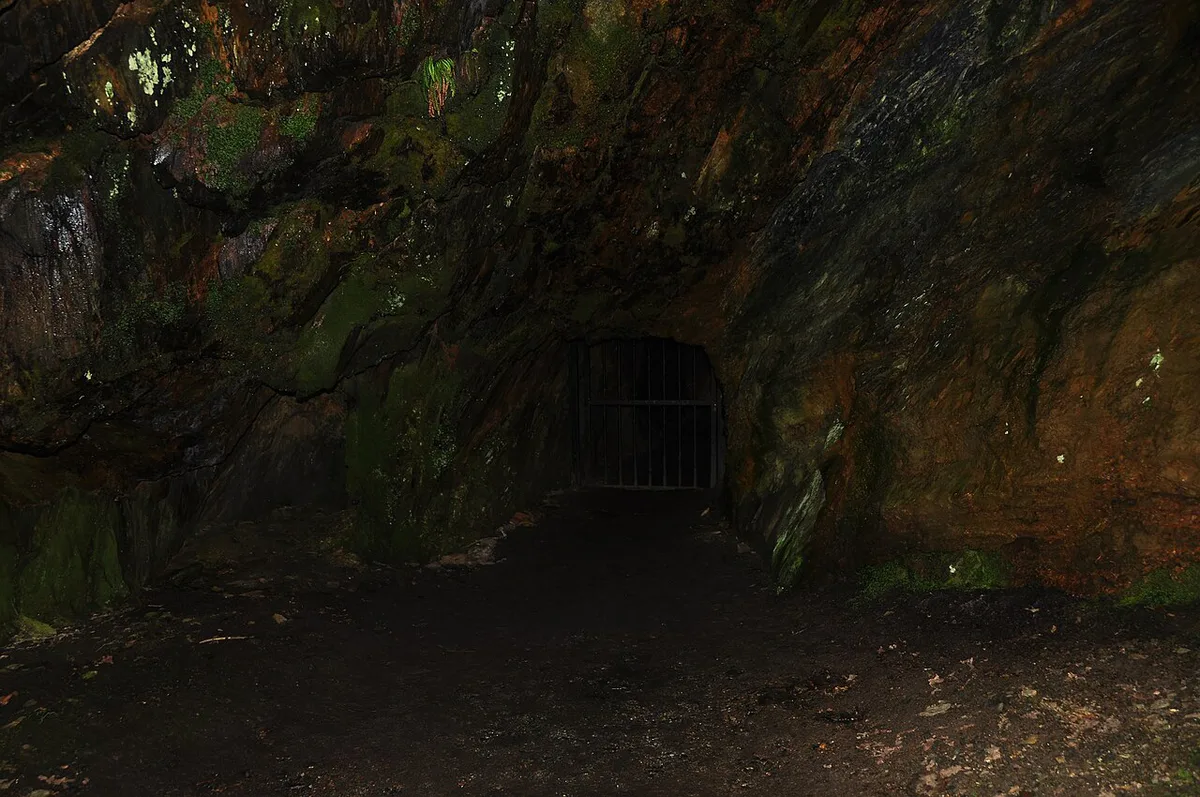
Great Orme Mines vs other Welsh underground attractions
Each Welsh underground site shows a different slice of history. Great Orme stands out for prehistory, where most others focus on Victorian or industrial stories. Use this table to pick one, and check each venue for current access details.
| Venue | What you see | Era | Style and notes |
|---|---|---|---|
| Great Orme Mines | Copper workings and visitor centre | Bronze Age, then 17th to 19th century | Self-guided underground route; access set by the venue |
| Sygun Copper Mine, Beddgelert: Visitor Guide and Tips | Copper mine tour | Victorian | Guided tour; see the venue |
| Llechwedd Slate Caverns: Tours, Tickets & Visitor Guide | Slate caverns | Victorian | Tour options vary by venue |
| Big Pit Guide: Underground Tour, Tickets & Visiting Tips | Coal mine and museum | Industrial | Admission policy changes |
| Dolaucothi Gold Mines: Roman Mine Tour Guide (Wales) | Gold mines | Roman and later | See the venue |
| Dan yr Ogof Showcaves: Visitor Guide and Planning Tips | Natural show cave | Natural formations | Mine versus natural cave; see the venue |
| King Arthur's Labyrinth | Underground story-led ride | Folklore theme | See the venue |
| Bounce Below Wales: Prices, Rules & Is It Worth It | Underground trampoline park | Activity venue | See the venue |
Practical tips and mistakes to avoid
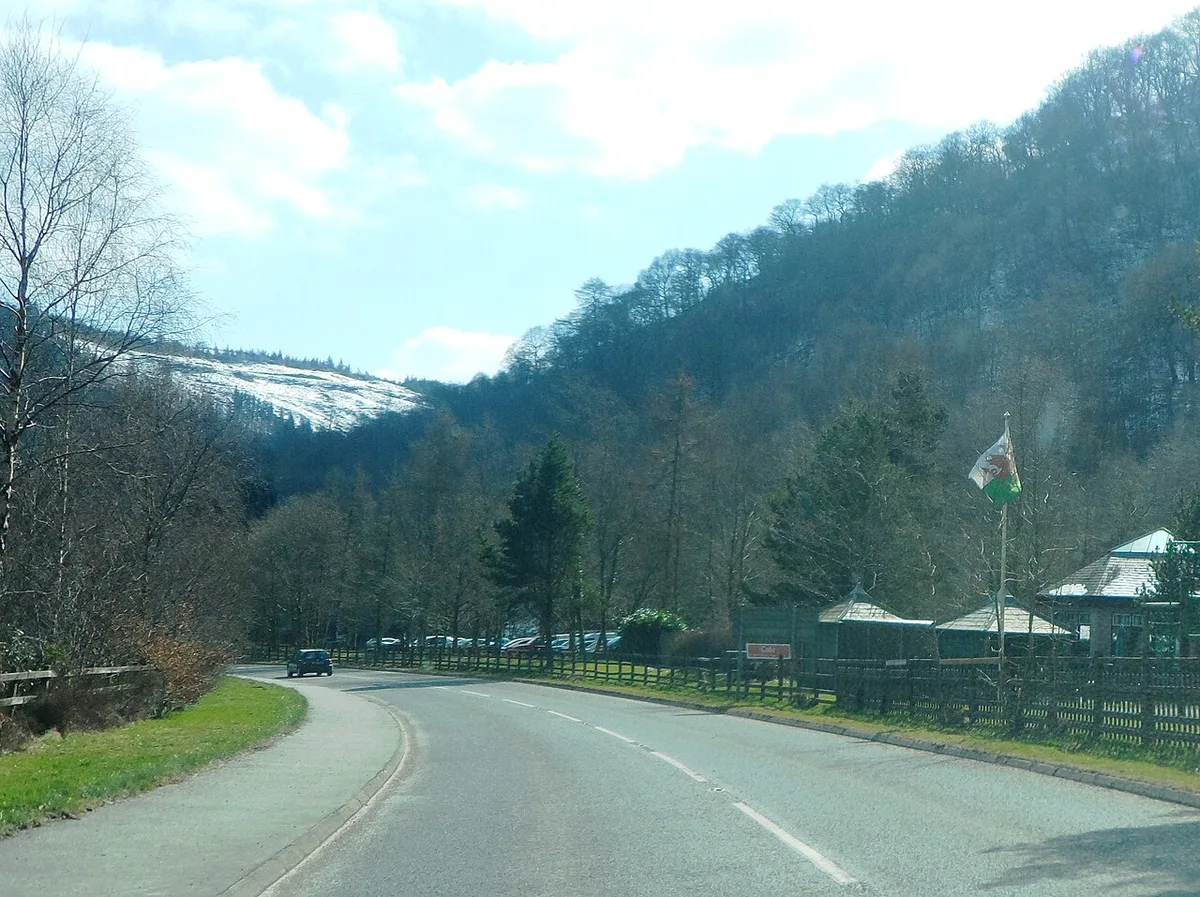
Wear sturdy shoes and a layer, because underground air is usually cooler than the surface. Do not assume the surface shafts on the Orme are open to explore. A mapped list shows 46 old shafts, trials and adits within 2km of the mine, and most are not visitor attractions. Stay on signed routes and never enter old workings. Do not assume full accessibility underground; ask the venue first. Wider mining-heritage ideas are in our coal mine tours across Europe. For a natural-cave contrast, see Porth yr Ogof cave.
Frequently Asked Questions
What town is the Great Orme in?
Great Orme is the headland above Llandudno, in North Wales. The mines and the visitor centre sit on the headland.
What is the largest copper mine in the world?
Great Orme Mines is described as one of the largest prehistoric copper mining complexes in Europe. That is a narrower claim than the world's largest, and it is the one this page stands behind.
Are there any coal mines in Wales?
Yes, you can visit coal heritage at Big Pit National Coal Museum in Blaenavon. The museum's website lists current opening and entry details.
Notes for your next trip underground
Optional updates when we add or revise cave and underground guides.
More guides
More guides you'll find useful