Grottes de Saint-Cézaire: Visit Guide, Tickets & Tips
Planning the Grottes de Saint-Cézaire near Grasse? Get the route, what the tour covers, time needed, ticket and booking checks, and who should skip it.
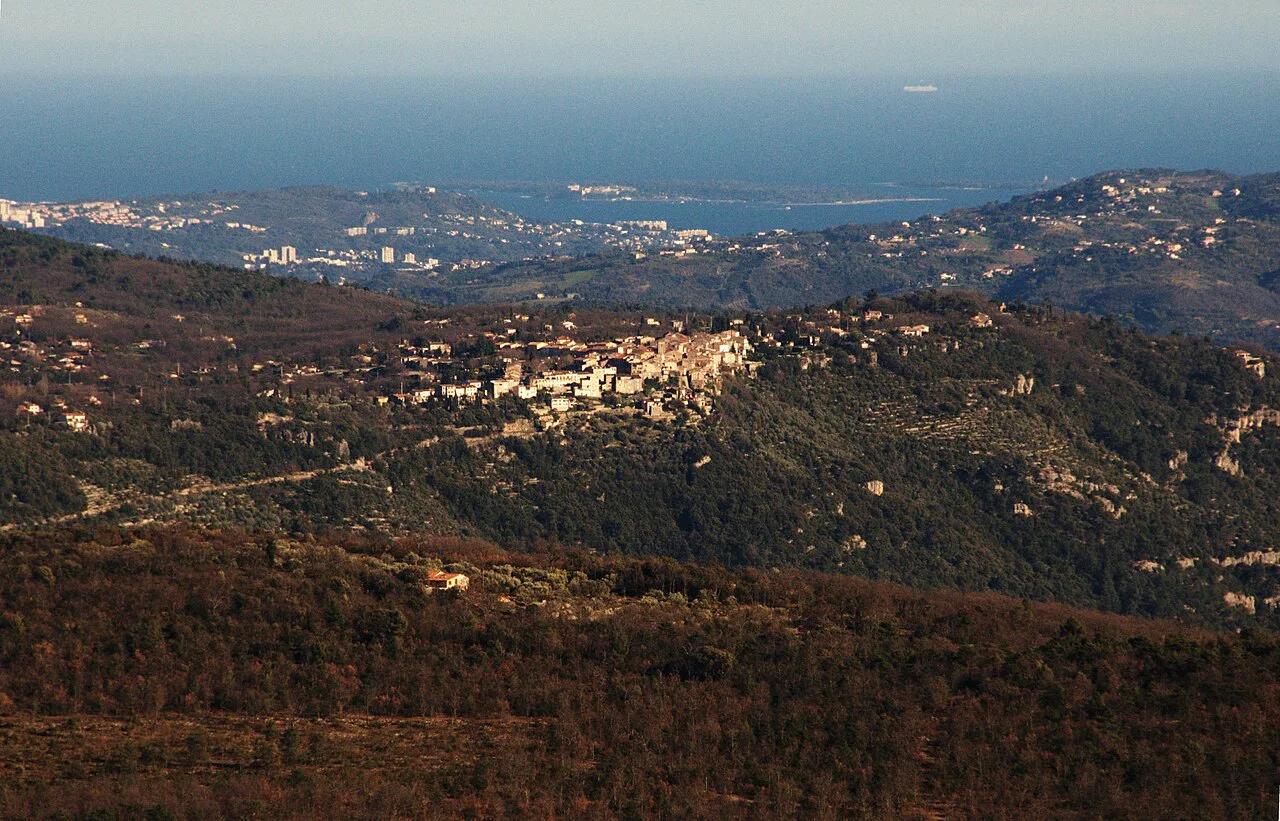
Last updated November 2026: the Grottes de Saint-Cézaire are a guided show cave at Saint-Cézaire-sur-Siagne, in the hinterland behind Grasse and Cannes in the Alpes-Maritimes. Iron-stained formations and a steady cool temperature make it a sensible stop on a hot or rainy Côte d'Azur day. Expect a drive, steps and a guided tour, then compare it with other show caves across southern France if you are still choosing.
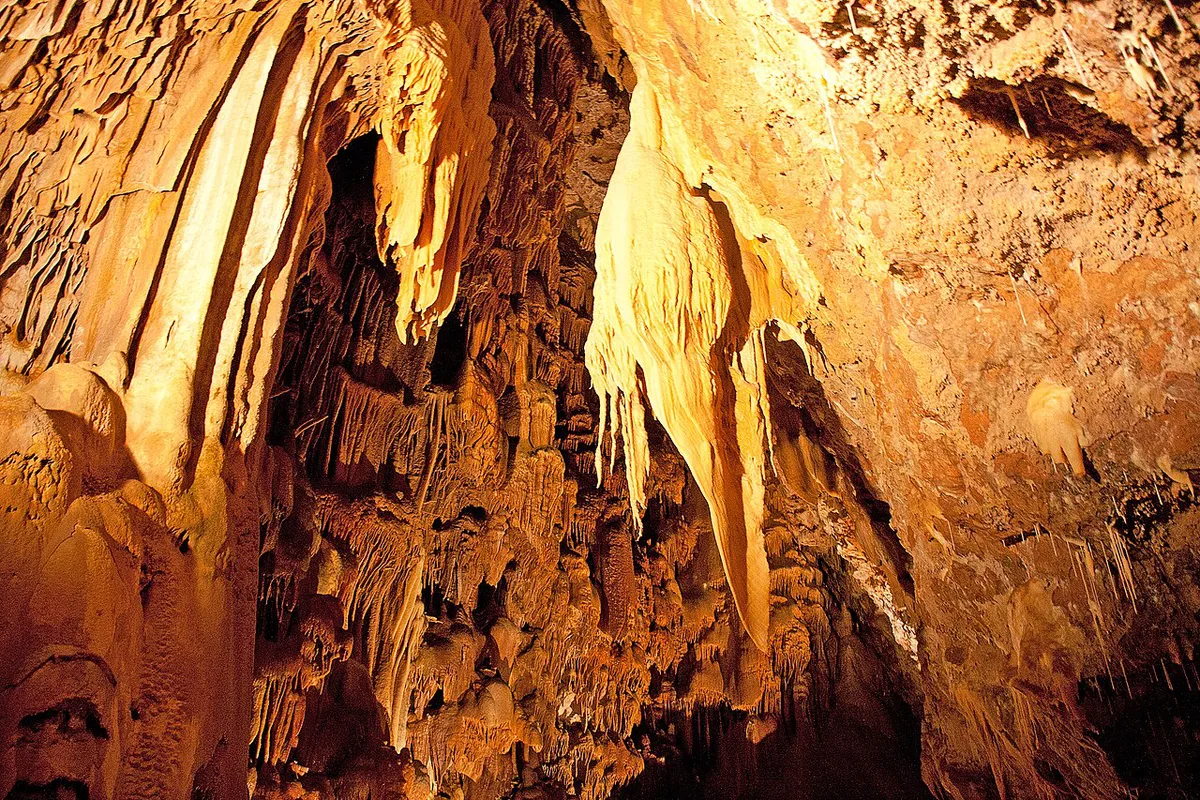
Featured image: Zil-fr, CC BY-SA 3.0, via Wikimedia Commons.
What You'll See Underground
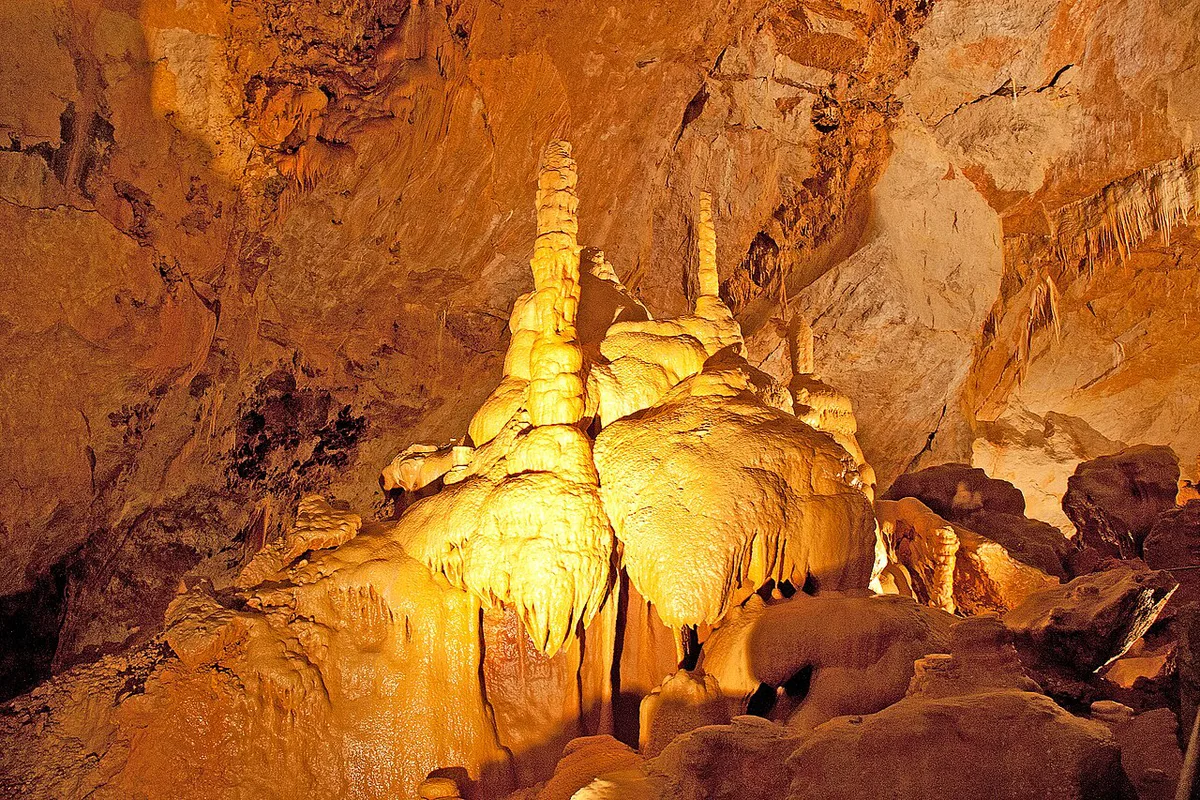
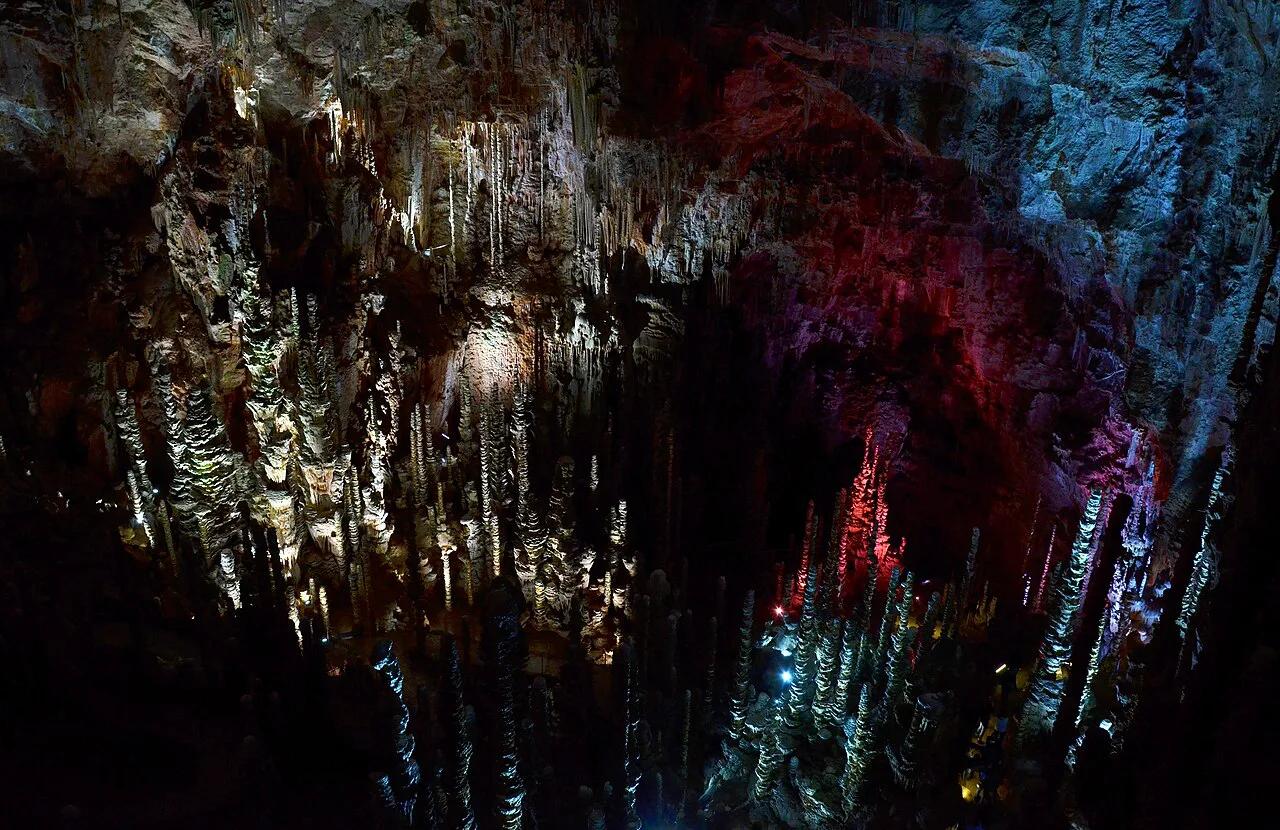
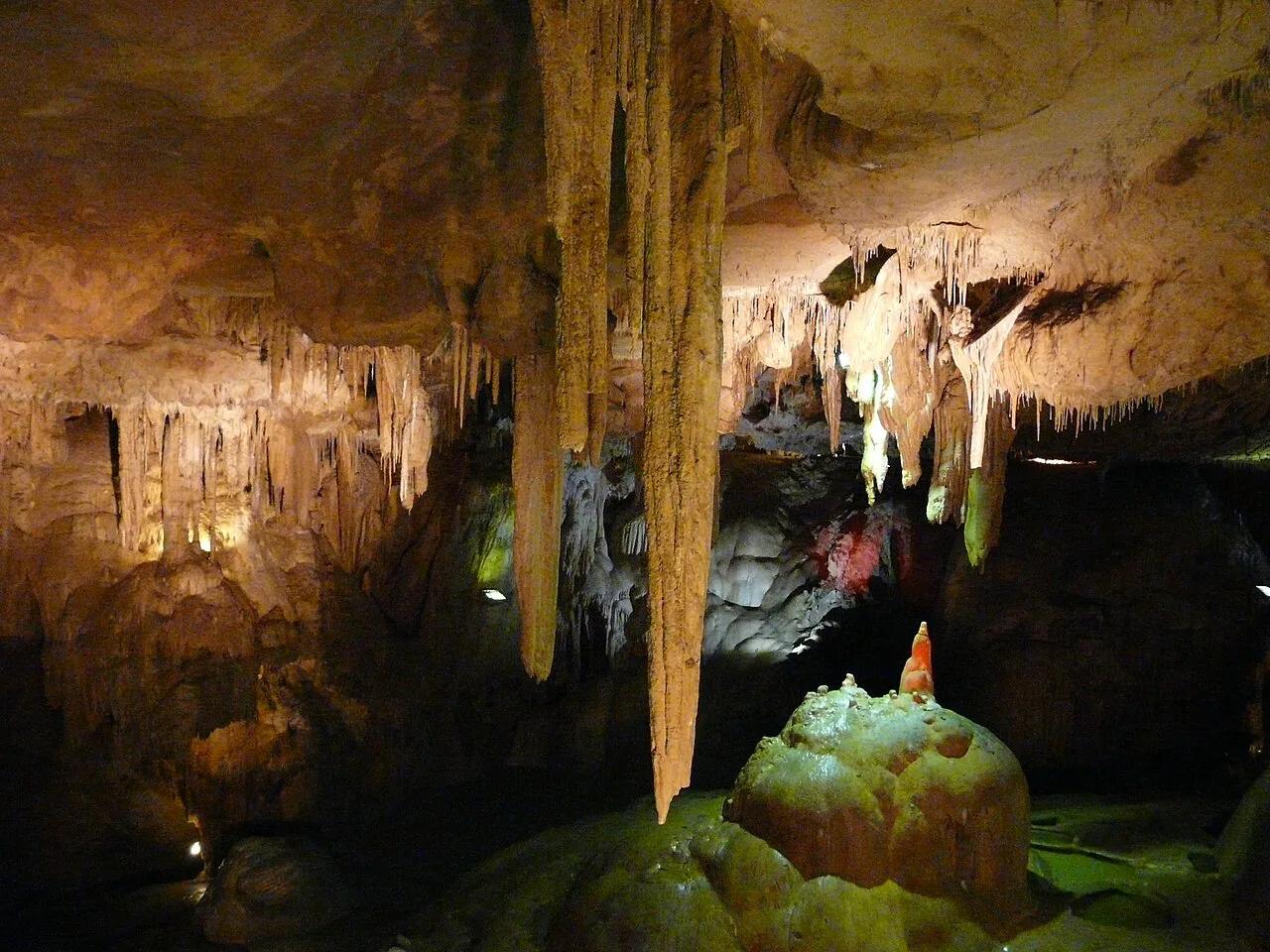
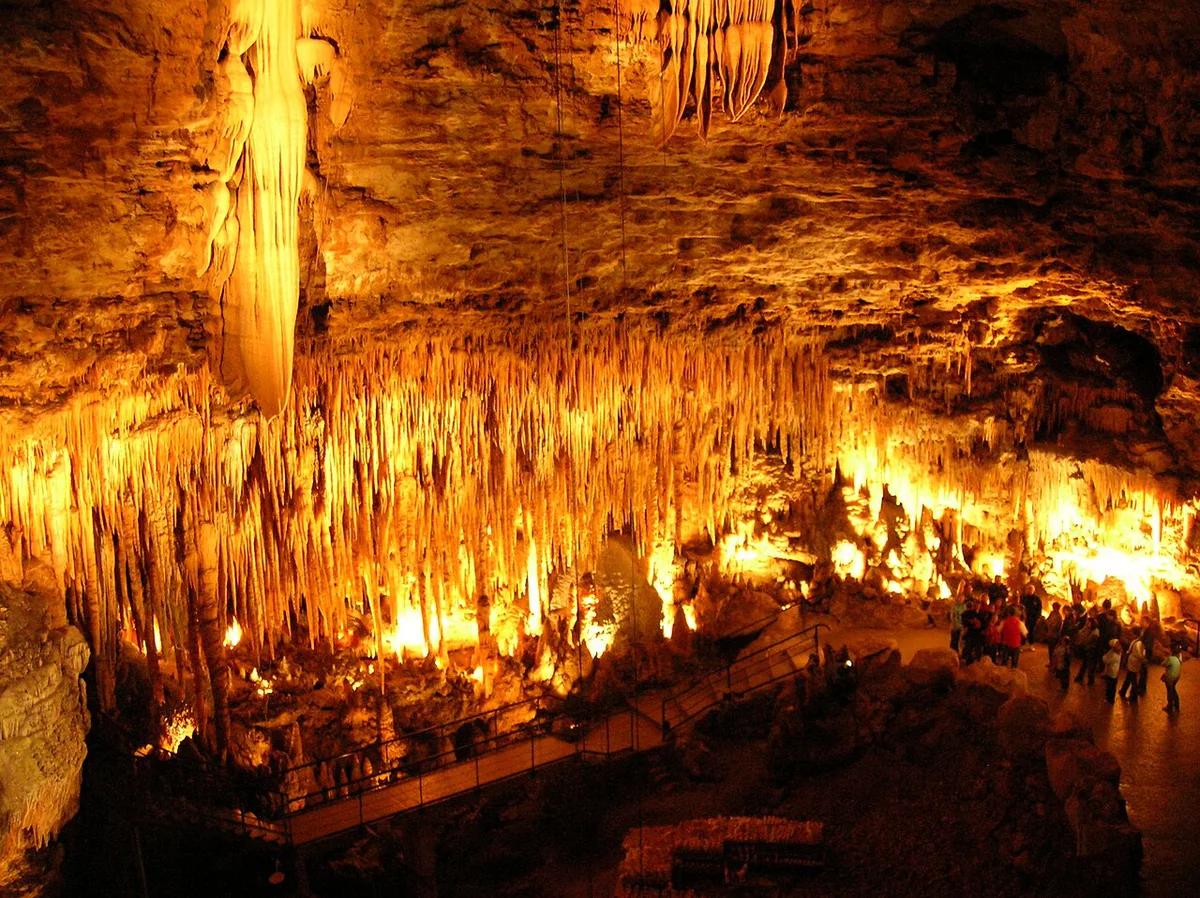
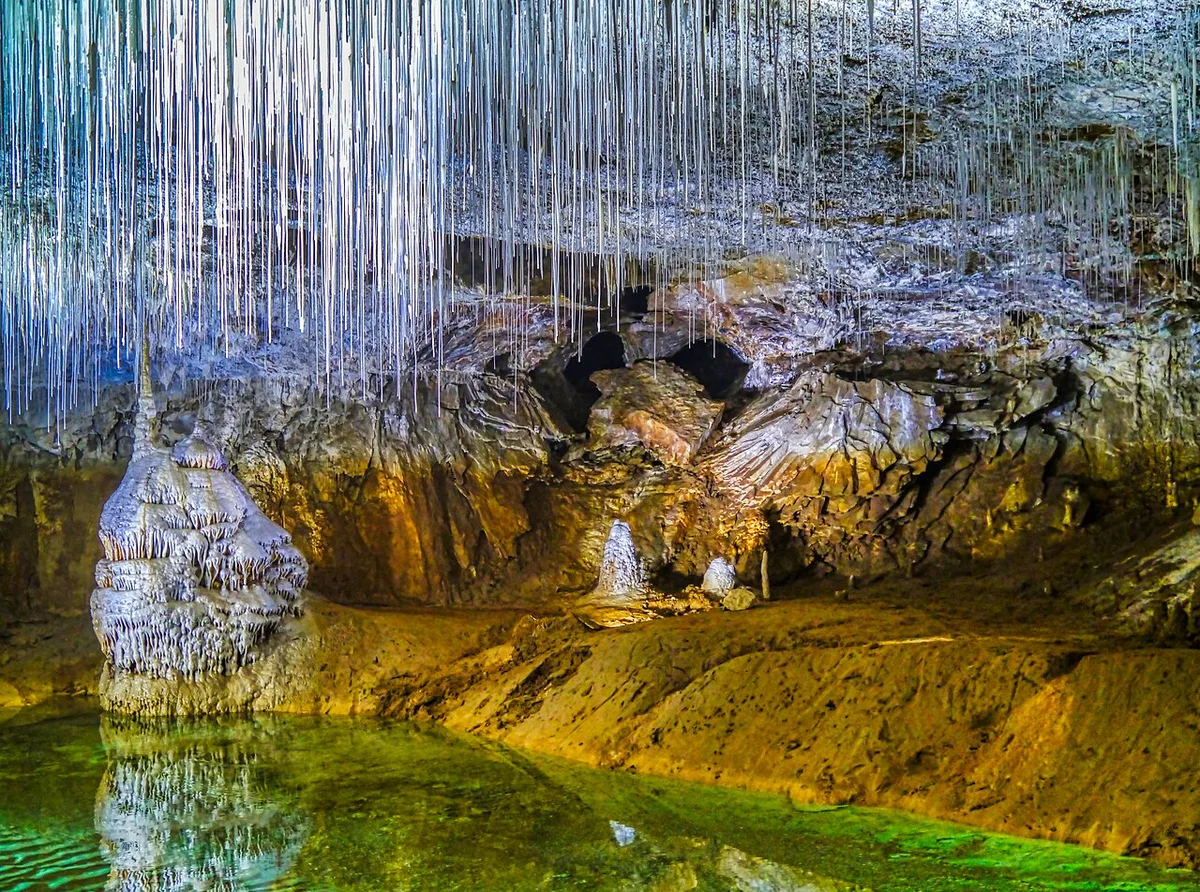
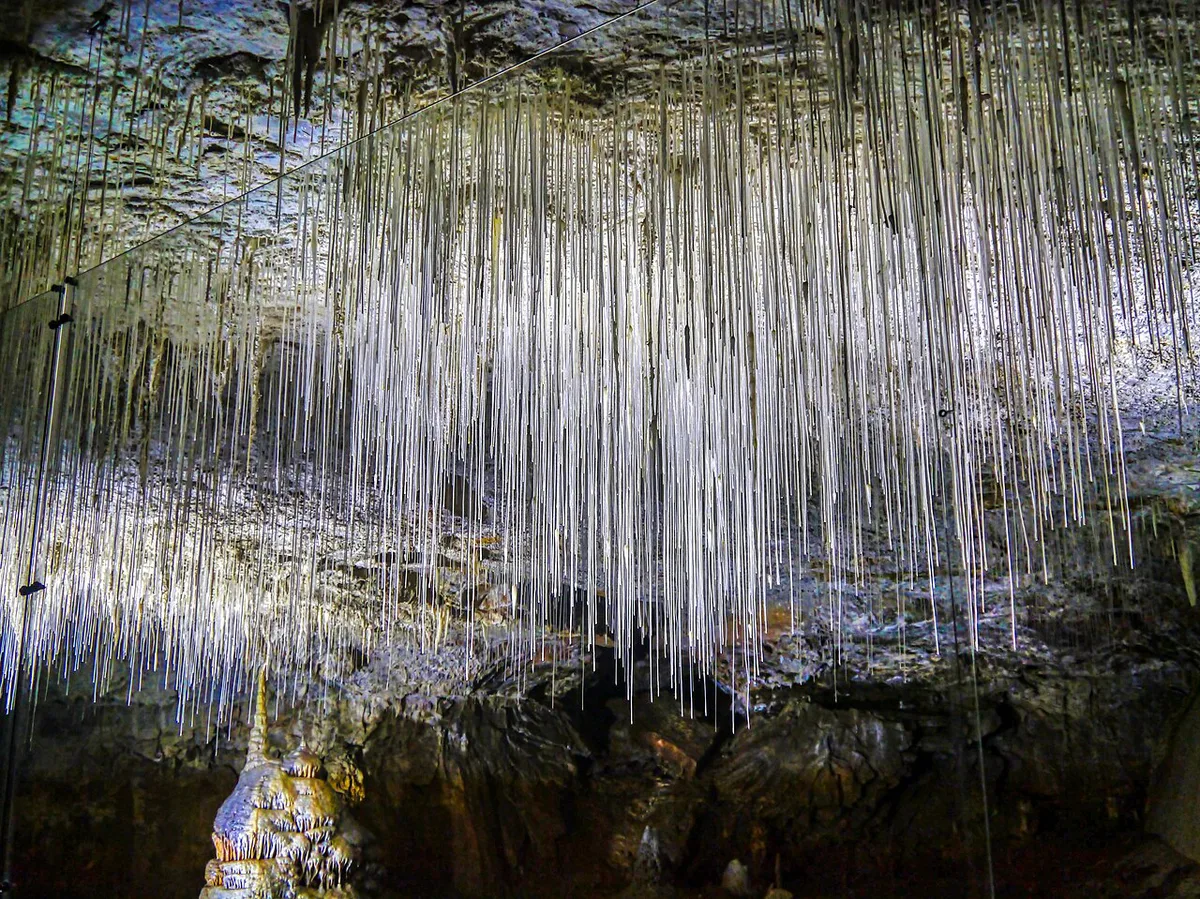
The visit is a guided walk through two levels. The upper level is a run of small chambers joined by steep passages. Here the guide points out "Madame", a stalactite of about 150 cm that is said to have taken 150,000 years to grow.
A short tunnel leads to the lower level, which is less rugged and opens into larger chambers. Underground streams run through this part of the cave. Guides show the musical stalactites, which are iron-rich deposits that can be tapped like a xylophone.
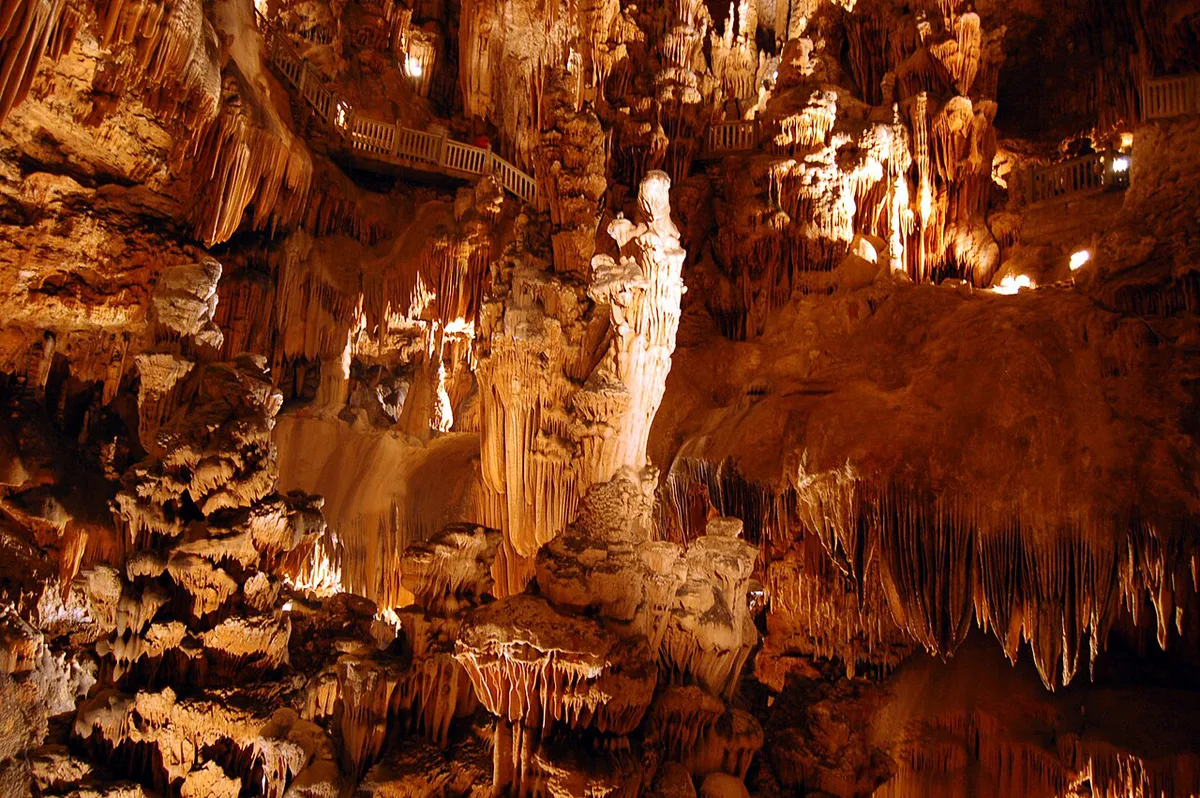
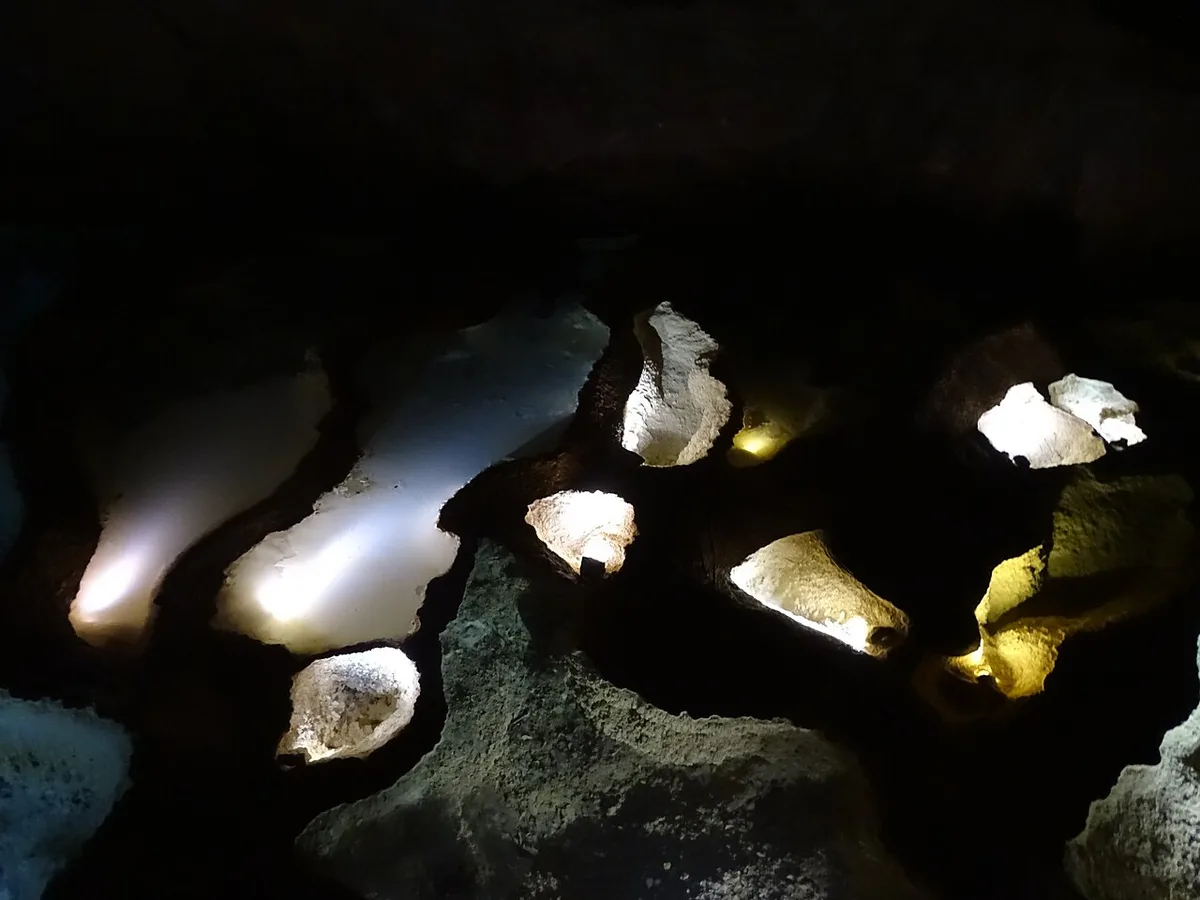
Lower down you also meet "Jules", a mass of deposits shaped like a skeleton, and a translucent alcove. The route ends at a vertical shaft where the underground stream heads toward a siphon. Dye tracing is reported to have linked that water to a resurgence at the Grotte de la Foux, about 5 km away. Guided visits run in French and English.
- Upper level: small chambers, steep passages, the "Madame" stalactite
- Lower level: larger chambers, underground streams, musical stalactites
- Features to look for: "Jules", the translucent alcove, the final shaft
Why the Cave Is Red and How It Formed
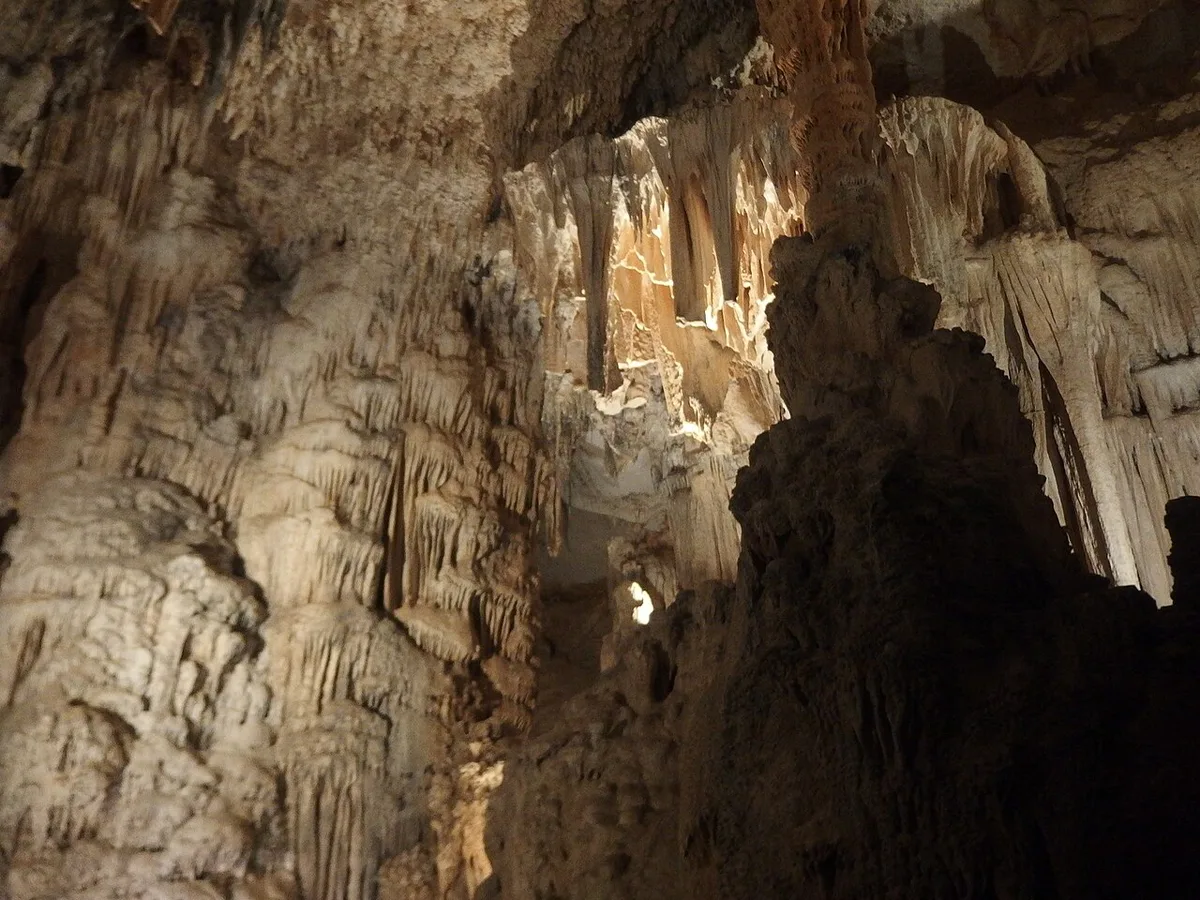
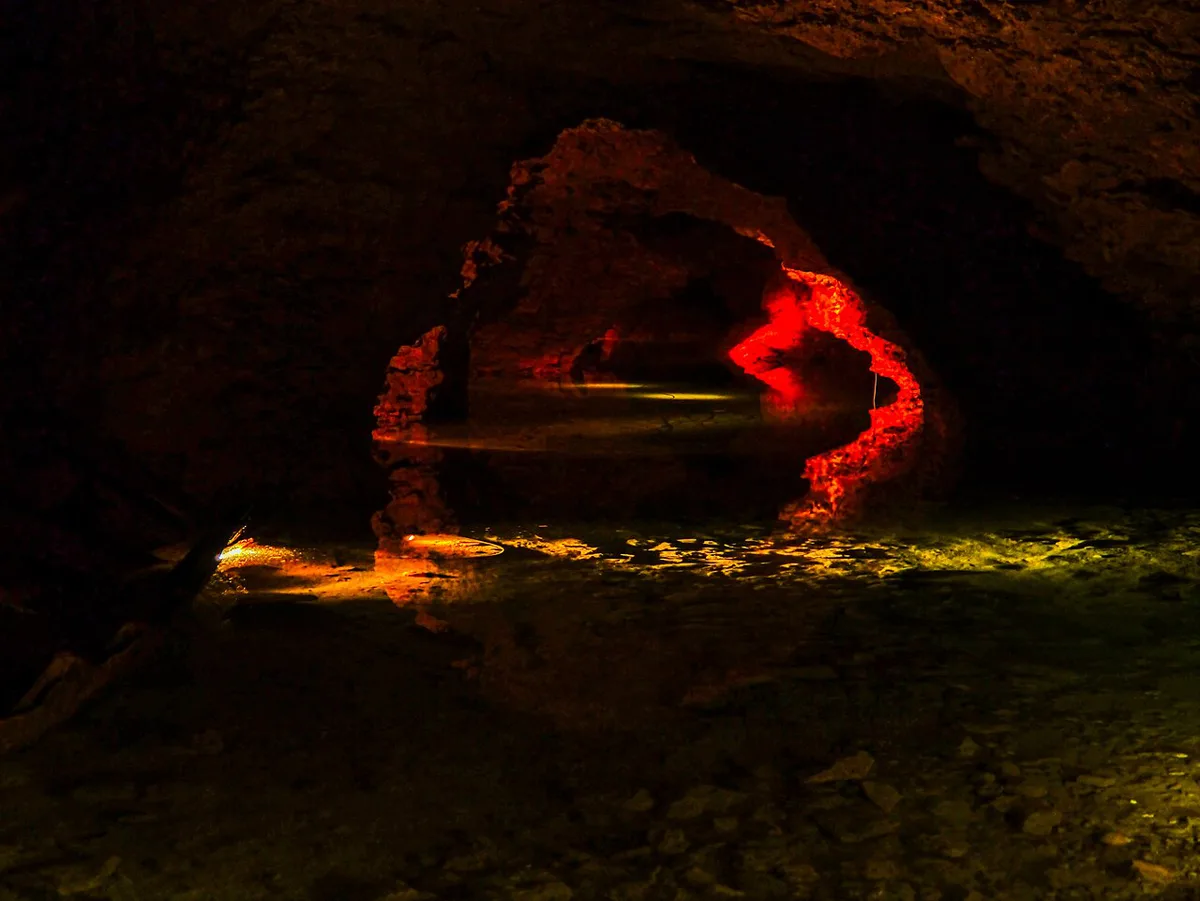
Water has dissolved and carved the limestone here over a very long time. Iron oxide in the deposits gives many formations a rusty, reddish tone. That colour sets this cave apart from the pale calcite you see in most show caves.
Published accounts disagree on the age of the cave and of the rock around it. Treat any single figure with caution. The guide on your tour is the best source for the geology.
Are the Grottes de Saint-Cézaire Worth Visiting?
Yes, if you want a short, guided underground visit within reach of Grasse, Cannes or Nice. It suits families with children who can handle steps. It also works as a cool break in summer or a dry one when the coast is wet.
Skip it if you dislike steep, narrow passages. Skip it too if you need step-free access, because the upper level relies on steep passages. Ask the venue about mobility before you drive up.
Travellers who want a bigger cave day should look elsewhere. The table below helps you route yourself without ranking the caves.
| Cave | Region | Best for |
|---|---|---|
| Grottes de Saint-Cézaire | Alpes-Maritimes, behind Grasse | Short guided visit from the Riviera coast |
| Clamouse show cave | Other region; see its guide | Travellers already based nearby |
| Grotte des Demoiselles: Visit Guide, Tickets and Tips | Other region; see its guide | Large-chamber visit on a longer trip |
| Dargilan cave | Other region; see its guide | Travellers touring inland France |
| Orgnac aven | Ardèche, far from Grasse | Bigger show-cave trip in the Ardèche |
Getting There and Parking
Saint-Cézaire-sur-Siagne sits inland from Cannes and behind Grasse. Most visitors start from Grasse, Cannes or Nice and drive. A car is the simplest plan, because the cave lies in the countryside outside the village centre.
Public transport is not something to rely on. Check the Côte d'Azur tourism site for regional bus options before you leave. A 2019 report describes free parking at the domaine, so ask when you book.
Tickets, Opening Hours and Booking
Hours and prices change by season, and no current figures are published here. Use the official Grottes de Saint-Cézaire site for tariffs, child and group rates, and booking rules.
Planning Your Visit: Time, Season and What to Bring
Inside, the cave temperature is reported to hold near 15°C all year. That feels cold after a Riviera beach in July. Bring a light jacket or sweater whatever the season.
Even on a hot Riviera day, the cave holds near 15°C, so pack a layer before you leave the car.
Wear closed shoes with grip, since steps and passages can be damp. Leave heavy bags in the car. Ask the venue for the current tour length so you can plan the rest of the day.
The cave works well in poor weather, because the tour is underground. Pair it with a lunch stop at the domaine, or with an afternoon in Grasse. Keep the plan to one town beyond the cave, since the drive takes up part of the day.
- Layers: a sweater or light jacket
- Footwear: closed shoes with grip
- Time: build in the drive from the coast, not just the tour
- Weather: suits both hot and rainy days
Eating and Extras at the Domaine
A 2019 report describes a restaurant with local produce and a tree-climbing course on the domaine. Services like these change, so ask the venue which ones run now. If the restaurant is open, booking ahead is wise.
A Short History of the Cave
Léon Dozol, a farmer, found a hole in 1888 while clearing a field for vines. He explored it by candlelight and opened the cave to visitors in 1900.
Part of the 1920 film Phroso was shot underground, and its strong lights showed how translucent the formations are. Electric lighting arrived in 1923. The cave is still private property of the Dozol family.
Mistakes to Avoid
A few small errors spoil this trip more than the cave itself.
- Arriving without checking seasonal hours on the official site
- Dressing for the coast instead of a cave at about 15°C
- Assuming same-day entry is always possible
- Treating it as a stand-alone stop with no driving plan
- Skipping the mobility question if anyone in the group struggles with steps
Notes for your next trip underground
Optional updates when we add or revise cave and underground guides.
More guides
More guides you'll find useful