How Cold Is It in a Cave? Temperatures and What to Wear
A direct answer on cave temperatures, why they stay stable year-round, and how to dress for show caves and wild caves in Europe.

Last updated November 2026. How cold is it in a cave? Usually cool and steady, and noticeably colder than the weather outside on a warm day. Each cave differs with depth, entrance size, water and altitude, so treat any single number as a guess and check the venue before you pack. This guide sits within our overview of caves in Europe.
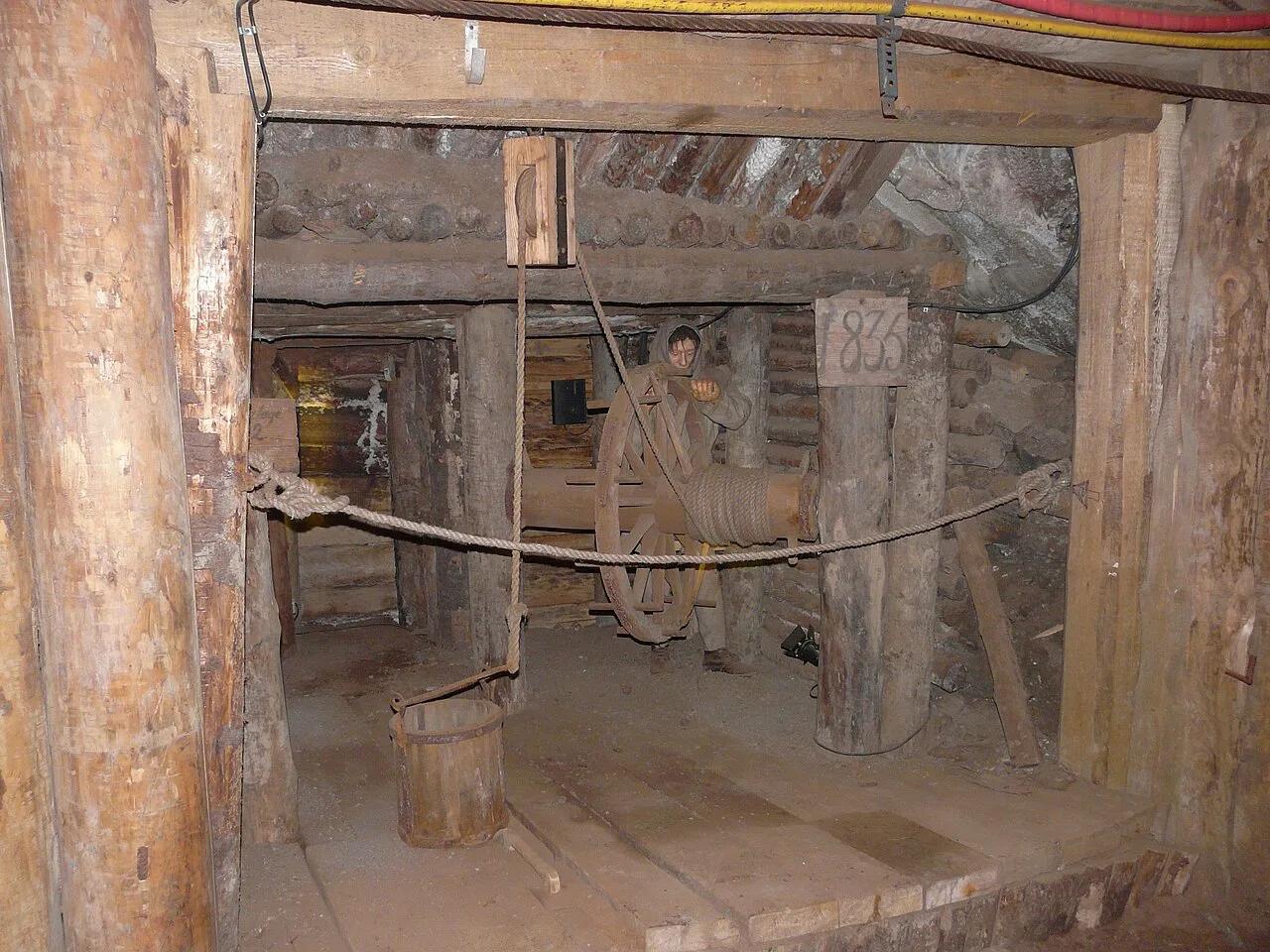
Featured image: Tóth András, CC BY 2.5, via Wikimedia Commons.
Quick answer: how cold is a cave?
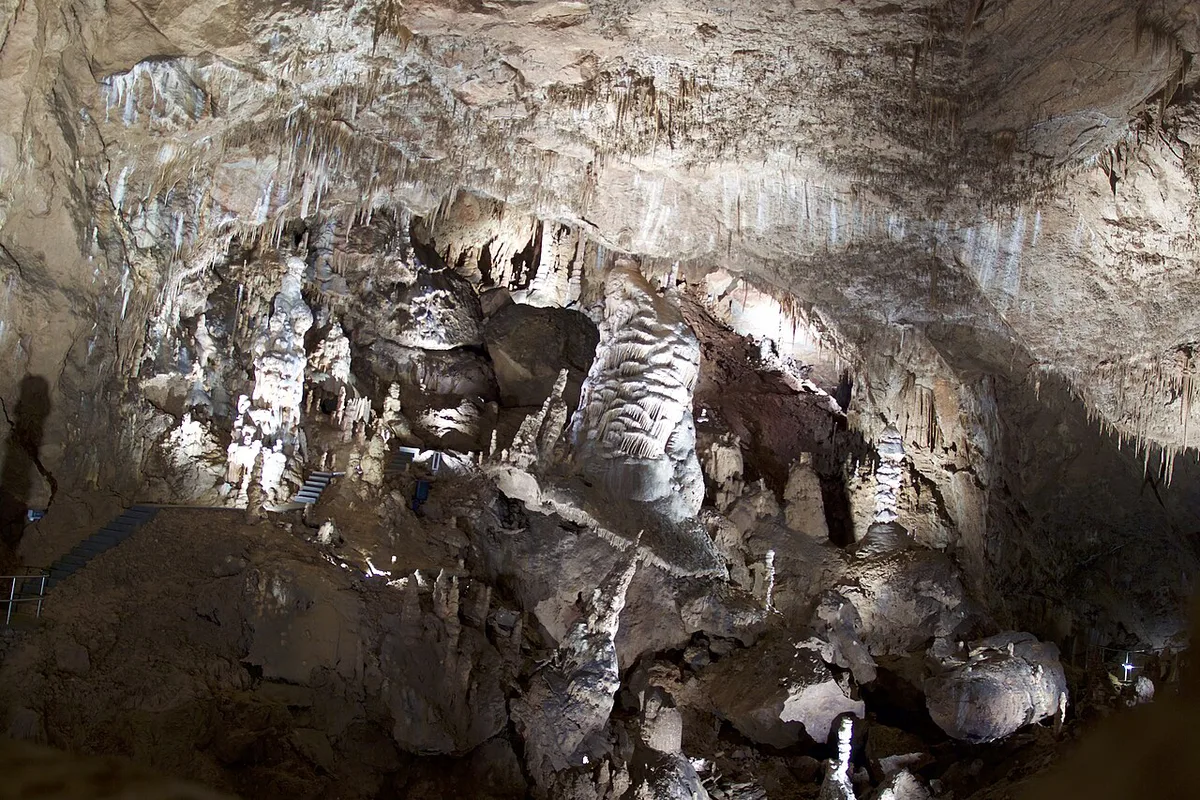
Most caves hold a fairly constant temperature close to the average year-round temperature of the surrounding surface. That is why they feel cool in summer and mild in winter. Operators publish their own figures, so look on the venue's page rather than relying on a general rule. Feeling cold is a separate matter from being cold. Damp air and moving air make a cave feel colder than a thermometer reading suggests.
Why caves stay cool and sometimes feel warm in winter
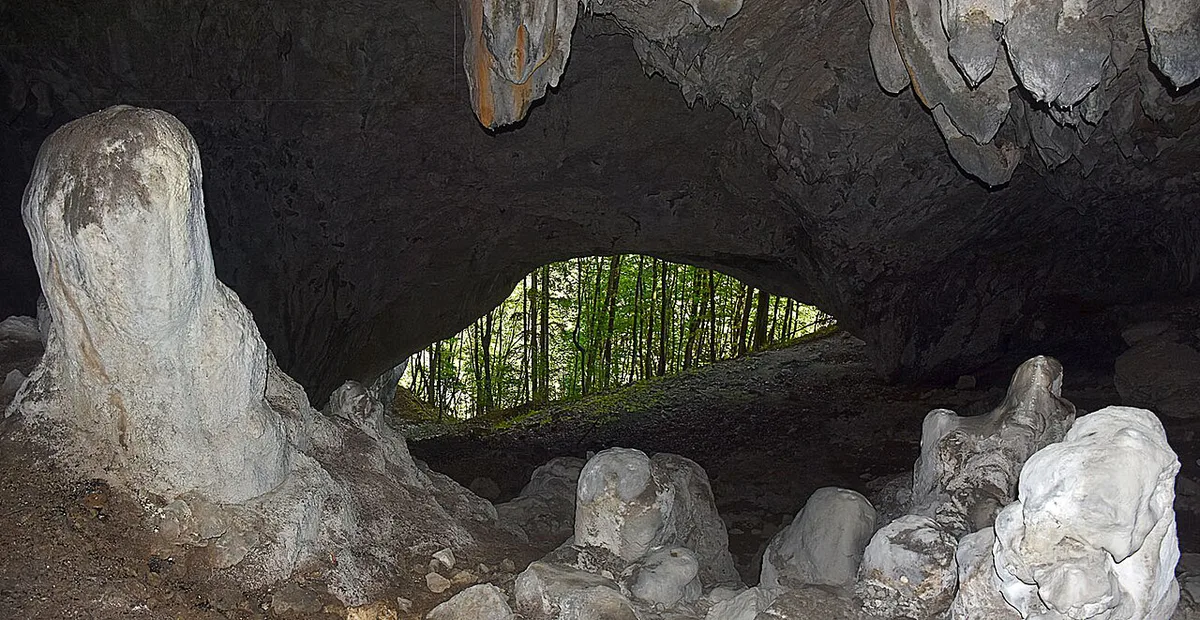
Rock and soil insulate the inside from daily weather. Sun, frost and rain barely reach a deep chamber, so the temperature changes slowly. In summer you step from hot air into a cool space. In winter the same space can feel gentler than freezing air outside. Air can also flow through a cave because of differences in temperature and pressure between inside and outside. Some entrances seem to breathe, with a steady draught that you can feel on your face.

What changes cave temperature: a decision table
Five features explain most differences between caves. Where a row says the figure varies, the operator's page is the reliable source. Sites such as Han-sur-Lesse publish their own visitor information.
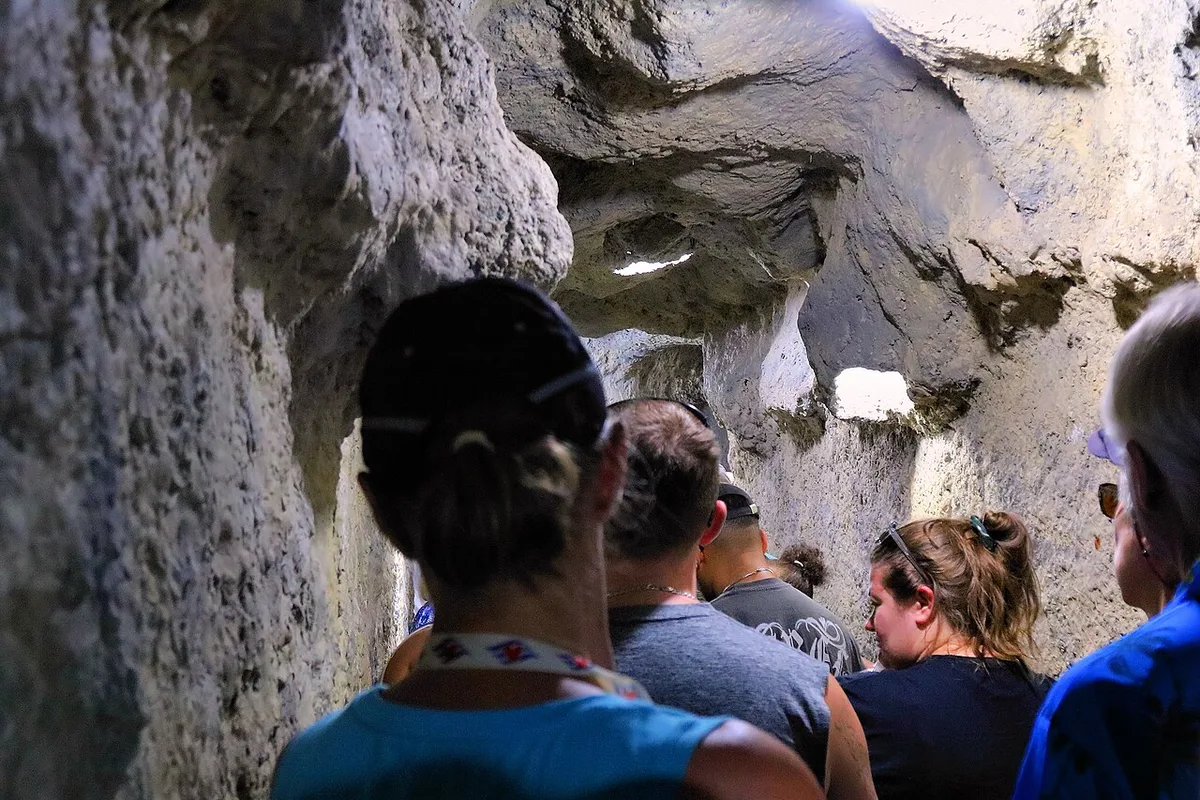
| Cave type | What affects temperature | How it feels | What to bring |
|---|---|---|---|
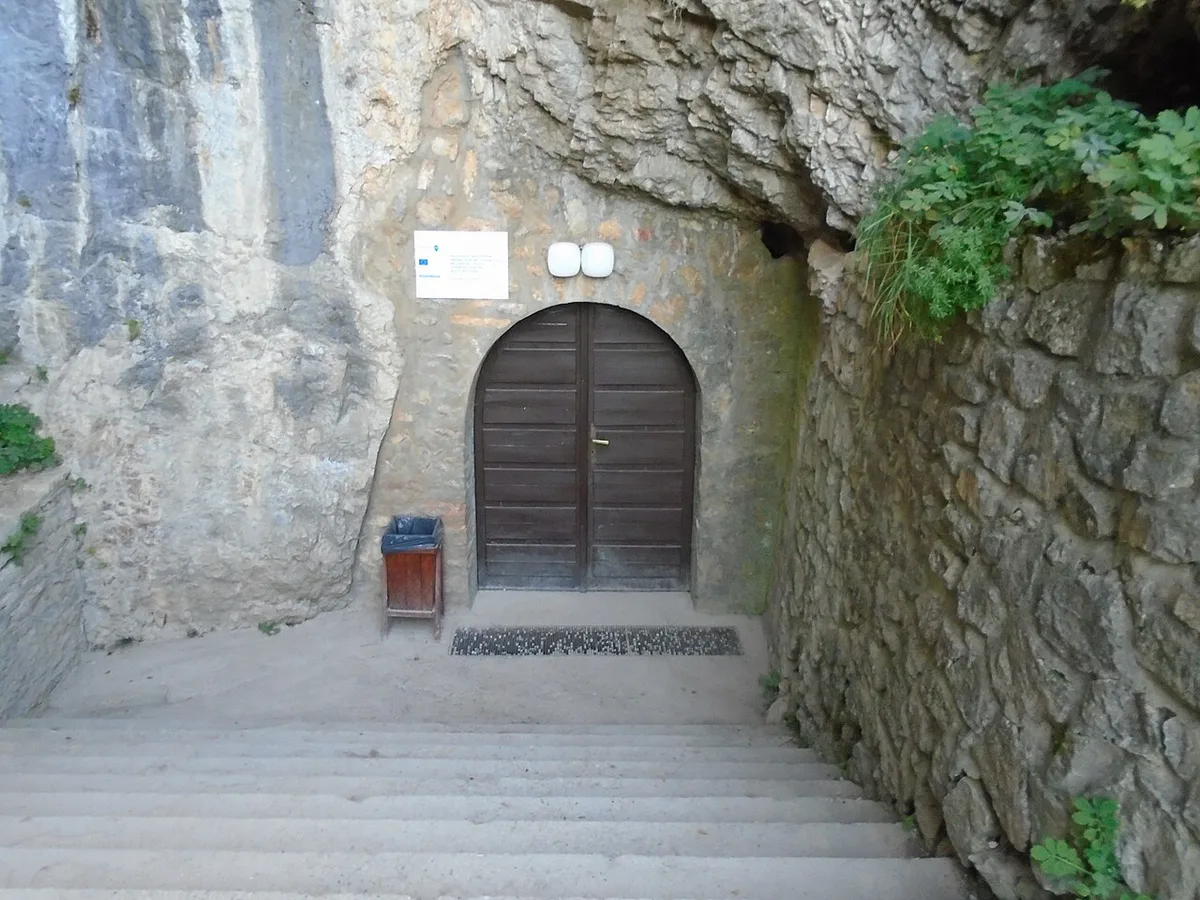
| Show cave with a paved path | Depth and ventilation; varies by venue | Cool and still, mild in winter | Light jacket, grippy shoes |
| Underground lake or boat tour | Water and humidity; varies by venue | Colder and damper | Warm layer, windproof top |
| Wild or guided caving trip | Wet, crawling, long time inside; varies by venue | Cold once wet, warm while moving | Provided gear plus a dry change |
| High-altitude or ice cave | Altitude and ice; varies by venue | Can be much colder | Insulated layers, gloves |
| Large entrance hall with a draught | Follows outside weather more | Closer to outdoor conditions | Windproof layer |
Cold vs comfort: season and time in the cave
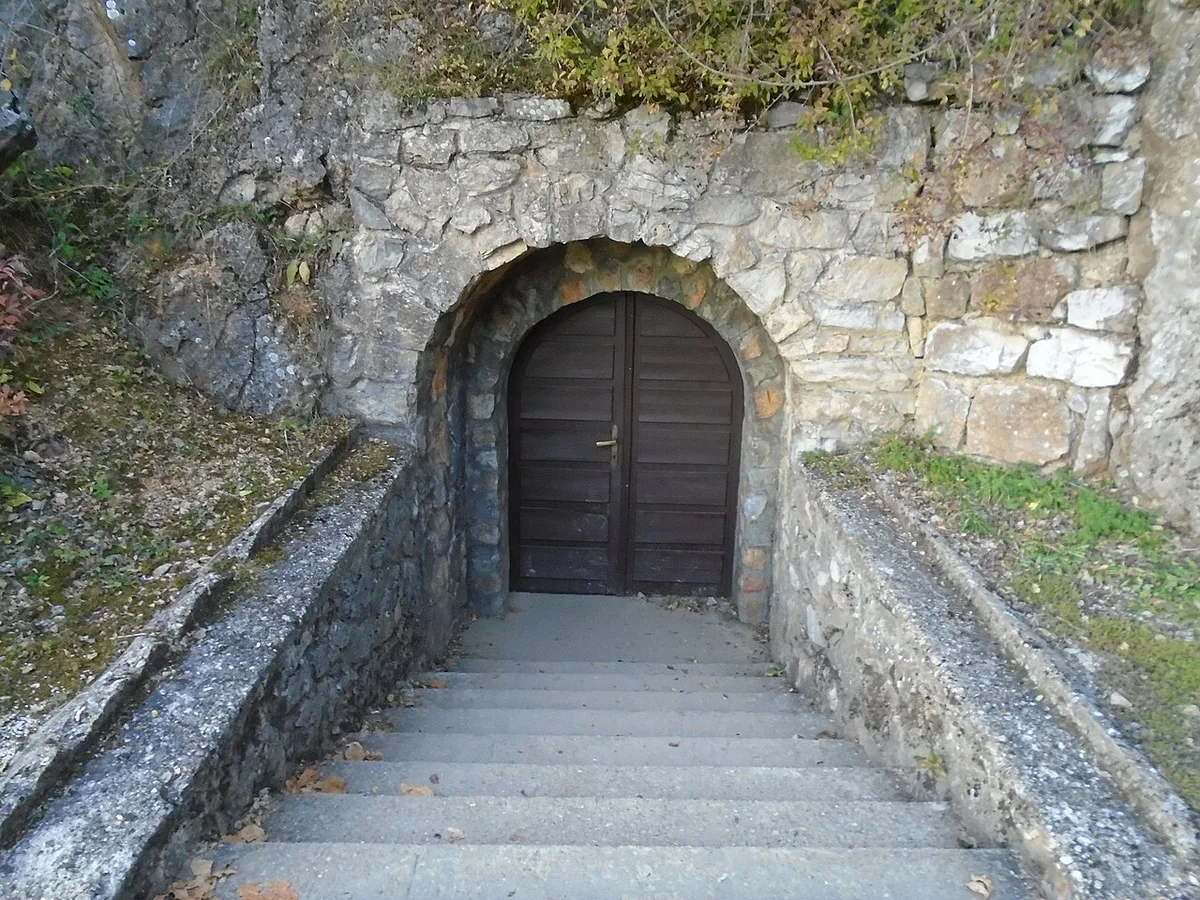
Summer gives the biggest contrast, because you walk from sun into cool rock. Winter can feel milder underground than outside. Time matters as much as season. A 45-minute tour on a paved path asks little of you. A multi-hour trip asks far more, because standing still chills you faster than moving. Wet clothing makes everything worse. Water caves, covered in our guides to Underground Lakes in Europe: Where to See Them and cave boat tours, feel colder than dry ones.
What to wear and bring
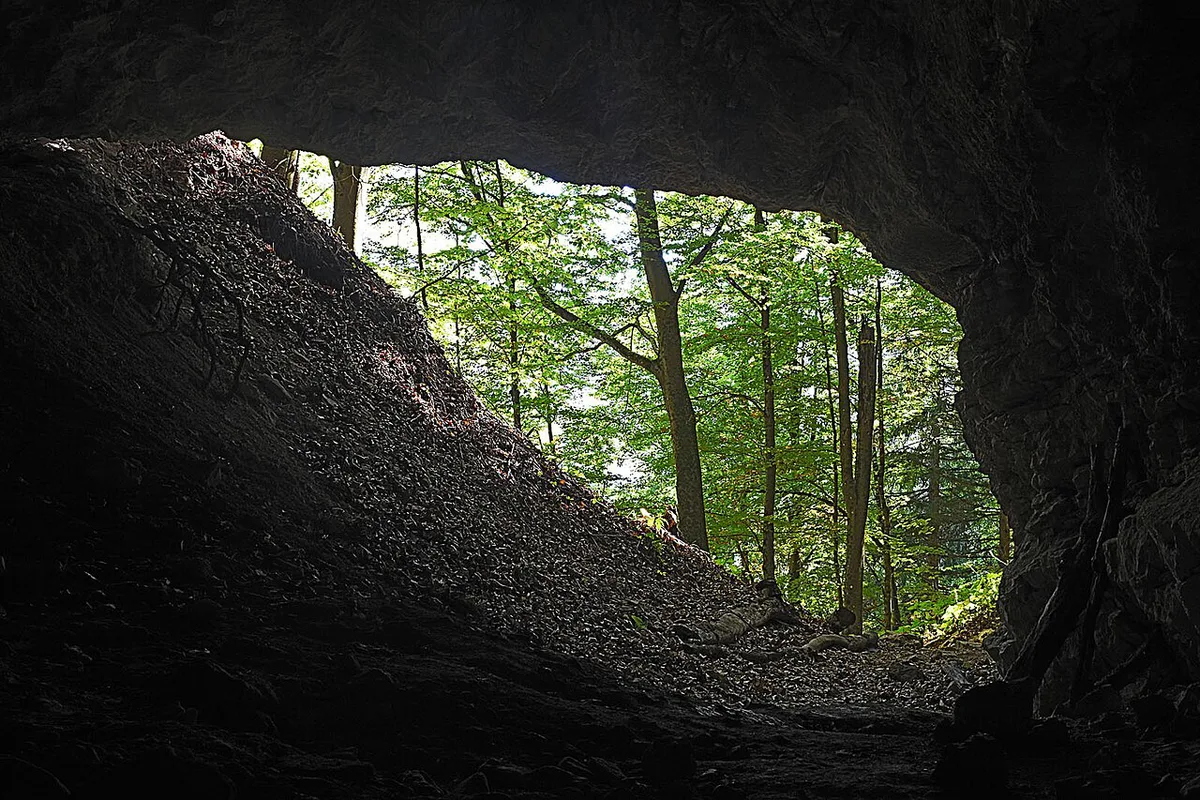
Dress in layers so you can add or remove one. Choose shoes with grip, since paths are often wet. Pack a dry top for the trip back, and thin gloves if you will grip cold handrails. Full detail is in our guide on What to Wear in a Cave: Europe Checklist by Cave Type. Some venues lend jackets and set age limits, so read the venue page. Operators set footwear rules too, as at Grotta Gigante. The right choice also depends on format, which our What Is a Show Cave? Show Caves vs Wild Caves Explained comparison explains.
- Mistake to avoid: dressing for the weather outside instead of the cave.
- Mistake to avoid: wearing cotton or wet shoes.
- Mistake to avoid: skipping a dry layer for the trip back.
When cold becomes a safety issue
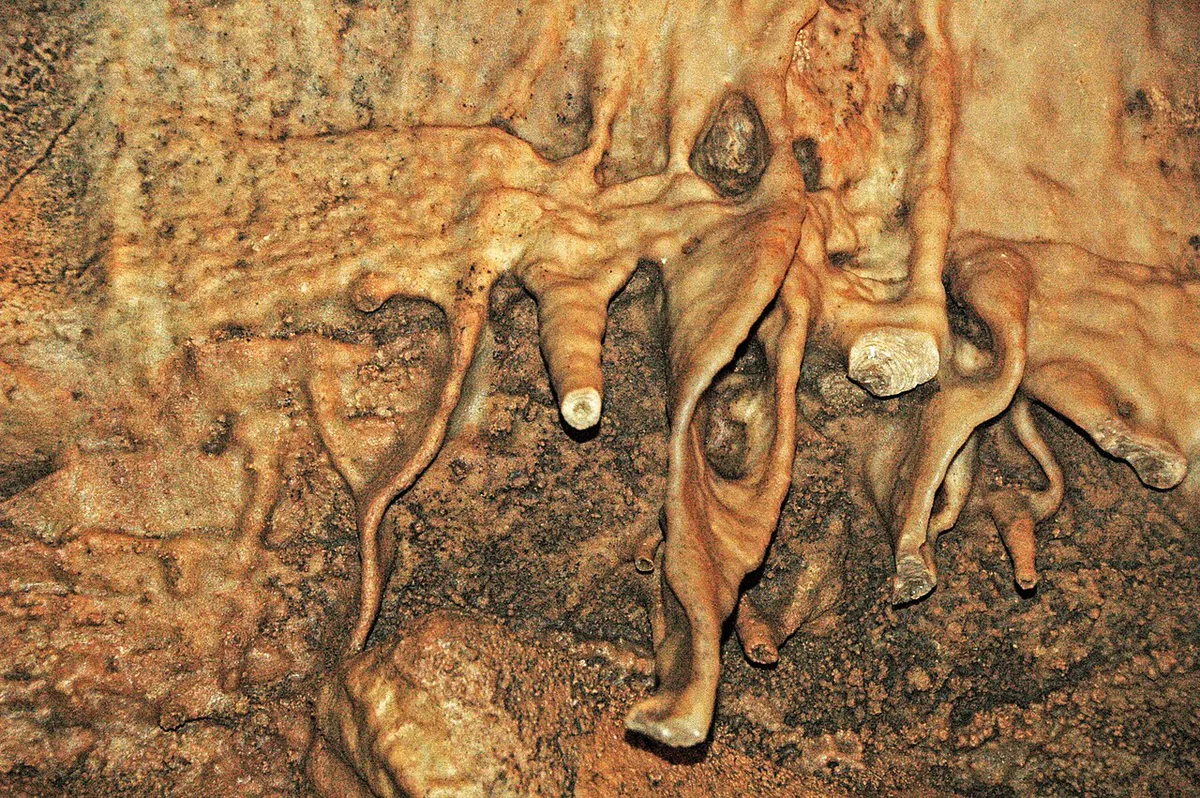
Wet clothing, long delays and no phone signal turn mild cold into a real problem. Underground, a late exit means longer exposure. This is general caution, not medical advice. Small children, older visitors and people with circulation or breathing conditions should ask their doctor and the venue first. Wild caves call for a guide, and our Caving in Europe: Show Caves vs Real Caving Guide page covers guided trips.
Before You Go: Check the Cave’s Own Conditions
Check the venue’s visitor page before booking. Cave temperature alone does not tell you how the visit will feel. A 45-minute paved tour needs less preparation than a multi-hour guided caving trip, especially when water or crawling is involved.
Use the five cave types in the comparison table as a quick starting point. Then read the operator’s stated temperature, tour duration, footwear rules, jacket policy and any age limits. These details matter more than a general estimate for cave temperature.
Ask whether the route includes a boat, underground lake, exposed entrance hall or sustained draught. A water-based tour can feel damper, while a large entrance may be closer to outdoor conditions. Bring a dry layer for the journey back if the route may leave clothing damp.
Notes for your next trip underground
Optional updates when we add or revise cave and underground guides.
More guides
More guides you'll find useful