Grutas de Mira de Aire: Visit Guide & Planning Tips
Plan Grutas de Mira de Aire: how to get there, what the route covers, how much is open, who should skip it and which nearby caves to compare.
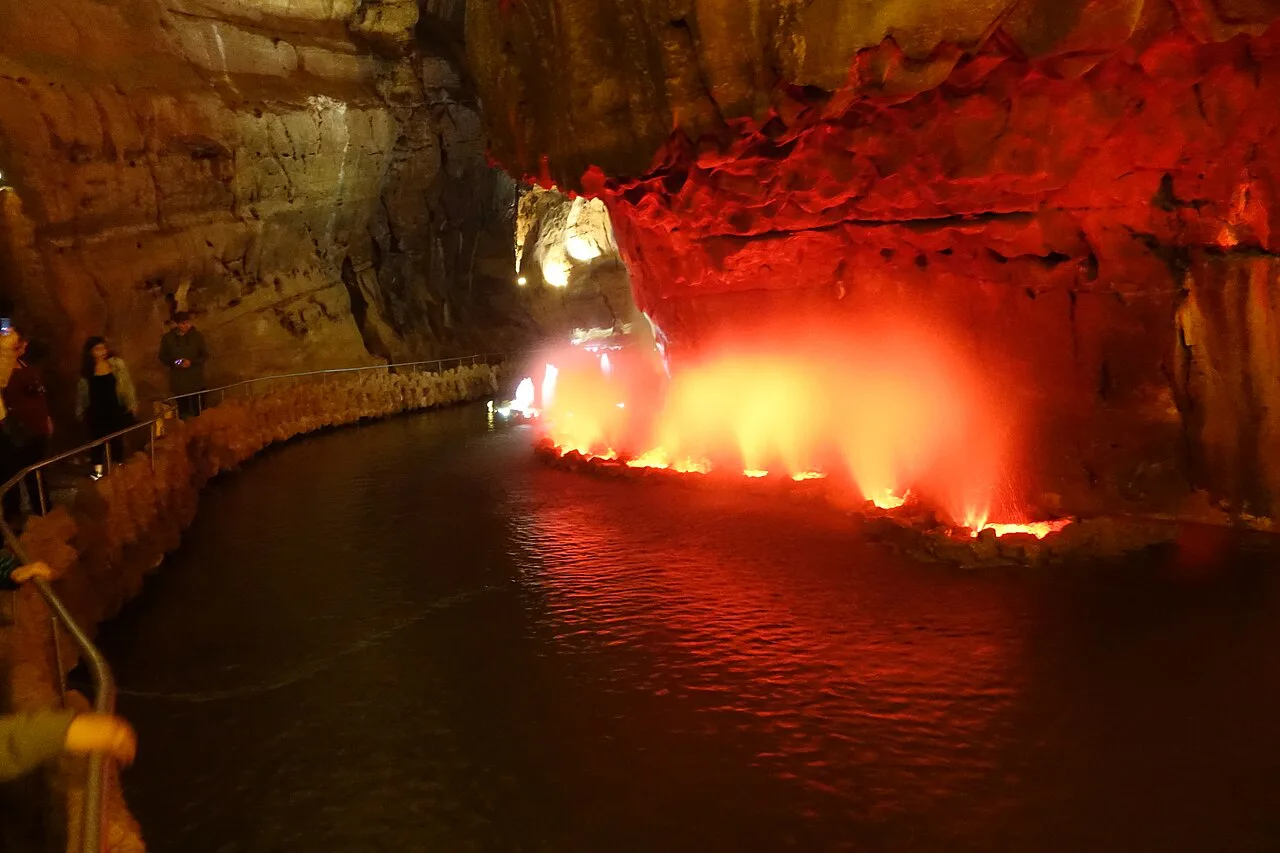
Last updated November 2026. Grutas de Mira de Aire is Portugal's largest show cave, set in the Serras de Aire e Candeeiros Natural Park in Porto de Mós municipality. Only about 600 m of roughly 11 km of known galleries are open, and the route descends by stairs. It suits geology fans, families and rainy-day itineraries, while our guide to Portugal's show caves helps you compare the alternatives.
Featured image: Joseolgon, CC BY-SA 4.0, via Wikimedia Commons.
Grutas de Mira de Aire at a glance
Two locals first went down to a gallery about 20 m deep in 1947. Public visits began in 1974. Some sources spell the name Mira d'Aire, and English-language pages often say Mira de Aire Caves. Here is the quick profile.
- Location: Serras de Aire e Candeeiros Natural Park, Porto de Mós municipality, near the village of Amiais de Baixo.
- Known galleries: about 11 km, including roughly 1 km found in 2007 when the water level dropped.
- Open to visitors: about 600 m, entered by descending stairs.
- Great Hall: reported at over 110 m below the surface.
- Best for: geology fans, rainy-day plans, families with children who handle stairs.
- Skip if: stairs, damp floors or enclosed spaces are a problem for you.
Is it worth it? Who should go and who should skip
Go if you want a big, well-lit underground route in central Portugal. Families, geology fans and anyone with a rainy afternoon to fill will get the most from it. Set expectations honestly: you walk about 600 m of an 11 km system, so this is a deep, staged visit rather than an exploration. Skip it if steep stairs, claustrophobia or a very short itinerary make an underground detour a poor trade. Travelers who only want a quick look may prefer a smaller cave, such as the nearby Alvados caves.
Getting there from Fátima, Lisbon, Porto and Leiria
Plan on driving. One reference puts the trip from Cascais at about 1 h 37 min, which gives a rough sense of a Lisbon-side day trip. We have no verified drive times for Fátima, Porto or Leiria, so check a live route planner for your departure time. Pilgrims and day-trippers based at Fátima can pair the cave with other show caves around Fátima. Visitors based in the capital should read the cave options from Lisbon before committing a full day. Bus and train links are not confirmed here, so do not plan around them without checking.
Tickets, opening hours and booking
We have no confirmed 2026 ticket prices, seasonal hours or last-entry times for the cave. The official Grutas de Mira de Aire site lists current prices, hours and any online booking. Hours vary by season, so check them before you set out.
What you'll see underground
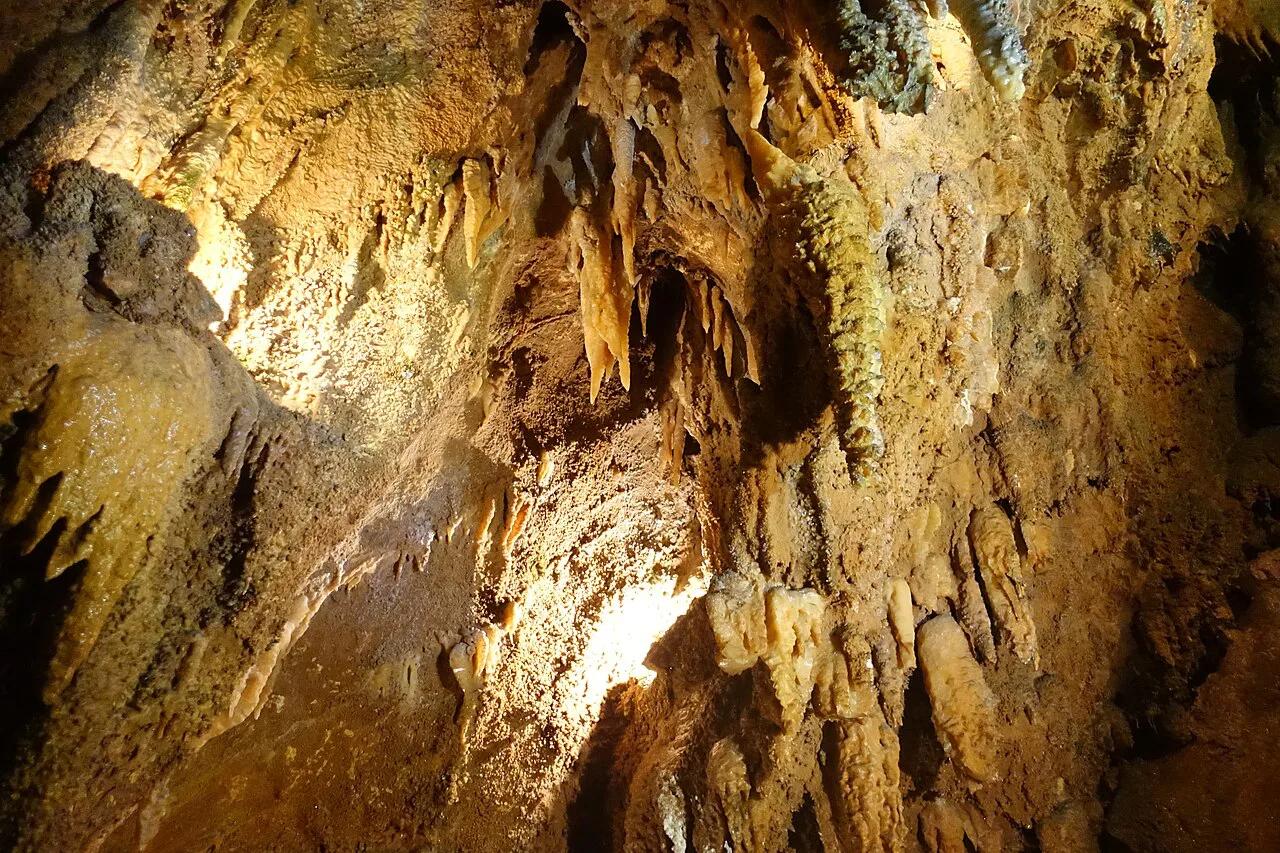
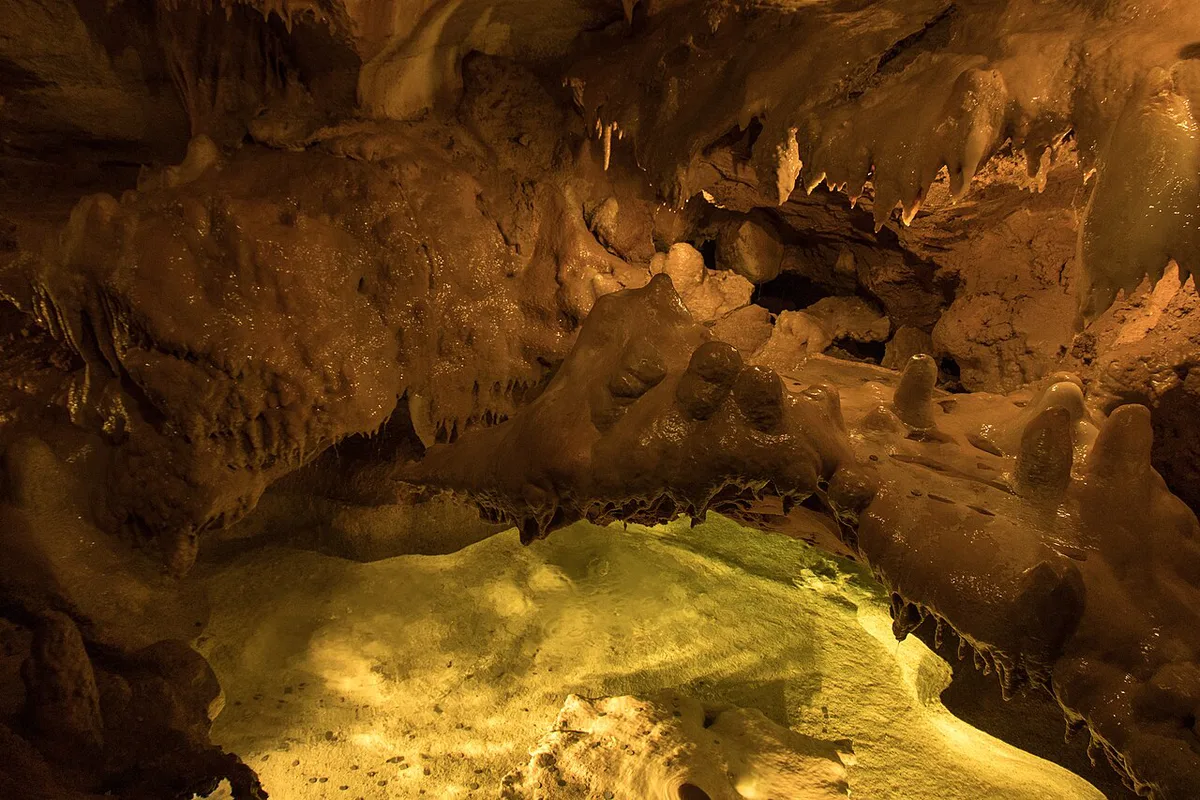
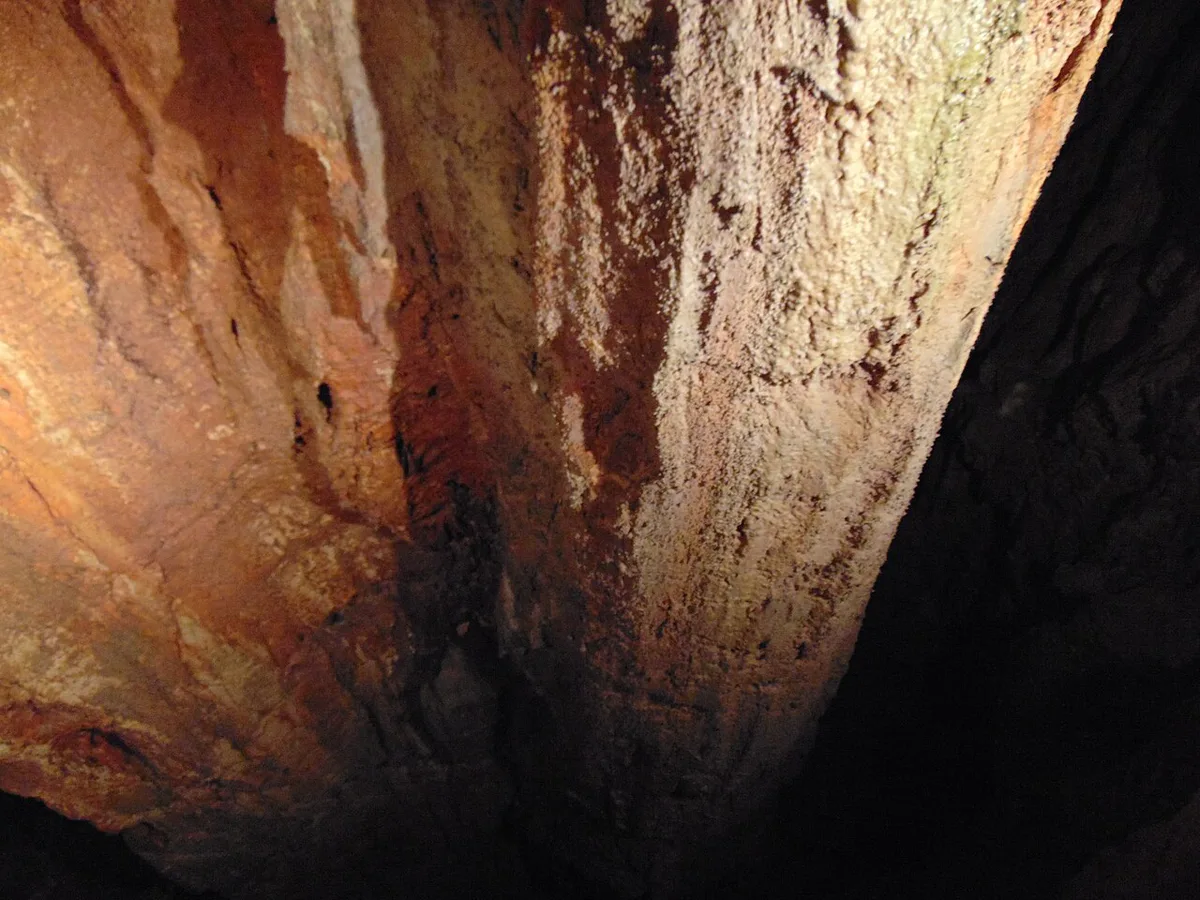
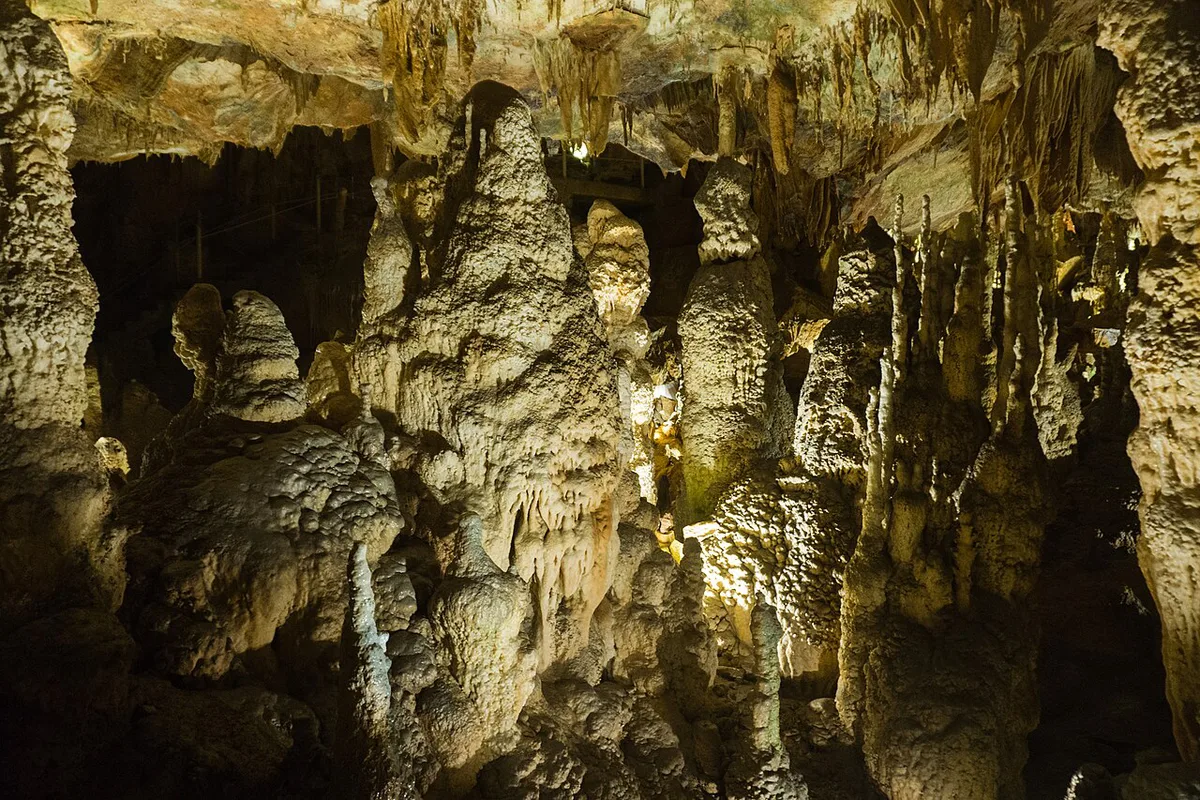
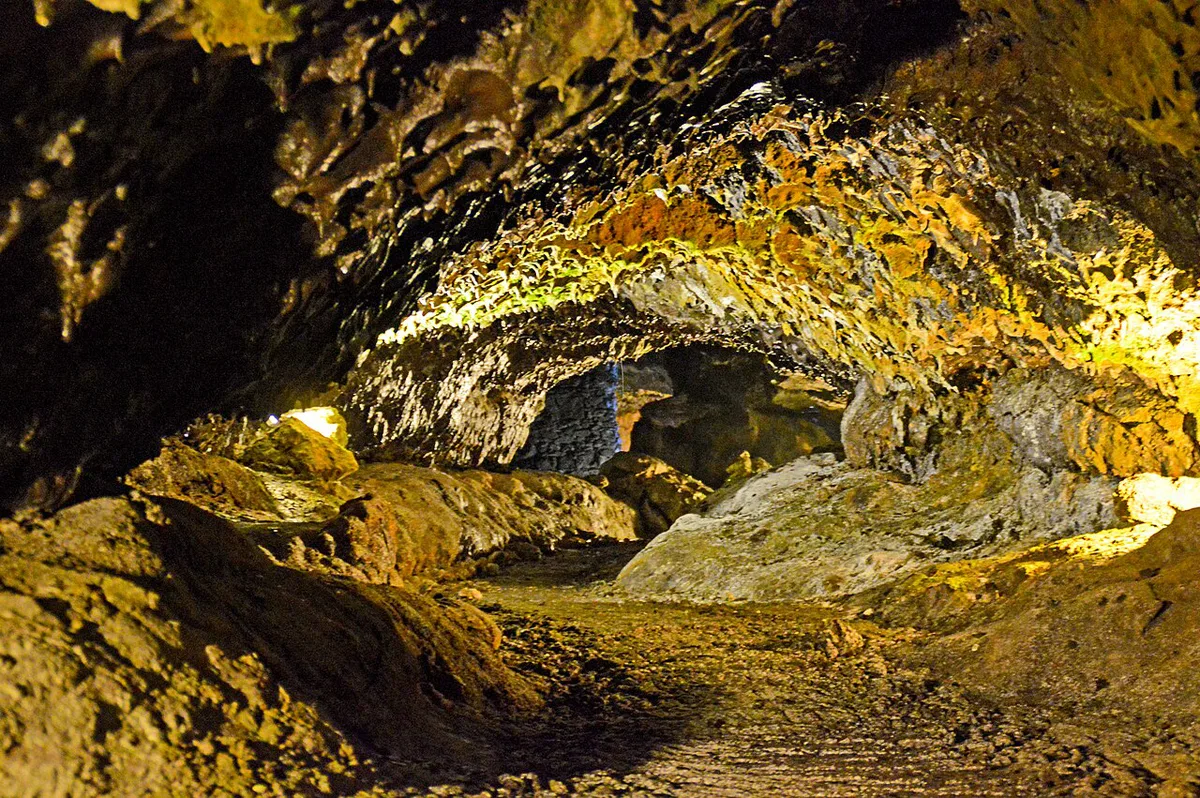
The route starts at the surface and goes down by stairs into the cave. Reports place the Great Hall over 110 m below the surface. A long end gallery reaches a lake that one guide puts more than 100 m underground. Those two depths may be measured differently, so treat both as approximate. Stalactites and stalagmites decorate the galleries, and the 2007 discovery of about 1 km of extra passages shows the system is still being mapped. Expect a cool interior even in summer, plus damp surfaces in places.
How long to allow, and when to go
A published visit duration is not confirmed, so allow a comfortable block for the descent, the walk and the climb back, plus parking and a stop at the entrance facilities. Underground temperatures stay cool all year, which makes the cave a sensible wet-weather or hot-day choice. Popular periods are likely to be busier, so aim for early or late in the day if you dislike crowds. For a half-day plan from Fátima, pair the cave with a short stop in town. The Sanctuary of Fátima is the pilgrimage site where visions were reported in 1917.
Accessibility and what to bring
Access is the main item to confirm. The route descends by stairs, and some guides mention ramps and handrails in parts, while others warn that sections are hard for limited mobility. Contact the cave before you go if you use a wheelchair or pushchair. Bring a jacket, since the interior stays cool in summer. Wear comfortable shoes with grip for damp floors.
- Mistake: arriving without a jacket and being cold below ground.
- Mistake: wearing smooth soles on wet steps.
- Mistake: assuming the whole 11 km is open, when only about 600 m is.
- Mistake: turning up without checking the season's hours.
The natural park around the cave
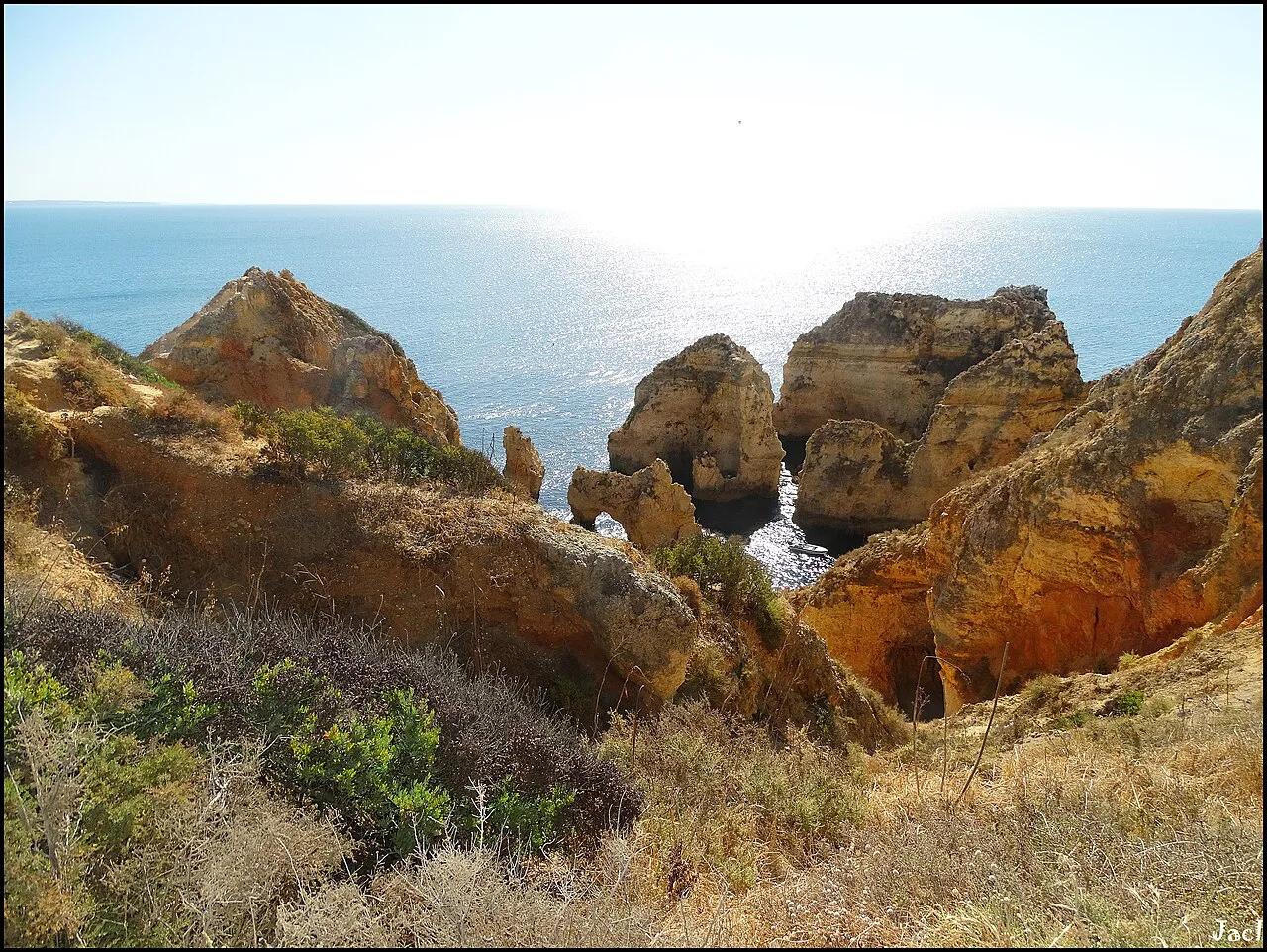
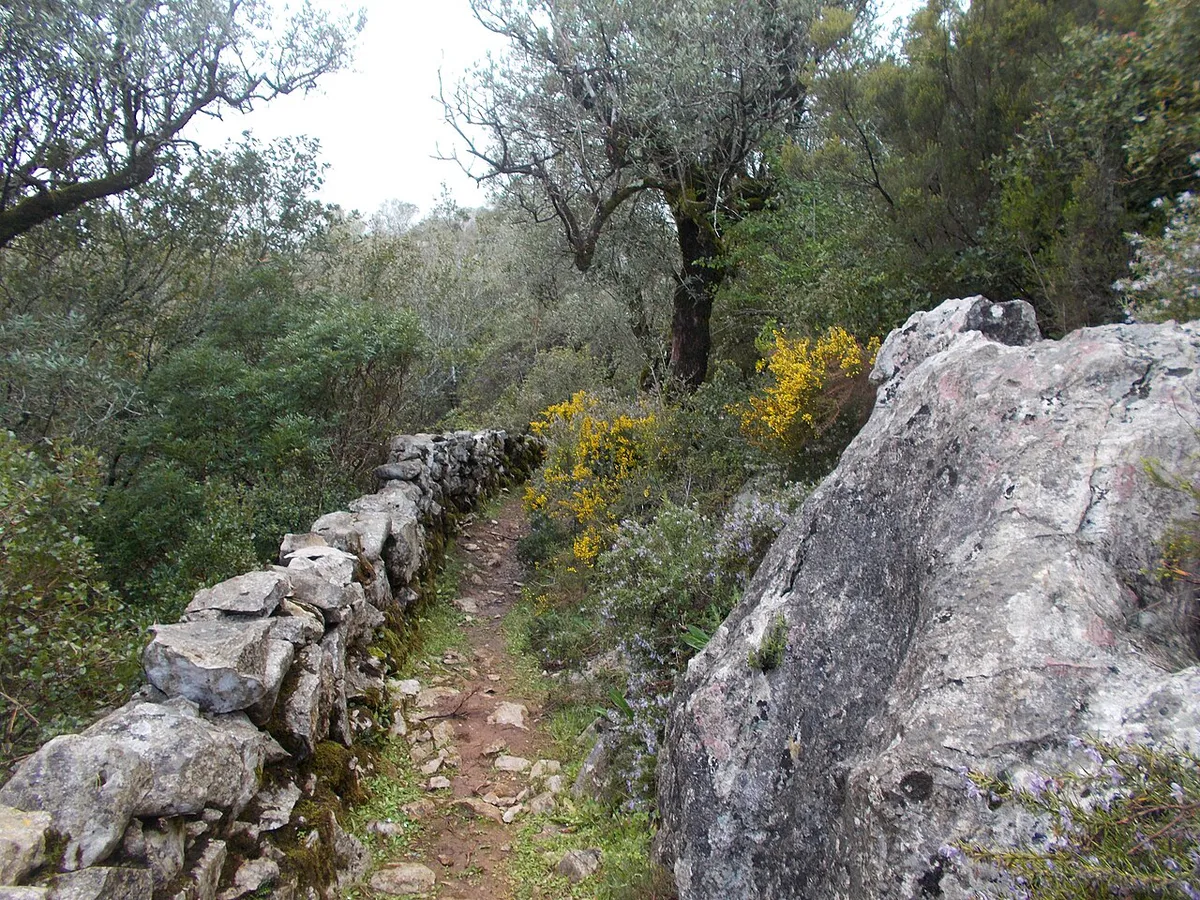
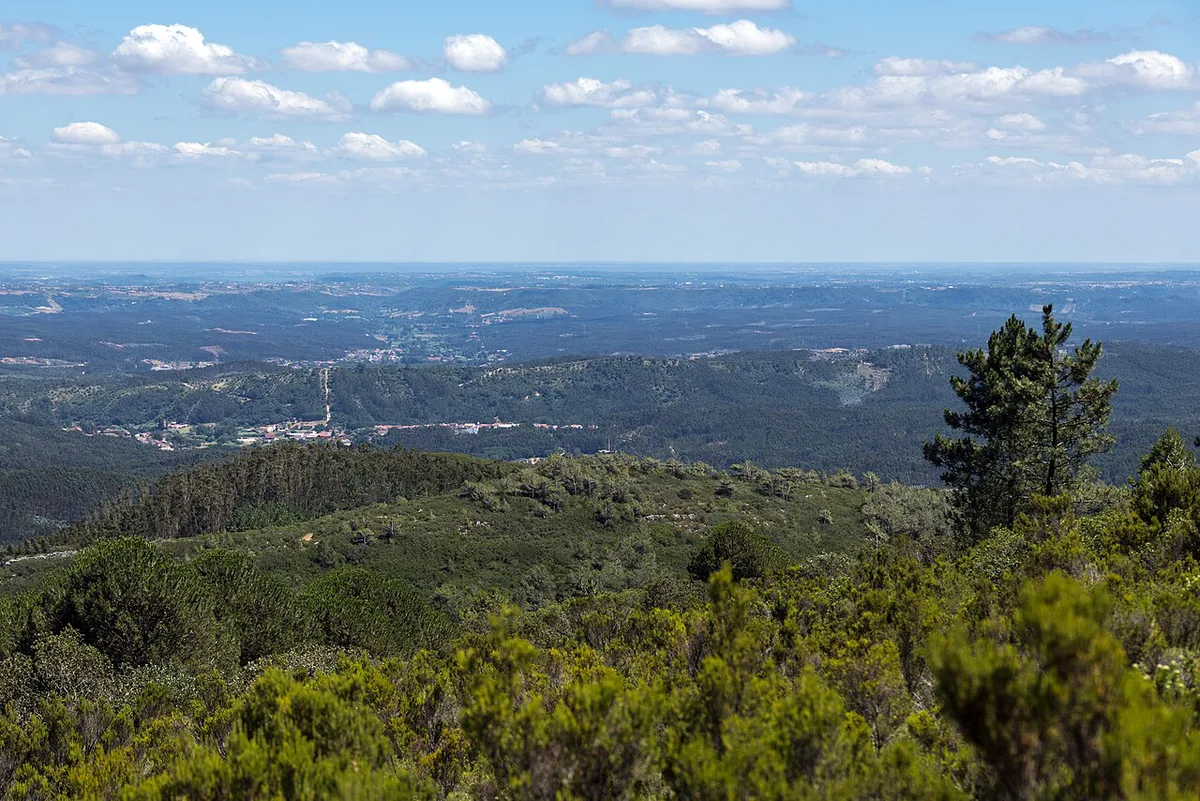
The cave sits inside the Serras de Aire e Candeeiros Natural Park, a protected limestone landscape that one visitor guide puts at more than 390 square kilometers. Dry stone walls, olive groves, valleys and limestone peaks define the scenery, and the park is described as good for hiking, biking, birdwatching and picnics. Some trails are said to pass dinosaur footprints. We have not confirmed which routes or where, so ask at the cave or a local tourist office for a current trail map before you plan a walk around it.
A short stroll above ground is a good counterweight to the cool, damp interior. It also gives the karst landscape some context for what you saw below, since the same limestone that shaped the surface hills holds the galleries underneath.
What forms and lives underground
Visitor guides describe slender, spaghetti-like stalagmites and opalescent rock alongside the stalactites and stalagmites that build up as water drips through limestone over millennia. The system is also said to shelter cave-adapted wildlife. Sources name an endemic ground beetle, Trechus lunai, and a cave spider, Nesticus lusitanicus. You are unlikely to spot either from a lit tourist path, so treat them as background rather than a sight to hunt for.
Keep to the marked route and avoid touching formations. Skin contact can mark the surface, and the galleries are part of a protected natural park.
Combine it with nearby stops
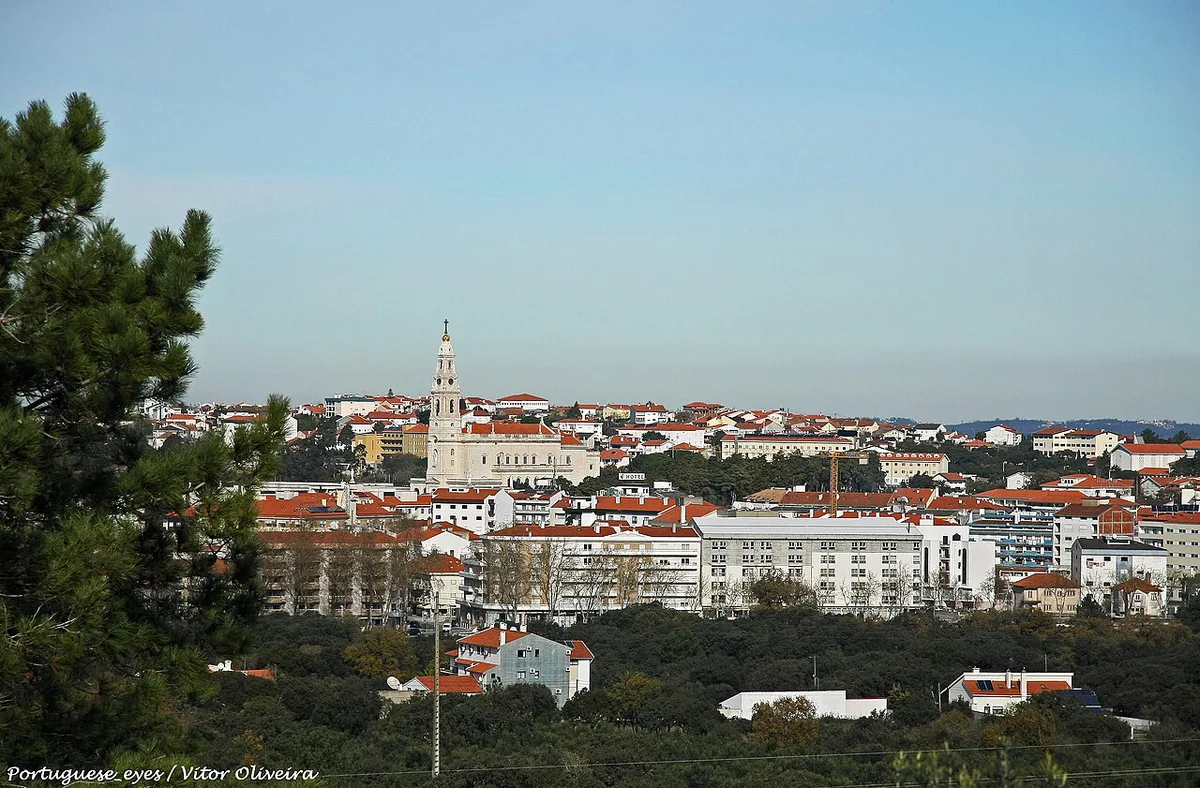
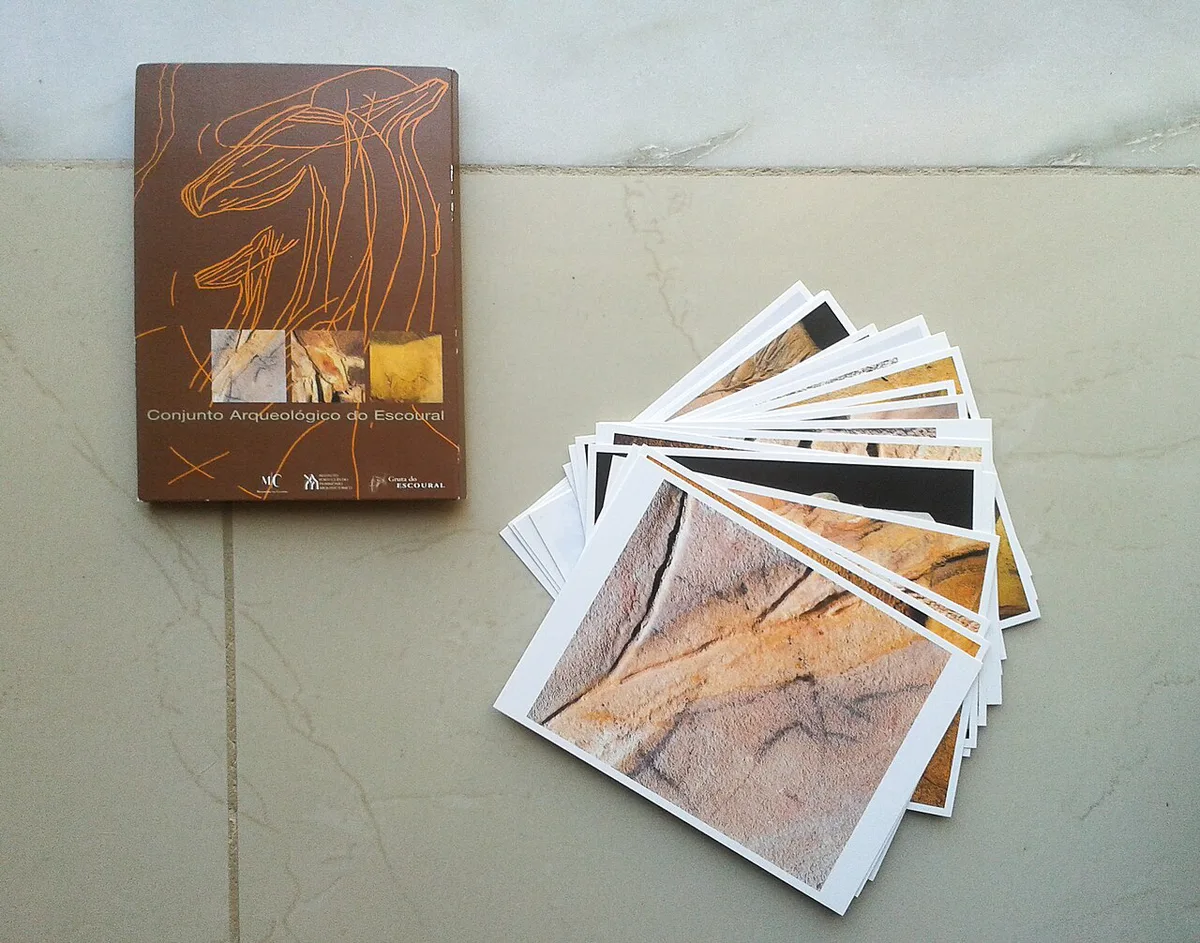
Alcobaça, Batalha, Óbidos and Nazaré all sit in the same part of central Portugal, and Fátima is the closest large stop. Among caves, Moeda caves and the Alvados caves are the nearest comparisons. Further afield, the Escoural cave, the Enxofre cave and Madeira's São Vicente caves are separate trips, not add-ons. Check Visit Madeira if that island is on your route.
| Cave | Where it fits | Use it when |
|---|---|---|
| Grutas de Mira de Aire | Serras de Aire e Candeeiros, Porto de Mós; about 600 m open of 11 km | You want Portugal's largest show cave |
| Alvados caves | Nearest alternative; see our guide | You want a second or smaller cave |
| Moeda caves | Nearest alternative; see our guide | You are staying around Fátima |
| Escoural, Enxofre, São Vicente | Far from Mira de Aire | Only as separate trips |
Notes for your next trip underground
Optional updates when we add or revise cave and underground guides.
More guides
More guides you'll find useful