Hellfire Caves, West Wycombe: Visitor Guide, History & Tips
Plan a visit to the Hellfire Caves in West Wycombe: what you'll see, access, tickets, getting there, and the history behind the legend.
Last updated November 2026: the Hellfire Caves are a man-made chalk cave system at West Wycombe in Buckinghamshire, dug in the mid-18th century for Sir Francis Dashwood. Tradition links them to the Hell-Fire Club, although no reliable record shows what the club did underground. A visit suits history and folklore fans who can handle cold, dim, uneven passages, and our guide covers the practical details first.
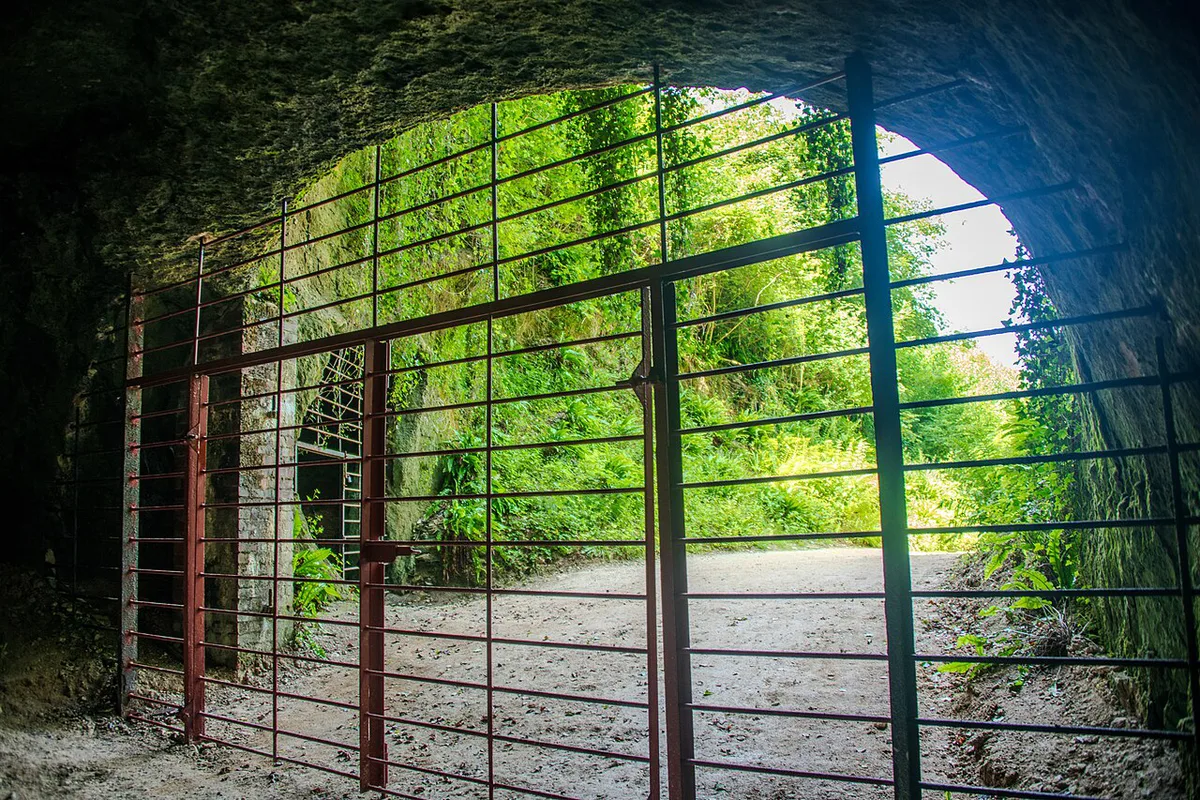
Featured image: Scott Wylie, CC BY-SA 4.0, via Wikimedia Commons.
Hellfire Caves at a Glance
Use this summary to decide quickly whether the caves fit your day. Dates differ by source: the official site gives 1748–54 for the digging, while Subterranea Britannica places the work in the 1740s. Writers therefore often say "mid-18th century" for safety.
- Location: West Wycombe, Buckinghamshire, cut into the chalk of West Wycombe Hill.
- What it is: a former chalk quarry extended into tunnels and chambers for Sir Francis Dashwood.
- Route highlights: the River Styx and the Inner Temple.
- Conditions: underground, cold, damp, low light and uneven floors.
- Booking: opening days, ticket tiers and event dates sit on the official site.
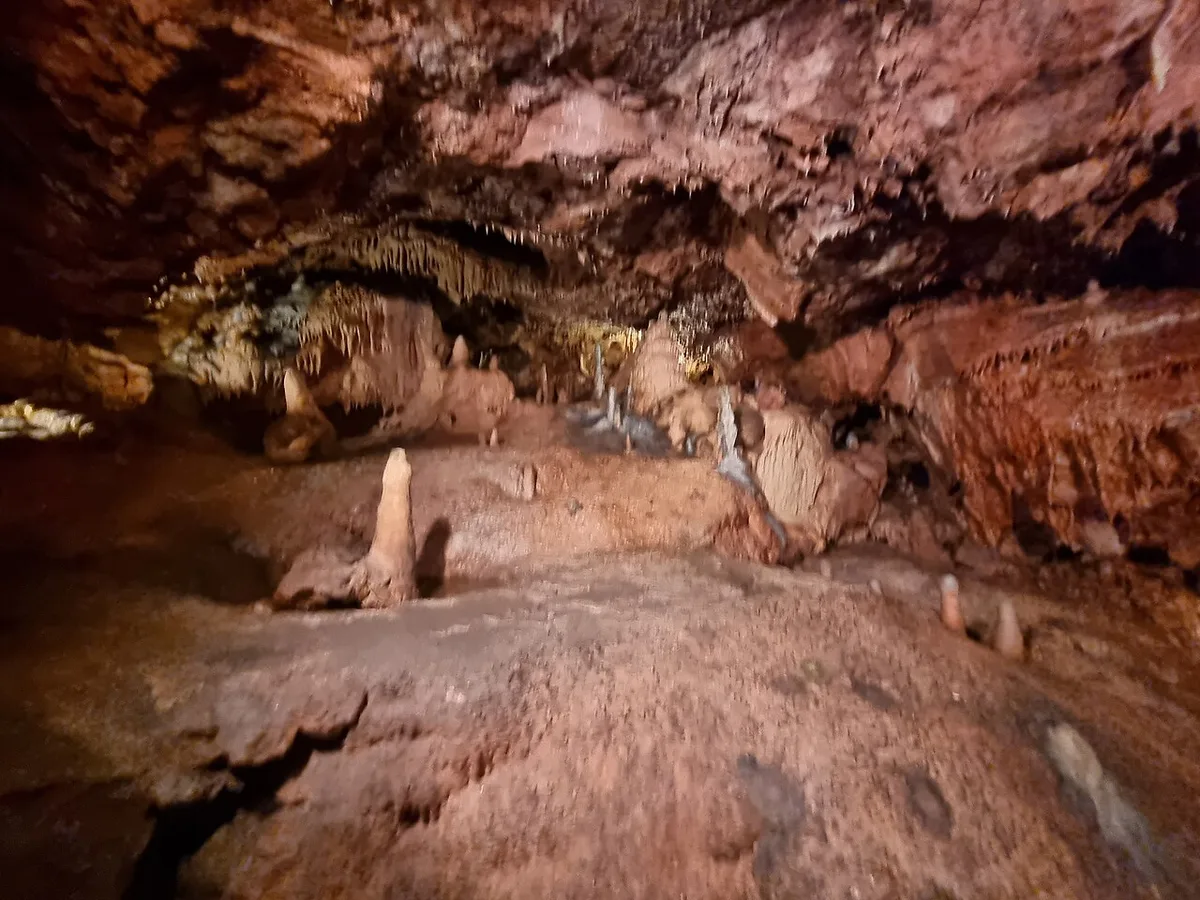
What the Hellfire Caves Are (and What They Aren't)
Strip away the nickname and you have a large folly cut into chalk. The ground began as an open quarry, and Dashwood, who owned the land and nearby West Wycombe House, had it extended into a long tunnel with side chambers. Subterranea Britannica describes it as a grotto-style project of the kind wealthy landowners admired after the Grand Tour. Reports from both heritage writers say the digging also gave local people work after poor harvests.
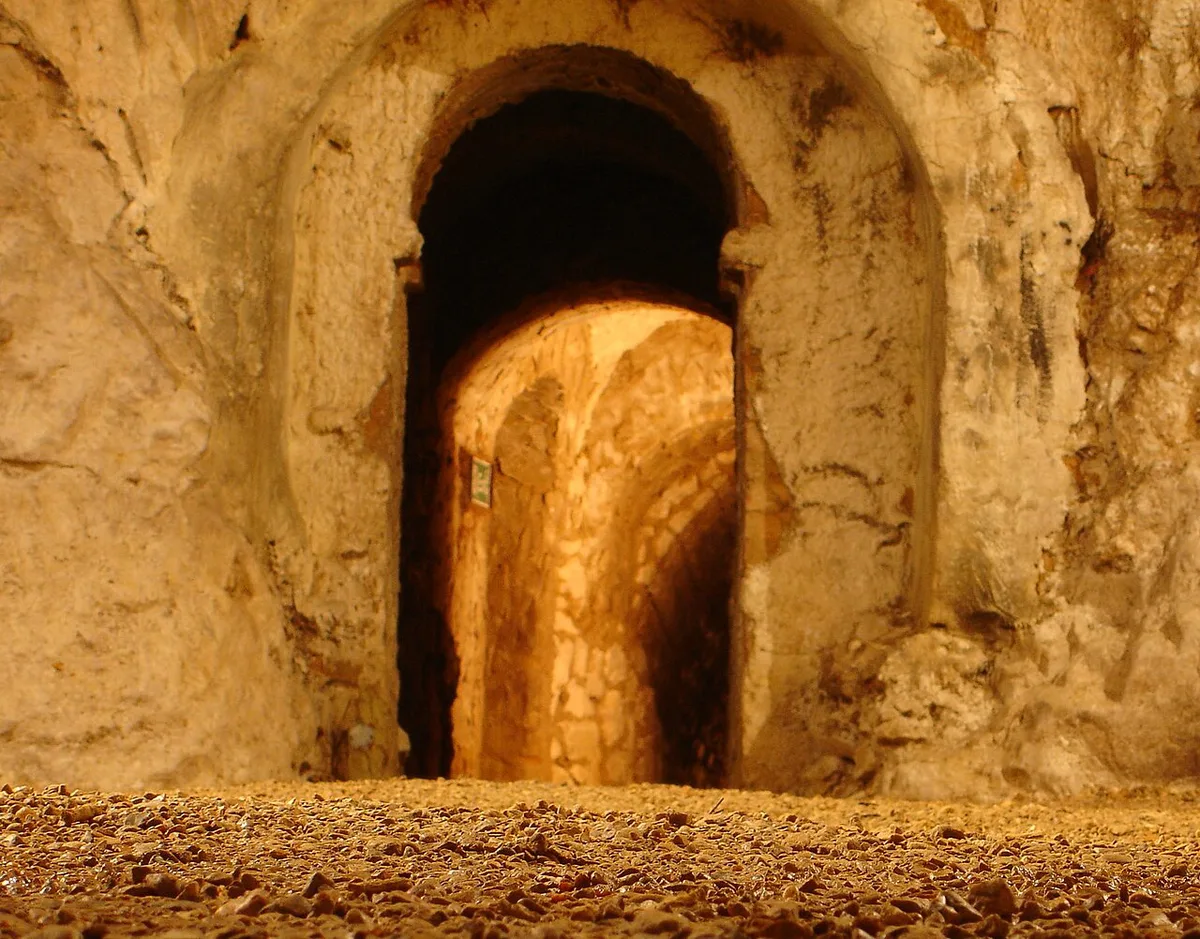
What the caves are not is a proven meeting place for black masses. The link to the Hell-Fire Club rests on tradition. According to the official Hellfire Caves site, the club is said to have moved here after leaving Medmenham Abbey. Wikipedia notes that the club had ceased by the early 1760s. Treat stories of orgies and rituals as rumour, because no source we trust backs them up.
What You'll See Inside
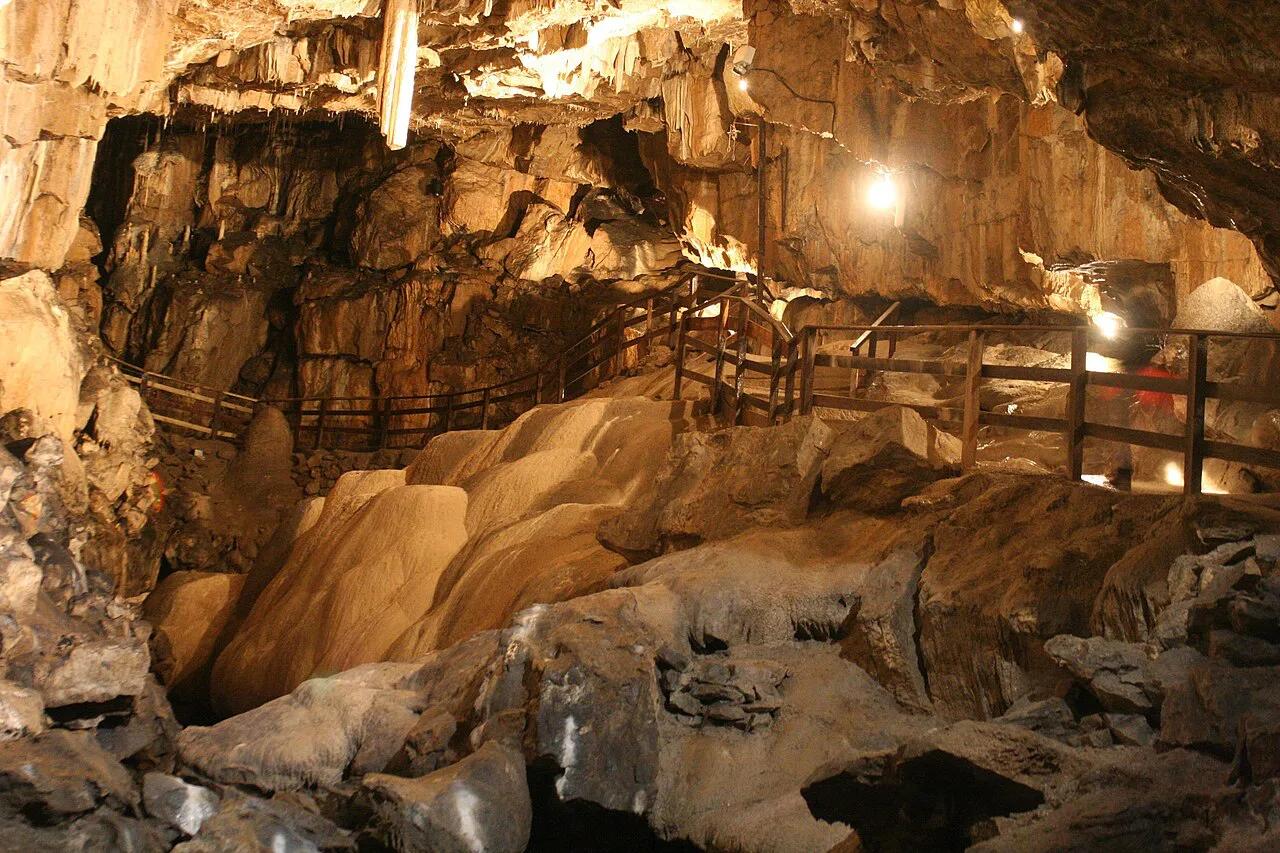
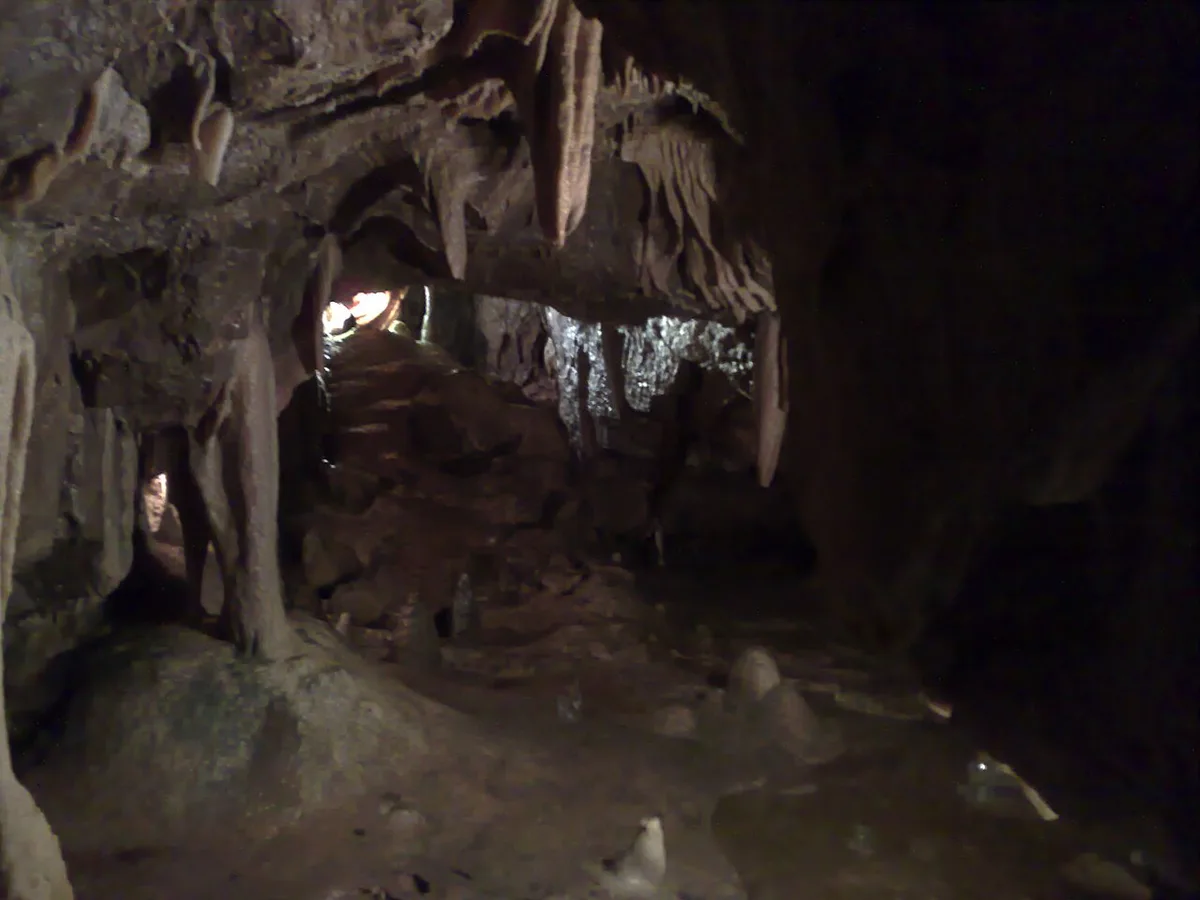
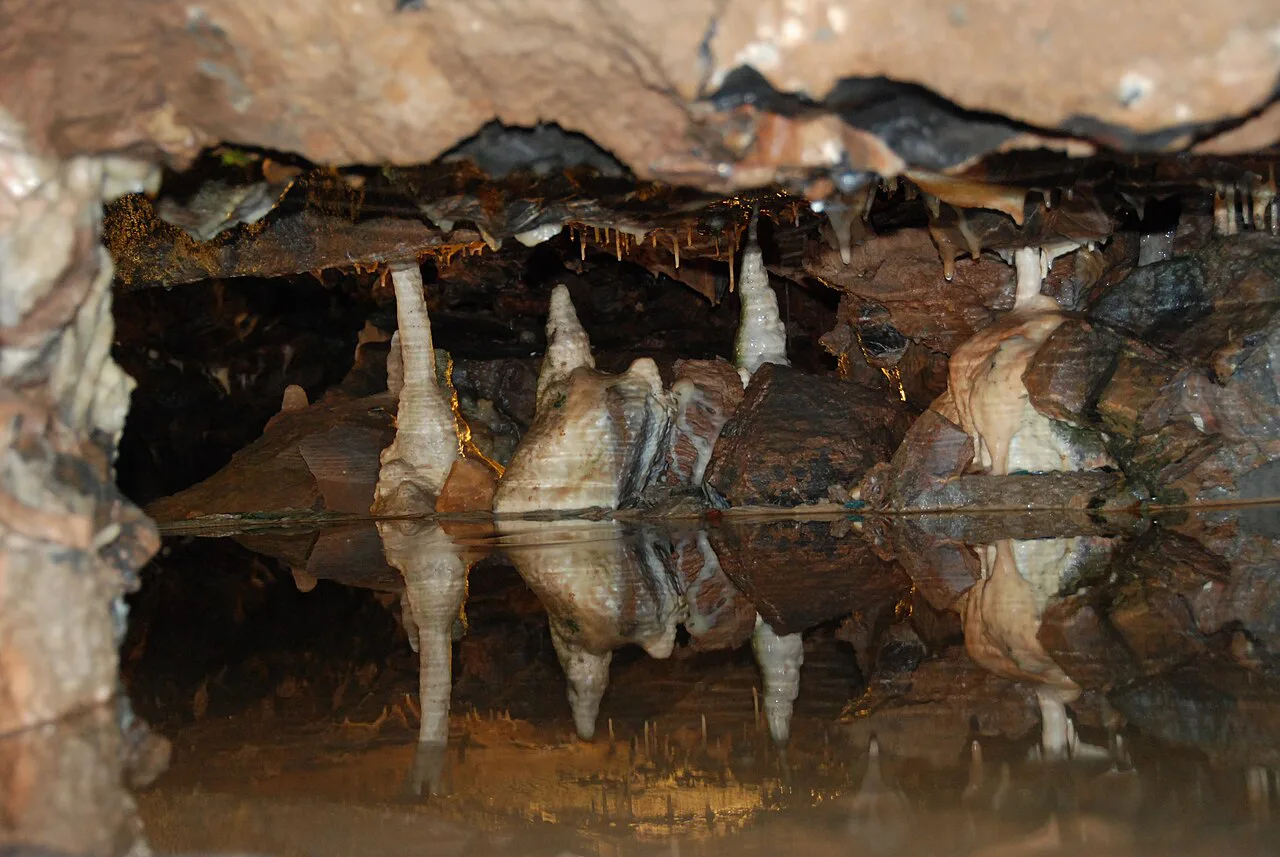
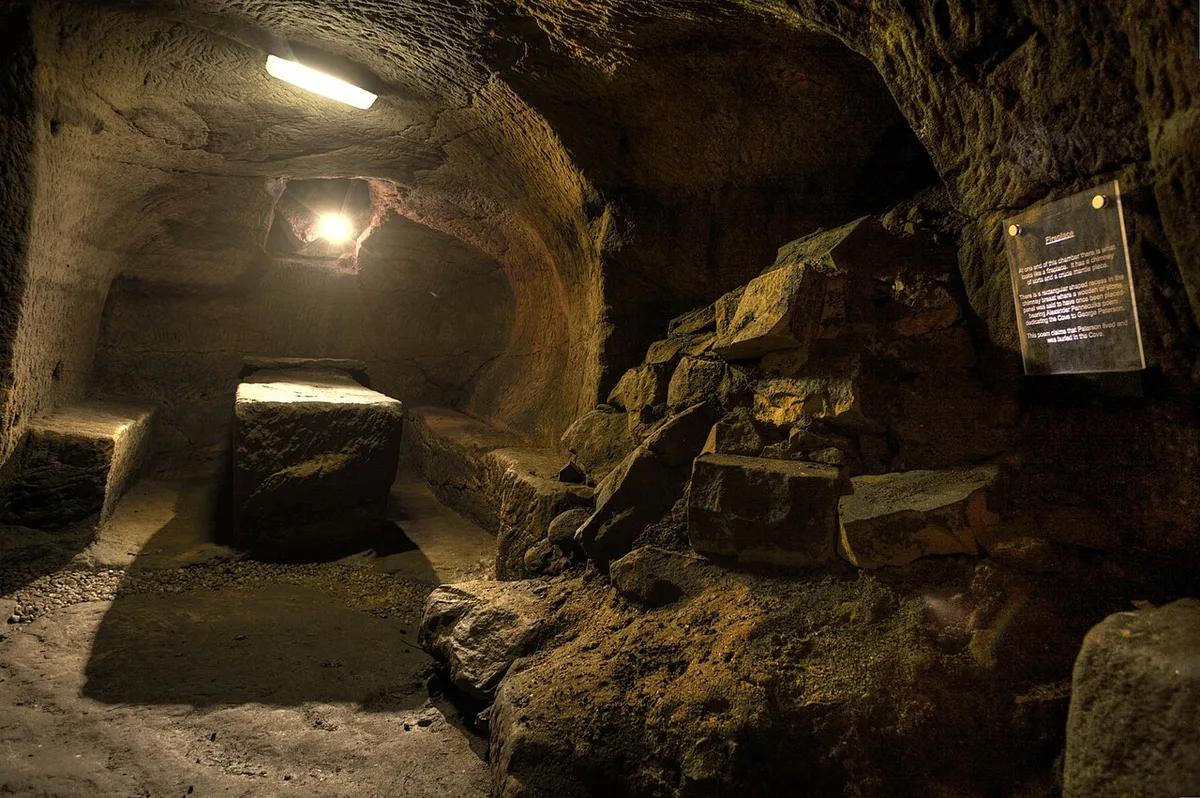
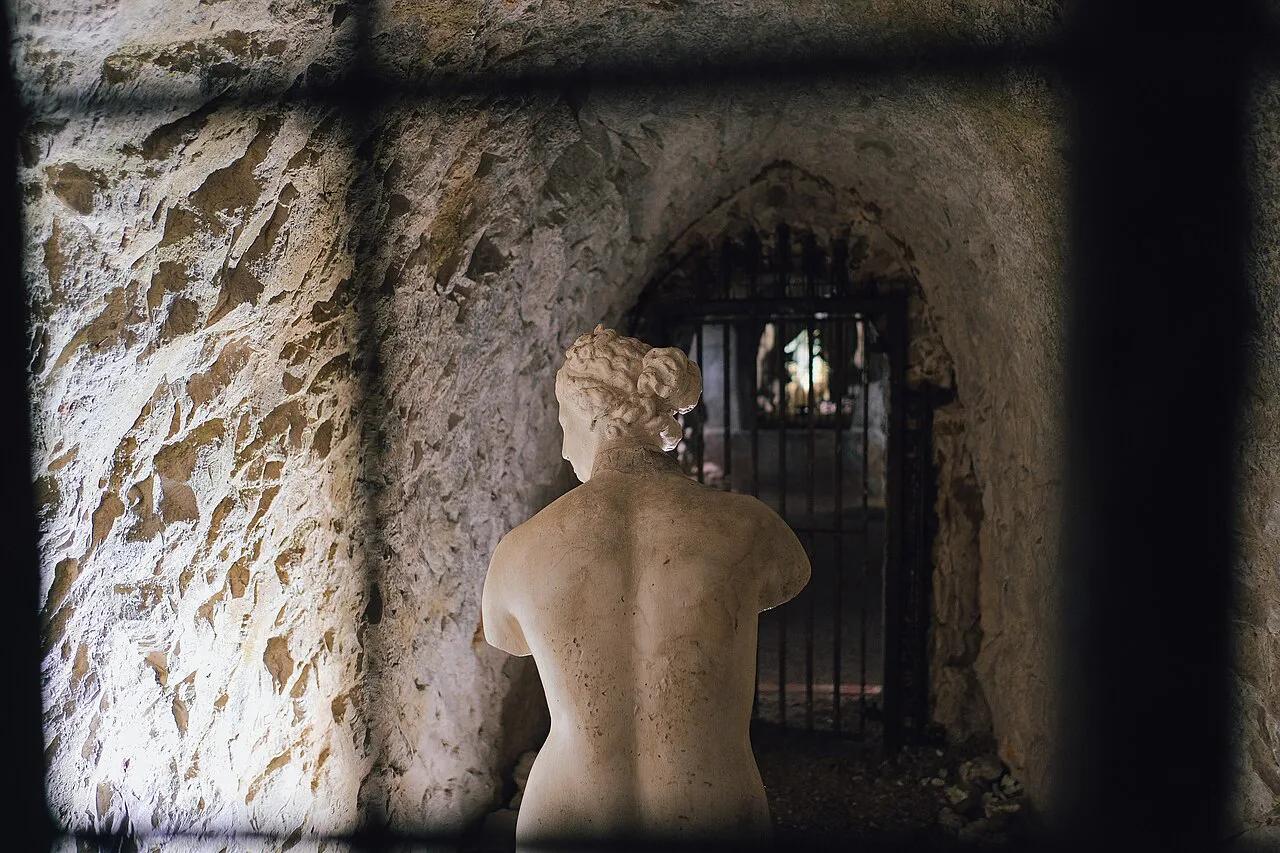
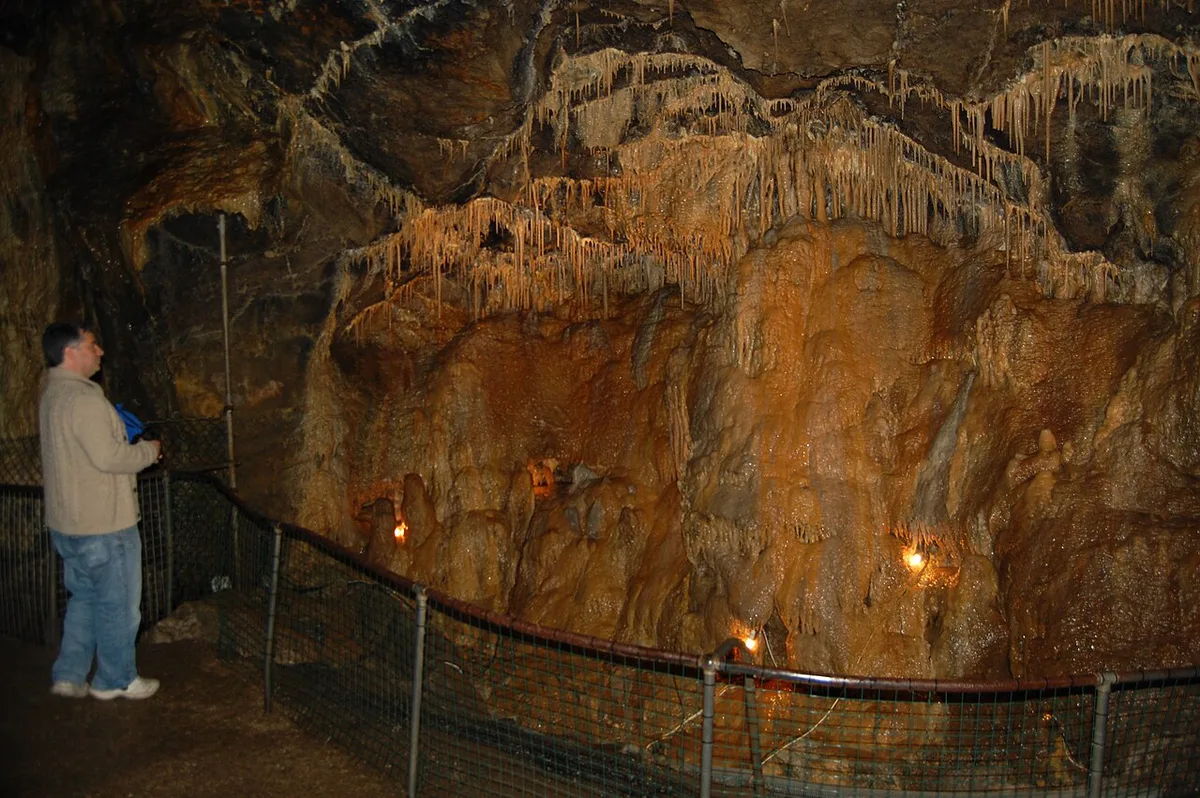
Expect a single winding tunnel with chambers branching off it, all in chalk and flint. Named spaces on the route include a banqueting hall, a subterranean pool known as the River Styx and, at the far end, the Inner Temple. Chamber names and their order can change as the venue updates its tour, so follow the signage on the day.
Lybbe Powys's 1796 visit came roughly four decades after the 1748–54 digging, so her account is later testimony rather than contemporary.
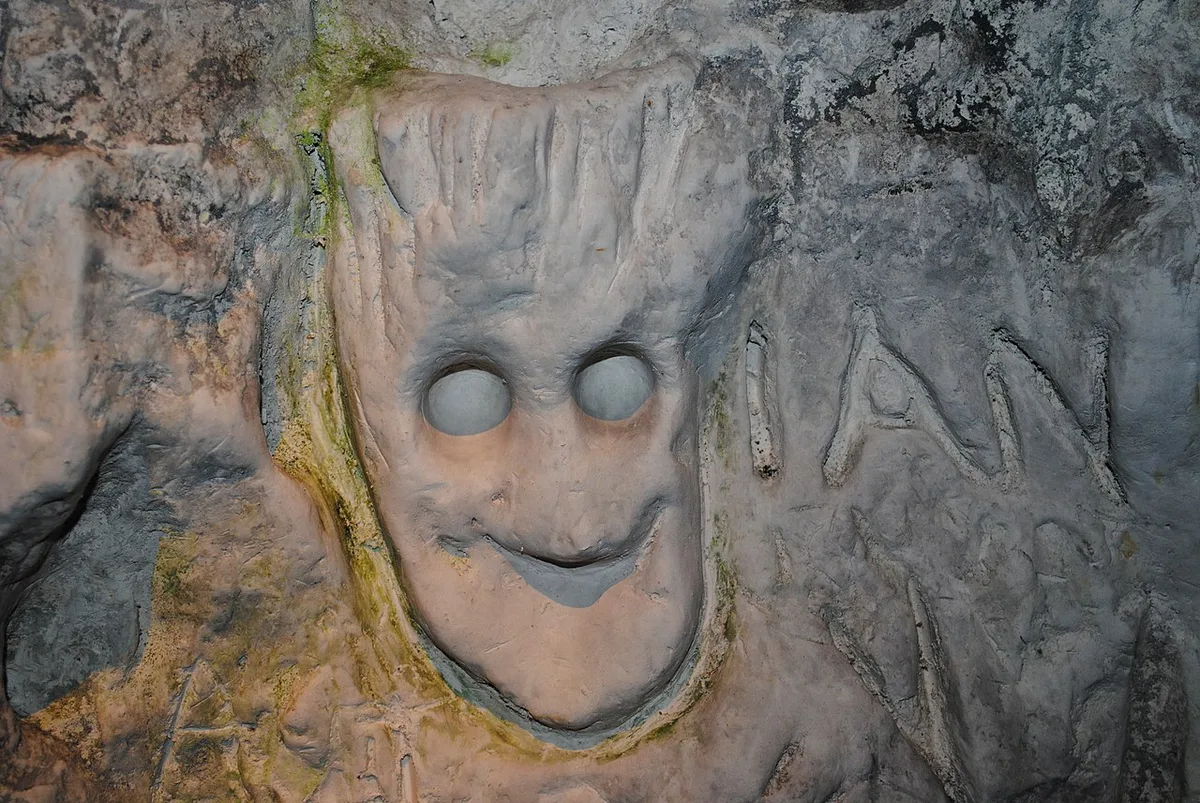
The Inner Temple is the point most visitors remember. Tradition places it beneath St Lawrence's Church on the hilltop, which suits a story about heaven above and hell below. That symbolism is a popular reading, not a documented design brief.
A diary entry from Lybbe Powys, who visited in 1796, gives a rare eyewitness view. She describes a small pool crossed on stepping stones, once said to need a boat, and a tall round chamber with a hook in its vaulted roof for a lamp. Much of what you see is atmosphere: dim lighting, cold air and rough chalk walls. Evidence of club activity is close to nil.
History: Sir Francis Dashwood and the Hell-Fire Club
Dashwood, the second baronet, is the one firm name behind the caves. The official site dates the digging to 1748–54, and that range fits the reported motive of providing work after bad harvests. A road-building purpose has also been suggested, since chalk could supply material for the route between High Wycombe and West Wycombe.
Dashwood's supposed 1766 clearing of club signs sits awkwardly with Wikipedia's early-1760s end date for the club.
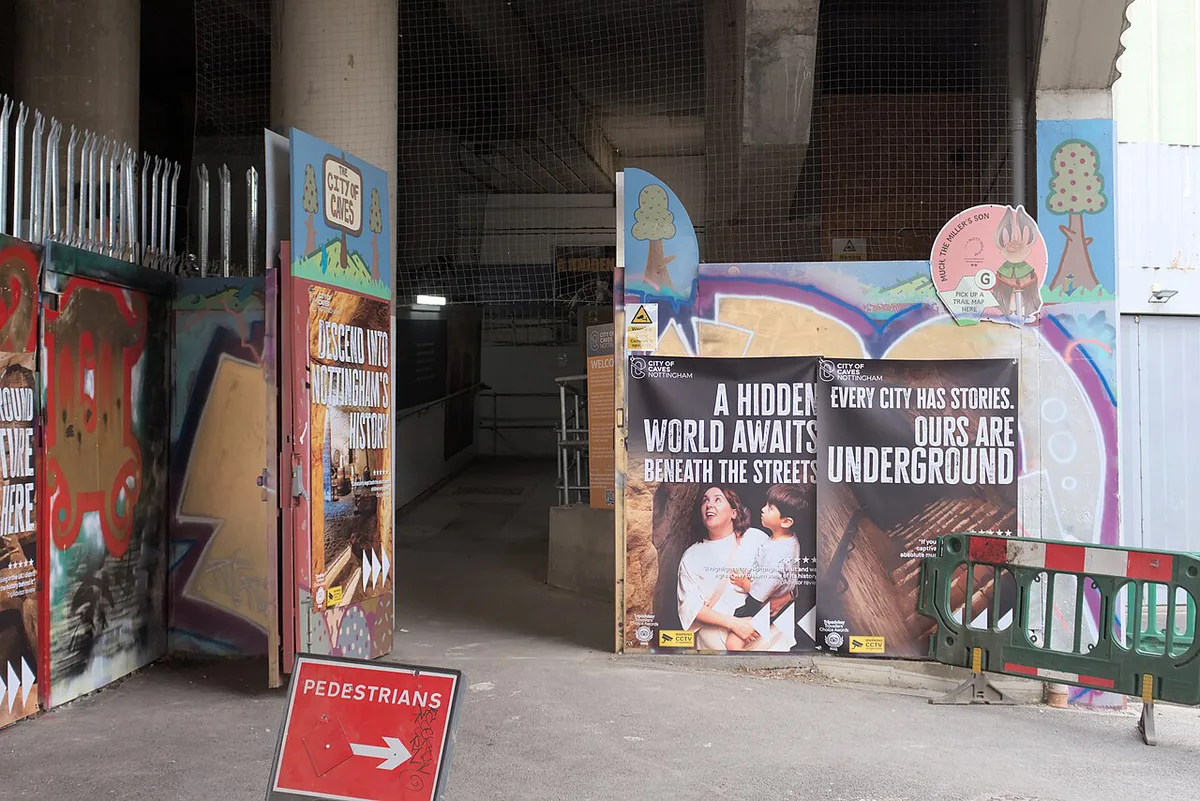
The club side of the story is murkier. Medmenham Abbey is the usual earlier base, and the move to West Wycombe is a tradition rather than a recorded event. A popular claim says Dashwood removed signs of the club in 1766. Treat that as a story repeated by popular writers until you find a primary source.
Benjamin Franklin is the most quoted name linked to the club. Whether he was a member or simply a friend of Dashwood is disputed, so avoid repeating either version as fact. A chamber carrying his name shows how folklore attaches itself to the place.
Ghost Stories and Legends
Two spirits dominate the local legend. Sukie is said to be a young maid who died by accident when people played a prank on her. Accounts of her backstory vary a great deal, which is typical of folklore.
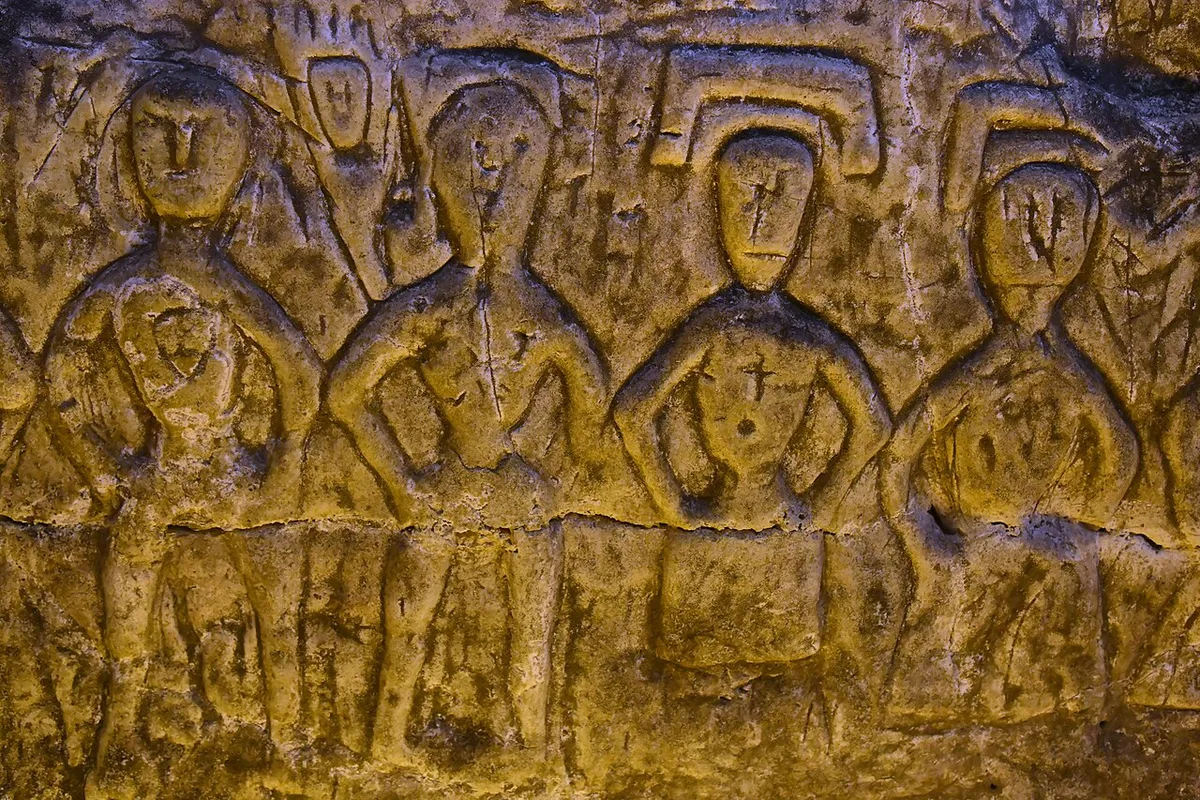
Paul Whitehead is the other name. He is described as the former steward of the club, and some tellers say his ghost walks the tunnels. Another tale claims his heart was kept in the Dashwood Mausoleum on the hill and later stolen.
In 2008 a member of the caves' staff told the BBC's Katy Lewis that customers often bring photographs they say show light orbs or Sukie, described as a woman in white. That is a report of what visitors claim, not proof. Come for the story and the setting, and do not expect a staged ghost show. If you want organised after-dark events, look at the official site for current dates, age limits and booking rules.
Tickets, Opening Hours and Booking
We have no confirmed ticket prices or opening hours to quote for 2026. Ticket tiers, opening days, last entry, seasonal closures and event pricing all sit on the official booking pages. Check them before you travel, especially in late October when Halloween demand rises. Booking ahead is the safest approach for weekends and school holidays.
Accessibility, Conditions and Who Should Skip It
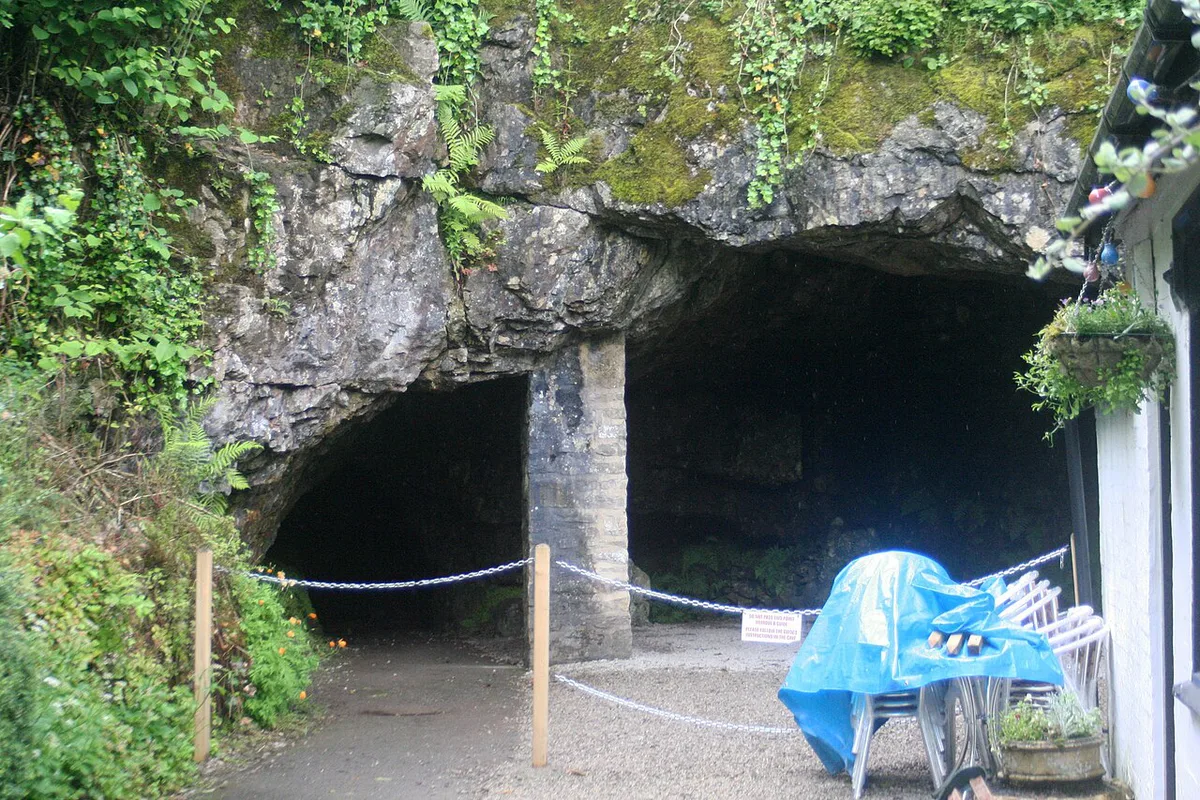
Underground chalk tunnels are cold and damp all year. Wear sturdy shoes with grip and a warm layer, even in summer. Floors are uneven, light is low, and some passages are narrow.
This site is a poor fit for wheelchair users and anyone with limited mobility. It also rules out visitors who dislike enclosed spaces. Ask the venue directly about steps, slopes and child suitability before booking, since those details are not published here.
- Good fit: history fans, folklore readers and confident walkers.
- Think twice: young children, anyone claustrophobic or unsteady on rough ground.
- Probably skip: wheelchair users, unless the venue confirms access for your needs.
How to Get There and Where to Park
West Wycombe sits close to High Wycombe, and the caves are on the hill above the village. Driving is simplest from London if you want a flexible half-day. Ask the official site about its current parking arrangements and any charge, because we have no figures. The National Trust also runs West Wycombe Park nearby, and its pages are worth a look if you plan to combine the two.
By public transport, plan a rail trip to High Wycombe and continue by local bus or taxi. Check current operator timetables, since services change. For other day trips from the capital, see our guide to caves within reach of London.
Plan Your Time: A Half-Day in West Wycombe
Start with the caves while you are fresh and the booking slot is fixed. Afterwards, walk up West Wycombe Hill to St Lawrence's Church, which sits above the Inner Temple by tradition. The Dashwood Mausoleum stands next to the church. Check whether the mausoleum is open before you promise anyone a visit, because access can be limited.
If the National Trust is open, West Wycombe Park adds a more formal view of the Dashwood family story. Finish in the village for lunch at one of its pubs. We do not name individual venues here, as opening hours change.
Is the Hellfire Caves Visit Worth It?
Worth it if you want a man-made curiosity with a good story and do not mind the cold. The caves reward curiosity more than thrills, and the legend is bigger than the evidence. Match the visit to your interests using this list.
- History fans: yes, for the folly, the quarry origins and Dashwood's wider story.
- Ghost fans: yes, as long as you treat Sukie and Paul Whitehead as local legend.
- Families: depends on the age of the children, so ask the venue first.
- Mobility-limited visitors: probably not, given the uneven floors.
- Cave collectors: pair it with other human-made sites, such as Chislehurst Caves: Tours, History & Visiting Tips near London, the Margate shell grotto or Royston's carved chalk cave.
More Caves Across England
The Hellfire Caves make a good base for a wider trip. Our pillar on cave visits across England compares show caves and mines region by region. Use it to decide which underground site to try next.
Notes for your next trip underground
Optional updates when we add or revise cave and underground guides.
More guides
More guides you'll find useful