Cave Diving in Mallorca: Who Can Dive and Alternatives
Cave diving in Mallorca explained: what it takes, what's possible, and safer cave options if you're not certified, with show caves and sea caves compared.
Last updated November 2026: cave diving Mallorca is open only to divers with cave-specific training, and access usually depends on local guidance. Everyone else has safer options, from sea caves by kayak to the show caves in our guide to caves in Mallorca. Use the sections below to sort out which kind of cave you actually mean.
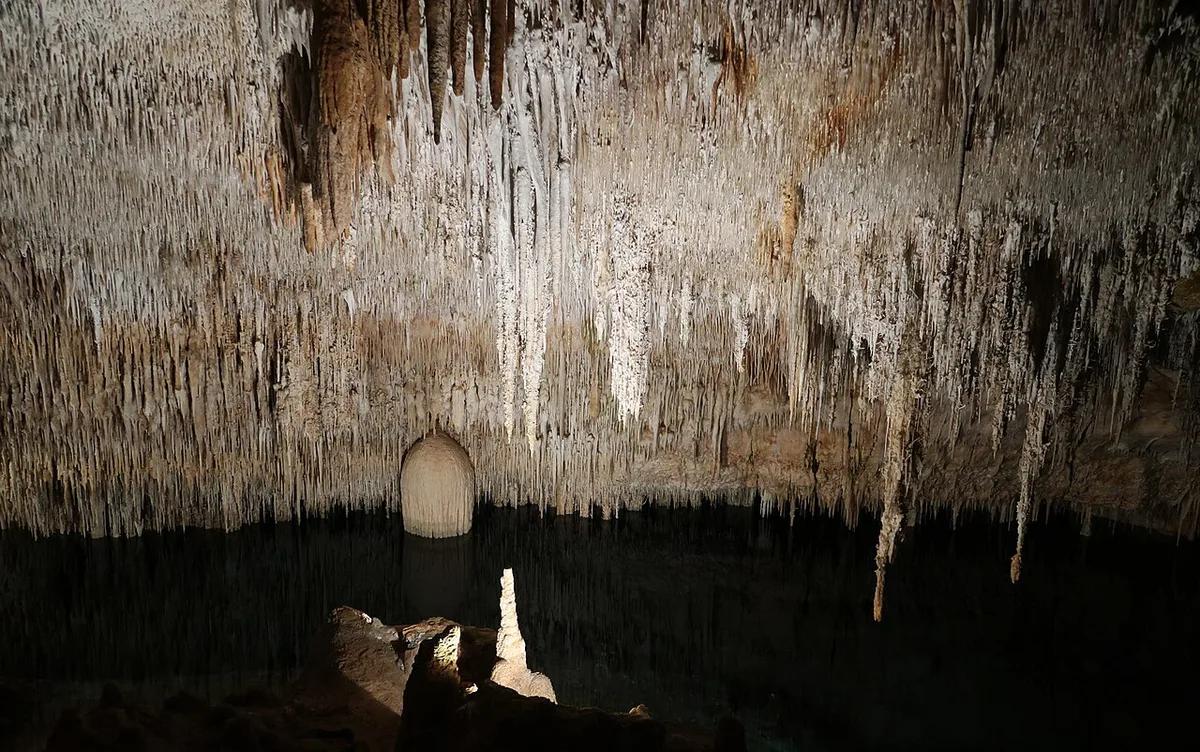
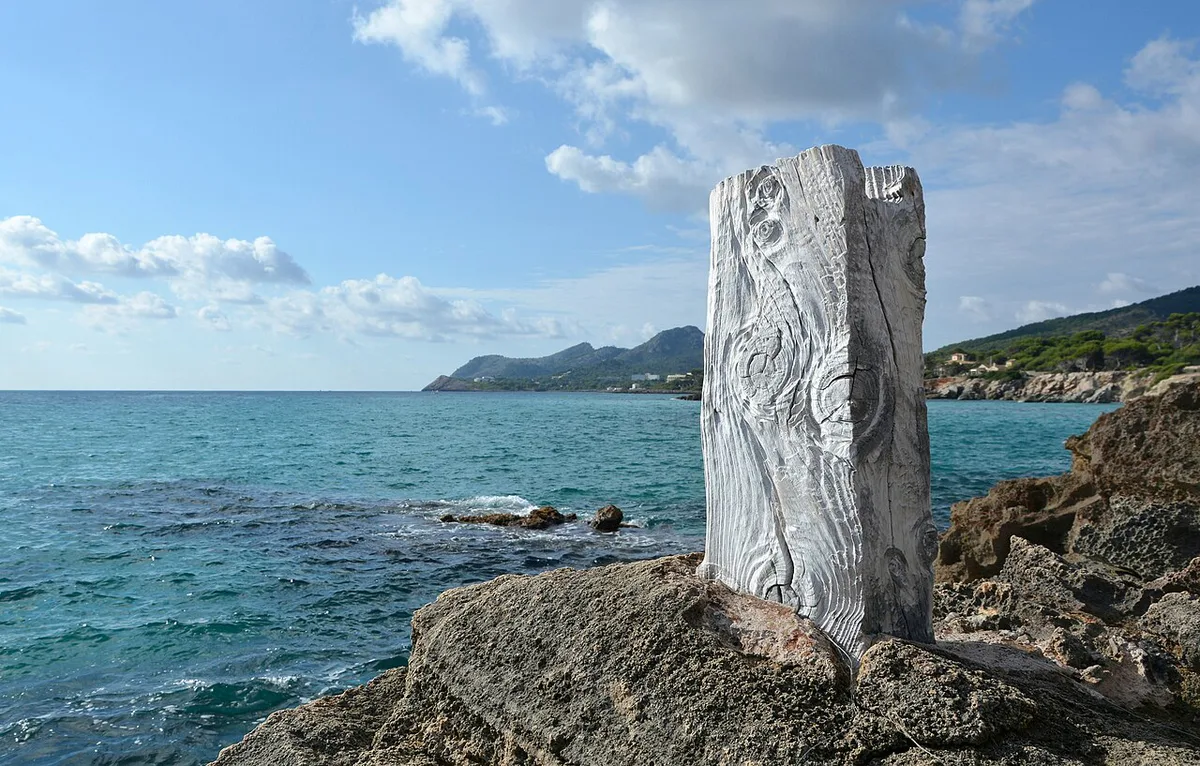
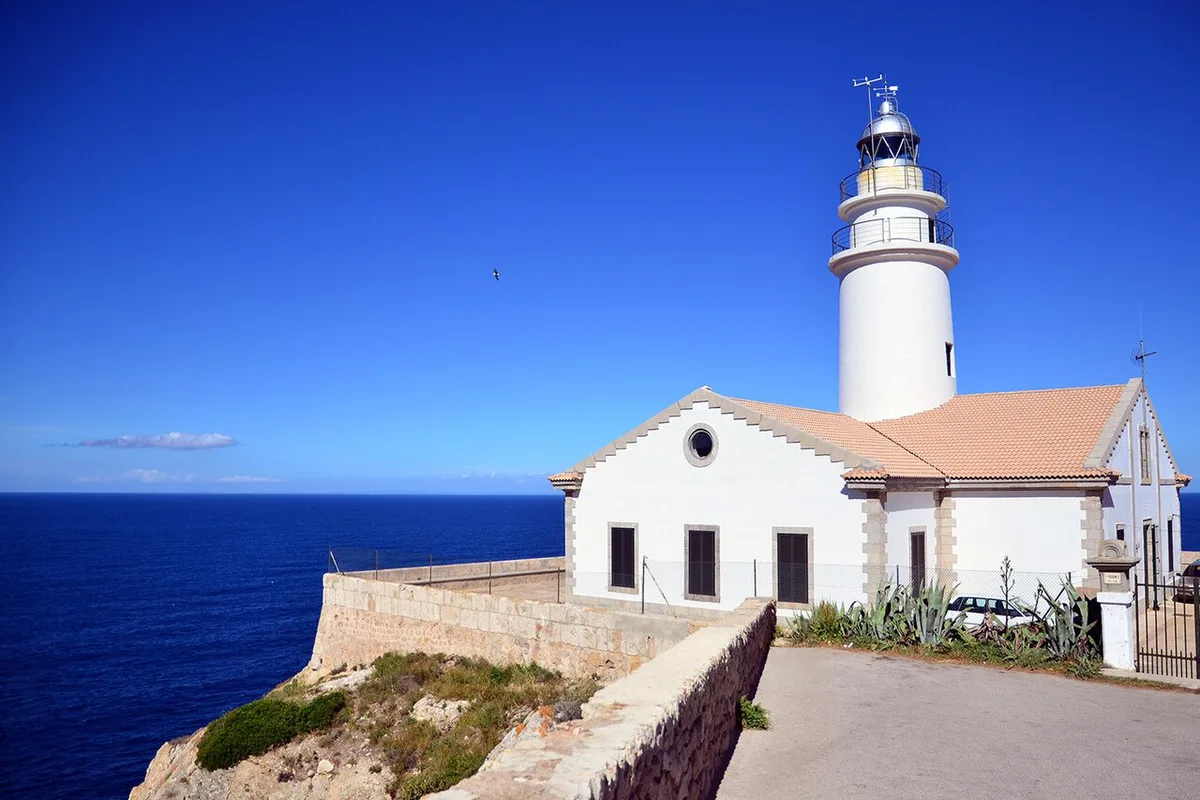
Featured image: Antekbojar, CC0, via Wikimedia Commons.
Quick answer: can you do cave diving in Mallorca?
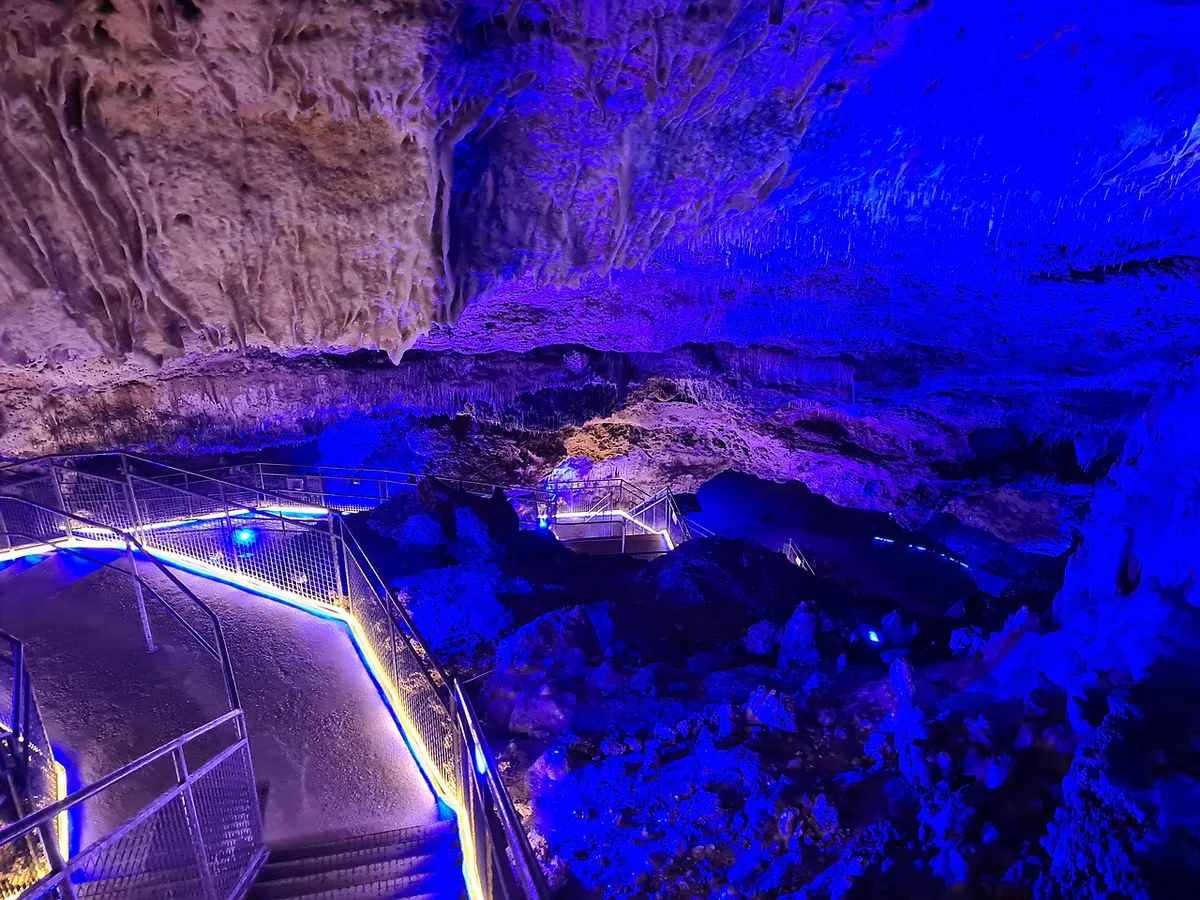
Mallorca has underwater cave systems, but visiting divers need cave training, suitable equipment and usually a local guide. An open-water certificate does not qualify you to enter an overhead environment. Casual visitors have easy alternatives, and a show cave tour such as Campanet takes about 40 minutes. Pick the path that matches you.
- Certified cave diver: jump to the planning checklist and work through each item before you travel.
- Open-water or recreational diver: stay out of any cave where rock or ceiling blocks a direct swim to the surface, and look at training or sea-cave options.
- Non-diver who wants caves: choose a show cave or a sea cave by kayak or snorkel.
Cave diving, cavern diving, sea caves and show caves
These four activities get mixed up in search results, yet they carry very different risks. Cave diving means swimming into an overhead environment where you cannot rise straight to the surface. Cavern diving stays closer to the entrance but still puts rock above you. A sea-cave swim or paddle is not diving at all, and a show cave is a walk on lit paths.
| What it is | Training required | Who it suits | Where to read more |
|---|---|---|---|
| Cave diving: swimming deep into an overhead environment | Specific cave qualification and equipment | Certified cave divers only | Check a recognised training agency |
| Cavern diving: staying near the cave entrance | Training beyond open water, with a qualified operator | Divers who want a supervised introduction | Ask a local dive operator what it offers |
| Sea caves: snorkel or kayak into coastal caves | None for paddling; sensible swimming skills | Active travelers and families with older children | Sea Caves in Mallorca: Which to Visit and How to Get In |
| Show caves: guided walks on lit paths | None | Almost everyone, including non-swimmers | Show caves in Mallorca |
Gleda-Camp des Pou and Mallorca's underwater caves
Gleda-Camp des Pou, near Manacor, is described as one of the longest known underwater cave systems in Europe, at over 13 km. That length is a reported figure, so look for a specialist or scientific source before you repeat it. Access is for qualified cave divers only. Entrances, depths and conditions are best learned from a local operator, not from a travel page.
Planning cave diving in Mallorca as a certified diver
Treat this as a checklist, not instructions. Confirm each item with an operator or guide before you book flights.
Gleda-Camp des Pou is reported at over 13 km, so check that length with a specialist before you plan a dive.
- Operator or guide availability for the specific system you want to dive.
- Access permissions, and who holds them.
- Gas and equipment rental, or what you must bring yourself.
- Insurance that covers overhead-environment diving.
- Seasonal conditions for your travel dates.
- Emergency plans and the nearest recompression chamber.
If you are not cave-certified: your options
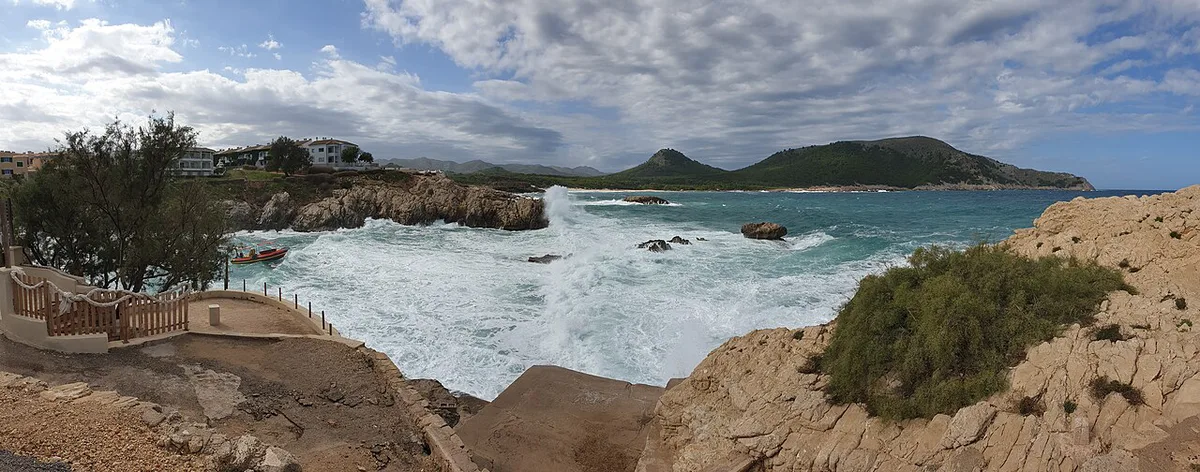
Three routes keep you safe and still get you underground or into a cave mouth. Sea-cave outings are safest and most enjoyable from May to September, according to local paddling guides. Rentals are available from Palma, Cala d'Or and Portocolom, and guided tours suit anyone unsure about going solo.
- Training: ask a recognised dive-training agency about its cavern and cave courses. Course lengths and prices are on the agency's own pages.
- Sea caves: our sea caves guide covers paddling and snorkel trips. Named spots are Cala Varques, Cala Falcó, Cala Mitjana, Cala Tuent and Cala des Moro.
- Show caves: pick from the table below. You trade a short, lit walk for the swimming and paddling of a sea cave.

Show caves compared
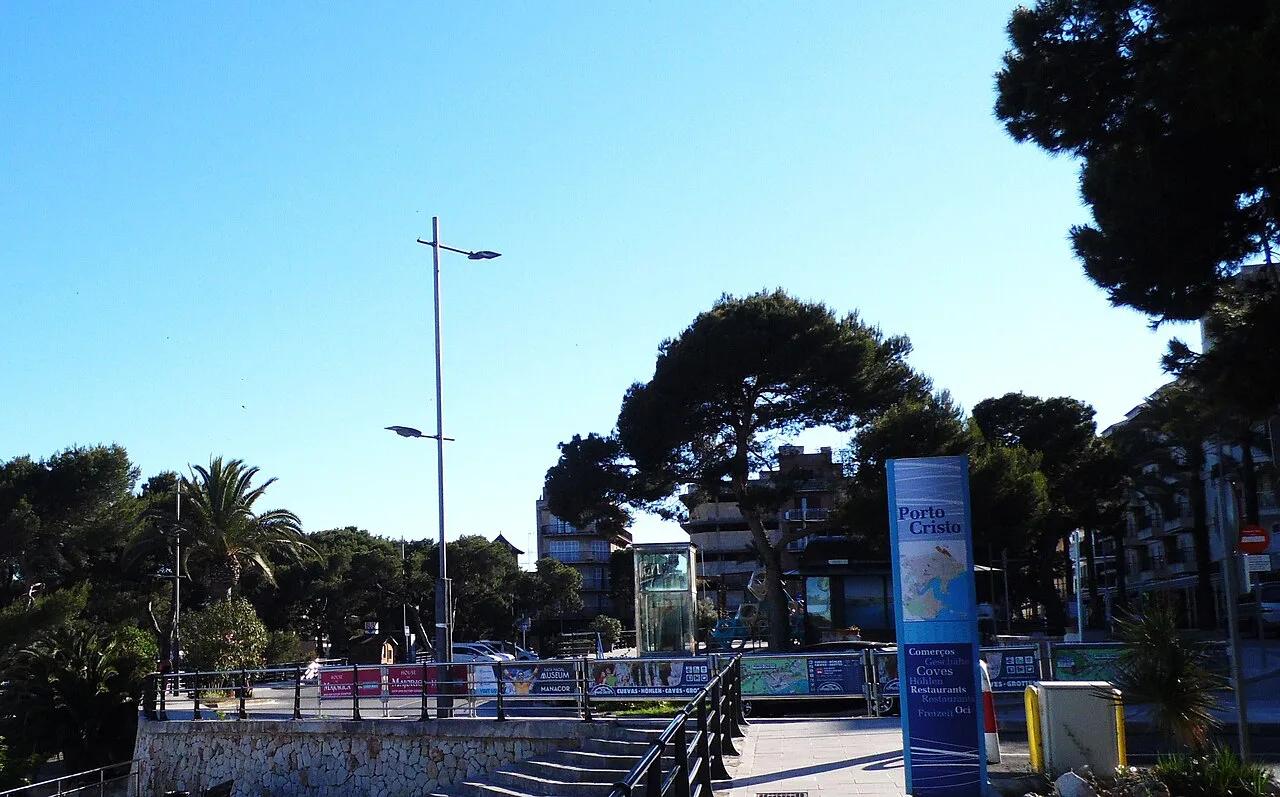
Cuevas del Drach, in Porto Cristo, starts with roughly a 2 km walk on smooth paths. Guides speak four languages, and the visit ends with a classical music concert and a short boat ride. Check hours and tickets on the Coves del Drach site. Cova de Genova is among the smallest show caves and was first prepared for visitors in 1906. Prices change by season, so use each cave's official page for ticket facts. Our Hams ticket guide covers that cave's booking.
Campanet's tour runs about 40 minutes, while Drach's roughly a 2 km walk suits a longer visit with a concert and boat ride.
| Cave | Area | Format | Best fit | Read more |
|---|---|---|---|---|
| Cuevas del Drach | Porto Cristo | Guided walk, concert, short boat ride | First-time visitors who want a classic tour | Official site |
| Cuevas dels Hams | Porto Cristo area | Similar walk and concert format, different formations | Travelers who want a second east-coast cave | Cuevas dels Hams (Coves dels Hams): Visitor Guide, Tickets & Tips |
| Cuevas de Artà | Artà, northeast | Guided tour through chambers named Hell, Paradise and Purgatory | History fans | Cuevas de Artà |
| Coves de Campanet | Campanet, Tramuntana foothills | Tour of about 40 minutes | Short on time or combining with the north | Coves de Campanet |
| Cova de Genova | Palma side of the island | Small cave with guided tours | Travelers who prefer a compact visit | Cuevas de Génova (Palma): Hours, Tickets & Guide |
Safety and mistakes to avoid
Most cave accidents begin with a simple decision to go a little further. Avoid these errors.
- Entering an overhead environment without cave training.
- Treating a sea-cave swim as diving.
- Going alone.
- Ignoring sea conditions: water can switch from calm to choppy fast, so check the weather and sea first.
- Skipping a waterproof torch in dark sections of sea caves.
- Damaging cave life by grabbing rock or disturbing marine animals.
- Assuming a show cave is open daily when seasonal hours apply.
Logistics and where to base yourself
Different caves cluster in different parts of the island. A car or an organised tour makes multi-cave days easier, and our Mallorca Caves Tour: Drach, Hams & Day-Trip Options page shows one way to do it. For wider planning, Infomallorca is the island's tourism board site.
- East coast: Porto Cristo and the Manacor area, for Drach, Hams and the Gleda-Camp des Pou system.
- Northeast: Artà, for Cuevas de Artà.
- North: Campanet and the Tramuntana foothills, for Coves de Campanet.
- Sea-cave hubs: Palma, Cala d'Or and Portocolom, for kayak and paddleboard rentals.
Notes for your next trip underground
Optional updates when we add or revise cave and underground guides.
More guides
More guides you'll find useful