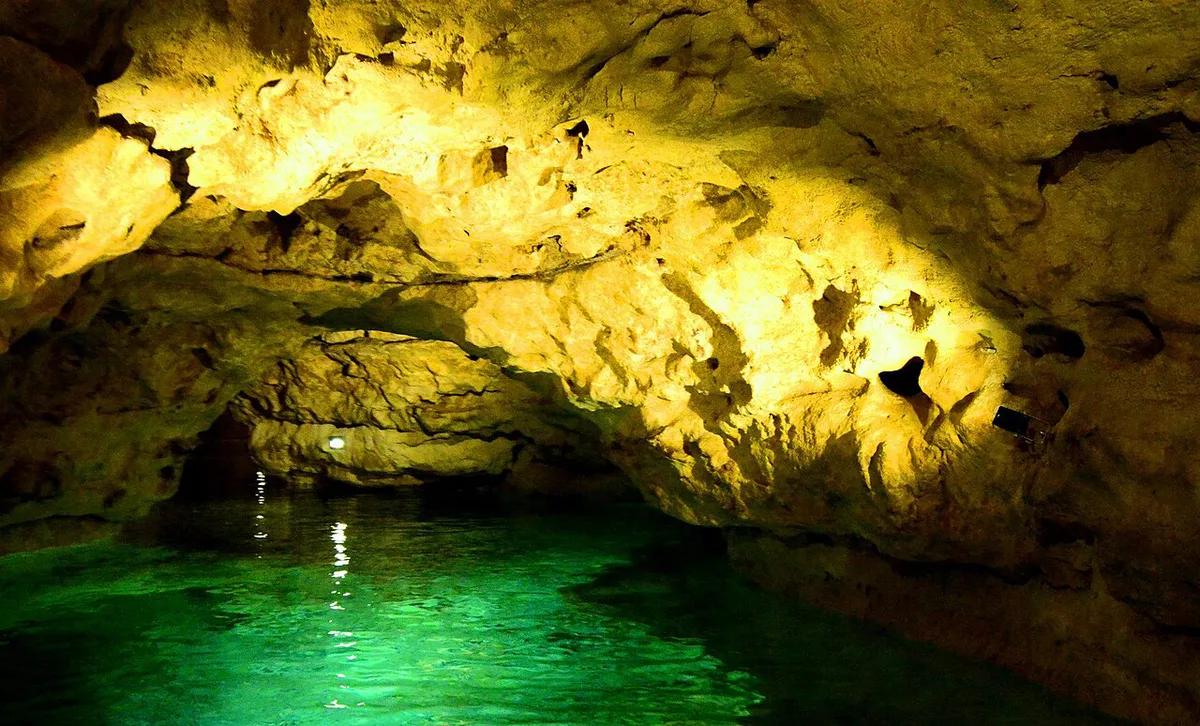
Budapest Caves: Which to Visit, Tickets & Tips
Compare Budapest's show caves, castle tunnels and caving tours. See who each suits, how to get there, and what to book.
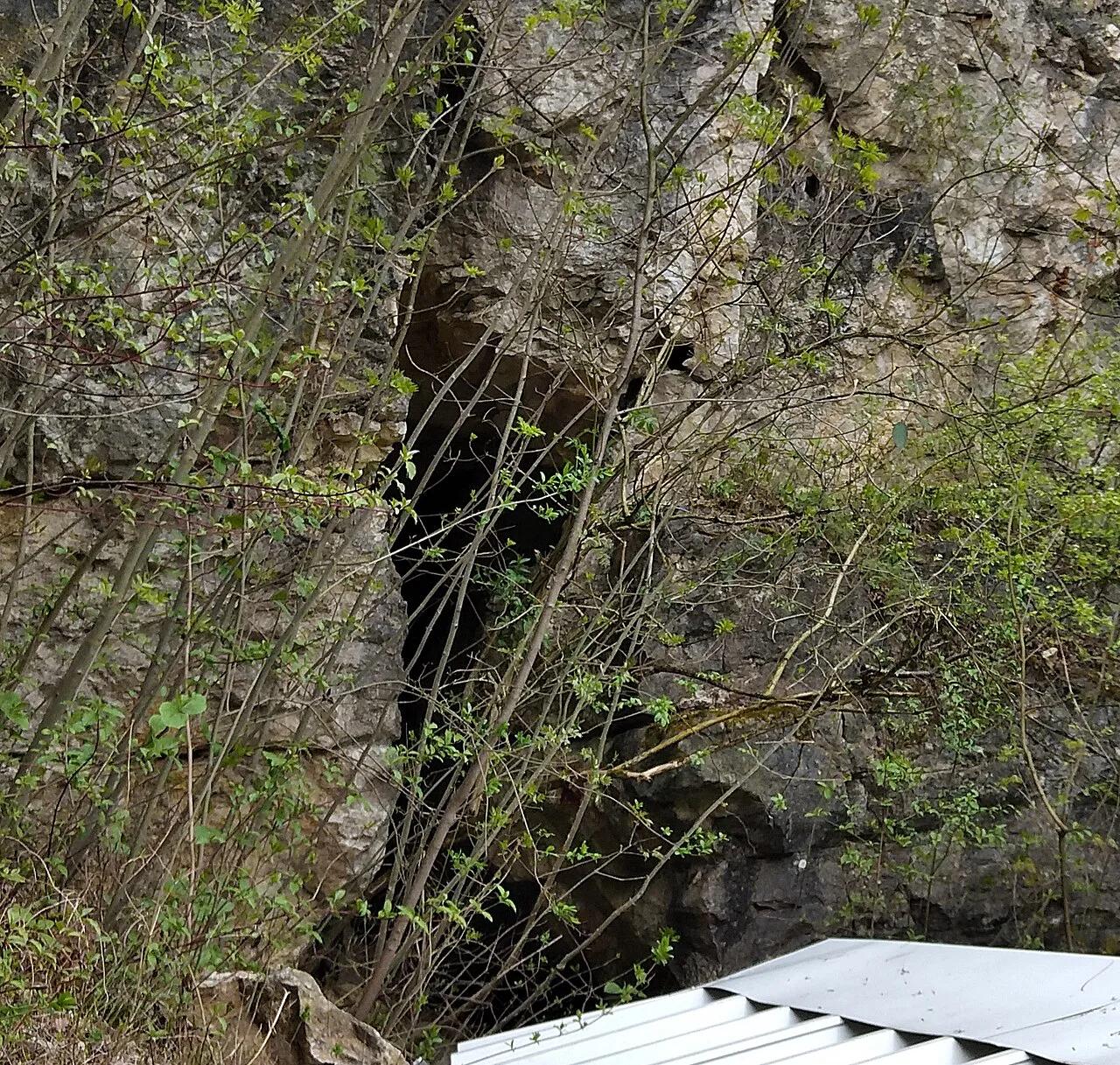
Last updated November 2026: Budapest caves come in three types, and they suit very different visitors. Natural show caves sit under the Buda Hills, historic tunnels run beneath Castle Hill, and one operator runs a true caving tour. For caves elsewhere in the country, start with our guide to 9 Best Caves in Hungary: Budapest, Baths & Aggtelek.
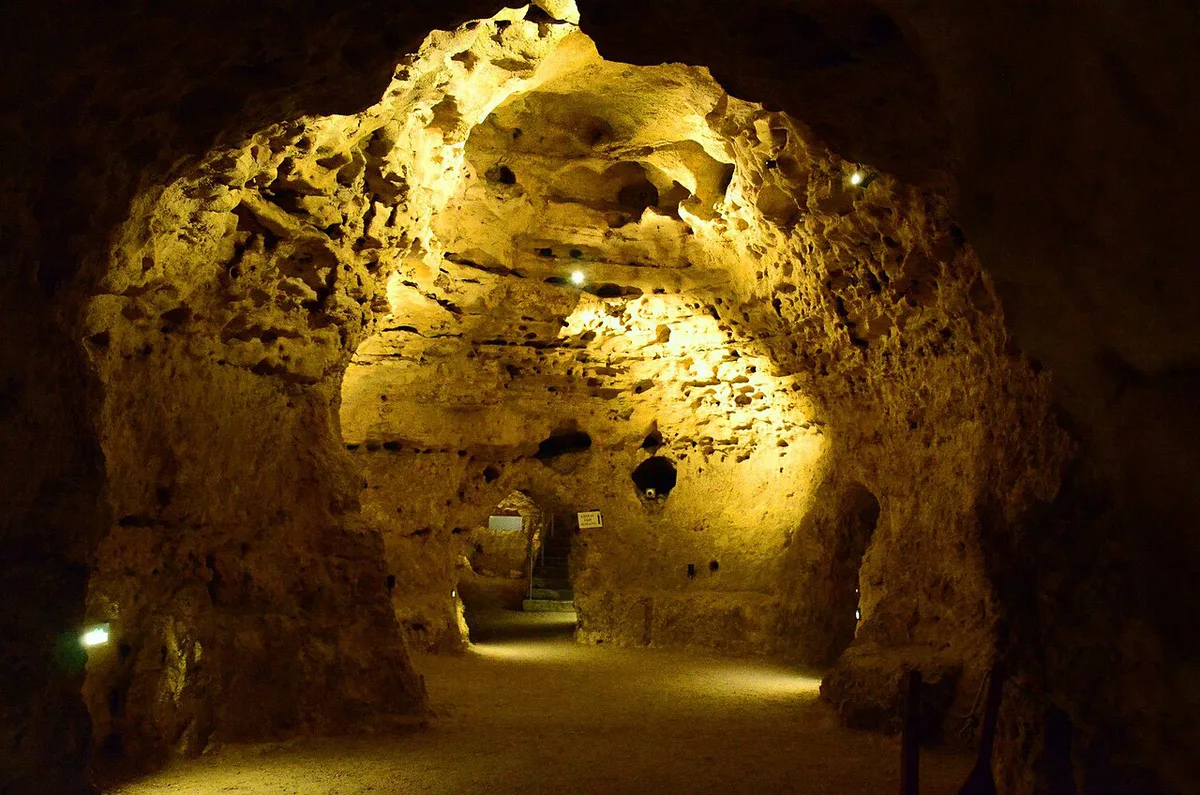
Featured image: Szenti Tamás, CC BY-SA 4.0, via Wikimedia Commons.
Budapest Caves at a Glance
Budapest has around 200 caves. Thermal water carved them along the fault line where the Buda Hills meet the Danube, and only a handful are open to visitors. Most of those are underground, so they work well on a cold or wet November day.
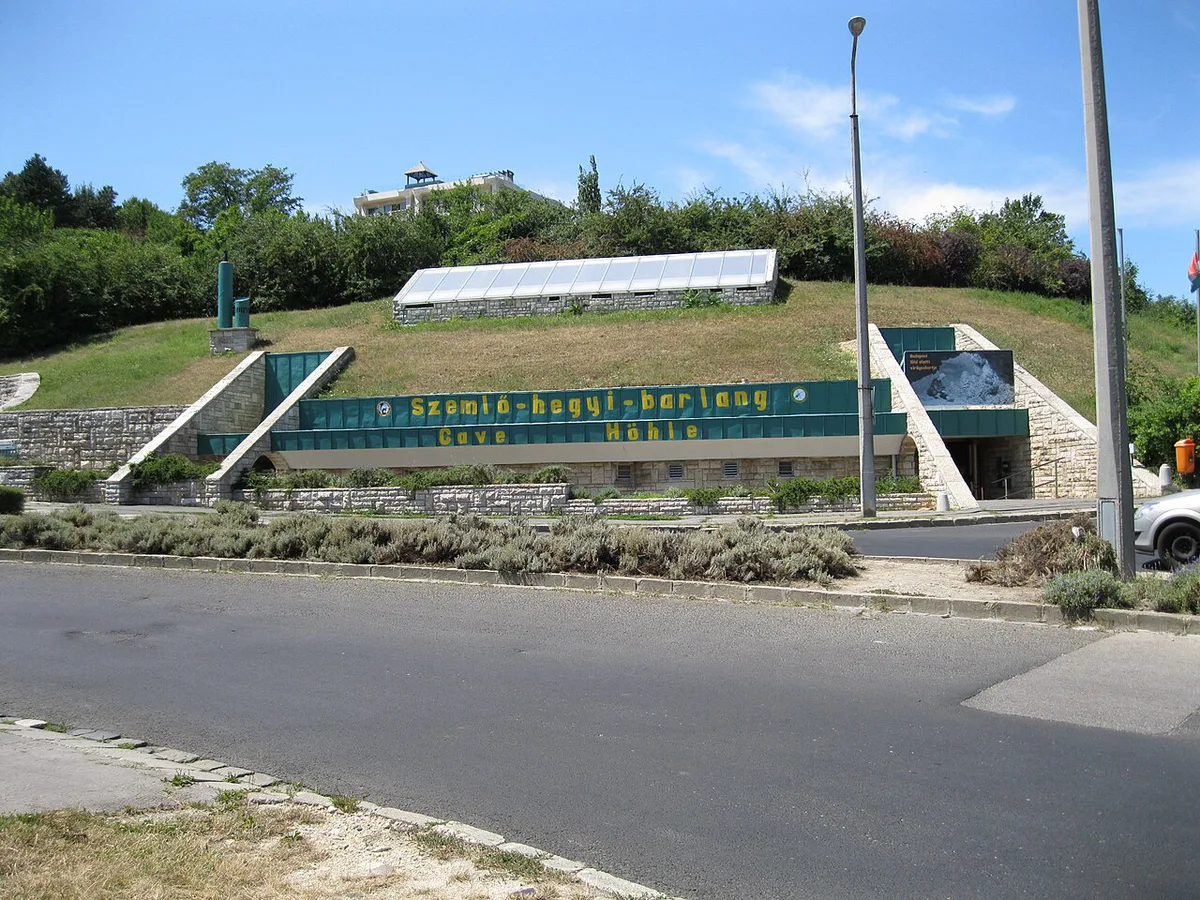
Pálvölgy and Szemlő-hegy are natural caves visited on guided walking tours. Mátyás-hegy is a real caving trip in which you wear a jumpsuit and get dirty. The Buda Castle Labyrinth runs under Castle Hill and mixes natural passages with theatrical staging.
- Easiest natural cave: Pálvölgy, about 40 minutes with no special equipment.
- Best for mineral formations: Szemlő-hegy.
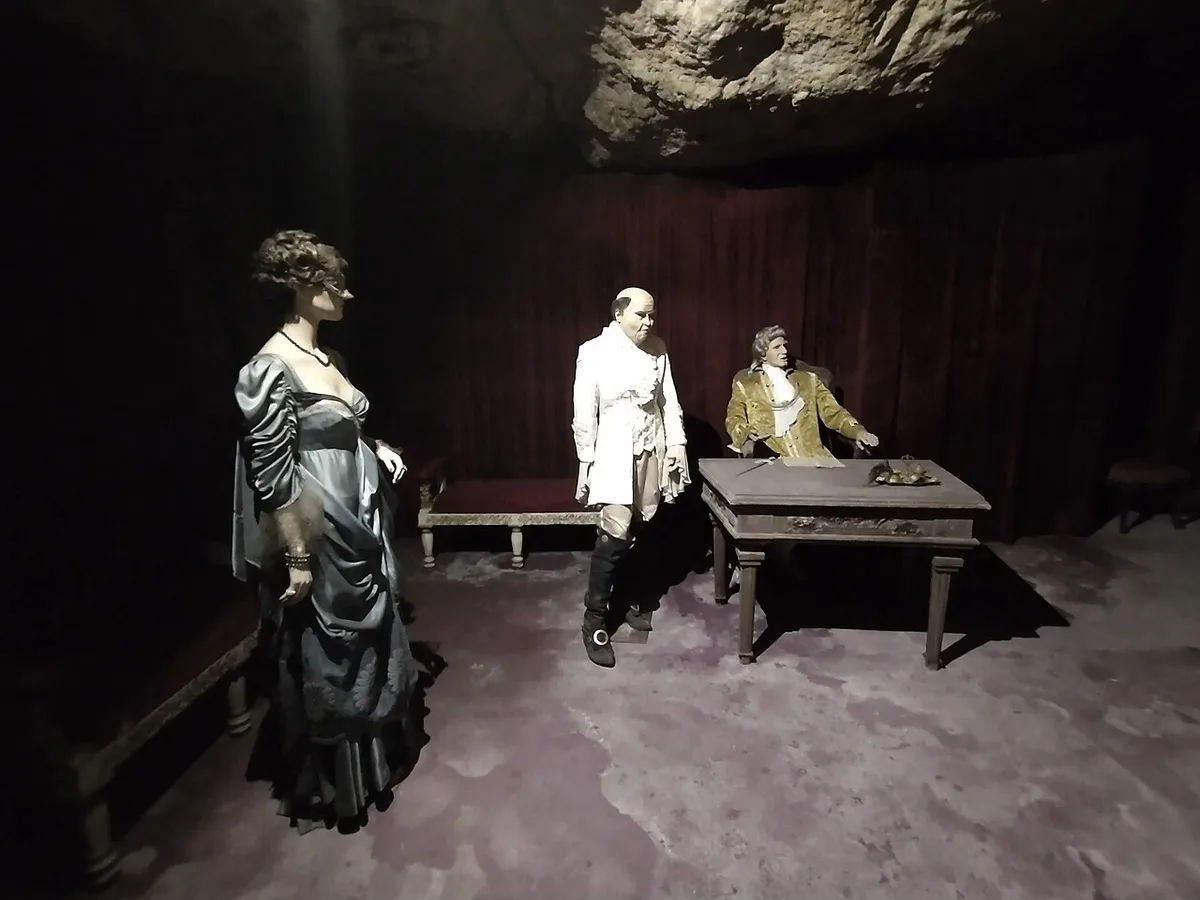
- Best for history and atmosphere: Buda Castle Labyrinth.
- Best for adventure: Mátyás-hegy caving tour, booked in advance.
Which Budapest Cave Should You Visit?
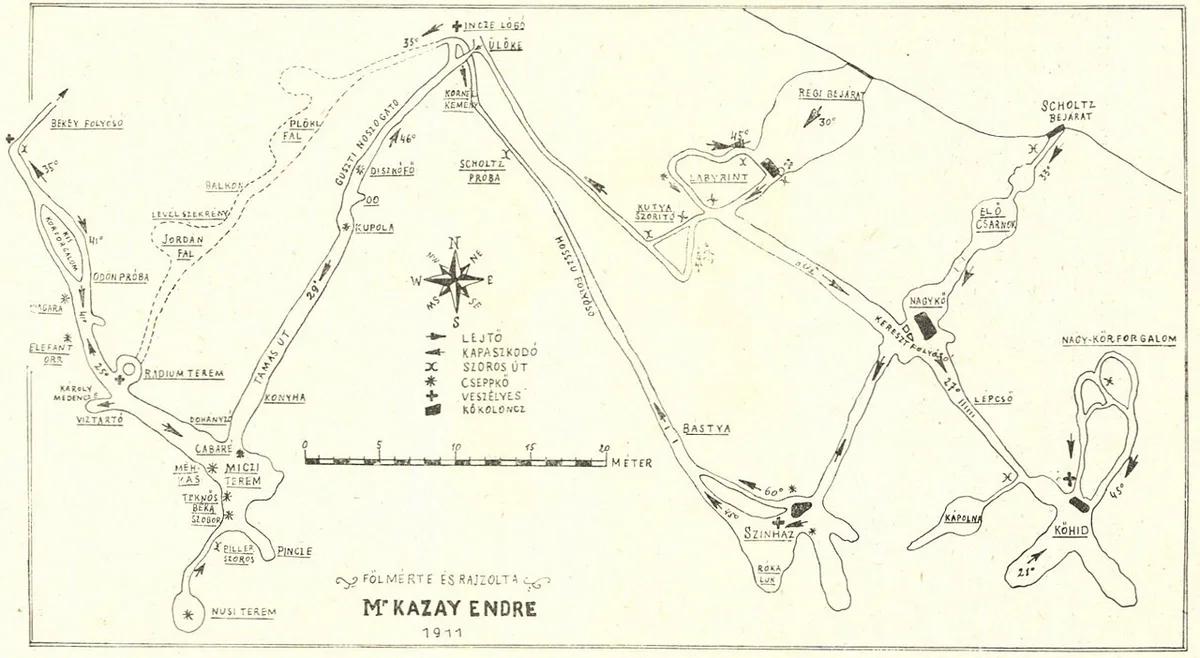
Match the cave to your energy level and your group. The table compares the main options, and each name links to its own guide. Prices and hours change, so each venue's official page is the place to confirm them.
| Site | Type | Visit length | Physical demand | Best for | Booking |
|---|---|---|---|---|---|
| Pálvölgy Cave | Natural show cave | About 40 minutes | Steps and ladders, no gear | First-time cave visitors | Check official site |
| Szemlő-hegy Cave | Natural show cave | Check official site | Check access details | Mineral formations | Check official site |
| Buda Castle Labyrinth | Historic tunnels | Check official site | Low, mostly walking | History fans, rainy days | Check official site |
| Mátyás-hegy tour | True caving trip | Check with operator | High, crawling and jumpsuit | Adventure seekers | Advance booking, group |
- Families with young kids: start with Pálvölgy Cave for its short, equipment-free tour.
- Mobility limits: ask each venue about steps and access before you go, starting with Szemlő-hegy Cave.
- Rainy-day visitors and history fans: pick the Buda Castle Labyrinth: Tickets, Tours and the Wrong-Door Trap.
- Adventure seekers: book the Mátyás-hegy caving tour.
- Claustrophobic visitors: skip Mátyás-hegy and the narrowest passages.
Natural Caves vs Castle Tunnels vs Caving Tours
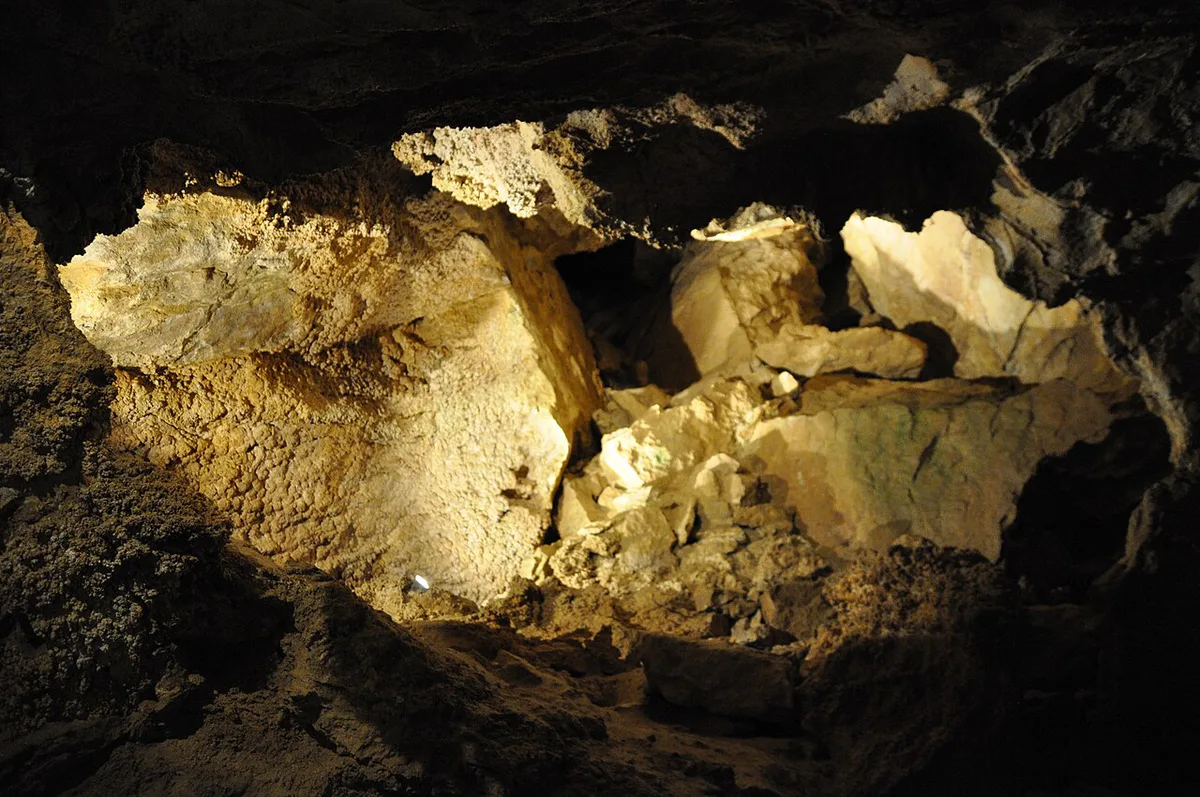
Natural show caves are the closest thing to a classic cave visit. Pálvölgy is part of Duna-Ipoly National Park, and its guided tour lasts about 40 minutes. Expect ladders and steps, but no special equipment. Szemlő-hegy is known for mineral and crystal formations rather than stalactites.
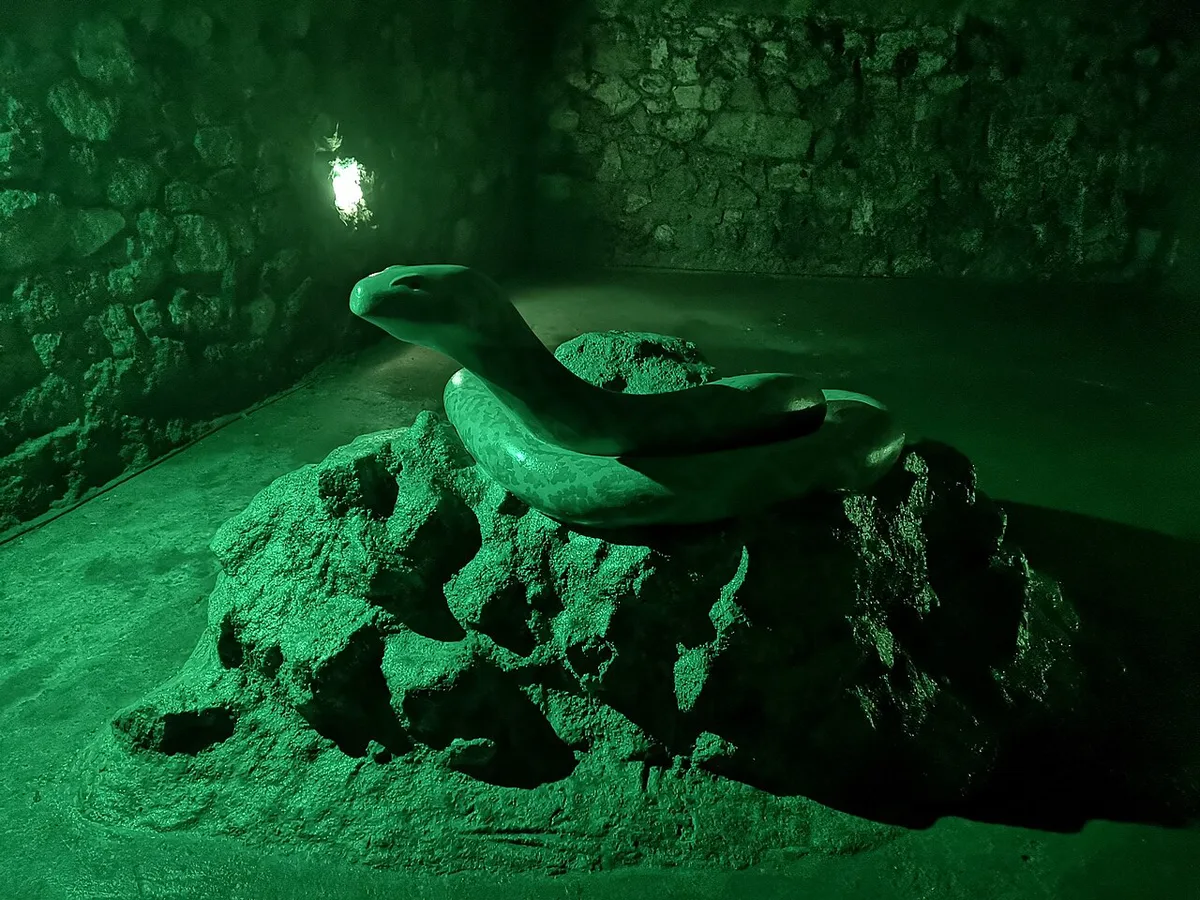
Castle Hill offers a different experience. The Buda Castle Labyrinth is a themed walk through tunnels beneath the hill, with an evening lantern option. It is touristy, but it suits history fans and anyone who wants shelter from winter weather. A bunker museum elsewhere on Castle Hill (Hospital in the Rock) is man-made tunnels, not a natural cave, so it sits outside this guide.
Mátyás-hegy is the only true caving trip. It links to the Pálvölgy system, the passages are undeveloped, and you wear a jumpsuit. It is physically demanding and unsuitable for anyone who dislikes tight spaces. A small cave church on Gellért Hill is also worth a short stop if you are nearby.
Tickets, Booking and Opening Hours
Prices and hours were checked November 2026 against venue pages, and they change often. The Duna-Ipoly National Park site at dinpi.hu is the place to check the park-run caves. Guided cave tours run on set schedules, so arriving without a plan can mean a wait. Hungarian show caves often run reduced winter schedules, so look at the current season before you travel.
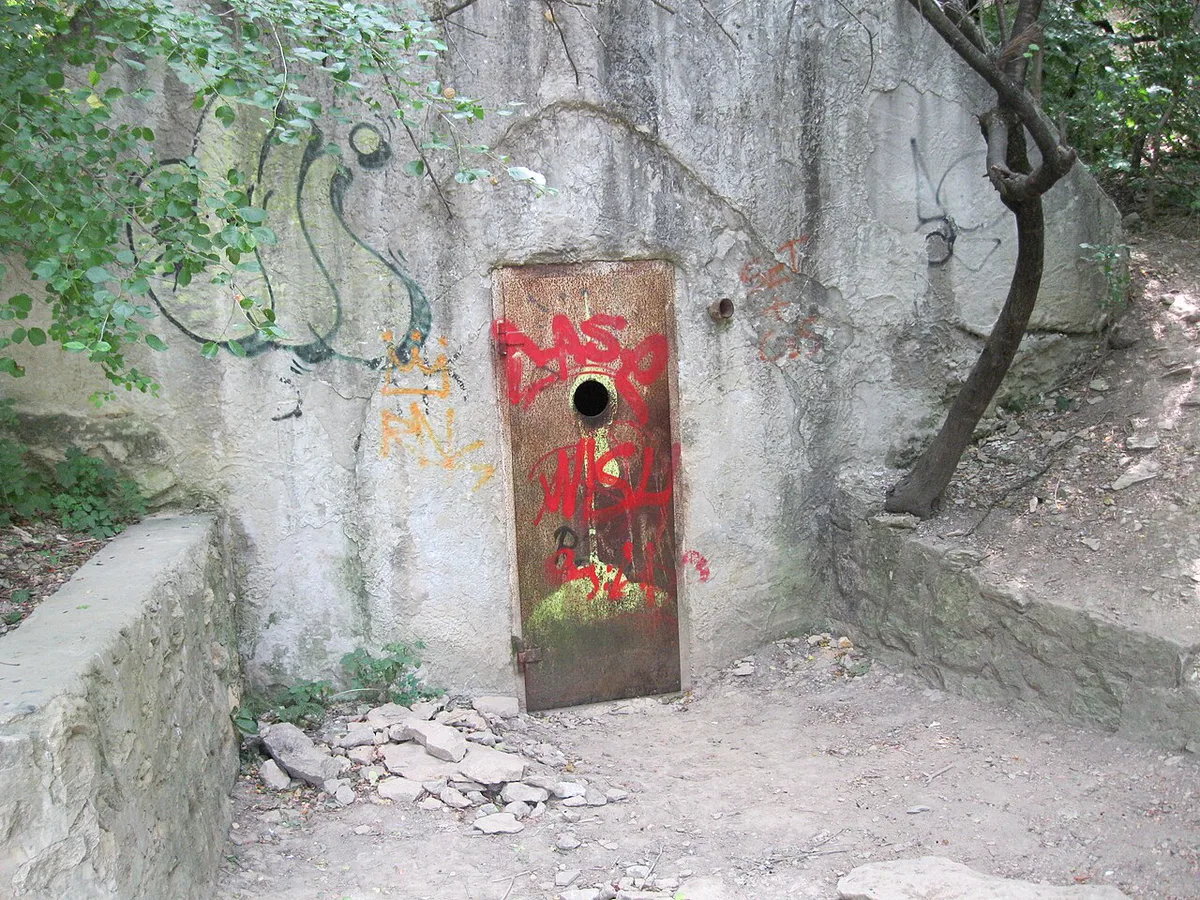
The Labyrinth lists its own details on its official site. Mátyás-hegy is never a drop-in. Tours are arranged in advance and need a minimum group, so contact the operator first.
Getting Around and Combining Sights
Do not assume the caves sit close together. Pálvölgy, Szemlő-hegy and Mátyás-hegy are in the Buda Hills, in District II, while the Labyrinth is on Castle Hill. Look up current routes and stops on the BKK transit site before you leave.
Pálvölgy's guided tour lasts about 40 minutes, which leaves room to pair it with a Mátyás-hegy caving trip departing from the same area.
Two pairings work by geography. Combine the Buda Hills caves for one half-day, since Mátyás-hegy tours depart from the Pálvölgy area. Pair the Labyrinth with Matthias Church and a cellar tasting for a Castle Hill half-day, then add a walk around the district. General sightseeing context is on the Budapest tourism site.
Wine Cellars and Matthias Church on Castle Hill
Castle Hill sits on a network of medieval cellars, and the Labyrinth is only the best-known part of it. If you are spending a half-day up there, two stops fit naturally around the tunnels: a cellar tasting and the church next door.
Wine cellar tastings
Several Castle District wine bars use the cool cellars below the buildings around Szentháromság tér and Hess András tér. Faust Wine Cellar, beneath the Hilton on Hess András tér, is a long-running example and serves Hungarian wines by the glass or as a tasting flight. Typical choices include Tokaji sweet wines, Eger reds such as Bikavér, and whites from Lake Balaton. Cellars are cool year-round, so they work well as a warm-up stop after a winter walk. Hours and tasting menus change by season, so confirm them with the venue before you plan around one.
Matthias Church
Matthias Church (Mátyás-templom) stands a short walk from the cellar bars and the Fisherman's Bastion. Entry is ticketed, and the church can close for services and events, so check the official site on the day. Its painted interior and small museum take roughly 30 to 45 minutes.
A simple Castle Hill order
- Start with the Labyrinth, booked for the earliest tour slot you can get.
- Walk to Matthias Church and the Fisherman's Bastion.
- Finish with a cellar tasting, once the guided tours are done.
Keep the tasting for last: wet cave floors and steep steps are easier to handle before a glass of wine.
Thermal Cave Baths and Caves Beyond Budapest
A cave bath is a spa, not a cave tour. The Cave Bath Near Budapest: Where to Swim in a Cave is for soaking, so choose it for a relaxing afternoon rather than exploring.
Outside the city, the Miskolctapolca Cave Bath: What It Is and Who It Suits combines bathing with a cave setting. Tapolca Lake Cave: Boat Ride, Tickets & Visit Tips is a boat-based cave visit. Baradla Cave Guide: Tours, Tickets and How to Visit is a large natural cave system. Journey times vary, so check them on the official sites. For a full list, see all Hungary caves.
Common Mistakes and Practical Tips
Wear shoes with grip, because cave floors can be wet and slippery. Bring a warm layer, since caves feel cooler than the street outside. Book Mátyás-hegy early, and check seasonal closures for every other site.
Who should skip what:
- Skip Mátyás-hegy if you are claustrophobic or dislike getting dirty.
- Skip the Labyrinth if you want a natural cave.
- Skip the thermal cave bath if you want to explore a real cave.
- Skip Pálvölgy's ladders and steps if you have limited mobility, and ask about alternatives.
Notes for your next trip underground
Optional updates when we add or revise cave and underground guides.
More guides
More guides you'll find useful