Caving in Europe: Show Caves vs Real Caving Guide
Plan caving in Europe: show caves vs guided wild caving, how to choose, seasonal access, transfers and costs to check before you go.
Last updated November 2026: caving in Europe covers two different activities. Most visitors walk lit, paved show caves, while real caving means guided adventure tours or club-led trips with helmets, lamps and sometimes ropes. Experience type, physical demand, booking rules, season and total cost decide which one fits, and our guide to show caves versus wild caves explains the split in more depth.
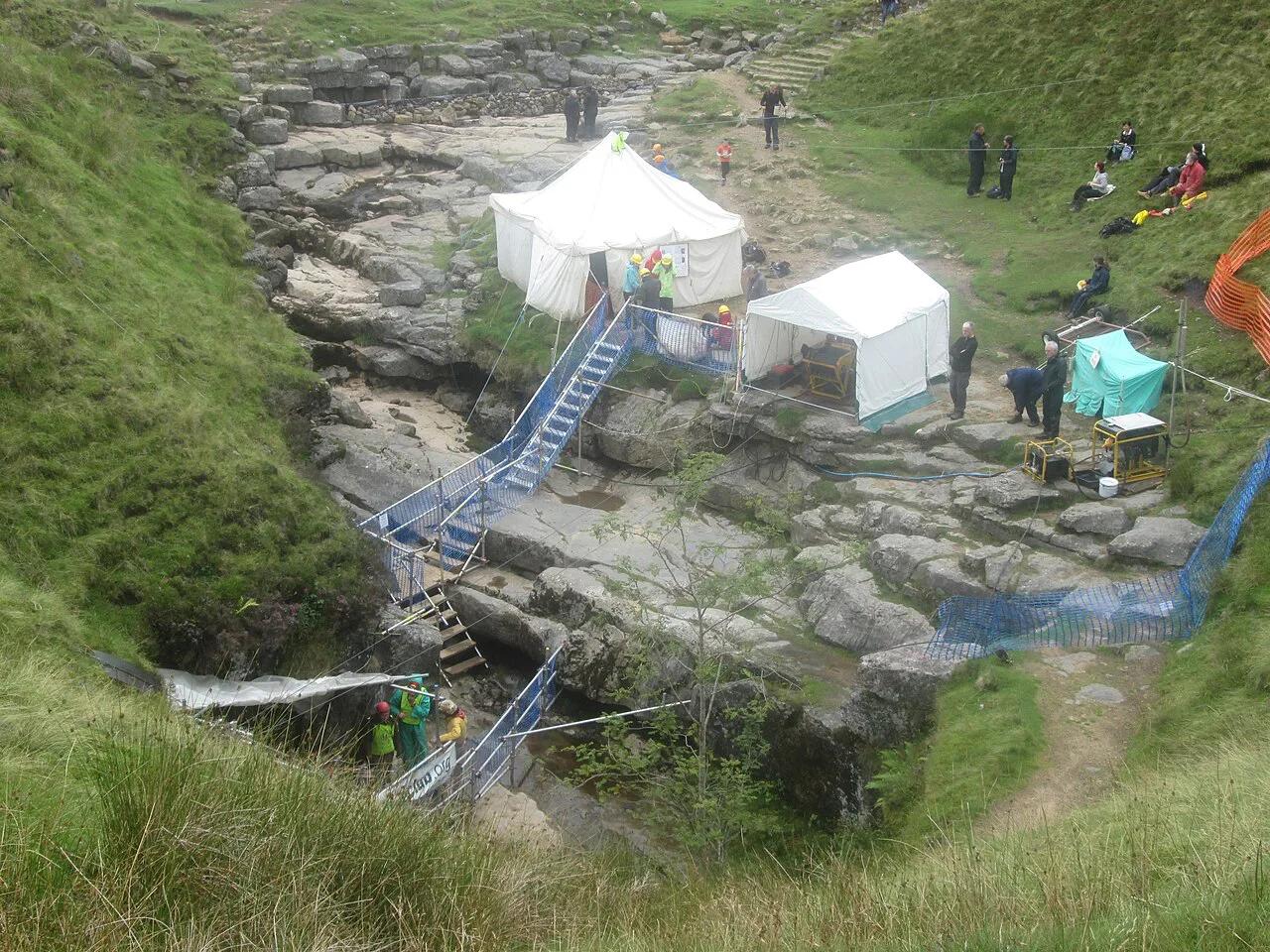
Featured image: John Slater, CC BY-SA 2.0, via Wikimedia Commons.
Caving in Europe: show cave visit or real caving?
Pick the category first, because gear, fitness and booking rules change completely between them. Show caves have lit walkways and timed entry. Guided wild-cave tours supply helmets and lamps and involve crawling or ropes. Independent caving needs club membership, training and insurance. For a wider overview of destinations, start with our overview of caves across Europe.
| Type | Gear and fitness | Booking | Cost type | Best for |
|---|---|---|---|---|
| Show cave | Sturdy shoes and a warm layer; steps and wet floors are the main hurdle | Timed entry, often seasonal | Entry fee, sometimes plus transfer | First-timers, families, sightseers |
| Guided wild-cave tour | Helmet and lamp supplied by the operator; crawling, narrow gaps, sometimes ropes | Advance booking, limited group size | Guided trip price | Active travelers comfortable in tight, wet spaces |
| Independent caving | Personal kit, training and rescue awareness | Through a caving club | Membership and insurance | Experienced cavers only |
Quick picks by traveler type
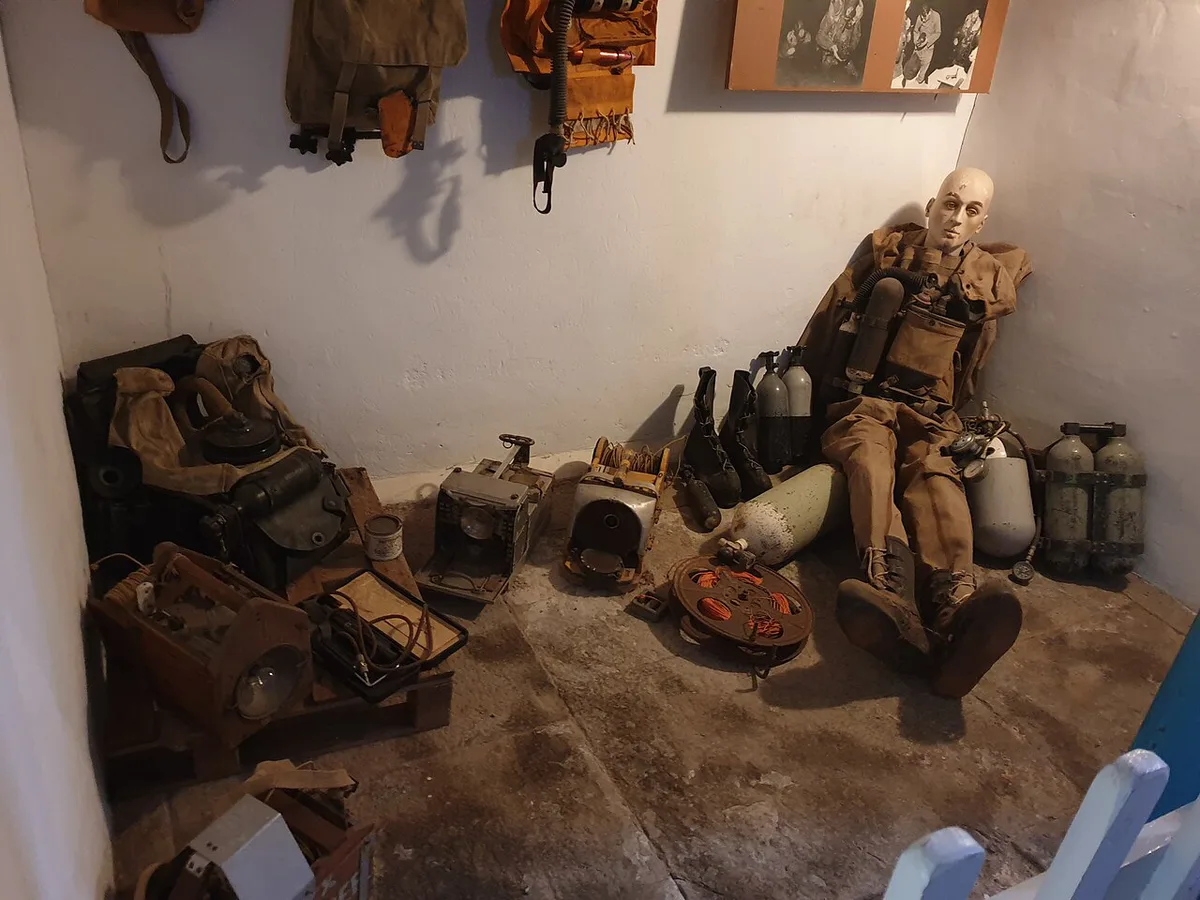
Match the cave to the person rather than chasing the biggest name. Record-hunters can jump to the guides for the Largest Cave in Europe: Which One and Can You Visit?, the Deepest Cave in Europe: Depth, Ranking and Access and the Longest Cave in Europe: Top Caves by Length.
| Traveler | Good fit | Why |
|---|---|---|
| First-timers | Gruta de las Maravillas, Aracena, Spain | Guided walk through lit galleries with stalactites and still lakes |
| Families | Gutmanis Cave, Latvia | Short stop on a Sigulda and Turaida day trip |
| Prehistoric art fans | Grotte de Rouffignac, France | Wall art, seen by electric train |
| Water-cave seekers | Grotta Azzurra, Italy | Sea cave reached by boat from Capri |
| Myth and history fans | Dikteon Andron and Ideon Andron, Crete | Both are tied to the story of Zeus |
| Active adventurers | Guided wild-cave tour | Helmet, lamp and real crawling |
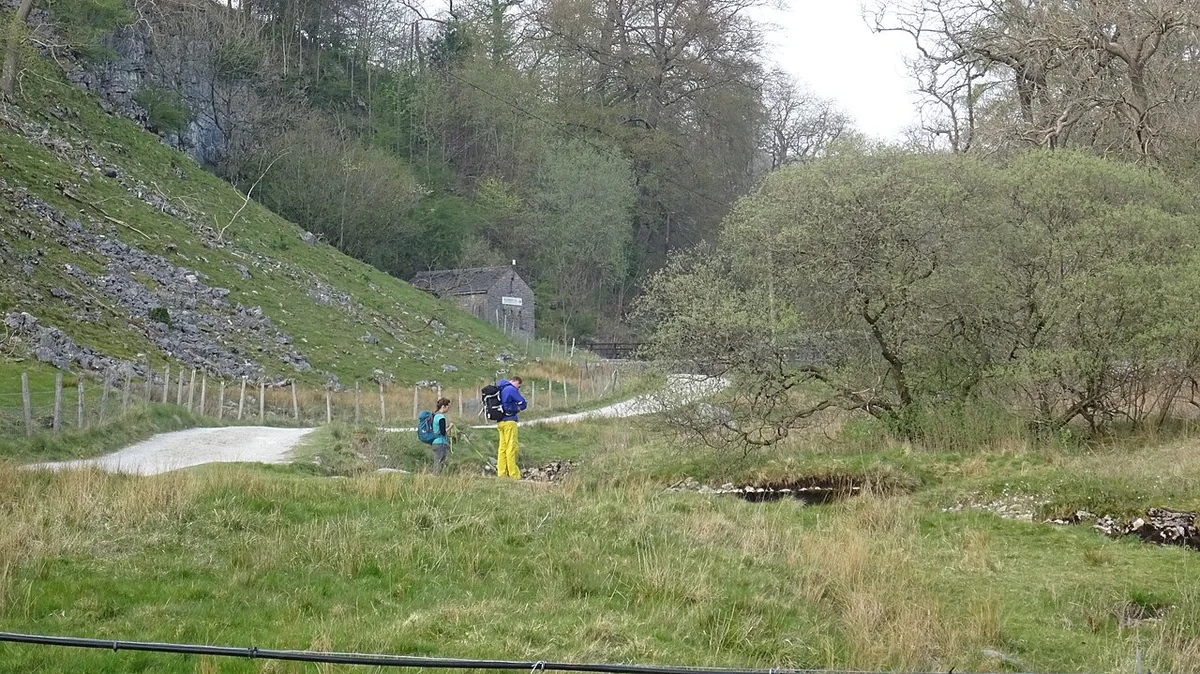
Featured caves for show-cave visitors
Each block lists the practical decision points first. Hours, fees and closures change by season, so use the official site for current prices and hours. Slovak visitors can use the Slovak Caves Administration for that country's show caves.
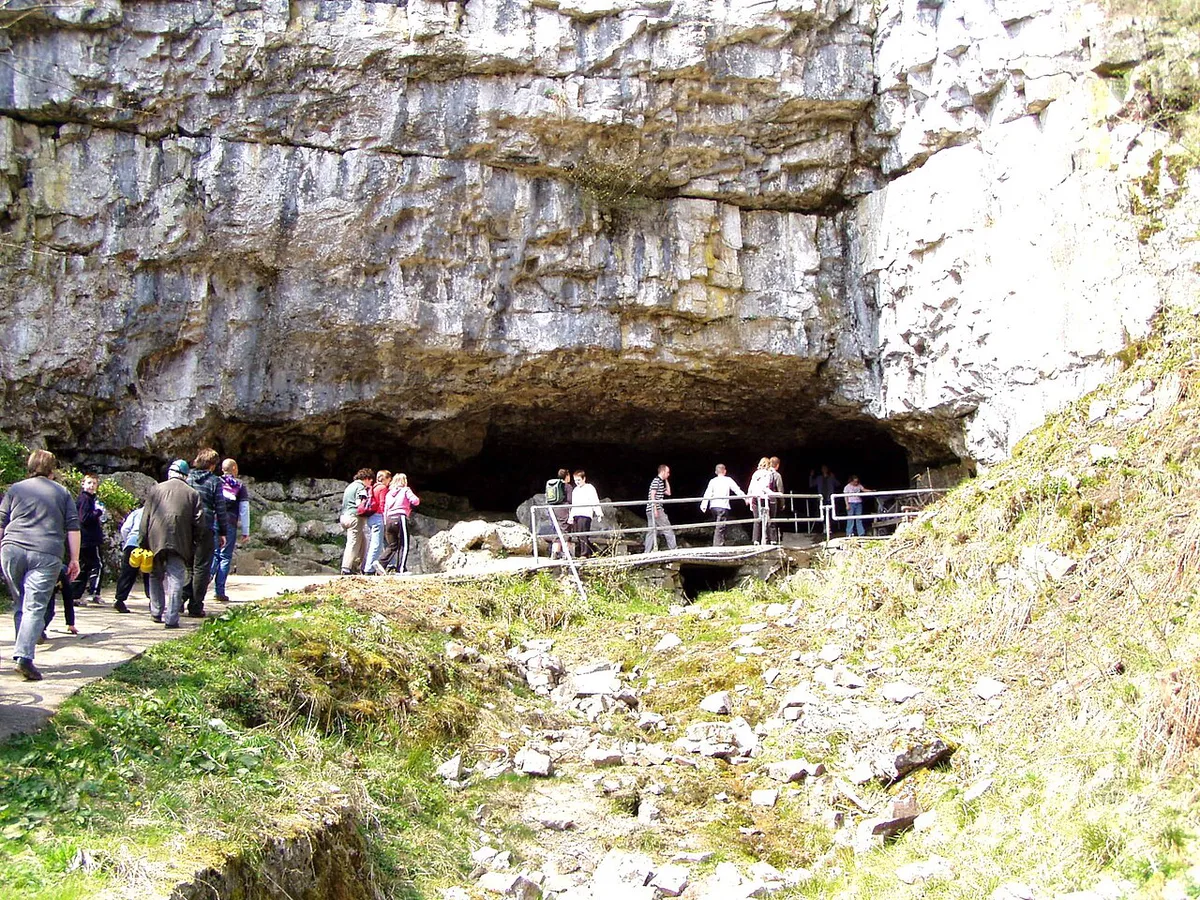
Gruta de las Maravillas is a guided visit through lit galleries, not an adventure trip, so first-timers see stalactites, stalagmites and underground lakes without caving gear.
- Gruta de las Maravillas, Aracena, Spain. Where: under the town of Aracena in northern Huelva, usually reached by car. Season: seasonal and holiday hours change, and one listing reports a midday closure, so see the Aracena official site. Access: a guided visit through lit galleries. Best for: first-time cave visitors, couples and families with older children. Skip if: you want crawling and helmets, or you dislike stairs and damp air.
- Grotte de Rouffignac, Périgord, France. Where: reached by taxi from Périgueux. Season: closed for part of the year, so dates matter. Access: an electric train covers only part of the cave. Best for: prehistoric wall art. Skip if: you have no way to arrange a taxi. Drawings show mammoths, woolly rhinoceros and mountain goats.
- Grotta Azzurra, Capri, Italy. Where: boat from Marina Grande. Season: open year-round in principle, but sea swell and light decide each day. Access: boat plus a separate entry. Best for: the emerald light on the water. Skip if: rough seas or tight budgets bother you. Entry can be cancelled in poor conditions, so keep the day flexible.
- Dikteon Andron and Ideon Andron, Crete, Greece. Where: Dikteon sits above the Lasithi Plateau near Psychro, and Ideon is reached by bus toward Katafigio. Season: April to October is the main window. Access: steps down into both caves. Best for: myth and Minoan history. Skip if: stairs are difficult. Dikteon is the better lit and more visited of the two, while Ideon is quieter. See Visit Greece for island travel planning.
- Gutmanis Cave, Turaida, Latvia. Where: train from Riga to Sigulda, then a minibus to Turaida. Season: seasonal hours. Access: free entry. Best for: a low-cost add-on. Skip if: you want a headline cave. Allow about 1.5 hours to reach it from Riga.
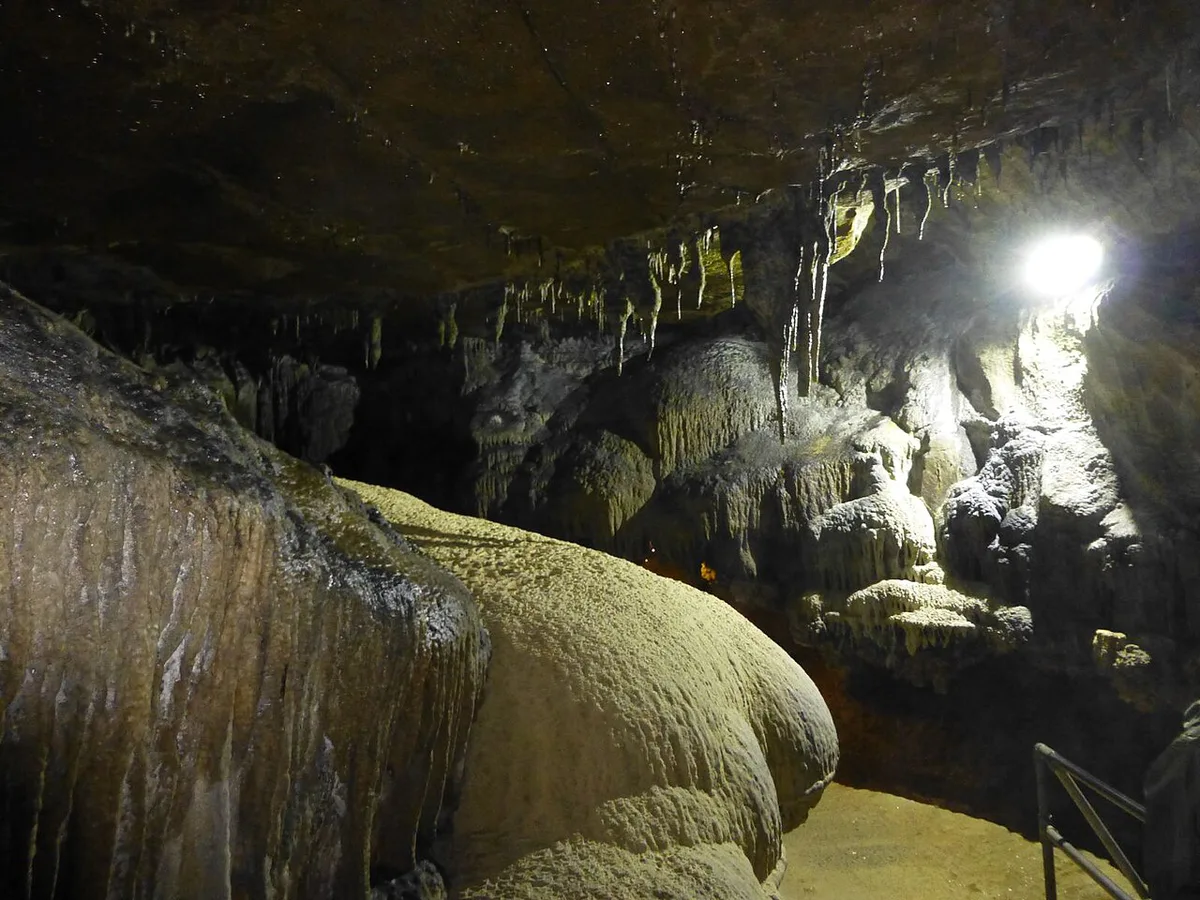
Where to try real caving
Real caving means guided adventure trips in karst regions, where you wear a helmet and lamp and move through tight, wet passages. Choose the operator carefully, because standards vary. Use these checks before you pay.
- Certified guides who can show their qualification.
- A stated maximum group size.
- Helmet, lamp and protective suit supplied.
- Insurance that covers underground activity.
- A written grade or difficulty description for each trip.
- A clear policy on who should skip it, including claustrophobia and mobility limits.
Safety and conservation underground
Never go underground alone, and never treat a wild-cave trip as a casual tourist activity. Rescue underground is slow and hard. Insurance matters for any trip beyond a lit walkway. Do not touch formations, because oils from skin stop them growing. Learn the difference between stalactites and stalagmites so you can enjoy them from the path. Seasonal bat roosts can close passages, as explained in our note on roosting bats.
What to wear and bring
Cave air stays cool all year, so dress for the underground rather than the weather outside. Our notes on what to wear underground go further. You can also read how cave air temperature behaves through the seasons.
- Closed, non-slip shoes with thick soles. Sandals are a poor choice.
- A warm layer or windbreaker, even in summer.
- A small headlamp or torch for close-up features.
- No flash where photography is restricted.
- Insect repellent for caves with standing water.
- Extra travel insurance if you book a guided adventure trip.
Costs, timing and logistics at a glance
Transfers can cost more than entry. Capri stacks a boat ride on top of entry, and Aracena is usually reached by car. Budget a half day for most show caves and a full day where a transfer is long. Water routes suit travelers curious about Underground Lakes in Europe: Where to See Them. Boat-based visits are collected in our guide to cave boat tours. Prices and hours for every site in the table are on each official site.
| Cave | Time needed | Access | Fee | Seasonal note |
|---|---|---|---|---|
| Gruta de las Maravillas | Half day | Car to Aracena, then walk to the entrance | See official site | Hours change by season; midday gap |
| Grotte de Rouffignac | Half day | Taxi from Périgueux | See official site | Closed part of the year |
| Grotta Azzurra | Half day | Boat from Marina Grande | Entry plus boat | Weather and swell dependent |
| Dikteon Andron | Half day | Bus to Psychro | See official site | April to October main season |
| Ideon Andron | Half day | Bus toward Katafigio | See official site | April to October main season |
| Gutmanis Cave | About 1.5 hours from Riga | Train to Sigulda, then minibus | Free | Seasonal hours |
Mistakes to avoid
Most problems come from timing and footwear. Add-ons can improve a trip: some caves host events described in our guide to cave concerts, and a few serve food, covered in Cave Restaurants in Europe: Where to Dine Underground. If crystal formations are the draw, see our list of crystal caves.
- Arriving off-season at seasonal sites.
- Assuming a sea cave is always open.
- Wearing sandals or slippery soles.
- Skipping advance booking for timed entries.
- Treating wild caving as a tourist activity.
Frequently Asked Questions
Why does anyone do caving?
People cave for the physical challenge, the quiet and the chance to see places few visitors reach. Show caves offer the easy version with lit walkways. Guided adventure trips add crawling and ropes for those who want more.
Notes for your next trip underground
Optional updates when we add or revise cave and underground guides.
More guides
More guides you'll find useful