Caves in Sicily: Types to Visit and How to Plan
A practical guide to caves in Sicily: natural caves, sea caves and ancient quarries, with access, timing and who each suits.
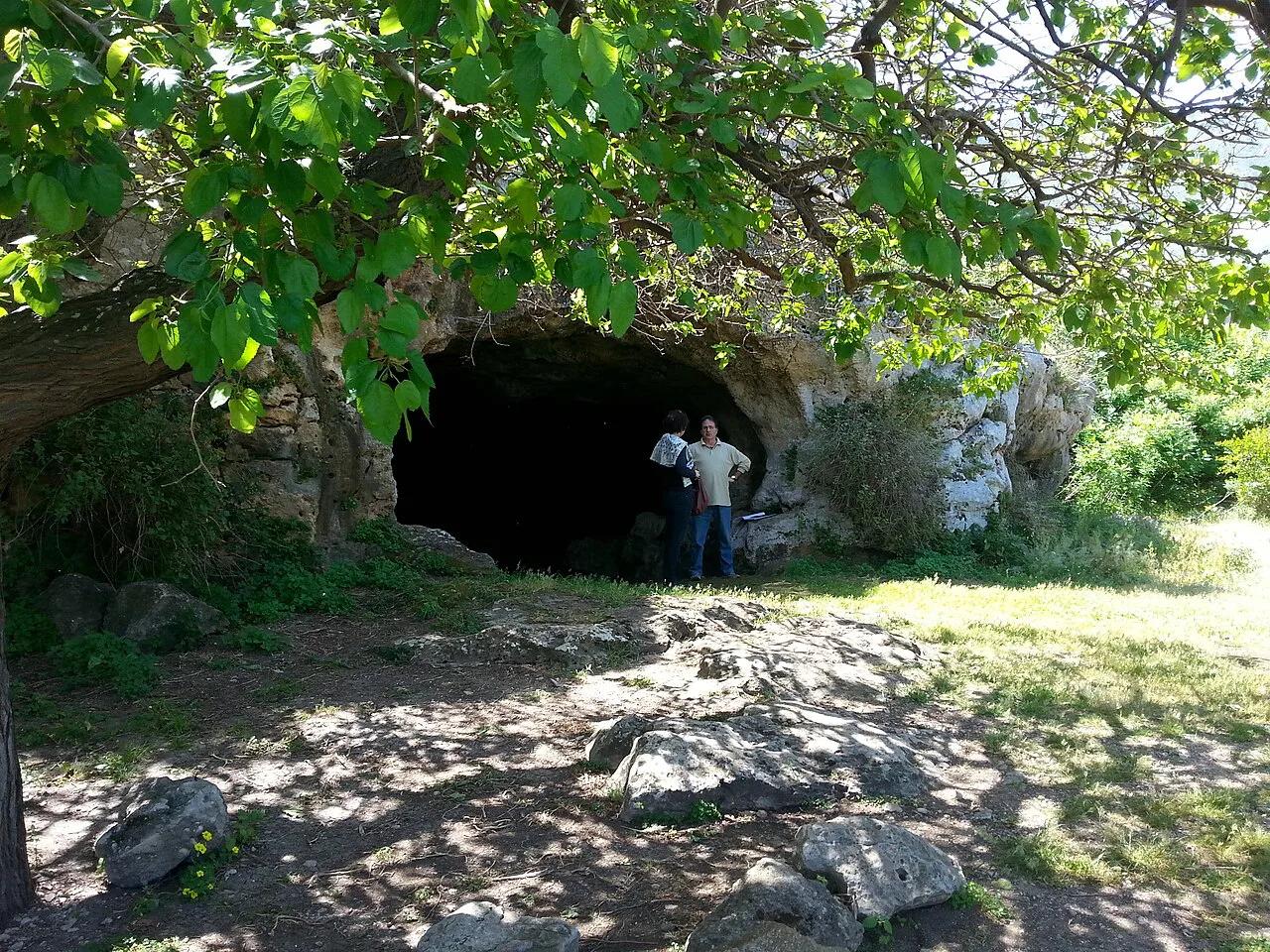
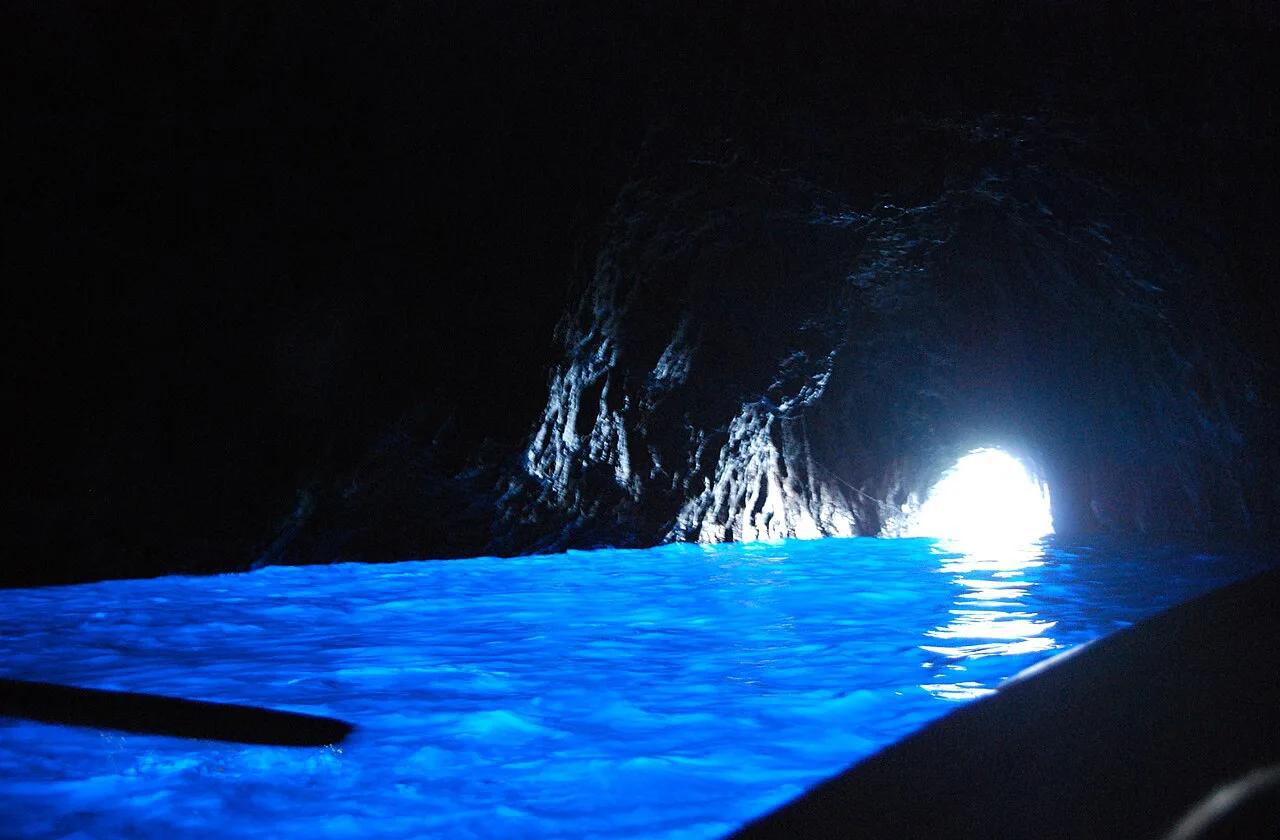
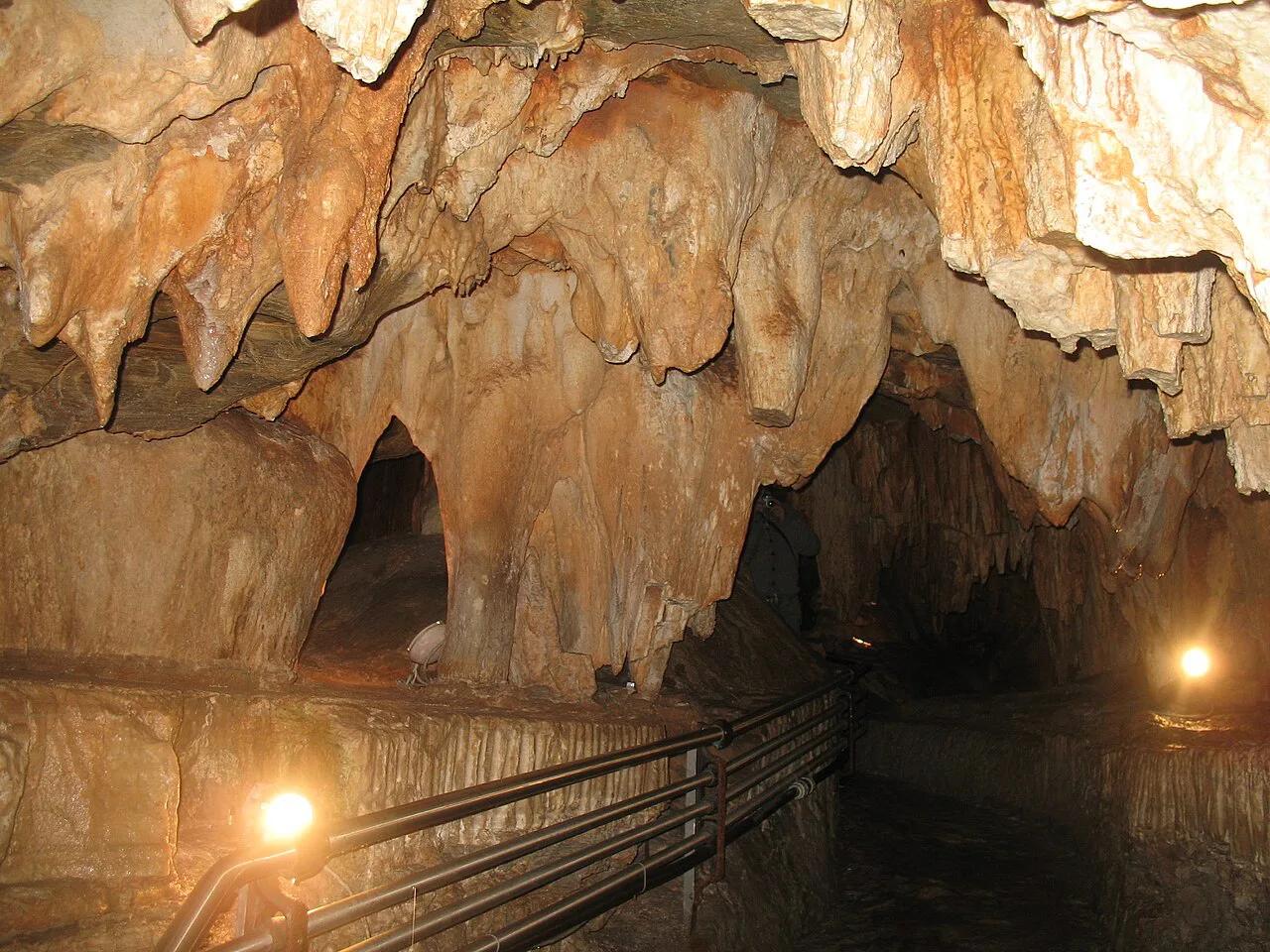
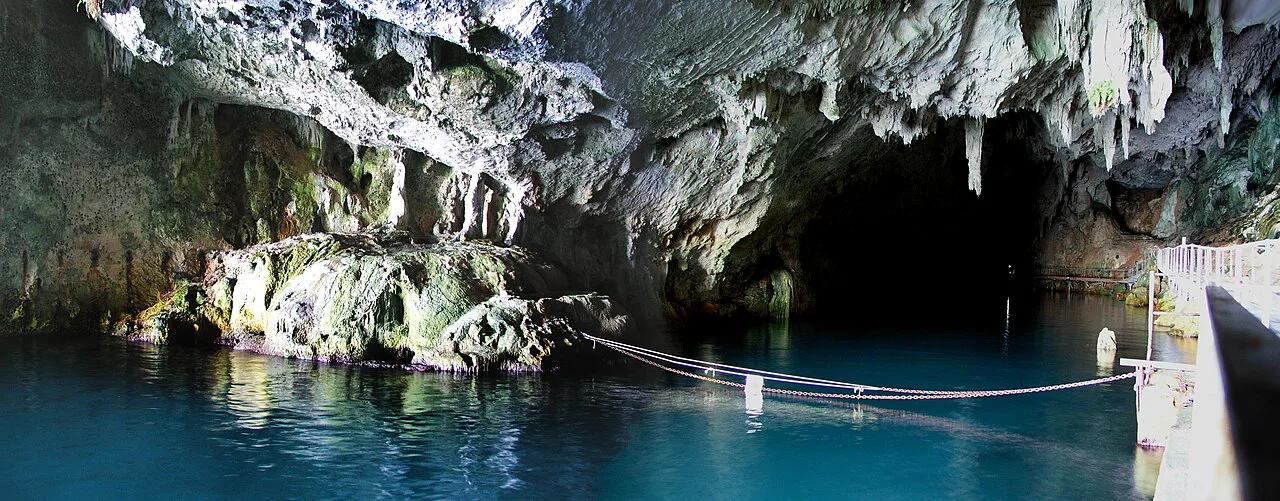
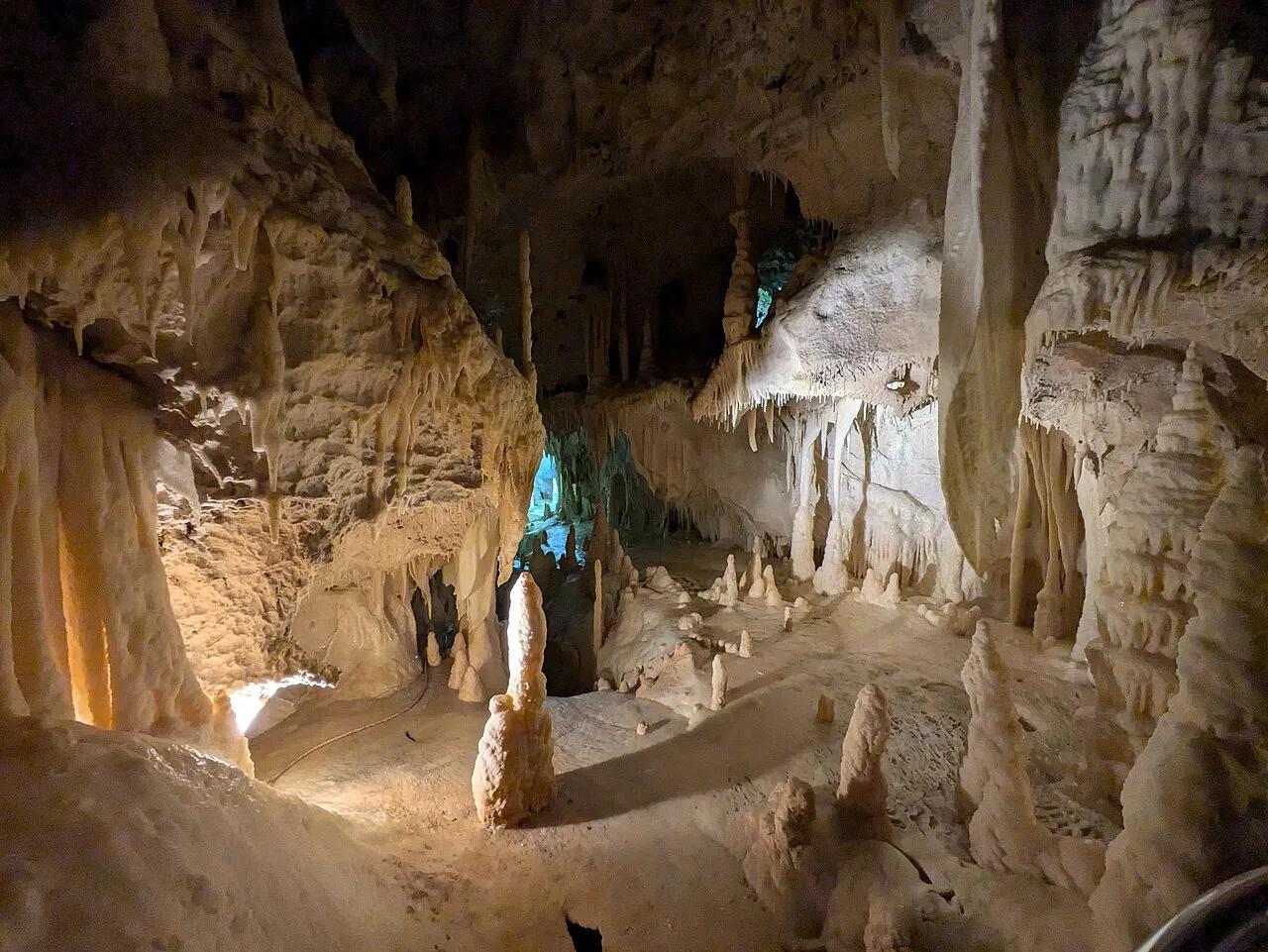
Last updated November 2026. Caves in Sicily fall into three groups: natural karst caves, sea caves reached by boat, and ancient quarries that people call caves. This guide covers all three and sorts them by access and effort, so you can pick the right one for your group. Prehistoric rock-art caves are not covered here.
Featured image: Esculapio, CC BY-SA 3.0, via Wikimedia Commons.
Caves in Sicily at a glance
Start by deciding what you want to see. A natural cave means rock formations underground, usually on a set route. A sea cave means a boat or kayak trip that depends on the weather. A quarry means open-air archaeology, with no darkness and no cold. Cave di Cusa is the best-known quarry example, about 12 km from Selinunte. It is not a natural cave, but it appears in many searches for caves in Sicily.
| Type | What you see | Access | Effort | Best conditions |
|---|---|---|---|---|
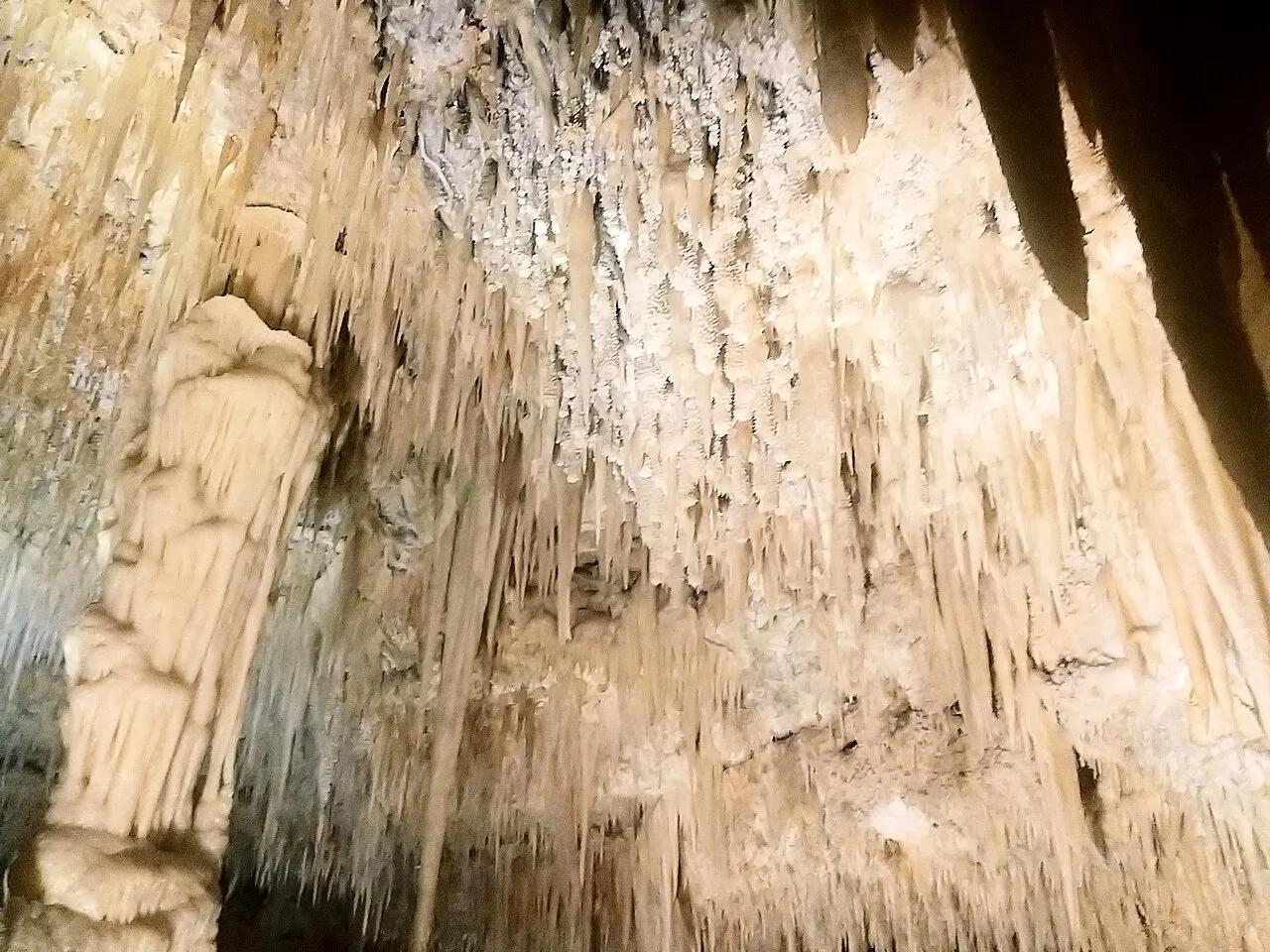
| Natural karst cave | Rock formations and underground chambers | Walk-in on set routes; some sites are guided only | Low to moderate; uneven, damp floors | Hot or wet days, since caves stay cool |
| Sea cave | Coastal cliffs and cave mouths from the water | Boat or kayak trip | Low on a boat; higher by kayak | Calm sea and good visibility |
| Quarry or archaeological site | Cut stone drums and blocks in the open air | Walk-in on open ground | Low; some walking on rough ground | Dry, cooler days with shade breaks |
Best caves to visit in Sicily, by type
Only sites that can be tied to a named place or an official source are listed here. Check each site's own page before you set a date.
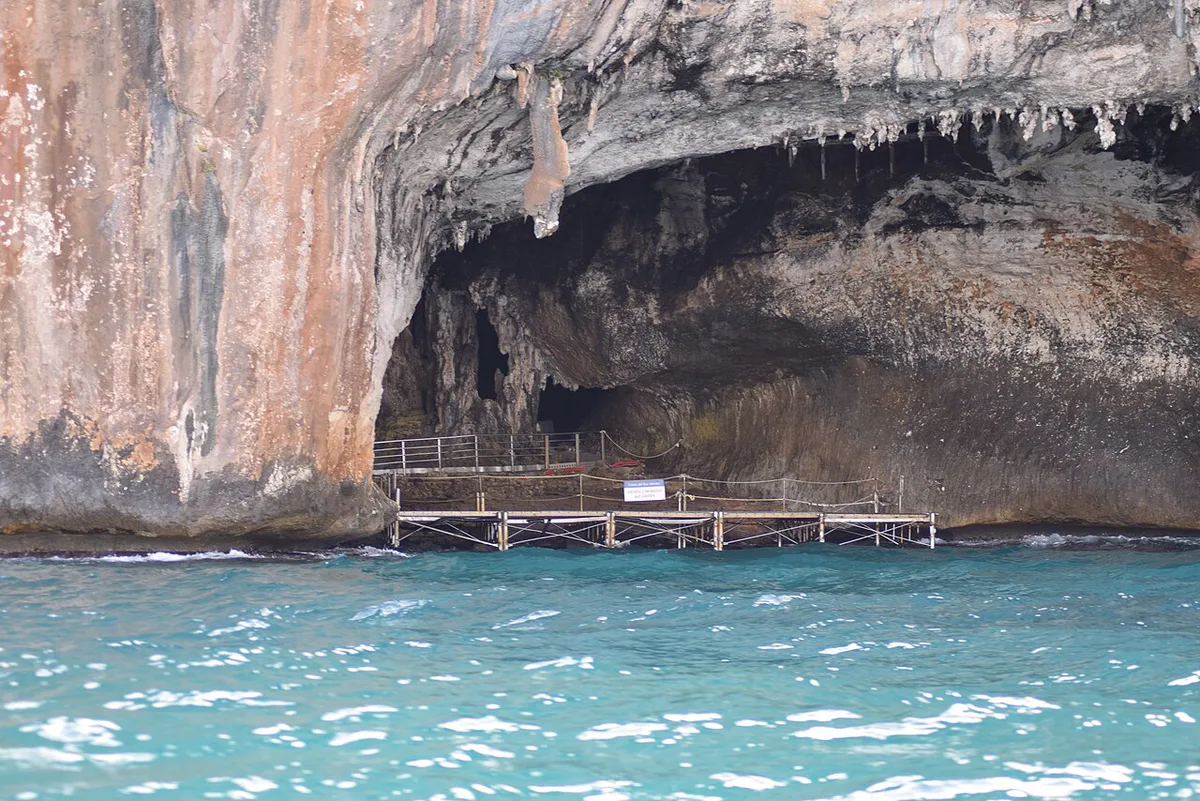
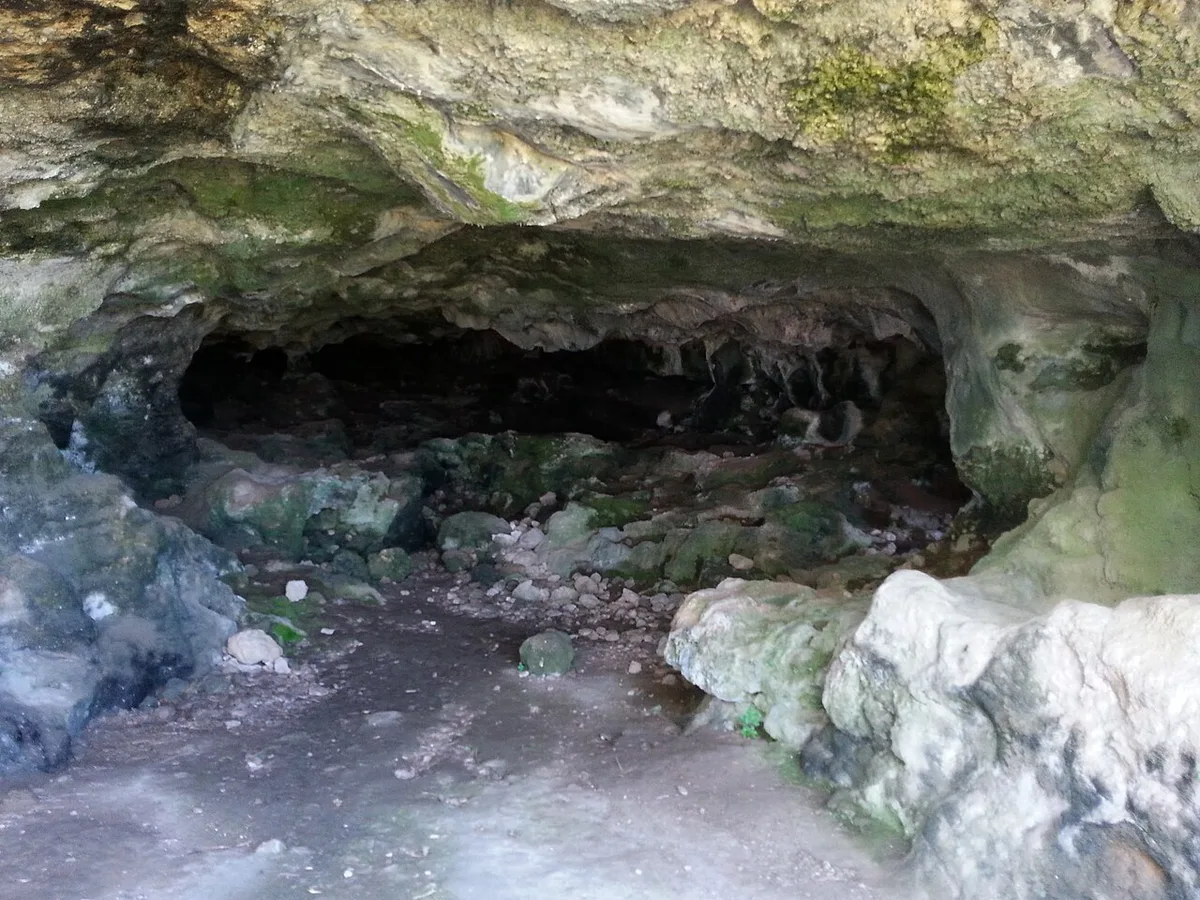
- Natural caves near Palermo: Grotta di Carburangeli is near Carini, west of Palermo, and Grotta dei Puntali sits in the same Carini area. Both suit a half-day out of the city.
- Natural cave reserve: the Riserva Naturale Grotta di Santa Ninfa protects a karst cave system. Its official reserve site is the place to check access rules.
- Quarries: Cave di Cusa is where stone for the Selinunte temples was cut. It is open ground with column drums still in the rock, so it suits visitors who dislike enclosed spaces.
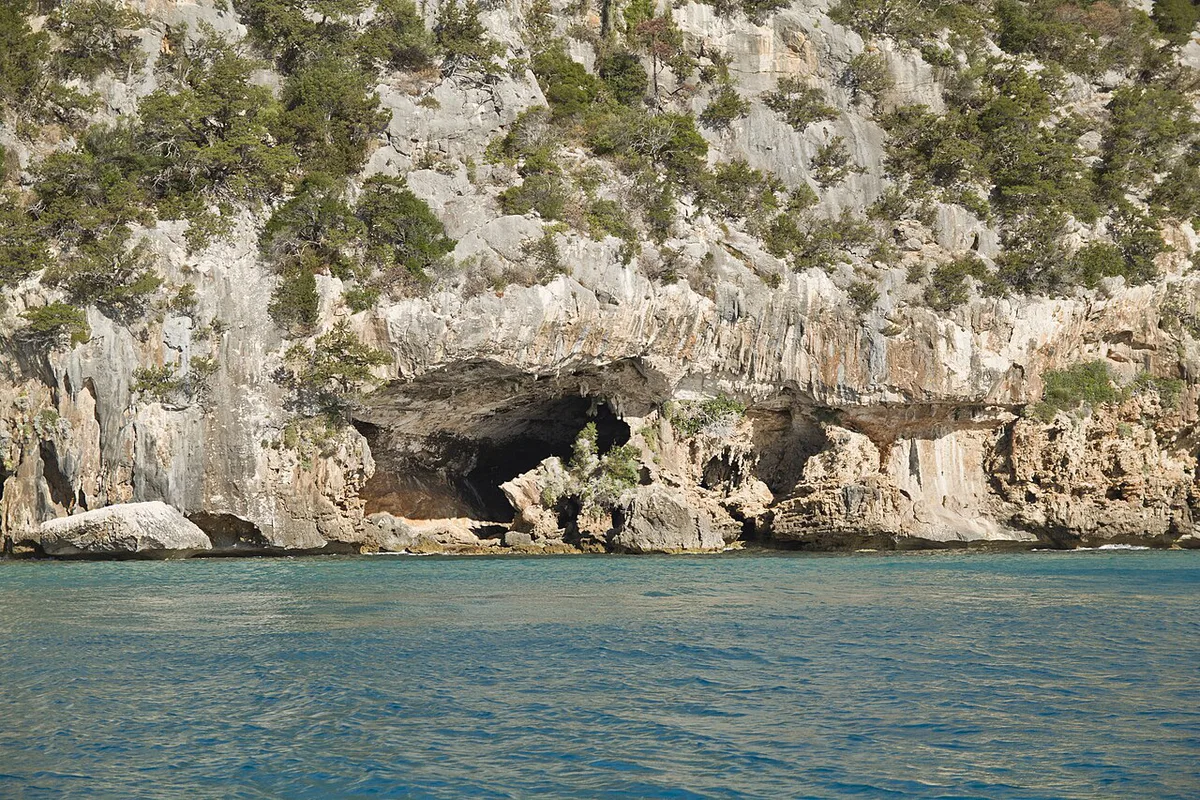
- Sea caves: boat trips along the Sicilian coast pass cave mouths and sea grottoes. The regional Sicily tourism site is the starting point for finding a local operator.
Seeing the Cave di Cusa quarries
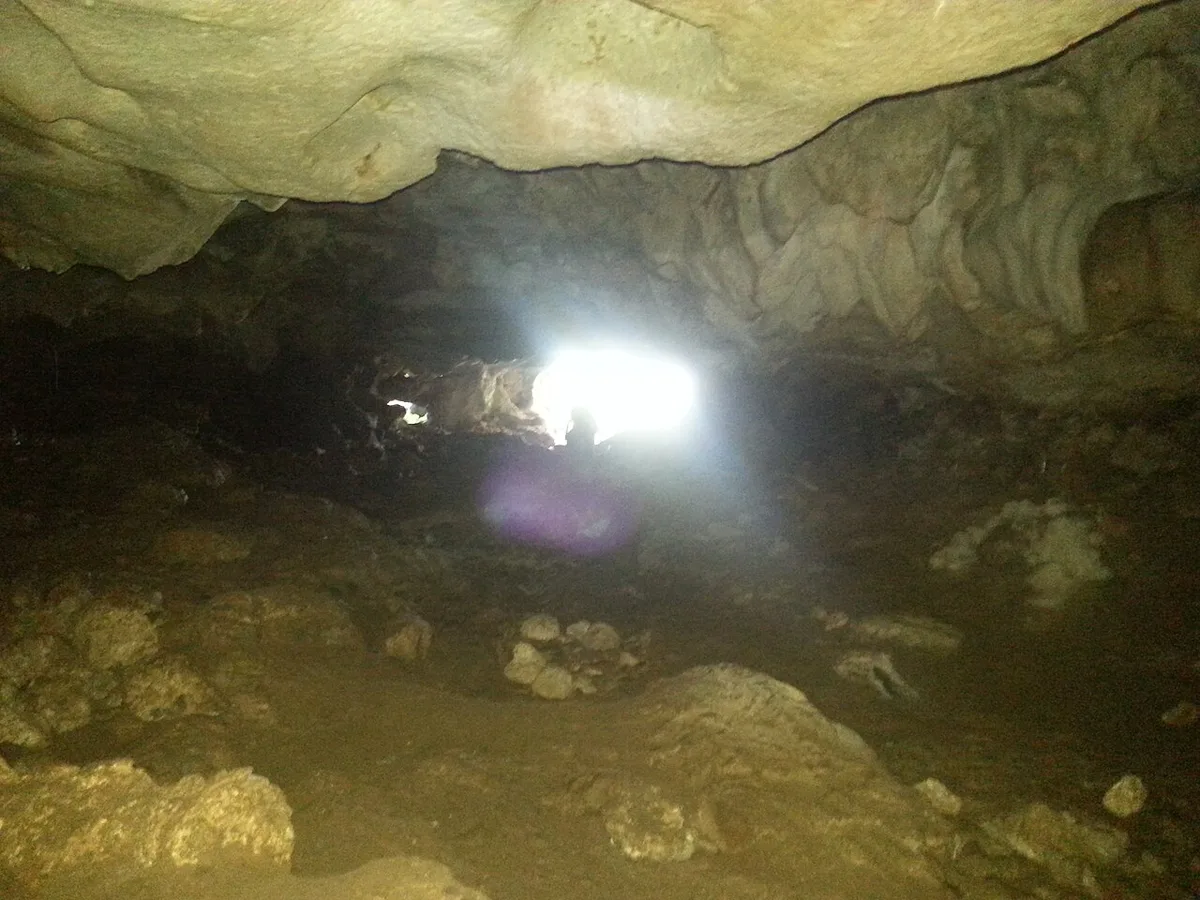
Cave di Cusa is worth separate treatment, because it is the one site many visitors expect to be a cave. The quarries supplied limestone for Selinunte's temples and have been left untouched since the city's destruction in 409 B.C. You can see column drums half-cut from the bedrock. Stonemasons left a working gap of about 50 cm around each column. Some drums are roughly 3 m by 2 m, and they show how the blocks were split free before transport. Olive and orange groves surround the site, which makes it a gentle walk rather than a descent underground.
Some Cusa drums measure roughly 3 m by 2 m, and open air suits visitors who find narrow natural caves hard.
How to plan your time
Budget a half day for any single cave and a full day if you pair it with a town or ruin. Palermo is the natural base for the Carini caves. Selinunte and Cave di Cusa work as one outing, since the ancient route between them ran about 12 km. Cusa takes less time than the main temples at Selinunte, so see Selinunte first and add the quarries at the end of the day. On a wet day, choose a natural cave, because the interior stays cool and dry overhead. On a hot day, pick a sea cave trip in the morning and leave open ground for the evening. If you are short on time, skip the quarries and keep one cave and one coastal stop.
Cusa is about 12 km from Selinunte. Without a car, that taxi leg can get costly, so settle it before you set off.
Tickets, guided entry and opening hours
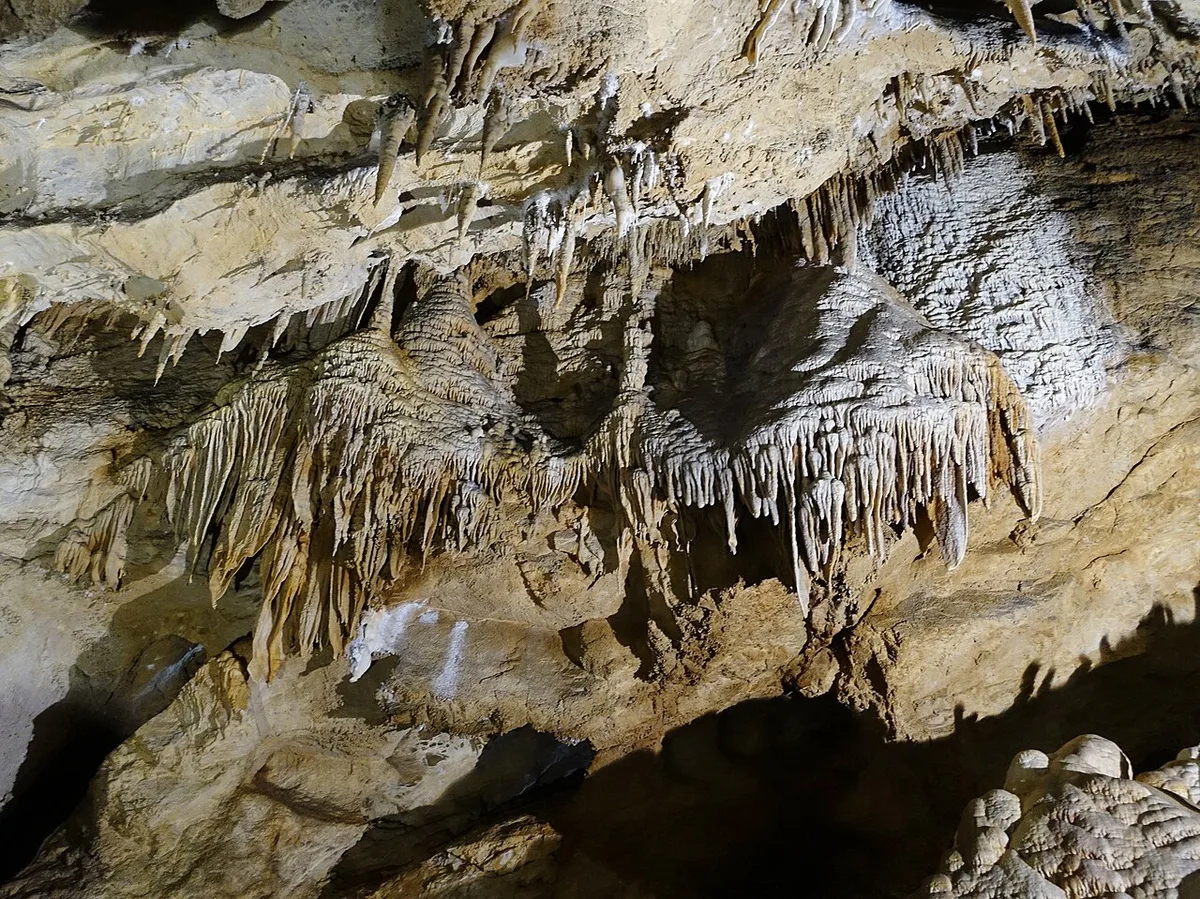
Prices and hours change by season and by site, so this guide gives no fixed figures. Natural caves often admit visitors only in guided groups, and sea cave trips depend on weather and operator schedules. Book ahead in summer and on weekends. The Santa Ninfa reserve and the regional tourism site above list current access and closures. For the Carini caves, ask the local municipality or a guide association before travelling. Cave di Cusa is open ground, but check the archaeological park for opening times before you drive out.
Getting there and where to stay
A car makes every site easier, because the caves and quarries sit outside the main towns. Palermo has the widest choice of hotels and is the best base for Carini. Trapani province works as a base for Santa Ninfa, and the Selinunte area suits the quarries. Without a car, join an organised tour or hire a local driver for the day. Sea cave trips usually leave from a harbour, so base yourself in a coastal town near the departure point. Taxis from a city to a rural cave can be costly, so agree the return trip in advance.
Mistakes to avoid and who should skip what
Most problems come from assuming every cave works the same way. Use the points below to avoid them.
- Assuming every cave is walk-in: many natural caves allow guided groups only, so book before you travel.
- Ignoring sea conditions: boat trips are cancelled in rough weather, so keep a spare day.
- Wearing sandals: cave floors are wet and uneven, so wear shoes with grip and bring a light layer.
- Expecting a cave at Cave di Cusa: it is an open quarry, so plan it as archaeology.
- Claustrophobic visitors should choose the quarries or a boat trip over a narrow natural cave.
- Visitors with limited mobility should check path conditions with the site before booking.
- Sardinia has a different cave scene. Compare it through our guide to 5 Best Caves in Sardinia: Show Caves & Sea Grottoes if you are choosing between islands.
- For a boat-based alternative on that island, see Sea Caves in Sardinia: Which to Visit and How to Get In.
Notes for your next trip underground
Optional updates when we add or revise cave and underground guides.
More guides
More guides you'll find useful