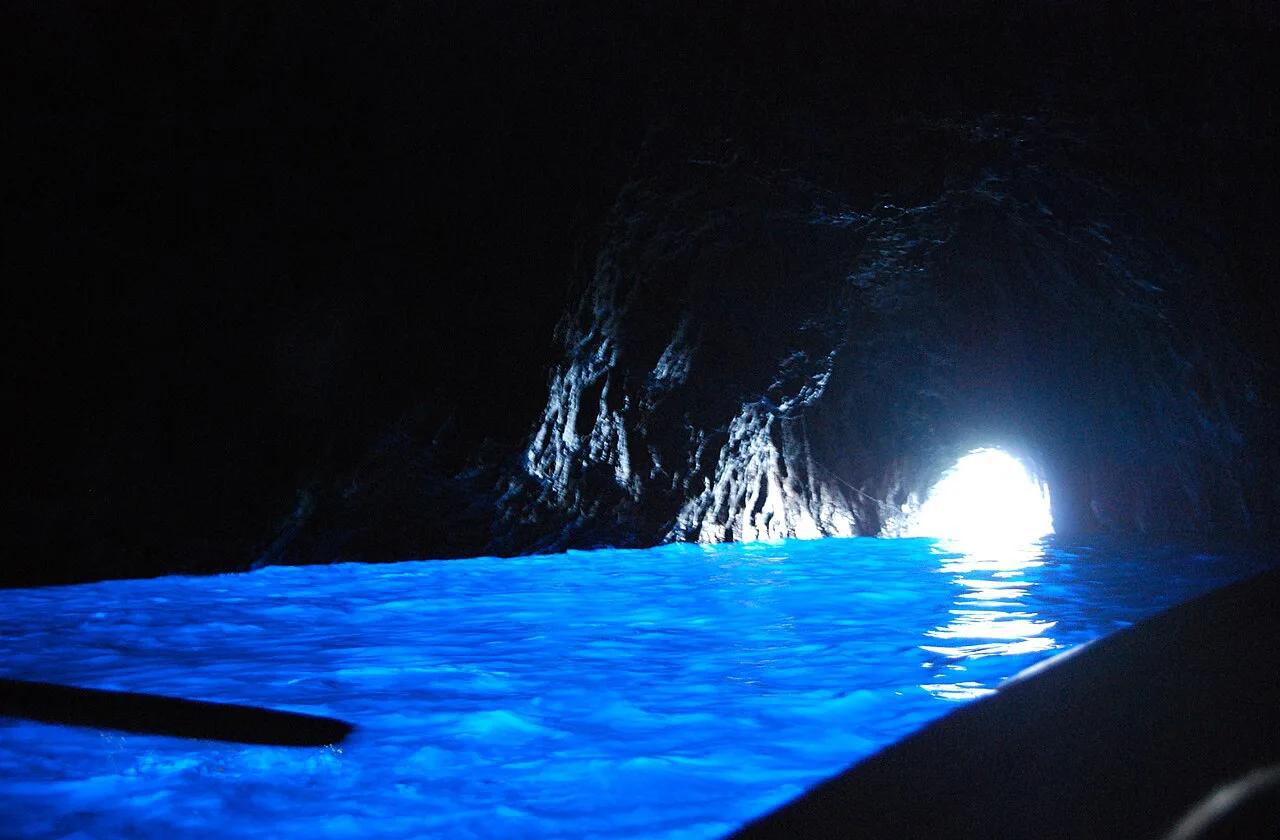
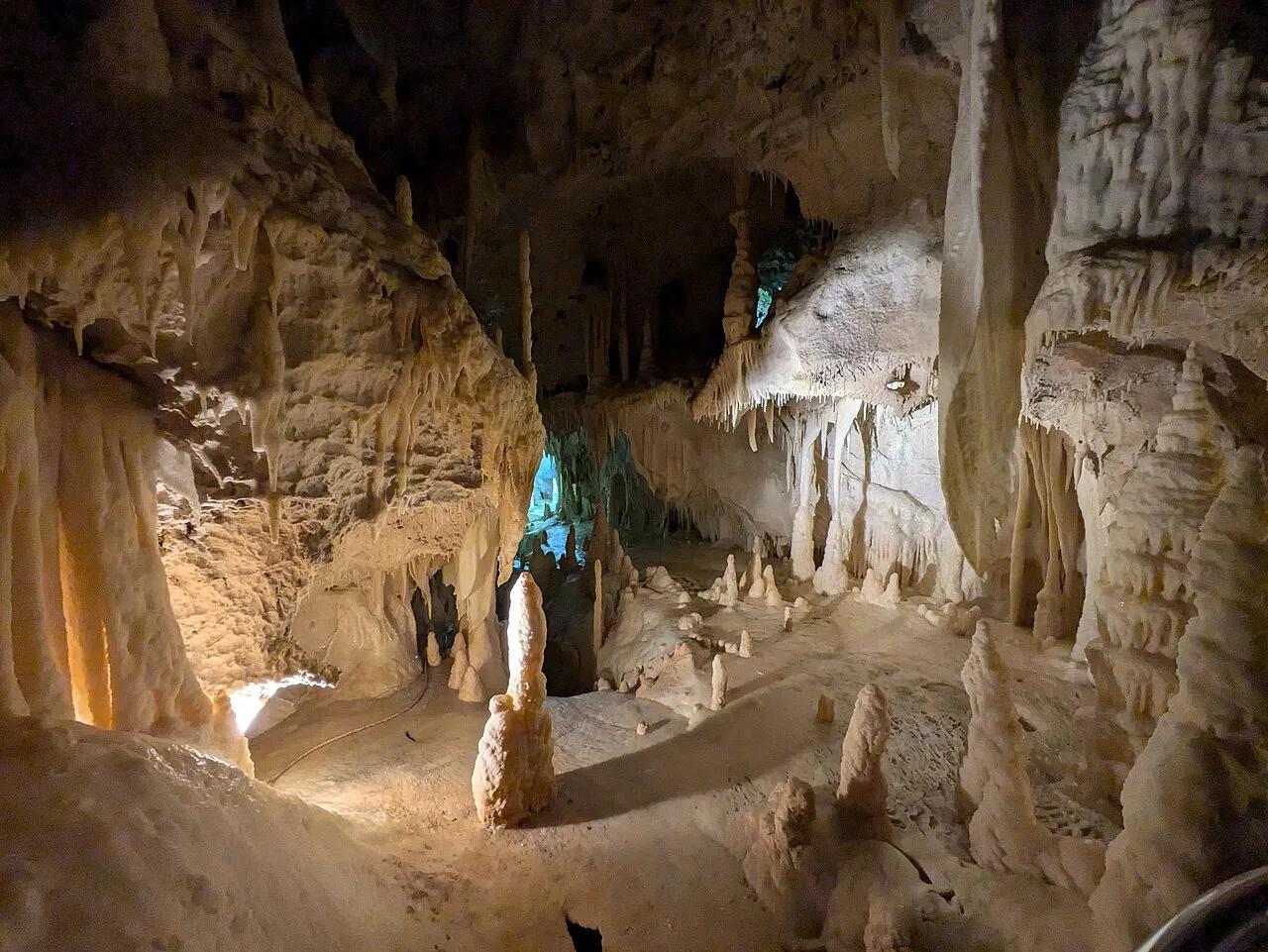
Caves in Tuscany: What to Visit and What to Skip
Which caves in Tuscany can you actually visit? Honest picks, what counts as a cave, how to book, and better-known show caves within reach.
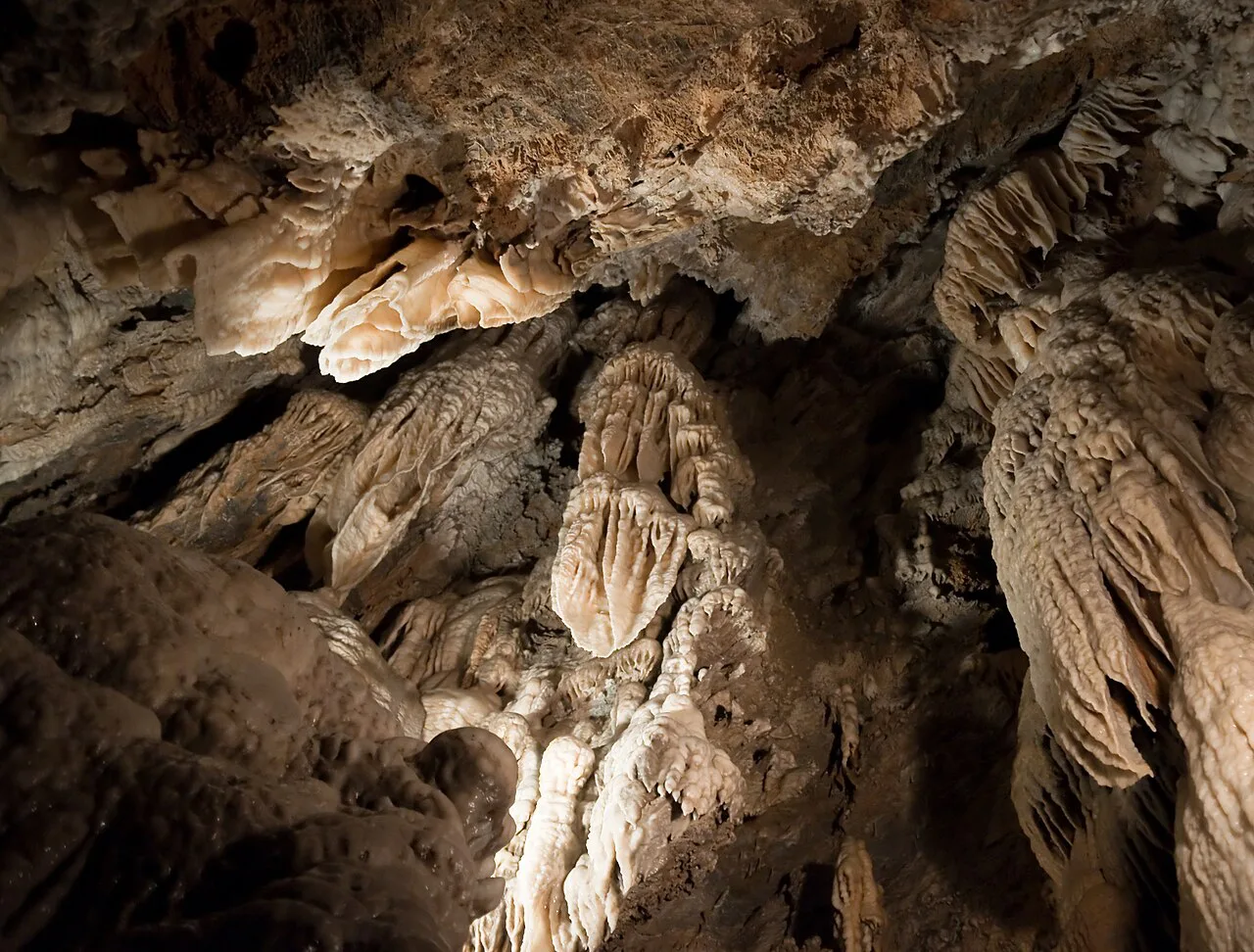
Last updated November 2026: caves in Tuscany come in three forms. These are karst caves in the Apuan Alps, a thermal grotto spa, and Etruscan sunken roads that people often mistake for caves. Tuscany has fewer large show caves than some neighboring regions, so this guide also points to bigger caves worth a detour.
Featured image: H005, Public domain, via Wikimedia Commons.
Short answer: which caves can you visit in Tuscany?
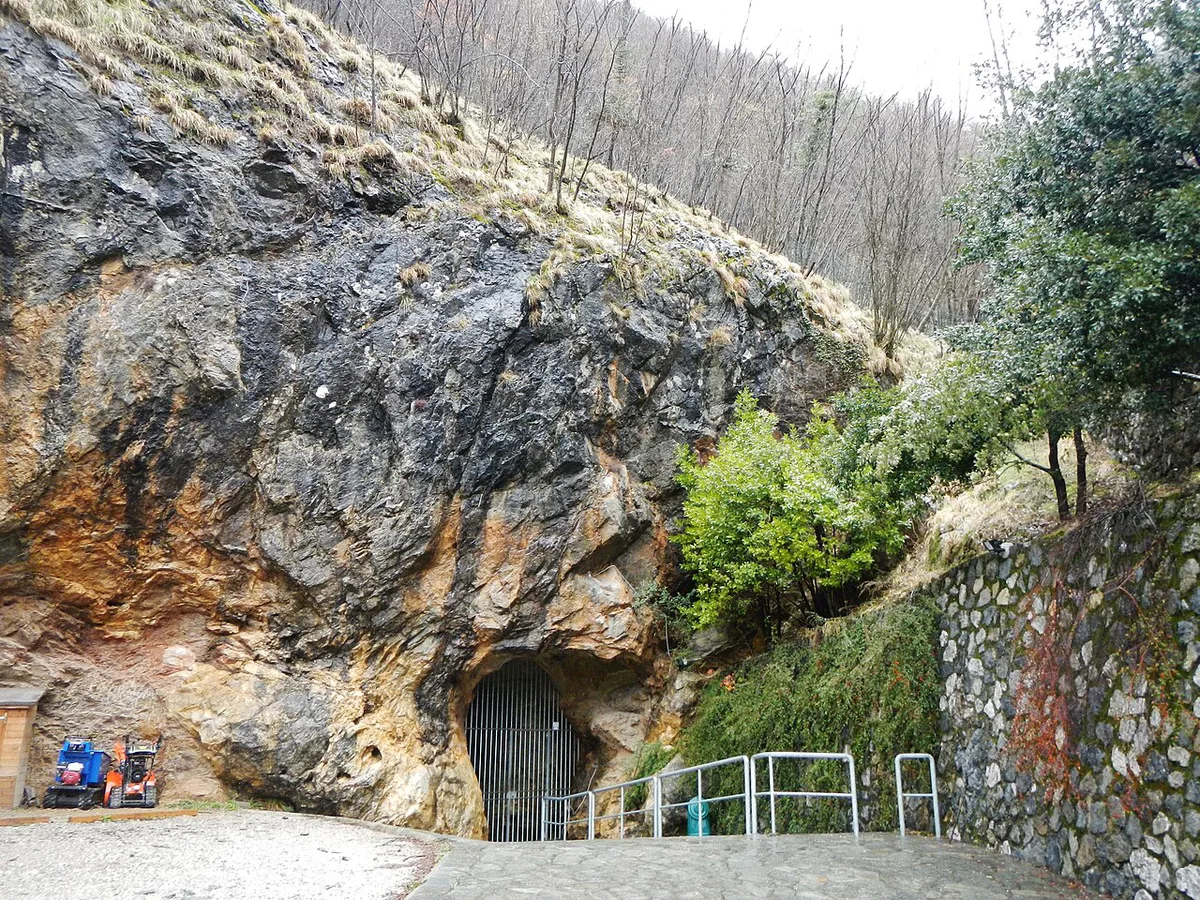
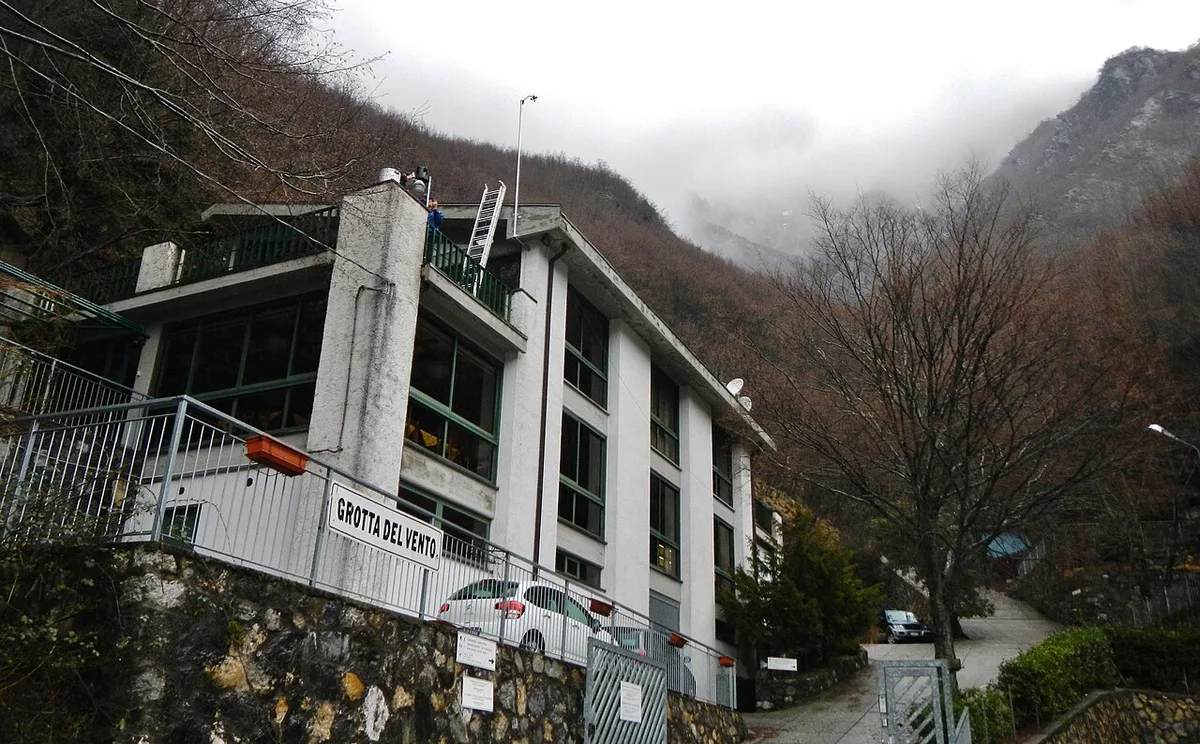
Two natural caves anchor the region. Antro del Corchia sits in the Apuan Alps Regional Park near Levigliani, in the municipality of Stazzema. Grotta del Vento lies near Vergemoli in the Garfagnana. For park background, start with the Apuan Alps Regional Park site. Grotta Giusti offers a different experience, a thermal grotto you visit for the warm, humid air. Everything else sold as a Tuscan cave is usually something else.
Which kind of cave do you want?
Pick by what you want to do, not by the word "cave". The table below separates the three types. Cells marked "check the official site" depend on each venue's current rules.
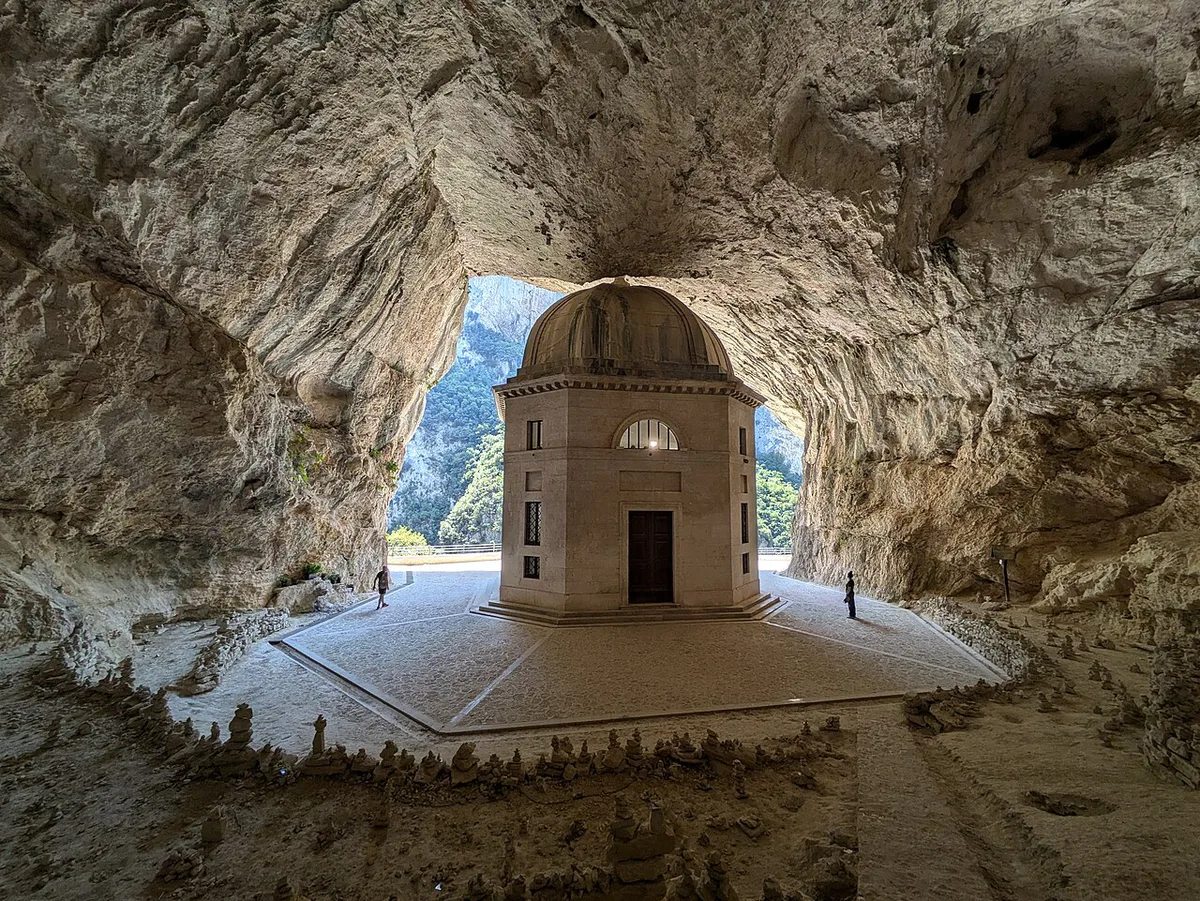
| Type | What you see | Effort | Booking | Best weather |
|---|---|---|---|---|
| Karst show caves (Corchia, Vento) | Stalactites, chambers, underground passages | Guided walk with steps; check the official site | Check the official site | Any; useful on rainy days |
| Thermal grotto (Grotta Giusti) | Warm, humid grotto used for wellness | Low; mostly relaxing | Check the official site | Any; good in cool weather |
| Etruscan vie cave (Sovana) | Deep sunken roads cut into tuff | Easy to moderate walk outdoors | Check local tourism information | Dry days; rock can be slippery |
Tuscan caves worth knowing
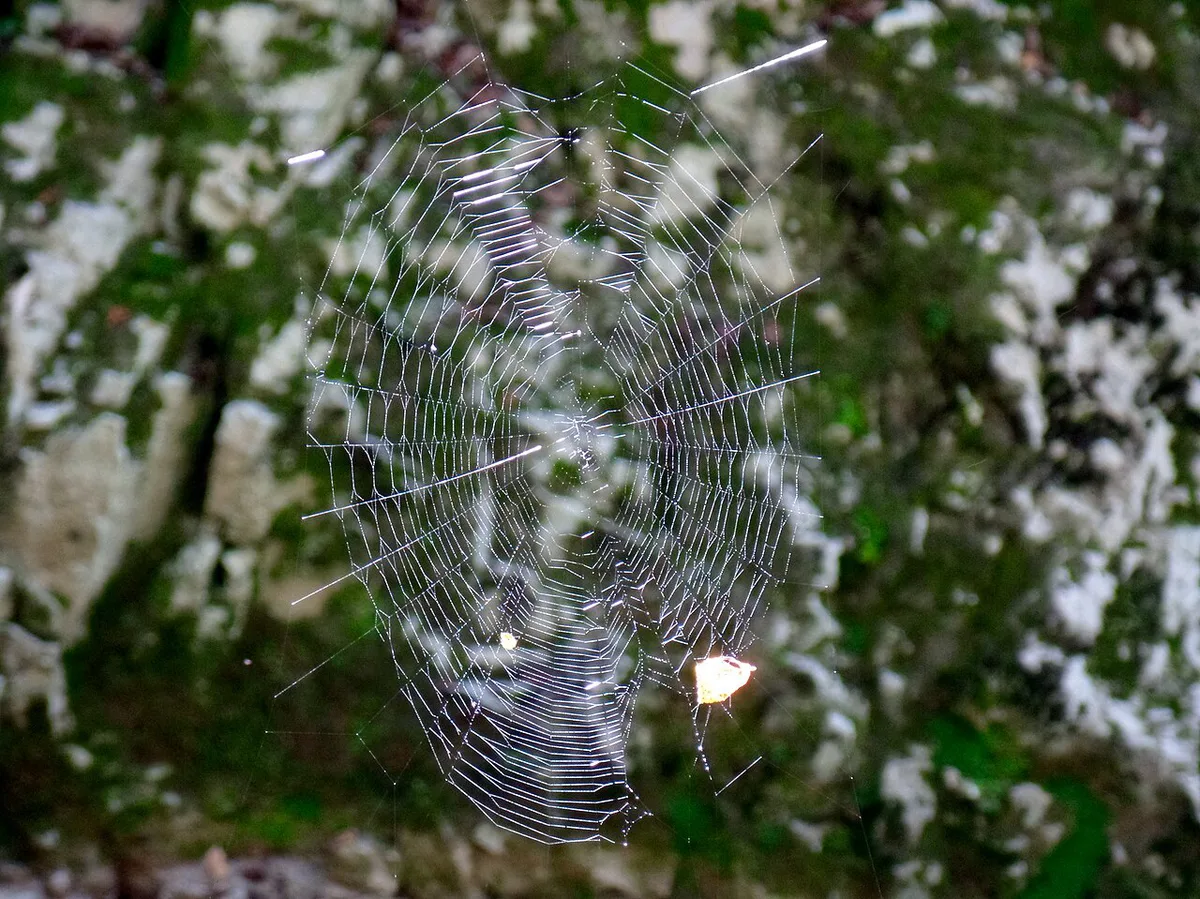
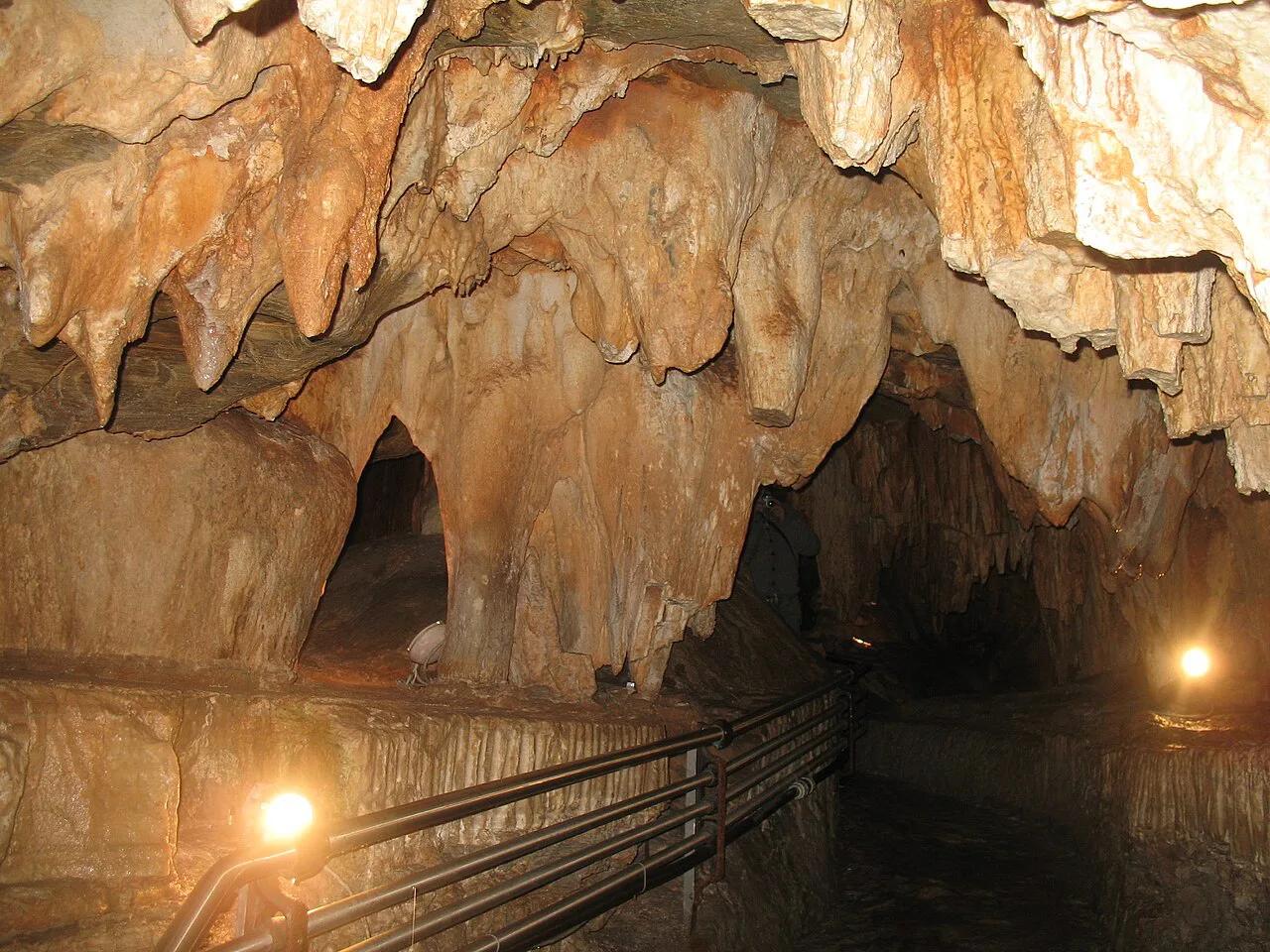
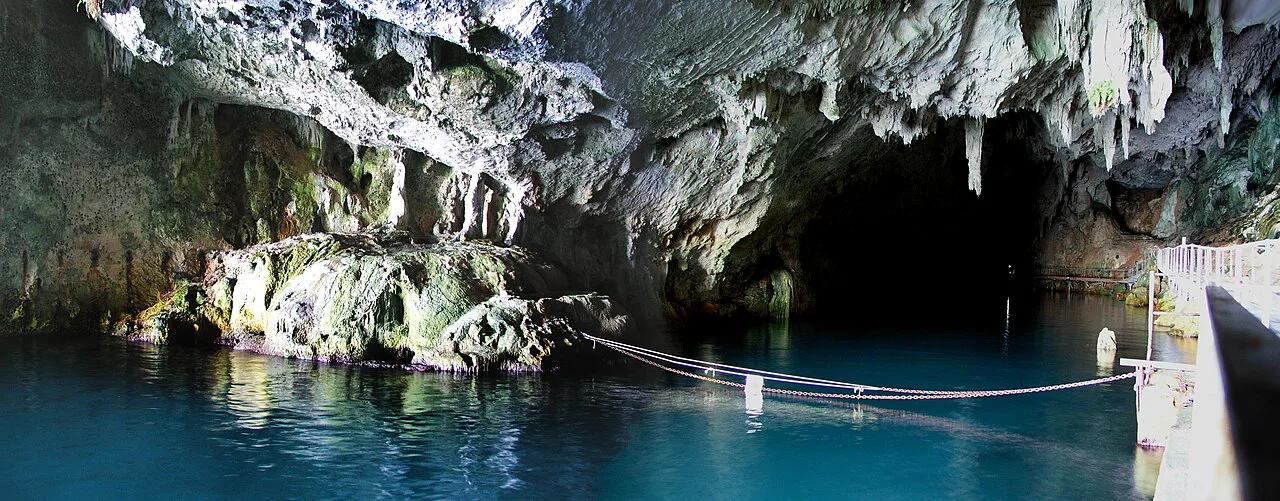
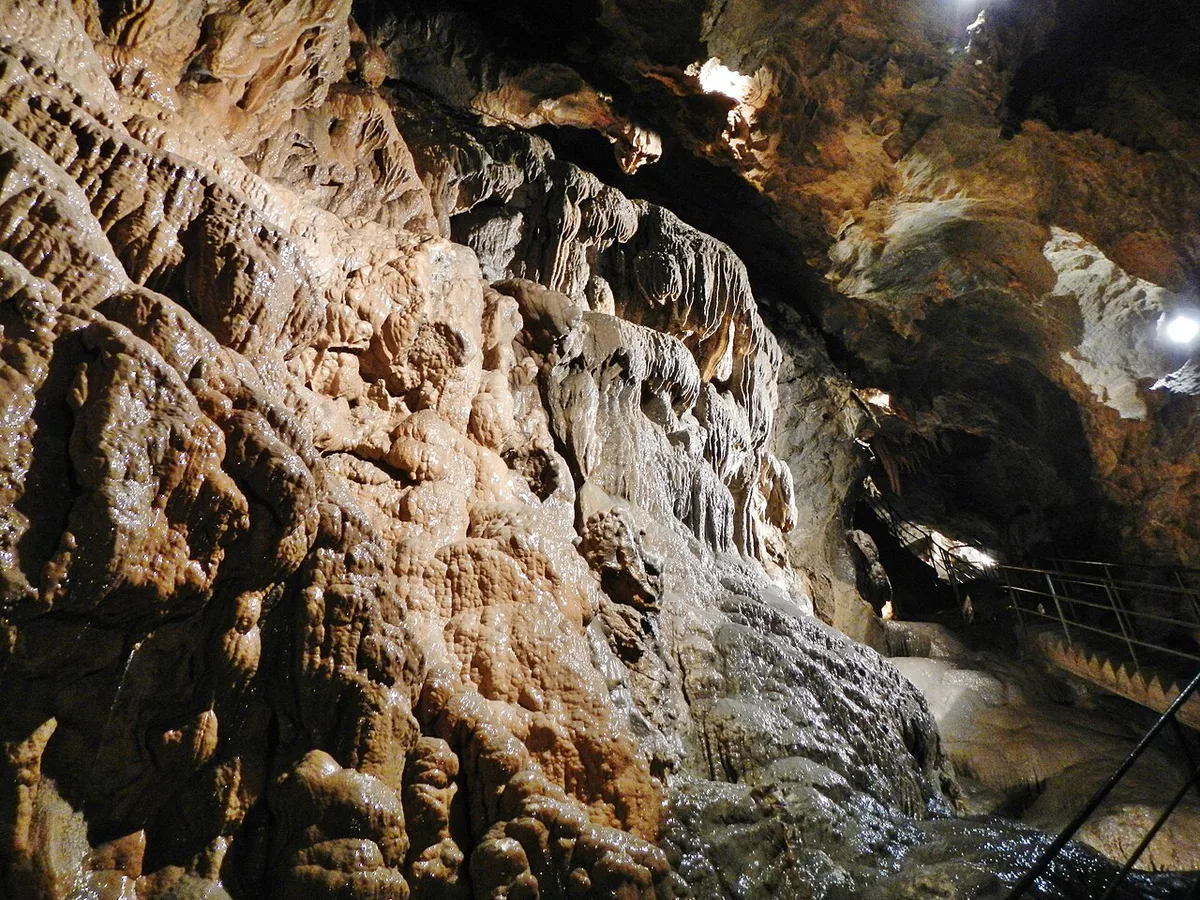
Antro del Corchia is the one to pick if you want a true mountain cave. It sits inside the Apuan Alps Regional Park, so you can pair it with a day among the marble peaks. Grotta del Vento near Vergemoli suits a Garfagnana road trip, since the valley's villages make natural stops before or after your visit. Both are guided visits, so look up current tour options on each cave's own website before you plan the day. For something gentler, Grotta Giusti's thermal grotto is a spa-style visit rather than an exploration. It is the best choice for travelers who dislike tight passages or long staircases.
Etruscan vie cave around Sovana: not caves, but often what people find
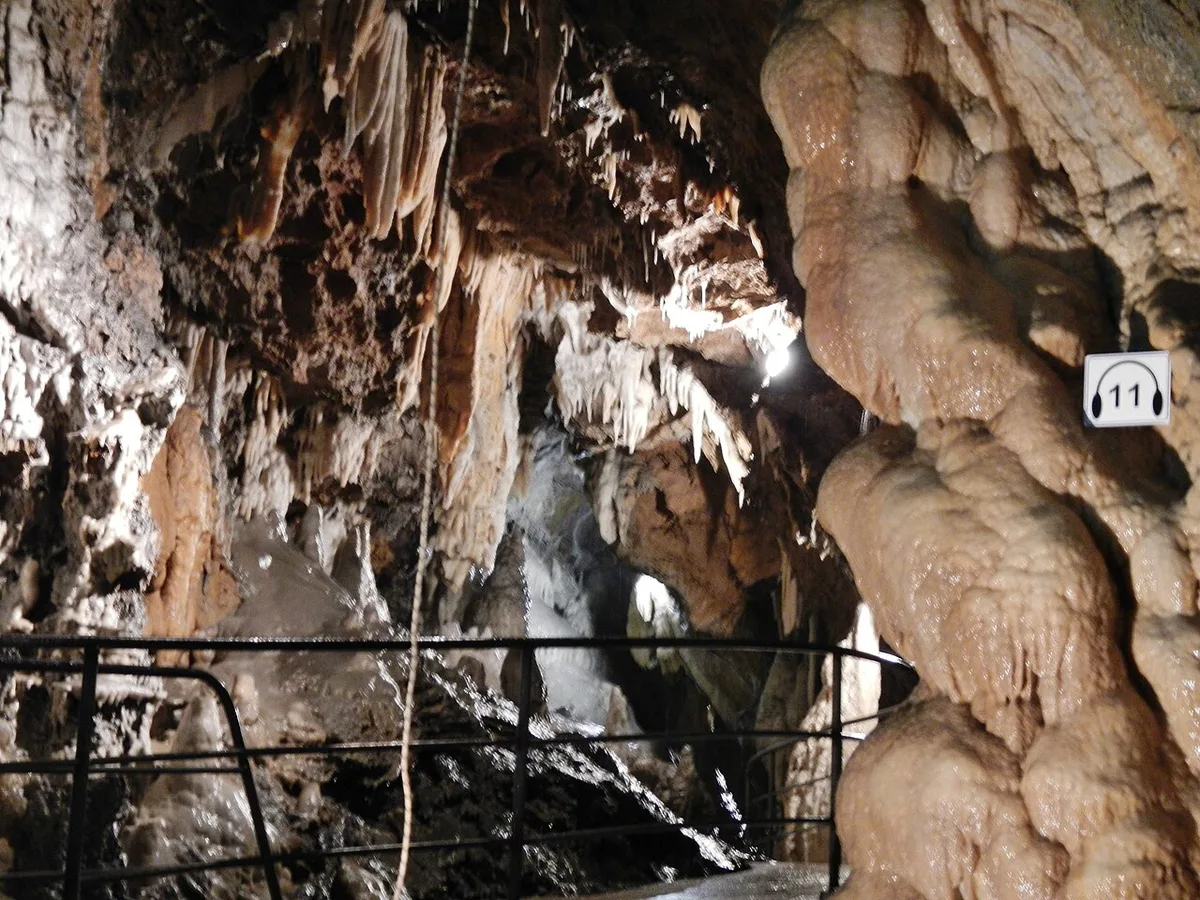
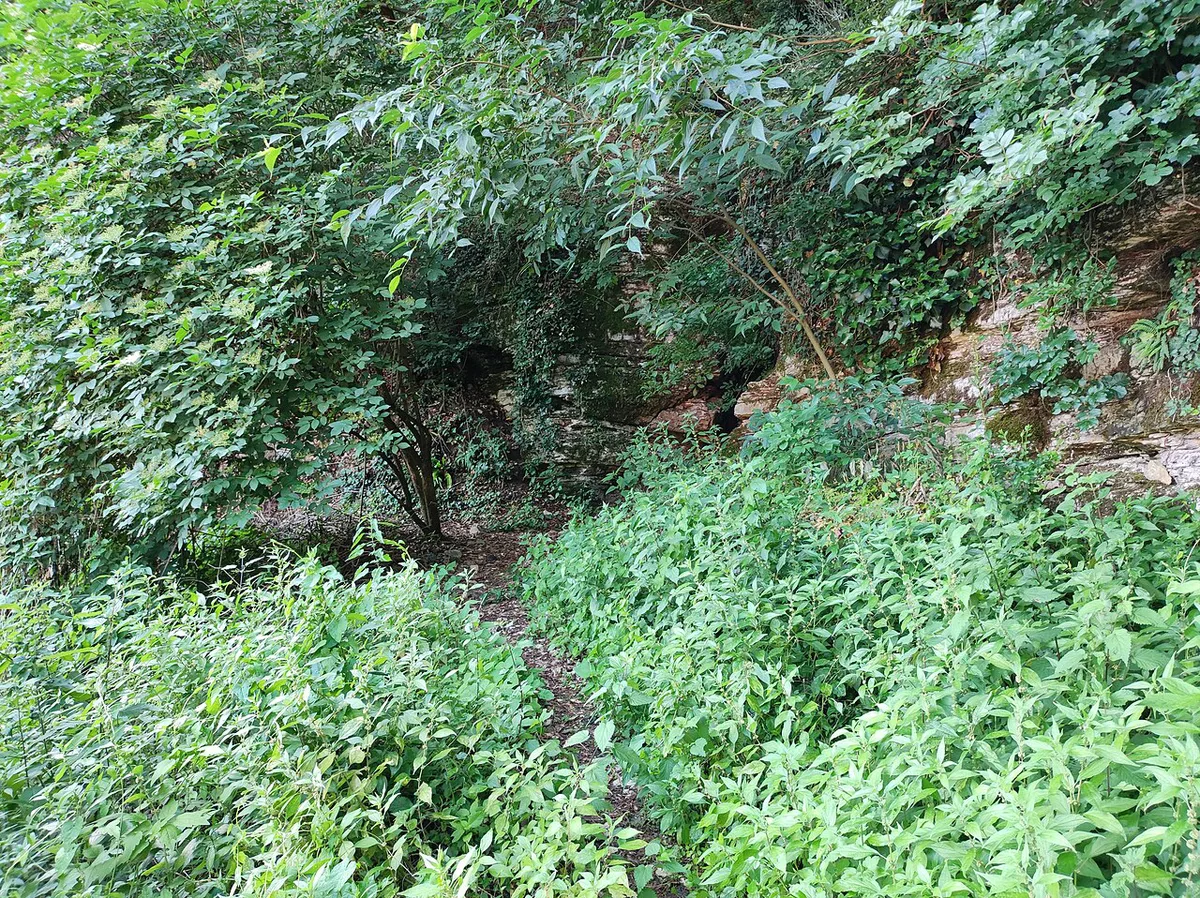
Via Cava di San Sebastiano at Sovana is a sunken road carved into soft tuff by Etruscan builders. It looks like a narrow canyon with high walls, not a cave, and you walk it in daylight. Search results often mix these roads with caves, which is why they show up for this query. Expect an archaeological walk, not stalactites. Ask the local tourist office in Sovana or Sorano for current access rules. Official regional information is also available on the Visit Tuscany portal.
Show caves worth a detour from Tuscany
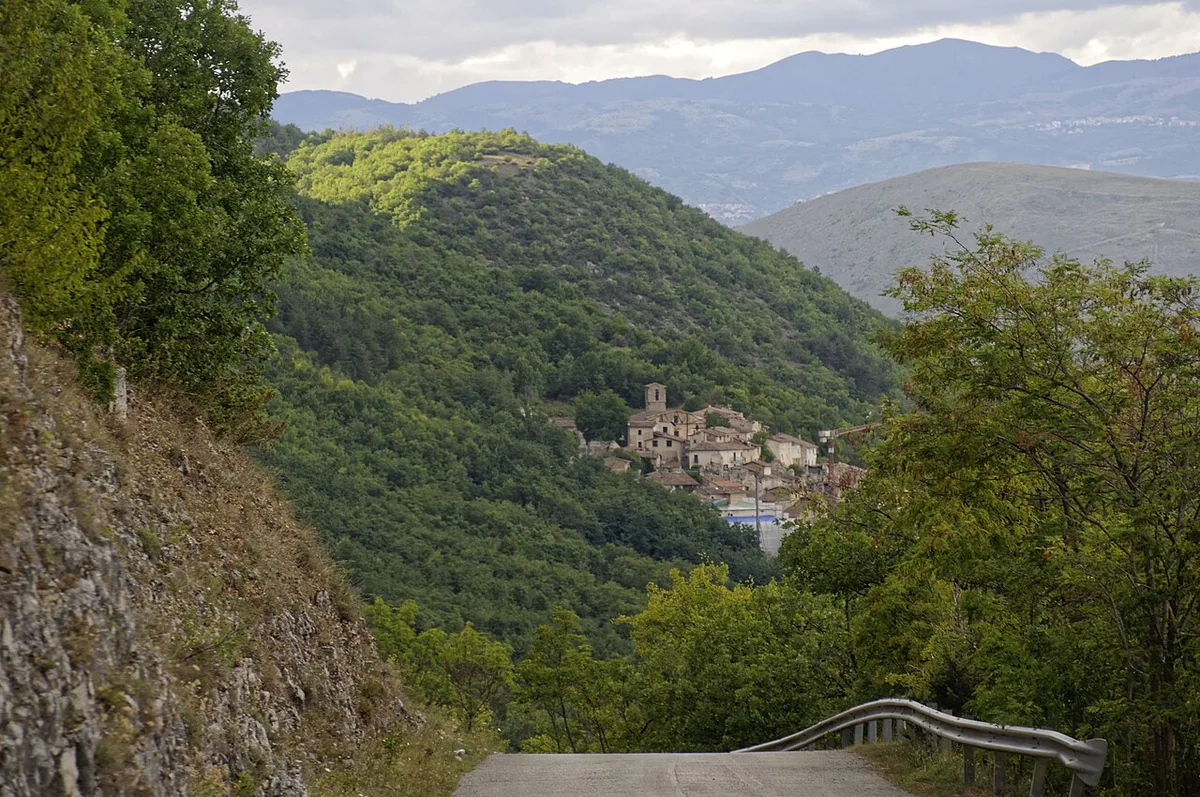
If you want large chambers and formations, look beyond the region. None of these caves is in Tuscany, and each needs a real detour. Check drive times on a map before committing a day.
- Frasassi cave system in the Marche region is the best-known big show cave in central Italy. It is a long trip from Tuscany, so plan it as a dedicated day or an overnight. Marche's regional tourism site covers nearby stays. If you go, booking Frasassi entry early is wise.
- Grotta del Cavallone, Abruzzo: Cable Car, Tickets & Visit Tips in Abruzzo is a mountain cave for travelers already touring that region. It is not practical as a Tuscany day trip.
- Grotte di Pastena: Tickets, Hours & How to Visit in Lazio is the nearest of these for travelers heading south from Tuscany toward Rome. Treat it as a stop on a route, not a round trip.
Tickets, booking and what to wear
Prices, hours and tour lengths change by season, and this guide has no confirmed 2026 figures for these venues. Check each cave's official website for current fares and booking rules before you travel. Wear shoes with real grip, since cave floors and tuff roads can be wet. Bring a light layer, because caves stay cool even in summer. Guided cave tours with steps are a poor fit for limited mobility, so ask the venue about access first.
Mistakes to avoid
Four errors cost travelers the most time.
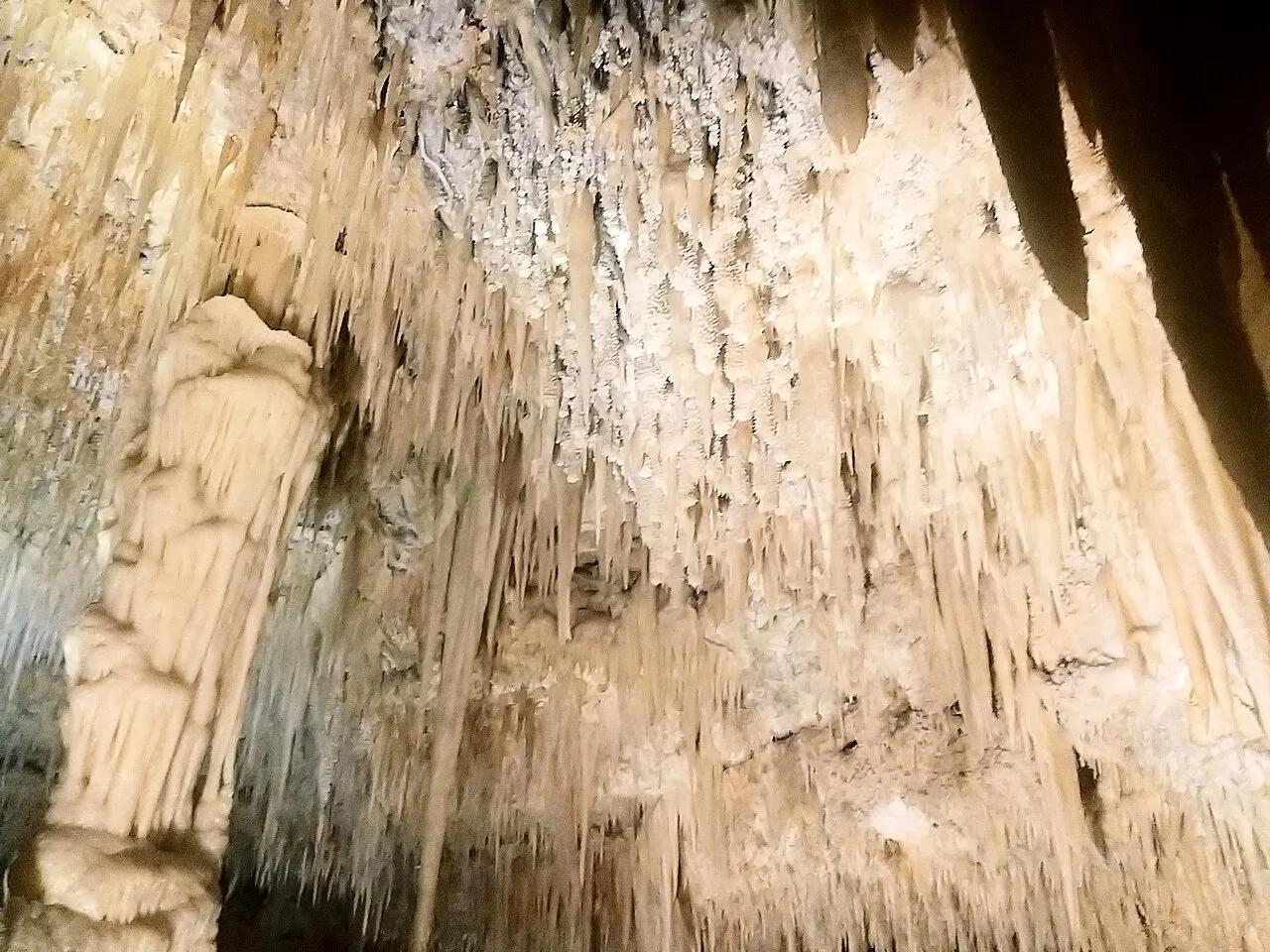
Want stalactites? Only the 2 natural caves, Corchia and Vento, offer them, so skip Grotta Giusti if underground formations are the goal.
- Treating an Etruscan via cava as a natural cave.
- Arriving at a guided cave without checking whether you need to book.
- Wearing smooth-soled sandals on wet rock.
- Planning a long detour to a show cave for a short visit.
How to fit a cave visit into a Tuscany itinerary
Plan around the 2 natural caves if you want underground formations. Antro del Corchia works best as part of an Apuan Alps day, while Grotta del Vento fits naturally into a Garfagnana drive. Build the rest of the day around nearby villages and mountain scenery instead of treating either visit as a quick roadside stop.
Choose among the 3 cave experiences before setting your route. A thermal visit at Grotta Giusti suits a slower wellness-focused day. The vie cave near Sovana suit an outdoor archaeological walk in dry weather. The natural caves are the better choice for a rainy-day plan, but guided visits can involve steps and wet surfaces.
Frasassi, Cavallone and Pastena need a separate route decision. They are outside Tuscany, so treat them as an overnight stop or part of an onward journey rather than squeezing them into a Tuscany base itinerary.
Notes for your next trip underground
Optional updates when we add or revise cave and underground guides.
More guides
More guides you'll find useful