8 Best Caves in Europe: Show Caves, Sea Grottoes and Underground Lakes
Eight of the best caves in Europe, from Mallorca's lake cave to Greek boat caves and an Italian sea grotto, with access type, who each suits and what to wear.

Last updated November 2026: the best caves in Europe for most visitors are walk-in show caves and boat caves, and our top picks are Cuevas del Drach in Mallorca, Grottes de Han in Belgium and Grotte di Frasassi in Italy. This list covers eight caves where you buy a ticket and follow a guide, with no caving skills needed. Prehistoric painted caves are covered elsewhere and are not ranked here.
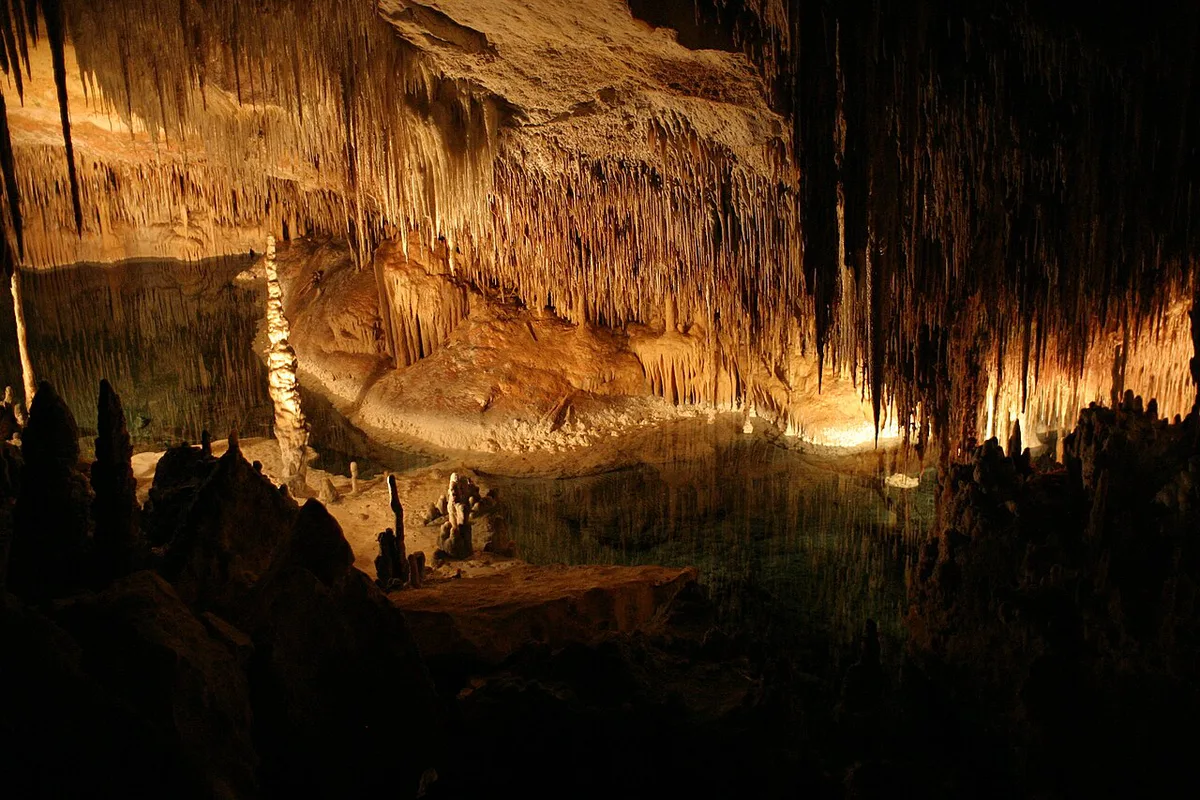
Featured image: Sergiy Galyonkin from Raleigh, USA, CC BY-SA 2.0, via Wikimedia Commons.
Show caves vs. wild caves: pick your kind of cave
Show caves have lit paths, handrails and guided tours, so no experience is needed. Wild caves have none of that: you crawl, climb and get wet. Our guide to show caves and wild caves explains the gear and risk gap. Adventure seekers can read about guided adventure caving before booking. Most first-time visitors should start with a show cave and add wild caving later. Every cave below is a guided, managed visit.
8 best caves in Europe to visit
The list runs from big formation caves to boat rides on cave lakes and one sea grotto. Each cave sets its own tariff and tour schedule, so we describe the access style and who each one suits rather than quoting fees.
1. Cuevas del Drach and Lake Martel, Porto Cristo, Mallorca
Cuevas del Drach is a show cave at Porto Cristo, one of several caves on Mallorca, known for an underground lake you cross by boat. Visits follow a lit path past formations to the lake, where short classical music performances are part of the experience. It works well on a rainy beach-holiday day, and it is our pick for first-timers who want water and formations in one visit.
The cave is on Mallorca, where driving or an organized excursion is the usual way to reach it. Photographers should expect low light and limited setup room. Skip it in peak summer if queues bother you, because a popular cave on a popular island draws crowds. Tickets are sold through the Cuevas del Drach site.
2. Grottes de Han, Han-sur-Lesse, Belgium
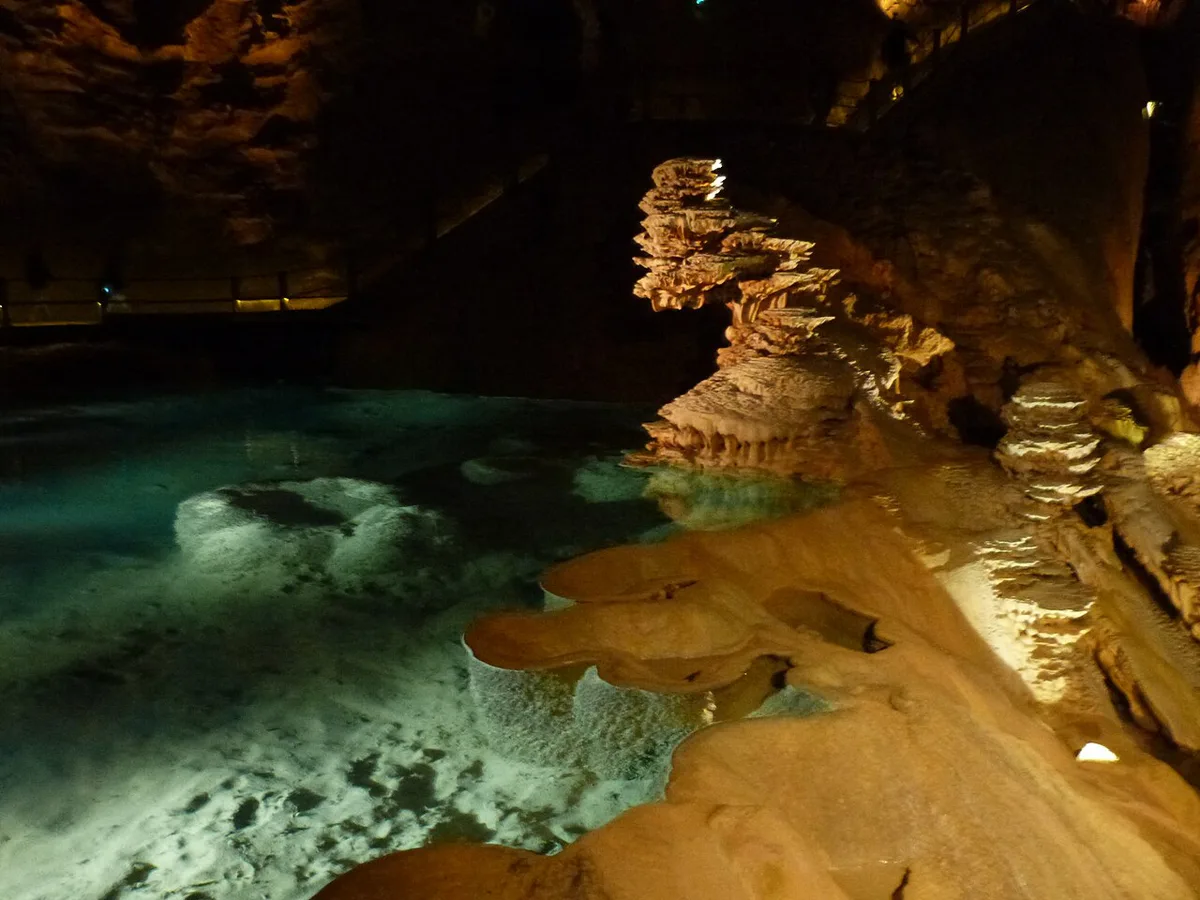
Han-sur-Lesse combines a cave walk with a river setting in the Belgian Ardennes. Visitors reach the cave from the village by tram, then follow a guided route underground that includes a boat segment. Water is part of the story here, because the Lesse river runs through the system.
Families and casual sightseers get the most from this easy, structured visit, and it is a village-based day out rather than a roadside stop. Skip it if you want a quiet, solitary cave, as guided groups are the norm. Opening dates and ticket options are on the Han-sur-Lesse official site.
3. Grotte di Frasassi, Marche, Italy
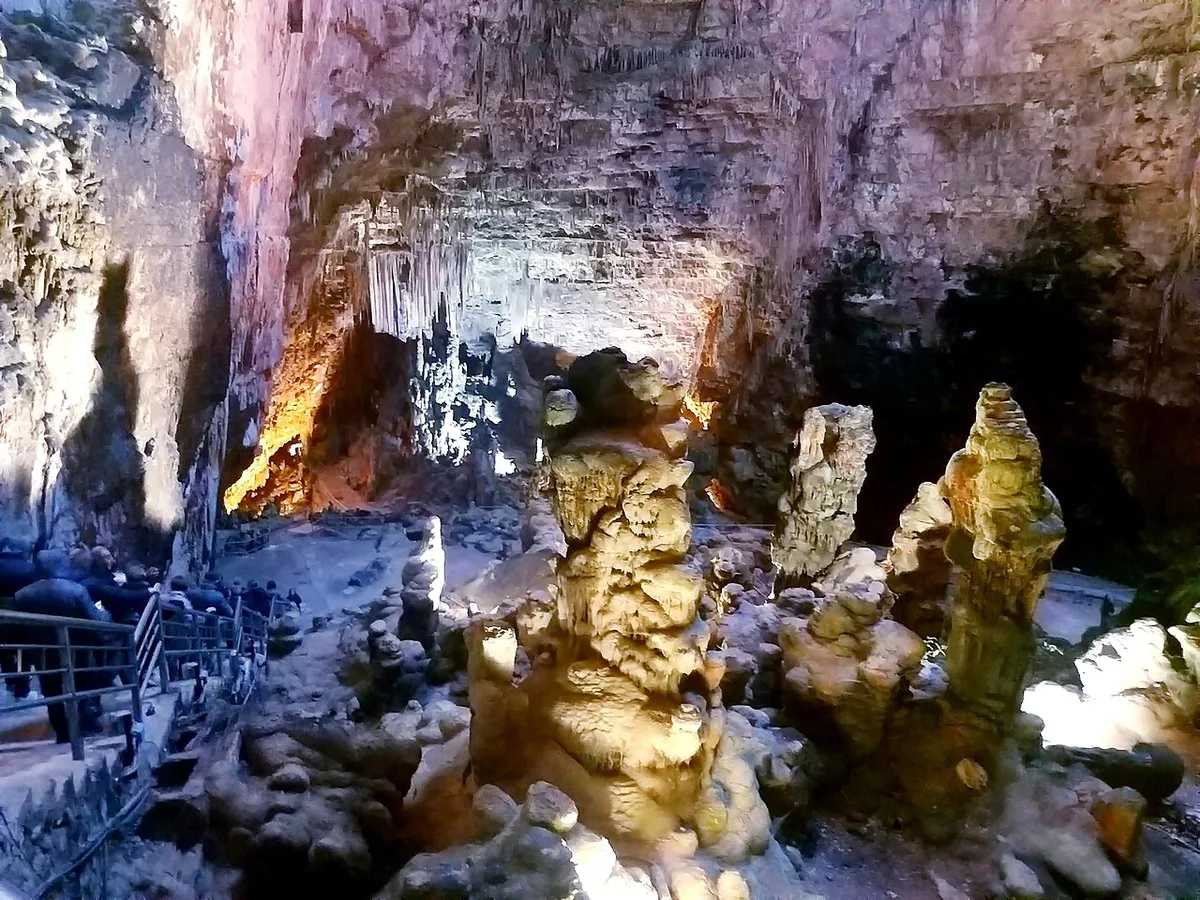
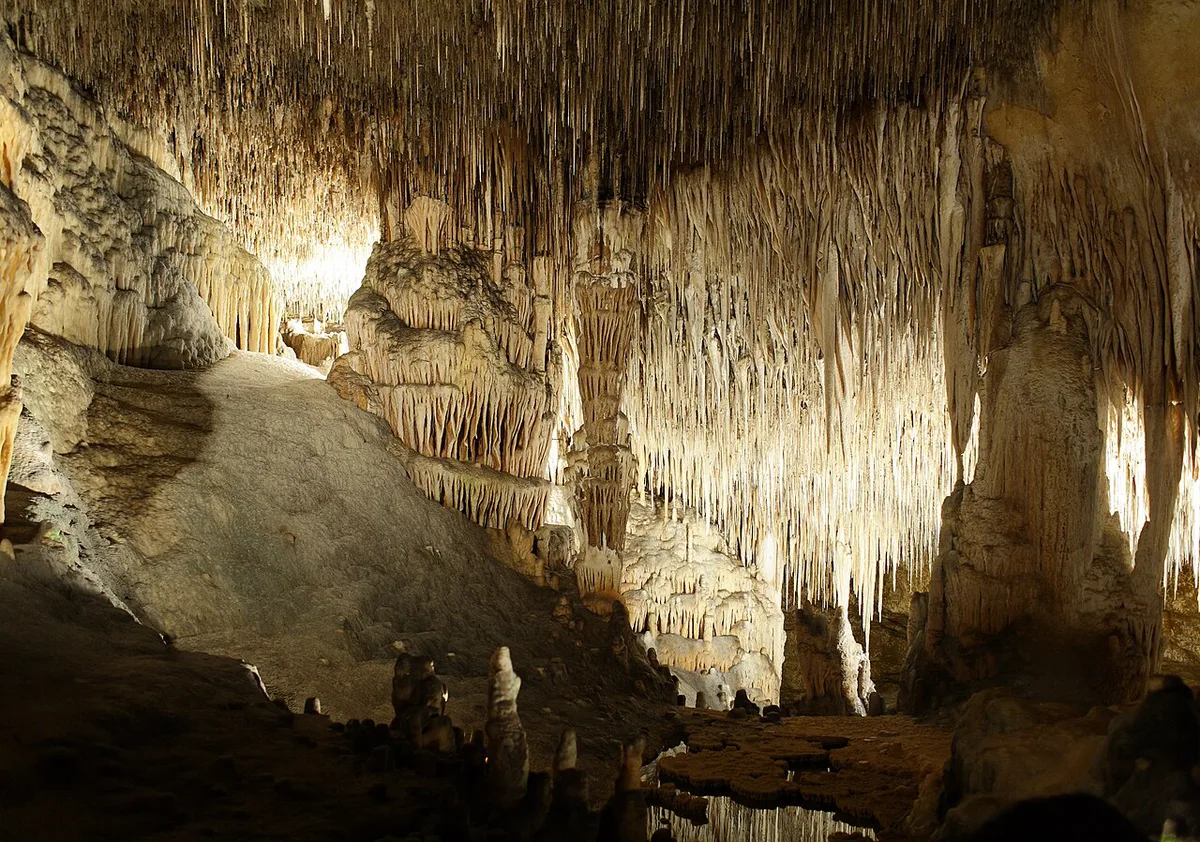
Grotte di Frasassi sits in a limestone gorge near Genga in the Marche region. Guided tours walk through large halls decorated with calcite stalactites and stalagmites, which makes it the strongest choice on this list for formation fans. Pick it if you want big chambers on a guided route rather than a water crossing.
Families manage it well because the route is a lit, managed path. Winter and rainy days suit it, since the cave stays cool whatever the weather outside. The Marche is easiest by car, and visitors with limited mobility should ask about the route before booking through the Grotte di Frasassi site.
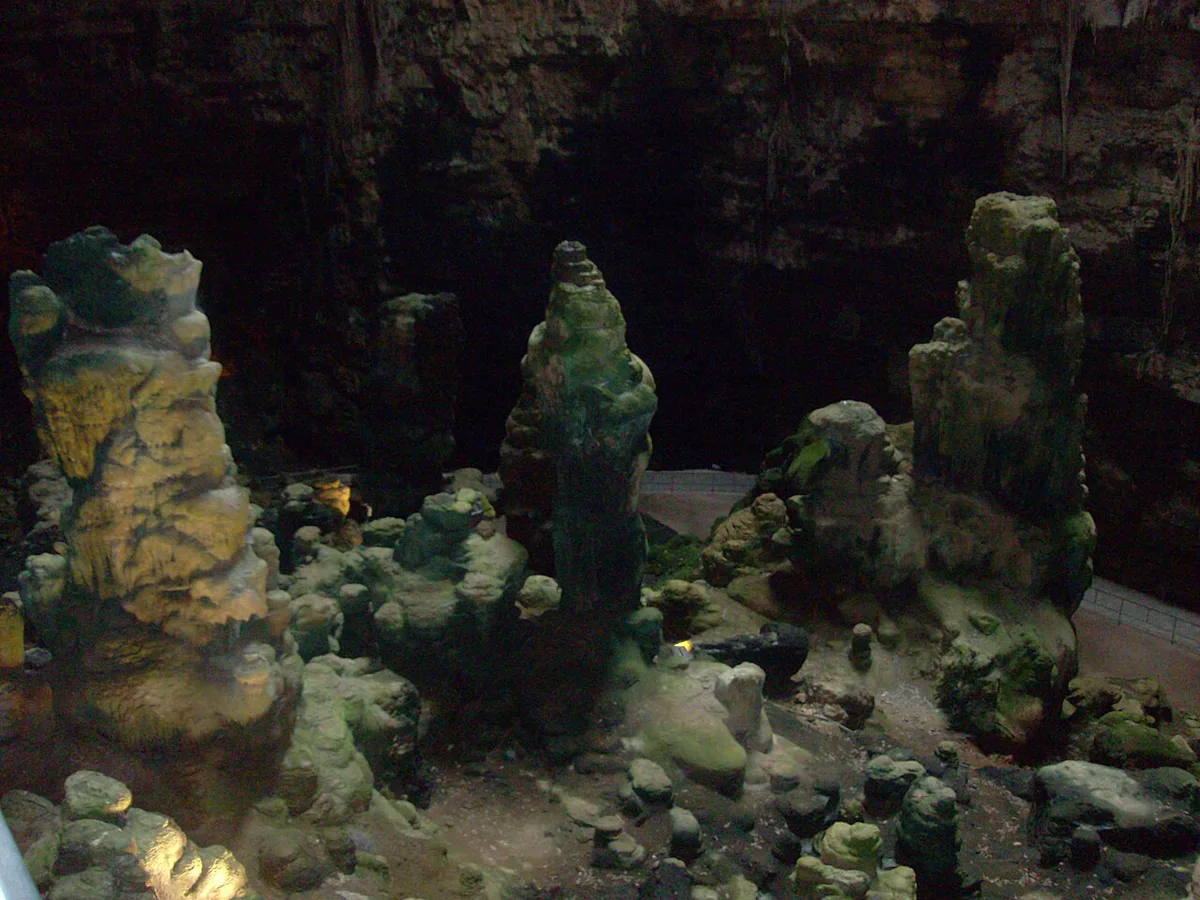
4. Grotte di Castellana, Puglia, Italy
Grotte di Castellana is the classic walk-in show cave of southern Italy, set in the Puglia countryside. Access is by guided tour on a lit route through chambers of limestone formations, so it suits families, older visitors and anyone who wants an easy first cave without a boat or a long hike.
It pairs naturally with a Puglia road trip, since a car is the practical way to reach it. Photographers should expect the usual show-cave limits on tripods and flash. Skip it if you want water or a wilder route, because this is a dry, structured visit.
5. Melissani Cave, Kefalonia, Greece
Melissani, near Sami on Kefalonia, is a boat tour on a cave lake lit by sunlight through a collapsed roof. The visit is by boat, so there is no long walking route to manage.
It is the one on this list where the light is the attraction, so it suits photographers and couples more than formation fans. Drogarati, also near Sami, is a dry chamber cave that makes a useful pairing on the same day. Melissani sits on a Greek tourist route, and a car makes the day easier.
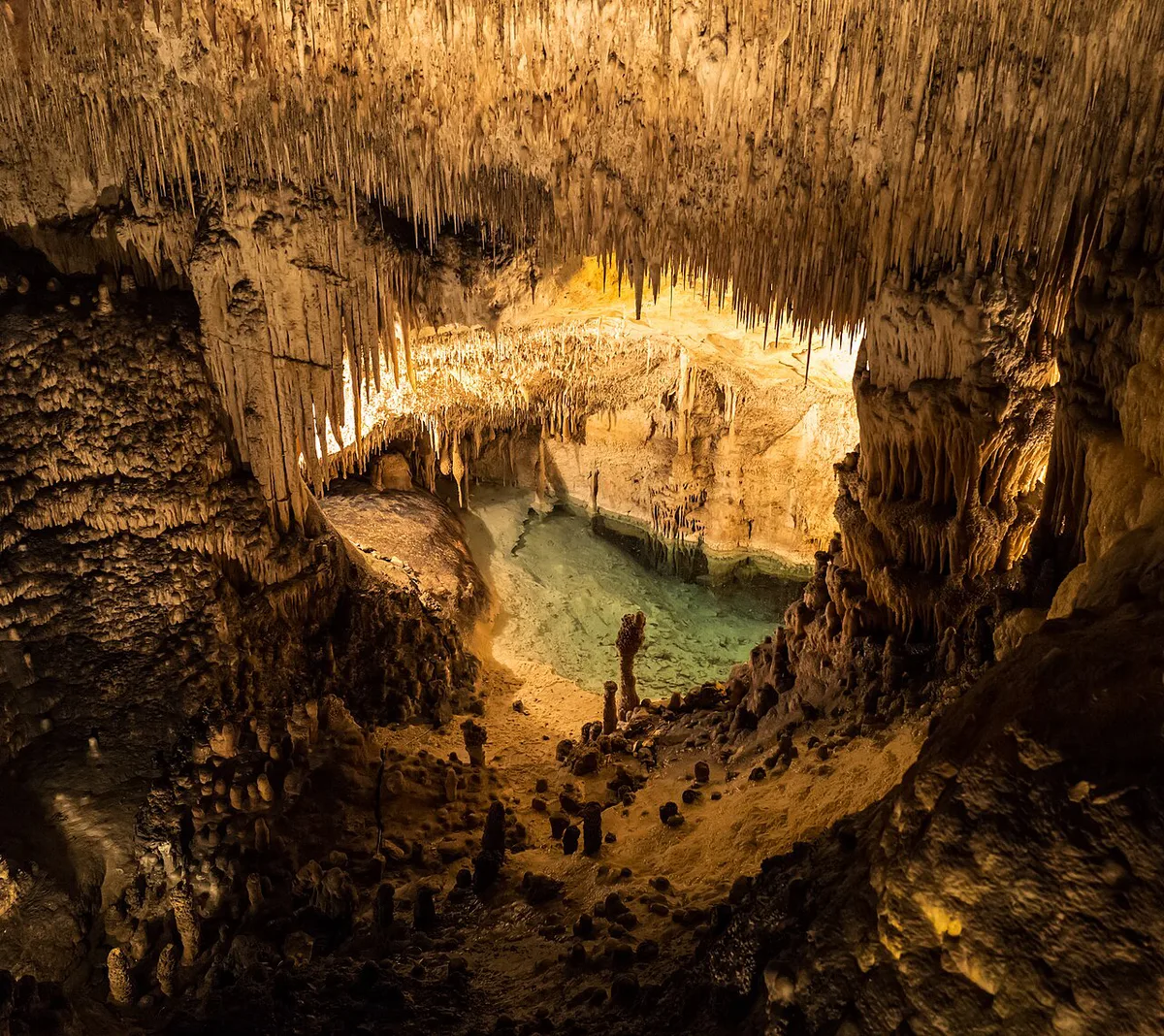
6. Diros Caves, Mani, Greece
At the Diros caves in the Mani peninsula, boats run through flooded passages, so the lake is the route itself. It is a different feel from a lit walk-through cave: you spend most of the visit on the water, drifting past formations rather than walking among them.
Diros suits travellers who already plan to drive the Mani and want a cave that fits a road-trip day. Skip it if you want a long dry walk, since the boat ride is the main event. Our cave boat tour guide compares it with the other boat caves.
7. Blue Grotto, Capri, Italy
The Blue Grotto is a sea cave on the coast of Capri, entered by small rowing boat rather than on foot. It is the list's one true sea grotto, and the visit is short and weather-dependent, because the entrance is low and rough seas can close it.
It suits visitors already on Capri who want a quick, unusual cave experience, and it is a poor choice if you want a long underground walk. Plan around the weather, and have a fallback for the day.
8. Dobšinská Ice Cave, Slovakia
Dobšiná is known for ice formations rather than stone, which makes it the odd one out here and a good counterweight to the limestone caves above. It is one of the show caves run through the Slovak Caves Administration, and each cave in that network has its own tour route, season and rules.
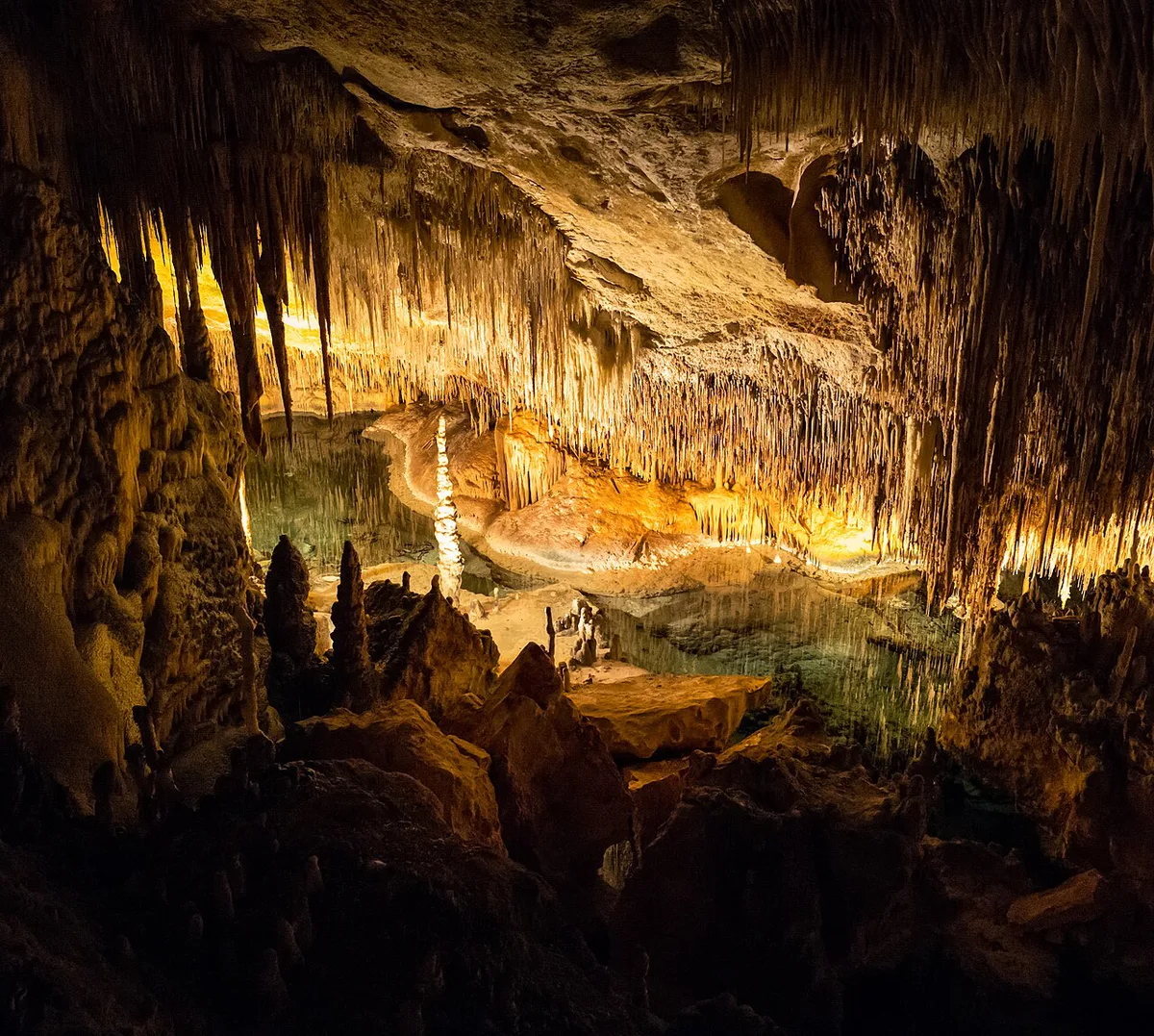
Adventurous travellers get an unusual cave in one trip. Skip it if you want an easy, year-round cave, because some Slovak caves close seasonally. Open caves and seasons are listed by the Slovak Caves Administration.
Record-holders: largest, deepest and longest
Records depend on how a source measures them, so each has its own guide. Read about the largest cave if scale is your priority. Depth chasers can head to the deepest cave guide. Length is covered in the longest cave guide. Most record caves are for specialists rather than casual visitors.
Underground lakes, boat tours and crystal caves
Water changes a cave visit, and Cuevas del Drach, Han-sur-Lesse, Melissani and Diros all put it at the center. Pick Han-sur-Lesse or Cuevas del Drach if water matters more to you than volume. For more lake caves, see our guide to underground lakes. If you want to be on the water, compare cave boat tours. Formation fans can browse crystal and formation caves. Beginners often wonder which formation hangs from the ceiling, and that short explainer answers it.
Concerts, dining and unusual cave experiences
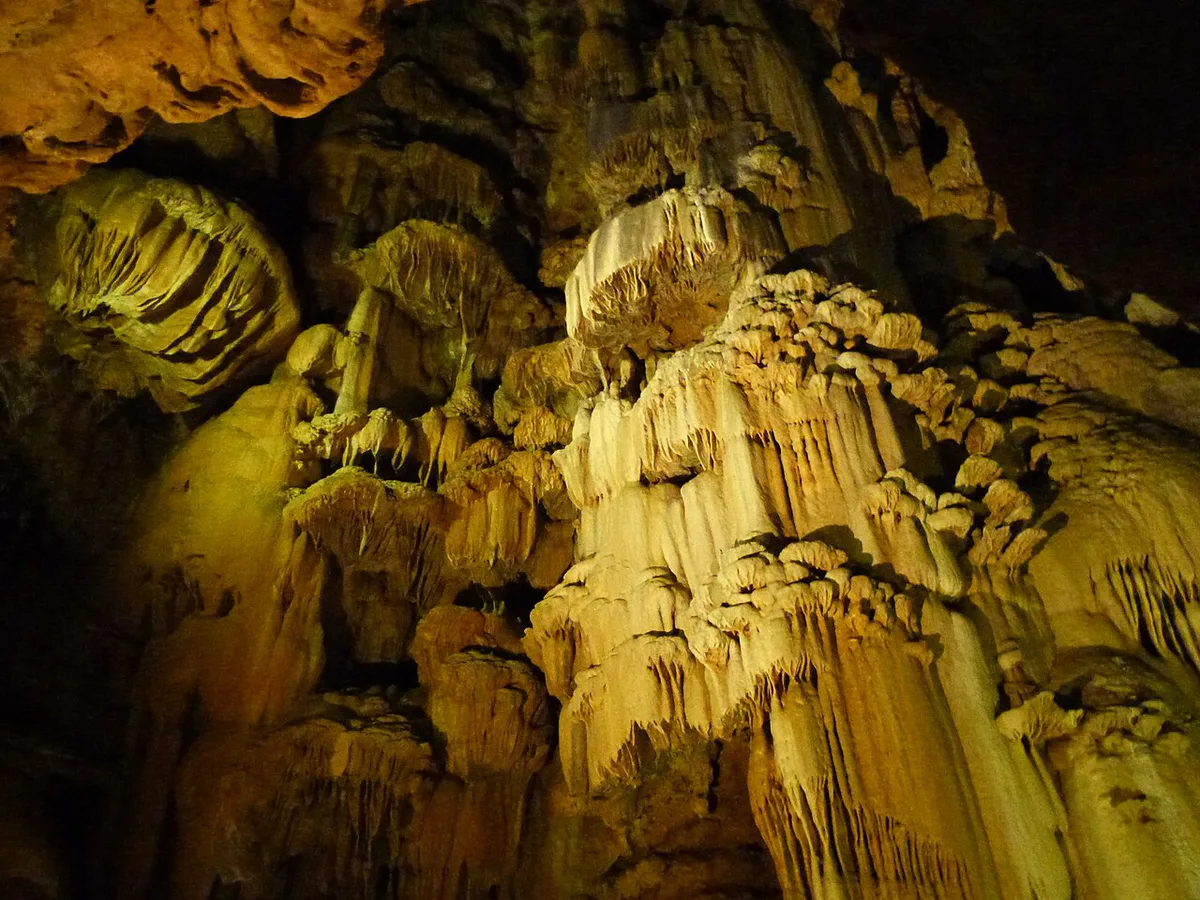
Some caves host music, and Cuevas del Drach is the best-known example on this list. See cave concerts for venues and what to expect. A few caves also host meals, which are listed in cave restaurants. Events and menus change often, so check the venue's own page for current dates.
Tickets, timing and booking: what to check before you go
Start with the cave's own website, because it lists tours, languages and capacity limits. Look at seasonal closures, since some caves shut in winter or when bats hibernate. Read our note on bat-season closures to see why. Boat caves such as Melissani, Diros and the Blue Grotto also depend on water and weather conditions, so keep the day flexible.
These are the mistakes we see most often:
- Assuming every cave is open all year.
- Skipping advance booking for popular caves.
- Wearing sandals or bringing no extra layer.
- Expecting to use a tripod or flash.
- Planning a boat cave without a weather fallback.
What to wear and what to expect underground
Caves stay cool in summer, so bring a layer. Read how cold caves stay for the logic. Wear shoes with grip, because steps and paths are wet. Our guide to what to wear underground covers the rest. Photography rules vary, and many tours ban flash.
How to choose: decision table
Use this table to match a cave to your trip.
| Cave | Type | Best for | Access | Physical demand | Main trade-off |
|---|---|---|---|---|---|
| Cuevas del Drach, Mallorca | Show cave with lake | First-timers, families | Guided, lit path, boat on lake | Low | Peak-season crowds |
| Grottes de Han, Belgium | Show cave with river | Families, casual sightseers | Tram from village, guided | Low | Group tours only |
| Grotte di Frasassi, Marche | Large-chamber show cave | Formation fans | Guided, lit route | Low to moderate | Car needed; check mobility |
| Grotte di Castellana, Puglia | Dry show cave | Easy first cave | Guided, lit route | Low to moderate | No water, fixed tours |
| Melissani, Kefalonia | Cave lake | Photographers, couples | Boat tour | Low | Light depends on the sun |
| Diros Caves, Mani | Flooded cave system | Road-trippers | Boat ride | Low | Mostly water, little walking |
| Blue Grotto, Capri | Sea grotto | Capri visitors | Small rowing boat | Low | Weather can close it |
| Dobšinská Ice Cave, Slovakia | Ice cave | Adventurous travelers | Guided tour | Low to moderate | Seasonal closures |
Planning a multi-cave trip
Group caves by region rather than chasing records. Kefalonia pairs Melissani with the dry chamber of Drogarati, and the Mani suits Diros on a road trip. The Marche suits Frasassi by car. Belgium's Han-sur-Lesse works with a tram from the village. Mallorca's Cuevas del Drach fits a beach week, and Capri's Blue Grotto fits a day trip. Seasonal closures can break a route, so check each cave's dates before you fix an order.
Explore More Guides
Keep planning your trip with these guides.
Guides
- Largest Cave in Europe: Which One and Can You Visit?
- Deepest Cave in Europe: Depth, Ranking and Access
- Longest Cave in Europe: Top Caves by Length
- Underground Lakes in Europe: Where to See Them
- Cave Boat Tours in Europe: Where to Ride and How to Choose
- Cave Concerts in Europe: How to Plan One
- Cave Restaurants in Europe: Where to Dine Underground
- Crystal Caves in Europe: Where to See Them
- What to Wear in a Cave: Europe Checklist by Cave Type
- How Cold Is It in a Cave? Temperatures and What to Wear
- Stalactites vs Stalagmites: How to Tell Them Apart
- Caving in Europe: Show Caves vs Real Caving Guide
- What Is a Show Cave? Show Caves vs Wild Caves Explained
- Bats In Caves: Why They Roost & Where To See Them
Notes for your next trip underground
Optional updates when we add or revise cave and underground guides.
More guides
More guides you'll find useful