Dragon's Den Kraków (Smocza Jama): Tickets, Hours & Visit Tips
Plan a visit to Kraków's Dragon's Den (Smocza Jama): what you'll see, ticket and season checks, how long it takes, and how to fit it into Wawel Hill.
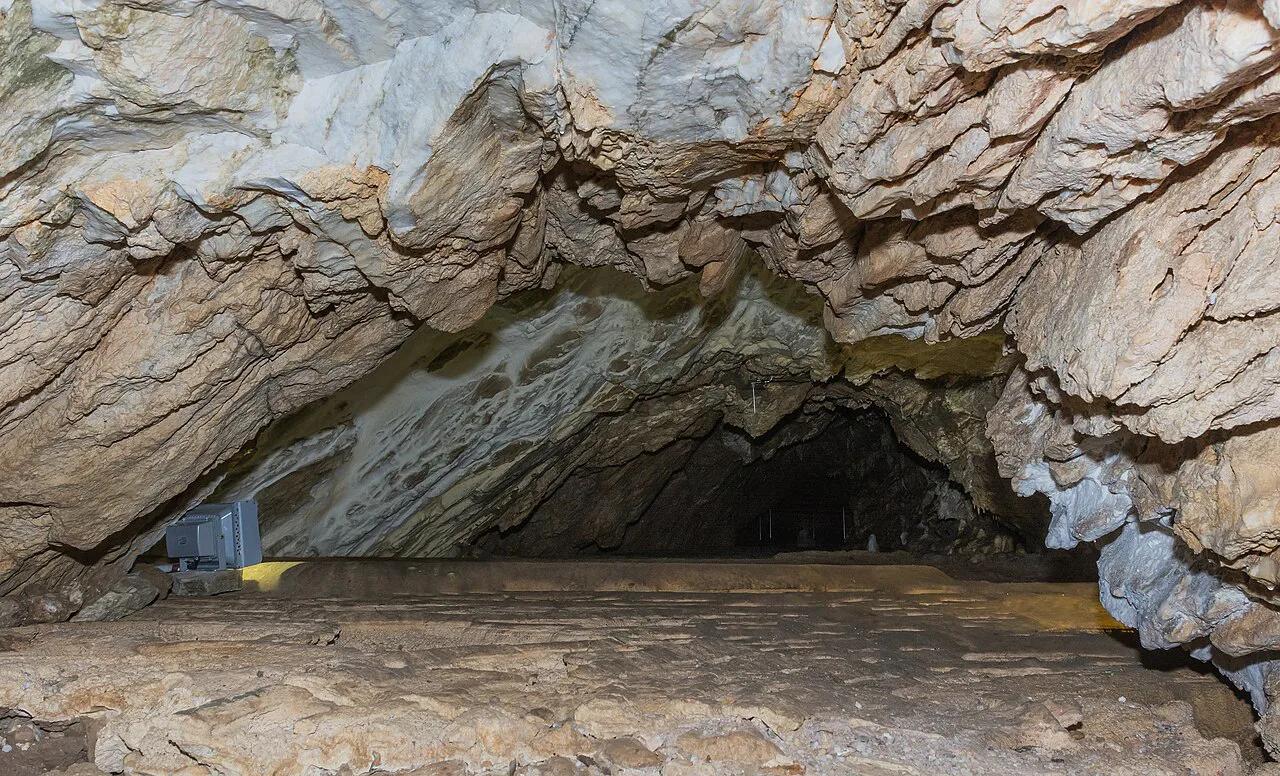
Last updated November 2026: the dragon's den krakow visitors search for is Smocza Jama, a real limestone cave under Wawel Hill. You walk down into it, follow the passage through the rock and come out beside the Vistula, where a dragon statue waits. It is a short legend stop rather than a full show cave, and it works best as the last part of a Wawel Hill visit. For longer cave trips elsewhere, see our guide to Poland's show caves.
Featured image: Mark Healey from Brough, UK, CC BY-SA 2.0, via Wikimedia Commons.
What the Dragon's Den is (and what's legend)
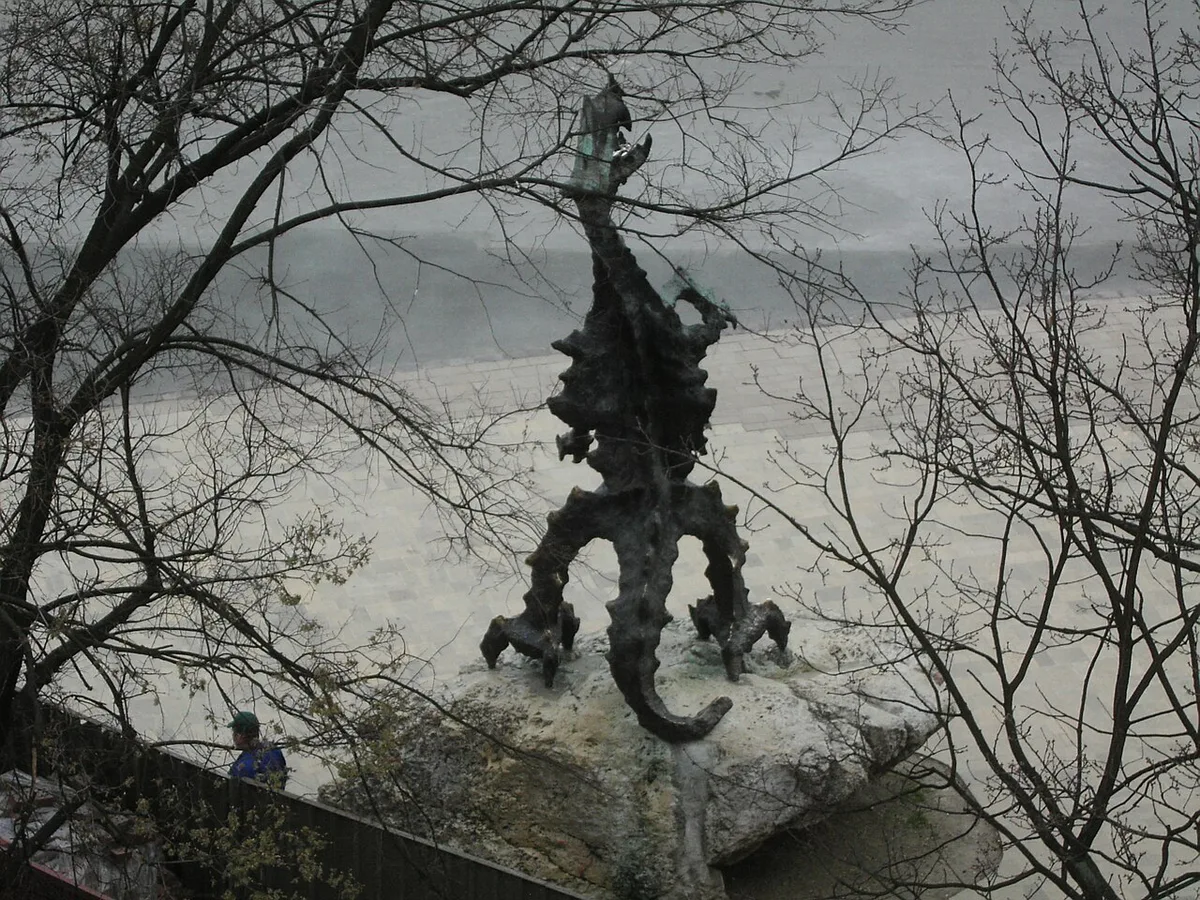
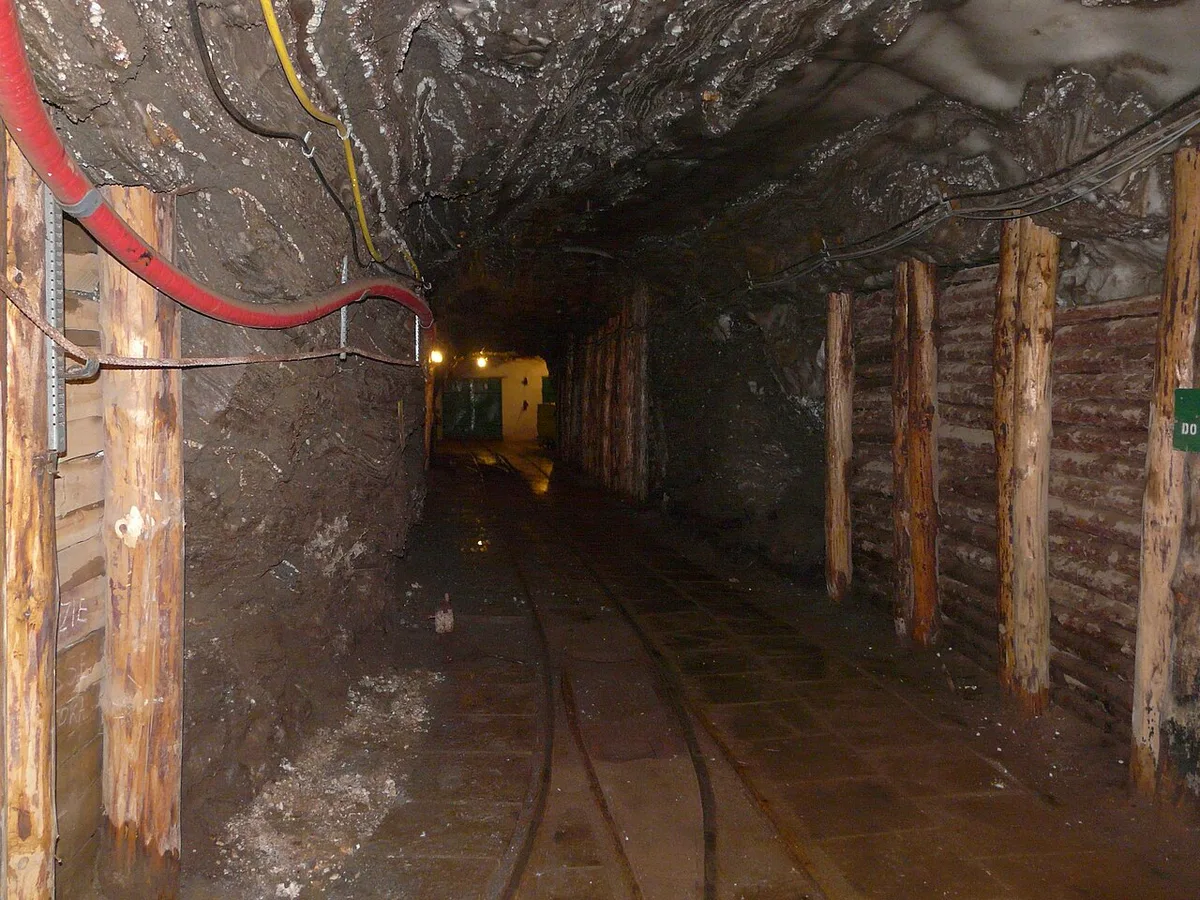
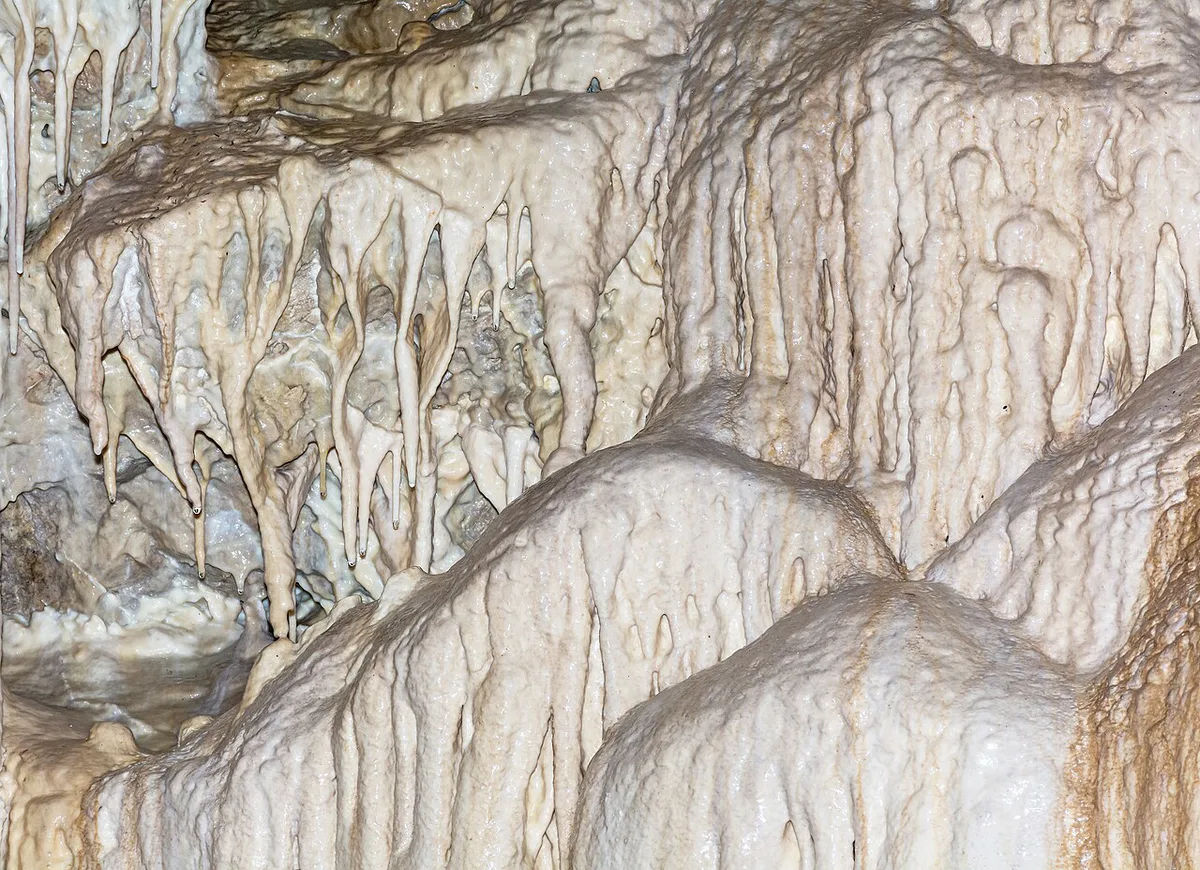
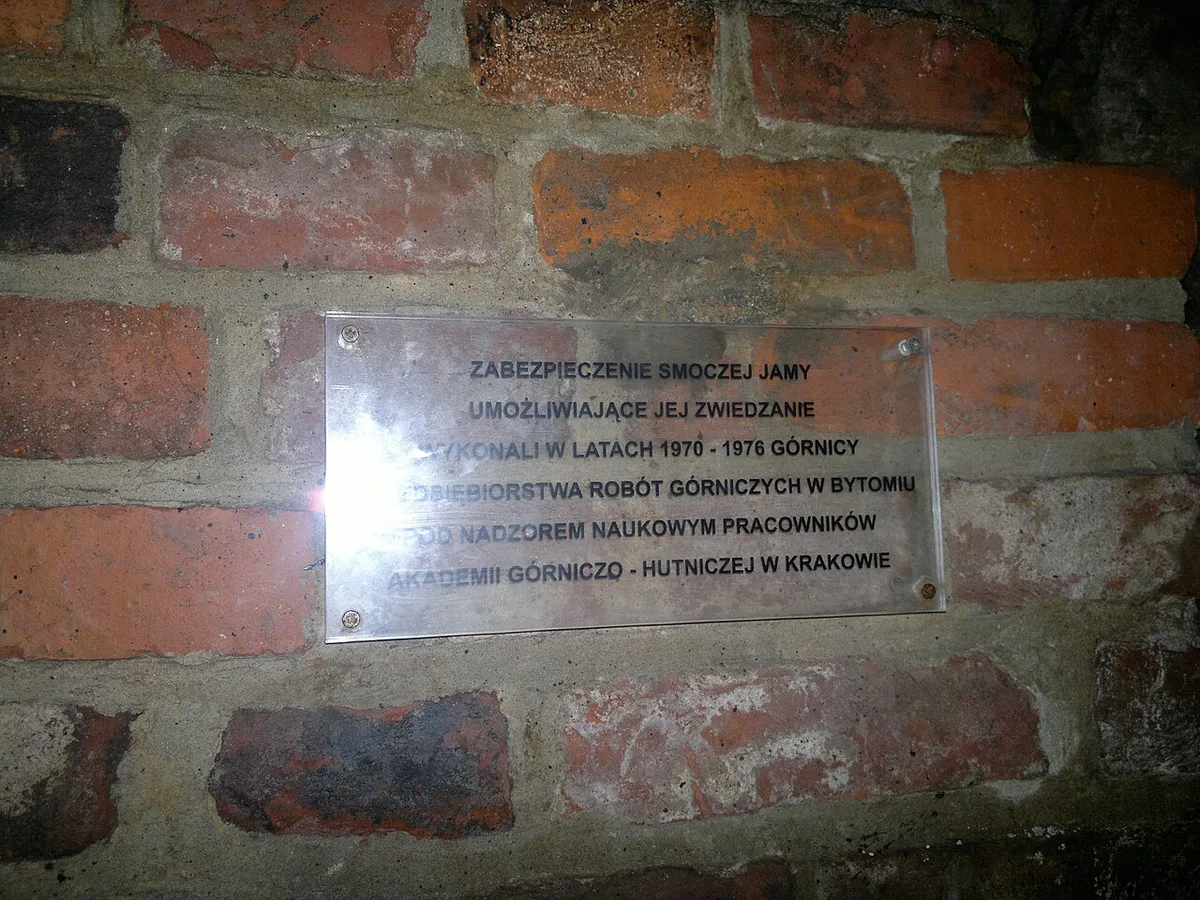
Smocza Jama is a natural cave in the limestone of Wawel Hill, inside the Wawel complex. Visitors enter by steps within the hill and leave near the river. The cave is real. The dragon is folklore, and the fire-breathing statue at the exit is a modern attraction built on that story.
| Part | Real or legend? |
|---|---|
| Limestone cave under Wawel Hill | Real |
| Smok Wawelski, the dragon | Legend |
| Statue near the Vistula | Modern landmark |
| Fire effect at the statue | Modern show; confirm current operation |
Is the Dragon's Den worth visiting?
Yes, if you are already on Wawel Hill and want a quick, atmospheric detour. It is not a destination on its own. Expect a short walk through a dark passage, not a long cave tour.
| Traveler type | Verdict | Reason |
|---|---|---|
| Families with older children | Worth it | Dark passage and a dragon statue at the exit |
| Legend fans | Worth it | Puts the Wawel story in its real setting |
| Visitors with a tight Wawel schedule | Optional | Short stop, but it adds queuing and walking |
| Anyone with mobility limits | Probably skip | Stairs and uneven surfaces inside |
| Anyone uneasy in dark or confined spaces | Probably skip | Narrow, unlit-feeling passage |
Tickets, opening season and hours
Entry to the Wawel grounds is generally free, while exhibitions and attractions such as the cave have their own tickets. Prices, season dates and last-entry times are set by the venue and change. Check the cave's current price, hours and winter closure on the Wawel Royal Castle official site before you go. Treat the cave as seasonal until the official page says otherwise, because winter visitors can arrive and find it shut.
How long it takes and how to fit it into Wawel Hill
The cave itself is a short stop. The bigger decision is the rest of the hill. A castle and cathedral visit is often planned at 2–3 hours, so add the cave on top of that. Visit the cathedral and any state rooms first. Finish with the cave, because it exits by the river and leaves you at the bottom of the hill.
Plan 2–3 hours for the castle and cathedral, with the cave added after, since Wawel Hill sits roughly a 10-minute walk from the Main Market Square.
- Cave only: a quick detour if you already hold a ticket.
- Cave plus grounds: free wandering, then the cave and the riverside statue.
- Full Wawel visit: cathedral and exhibitions first, cave last.
Getting there and the route after
Wawel Hill is roughly a 10-minute walk from the Main Market Square, and Grodzka Street is the usual approach from the Old Town. Tram and bus numbers change with roadworks, so check the Kraków transit authority (ZTM) timetable if you plan to ride. After the cave, walk the Vistula bank from the statue. From there you can head back to the Old Town or cross toward Kazimierz. Official city planning tips are on the Visit Krakow tourism portal.
What to expect inside
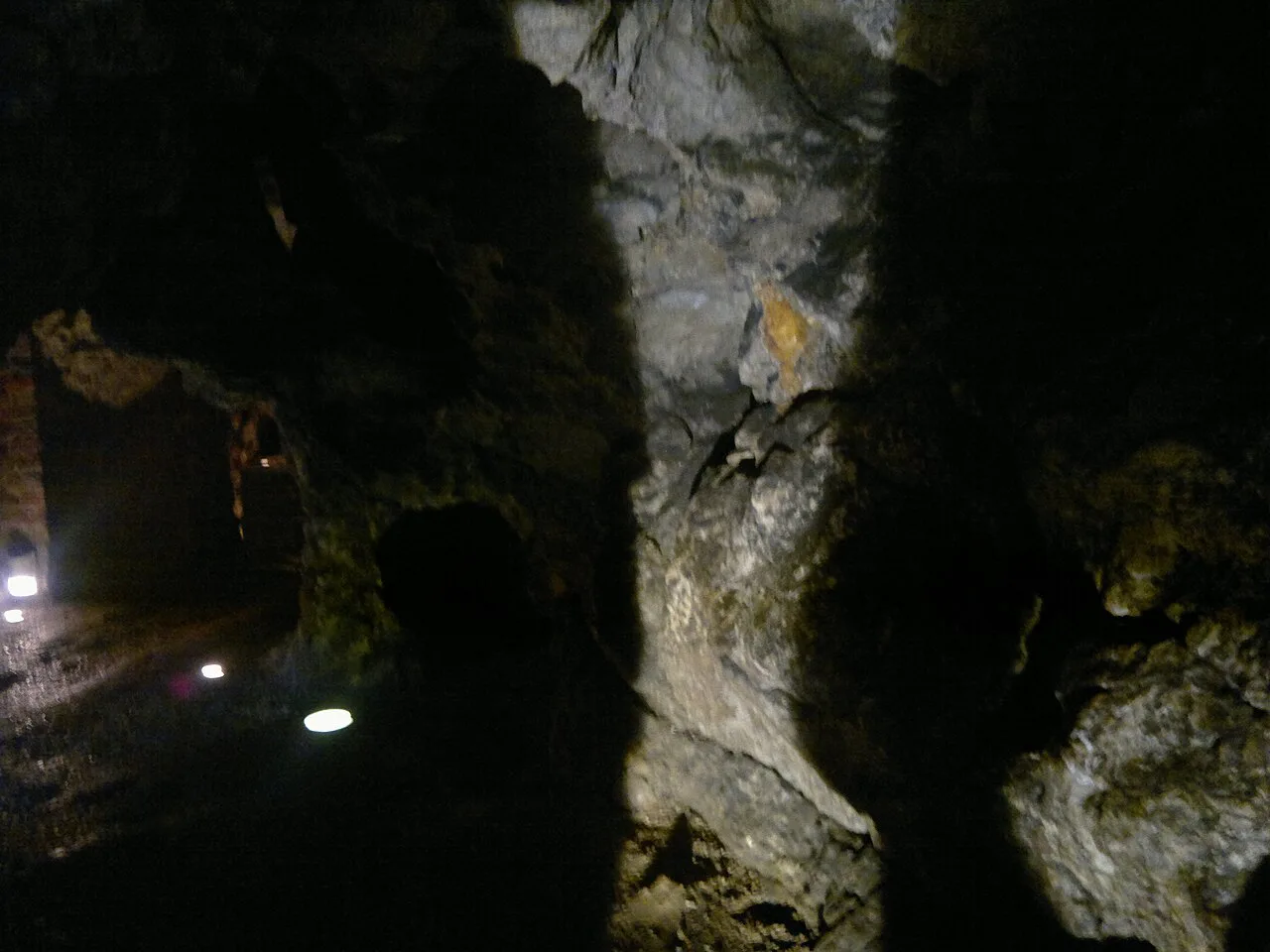
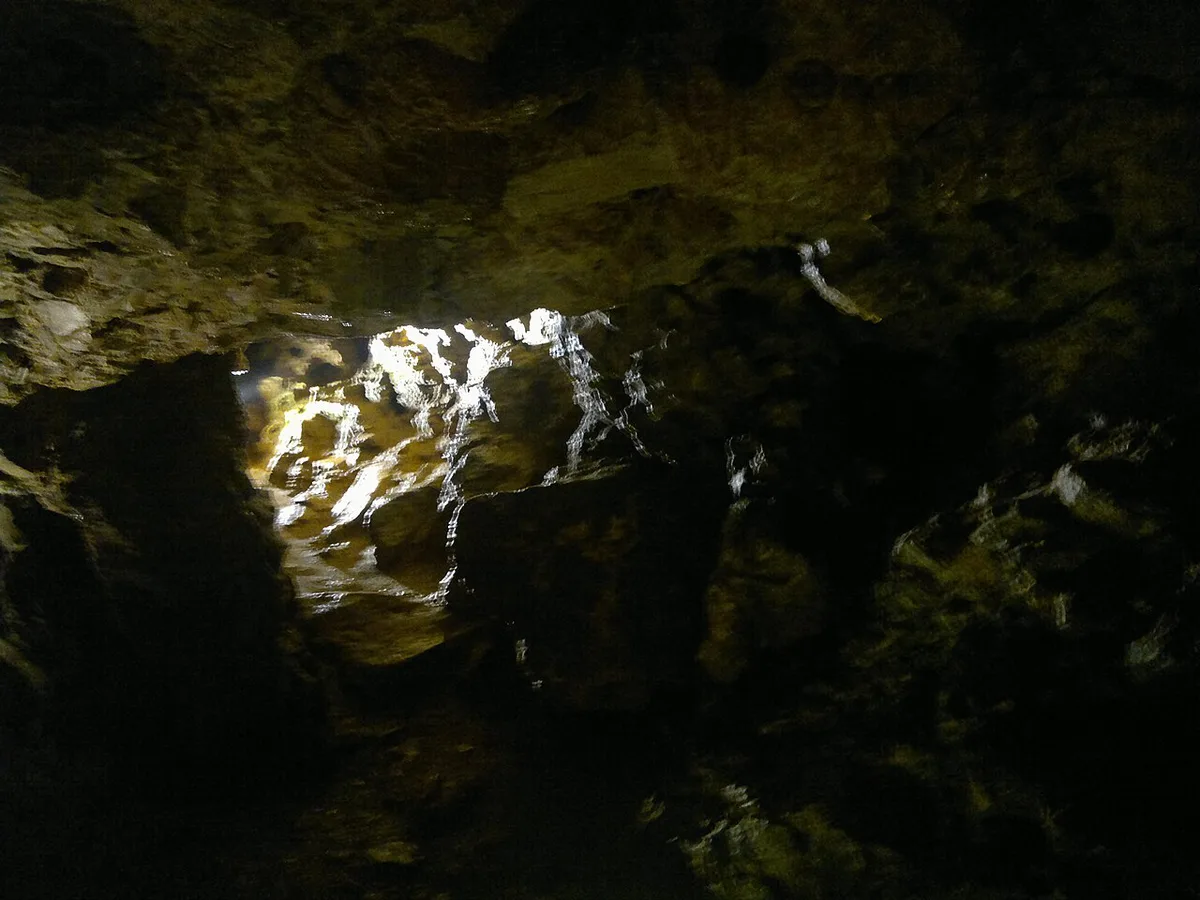
You go down steps, move through a dark passage and climb out toward the river. Surfaces can be slippery and uneven, so wear shoes with grip rather than smooth soles. Crowds slow the passage at peak times. Strollers and wheelchairs are unlikely to manage the stairs, so ask the venue about access if mobility is a concern.
- Going in winter without checking the season.
- Treating the cave as the whole Wawel visit.
- Wearing smooth-soled shoes.
- Arriving at peak times without a plan.
The legend in brief
In the best-known version, a dragon lived in the cave during the reign of King Krak, the city's legendary founder. It ate livestock and frightened the town. A shoemaker's apprentice named Skuba fed it a sheep stuffed with sulfur. The dragon drank so much from the Vistula that it burst. The story is a founding tale for Kraków, and details differ between retellings.
Best time to go
Aim for early morning, before about 10 AM, or late afternoon, after about 3 PM, to avoid the busiest hours on Wawel Hill. Spring to autumn is the likeliest season for the cave to be open. Winter brings fewer visitors but a real chance of closure. On a rainy day, expect the stairs and passage to be slick.
Early visits before about 10 AM dodge the crowds, but winter brings a real chance the cave is shut, so check the season first.
Other caves and underground sights
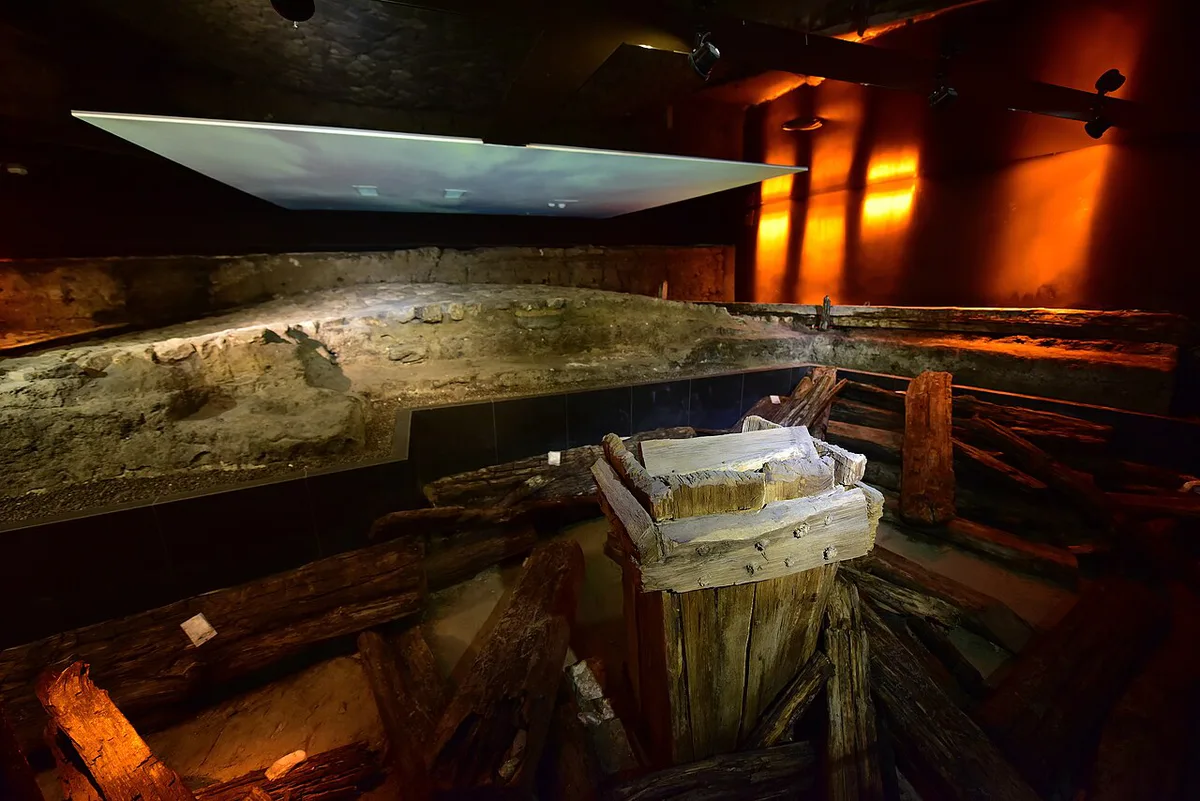
The Dragon's Den is brief, so pair it with a deeper underground visit. In town, the Rynek Underground museum sits beneath the Main Market Square. Our Kraków underground tours cover more options. For a day trip, the Bochnia Salt Mine: Visitor Guide, Tickets & Tips is an underground alternative. For true show caves, try Raj Cave (Jaskinia Raj) Poland: Season & Visitor Guide or Bear Cave in Kletno.
Notes for your next trip underground
Optional updates when we add or revise cave and underground guides.
More guides
More guides you'll find useful