Grotta Zinzulusa Guide: How to Visit Castro's Sea Cave
Planning a visit to Grotta Zinzulusa near Castro? Get the guided tour format, access, best time, and how it compares with other Puglia caves.
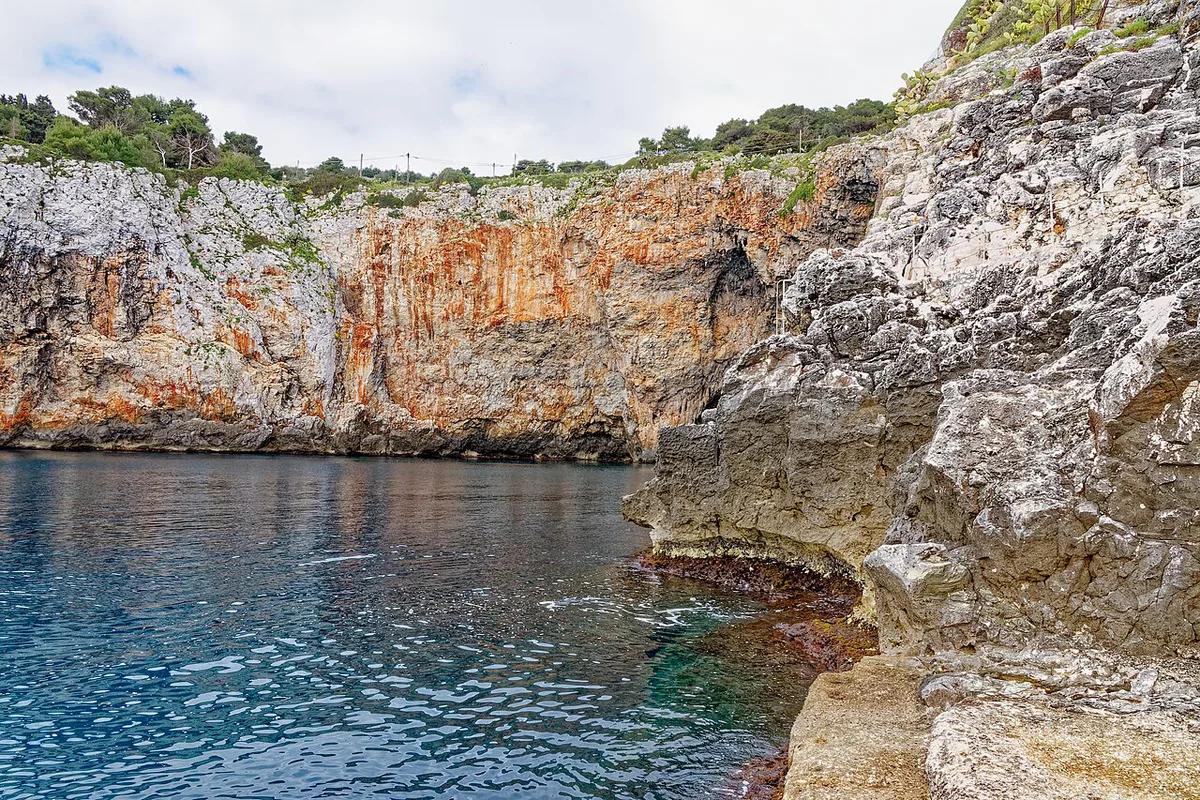
Last updated November 2026: Grotta Zinzulusa is a guided sea-level karst cave on the Salento Adriatic coast, between Castro and Santa Cesarea Terme. The visit is short, at roughly 30–60 minutes along a route of about 150–160 m. Expect a small, atmospheric cave rather than a Castellana-scale show cave, and read our overview of other Puglia caves if you want bigger chambers.
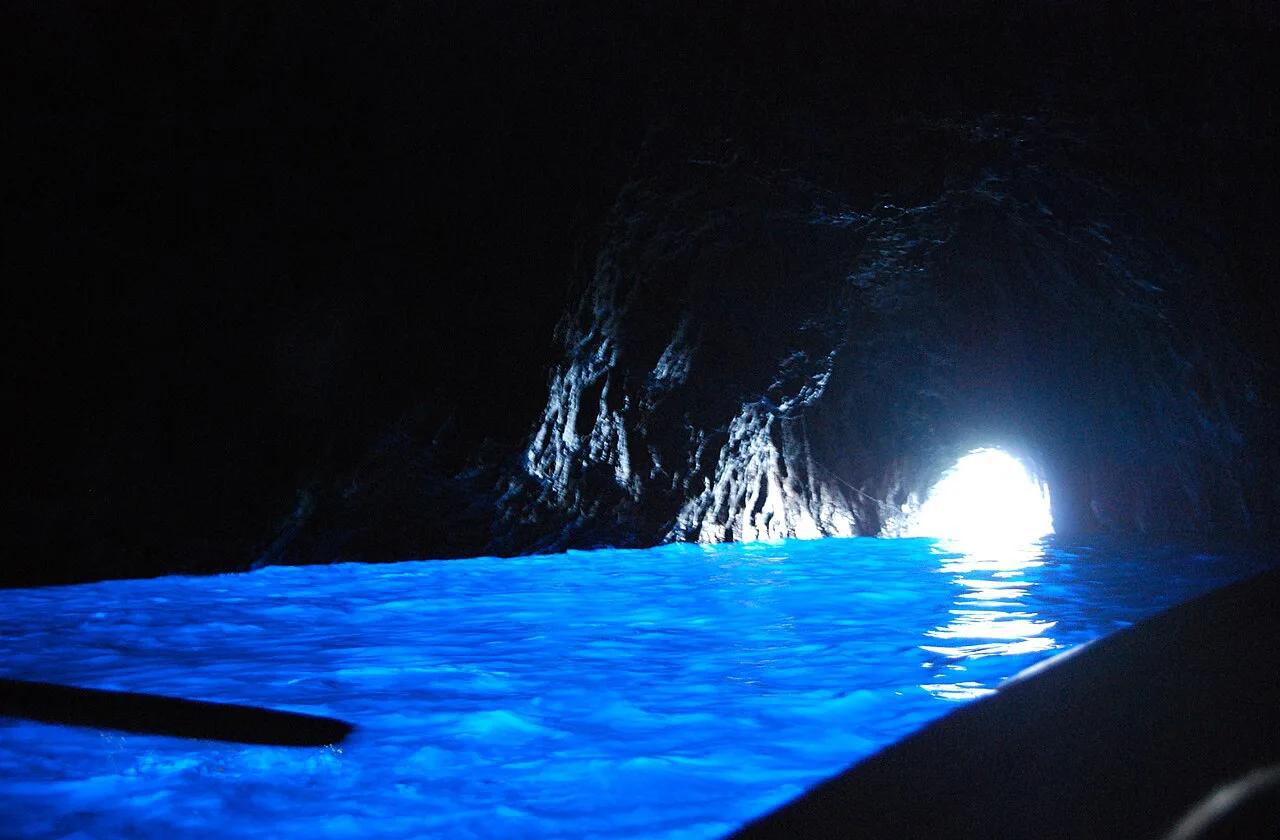
Featured image: Holger Uwe Schmitt, CC BY-SA 4.0, via Wikimedia Commons.
Is Grotta Zinzulusa worth visiting?
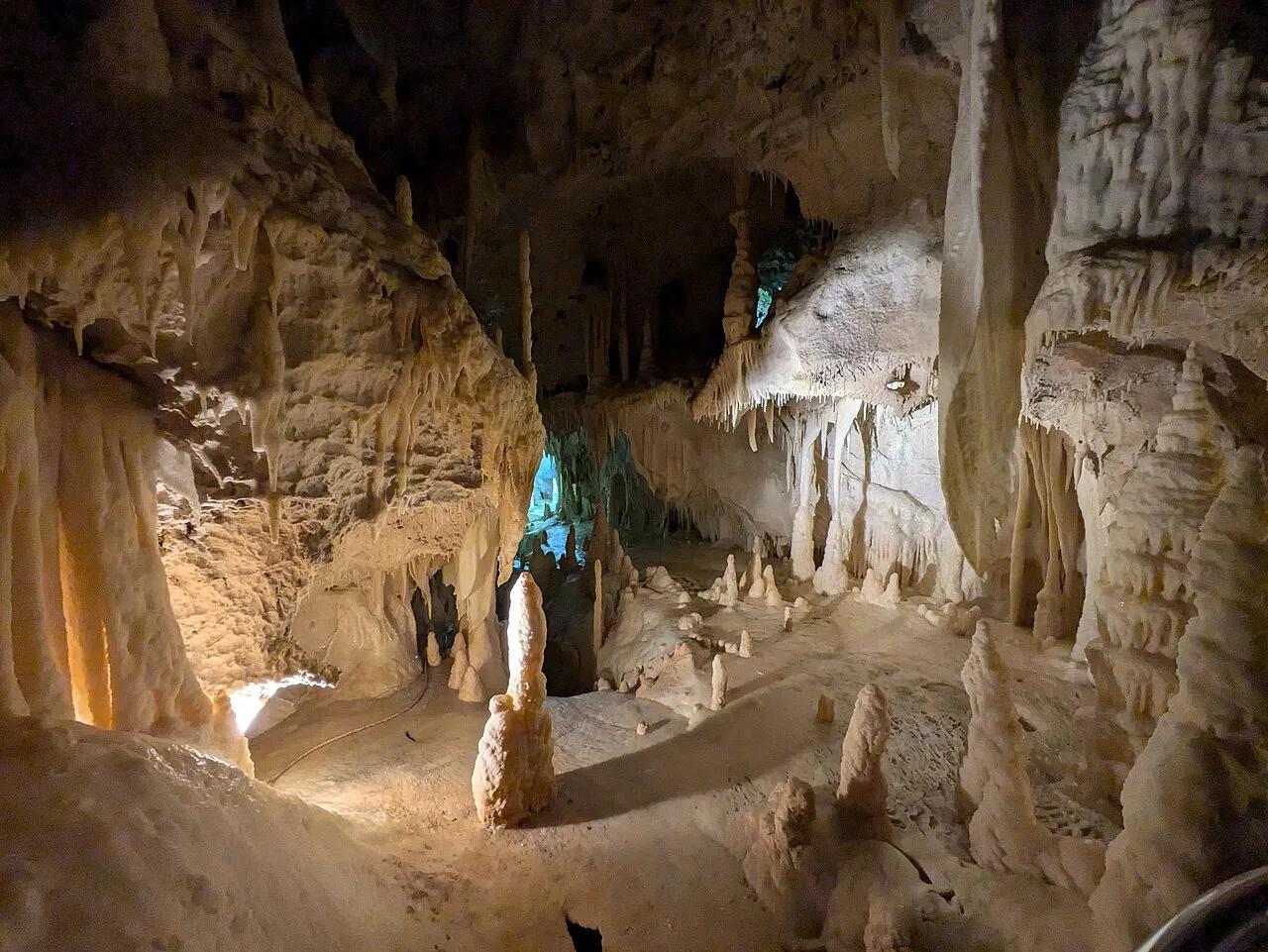
Yes, if you come for the setting and not for scale. The entrance opens at the foot of the Salento cliffs, a walkway runs between rock and sea, and the route inside passes dense stalactites, a cleared guano chamber and a layered basin of fresh and salt water. Tour length is quoted differently by different operators, from about 30 minutes on the cave's own site to about an hour when walking and waiting are included. Budget around an hour door to door and treat anything shorter as a bonus. The cave opened to the public in 1957, and the operator says it draws over 100,000 visitors a year.
- Location: coast road between Castro and Santa Cesarea Terme, Lecce province, Salento
- Format: guided entry only, groups led by a cave guide
- Route: roughly 150–160 m, depending on who measures it
- Visit time: about 30–60 minutes, plus waiting for the next group
- Best for: sea-cave scenery, formations, a short stop on a Salento coast day
- Skip if: you want a large show cave or have trouble with stairs and wet surfaces
Tickets, guided tours and opening hours
Entry is by guided tour only, so you cannot wander the cave alone. Groups are led by guides who explain how the cave formed. Tickets are sold on site near the descent, and Castro's tourism office also promotes an all-in-one ticket for local sites. Check what that bundle covers before you buy it. Ticket prices and seasonal hours change from year to year, and no current 2026 figure is confirmed here. Look at the cave operator's own site or ask at the ticket point for today's price. Expect an adult ticket to cost far less than the large show caves in Puglia, which charge higher, tiered fees; our Castellana ticket guide shows how those are structured. Peak-season hours run longer than winter hours, so plan a morning arrival in summer and a midday arrival in the cooler months. The tour can pause or cancel when the sea is rough, so ask on arrival rather than driving a long way on a windy day.
What you see inside the cave
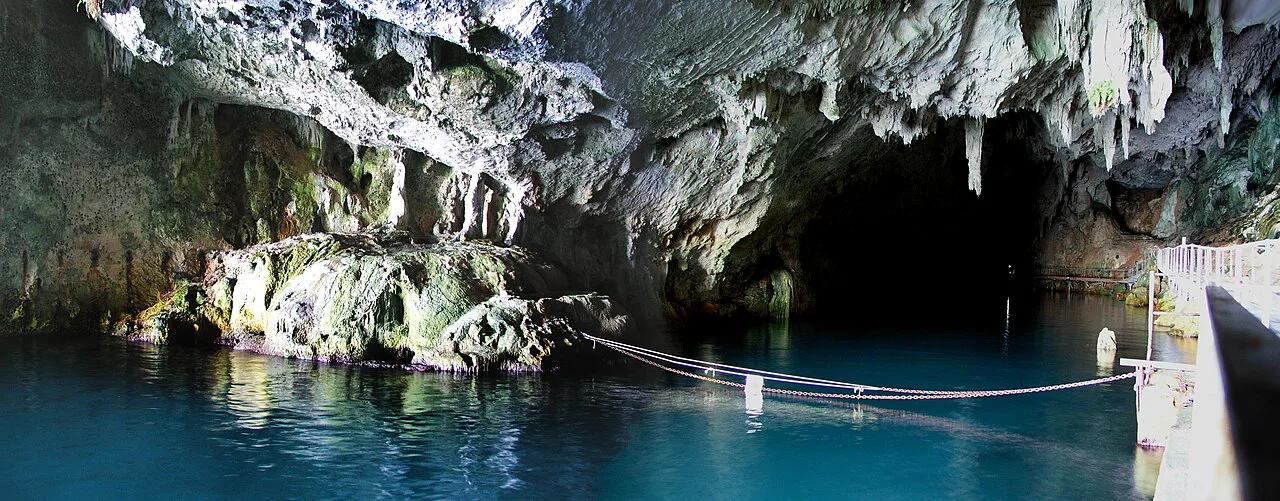
The route has three parts, and all three fit into one short guided walk. A walkway between rock and sea leads to a wide cave mouth, then a staircase about 8 m high takes you inside.
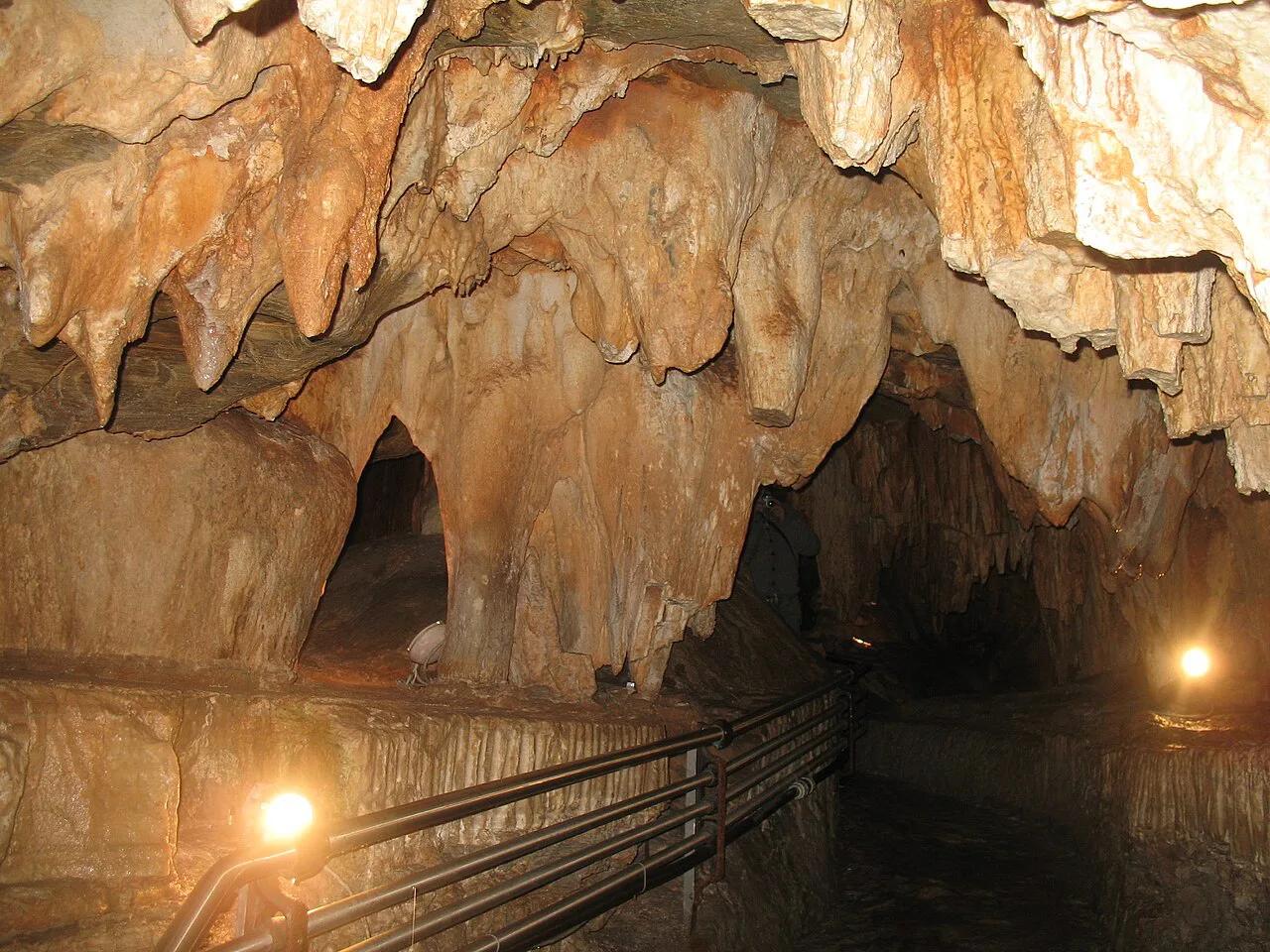
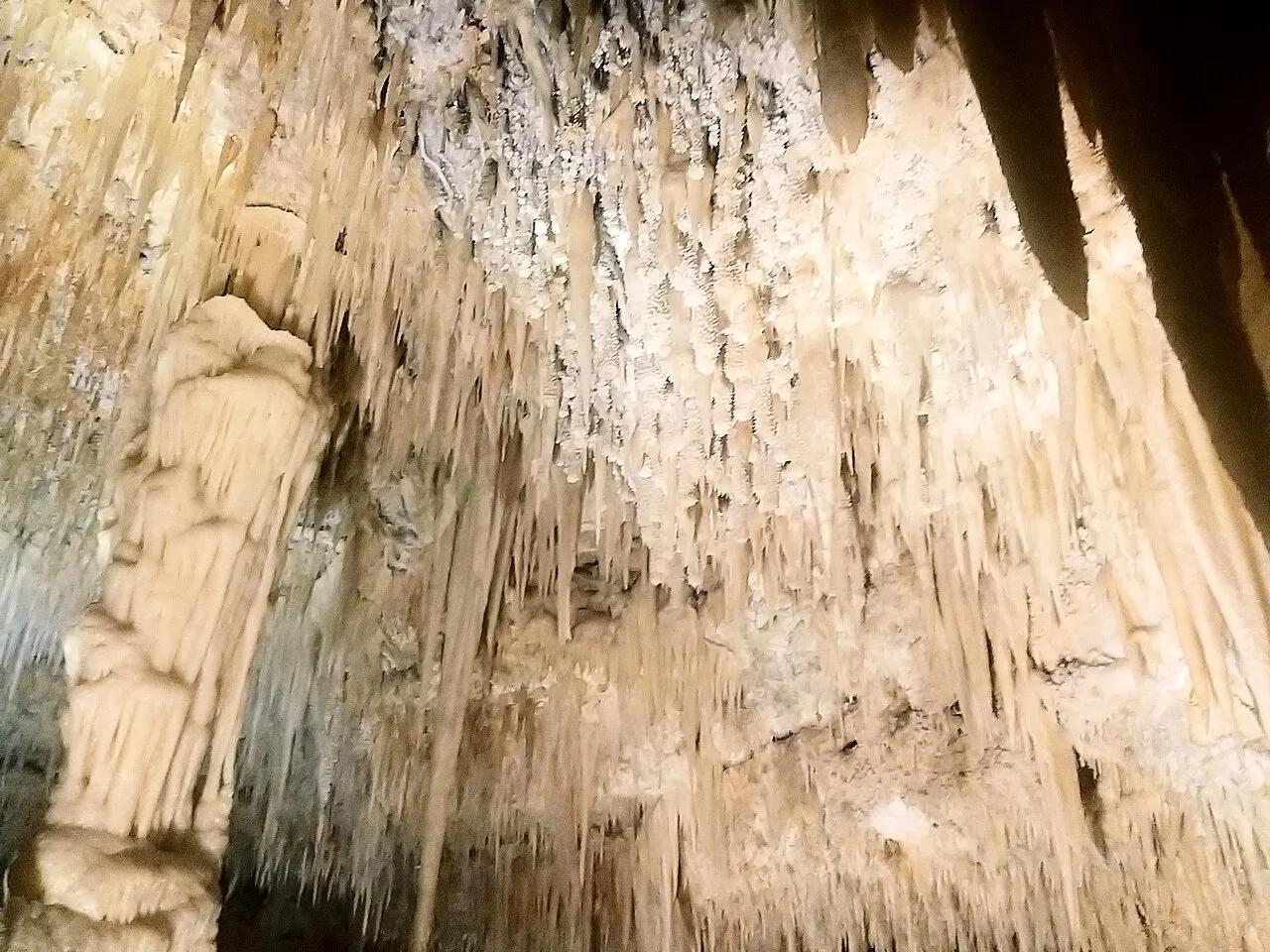
- Conca and Corridoio delle Meraviglie: an elliptical first chamber opens onto the longest stretch, a corridor of stalactites and stalagmites coated in salt that glints in low light. Guides point out formations nicknamed the Baldacchino, the Nativity scene, the Tower of Pisa and the Waterfall. Along the corridor sits the small Trabocchetto pool, clear water where fresh seepage mixes with sea infiltration.
- Duomo (also called the Cripta): a chamber about 25 m high that once sheltered many bats. Workers in the mid-twentieth century cleared a guano deposit about 5.7 m deep and used it to build a passage, leaving their names on the walls.
- Cocito: a submerged basin where the water is layered. Warm brackish water lies below and cold fresh water sits on top, and divers have followed flooded passages for about another 200 m.
Where the name comes from
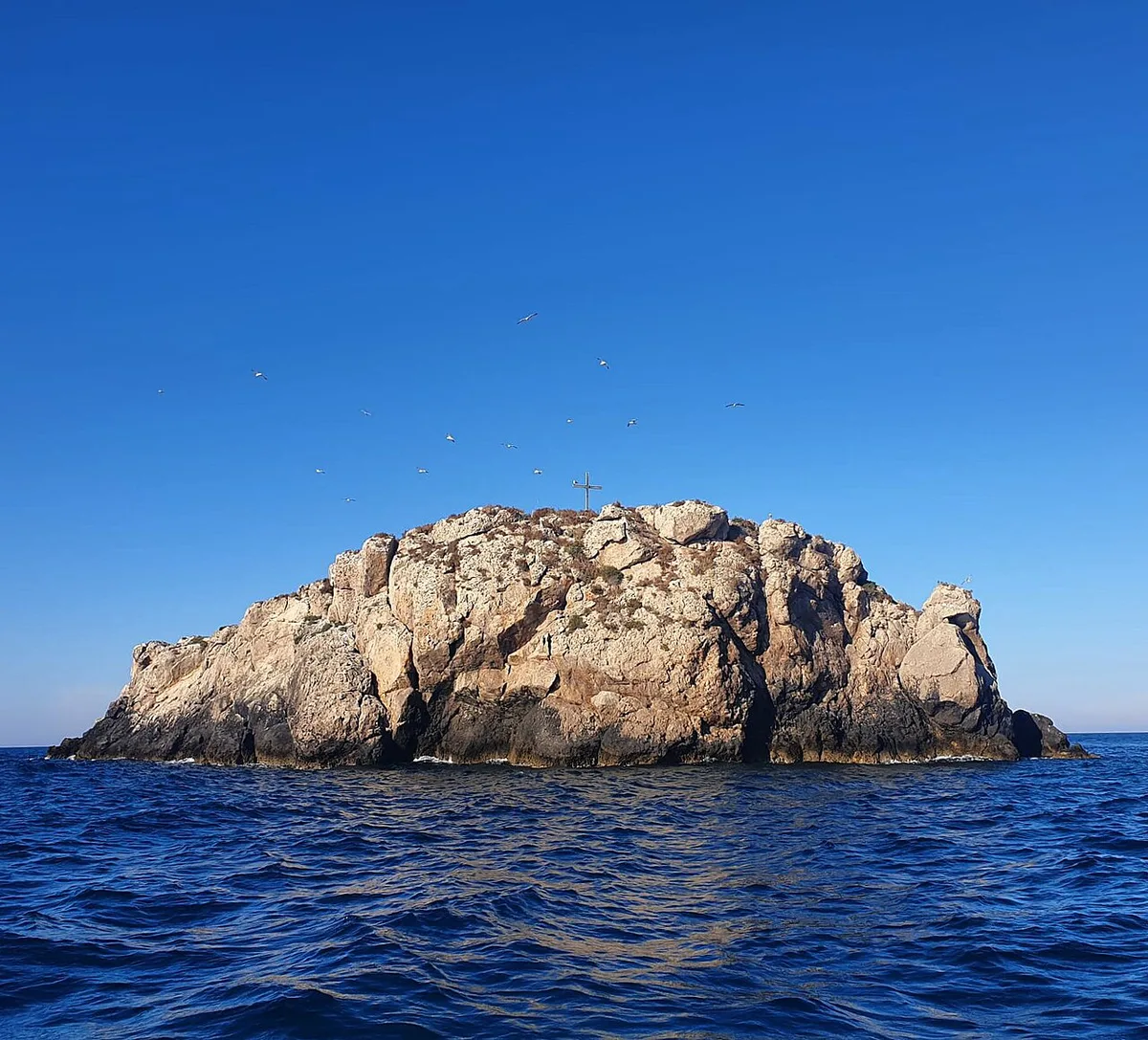
Locals use the dialect word zinzuli for rags, and the stalactites hanging at the entrance resemble shreds of worn cloth. That is the explanation most often given for the name. A folk legend tells of a cruel Baron of Castro, a girl dressed in rags and a fairy who flung the rags onto the cave walls, where they turned to stone. Treat the legend as folklore. The same story says the Baron fell into the water below, forming the Cocito pool. A third theory links the name to a local jujube tree.
Why the cave matters: the blind shrimp and the halocline
Visitors do not see the animal that makes this cave scientifically interesting. Typhlocaris salentina is a blind, pale cave crustacean associated with the Cocito basin, and the basin itself is closed to the public. What you do see is the layered water that shapes its habitat. Salt water from the Adriatic below and fresh water from the limestone above meet without fully mixing, and that boundary is called a halocline. The cave also holds fossils, with Paleolithic and later finds from the surrounding area now kept in the museum in Maglie. Cave operators report 26 aquatic and 40 terrestrial species recorded here. Castro's tourism office adds that further flooded basins extend the explored cavities to about 250 m. Treat the shrimp as background that makes the pool more interesting, not as something to expect on the tour.
How to get to Grotta Zinzulusa
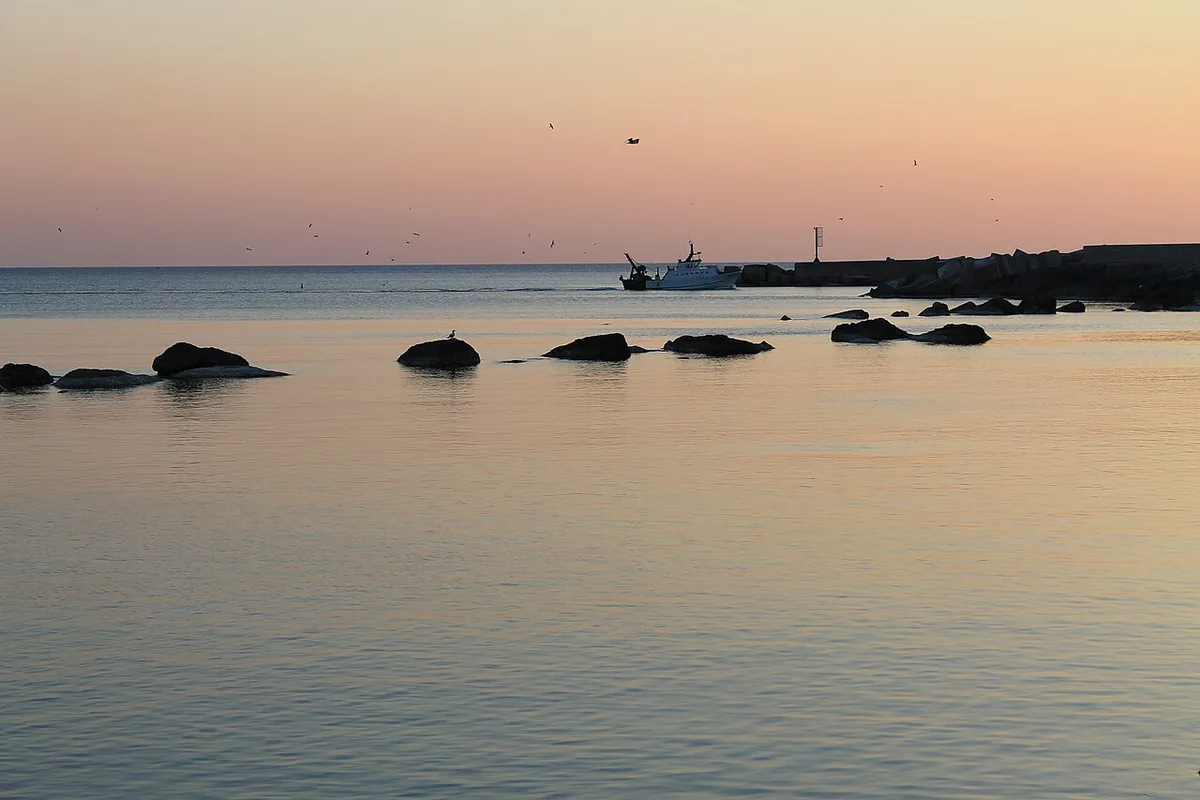
A car is the practical choice. The cave sits on the Salento coast road about 2 km north of Castro, roughly 20–30 km from Otranto depending on the route, so confirm the drive in a mapping app. Lecce is about an hour away by road, and Santa Maria di Leuca is roughly 30 minutes south. No public transport serving this stretch has been confirmed, so plan on driving or joining a tour. Parking is tight in July and August. Castro's tourism office describes a paid car park and a walk to the ticket square, while other visitors report a small roadside area off the SS173. Check the setup when you arrive and allow extra minutes for the walk. From Castro Marina, boats also run along the coast and can be combined with a cave visit. Boat seasons and operators change, so ask at the marina on the day.
- From Castro: about 2 km north, a short drive
- From Otranto: roughly 20–30 km south along the coast road
- From Santa Maria di Leuca: roughly 30 minutes north by car
- From Lecce: about an hour by road
- By sea: boats from Castro Marina, seasonal
Best time to visit and how to avoid the crowds
Summer is the busiest period, and the pressure peaks between 11am and 2pm. Arrive soon after opening or in late afternoon in July and August. May, June and September give warm weather with shorter queues, while winter is quiet but hours are shorter and boat trips may not run. Conditions at sea level can affect access, so check on the day before you drive out. If you only have an hour, go first thing, join the earliest group and spend the rest of the morning in Castro.
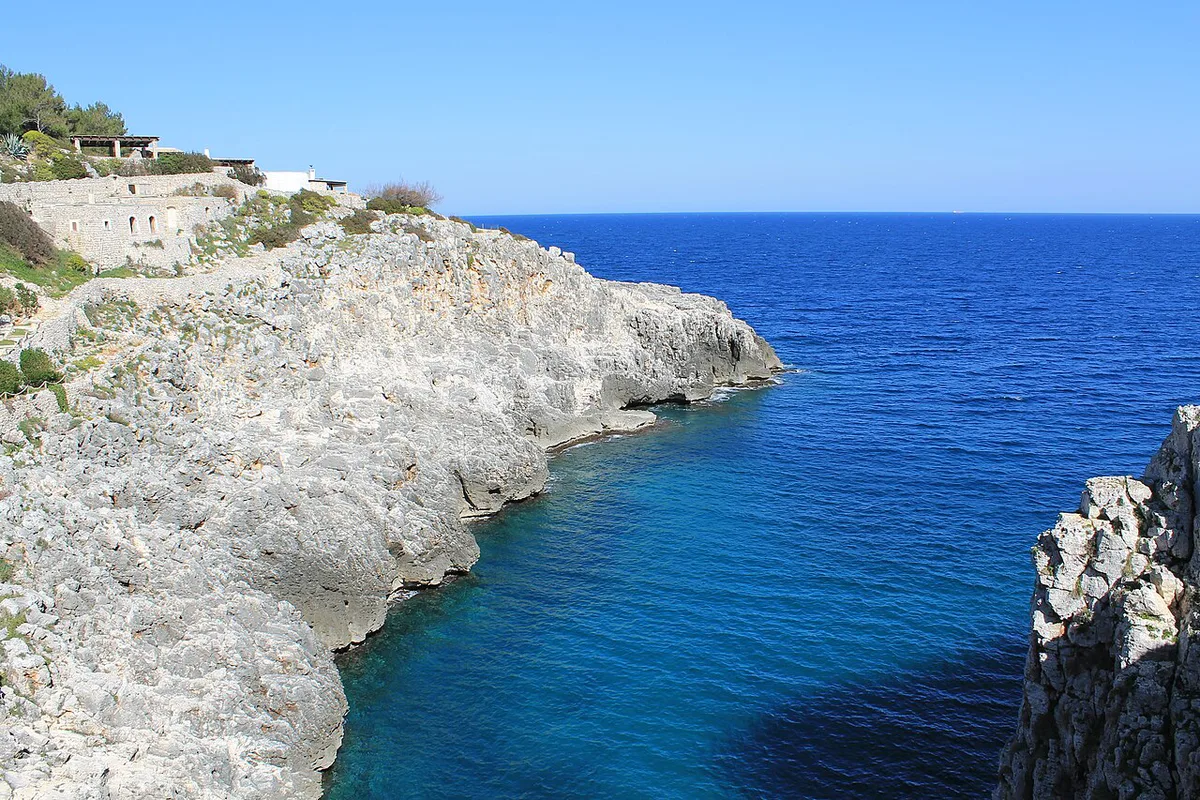
Zinzulusa compared with other Puglia caves
Puglia has several very different caves, and this table shows where Zinzulusa fits. Comparisons are qualitative, since each site sets its own format and fees.
| Cave | Scale and setting | Tour format | Best fit |
|---|---|---|---|
| Grotta Zinzulusa | Small sea-level cave on the Salento coast | Short guided walk, about 30–60 minutes | Coast days, formations, quick stop |
| Grotte di Castellana: 5 Best Things to Do and Plan Around the Caves | Large inland show cave system | Longer guided routes through big chambers | Families and anyone wanting scale |
| Grotta Palazzese: Cave Restaurant, Hotel & Visit Guide | Sea cave at Polignano a Mare | Dining venue rather than a cave tour | Special-occasion meal |
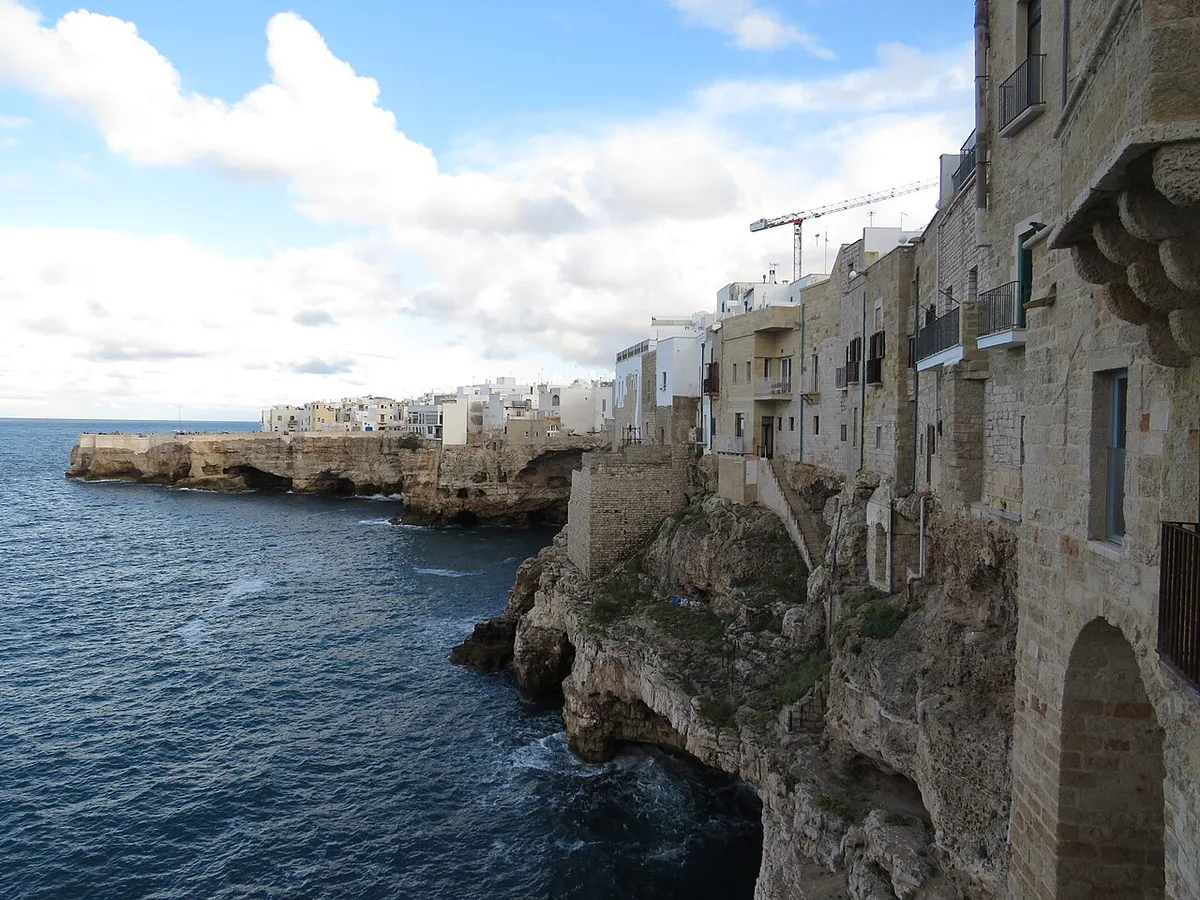
| Polignano sea caves | Cliff caves on the northern Adriatic coast | Mostly seen from the water or viewpoints | Boat and swimming day |
Combine the cave with Castro, Otranto and Santa Maria di Leuca
Zinzulusa works as a half-day stop. Castro's upper town and marina sit just south, and lunch there is the easiest follow-up. Otranto is a longer drive north, and Santa Maria di Leuca is the natural extension south. All times below are estimates.
| Plan | Route | Time estimate |
|---|---|---|
| Cave only | Early guided tour, then back to base | 1–2 hours |
| Cave plus Castro | Tour, then Castro upper town and marina lunch | Half a day |
| Full coast day | Cave, Castro, then Otranto or Leuca | Full day, early start |
| Lecce base | Drive down early, loop via Castro and Otranto | Full day, about an hour each way |
Who should skip it
Some visitors will be happier elsewhere. The descent uses stairs and a walkway along the rock, and surfaces are wet, so it suits only people who manage uneven steps. Wear shoes with grip. Skip it if you are claustrophobic, if your schedule has no slack for waiting for a group, or if you expect Castellana-scale chambers. In those cases, pick a larger show cave or a boat trip along the coast instead. For general planning on the region's tourism, the official Puglia tourism site lists current events and local contacts.
Notes for your next trip underground
Optional updates when we add or revise cave and underground guides.
More guides
More guides you'll find useful