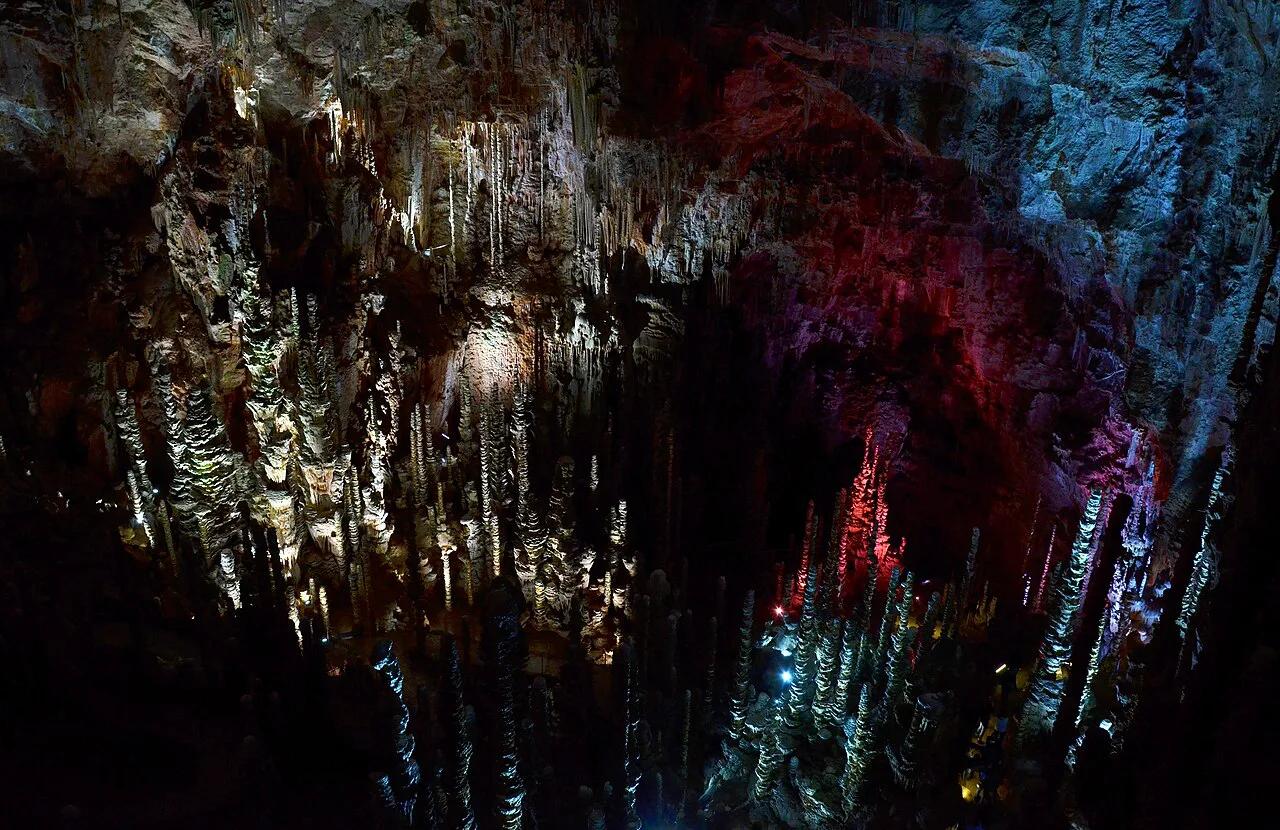
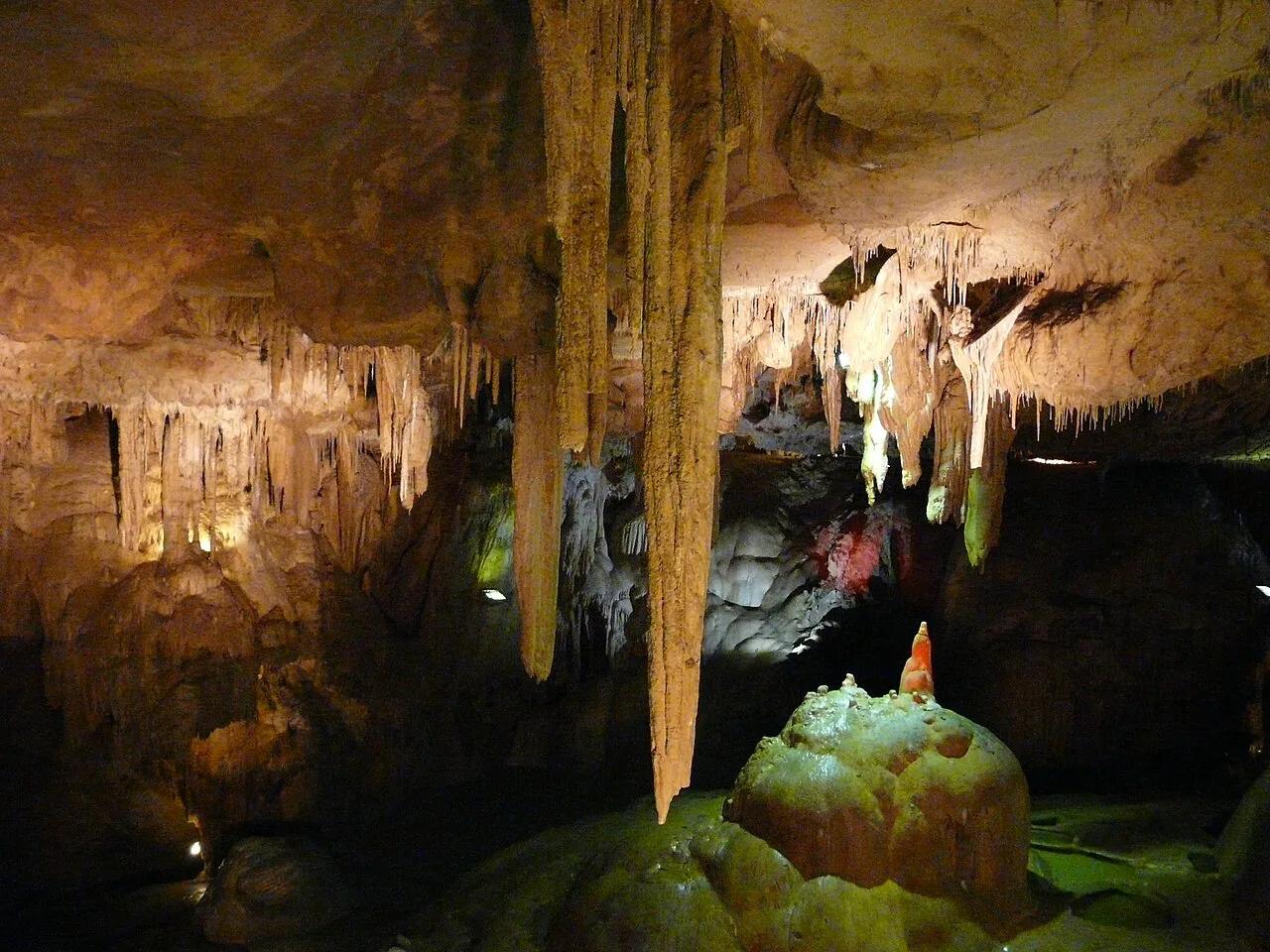
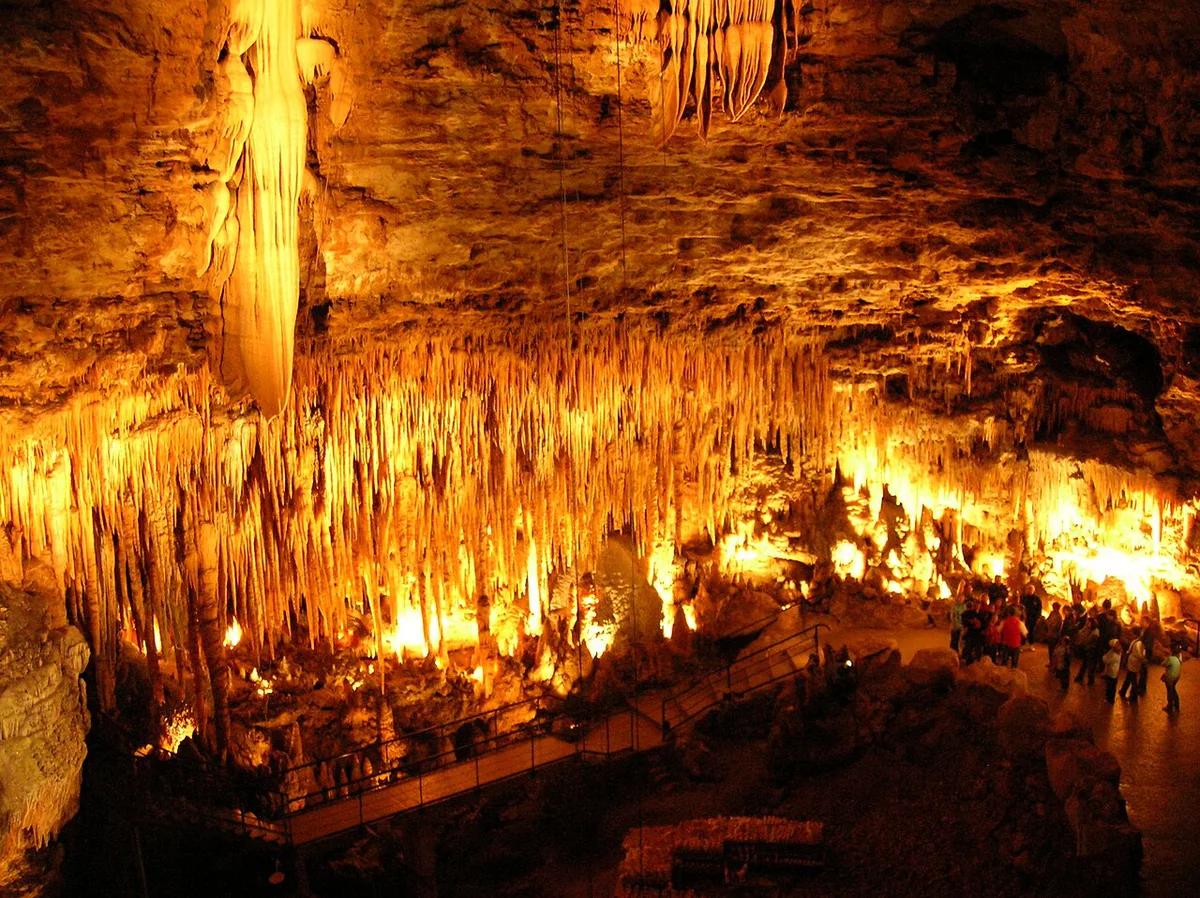
Grottes d'Isturitz (Isturitz & Oxocelhaya): Visit Guide
Visit the grottes d'Isturitz in the French Basque Country: what the tour covers, how to book, getting there from Biarritz, and whether it is worth a detour.
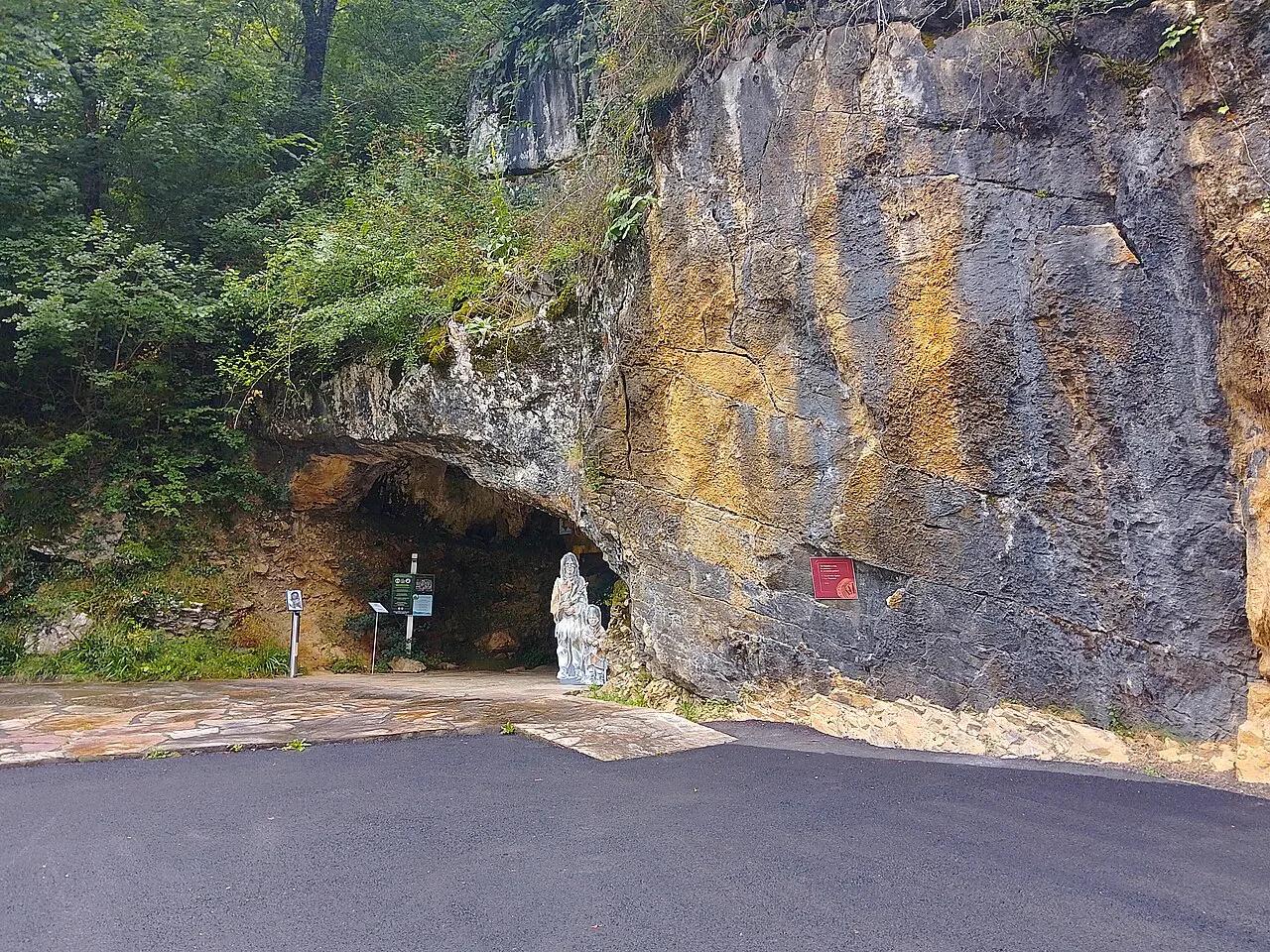
Last updated November 2026: the grottes d'Isturitz, officially the Grottes d'Isturitz et d'Oxocelhaya, are a prehistoric cave complex at Saint-Martin-d'Arberoue in the French Basque Country. Tours are guided and seasonal, so the tour slot decides how your day runs. This site suits visitors curious about prehistory more than anyone hunting dramatic formations, and our Pyrenean cave overview shows the alternatives.
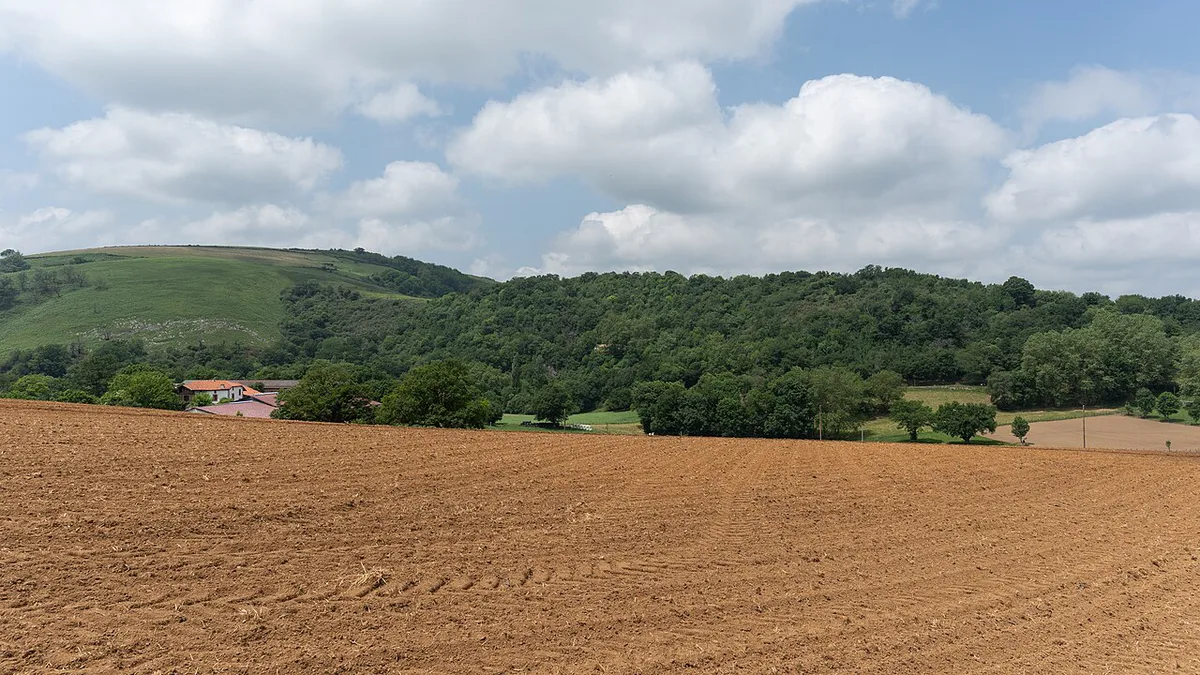
Featured image: Michel Bakni, CC BY 4.0, via Wikimedia Commons.
Grottes d'Isturitz at a glance
Isturitz and Oxocelhaya are connected caves in the Basque foothills, inland from the Atlantic coast. One holds a large Palaeolithic occupation site, and the other is a decorated cave. Visits run as guided tours, not free wandering.
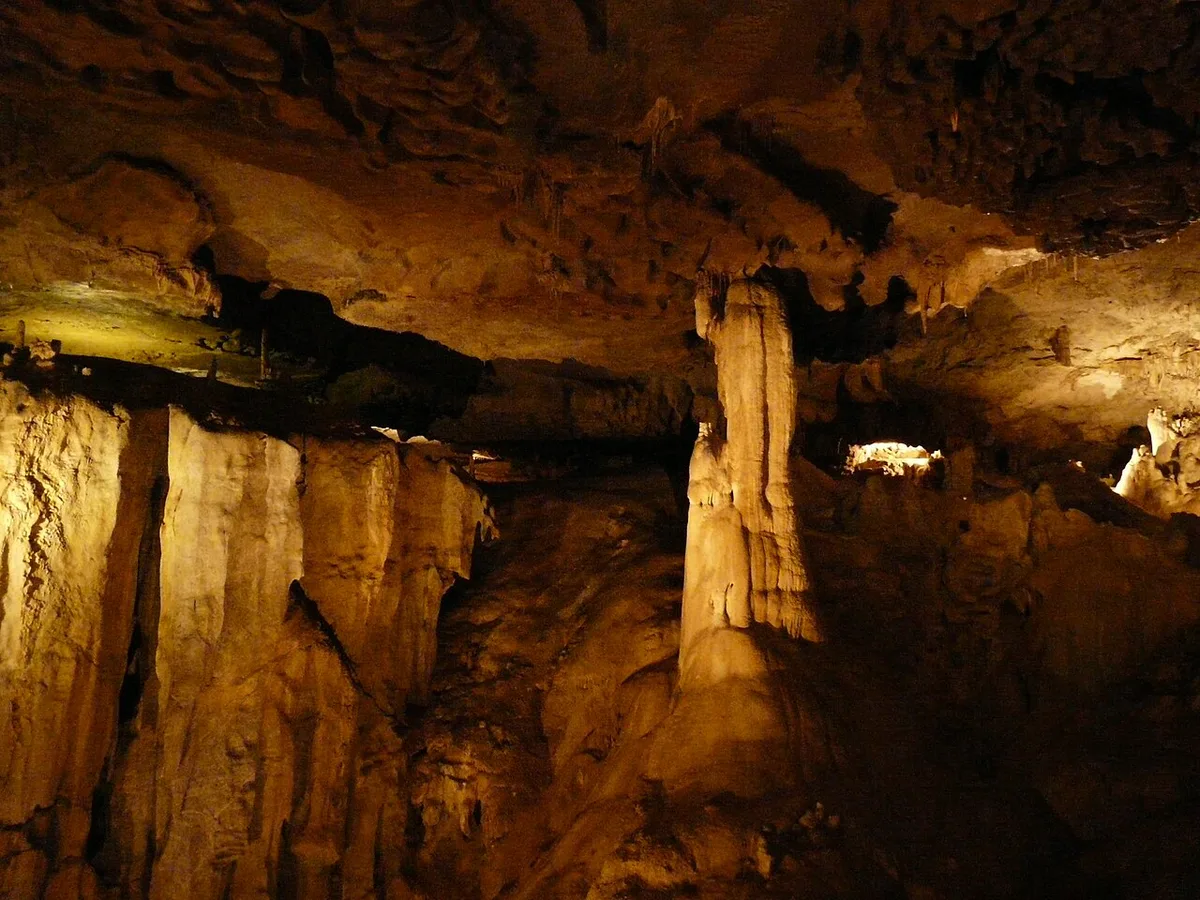
- Location: Isturitz and Saint-Martin-d'Arberoue, Pyrénées-Atlantiques, French Basque Country.
- What it is: a prehistoric archaeological site, not a classic formations show cave.
- Format: guided tour on a seasonal schedule.
- Drive from Biarritz: about 41 minutes (44.6 km) via the A64, according to a regional portal.
- Best for: prehistory fans and Basque Country road trips.
Isturitz and Oxocelhaya: what the caves are
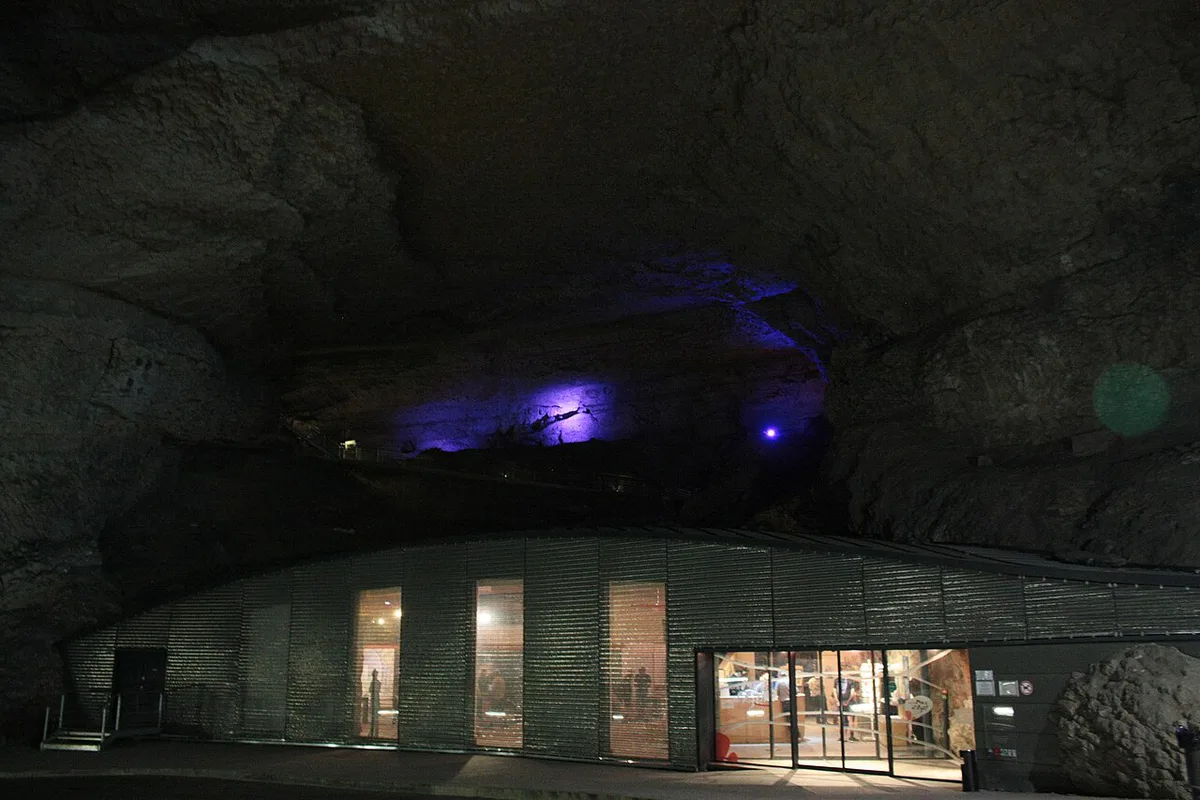
Isturitz is a large cave that people used over many millennia in the Upper Palaeolithic. Oxocelhaya is the connected cave where engravings and painted surfaces were found. A third cave, Erberua, was found on 15 August 1973. Local spellings vary, and you may also see Otxozelaia on signs and in Basque-language sources. Phosphate mining began in the Isturitz cave in 1895, and workers turned up prehistoric objects almost at once. Excavations began in 1912. The caves were classified as historic monuments on 1 October 1953. Horse and bison engravings were found in 1955, and research continues with the regional archaeology service.
What the guided visit is like
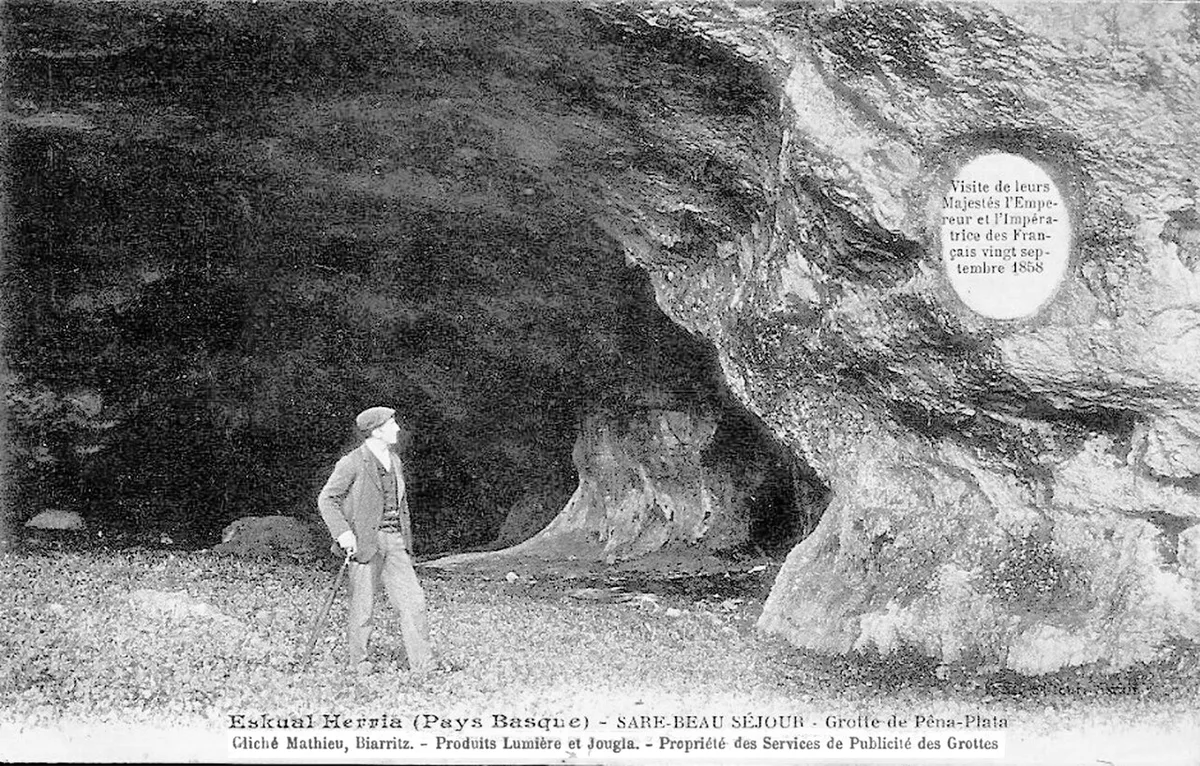
Expect a guide-led walk through the cave rather than a lit-up gallery of rock formations. Archaeology and engraved or painted surfaces are the draw, so ask the guide what is actually on view. Tour length, group size and the cave temperature are not confirmed here, so read them on the official booking page before you plan the rest of the day.
Hours, tickets and booking
Schedules change by season. Spring and autumn offer a limited afternoon-only pattern, school and public holidays add extra slots, and July and August are the busiest months with the longest opening windows. A regional portal lists adult tickets at €12.50, junior tickets (12–17) at €8.50 and child tickets (4–11) at €6.00. Prices and hours checked November 2026 against that listing, so prices may have changed since. The Pays Basque tourism office is the starting point for current opening details.
Adult entry is €12.50, and July and August are both the busiest months and the ones with the longest opening windows, so book early.
- Look up the tour slot for your exact date.
- Book ahead for July, August and holidays if online booking is offered.
- Arrive before the slot, since late arrivals may miss the tour.
- Keep a backup plan in case your slot is full.
How to get there and plan your time
A car is the practical choice. From Biarritz the drive is about 41 minutes (44.6 km) via the A64. Bordeaux is about 2 hours 31 minutes (212 km) away, so most visitors base themselves on the coast or in the Basque foothills. Public transport is unlikely to be practical, so check local options before relying on it. Build the half-day around the tour slot rather than the other way round.
Leave Biarritz with margin: the drive is about 41 minutes (44.6 km) via the A64, and late arrivals may miss the tour.
| Starting point | Drive time | Plan |
|---|---|---|
| Biarritz | 41 min, 44.6 km via A64 | Easy half-day with a tour slot in the afternoon |
| Bayonne | Use a maps tool | Similar half-day trip from the coast |
| Saint-Jean-Pied-de-Port | Use a maps tool | Combine with a day in the Basque foothills |
| Bordeaux | 2 h 31, 212 km | Better as an overnight stop than a day trip |
Accessibility and what to bring
Caves usually involve uneven floors and steps, so ask the operator about mobility access before booking. Wear shoes with grip and bring a warm layer, since caves stay cool even in summer. Children can join the guided visit, but ask about age rules when you book. Photography rules vary by cave, so ask your guide before taking out a camera.
Isturitz versus other Pyrenean caves
Pick Isturitz for archaeology and the Basque setting. Pick another cave if formations are your priority. The Bétharram show cave is the contrast, and its official site carries current visit details. The Sare caves are the other Basque option and pair naturally with Isturitz over a long day. Prehistory fans can also compare the Mas d'Azil prehistoric cave, and decorated-cave seekers can look at the Gargas decorated cave.
| Cave | Best for | Choose it if |
|---|---|---|
| Isturitz and Oxocelhaya | Prehistory, Basque Country | You want archaeology and a guided story |
| Bétharram | Show cave experience | You want formations |
| Sare | Basque cave visit | You want a second Basque stop |
| Mas d'Azil | Prehistoric site | You are continuing east |
| Gargas | Decorated cave | Cave art is your priority |
Mistakes to avoid
Most problems come from skipping the schedule check.
- Turning up without a confirmed tour slot.
- Expecting a formations show cave.
- Ignoring holiday schedule changes.
- Underestimating the drive from the coast.
- Assuming every part of the complex is open to visitors.
Frequently Asked Questions
What is the best cave in the Basque Country?
It depends on what you want. Isturitz and Oxocelhaya suit prehistory and archaeology. For another Basque cave, see our guide to the Sare caves.
Notes for your next trip underground
Optional updates when we add or revise cave and underground guides.
More guides
More guides you'll find useful