Grottes de Sare: What the Tour Offers and How to Plan
Plan a visit to the Grottes de Sare in the French Basque Country: what the tour shows, who it suits, how to get there and how it compares with nearby caves.
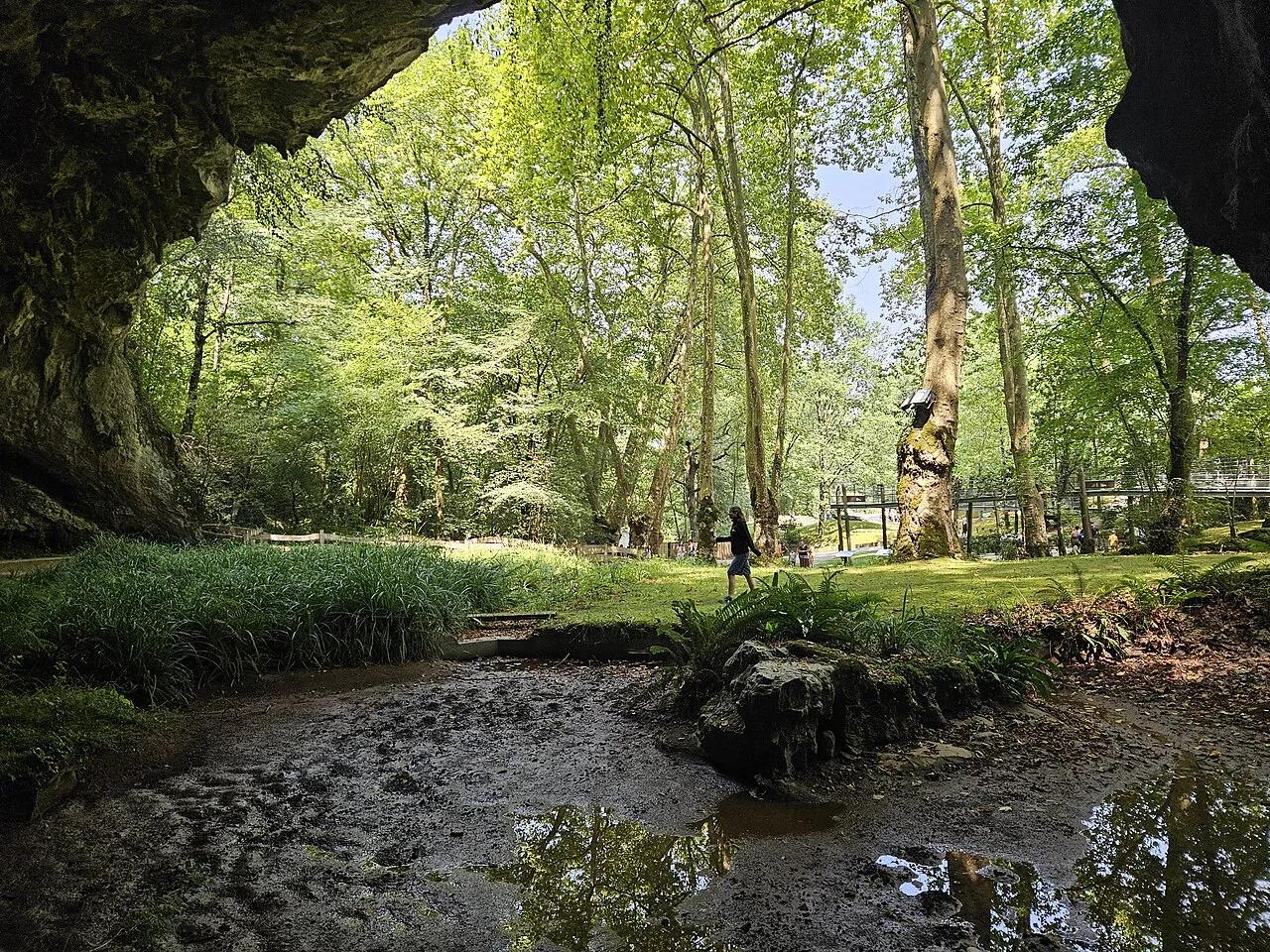
Last updated November 2026. The Grottes de Sare are a show cave at Sare in the French Basque Country, close to the Spanish border and the Rhune railway. This guide covers what the guided route shows, who it suits and how to fit it into a Basque Country trip. It also places the cave among the wider caves of the Pyrenees.
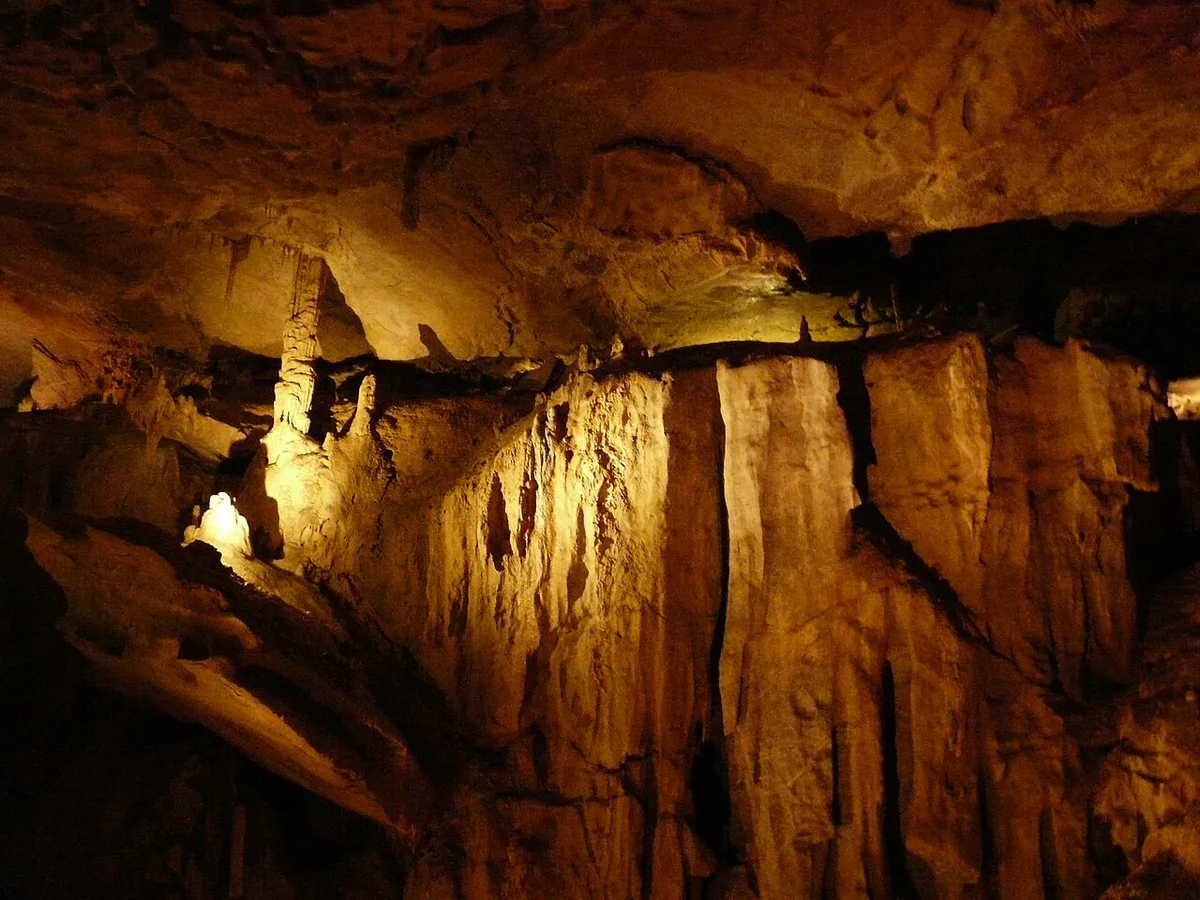
Featured image: MPhernambucq, CC BY-SA 3.0, via Wikimedia Commons.
What the Grottes de Sare tour shows
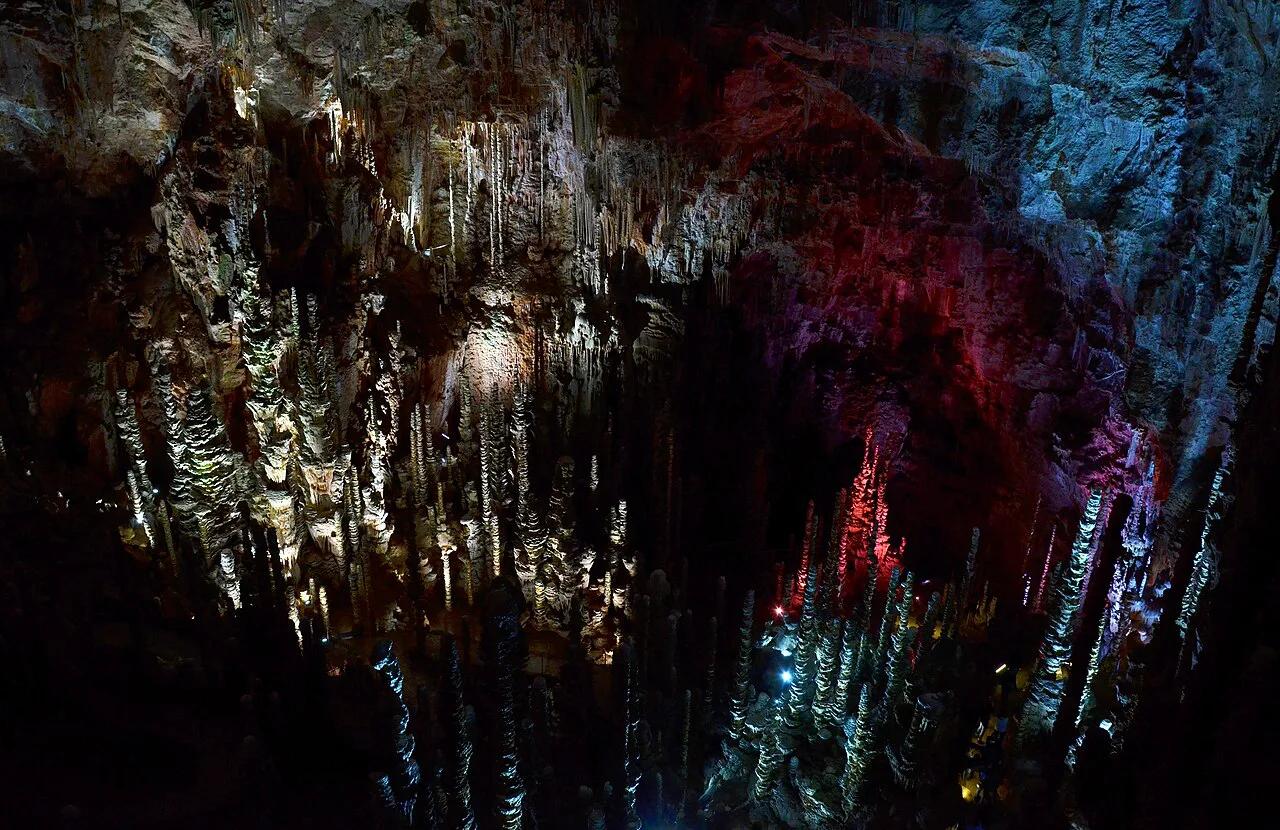
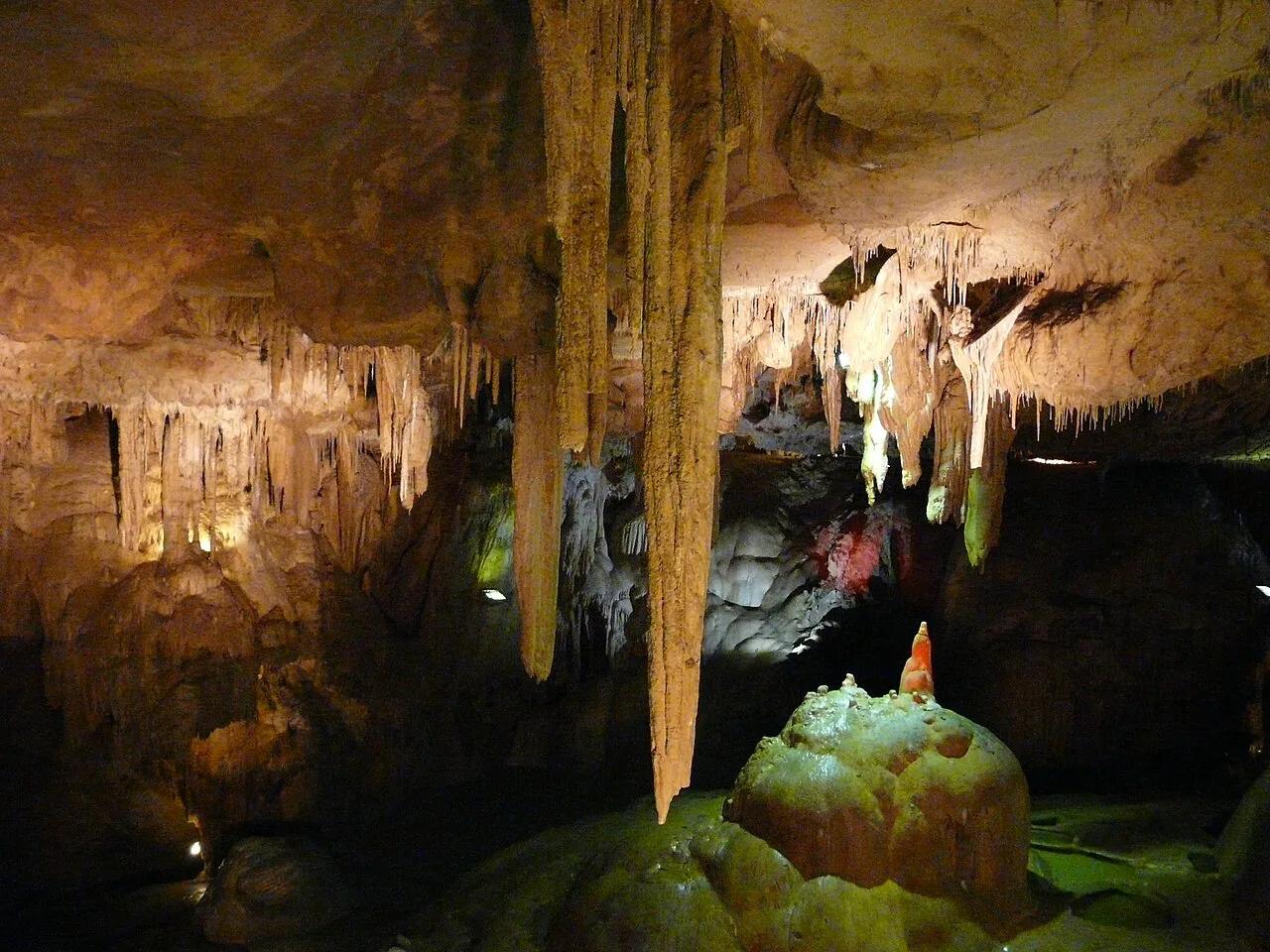
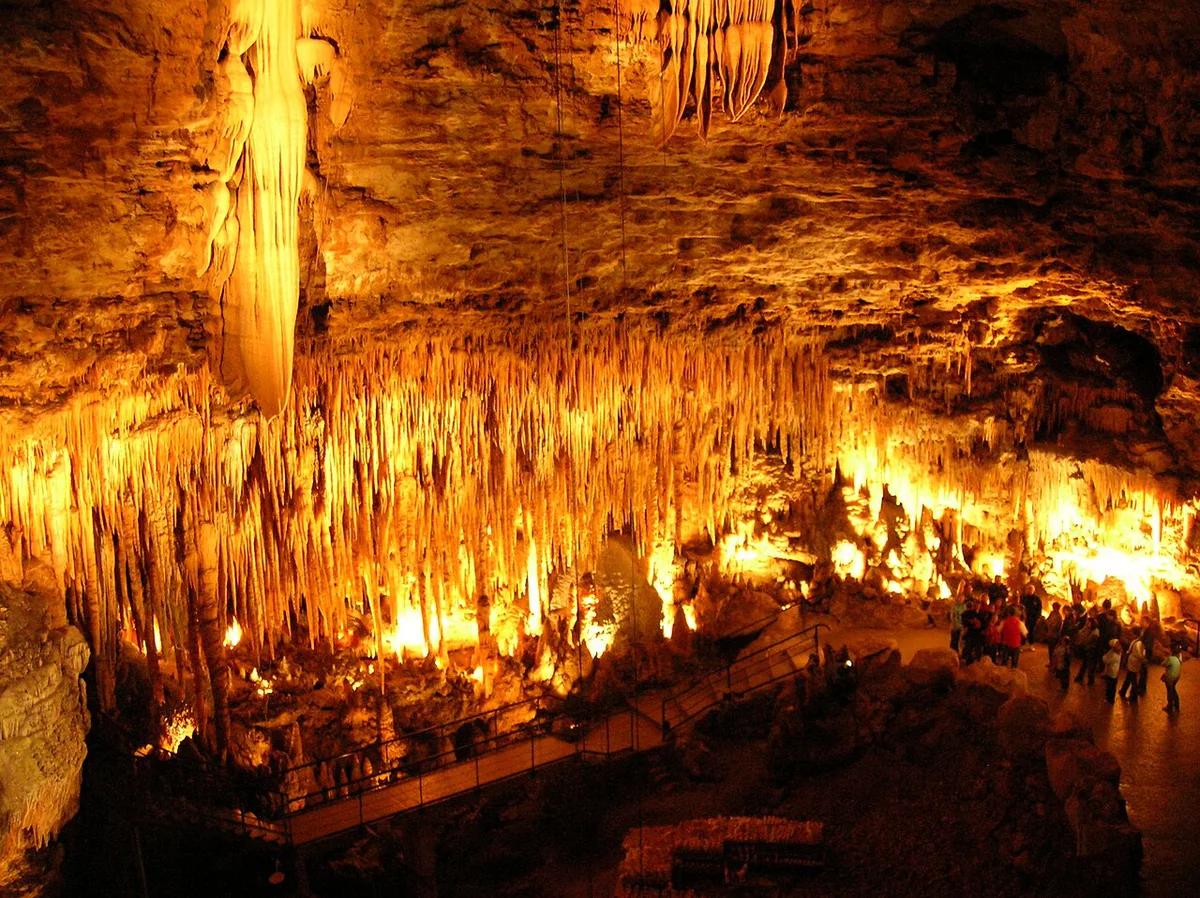
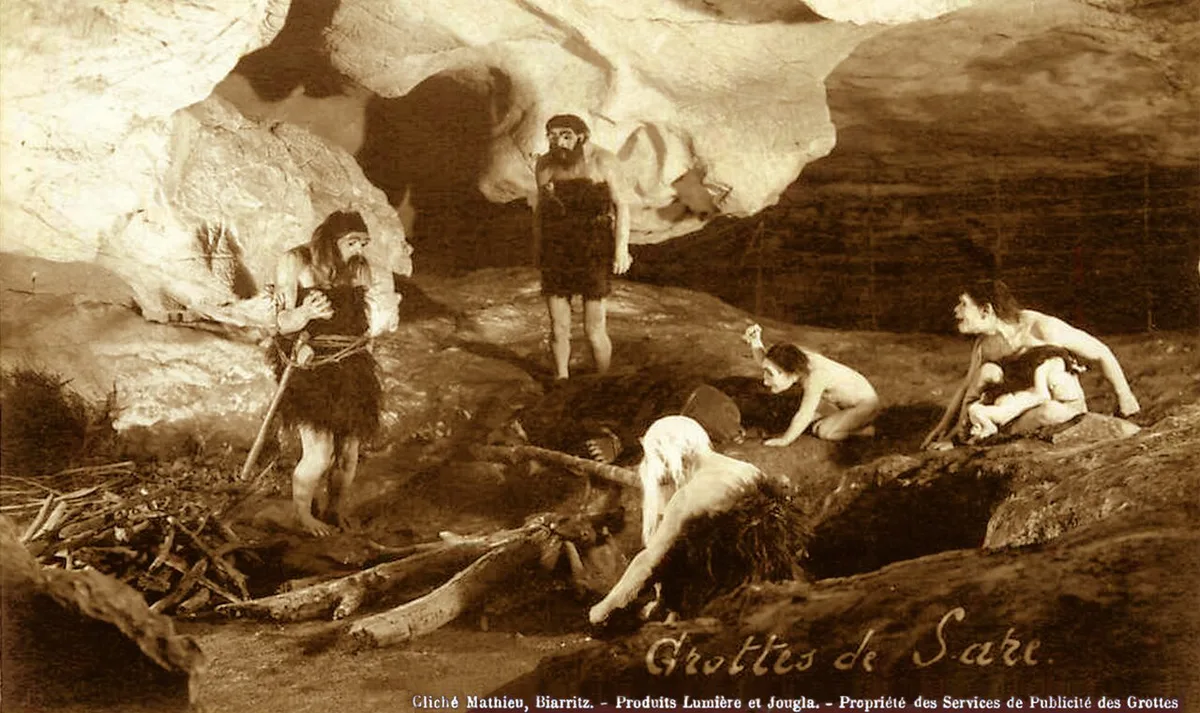
Visits run as a presented route led by the cave operator, so the story you hear depends on the guide and the season. Expect a walk through underground passages with lighting and commentary on the cave's geology and its place in Basque tradition. Any folklore you hear is legend, not documented history. Ask the operator which parts of the route involve steps or low ceilings before you commit.
Is a visit to the Grottes de Sare worth it?
Sare suits visitors who want an easy half-day underground in a village setting rather than a long drive into the mountains. It works well as a wet-weather option when the Rhune summit is clouded in. Families with school-age children usually cope well with a guided tour. Visitors with limited mobility or claustrophobia should ask the operator about the route layout first. If this is your first Pyrenees cave, Sare is a gentle introduction. Repeat cave-goers may prefer a site with a stronger prehistory focus.
Getting to Sare
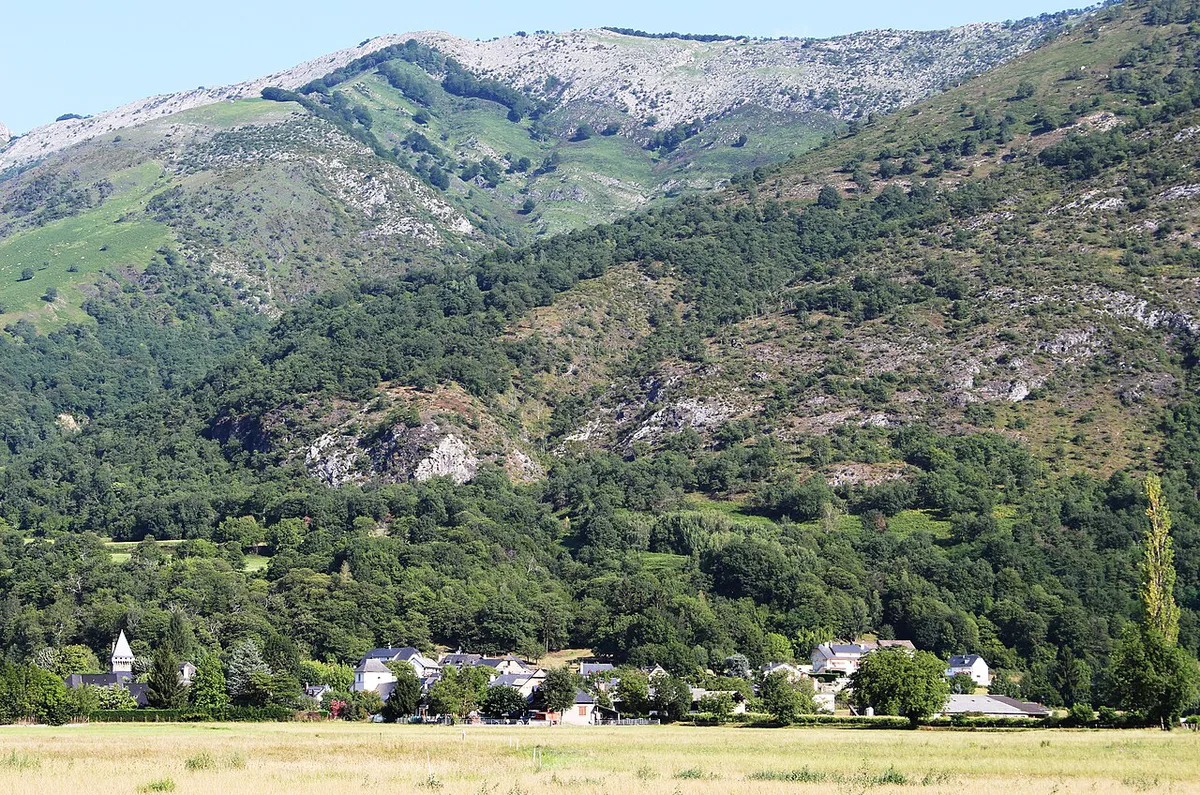
Sare is a village in the French Basque Country, near the Spanish border. A car is the simplest way to arrive from coastal bases such as Saint-Jean-de-Luz, Biarritz or Bayonne. Public transport to the village is limited, so check timetables with the Pays Basque tourism office before relying on it. Ask the operator about parking when you book.
Tickets, hours and booking
Prices, opening months and tour times change by season, and none are listed here. Current rates are on the operator's official site; ask whether advance booking is needed in school holidays.
On-site facilities, picnic spots and walks from the caves
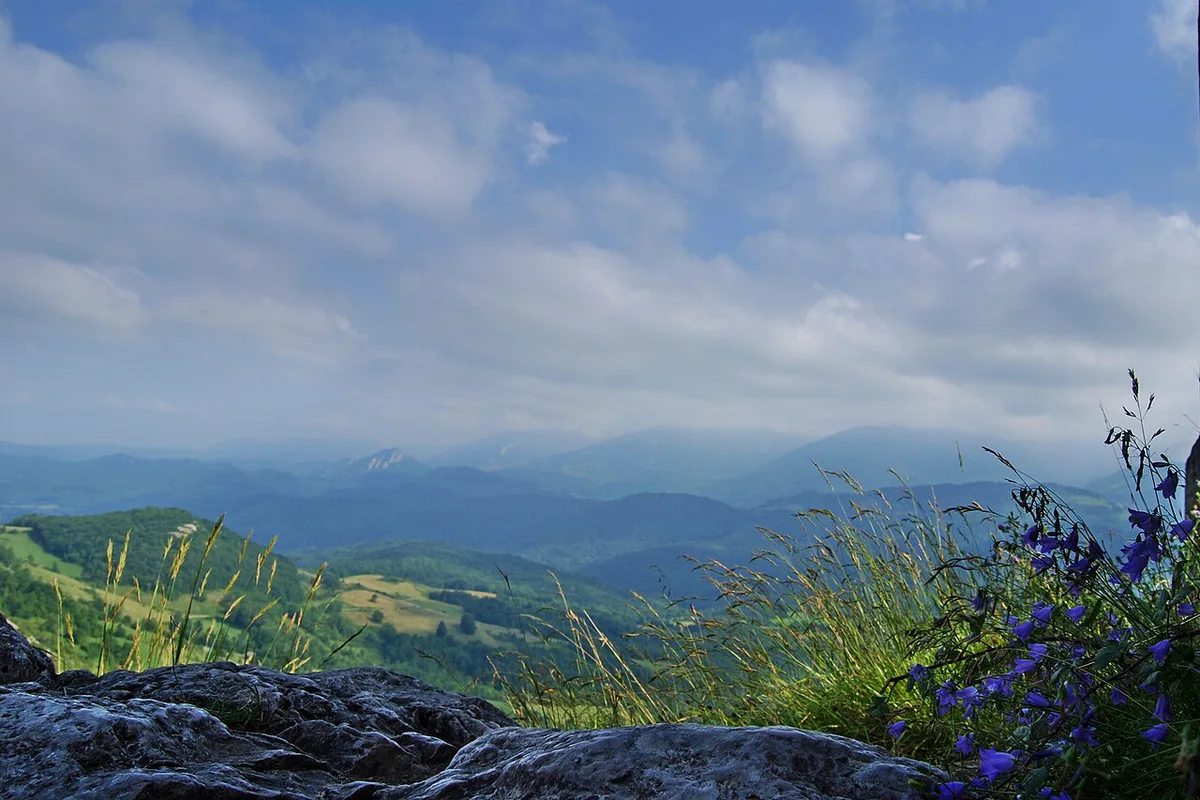
The caves sit just outside Sare village, in walking country at the foot of Larrun (La Rhune). That makes the visit easy to combine with a meal or a short walk, so it helps to know what the site offers before you arrive.
- Parking: The site is set up for visitors arriving by car and has its own parking. Ask the operator about capacity in July and August, when the lot fills around midday.
- Food and drink: Visitors report a bar with a panoramic view of the surrounding hills, and a picnic area for packed lunches. Opening times for both follow the season, so ask the operator.
- Walks: Waymarked paths around Sare lead into the hills towards Larrun. Ask at the ticket desk or the Sare tourism office for current route maps, and wear shoes with grip after rain.
A simple plan is to take the guided tour first, since the cave stays cool and dry-footed walking comes afterwards, then picnic or have a drink before a short loop. Keep the longer Larrun hike for a clear day. If cloud covers the summit, the cave and village walks still make a full outing.
Details such as dedicated events or talks on the archaeology of the Larrun area are announced locally and change from year to year, so see the operator's official site before your trip.
When to go and how long to allow
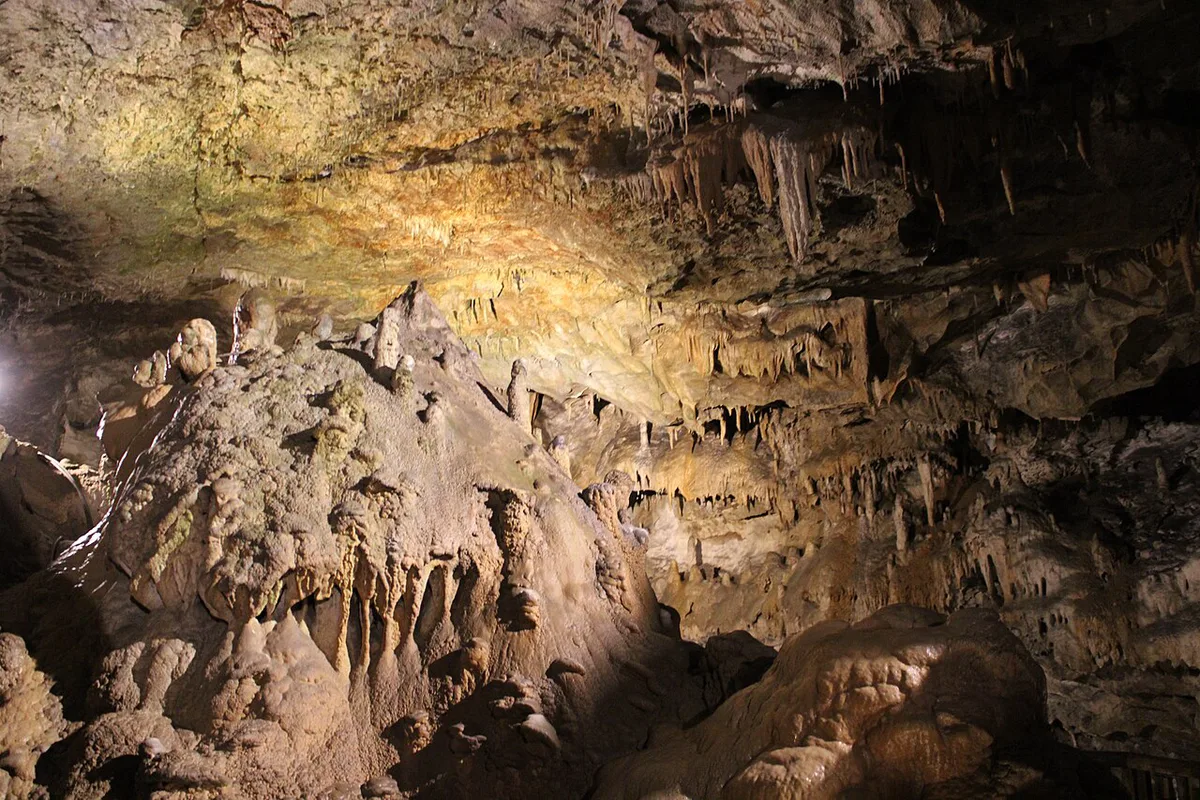
Caves hold a steady cool temperature, so the tour works in any weather. Midday in summer and school-holiday weeks are the likeliest times for queues. Early or late slots are usually quieter. Allow time for the guided tour itself plus the walk from the car park, and ask the operator for the current tour length. Bring a warm layer and shoes with grip, because cave floors can be wet. Photography rules are set by the operator.
Sare caves compared with other Pyrenees caves
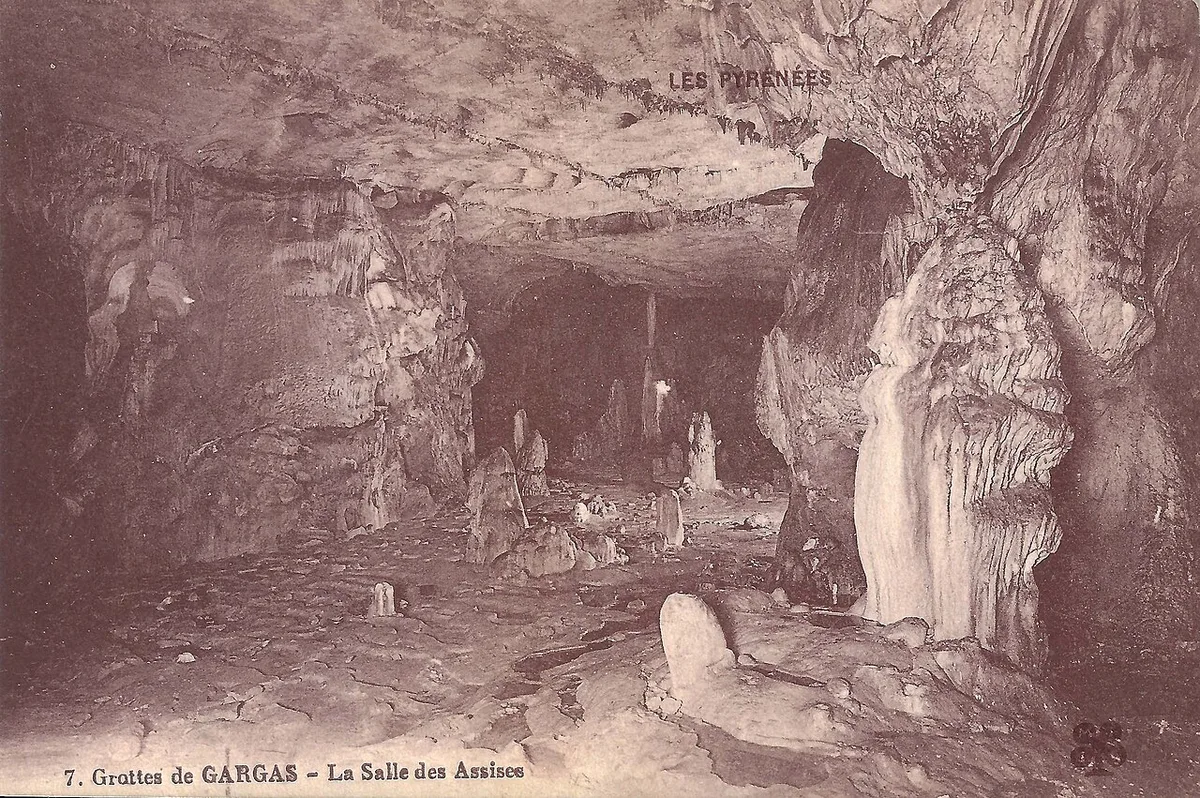
Pyrenean show caves differ in scale, tour style and focus. Bétharram is a better-known cave on the Hautes-Pyrénées side of the range. See the Grottes de Bétharram official site for how its visit works. For prehistory, compare Isturitz in the Basque Country. Mas d'Azil is another option if you travel further east. Those heading further east can also read about Gargas. Lombrives and Bédeilhac sit in the Ariège area of the range. Each page covers access and tour style, so you can match a cave to your route.
| Cave | Area | Best for |
|---|---|---|
| Bétharram | Hautes-Pyrénées side of the range | A better-known cave; see its official site for how the visit works |
| Isturitz | Basque Country | Prehistory |
| Mas d'Azil | Further east | An option if you travel further east |
| Gargas | Further east | Covered on its own page |
| Lombrives and Bédeilhac | Ariège area | Access and tour style, covered on each page |
Making a day of it
Sare sits close to the Rhune railway, so the two pair naturally in one day. Use the cave as the fallback if cloud covers the summit. Walk around Sare village itself before or after the tour. The village tourism office can suggest further local stops.
Notes for your next trip underground
Optional updates when we add or revise cave and underground guides.
More guides
More guides you'll find useful