King's Cave Arran: Walk, Legend & Practical Tips
King's Cave on Arran: a coastal walk from Blackwaterfoot past Drumadoon to a sea cave tied to the Robert the Bruce legend, with tide and footing tips.
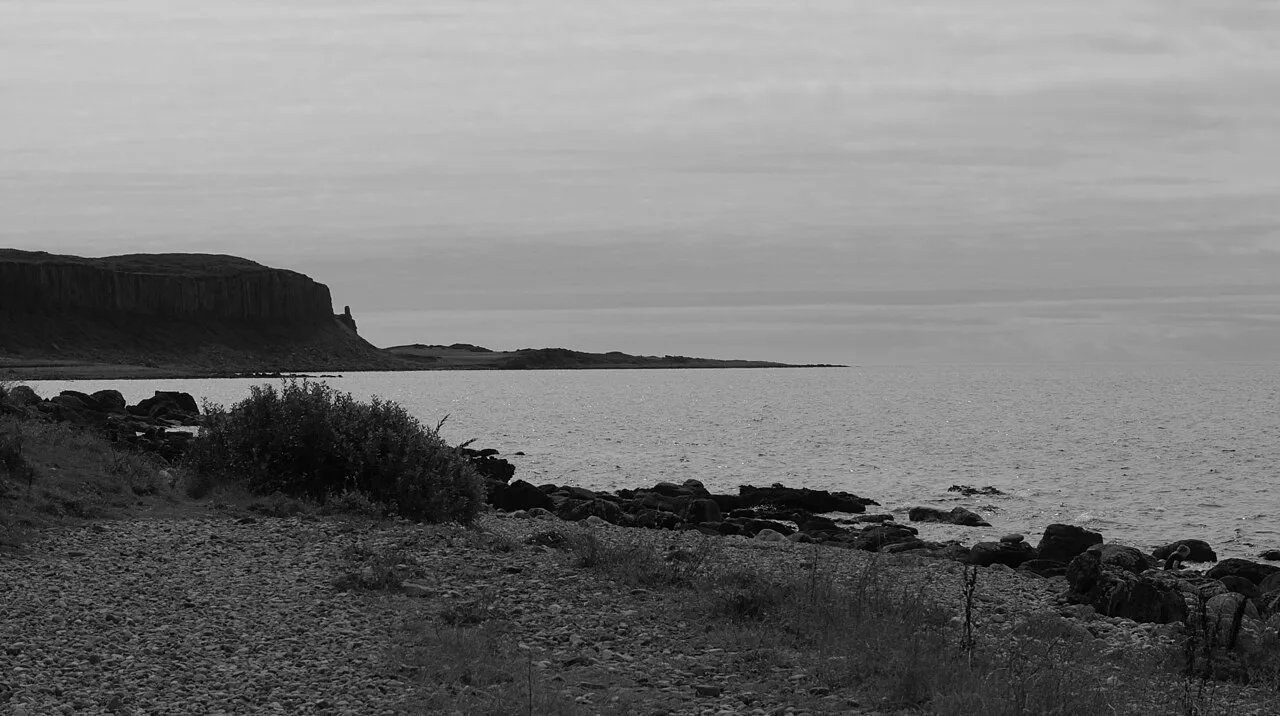
Last updated November 2026. King's Cave Arran is a sea cave on the island's west coast near Blackwaterfoot, linked by local tradition to Robert the Bruce and the story of the spider. It sits on a coastal walk along the Drumadoon shore, with cliffs and shingle facing the Firth of Clyde. This guide covers the route, the footing, the legend and who should skip it, and it fits into our wider guide to 8 Best Caves in Scotland: Sea Caves & How to Visit.
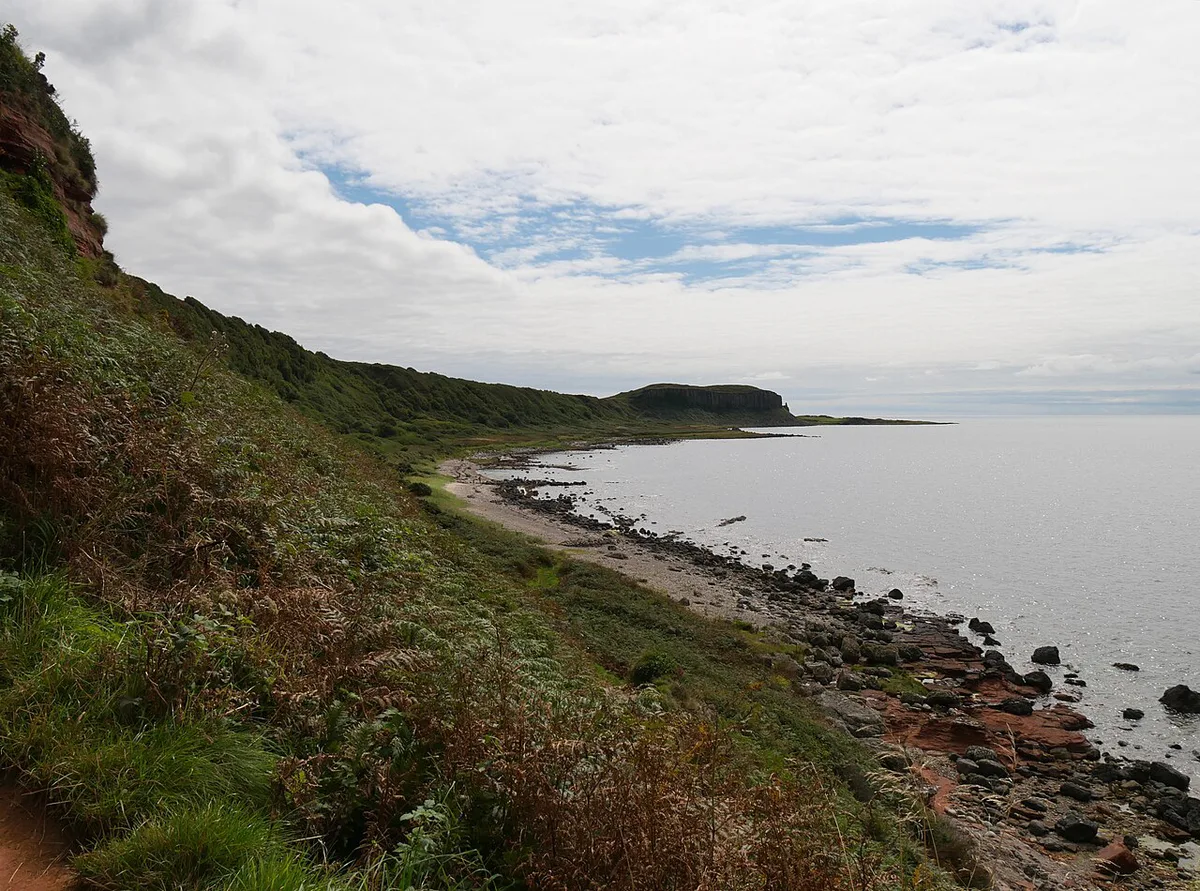
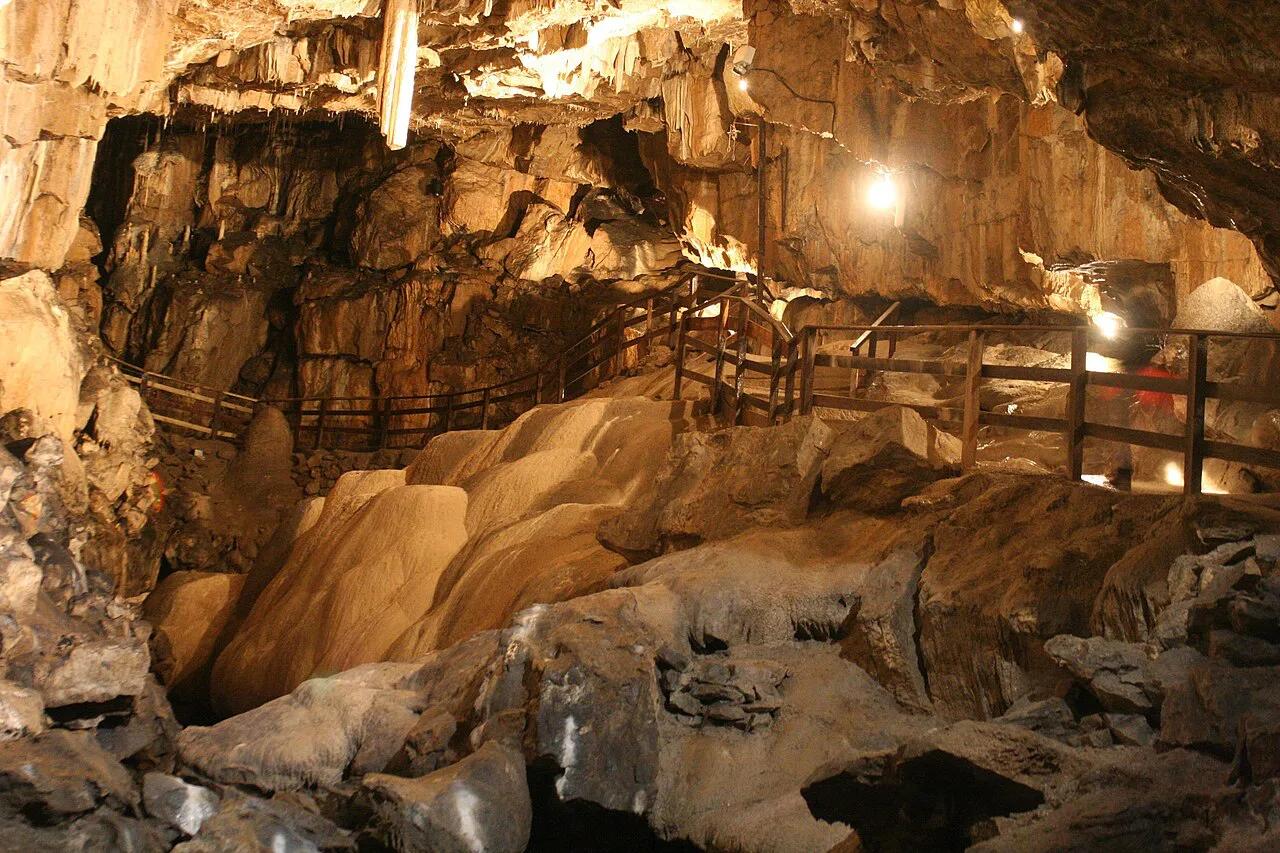
Featured image: habiloid, CC BY-SA 2.0, via Wikimedia Commons.
Quick Answer: Is King's Cave on Arran Worth It?
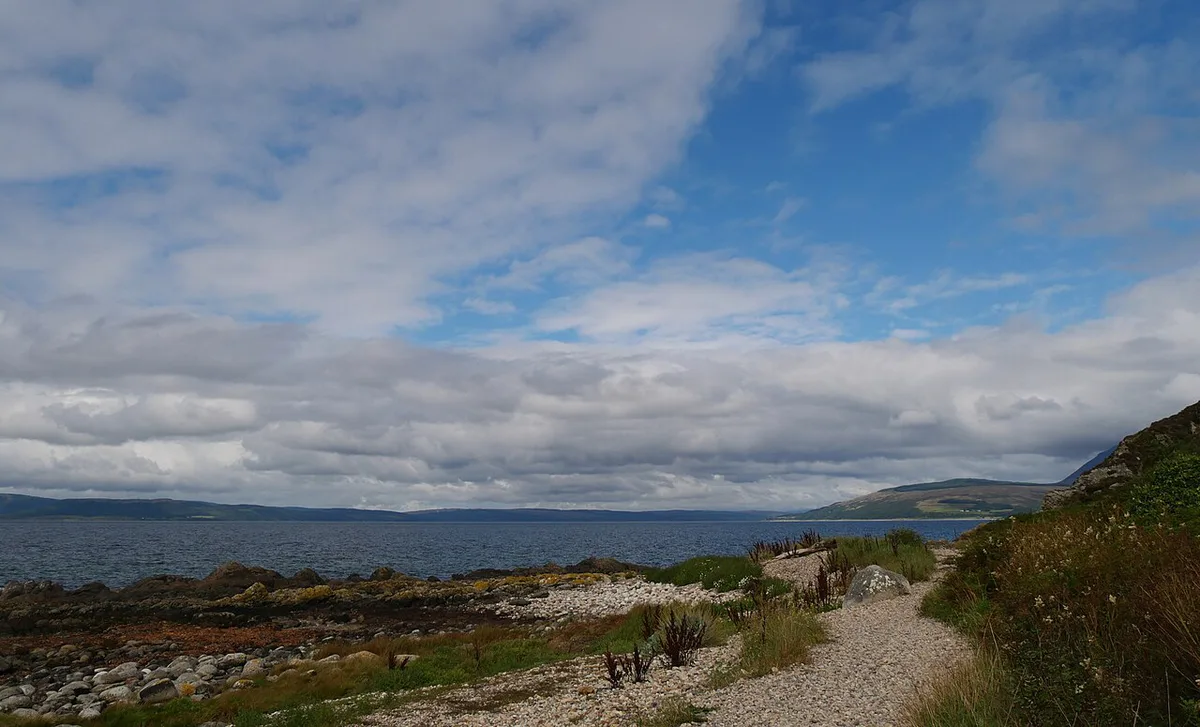
Yes, if you like a coastal walk with a story at the end. Expect a rough shoreline, a cave entrance in rock and a legend rather than a visitor centre. Skip it if you want an easy stroll with facilities.
- Location: west coast of the Isle of Arran, near Blackwaterfoot
- Walk type: coastal route along the Drumadoon shore
- Scenery: cliffs, shingle, and views over the Firth of Clyde
- Best for: walkers, legend hunters and photographers
How to Get to King's Cave From Blackwaterfoot
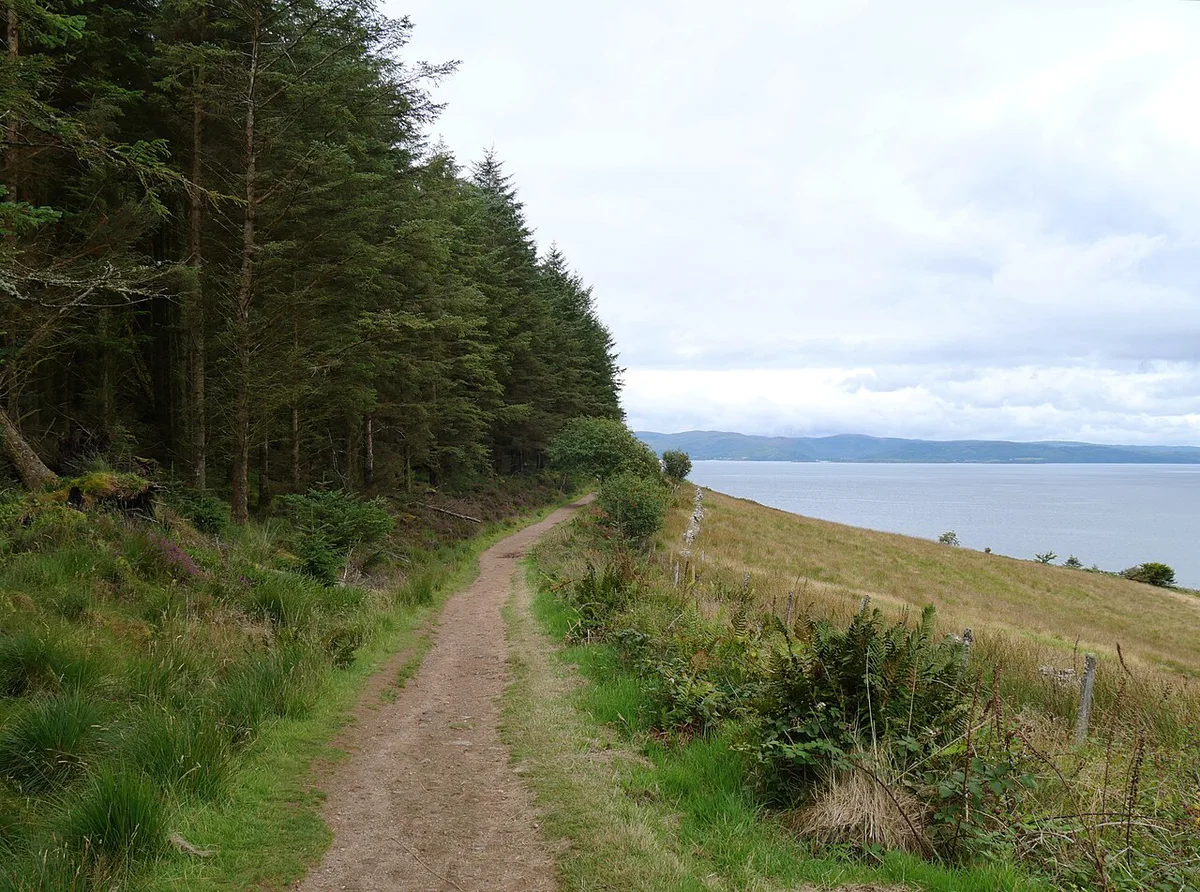
Blackwaterfoot is the village base for the walk, and the route heads along the coast towards Drumadoon. We have no confirmed start point, parking arrangements or bus timetable to quote here. Check Visit Arran for current directions, and check the ferry operator's site for sailings to the island.
The Walk: Route, Terrain and Time
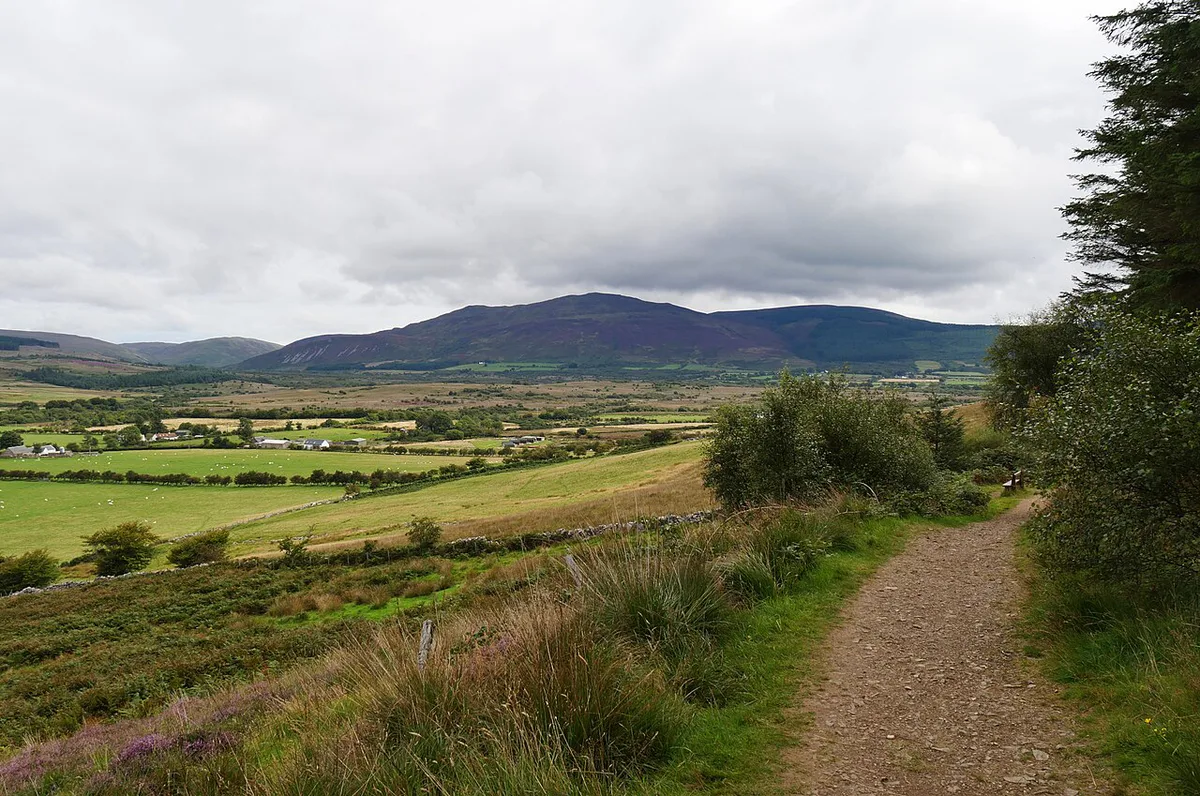
The path follows the shoreline beneath the Drumadoon cliffs. Expect shingle underfoot, uneven rock and open coast exposed to the weather. Walk length and duration are not confirmed here, so ask locally in Blackwaterfoot or check Visit Arran before you set out. Allow generous daylight for the return leg, because you retrace the same coastline.
Tides, Footing and Safety
Shingle and wet rock make this a sturdy-footwear walk. Check a tide table before you go, because the shore section may narrow when the sea is high. Weather on this exposed coast can change quickly, so carry waterproofs and a charged phone, and do not rely on signal.
- Ignoring the tide and getting cut off on the shore
- Wearing smooth-soled shoes on wet rock
- Expecting toilets, a café or a visitor centre at the cave
- Going in poor light or heavy rain
The Robert the Bruce Legend and What You Will See
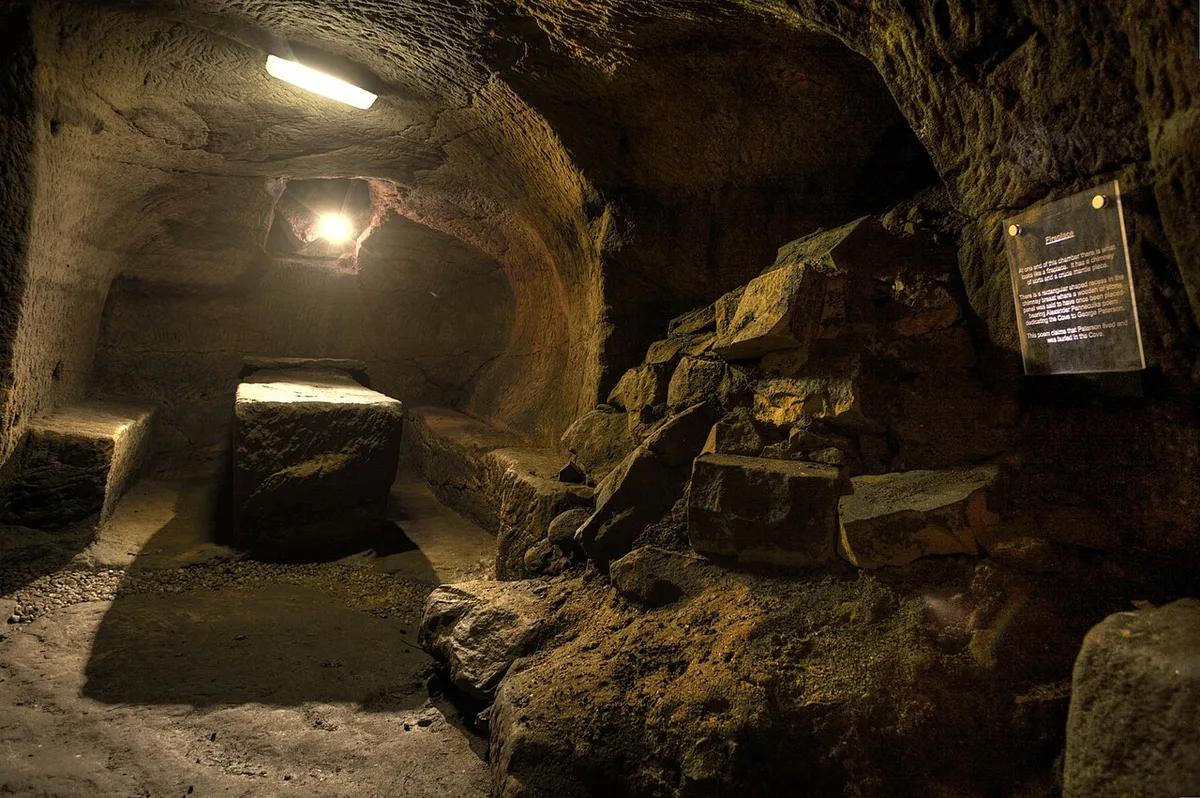
Local tradition says Robert the Bruce sheltered here and watched a spider try repeatedly to spin its web. That story is legend, not documented fact, and other places claim it too. Pictish-era carvings are also associated with the cave, and Historic Environment Scotland is the place to check the heritage details. Inside, expect a large rock-cut space rather than staged displays.
Nearby Sights: Drumadoon Fort, Machrie Moor and Blackwaterfoot
The cave is a short stretch of a wider stretch of coast, and the same side of Arran has several older sites worth pairing with it. Plan the day around the tide and daylight first, then add whichever of these suits your energy.
Drumadoon and its Iron Age fort
The cliffs you walk beneath are the Drumadoon headland, topped by the remains of an Iron Age hillfort. The columnar rock in the cliff face is a dolerite sill, which is why the shoreline looks so ordered from a distance. Treat the fort as a viewpoint and a look at the headland's setting, and keep clear of cliff edges and loose ground in wind.
Machrie Moor standing stones
A short drive north of Blackwaterfoot, Machrie Moor holds several Neolithic and Bronze Age stone circles. Historic Environment Scotland looks after the heritage details for sites like this, so check their site for current access notes. The ground can be wet and boggy, so wear the same sturdy footwear you would bring for the cave.
Blackwaterfoot village
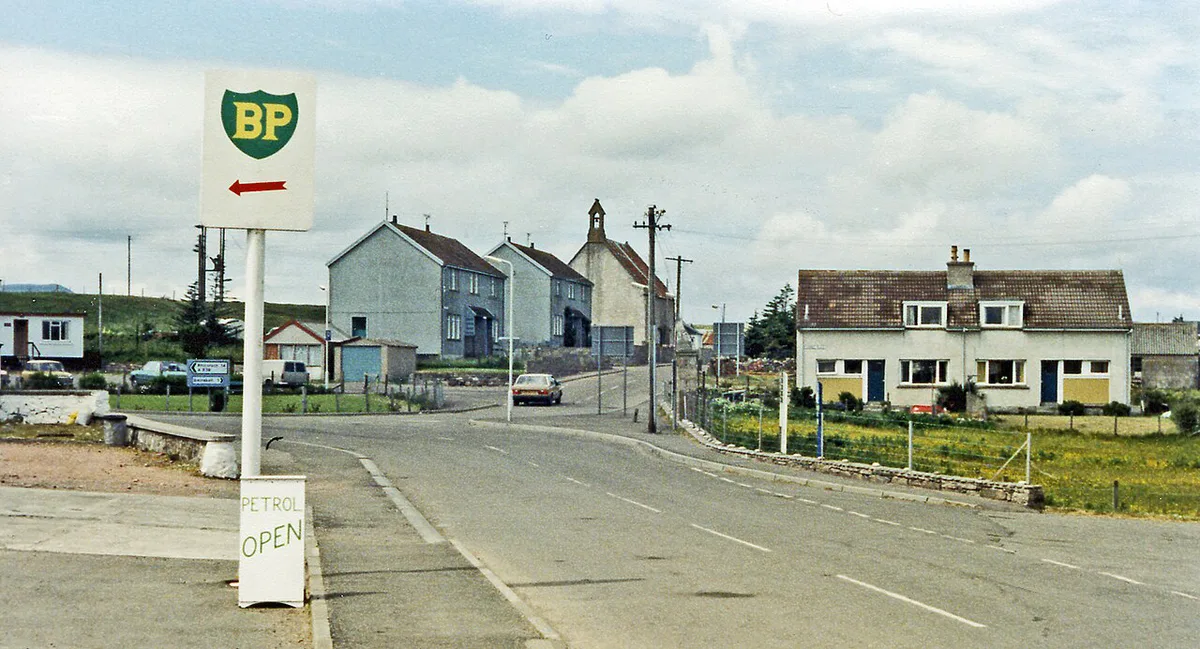
Blackwaterfoot is small, so do not plan on a wide choice of food. Eat or pick up supplies before you set off, because the shore has no facilities. Opening hours change by season, so check locally for times.
A sensible half-day plan
- Check the tide table and weather the evening before.
- Walk to the cave first, while you have the most energy and light.
- Return along the same shore with time in hand.
- Use any remaining daylight for Machrie Moor or the village.
Winter days are short, so the cave alone may fill the usable daylight at this time of year.
Costs, Access and Parking
We found no published entry fee for the cave, and it is an open coastal site rather than a ticketed attraction. For parking and any access notes, check Visit Arran or ask in Blackwaterfoot.
When to Go
Pick a dry day with good light and a lower tide. Autumn walks look good in photographs, though shorter days leave less margin on the return. Winter storms and heavy rain make the shore section riskier.
Who Should Skip It, and Other Caves to Visit
Skip this walk if you have reduced mobility, are bringing young children who cannot manage the shore, or have no sturdy footwear. It is also a poor choice in high tide or storm conditions. If you want another sea-cave story, try Spar Cave on Skye. MacKinnon's Cave on Mull is another coastal option. For a bigger, more famous cave, see Smoo Cave in Durness. St Ninian's Cave is another cave with history and legend attached.
For trip-planning details, see VisitScotland.
Notes for your next trip underground
Optional updates when we add or revise cave and underground guides.
More guides
More guides you'll find useful