Spar Cave Skye: Tide Times, Walk & Safety Guide
Plan a visit to Spar Cave near Elgol, Skye: how the tide controls access, where to start the walk, and who should skip it.
Last updated November 2026: Spar Cave Skye is a sea cave on the Strathaird peninsula, near Elgol, famous for its white calcite flowstone. You can only enter it safely around low tide, and the route is a steep scramble over slippery, seaweed-covered boulders. This guide covers the tide rule, the starting point and who should skip the trip, with comparisons to other 8 Best Caves in Scotland: Sea Caves & How to Visit.
Featured image: Clayman8392, CC BY 4.0, via Wikimedia Commons.
Spar Cave Skye at a glance
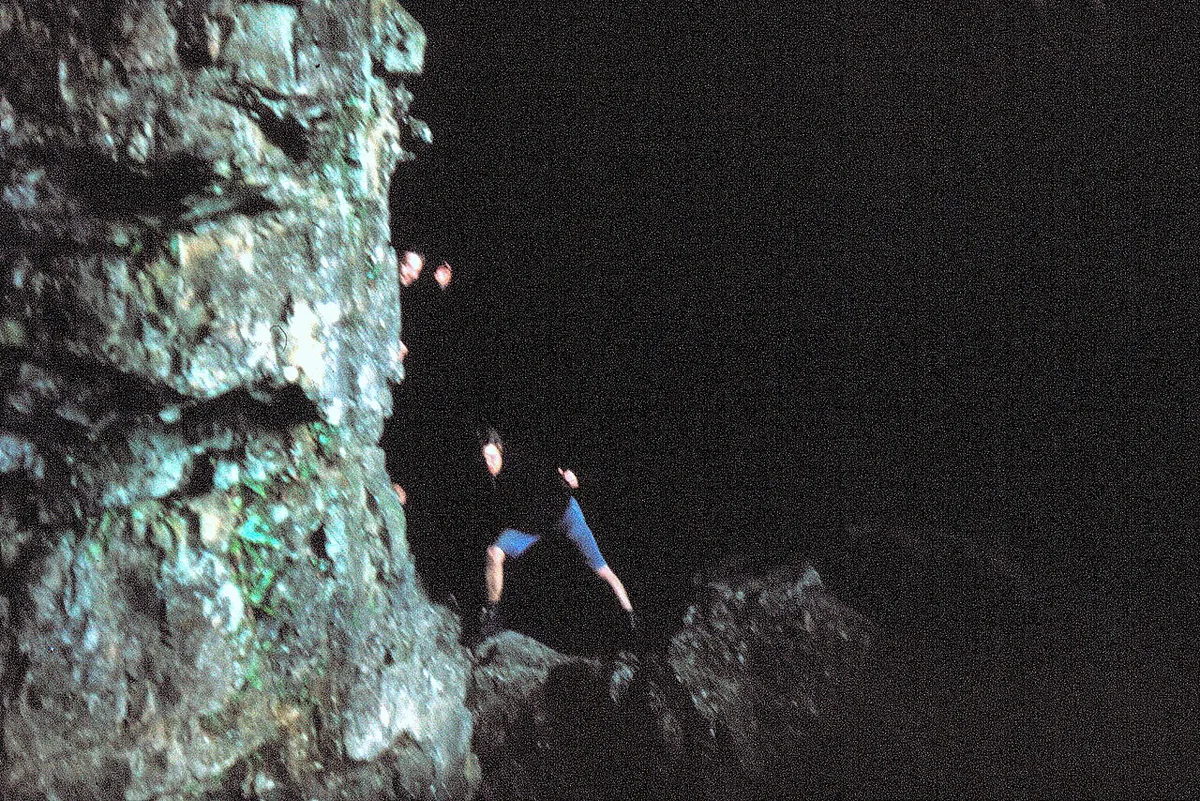
Spar Cave sits on the coast of the Strathaird peninsula, close to the village of Elgol. Its Gaelic name is Slochd Altimen. Plan on 1 to 3 hours for the whole visit, including the walk in and the climb back out. Tide timing decides everything, so work that out before you leave the road. Nothing here is a casual stroll.
- Entry: free, with no ticket office or staff at the cave.
- Access: around low tide only, and the water can cut you off.
- Effort: a steep descent, then a boulder scramble over wet weed.
- Kit: sturdy footwear with grip and a head torch.
- Signage: the walk is not signed, and no facilities exist at the cave.
Can you go in? Tide window and safety rules
Spar Cave is reachable for roughly two hours each tidal cycle. The usual guidance is about one hour before and one hour after low tide. Treat that as an outer limit, not a target. Look up low-tide times for the nearest station on an official tide service before you set out. Add your own buffer, because swell and onshore wind push water higher than the tables predict. Set a turn-back time at low tide and keep to it. If the water is rising around the boulders on your way in, turn around immediately. If you are already inside and the sea is climbing, leave at once and do not wait for the next low. The same rule applies at MacKinnon's Cave on Mull, another tidal sea cave where being cut off is the main hazard. Check VisitScotland or local Skye notices for any access or path warnings before you go.
- Tide window confirmed for the day, with a turn-back time set.
- Daylight left for the walk down, the cave and the climb back.
- No strong swell or onshore wind in the forecast.
- Footwear with real grip, not trainers.
- A head torch with a spare, because a phone torch is not enough.
- Someone told your plan and your expected return.
How to get to Spar Cave
Driving from Broadford, follow the A851 toward Elgol. Allow about 30 minutes. The final stretch is single-track, so use passing places and give way to oncoming traffic. Park at the designated car park near Elgol Harbour or at the cattle grid near Glasnakille. Spaces are limited and no parking fees are listed. Maps pins disagree on the start point: Elgol is the village address, while the walk itself begins from the Glasnakille cattle grid. Do not trust a pin to guide you to the cave entrance. Public transport is thin. The nearest bus stop is in Elgol village, about 2 km from the cave, and services are infrequent. Without a car, you would need a taxi or a hard walk, so check current bus times first. The Isle of Skye tourism site is a starting point for local transport information.
Bus stops in Elgol sit about 2 km from the cave, and that walk stacks on top of the tide window you have already planned.
The walk and scramble: what the route is really like
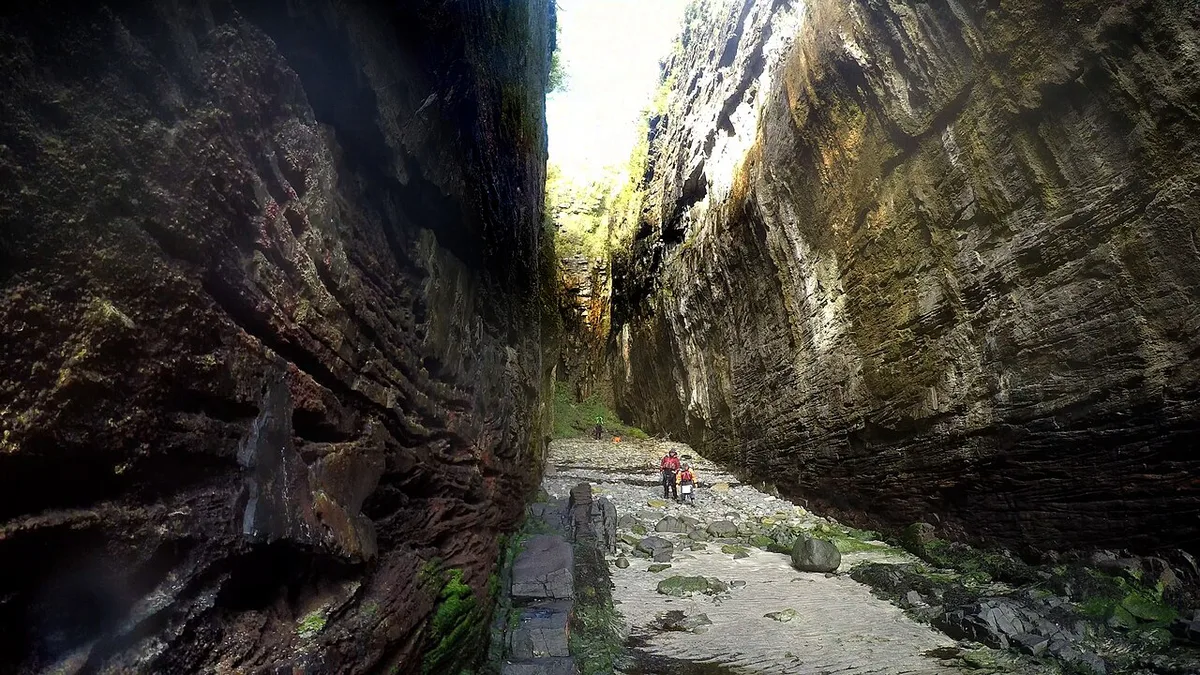
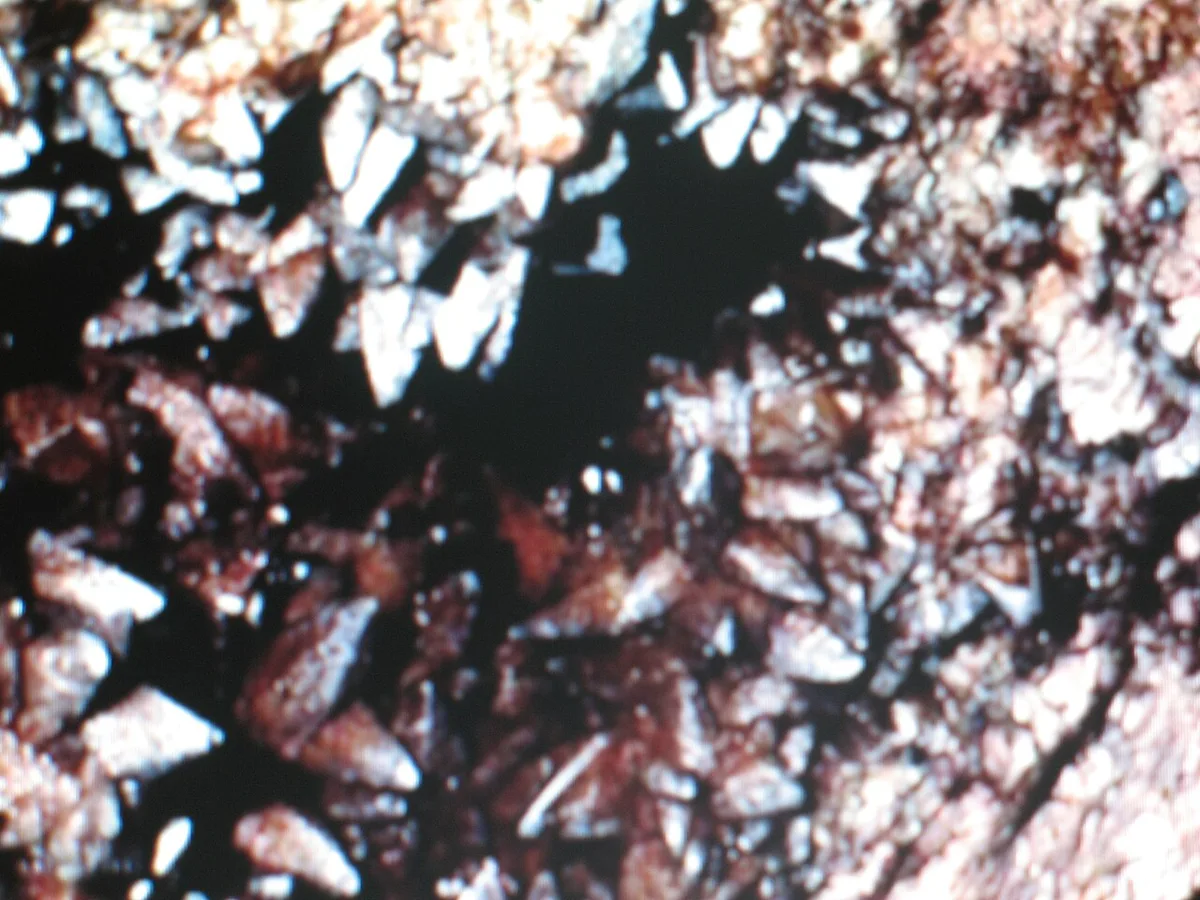
From the cattle grid at Glasnakille, a faint path leads through a gate. It then drops steeply through fields and cliffs to the shoreline. Plan on about 20 to 30 minutes down. The ground is uneven and slippery. Once at the shore, you scramble over seaweed-covered boulders to reach the entrance. Use the NatureScot outdoor access guidance for responsible-access basics. Remember that every metre you descend must be climbed again at the end of the trip.
Expect about 20 to 30 minutes down, then the same climb back, all inside the roughly two-hour access window each tidal cycle.
- Arriving at high tide or just after it turns.
- Trusting a map pin to lead you to the cave itself.
- Wearing trainers on wet seaweed.
- Relying on a phone torch inside.
- Leaving it late and losing daylight or tide.
- Forgetting the steep return climb.
What you'll see inside
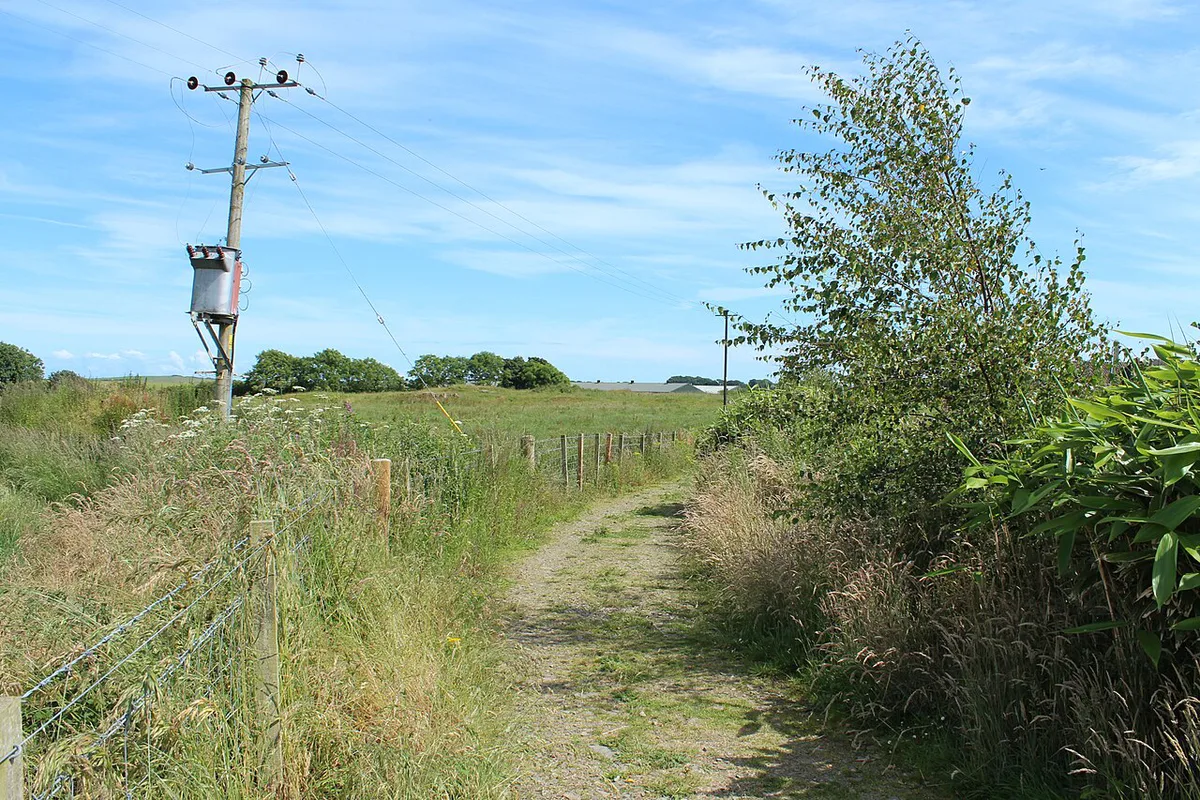
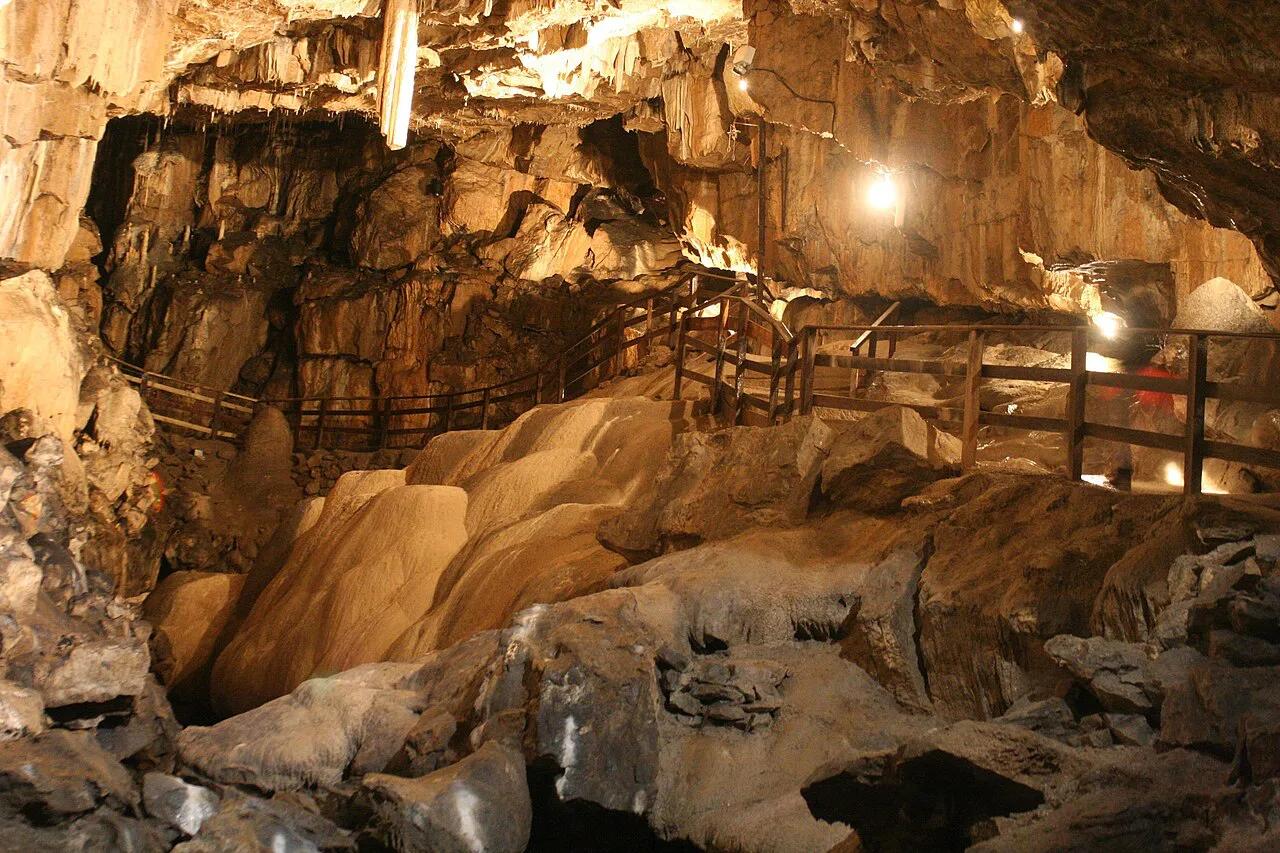
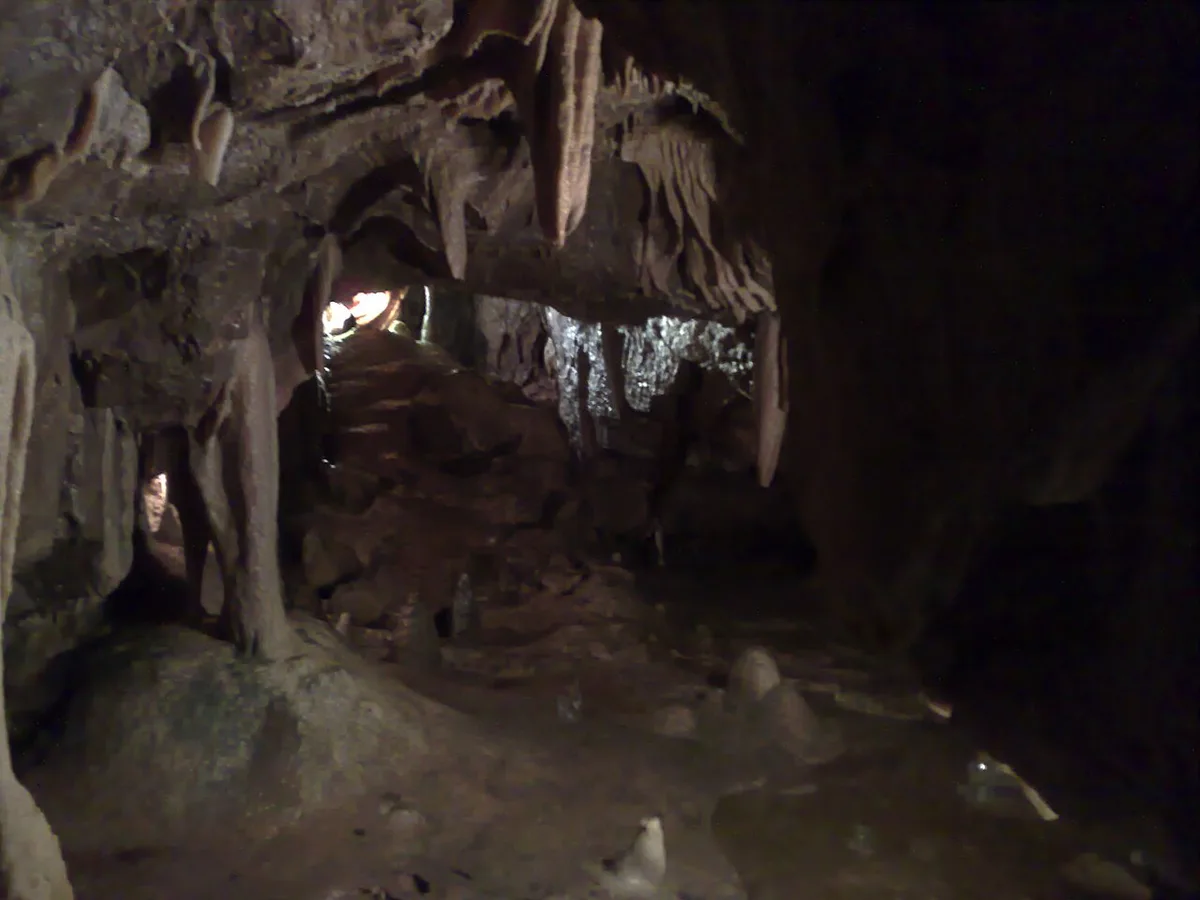
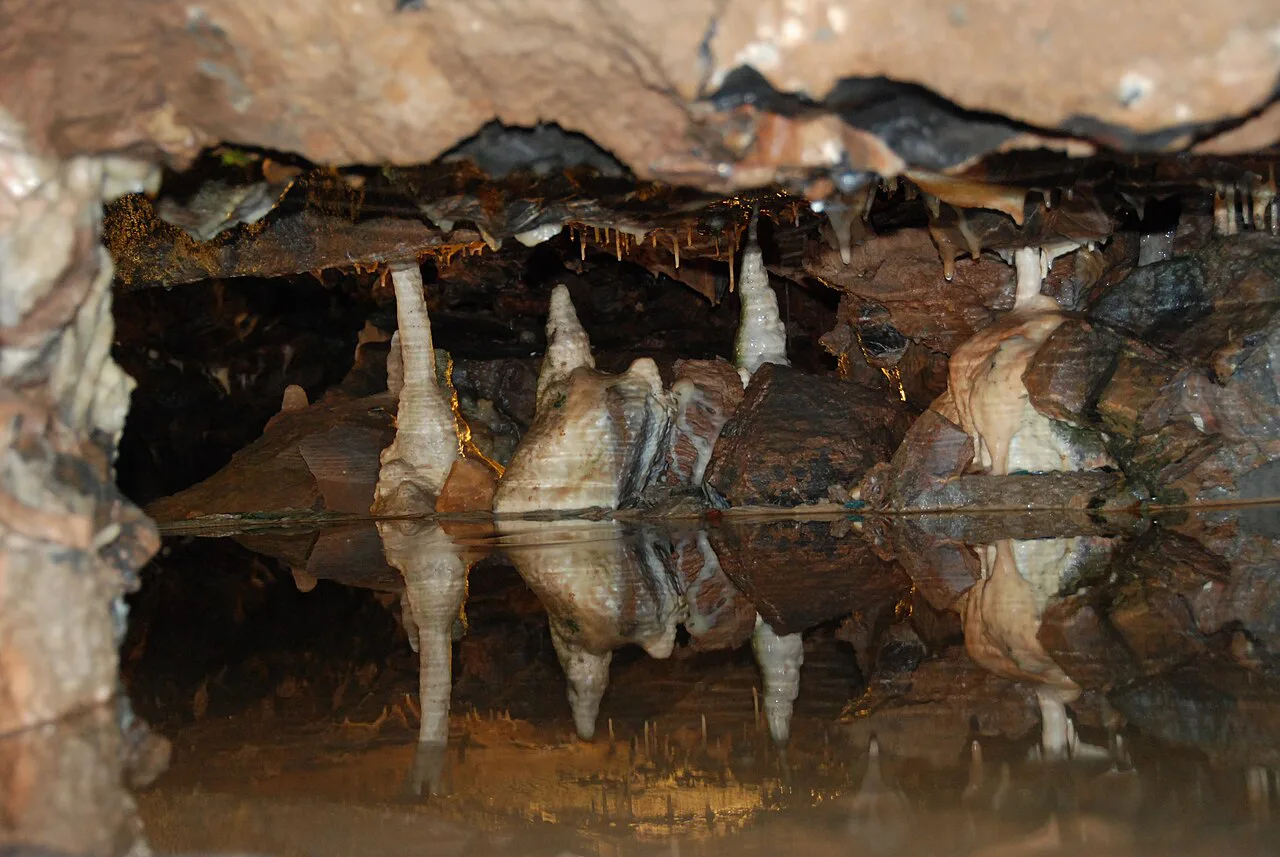
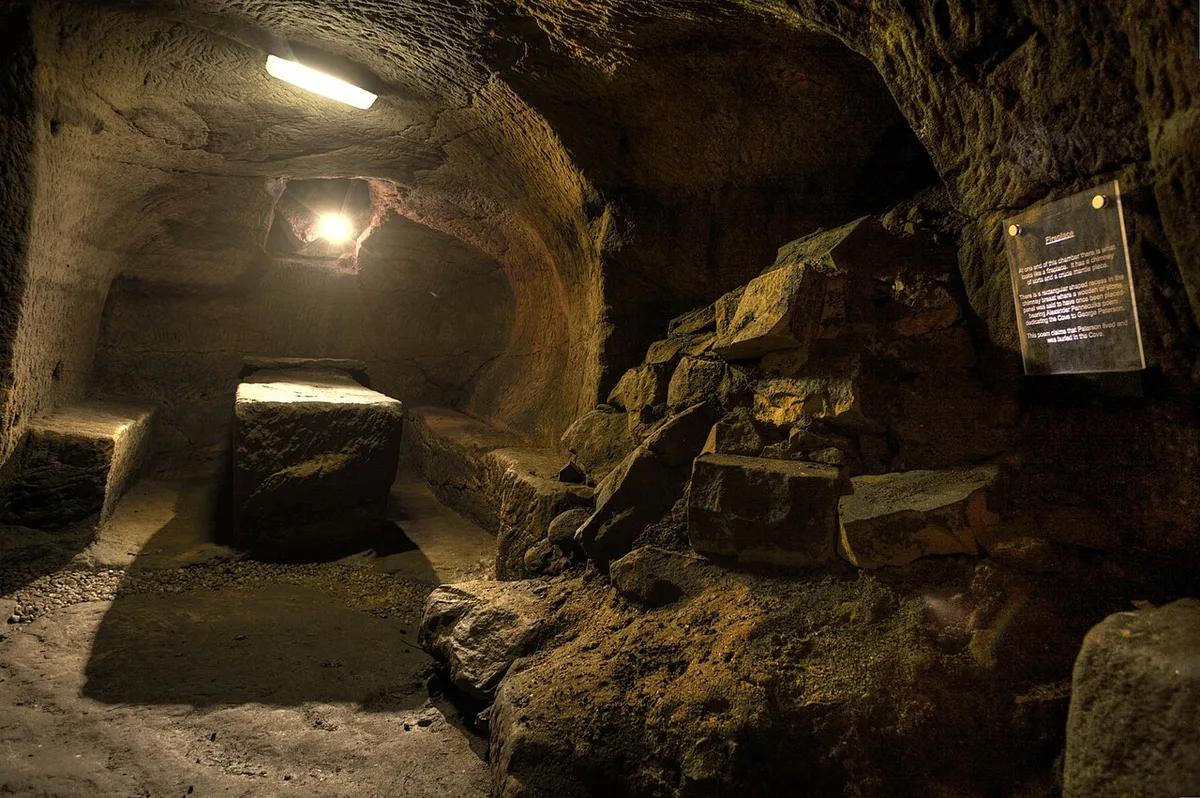
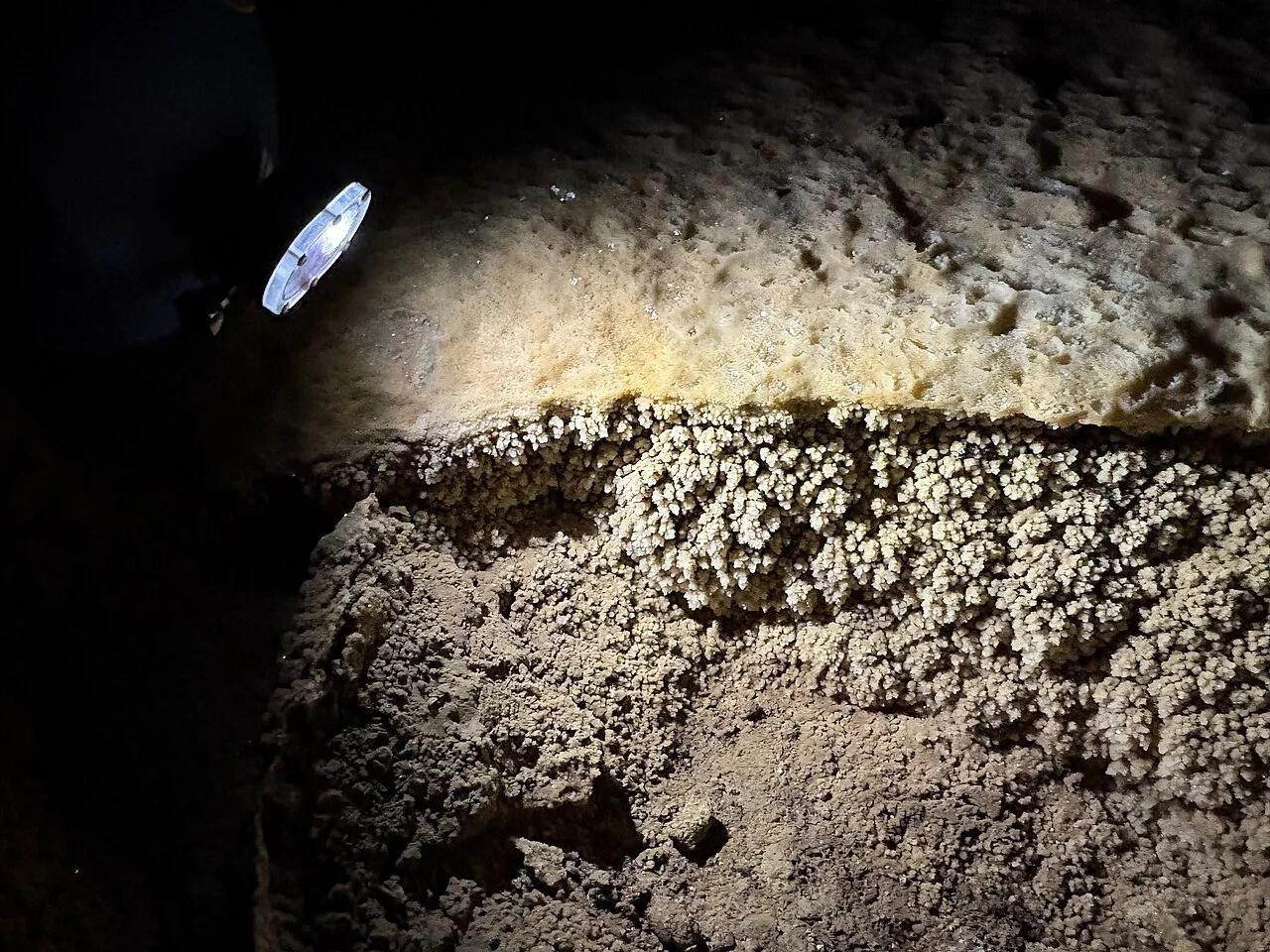
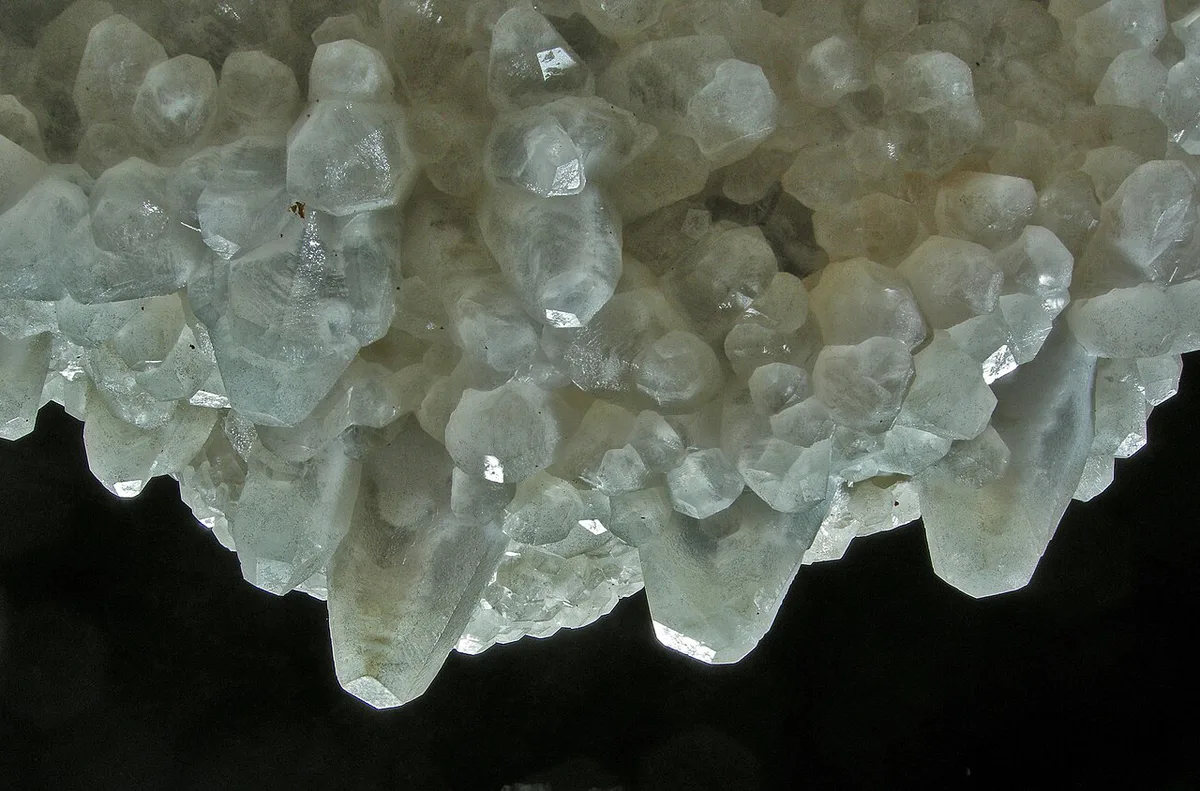
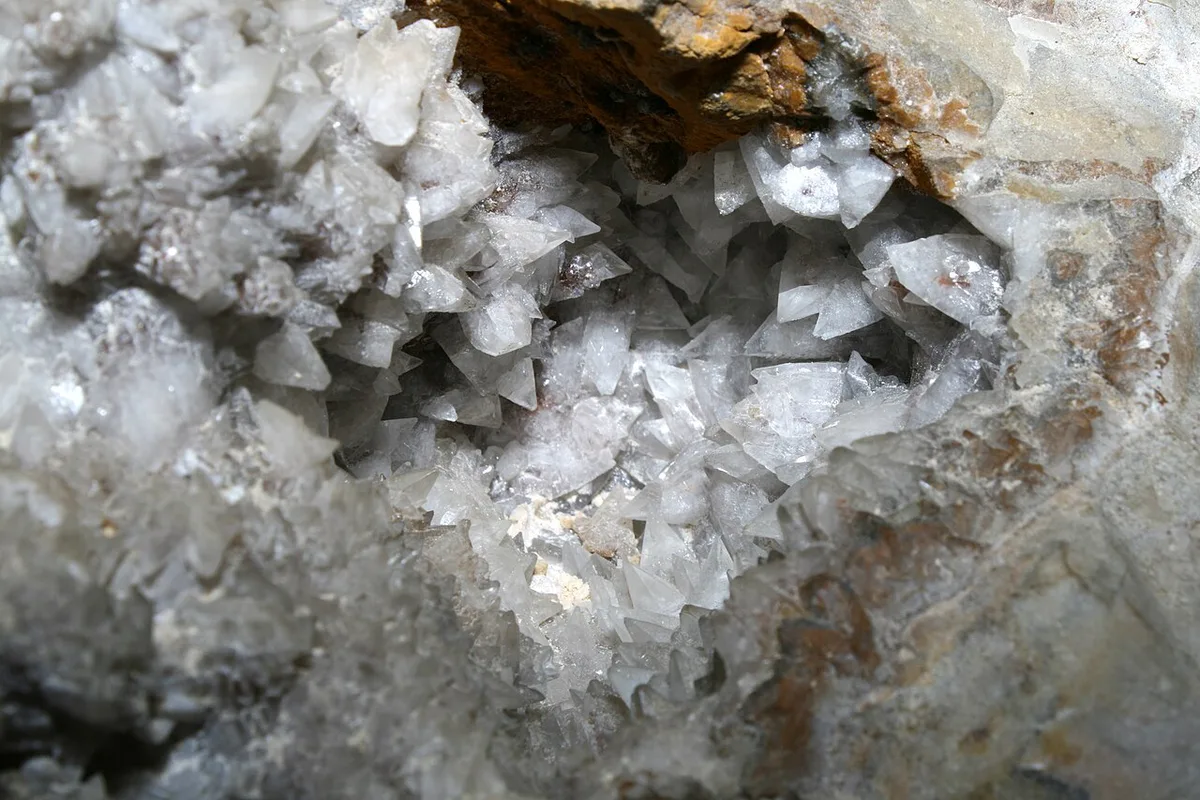
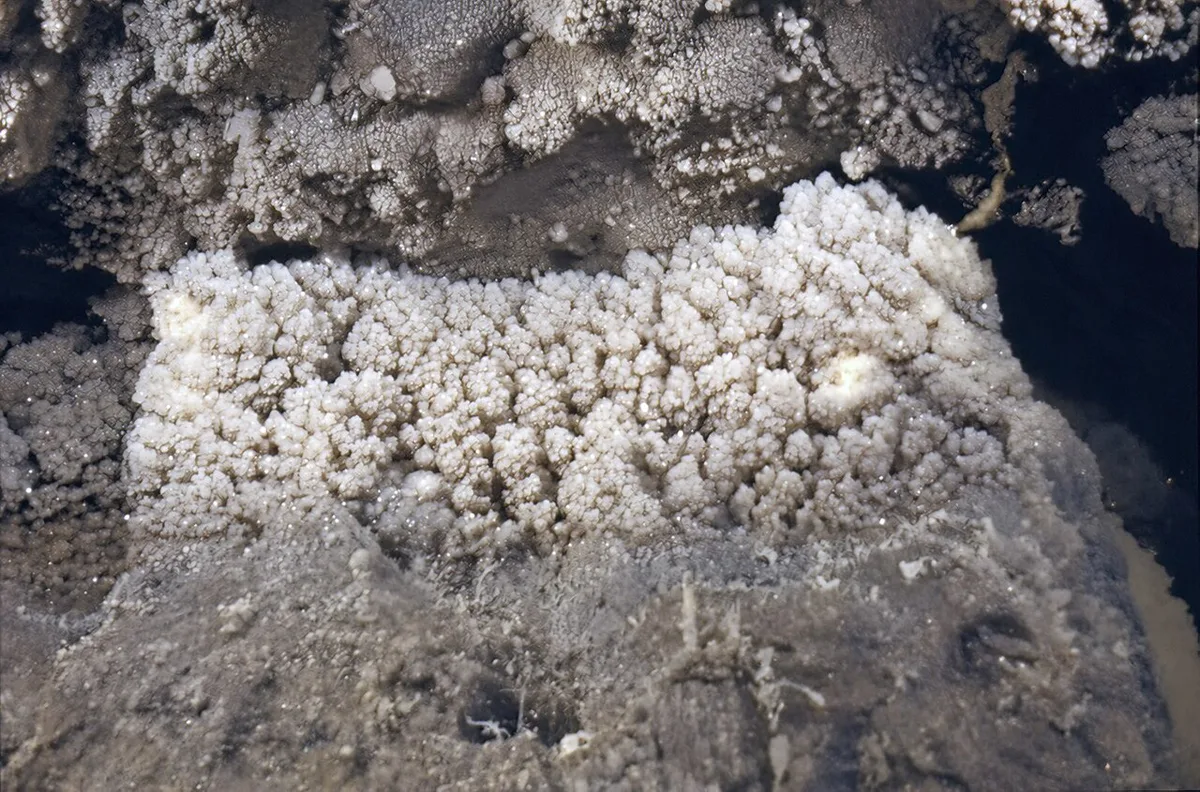
The interior is coated in white calcite, known as spar, which gives the cave its name. Flowstone slopes and glittering walls catch torchlight, and a small pool lies deep inside. Light is poor, so a good head torch changes the experience. Avoid touching the formations, which are fragile. Local tradition links the Gaelic name, meaning Nursing Cave, to a legend of a princess hiding her baby. Sir Walter Scott is reported to have visited in 1814 and featured the cave in his poem The Lord of the Isles. The remains of a 19th-century wall near the entrance suggest access was once controlled and charged. Treat these stories as local tradition rather than settled fact.
Who it suits and who should skip it
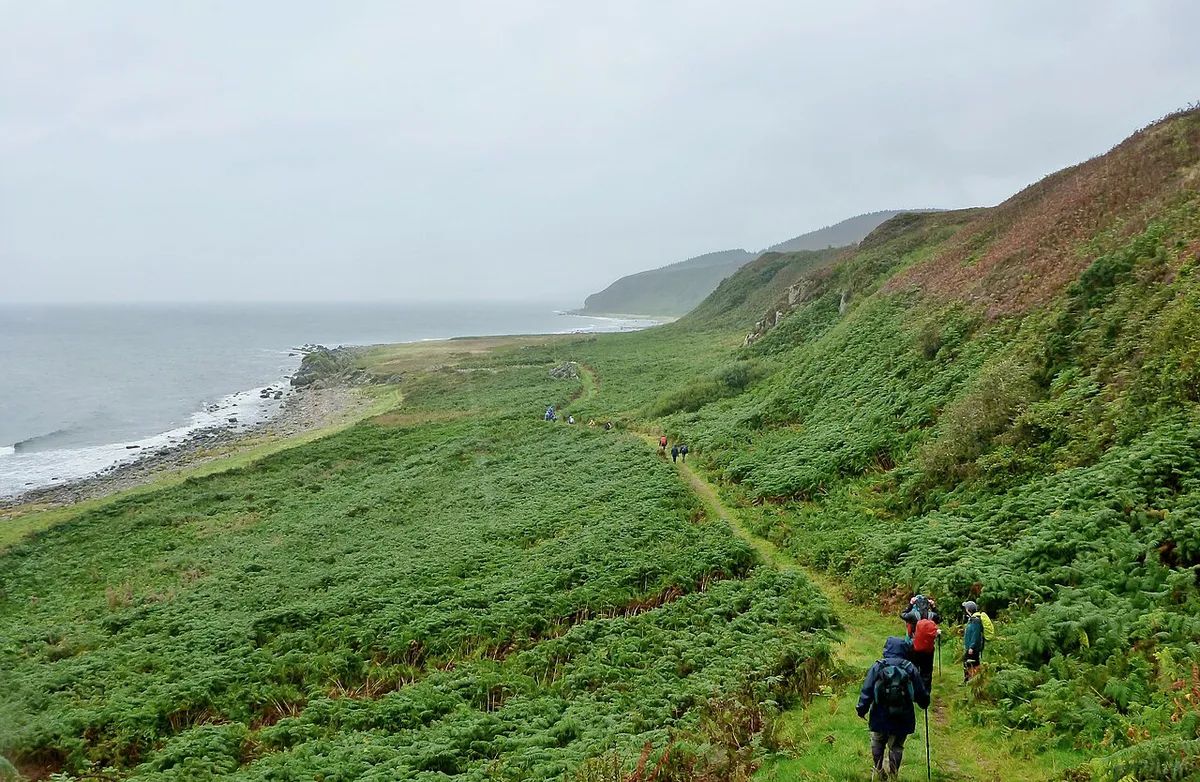
Confident scramblers and photographers get the most from this trip. You need balance, grip and a willingness to turn back. Skip it if you have limited mobility, because the descent and boulder field are unsuitable. Small children are a poor fit given the slippery rocks and the tide risk. Dogs face the same terrain and can be hard to control near rising water. Poor weather is a reason to cancel, since rain makes the weed and rock far worse. If you have no tide plan, do not go.
- Best fit: confident scramblers, photographers, and prepared walkers.
- Skip: young children, anyone with mobility limits, and anyone without a tide plan.
- Skip: days with strong wind, heavy rain or a large swell.
Best time to go
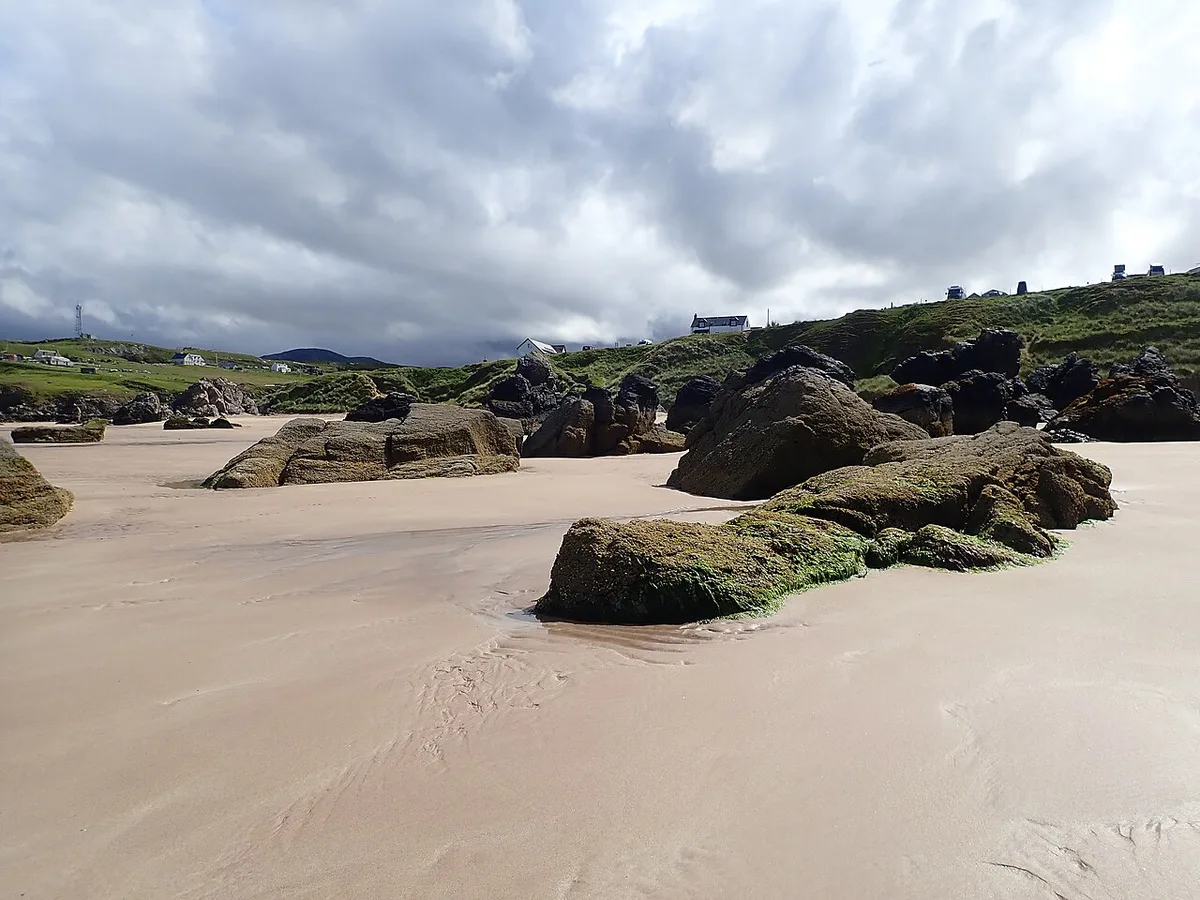
The tide matters far more than the month. Summer brings the longest daylight, which helps if low tide falls late. July and August are the busiest months, while January, February and December are quietest. Those are modelled estimates, not counted visitors. Winter daylight is short, so the walk down, the cave and the climb out must fit between sunrise and sunset. Choose a day with a calm forecast, and pick a low tide that falls in good light.
Combine it with Elgol: boat trip and nearby stops
Elgol is the base for boat trips, including sailings toward Loch Coruisk beneath the Cuillin. Check operators and sailing times directly, since they vary with weather and season. If the tide or weather rules out the cave, the village and its views still make a worthwhile stop. Nearby places often listed alongside the cave include Brother's Point, Bearreaig Bay, Neist Point and Dun Ardtreck. Many sit far across Skye, so check distances before you commit.
| Plan | Effort | Tide dependent | Best for |
|---|---|---|---|
| Spar Cave only | High | Yes | Scramblers and photographers |
| Spar Cave plus Elgol village and viewpoint | High, then easy | Cave only | A half day on the peninsula |
| Loch Coruisk boat day | Low | No, but weather dependent | Anyone skipping the scramble |
How Spar Cave compares with other Scottish caves
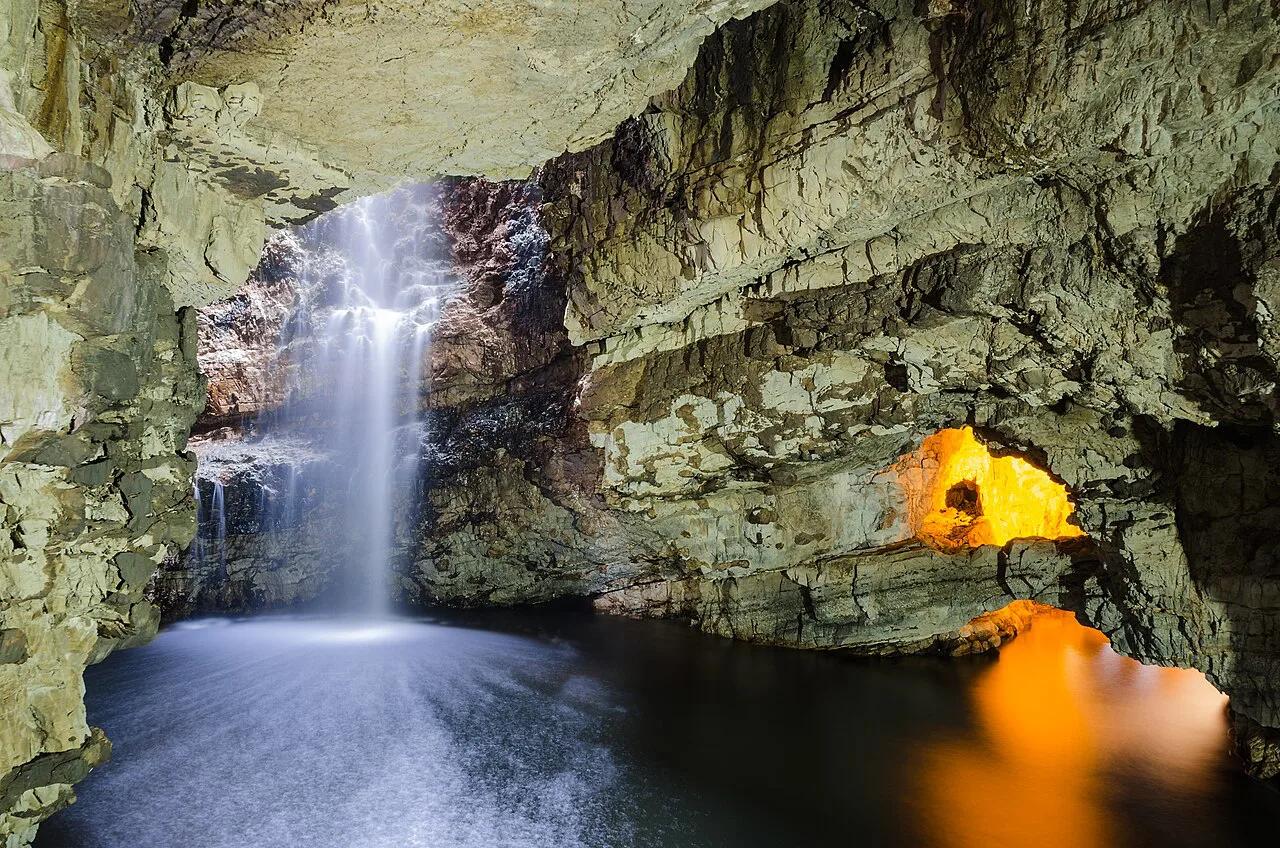
Spar Cave is a tidal sea cave with a hard approach. Smoo Cave, Durness: Visiting Guide and Waterfall in Durness is far easier to reach, and Smoo Cave from the NC500 suits a road-trip stop. Clachtoll's coastal cave offers another sea-facing contrast. On Arran, King's Cave carries historic associations. St Ninian's Cave was a place of early Christian use. Those caves are easier or better documented. Spar Cave is the one to pick for flowstone and a real scramble, as long as the tide cooperates.
Notes for your next trip underground
Optional updates when we add or revise cave and underground guides.
More guides
More guides you'll find useful