St Ninian's Cave: Walk, Tides, History & Visitor Tips (Galloway)
Planning a visit to St Ninian's Cave near Whithorn? See how to reach it, what to expect on the shore, tide cautions and the Ninian pilgrimage story.
Last updated November 2026. St Ninian's Cave is a sea cave on Port Castle Bay, Glasserton, near Whithorn in Dumfries and Galloway. Tradition links it to St Ninian as a place of retreat, and it has been a scheduled monument since 1921. This guide covers how to reach it, what the shore is like, and why the tide matters. It also places the cave among the other 8 Best Caves in Scotland: Sea Caves & How to Visit.
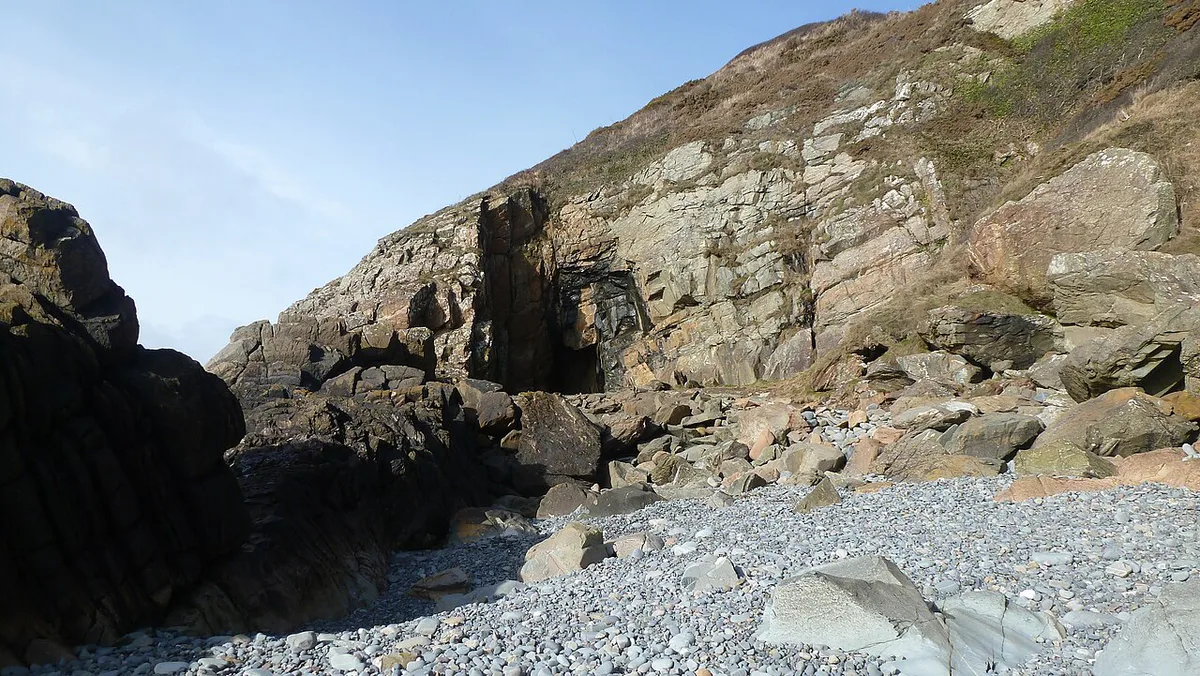
Featured image: Billy McCrorie, CC BY-SA 2.0, via Wikimedia Commons.
Quick answer: is St Ninian's Cave worth visiting?
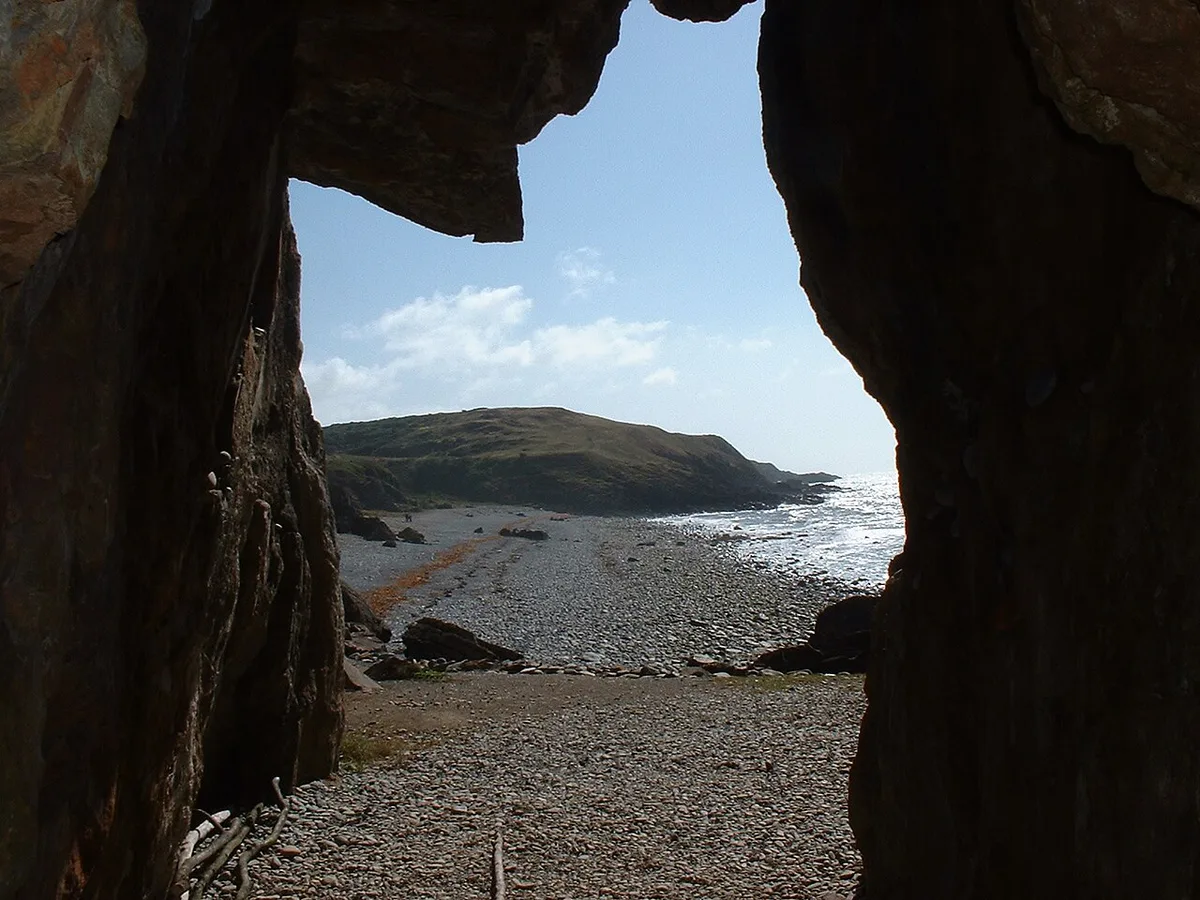
Go if you care about early Christian history, quiet coastal walks or simple pilgrimage sites. The cave is small and atmospheric, and its appeal lies in its associations rather than in size or spectacle. Skip it if you want a big, dramatic cavern or a short roadside stop. Visitors who prefer easy surfaces should also think twice, because the shore at Port Castle Bay is rocky.
| Visitor type | Verdict | Reason |
|---|---|---|
| History and pilgrimage visitors | Suits | Carved crosses and a long Ninian tradition |
| Photographers | Suits | Sea cave, raised beach and shoreline views |
| Families with young children | Caution | Rocky boulder shore and a tide to watch |
| Less mobile visitors | Caution | Path and shore surfaces are uneven |
| Wet-weather days | Caution | Exposed coast, with slippery rock |
Where it is and how to get there
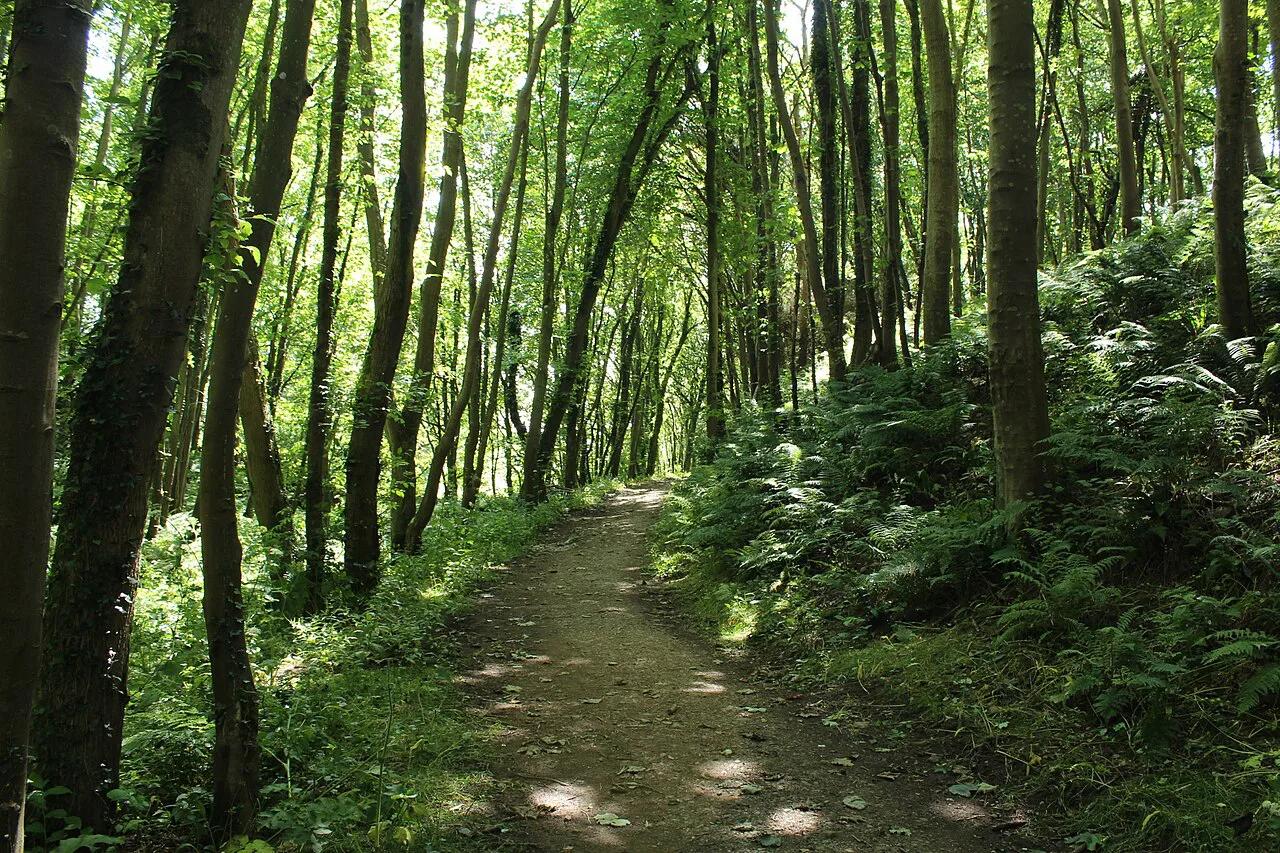
St Ninian's Cave sits on the Physgill shore at Port Castle Bay, in the civil parish of Glasserton, Wigtownshire. Whithorn is the nearest named town. Visitors park at a dedicated car park and then follow a path through Physgill Glen down to the shore. Aim for the car park rather than trusting a satnav to the cave itself, because the cave has no road access. Exact walking distance and time are not published in the sources we trust, so check the current route notes on VisitScotland before you set off.
The walk and the shore: what to expect
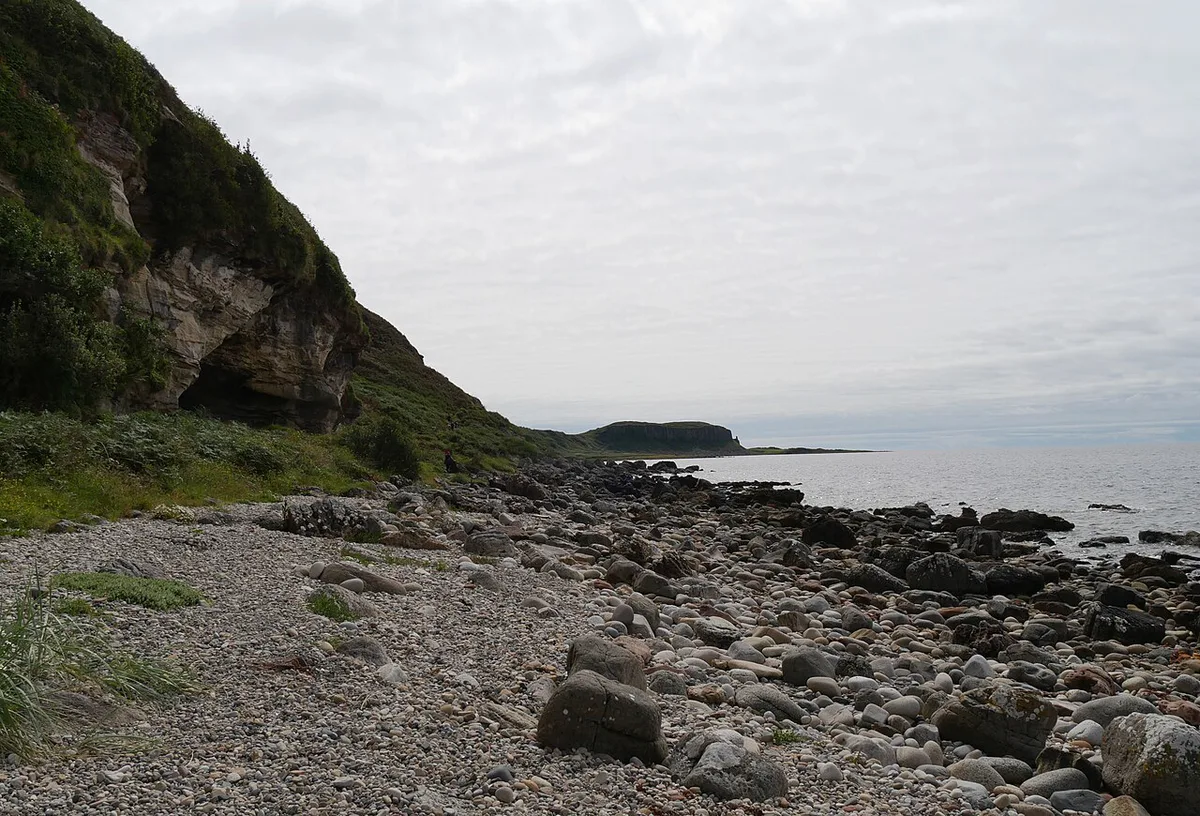
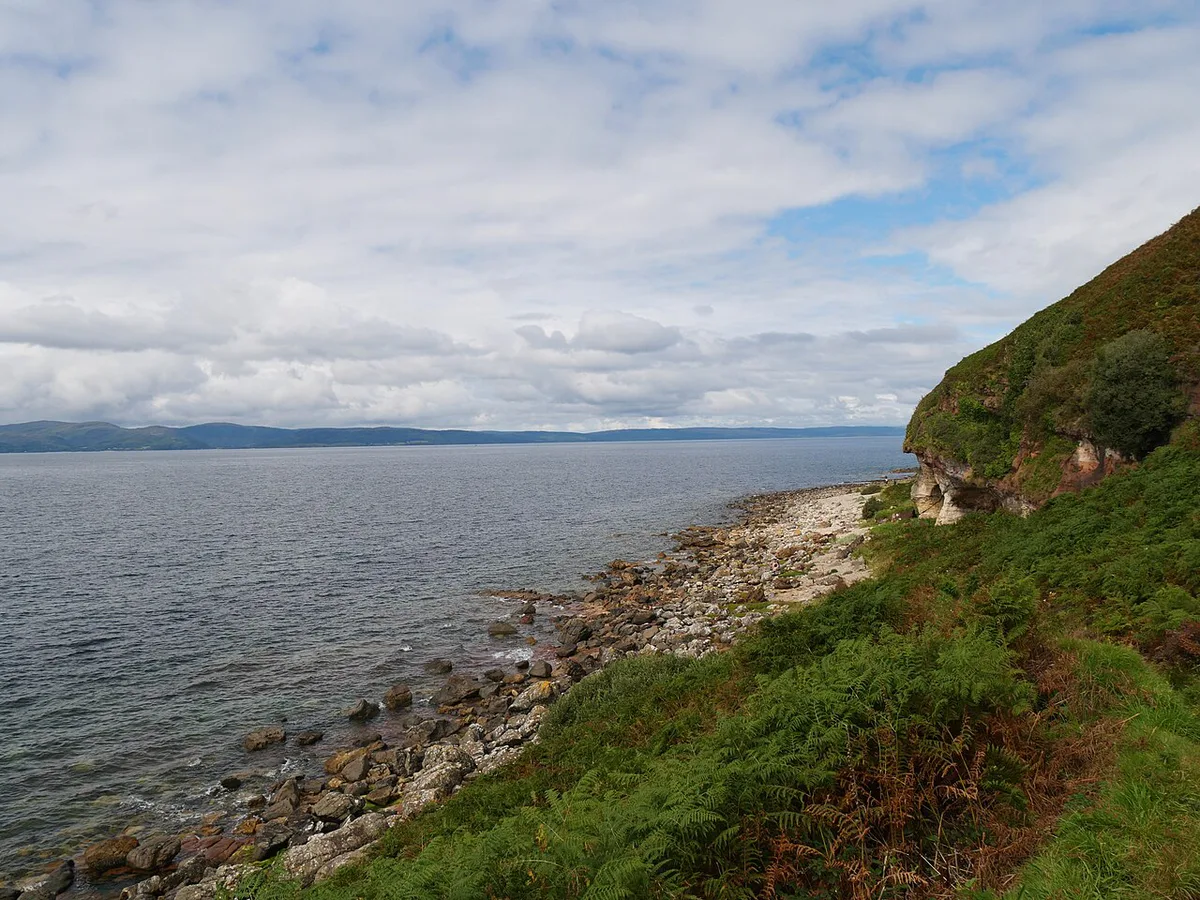
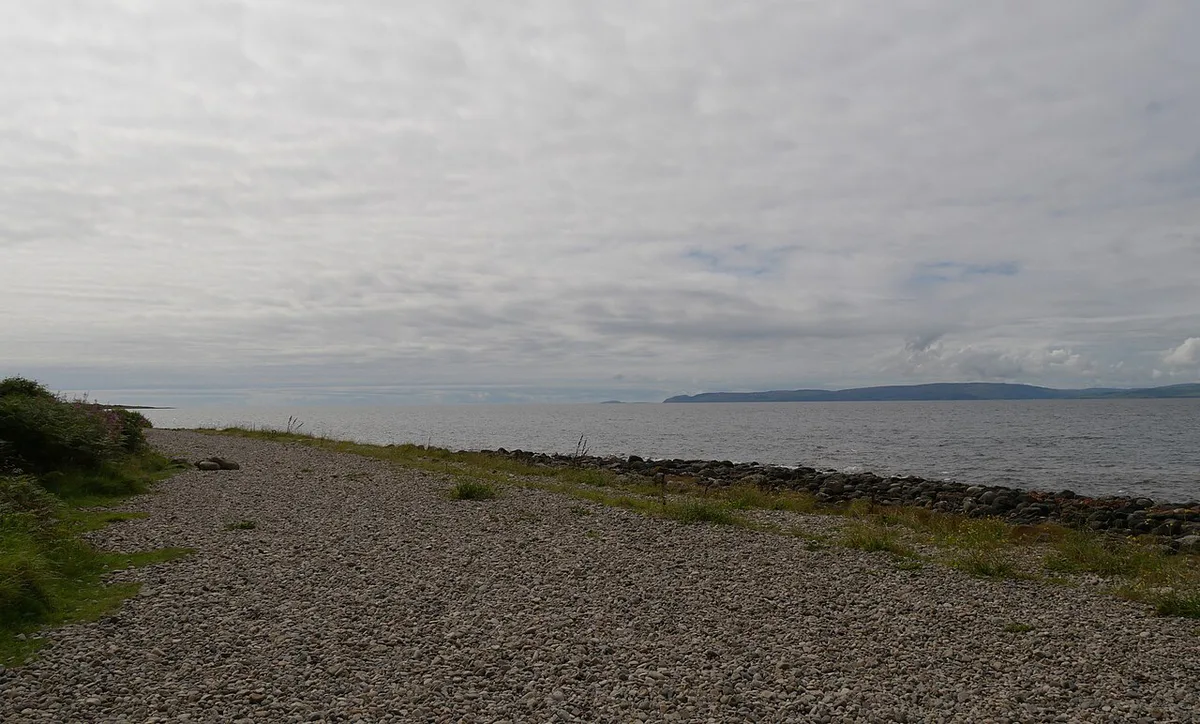
The route runs along a woodland path in Physgill Glen and ends on a boulder shore. A raised beach lies nearby, and rock underfoot can be uneven. Wear shoes with a grippy sole, not smooth trainers. Allow time to pick your way over the boulders at the bay, since this last stretch is the slowest.
Tides and safety at Port Castle Bay
Photographs of the cave show high tide reaching the entrance and the boulders around it. Treat that as a warning, not a curiosity. Check a tide table for the nearest port before you leave, and aim to reach the cave on a falling tide. In winter, also plan around daylight so you are off the shore before dark.
- Look up tide times on the day, not the day before.
- Avoid arriving near high tide.
- Keep an eye on the water if you linger on the boulders.
- Take a torch in winter.
What you'll see at the cave
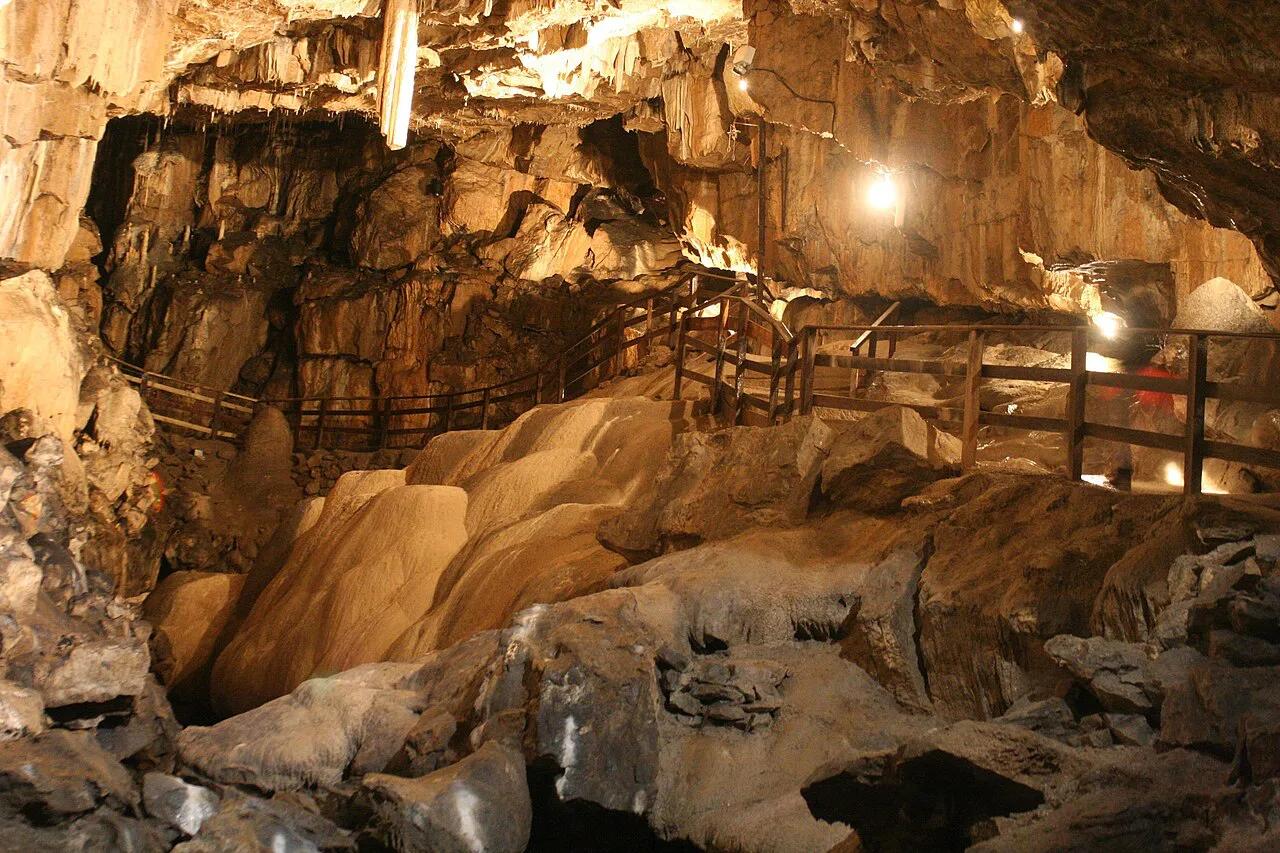
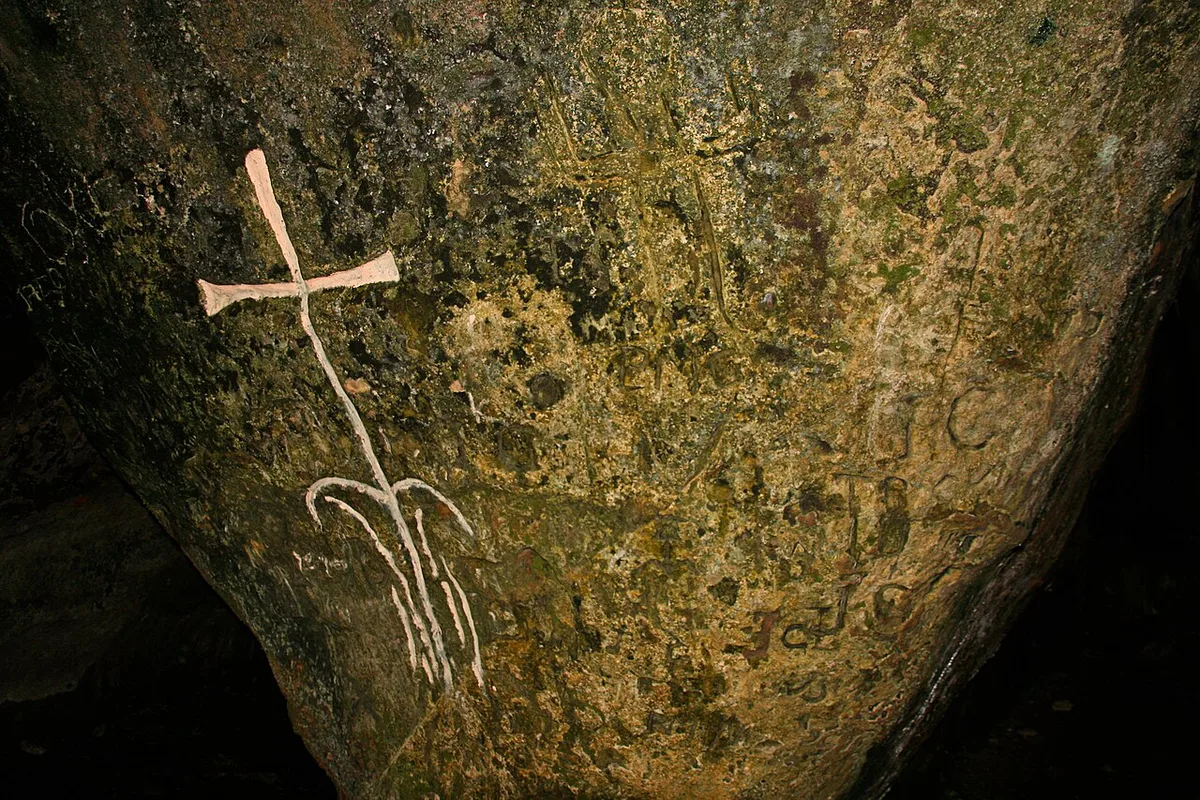
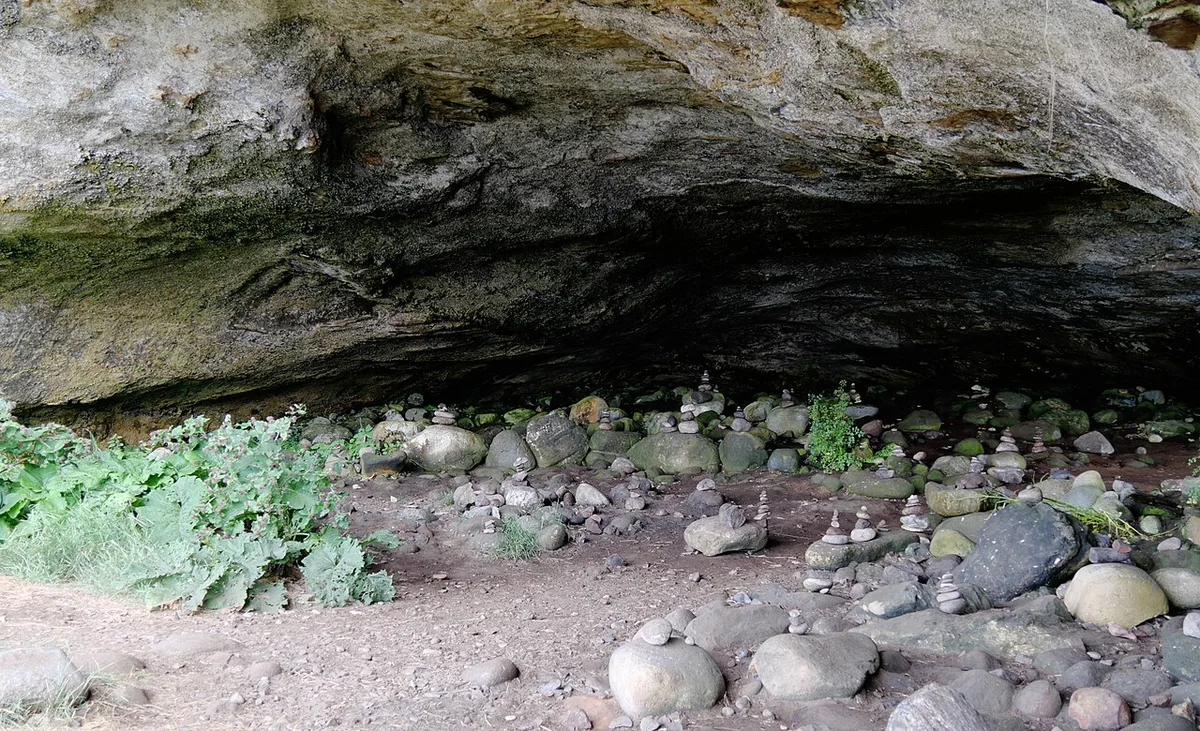
The cave opens onto the rocky shore, and its walls and surfaces hold carved crosses. Visitors have also left votive offerings, old and new, in and around the entrance. Looking out from the mouth gives a view across the bay. The nearby raised beach shows how the coastline has shifted over time.
History and the Ninian story
Tradition holds that St Ninian used the cave as a retreat, but nobody can say for certain whether the saint ever did. The crosses show that people were treating the place as holy over many centuries. Historic Environment Scotland lists it as scheduled monument SM90268. The 1912 Galloway inventory by the Royal Commission recorded and illustrated the site. For the wider Ninian story, the Whithorn Trust is the best starting point. Another coastal cave with saintly associations is King's Cave on Arran, and the Wemyss Caves are a good match for carved-cave interest.
Scheduled since 1921, the cave carries the monument number SM90268 in Historic Environment Scotland's listings, which is the record to check for its official protected status.
Costs, access and facilities
No published fee, opening hours or facilities list has been confirmed for the cave. Check the current details with VisitScotland or the Whithorn Trust before you go.
- Cost: check for any parking charge at the car park.
- Hours: the shore is open ground, so tide and daylight set your window.
- Facilities: confirm toilets and food in Whithorn.
- Dogs and children: judge by the boulder shore and the tide.
Compare it with other Scottish caves
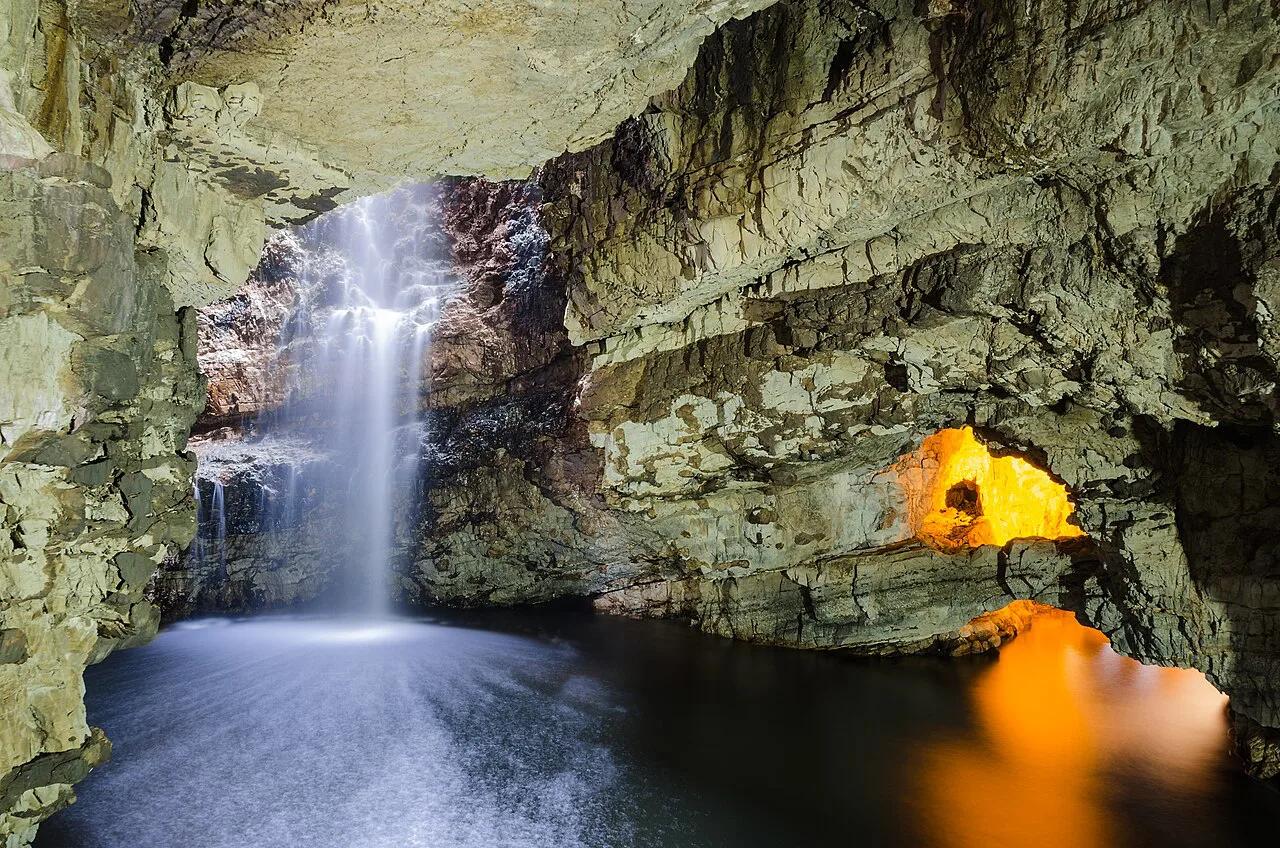
St Ninian's Cave is a small, quiet pilgrimage cave. If you want scale, Smoo Cave in Sutherland is the bigger, more dramatic option. For something with a different feel, Spar Cave on Skye is worth a look. Browse the full guide to Scotland's caves to pick the right one for your trip.
Notes for your next trip underground
Optional updates when we add or revise cave and underground guides.
More guides
More guides you'll find useful