Blautopf Blaubeuren: Visiting Germany's Blue Spring
What the Blautopf is, why the water looks blue, how to reach it from Ulm, and what to combine in Blaubeuren. Plan your visit.
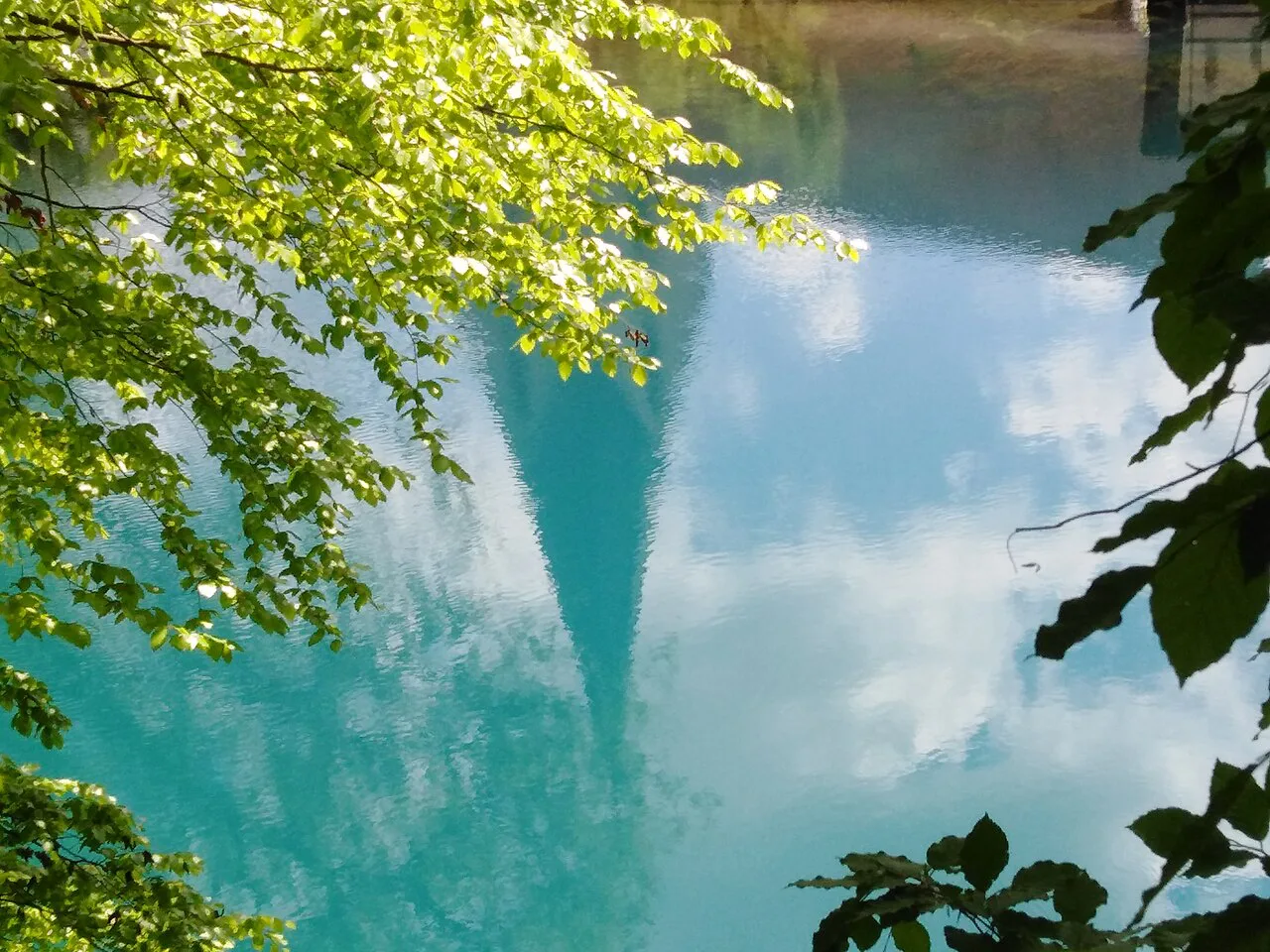
Last updated November 2026. The Blautopf is a deep karst spring pool in Blaubeuren on the Swabian Alb, and it is the source of the River Blau. Visitors come to see the water shift between blue and green shades beside a medieval monastery town. It is a viewing stop rather than a cave tour, so this guide covers what you can do, how to reach it, and where it sits among the 9 Best Caves in Germany: Show Caves by Region.
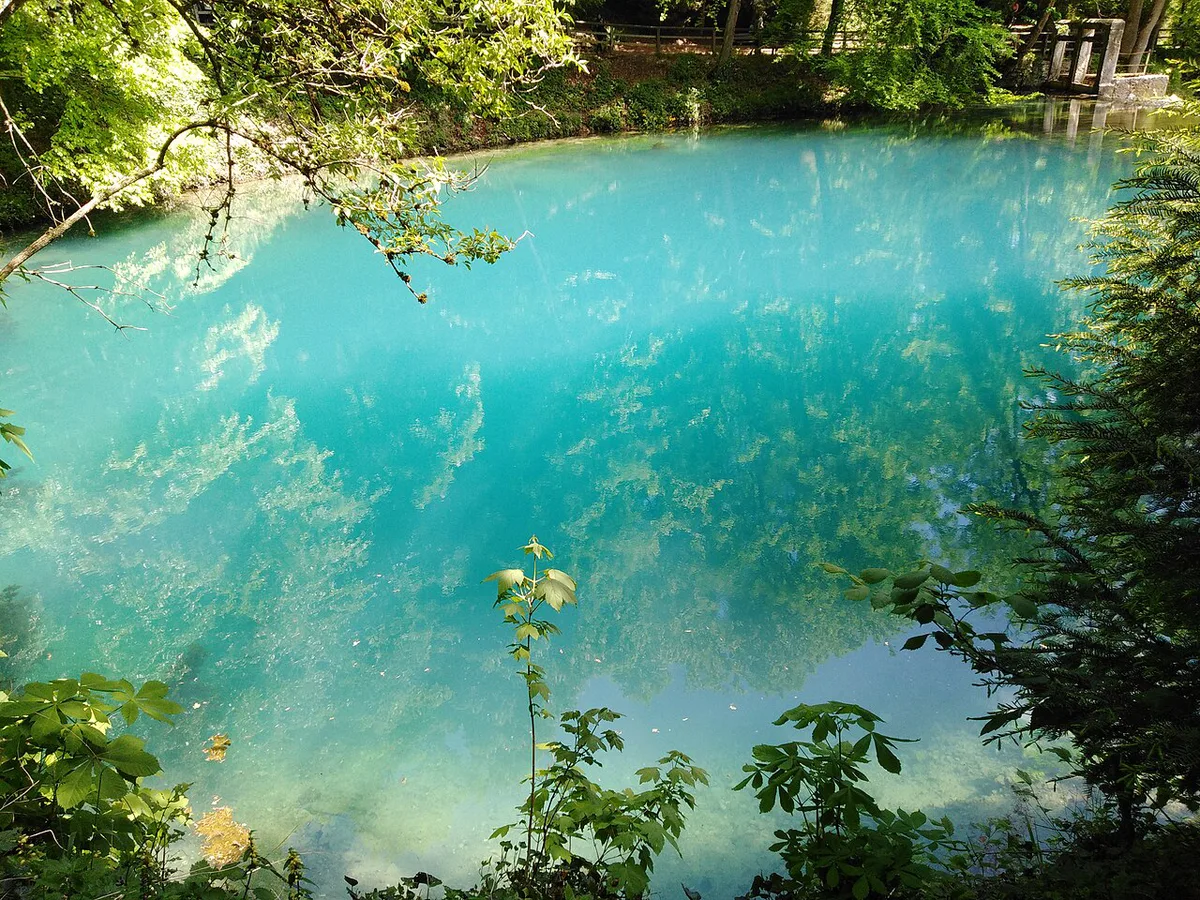
Featured image: Immanuel Giel, CC0, via Wikimedia Commons.
What the Blautopf Is and Why It's Blue
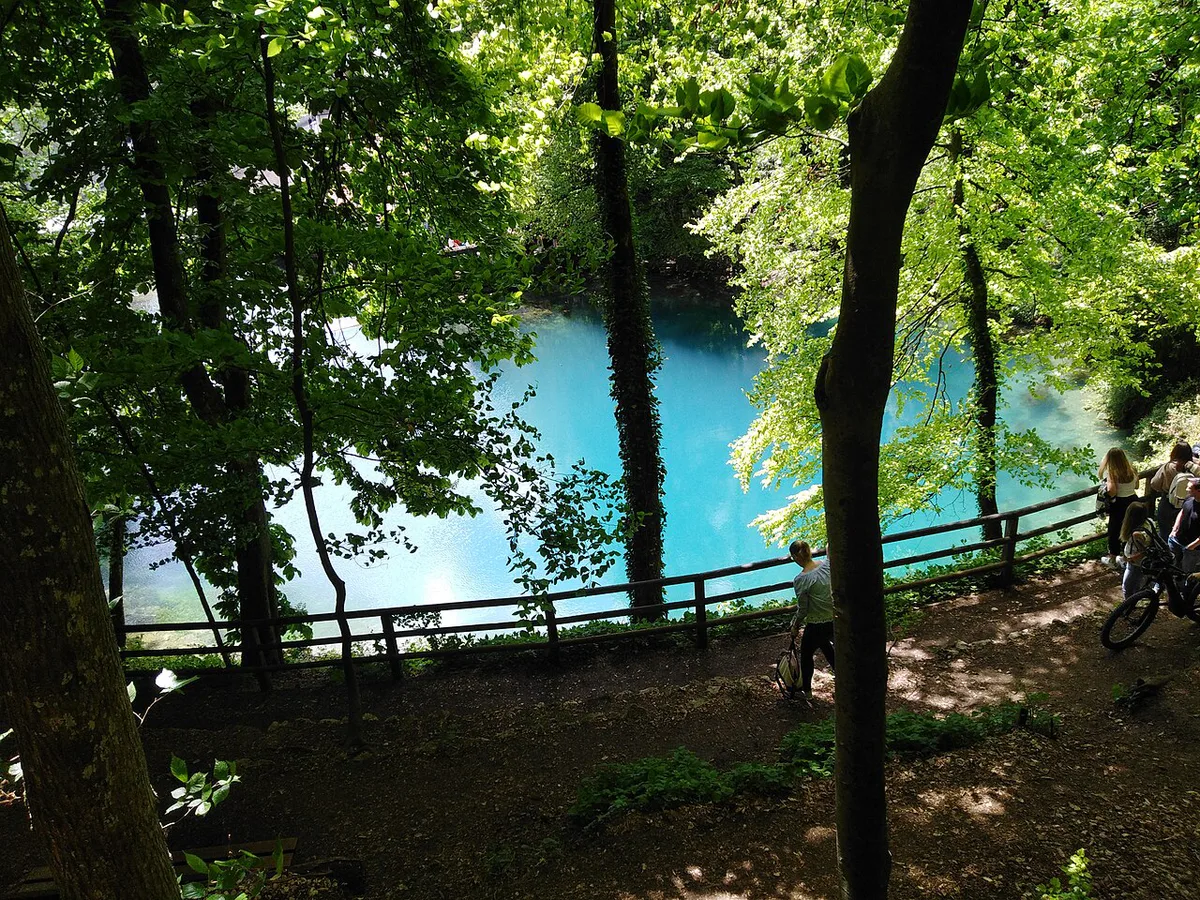
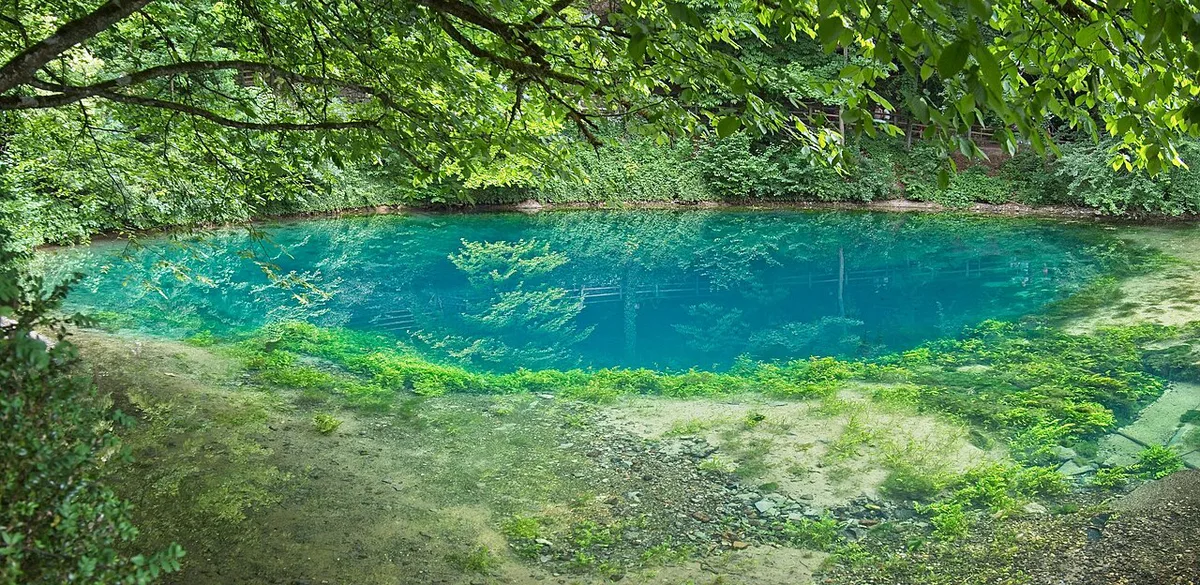
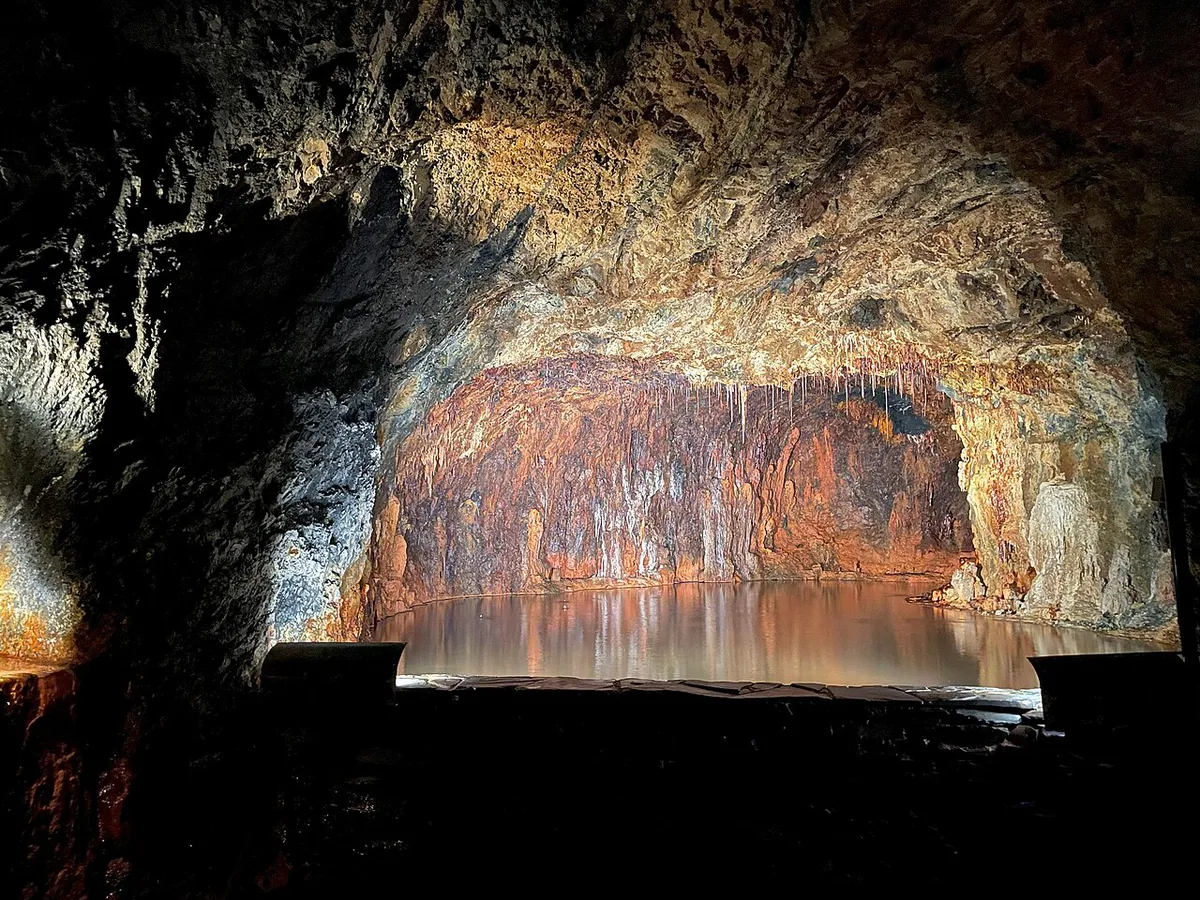
The Blautopf is a spring pool where water rises from a flooded cave system beneath the Swabian Alb. From it, the River Blau begins its run through Blaubeuren. Limestone country like this is classic karst, where rain sinks into rock and returns to the surface through springs. The German cave and karst research association is a good starting point for the science of these systems.
Colour depends on light and water. Fine mineral particles and the depth of the pool scatter sunlight, so the shade changes with the weather and the sun's angle. Do not expect the same intense blue on every visit. Overcast days and cloudy water after heavy rain can look noticeably duller.
What You Can and Can't Do at the Blautopf
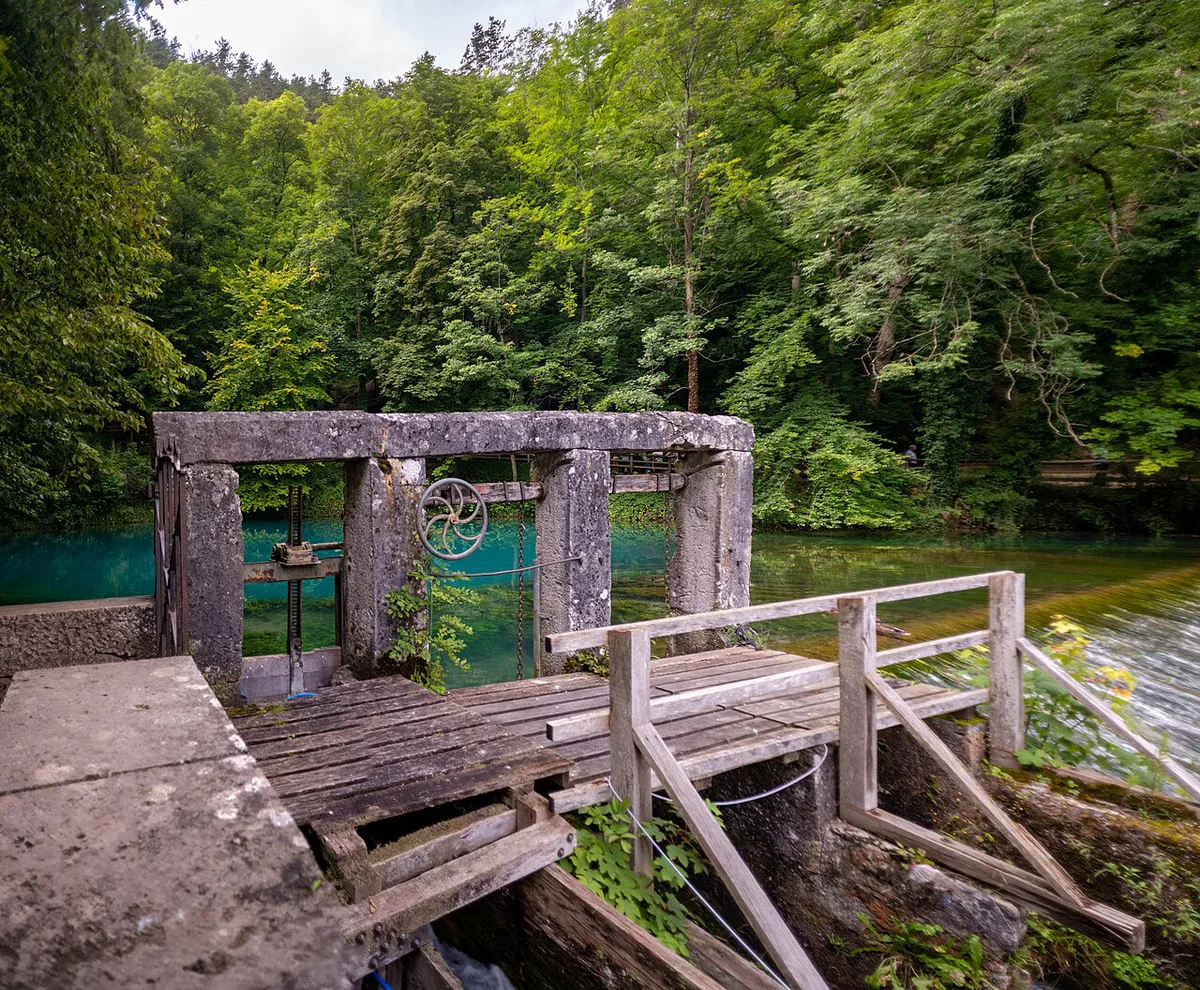
You can walk to the pool's edge, look into the water, and follow the paths around the spring. Local legend adds a story layer here. The poet Eduard Mörike wove spring spirits into his writing, and a mermaid statue stands near the water.
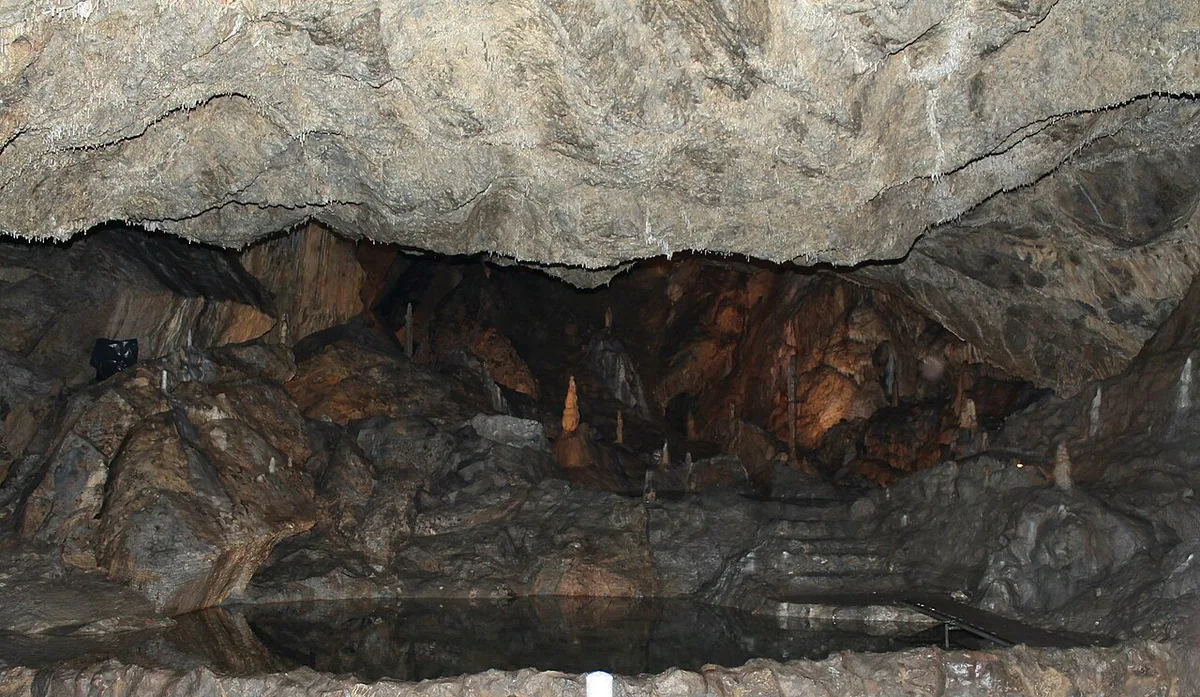
The cave below the pool is not a show cave. It is explored by trained divers, so plan on viewing the surface rather than going underground. If you want a guided underground visit, look at Dechenhöhle or Barbarossahöhle instead.
- Do: view the pool from the paths and let the light change the colour.
- Do: pair it with a walk through Blaubeuren town.
- Skip it if: your main goal is an underground cave tour.
- Mistake to avoid: expecting identical colour in every season and weather.
Getting to Blaubeuren and the Spring
Blaubeuren is about ten minutes by train from Ulm, which makes it an easy day trip without a car. By road, it is under an hour from Stuttgart. From the station you walk into town and follow signs to the spring. Check current timetables with Deutsche Bahn or the regional operator before you travel, since service patterns change by season. Parking and the exact walking time from each car park are listed on the Blaubeuren tourism site.
Hours, Tickets and Access
Prices and hours were not published in a form we could cite for November 2026. For the spring area, the former monastery and the museum, use the official Blaubeuren page for current opening times and fees. Paths near the pool include slopes and uneven sections, so ask the tourist office about step-free routes if mobility is a concern.
How Long to Plan and What to Combine
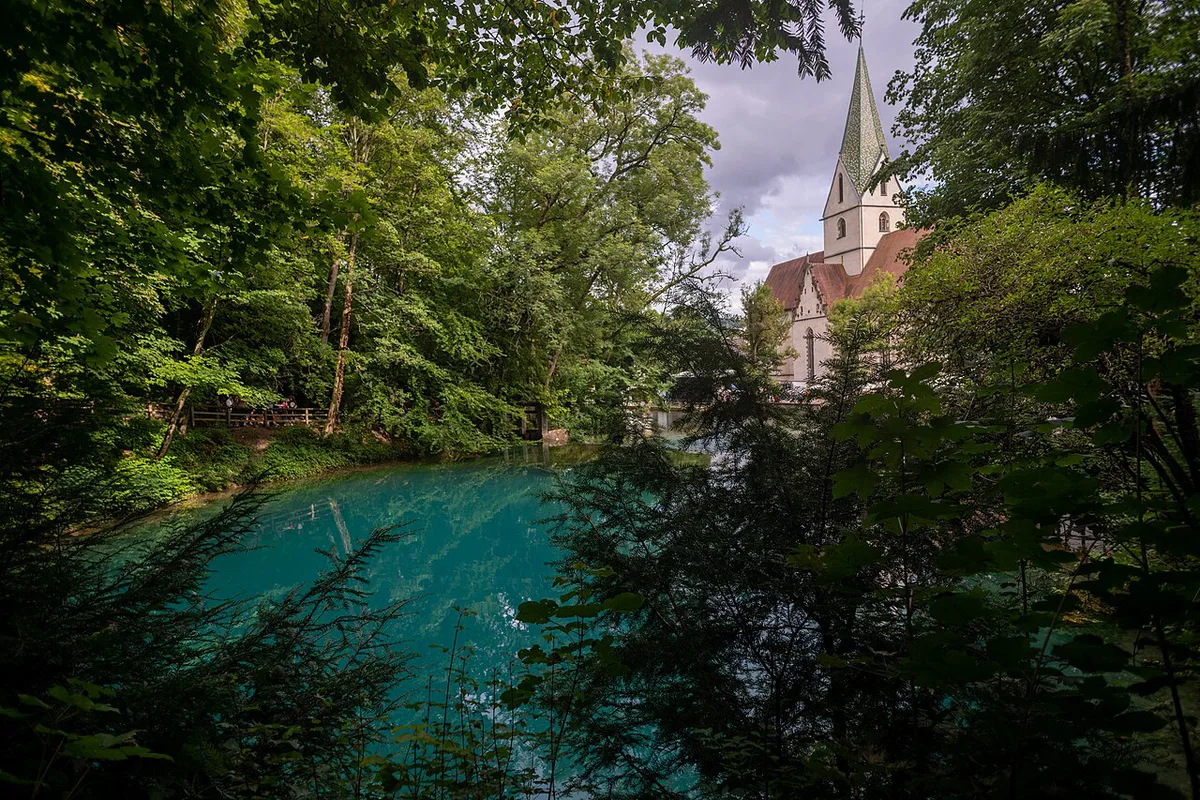
Blaubeuren rewards more time than the pool alone. The monastery was founded in 1085 and still has a medieval church and a carved high altar. The Museum of Prehistory (URMU) displays finds from local caves, where traces of human habitation reach back around 42,000 years. A signed circular trail, the Rundweg, climbs to viewpoints and rock formations. Our time estimates below are planning guides, not official figures.
Blaubeuren's monastery was founded in 1085, so a 3 to 4 hour half-day lets you see the church as well as the pool.
| Plan | Time (estimate) | What it covers | Best for |
|---|---|---|---|
| Quick stop | About 45 minutes | Pool, paths, mermaid statue | Day-trippers from Ulm with a tight schedule |
| Half-day | 3 to 4 hours | Pool plus monastery or URMU | Most first-time visitors |
| Full day | 6 hours or more | Pool, monastery, URMU, Rundweg | Walkers and history fans |
Best Season and Time of Day
Sunlight brings out the colour, so a bright, dry day usually shows the pool at its best. Rain can cloud the water and mute the shade, so check the forecast. Weekends and summer afternoons are likely to be busier, so arriving earlier in the day gives you quieter paths and softer light.
Where the Blautopf Fits Among Germany's Caves
Treat the Blautopf as a karst-spring stop, not a substitute for a show cave. For a walkable underground experience, browse the full guide to German caves. Readers who want a different kind of underground visit can also look at Salt Mines in Germany: Which to Visit and How to Choose. Ulm works well as a base, since it is only a short train ride away.
Notes for your next trip underground
Optional updates when we add or revise cave and underground guides.
More guides
More guides you'll find useful