Barbarossahöhle Guide: Visiting Tips & Cave Facts
Plan a visit to the Barbarossahöhle in Thuringia: what makes the anhydrite cave special, how to get there, tour tips, and who should skip it.
Last updated November 2026. The Barbarossahöhle (searched online as barbarossahohle, or Barbarossa cave in English) is a show cave in the Kyffhäuser hills of northern Thuringia. It is carved in anhydrite and gypsum rather than limestone, so it looks very different from the dripstone caves in our guide to German show caves. It suits curious travelers with a car and a free half day.
Featured image: Kora27, CC BY-SA 4.0, via Wikimedia Commons.
What Is the Barbarossahöhle?
Barbarossahöhle is a Schauhöhle (show cave) in the Nationaler GeoPark Kyffhäuser, near Rottleben and Bad Frankenhausen. The cave's own materials describe it as one of two show caves worldwide in anhydrite rock. That rock type is the main reason to come. Visitors walk a route of about 800 m (roughly 2,600 ft) through a cave of about 15,000 m² (around 161,000 sq ft). The cave is tied to the legend of Emperor Frederick I Barbarossa, who is said to sleep inside the Kyffhäuser. The official cave website is the source for current visitor details.
What You See Inside
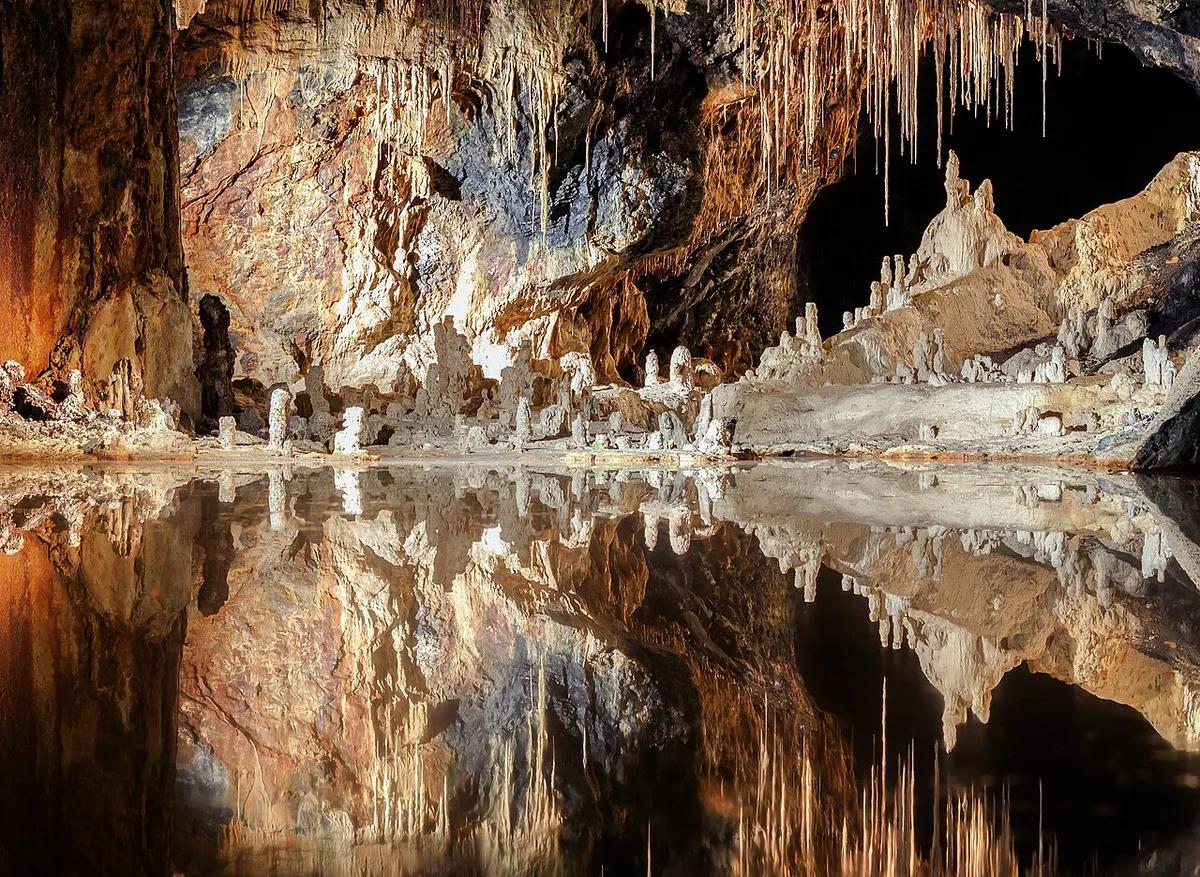
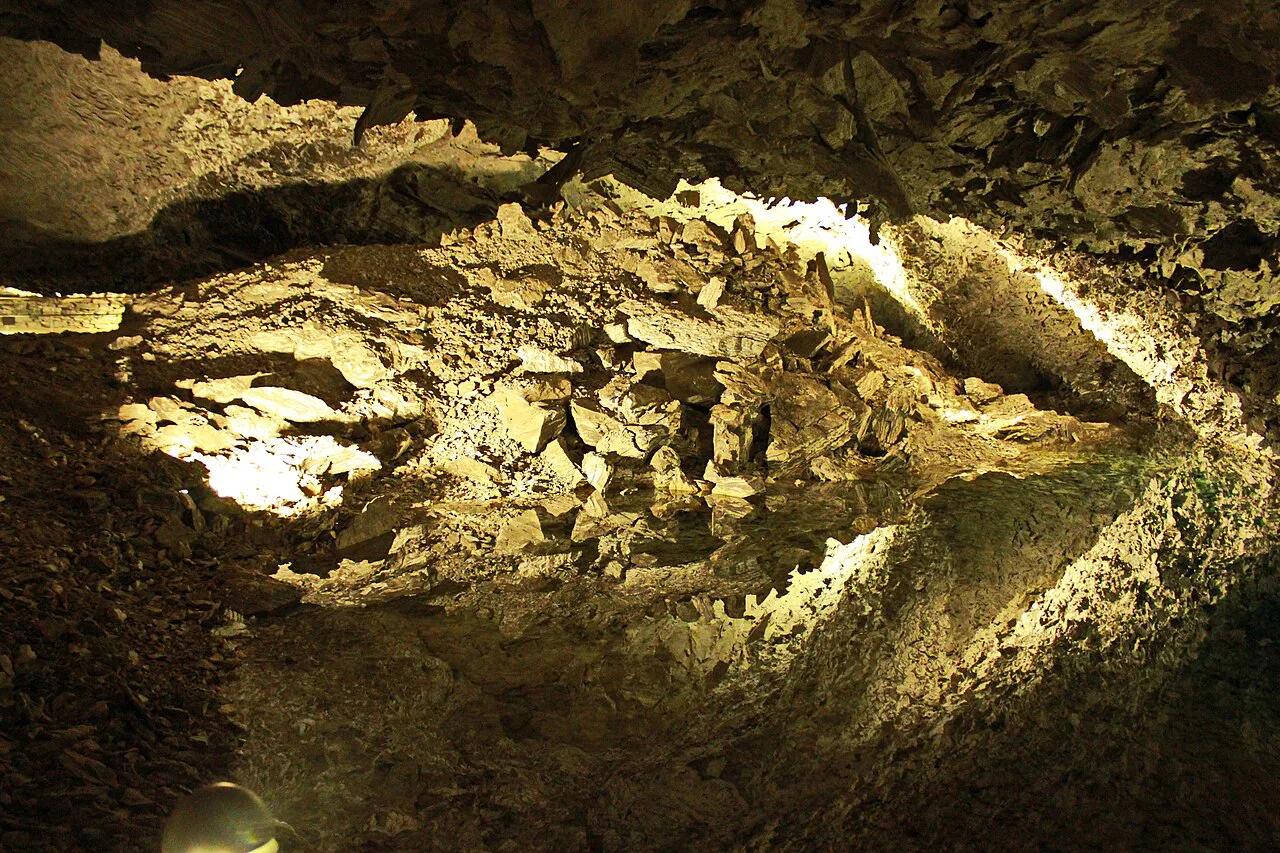
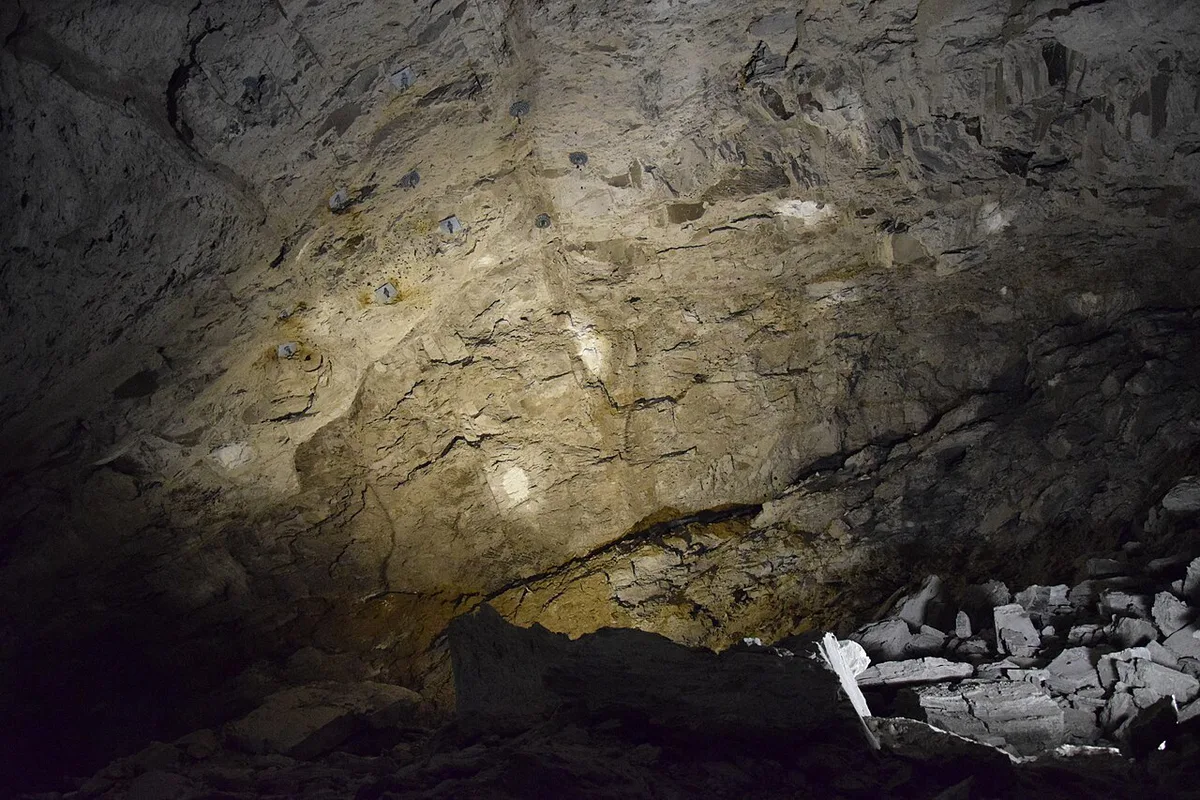
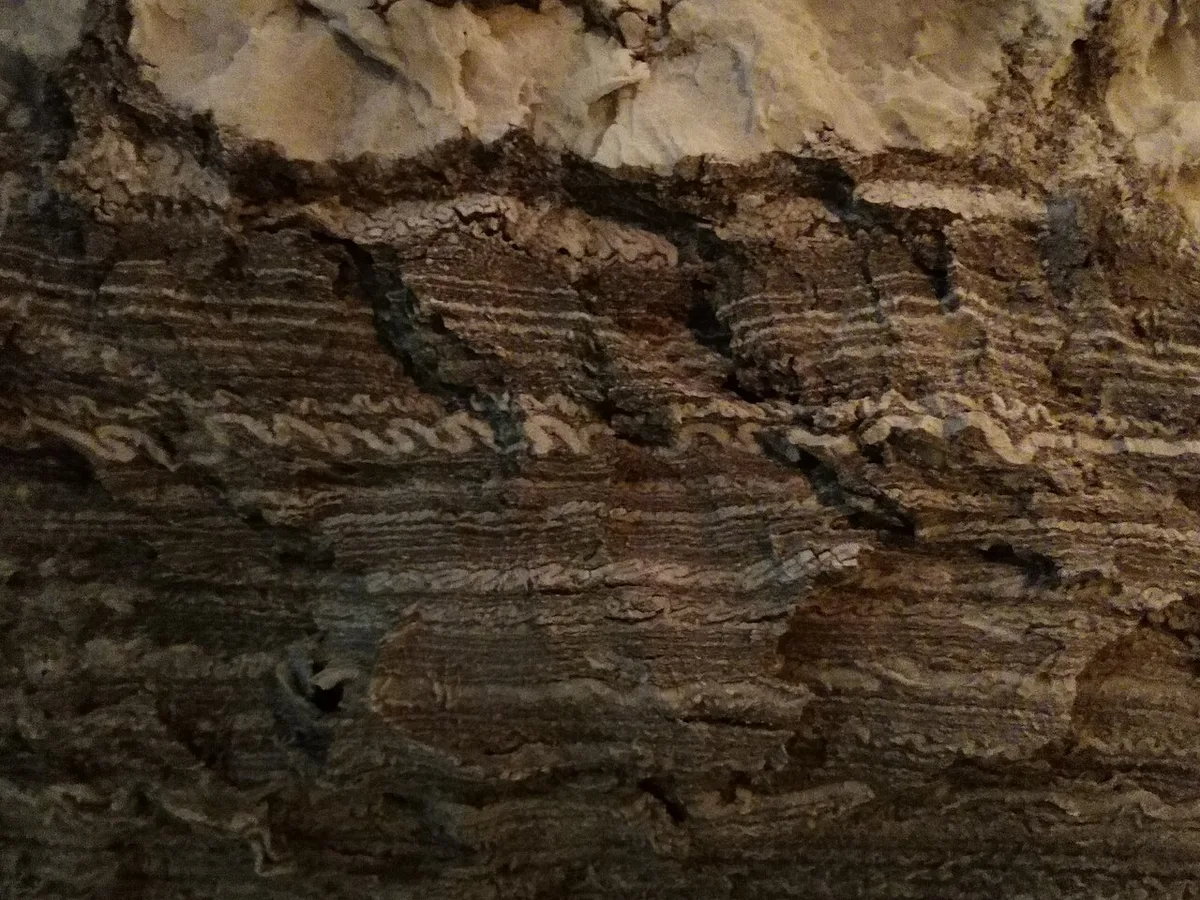
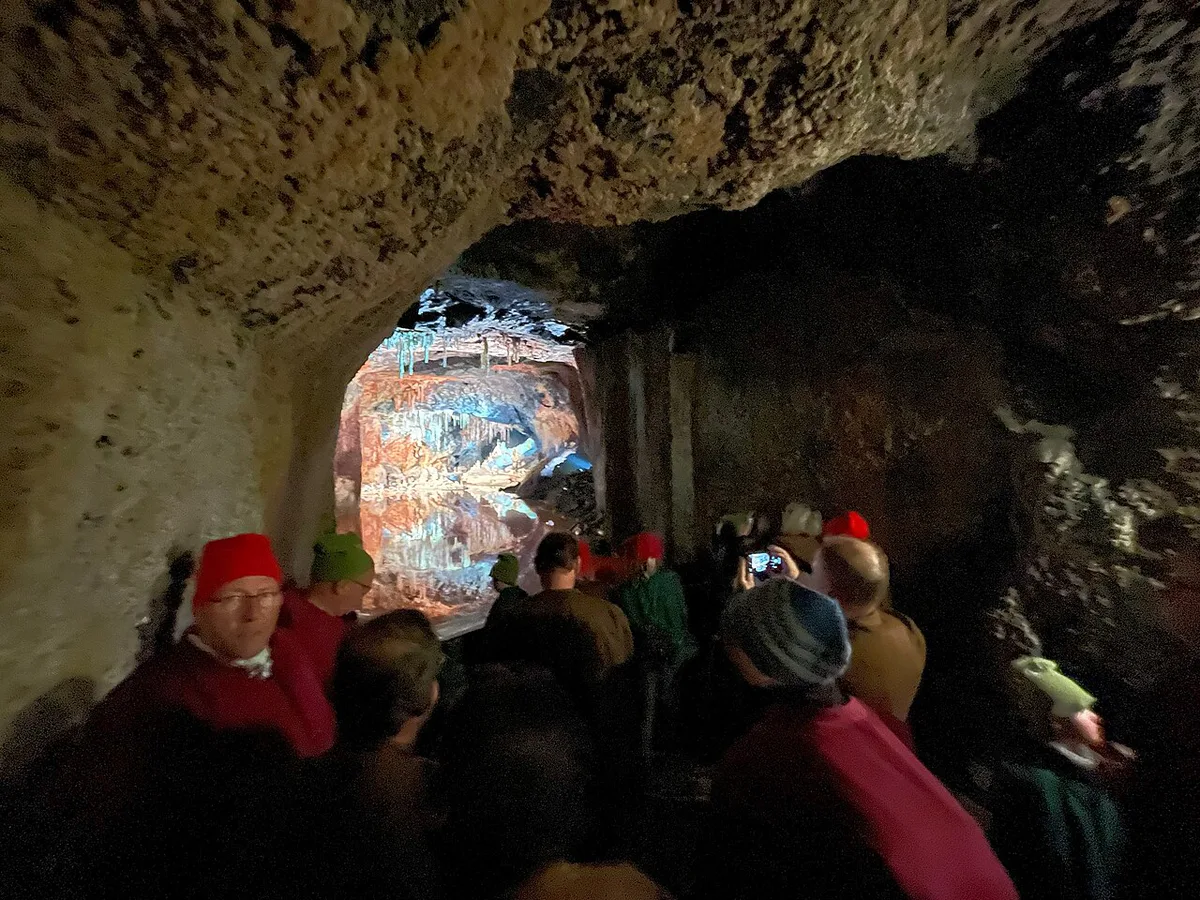
Expect wide, open chambers instead of narrow passages. Gypsum hangs from ceilings and walls in curved flaps that resemble pelts left to dry. Other features include alabaster and a banded form of gypsum known as Schlangengips (snake gypsum). Clear blue-green lakes fill parts of the cave, and they mirror the rock above. This is not a forest of stalactites. Anhydrite and gypsum build smooth, folded shapes, so set your expectations for texture and color rather than for pointed formations.
Wide rooms rather than tight passages fill about 15,000 m² (around 161,000 sq ft) of cave, so look closely at the surfaces instead of rushing.
Barbarossa Legend: Fact vs. Folklore
Legend says Emperor Frederick I Barbarossa is not dead but sleeping inside the Kyffhäuser mountain. According to the story, he will bring peace once ravens stop circling the hill. That is folklore, not history, and the cave presents it as such. Guides and displays use the tale to frame the visit. It adds atmosphere without changing what the geology looks like.
Tickets, Opening Hours, and Tours
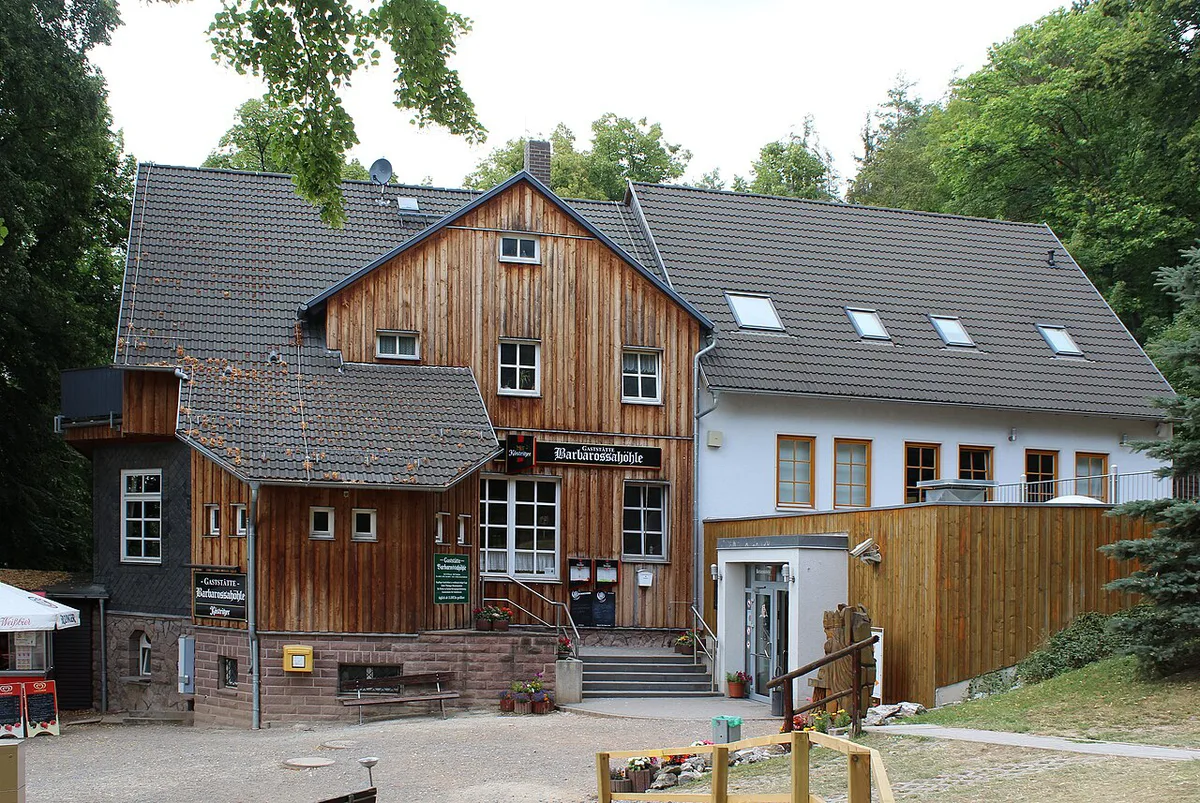
Ticket prices, tour times and language options change by season, so no figures are printed here. Read them on the official Barbarossahöhle site before you set out. Special colored-light programs have run in some years. Look for the current events calendar rather than relying on past dates.
How to Get to the Barbarossahöhle
Barbarossahöhle lies near Rottleben and Bad Frankenhausen in the Kyffhäuser. Treat it as a car-friendly trip, and check the official site for bus links and parking before you commit without a car.
Accessibility, What to Wear, and Photography
Caves are cool and damp year-round, so bring a warm layer and shoes with grip. Ask the official site about steps, pram access, wheelchair access and photography rules before you go.
How Long to Plan and What to Combine
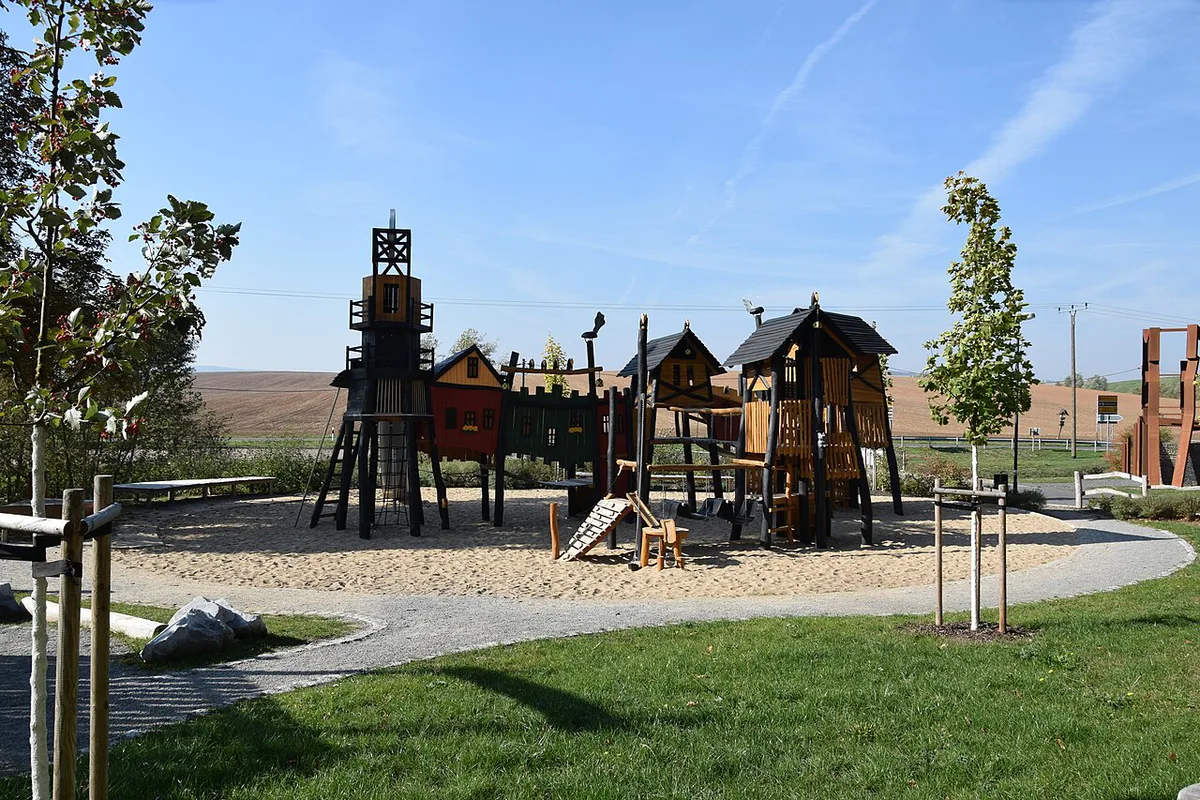
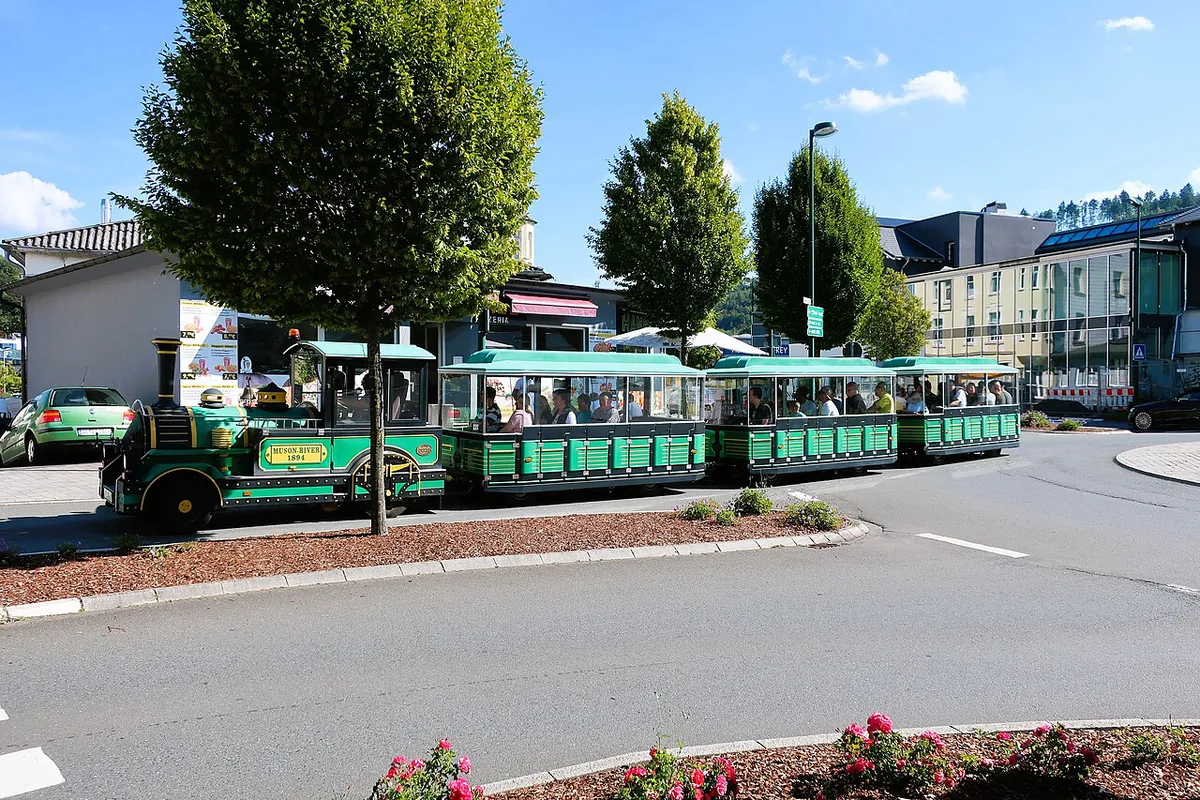
Outside the cave, a geo-adventure play area gives children a mining-town setting with lorries and tunnels. A newer Geo-Informationszentrum explains the geology and archaeology of the 833 km² (about 322 sq mile) GeoPark. Together, the cave, play area and information centre make a solid half day. Add other Kyffhäuser sights if you have a full day, and look up their names and distances on the Thuringia tourism site.
Only a short route runs through the cave, but the 833 km² (about 322 sq mile) GeoPark around it is far bigger, so give the surroundings time.
Barbarossahöhle vs. Other German Caves
Pick this cave for rock type and the legend. Pick a limestone cave for classic dripstone. Our hub on caves across Germany helps you compare regions. For mineral-themed underground tours, see German salt mine tours. If you want mining history, Rammelsberg mining heritage in the Harz is another option. For blue water above ground, the blue karst spring is a better fit than any cave lake.
| Cave | What to expect | Read next |
|---|---|---|
| Barbarossahöhle | Anhydrite and gypsum, hanging gypsum flaps, blue-green lakes | This guide |
| Feengrotten (Thuringia) | See guide | Saalfeld fairy grottoes |
| Pottenstein | See guide | Pottenstein's Devil's Cave |
| Dechenhöhle | See guide | Dechen show cave |
| Atta Cave | See guide | Attendorn's Atta cave |
| Bärenhöhle | See guide | Bear Cave guide |
| Nebelhöhle | See guide | Nebelhöhle show cave |
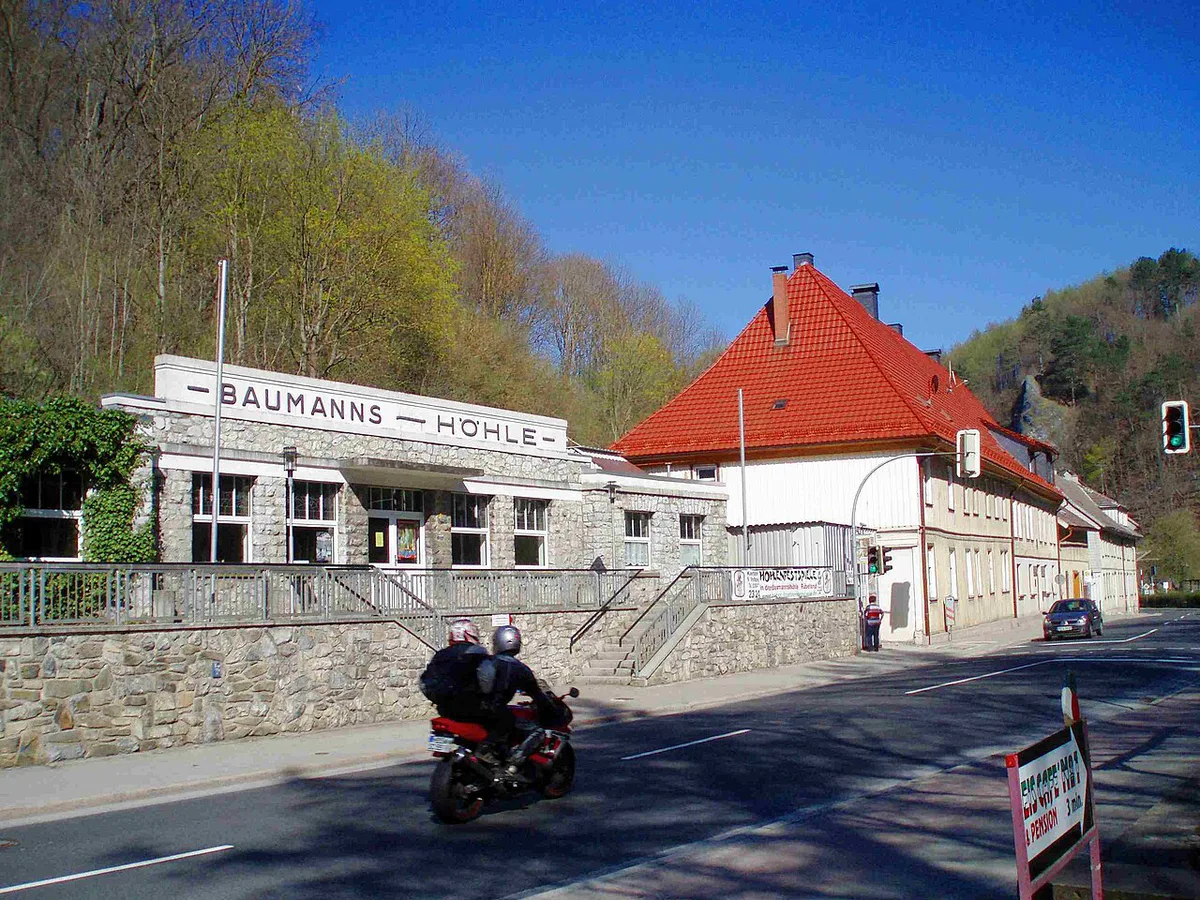
| Baumannshöhle | See guide | Baumann's Cave |
| Wendelsteinhöhle | See guide | Wendelstein cave |
Is It Worth Visiting? Who Should Skip It
Worth it for travelers who want something geologically different from the usual dripstone cave. Skip it if you need step-free access, lack a car, or expect dramatic stalactites.
- Worth it if you like rock textures, underground lakes and legends.
- Worth it if you are traveling with children who will enjoy the outdoor play area.
- Skip it if you want classic limestone formations.
- Skip it if your trip has no room for a car journey into the Kyffhäuser.
Why the GeoPark Context Matters
The Barbarossahöhle is more than an underground stop. Its roughly 800 m visitor route sits within the 833 km² Nationaler GeoPark Kyffhäuser. The contrast helps explain why the cave is memorable: a compact underground walk reveals minerals and rock structures from a much larger regional landscape.
Allow time for the Geo-Informationszentrum after the cave. Its displays add geology and archaeology to what you have seen below ground. The cave itself covers about 15,000 m², but the wider GeoPark gives those chambers a useful setting. This is especially helpful for families and for visitors who want more context than a single cave tour provides.
Plan the cave, play area and information centre together as a half-day outing. Check current opening arrangements before travelling, as visitor facilities may operate on different schedules.
Notes for your next trip underground
Optional updates when we add or revise cave and underground guides.
More guides
More guides you'll find useful