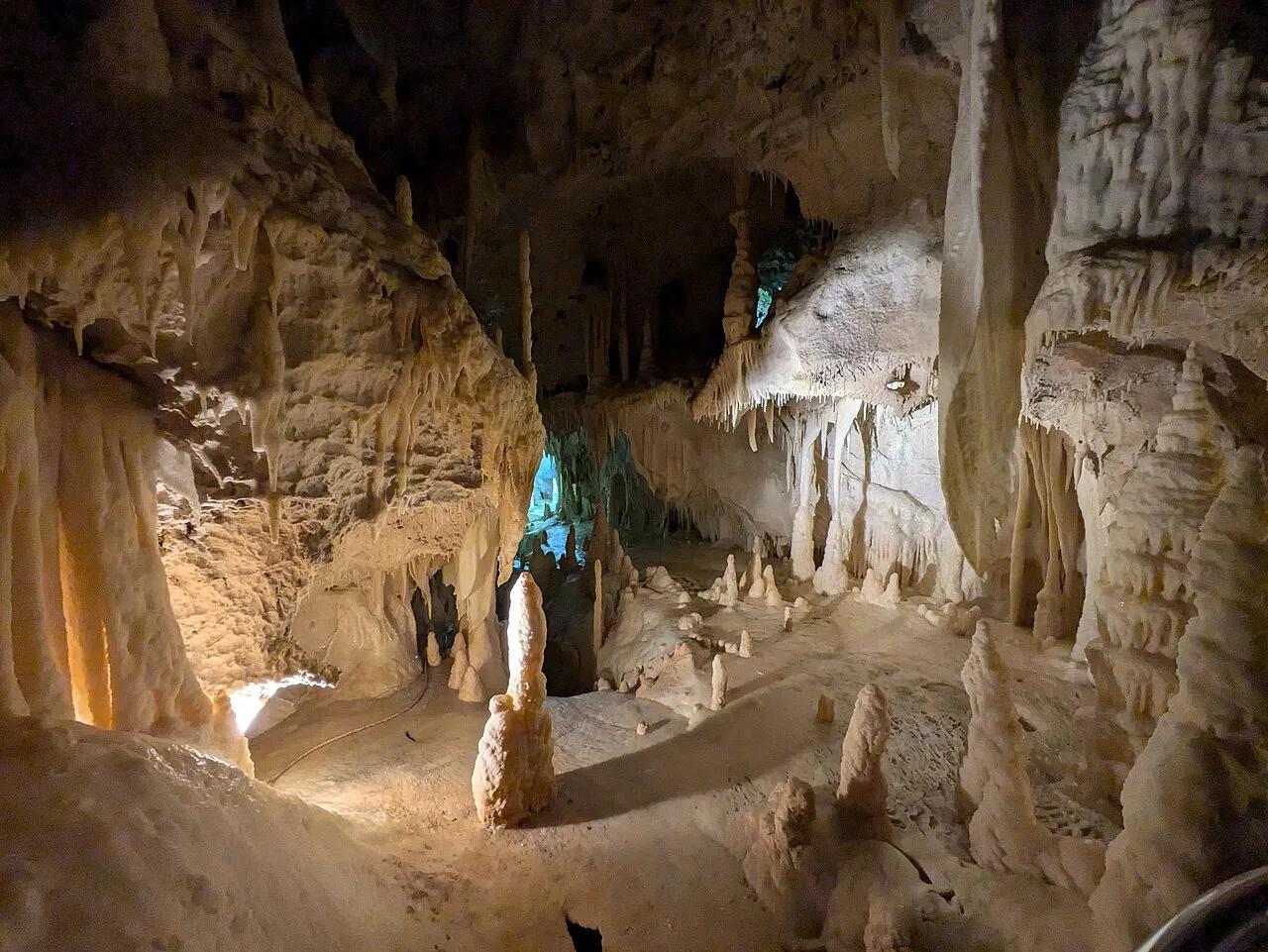
Grotte Is Zuddas Guide: Tickets, Hours & How to Visit
Visiting Grotte Is Zuddas in Sardinia: what you'll see, how to get there from Cagliari, when to go, and how to check tickets and tour times.
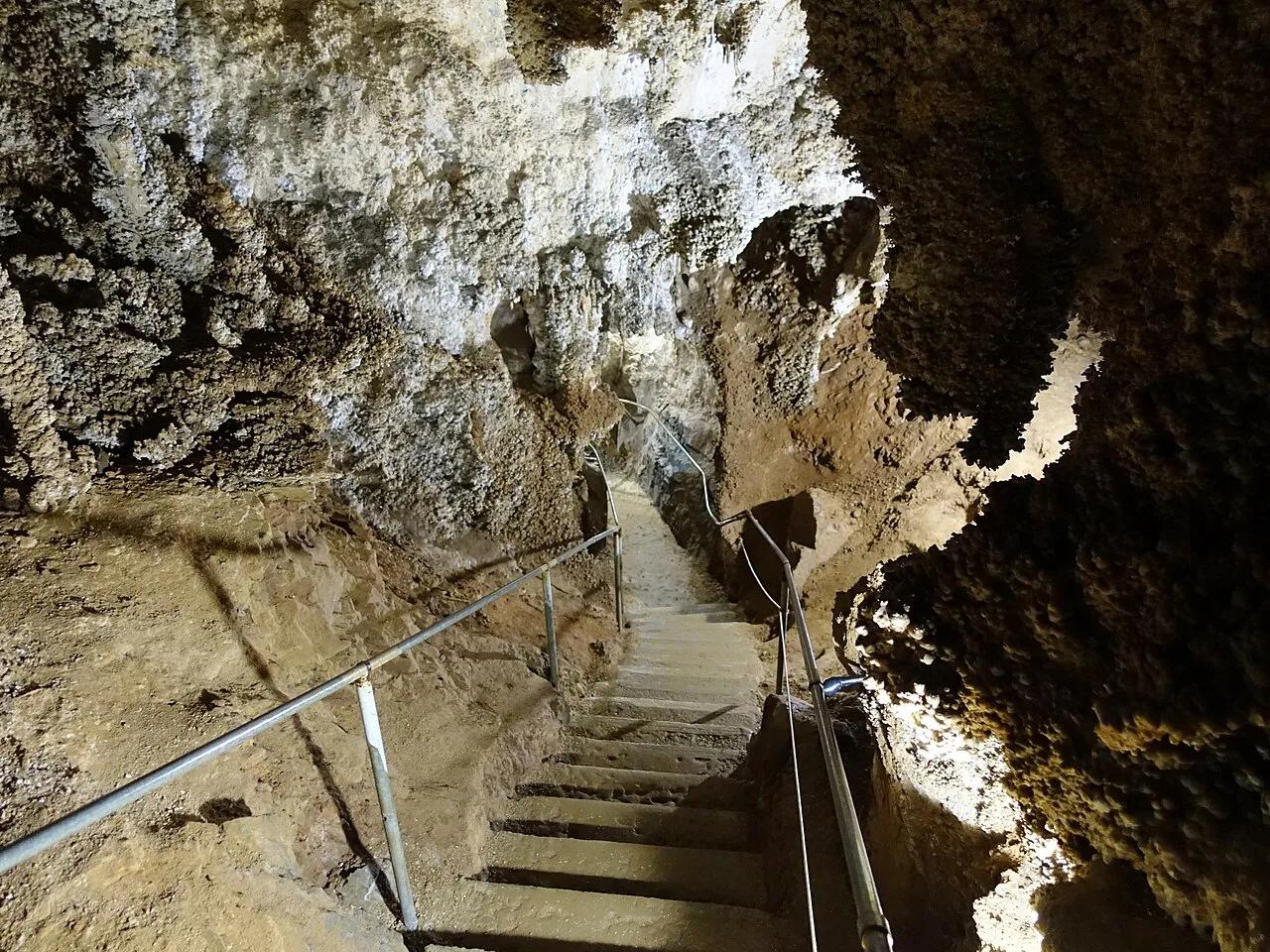
Last updated November 2026. Grotte Is Zuddas, also called the Is Zuddas Caves, is a show cave inside Monte Meana near Santadi in south-west Sardinia. Visitors walk about 500 m of lit path past stalactites and rare aragonite "eccentrics". Tour times change by season, so plan your arrival before you choose a day, and browse Sardinia's other show caves if you are building a cave itinerary.
Featured image: Olaf Tausch, CC BY 3.0, via Wikimedia Commons.
Grotte Is Zuddas at a Glance
Grotte Is Zuddas sits at Località Is Zuddas, 09010 Santadi, in the Sulcis region. Monte Meana rises to 237 m and is made of dolomite rock about 530 million years old. Water still shapes the cave, and the lit route covers about 500 m of a cave roughly 1,650 m long. Every visit is a guided walk in a group, so you cannot wander freely.
| Question | Short answer |
|---|---|
| What is it? | A show cave of stalactites, stalagmites and aragonite crystals |
| Where? | Località Is Zuddas, Santadi (SU), south-west Sardinia |
| Visit format | Guided walk of about 500 m, usually about 1 hour |
| Inside conditions | Constant 16 °C, humidity near 100% |
| Open to visitors since | 1985 |
| Confirm before you go | Current tour times, ticket price, English-language tours |
What You'll See Inside
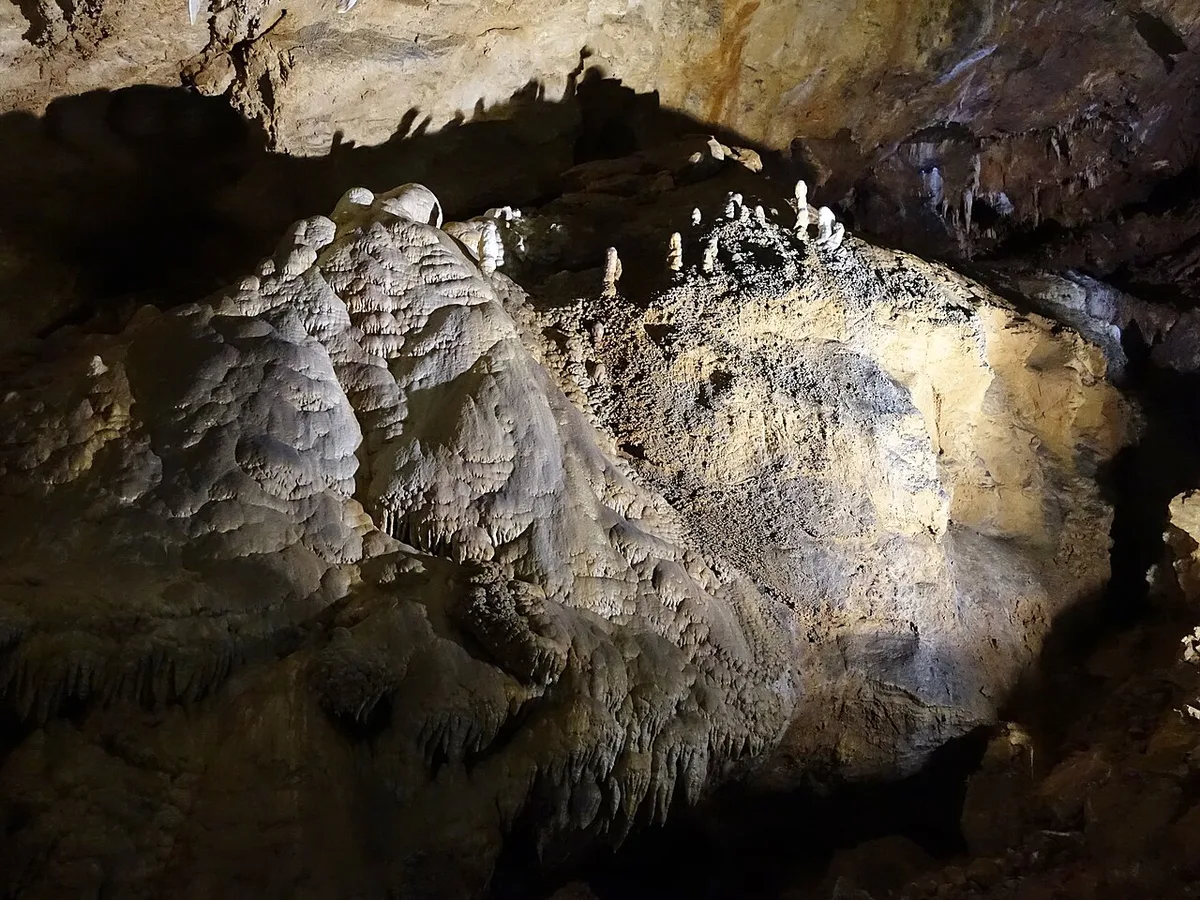
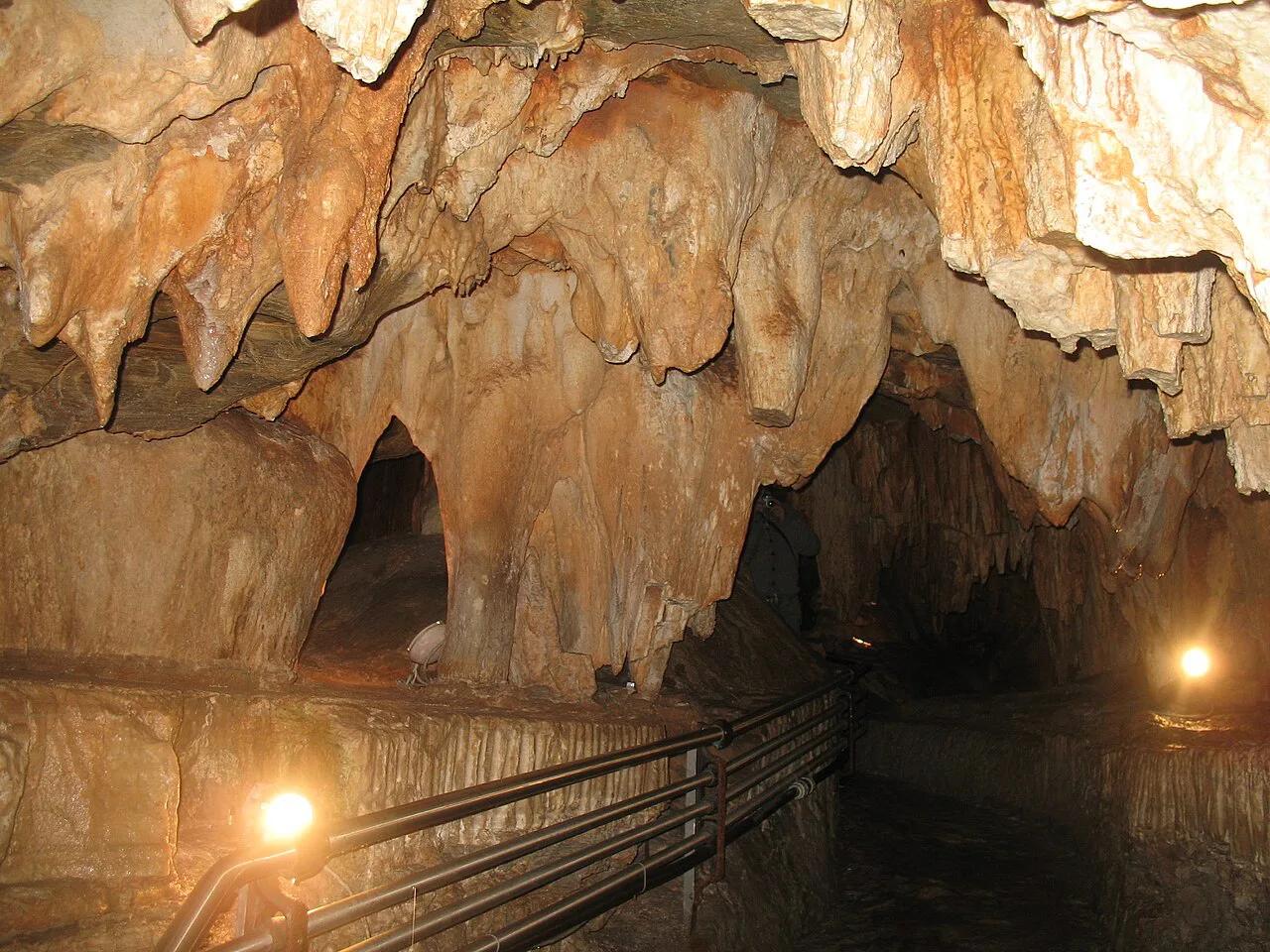
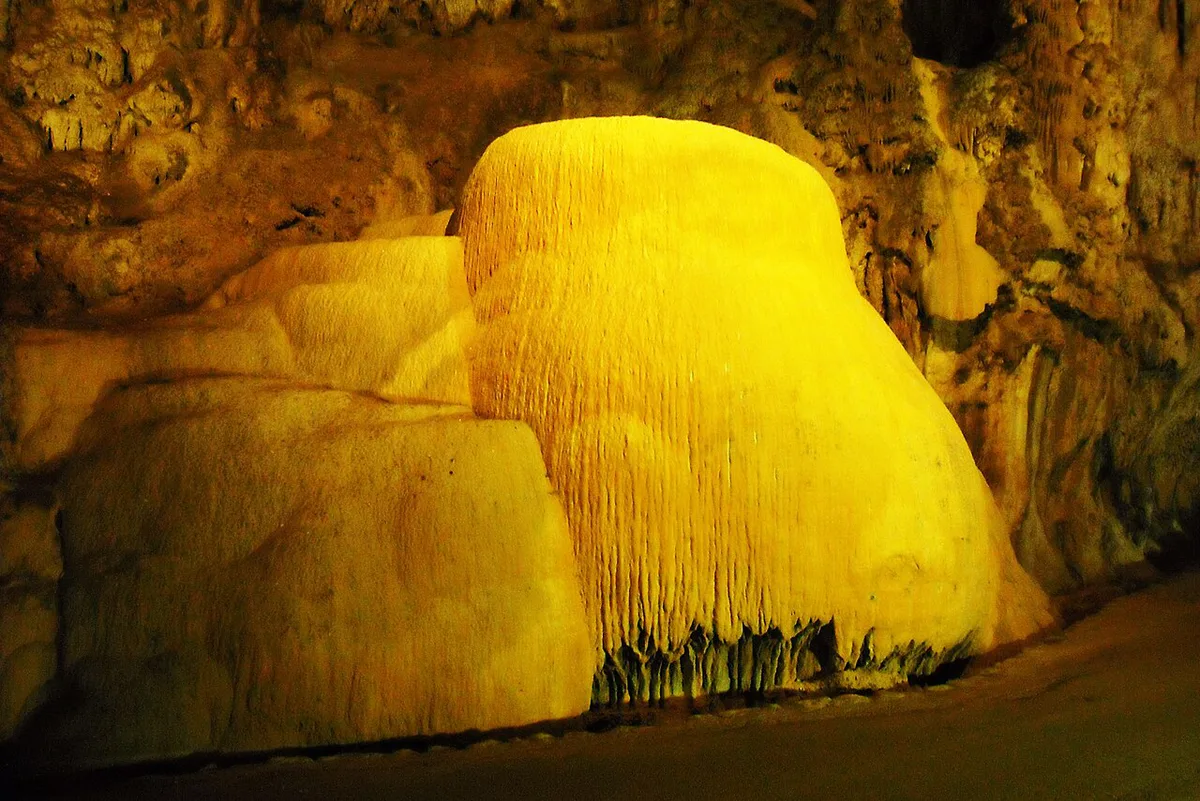
Your guide leads you through a chain of electrically lit halls. Early rooms include the Sala della Collata, the Sala della Medusa and the Sala delle Erosioni. Next comes the Sala dell'Organo, named for a huge column that resembles an organ pipe. From there the route reaches the Sala del Teatro, a large chamber densely decorated with formations, and the Sala delle Eccentriche, the highlight of the tour.
- Sala dell'Organo: an organ-pipe column with cave coral at its foot, plus soda straws and aragonite.
- Sala del Teatro: the first part found in 1971, with a deep shaft on one side.
- Sala delle Eccentriche: the room where aragonite is most concentrated.
Tickets, Opening Hours and Booking
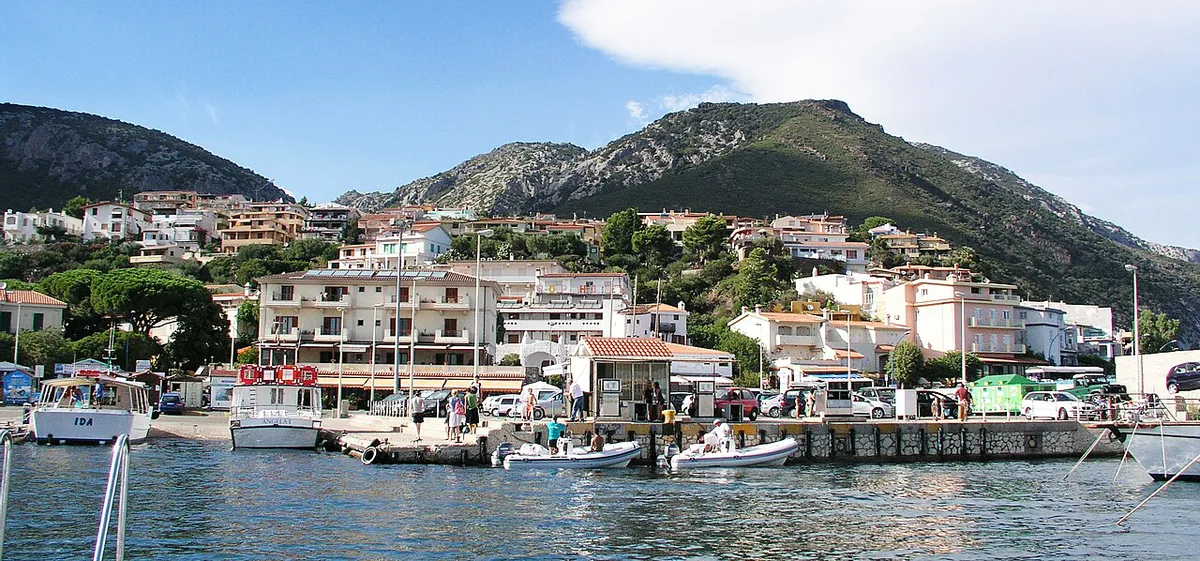
Tours run at set times that change four times a year. A 2023 listing on showcaves.com gave adult tickets at €12, children aged 6-12 at €8 and under-6s free. Treat those as a baseline, because prices may have moved since then. Ask the operator for the current rate and tour times through the official site, which also has a booking button.
| Period (2023 listing) | Visiting pattern |
|---|---|
| Mid-April to mid-June | Daily tours at 11:00, 12:15, 15:00, 16:15 |
| Mid-June to mid-September | Daily, continuous window 10:00-12:15 and 14:30-18:00 |
| Mid-September to mid-October | Daily tours at 11:00, 12:15, 15:00, 16:15 |
| Mid-October to mid-April | Mon-Sat 12:00 and 16:00; Sun and holidays 11:00, 12:15, 15:00, 16:15 |
How to Get There from Cagliari and the South Coast
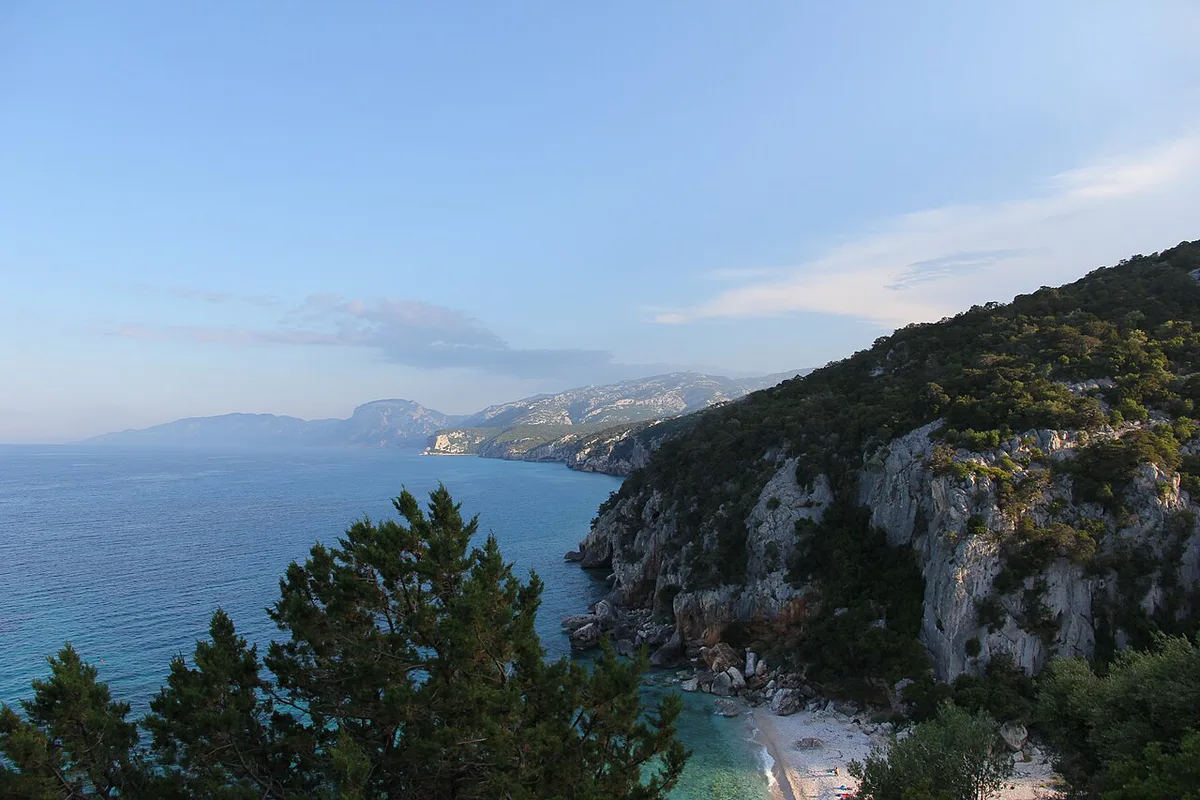
Driving is the practical option. From Cagliari, follow the SS195 toward Teulada and turn onto the SP70. Another route leaves the SS293 between Siliqua and San Giovanni Suergiu, turns off at Is Pireddas toward Santadi, then follows the SP70 toward Teulada. The cave entrance lies about 6 km (under 4 miles) from Santadi and about 15 km (roughly 9 miles) from Teulada. A signed access road leads to a car park below the entrance, and the ticket office and a restaurant stand beside it. Public transport to the site is limited, so do not plan a bus-only day. Use coordinates 39.045664, 8.706650 in your navigation app if signs are unclear.
Self-Drive or Tour? A Decision Guide
Private tours from Chia also include the cave. One listing runs about 4 hours, and a full-day version pairing the cave with Porto Flavia runs 6 to 8 hours. Treat those figures as indicative and confirm what is included before you book. Pick by how you travel.
| Traveler | Best option | Time | Cost level | Flexibility |
|---|---|---|---|---|
| Rental car, any base in the south | Self-drive | Short drive, then a 1-hour tour | Lowest: fuel, parking, ticket | High; you choose the slot |
| No car, based in Cagliari | Private tour from Chia | About 4 hours | Highest per person unless split | Low; fixed itinerary |
| Cruise visitor on a tight schedule | Private tour with pickup | Half or full day | Higher; transport is included | Low, but easier to time |
| Travelers wanting a second stop | Full-day tour with Porto Flavia | 6-8 hours | Highest | Low |
Plan Your Day: Pairing Is Zuddas With Other Stops
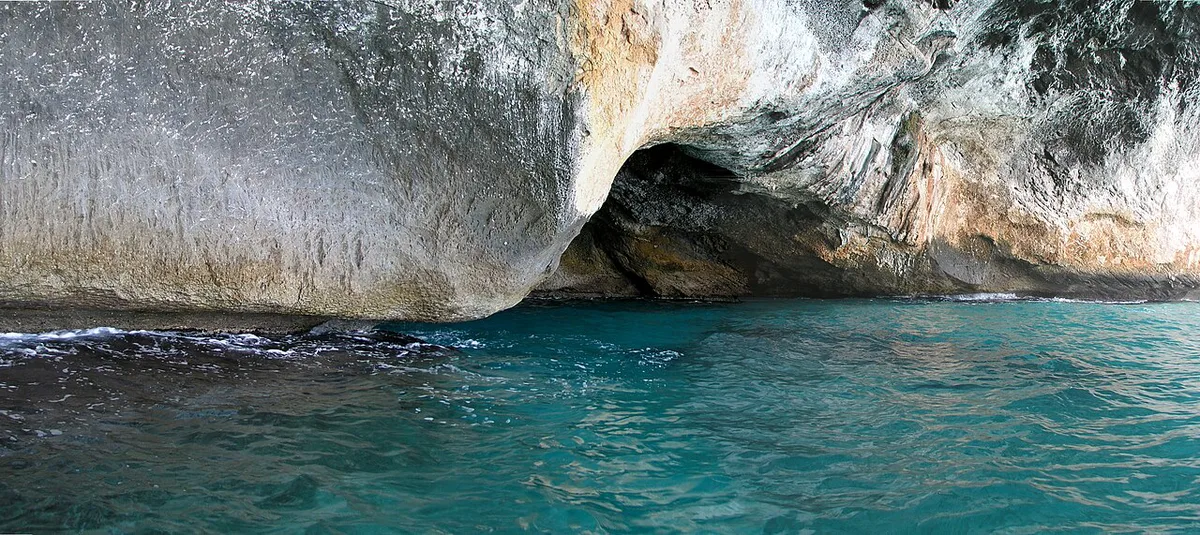
Porto Flavia is the pairing offered by the full-day private tour, which makes it the most obvious second stop. Pair them if you have a full day and a driver or a guide. Check Porto Flavia's own visiting rules before you commit, and do not assume you can fit both into an afternoon on your own. Santadi itself is also worth a short stop. Local sights in the Sulcis countryside include the nuragic sanctuary of Su Benatzu and the Pani Loriga archaeological site. Carignano wine tastings around Santadi suit travelers with a day to spare. For caves, the contrast between this dry karst show cave and boat-access grottoes is easy to see in our guide to Sardinia's sea caves.
Pairing the cave with Porto Flavia on one full-day tour runs 6 to 8 hours, far beyond the roughly one-hour walk inside.
Practical Tips: What to Wear, Photos, Families
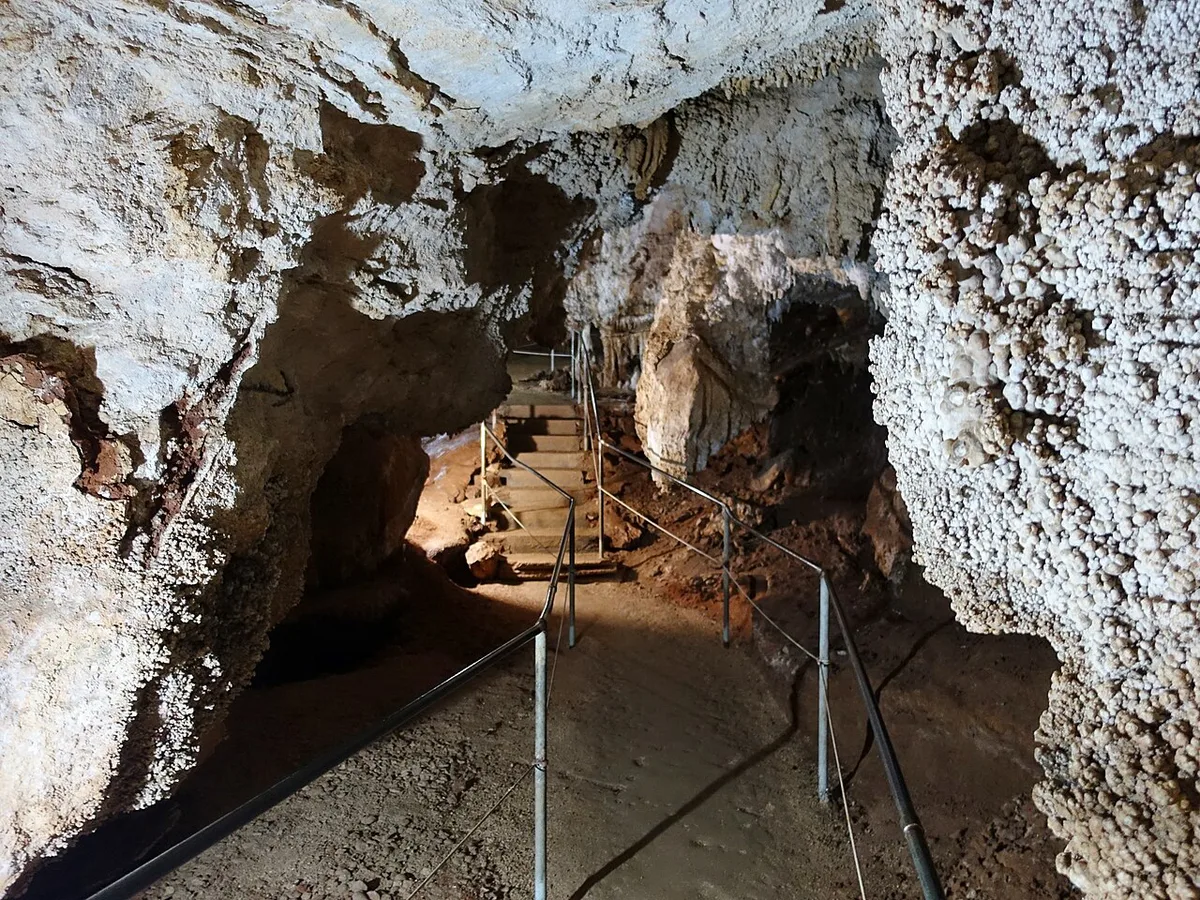
Inside, the air stays at 16 °C with humidity near 100%, even in August. Bring a light jacket and wear shoes with good grip, because damp paths can be slippery. Photography without flash or a tripod is allowed. Never touch the formations, since aragonite crystals are delicate. Children aged 6 to 12 have their own ticket category, and under-6s were listed as free in 2023. Expect steps and uneven ground, so strollers will struggle. Ask the operator directly about mobility access before you arrive.
Under the 2023 listing, spring and autumn departures leave at 11:00, 12:15, 15:00, 16:15, so check those slots before driving over.
- Mistake to avoid: arriving between tour slots in spring or autumn and waiting for the next departure.
- Mistake to avoid: assuming summer hours apply outside summer.
- Mistake to avoid: expecting English commentary without asking first.
- Seasonal extra: a Christmas nativity has been set up in the Sala dell'Organo, so ask whether it runs this year.
Other Caves in Sardinia Worth Comparing
Sardinia has several show caves, and each suits a different trip. Is Zuddas is the one for aragonite and for a base in the south. Our guide to Bue Marino's sea cave covers the coastal option. Another page covers Ispinigoli's dry cave near Dorgali. A third guide explains Su Marmuri's cave tour at Ulassai. If you want more routes beyond Sardinia, Caves in Sicily: Types to Visit and How to Plan make a natural next step.
| Cave | Area | Setting | Best for |
|---|---|---|---|
| Grotte Is Zuddas | Santadi, south-west | Dry karst show cave | Aragonite eccentrics, trips from Cagliari |
| Grotta del Bue Marino | Dorgali area, east | Sea cave | Boat-access cave visits |
| Grotta di Ispinigoli | Dorgali area, east | Dry karst show cave | Visitors based on the east coast |
| Grotta Su Marmuri | Ulassai, east | Karst show cave | Visitors exploring inland Ogliastra |
Why the Aragonite Eccentrics Matter
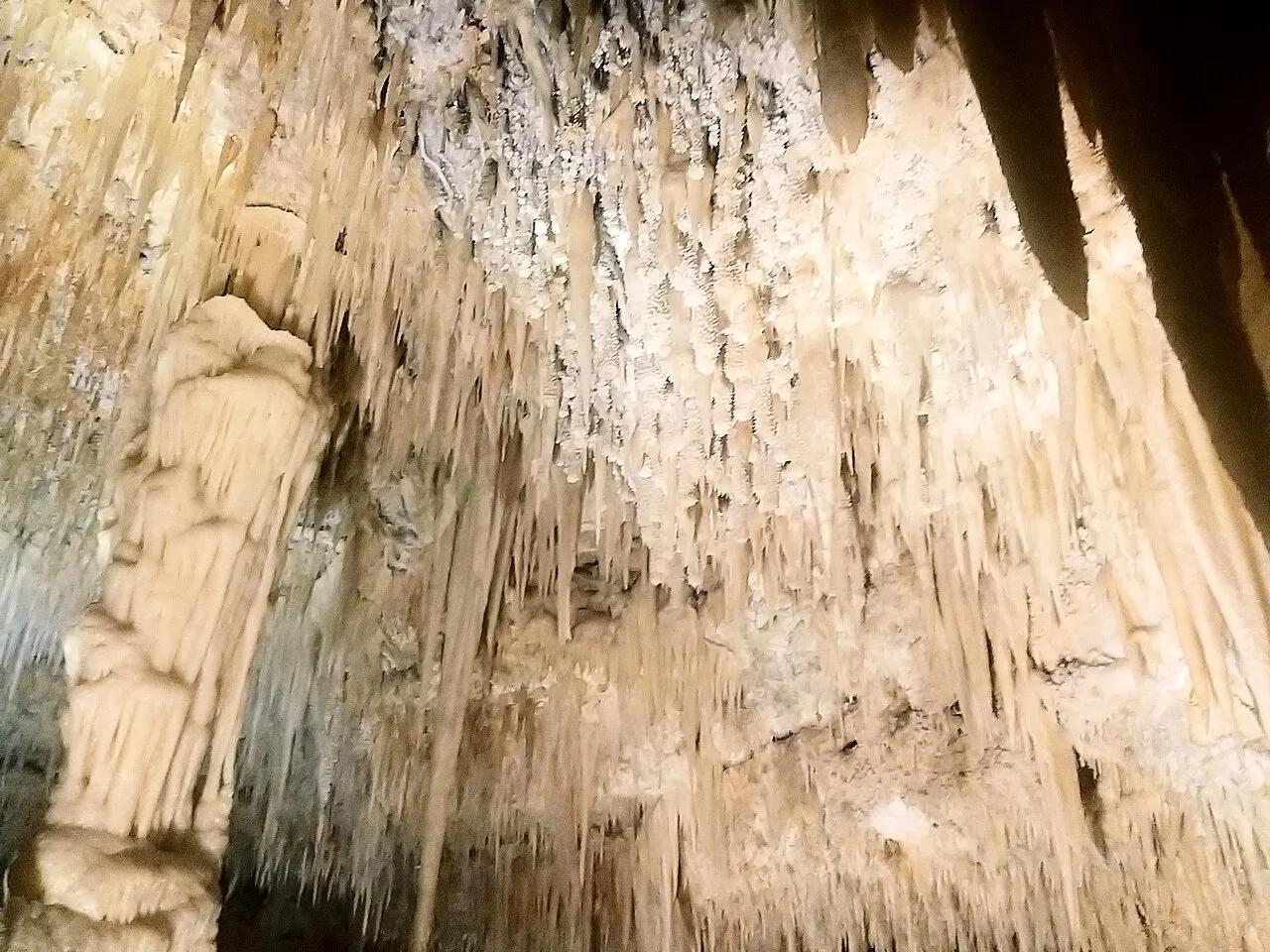
The Sala delle Eccentriche is the cave’s defining room. Its aragonite formations grow in unusual directions instead of hanging straight down like ordinary stalactites. Fine needle-like crystals are often called cave flowers. Helictites are twisted formations that seem to defy gravity as they branch sideways or upward.
Is Zuddas has an exceptional concentration of these aragonite eccentrics in one chamber. The operator describes that concentration as unique in Italy. The cave’s 16 °C temperature and near-100% humidity help explain why this is a delicate environment. Do not touch the crystals, even for a photograph.
The guided route covers about 500 m, so the visit is not a long expedition. Take time in the Sala delle Eccentriche to look closely at the forms rather than only photographing the larger columns. Flash photography is not allowed, which also protects the formations from unnecessary disturbance.
For trip-planning details, see Sardegna Turismo.
Notes for your next trip underground
Optional updates when we add or revise cave and underground guides.
More guides
More guides you'll find useful