Rammelsberg Mine Guide: Tours, Tickets and Getting There
Plan a Rammelsberg Mine visit in Goslar: which tour to choose, how to get there, what to expect underground, and how long to allow.
Last updated November 2026: this guide to Rammelsberg Mine covers a UNESCO-listed former silver, copper and lead mine above Goslar in Lower Saxony. Mining stopped on 30 June 1988, and the site is now a museum and visitor mine where you go underground only on a guided tour. Expect 10–12°C, rails and timber, and no stalactites.
Featured image: Slaunger, CC BY-SA 4.0, via Wikimedia Commons.
Rammelsberg Mine at a Glance
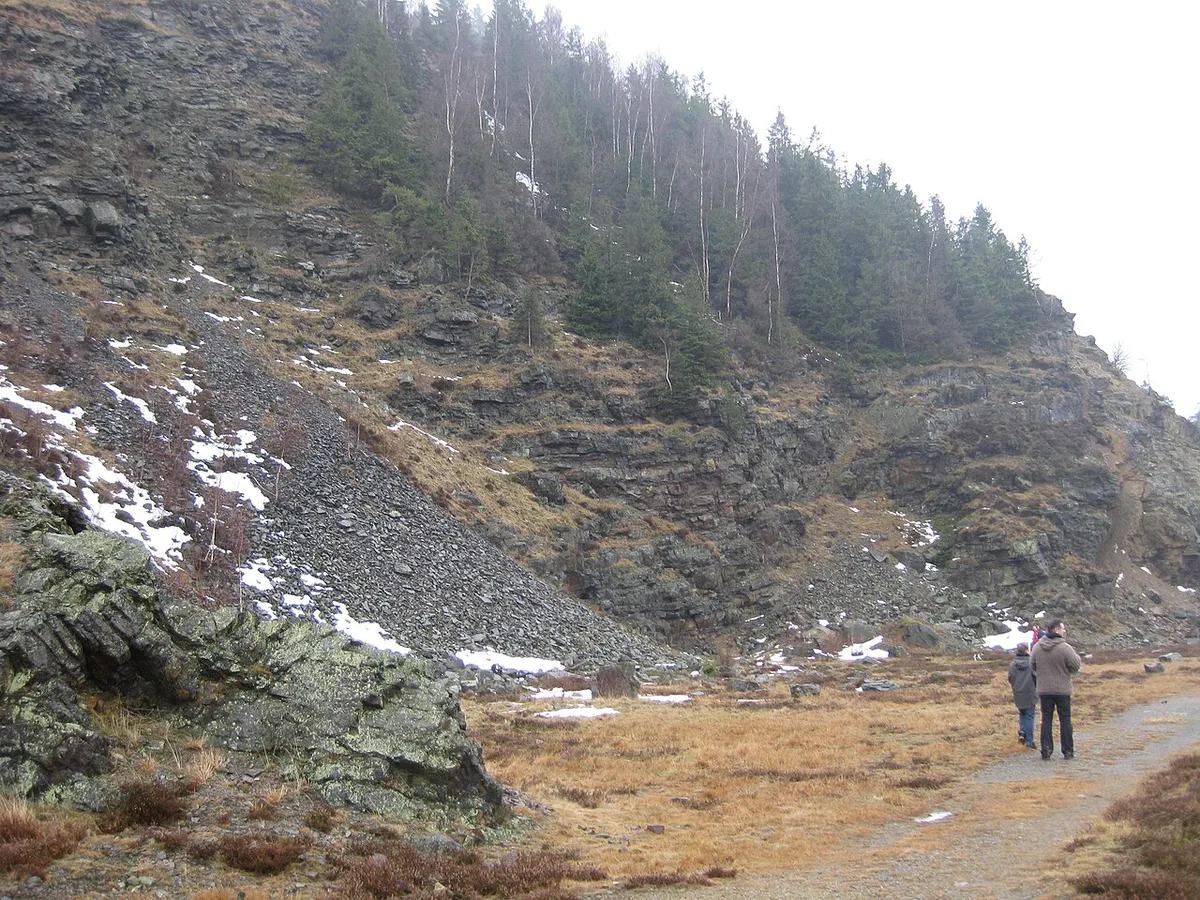
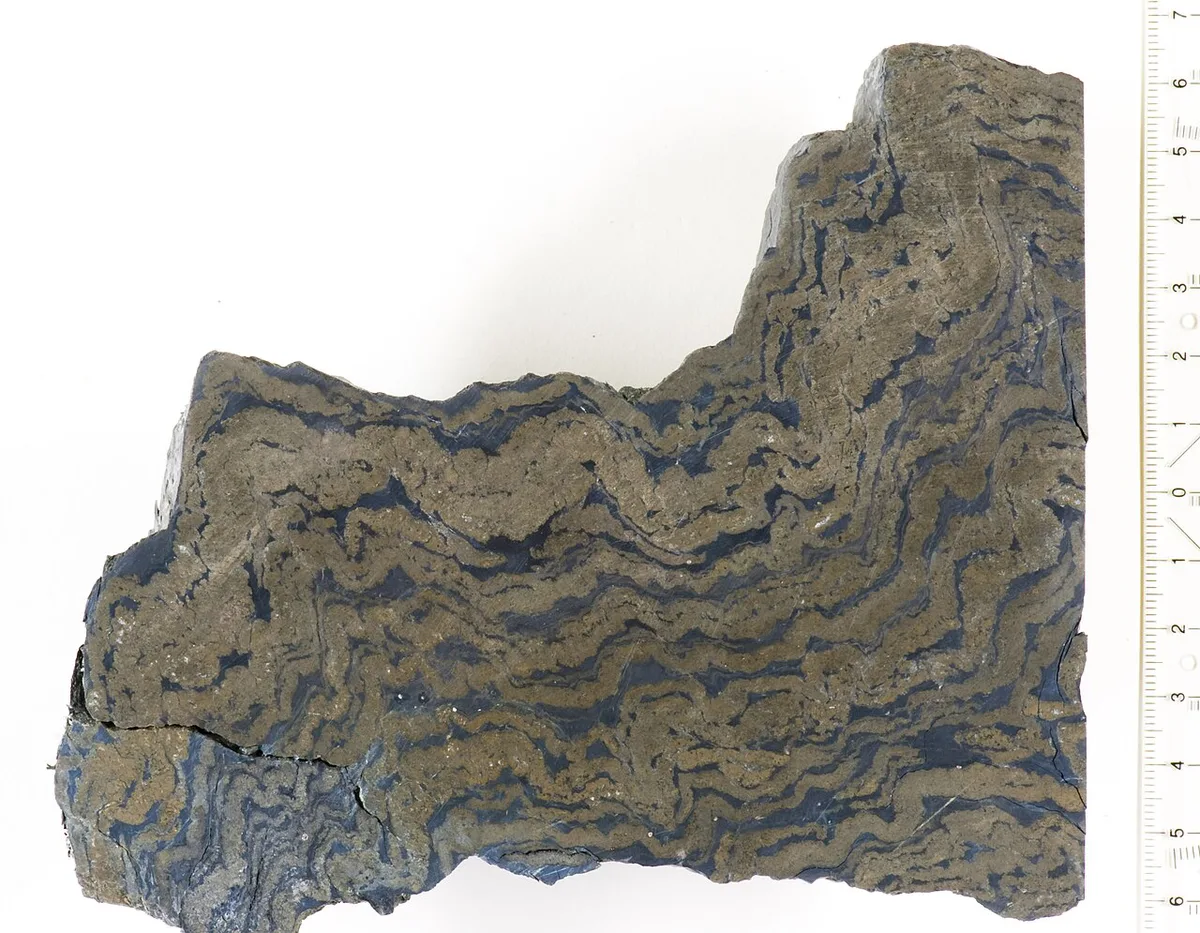
Rammelsberg Mine sits at Bergtal 19, 38640 Goslar, on the northern edge of the Harz just south of Goslar's old town. The mountain is 635 m high. Mining here ran for more than 1,000 years, and about 30 million tonnes of ore came out before closure in 1988. UNESCO inscribed the mine together with Goslar's old town in 1992. A 2010 extension added the Upper Harz Water Management System, Walkenried Abbey and Samson Pit. Official visitor information, tours and booking are on the Rammelsberg Museum and Visitor Mine site.
- Mine, not cave: the tunnels were cut by hand and machine to reach ore, so the walls are rough rock, timber and iron rather than limestone formations.
- Temperature: 10–12°C underground, similar to a show cave, so bring layers.
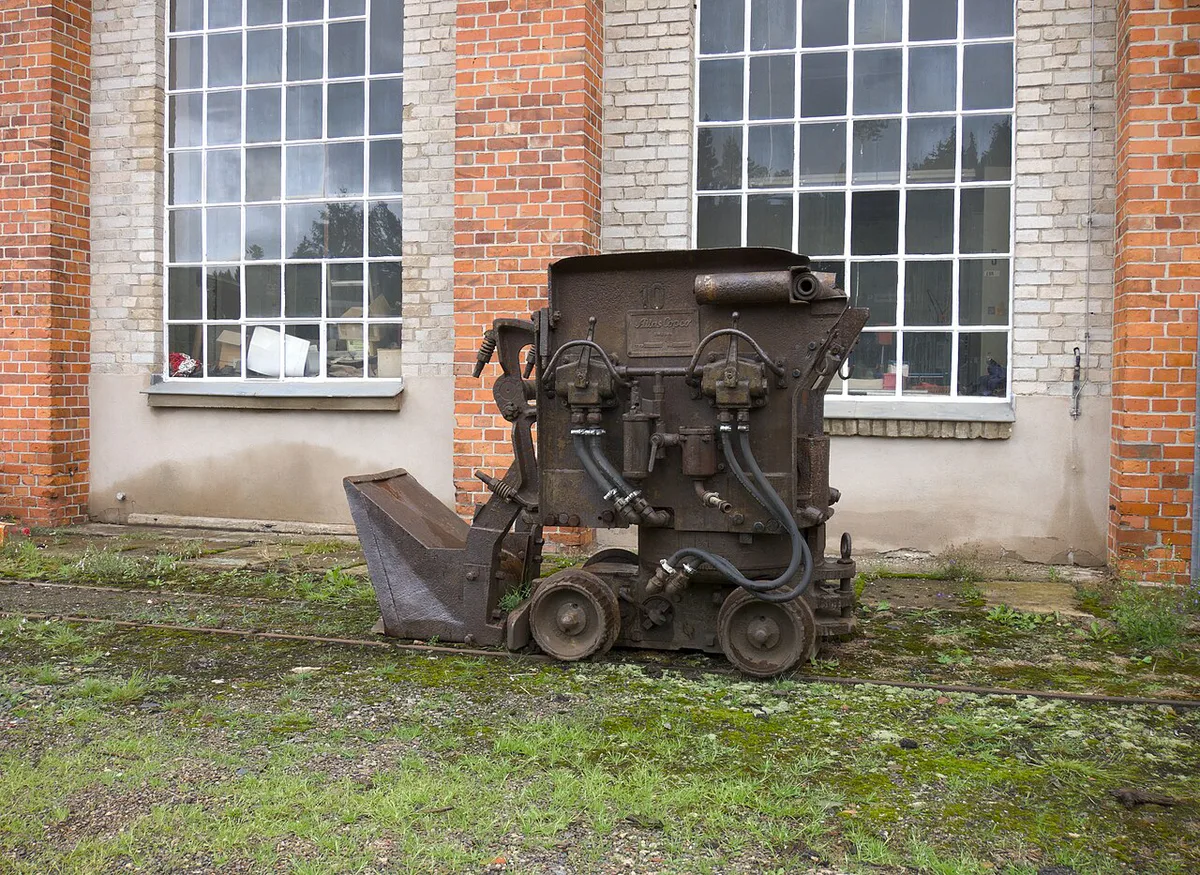
- What you see: rails, trolleys, water wheels, wooden drainage systems and ore-processing buildings.
- The story: a thousand years of miners, from medieval silver to 20th-century industrial expansion.
Mine, Not Cave: What to Expect Underground
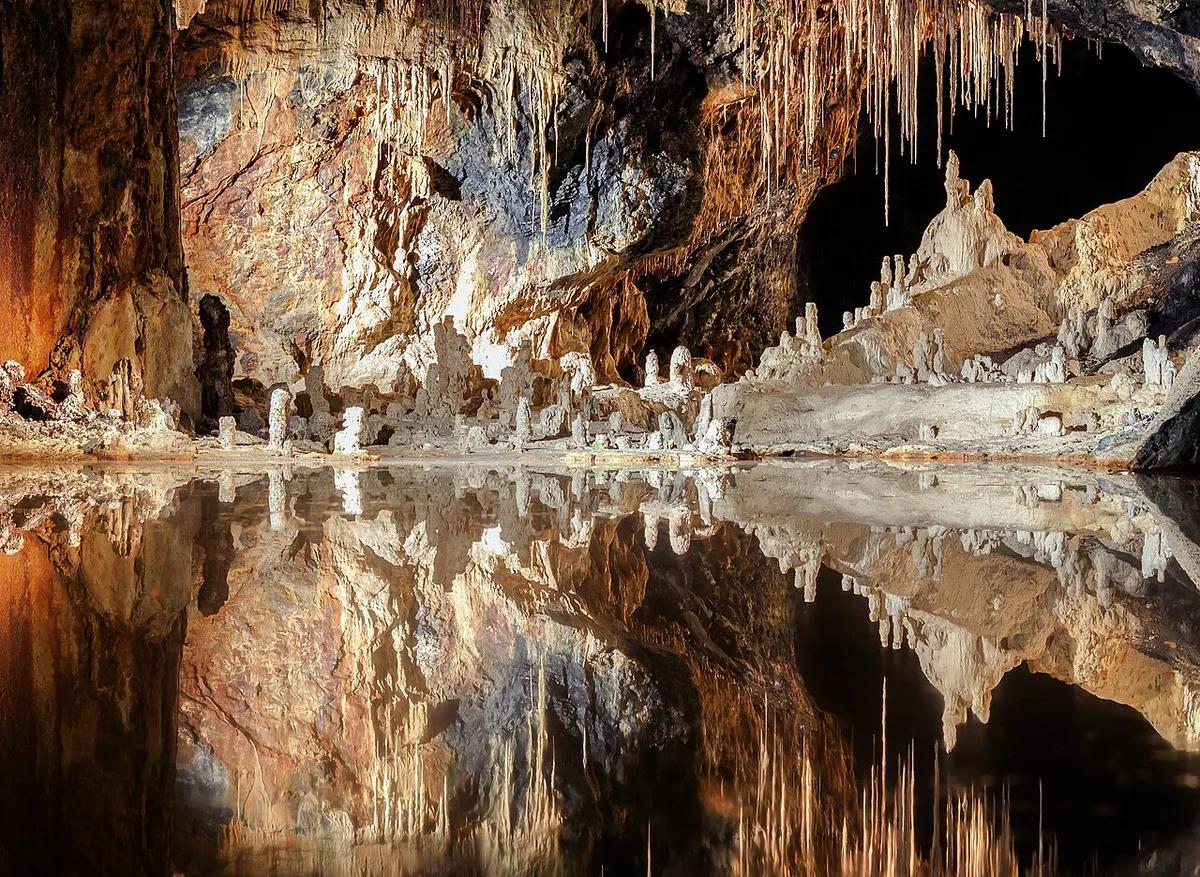
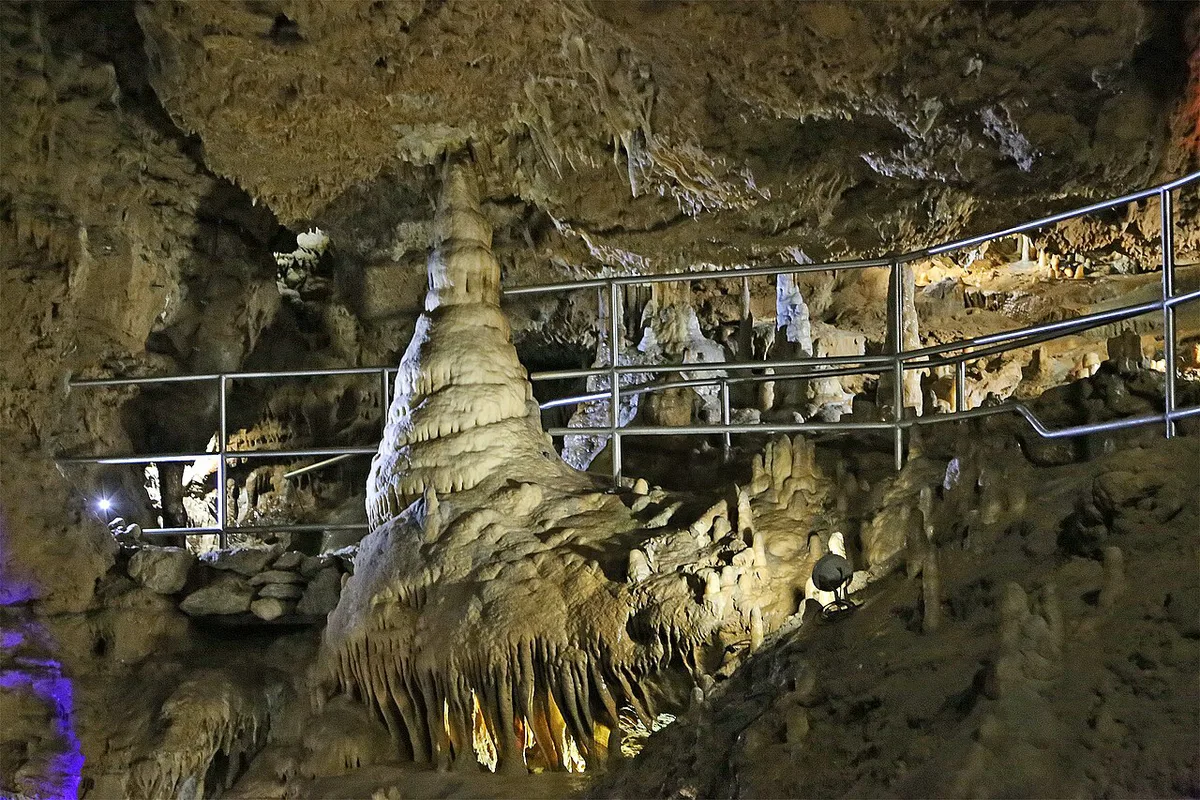
Readers arriving from our German show caves guide should reset expectations. A limestone cave is shaped by water over millennia and shows dripstone, lakes and chambers. Rammelsberg is a working mine that people dug for ore. The drama comes from tools, tunnels and engineering, not from natural formations. Water still drips from beams in places, and the air stays cold all year at about 10–12°C. Sturdy shoes and a jacket matter more than a camera lens. If the human story of labour appeals to you, this visit is among the strongest underground experiences in northern Germany.
Which Rammelsberg Tour Should You Choose?
Underground areas open only through guided tours. Surface buildings and the museum can be explored on your own with a museum ticket. Pick tours by what you want to see and how much walking you can manage. Times, languages and age limits change by season, so match the table below against the official tour page before you book.
| Tour | What you see | About how long | Physical demand | Best for |
|---|---|---|---|---|
| Mine train tour | Narrow-gauge ride into the mountain and a miner's working day | Check official page | Little walking; minimum age 4 | Less mobile visitors, first-timers |
| Roeder Stollen Gallery | Water-powered wheels and channels over 200 years old | Check official page | Cold, about 12°C or lower; minimum age 4 | Engineering fans |
| Inclined elevator tour | Ride uphill for views and surface buildings | About 30 minutes | Low; reported wheelchair accessible, mostly in German | Short visits, wheelchair users |
| From Lump of Ore to Concentrate | Surface tour of the ore-processing plant | About 1.5 hours | Noisy with steep stairs; not for reduced mobility or very young children | Industrial architecture fans |
| Family tour ("Small becomes big!") | Surface buildings, then the Roeder Gallery, with games | About 1.5 hours | Moderate; weekends, usually German | Families with children |
| Rathstiefste Gallery | Medieval workings in a pre-booked group of 5–9 | About 4 hours | High; minimum age 14, not wheelchair accessible | Adventurous visitors |
What You Will See: Underground and Above Ground
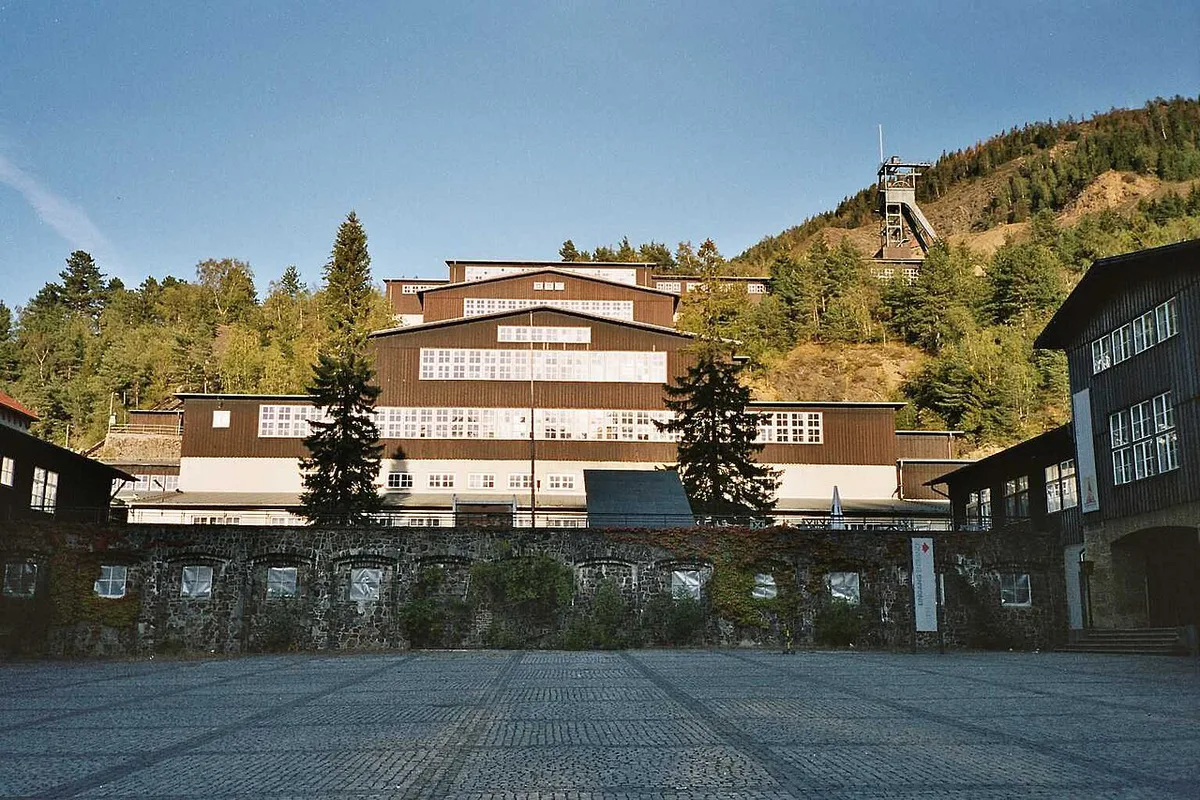
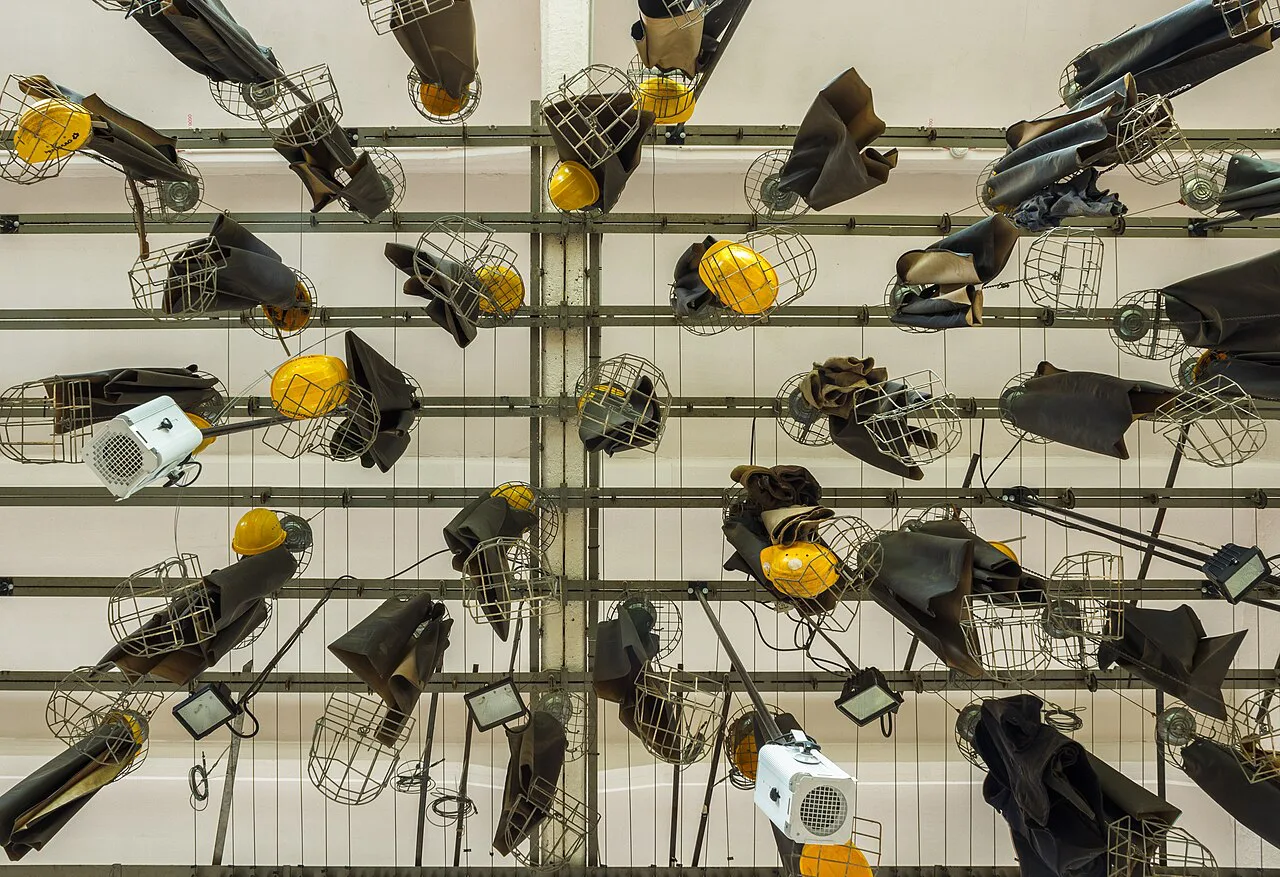
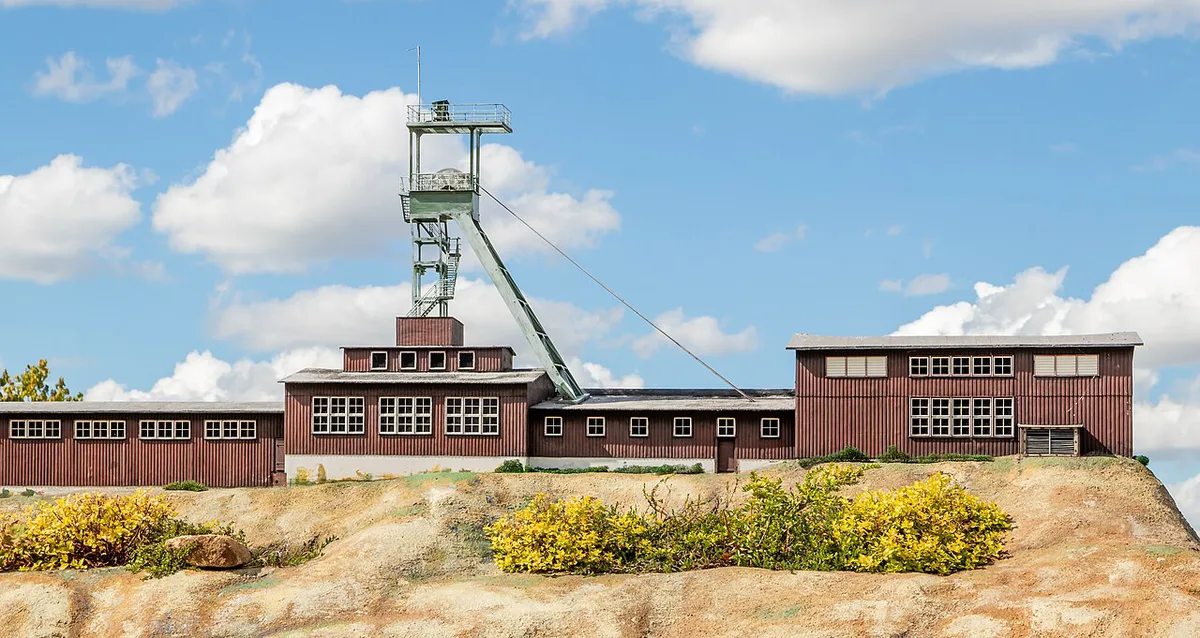
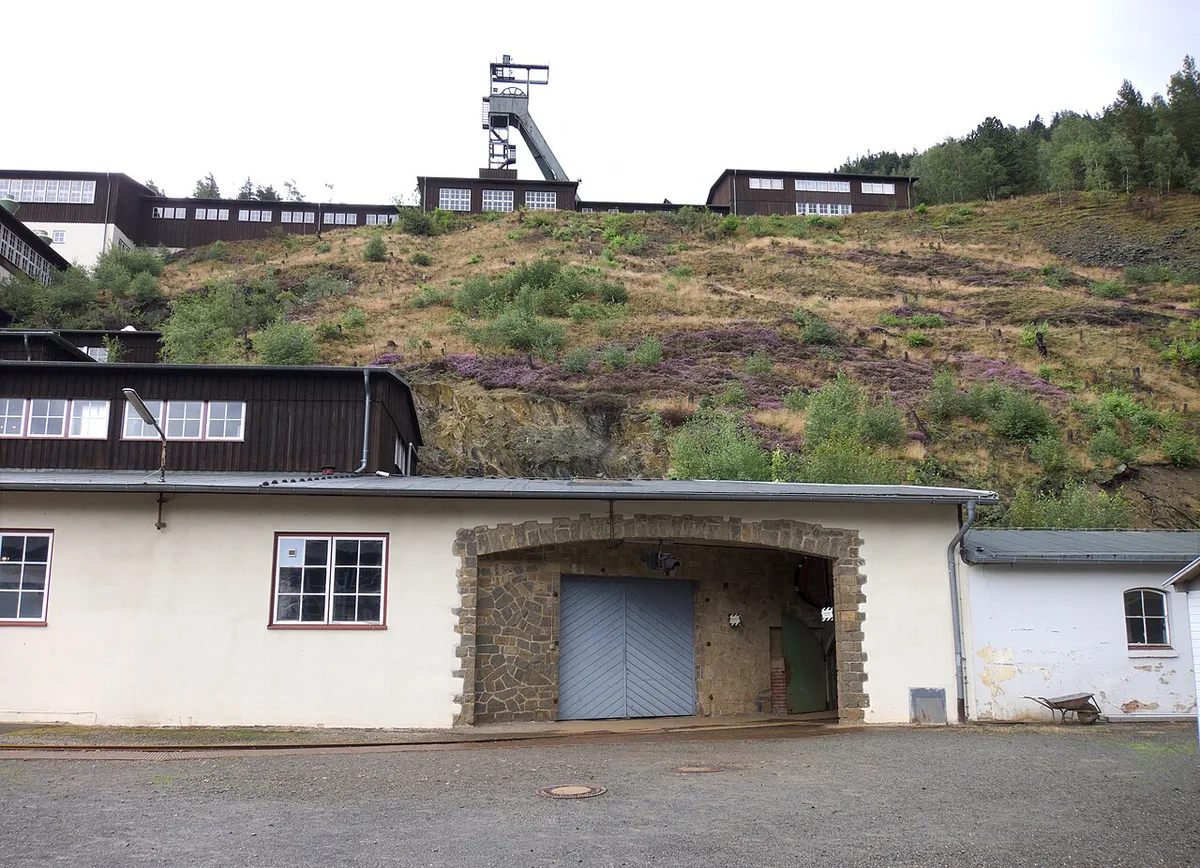
Start with the underground highlights. The Roeder Stollen Gallery follows the path of water through wheels and channels that drove mining machinery for more than 200 years. The mine train rattles through dark tunnels and stops at points that show where miners ate, drilled and loaded ore. Above ground, the hillside ore-processing plant dates from the 1930s expansion. Its architects, Fritz Schupp and Martin Kremmer, also designed Zollverein in the Ruhr. Master Malter's Tower dates from about 1500 and is the oldest surviving above-ground mine building on the mountain. The Feuer gezäher Vault and the Rathstiefste Gallery belong to the older underground heritage. Herzberg Pond, created in 1561 to feed water wheels in dry spells, now serves as a woodland swimming pool.
Tickets, Opening Hours and Booking
Prices and hours checked November 2026. Rammelsberg is open daily. From November to March it runs 09:00–17:00 with a last tour at 15:30. From April to October it runs 09:00–18:00 with a last tour at 16:30. It closes on 24 and 31 December. Tickets come as museum only, or museum plus 1, 2 or 3 tours. Reported adult prices run from €10 for the museum alone to €21 with one tour, €30 with two and €37 with three. Concession and child (4–17) rates are lower, from €5.50 for a child museum ticket. Each extra tour costs far less than the first, so a second tour is usually good value. The Rathstiefste Gallery is priced separately, at roughly €115 or €103 in recent listings, and needs a pre-booked group of 5–9.
- English tours: availability depends on the tour and the day, so contact the site before you travel and do not assume an English guide.
- German-language fallback: you can still join a German tour and see the same rooms, though you will miss the commentary.
- Rathstiefste Gallery: book through the official booking page, because dates are limited.
How to Get to Rammelsberg From Goslar
By public transport, take a train to Goslar and then bus 803 or 830 to the mine. The ride takes about 30 minutes. The World Heritage Shuttle, line 809, runs about every 30 minutes from the Goslar information centre on the market square. Reports say it is free with the HATIX guest card or for overnight guests in Goslar, so confirm that with Goslar tourism. By car, free parking sits close to the museum buildings, including a couple of disabled spaces. A car saves time if you plan to add other Harz sites on the same day.
How Much Time to Plan
Allow at least 2 hours for a museum ticket plus one tour. A fuller visit with two tours fills a half day. A full day, with the processing plant tour and a second underground tour, fits the museum and an on-site break. Last tours leave at 15:30 in winter and 16:30 in summer, so arrive early to avoid missing the cutoff.
A full day with two underground tours and a break runs 6–7 hours, which is the time to budget for the €30 two-tour ticket.
| Plan | Includes | Time | Ticket type |
|---|---|---|---|
| Quick visit | Museum plus mine train or Roeder Stollen | About 2–3 hours | Museum plus 1 tour |
| Half day | Museum, one underground tour and the inclined elevator | About 4 hours | Museum plus 2 tours |
| Full day | Museum, processing plant tour (about 1.5 hours), two underground tours and a break at the on-site cafe | About 6–7 hours | Museum plus 3 tours |
- Goslar combo: spend the morning at the mine, then take bus 803 or 830 back for the old town and the Kaiserpfalz.
- Harz heritage combo: pair Rammelsberg with Walkenried Abbey or Samson Pit, and plan on a car for that day.
- Only one day in Goslar: choose one tour at the mine and keep the afternoon for the old town.
Accessibility, Kids and What to Wear
The site reports that about 70% of public areas are accessible or barrier-free. The inclined elevator tour is reported as wheelchair accessible, while the processing plant tour is not because of steep staircases. The minimum age for the mine train and Roeder Stollen tours is 4. The Rathstiefste Gallery requires age 14. Very young children may find the processing plant too noisy. Dogs are not allowed, except service dogs. Personal photography is allowed. Wear layers and sturdy shoes for temperatures of 10–12°C, and add waterproofs for the Rathstiefste tour.
With about 70% of public areas accessible, pick the inclined elevator over the processing plant if mobility is limited.
- Who should skip it: anyone who dislikes confined spaces, is sensitive to noise, brings children under 4, or depends on English narration.
- Good alternative for limited mobility: the mine train and the inclined elevator involve the least walking.
A Short History of 1,000 Years of Mining
Mining on the mountain is first recorded around 968, and Emperor Henry II had the Goslar palace built in 1005 near the silver. Goslar grew rich on silver, lead and copper over the following centuries. A major expansion came in 1936–37, which produced today's surface installations. Preussag closed the mine on 30 June 1988 after about 30 million tonnes of ore. A citizens' association then argued against demolition, and the site became a museum. UNESCO listed it in 1992. Hikers can also stamp checkpoint no. 91 of the Harzer Wandernadel network here.
Where to Stay in Goslar
Stay in the old town near the market square if you want walkable evenings and an easy start for the World Heritage Shuttle. A quieter edge-of-town base suits drivers who want free parking and an early arrival at the mine. Goslar is small enough that either option keeps you within one bus ride of Rammelsberg. Book early for weekends and December, and check current rates directly.
Rammelsberg vs Other German Mines and Caves
Rammelsberg suits visitors who want industrial heritage with a clear human story. For another underground working site, see our Salt Mines in Germany: Which to Visit and How to Choose guide. If you prefer natural formations, Barbarossahöhle is a limestone show cave. Baumannshöhle is another natural cave worth comparing for dripstone and chambers. Choose Rammelsberg for tools, water wheels and miners' stories, and a cave for stalactites.
Notes for your next trip underground
Optional updates when we add or revise cave and underground guides.
More guides
More guides you'll find useful