4 Best Salt Mines in Europe to Visit and How to Choose
Compare 4 salt mines in Europe, from Bochnia and Bex to Bad Friedrichshall and Cardona, with tips on stairs, tours and choosing the right one.

Last updated November 2026: the best salt mines in Europe are working or heritage mines you tour by train, on foot or by lift. Bochnia in Poland suits history fans, Bex in Switzerland gives a miners' train ride into a working mountain, Bad Friedrichshall in Germany suits travelers in the Heilbronn area, and Cardona in Catalonia adds a salt mountain. Larger names such as Wieliczka, Salina Turda and Berchtesgaden are outside this guide.
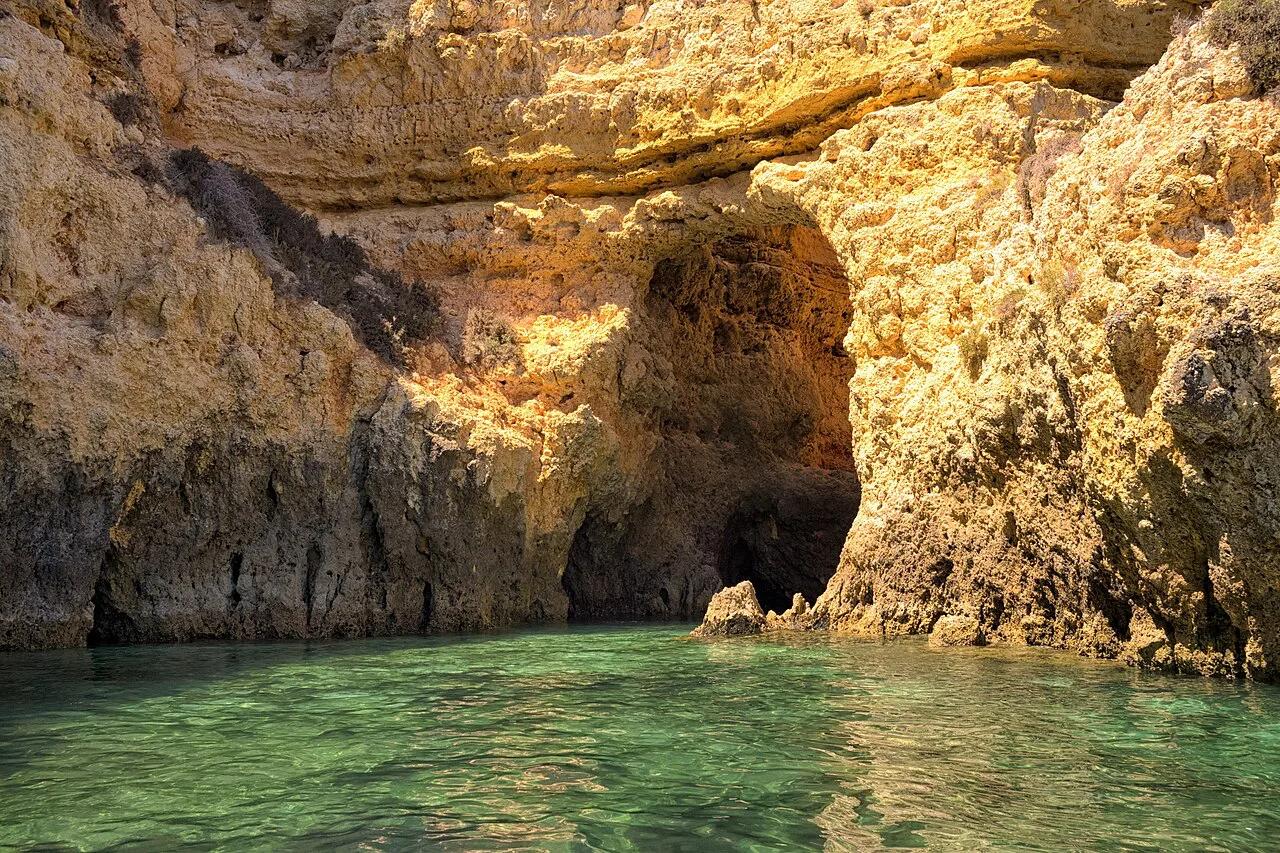
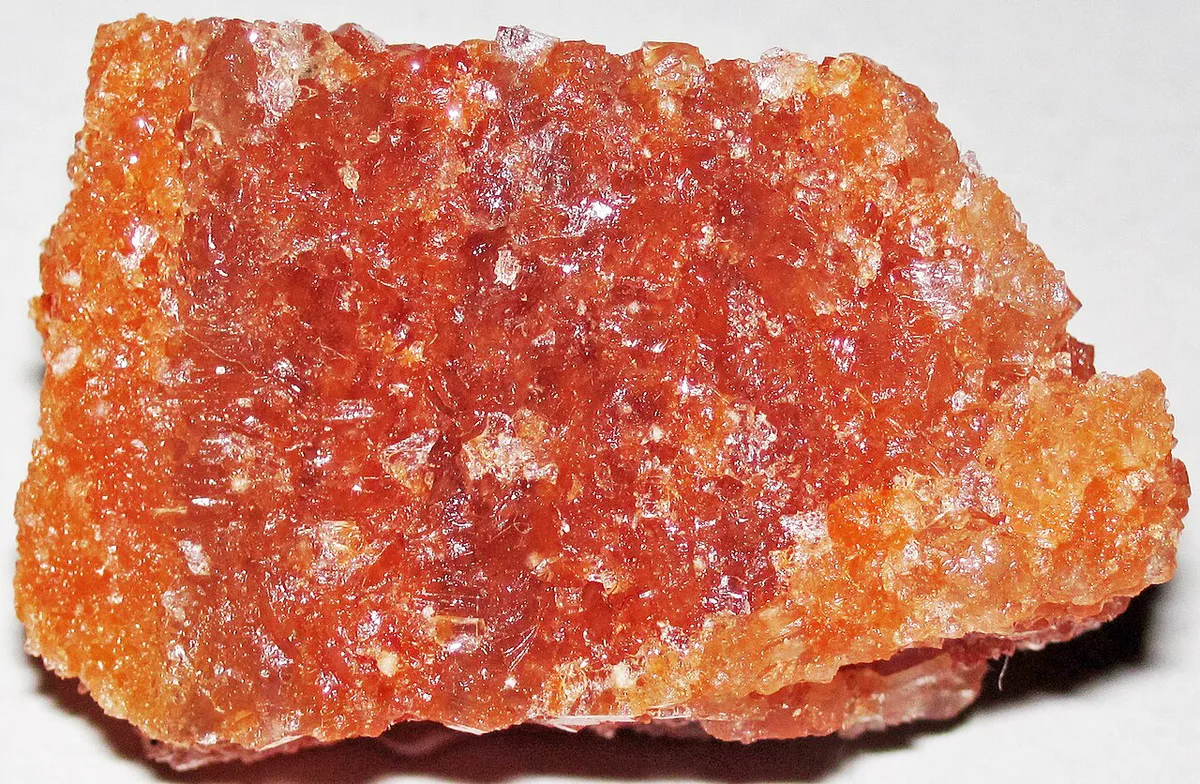
Featured image: myself (User:Piotrus), CC BY-SA 3.0, via Wikimedia Commons.
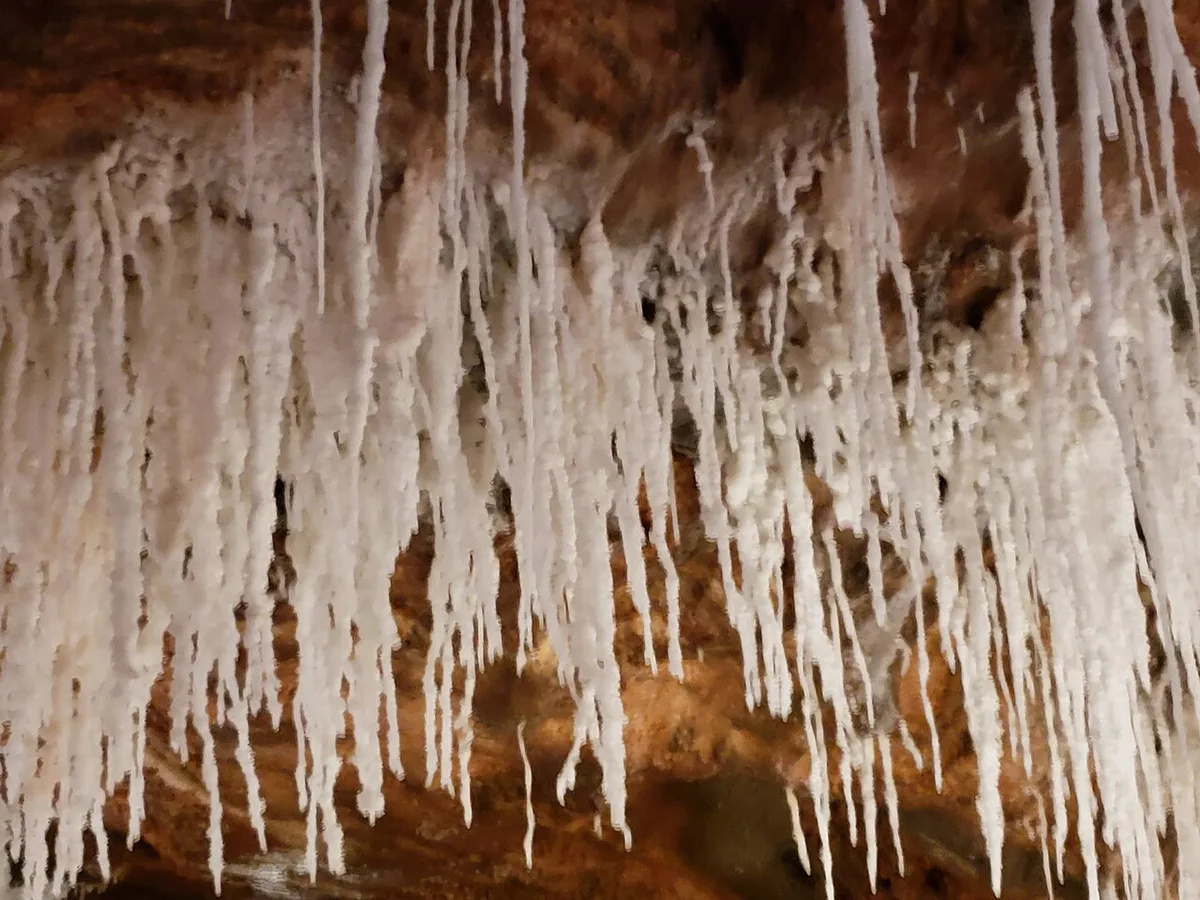
Salt mines in Europe at a glance
Bochnia is UNESCO-listed, and Bex has been mined since 1684. Use the table to match each mine to your trip. Details were checked November 2026, and ticket prices and tour times sit on each official site.
| Mine | Country | Nearest hub | Main draw | Visit type | Suits |
|---|---|---|---|---|---|
| Bochnia | Poland | Kraków area | Historic mining techniques, St. Kinga chapel | Heritage tour | History fans, quiet-seekers |
| Bex | Switzerland | Bex, Vaud | Miners' train into a working mine | Guided visit, about 2 hours | Families, rainy days |
| Salzwelten | Germany | Bad Friedrichshall | Former Kochendorf salt mine | Guided underground visit | Travelers in the Heilbronn area |
| Cardona | Spain (Catalonia) | Cardona | Salt mountain and guided underground visit | Guided tour | Road-trippers in Catalonia |
How to choose a salt mine
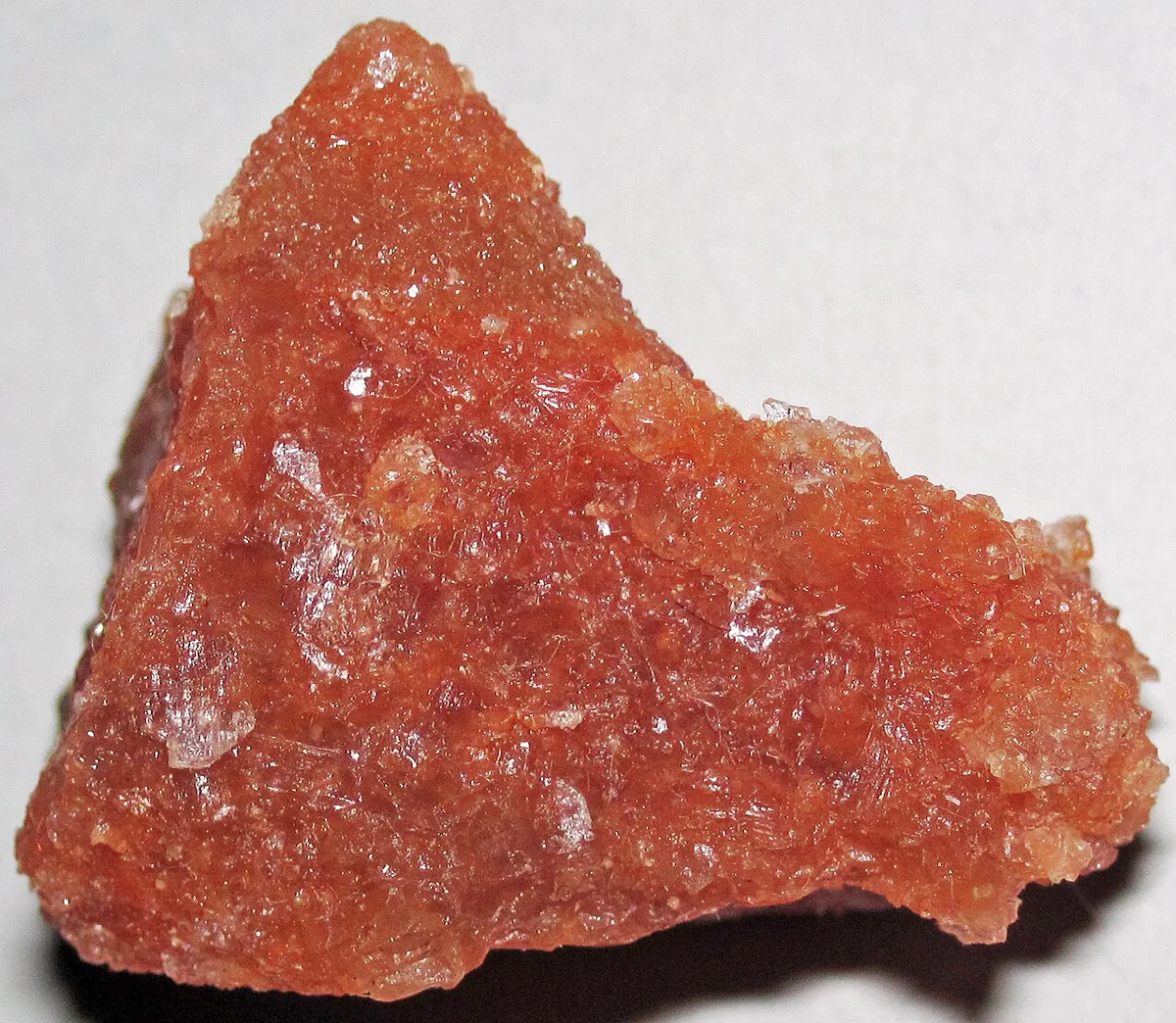
Start with the kind of visit you want. Bochnia teaches mining history, while Bex is a ride-in working mine with a train and a film. Check mobility next: Bex does not allow wheelchairs, walkers or pushchairs, and Bochnia involves stairs. Underground air is cool in every mine (a constant 18°C at Bex), so pack a warm layer and closed shoes. Book ahead in summer and on weekends, and look at tour languages before choosing a time: Bex runs mainly in French with audio in other languages. For guided departures, start with booking a guided descent. Plan around the nearest town in the table.
4 Salt Mines in Europe Worth Visiting
Each entry below covers what the mine is, why it earns a spot, and who should skip it. Bochnia is in the Kraków area, Bex in the Swiss canton of Vaud, Salzwelten in Baden-Württemberg and Cardona in Catalonia.
1. Bochnia Salt Mine, Poland
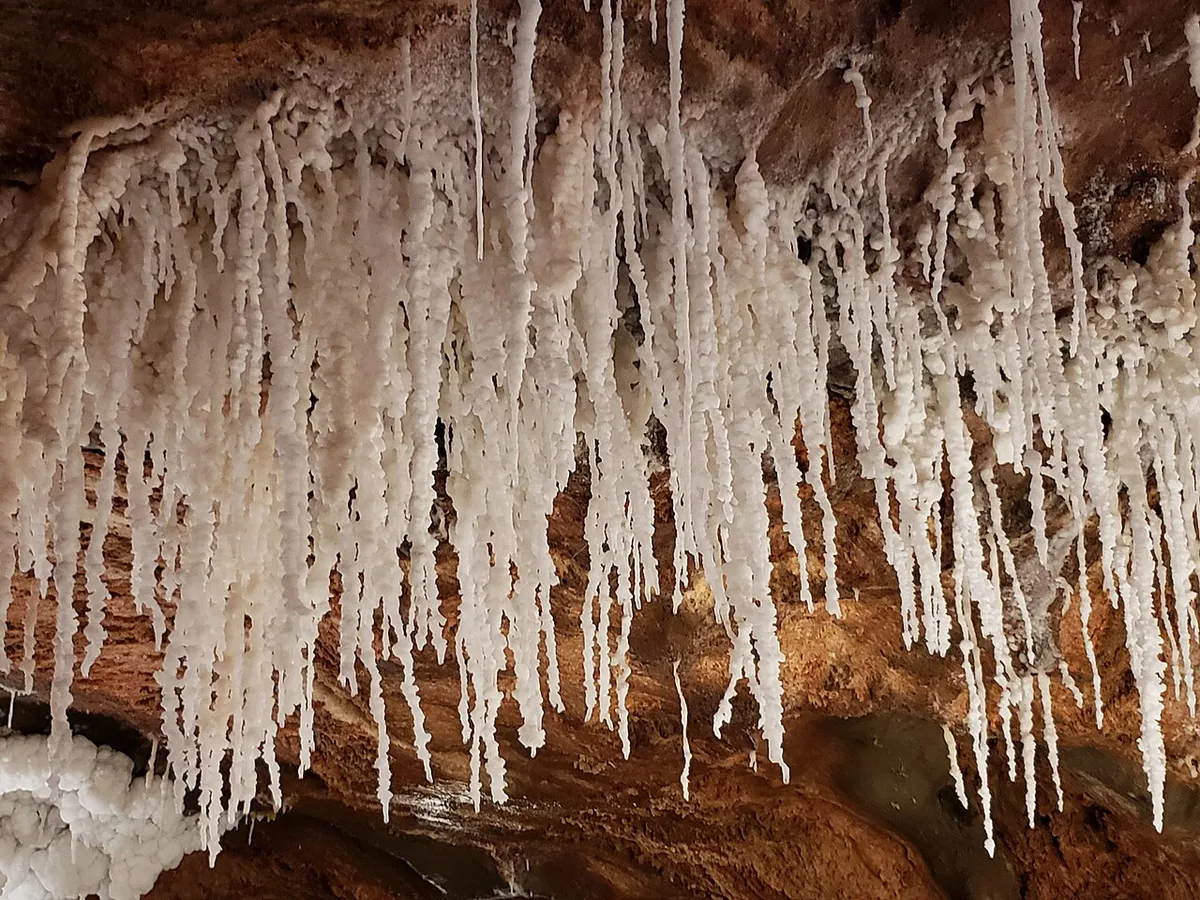
Bochnia is a UNESCO-listed mine in a town in the Kraków area. Written sources place the start of extraction in the 13th century, and salt mining ended in December 1996, though salt is still produced from brine. Its tourist route moves through chambers such as the Chapel of St. Kinga, and for more carved sanctuaries you can see these underground salt chapels.
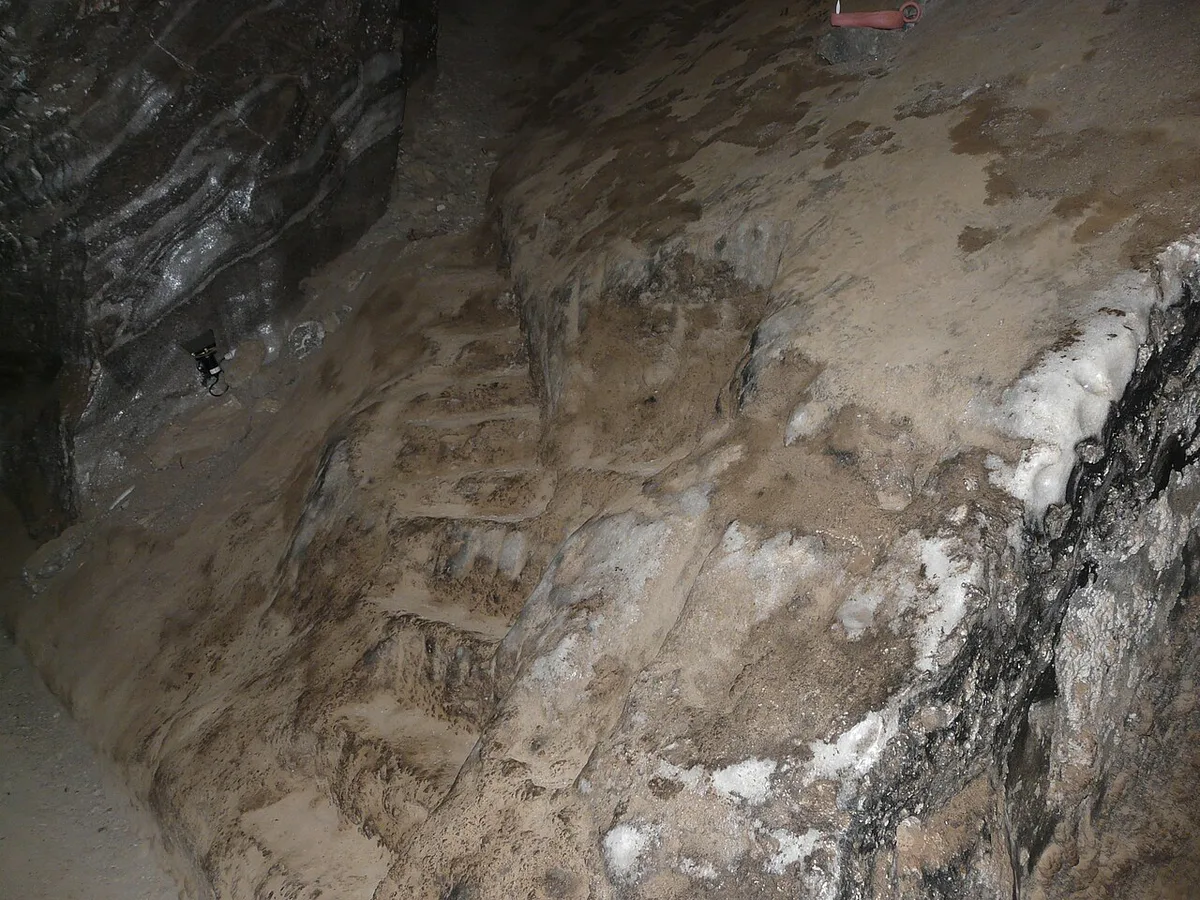
Go for the quieter, more historic-technique experience: the visit centers on how salt was won, not on a showpiece chamber. Skip it if you dislike stairs, enclosed spaces or cool, damp air. Tour options and times are on the official Bochnia site.
2. Bex Salt Mines, Switzerland
The Bex salt mines in Vaud are a working mine, billed by the operator as the oldest active salt mine in Switzerland, with mining since 1684. A film presentation comes first, then a miners' train carries you into the mountain for a guided visit of about 2 hours. The galleries, shafts and halls stretch over more than 50 km, and the air inside stays at 18°C in every season.
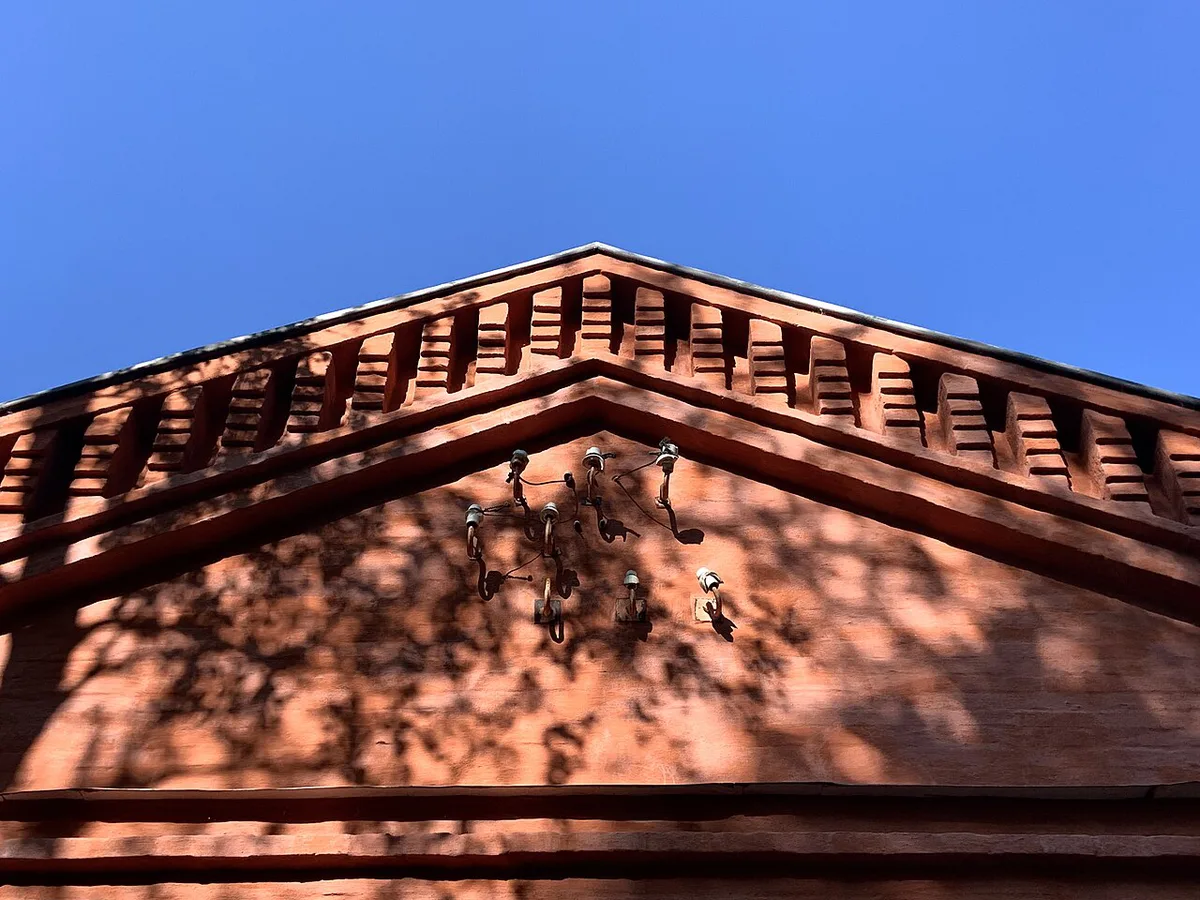
Tours run mainly in French, with Smartguide audio in English, German, Italian and other languages. Adults aged 16 and over pay CHF 18, ages 6 to 15 pay CHF 12, and children under 6 enter free. Skip it if you cannot walk unaided: wheelchairs, walkers and pushchairs are not allowed, and booking is strongly recommended.
3. Salzwelten, Bad Friedrichshall, Germany
Salzwelten works from the old Kochendorf mine in Bad Friedrichshall, in Baden-Württemberg. It is an underground visit at a former working salt mine, and it suits travelers in the Heilbronn area who are not heading to Bavaria. Our guide to salt mines in Germany compares it with the other German show mines.
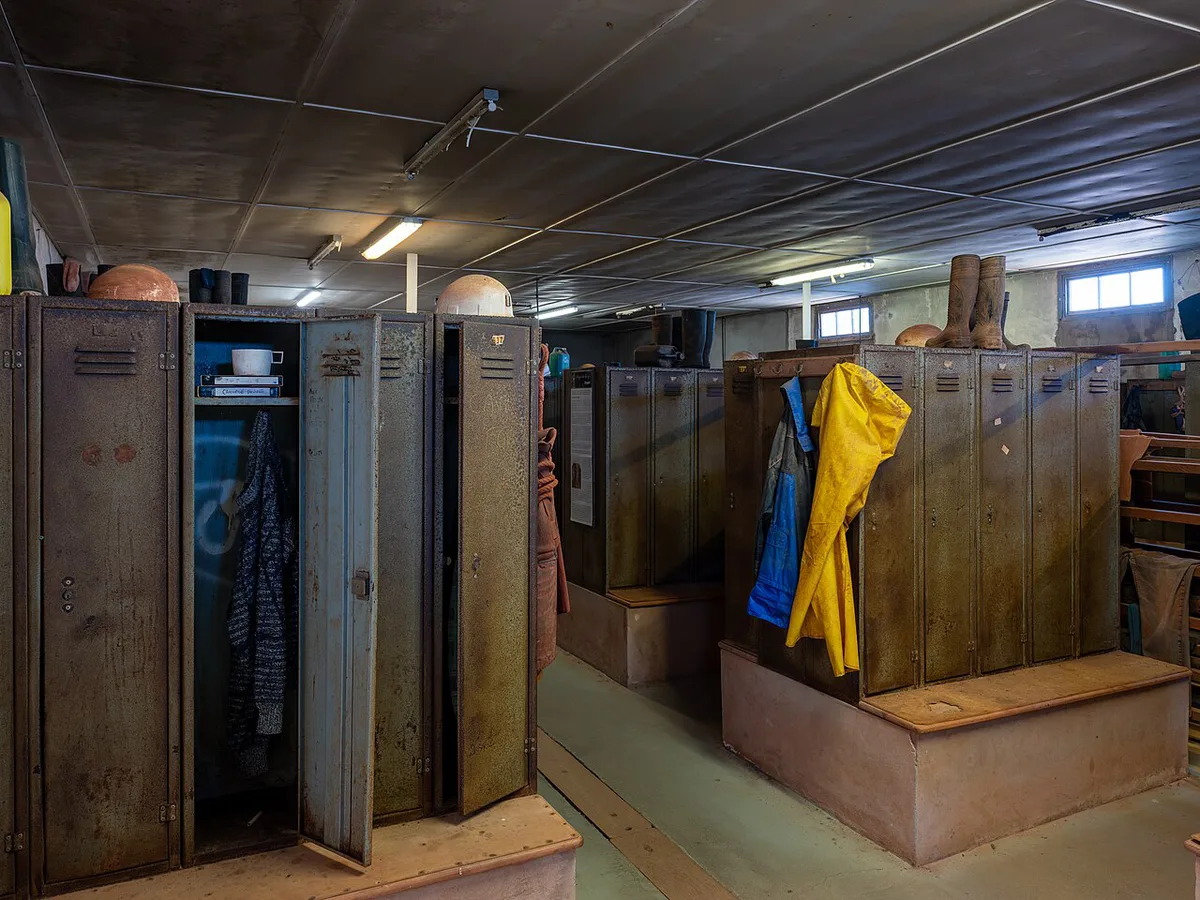
Check the operator's official site for current tour times and prices. Skip it if you want carved chapels and monumental chambers.
4. Cardona Salt Mountain, Spain
Cardona is a salt mountain in Catalonia with a guided underground visit. Go for a landscape feature above ground and the mine below. It suits road-trippers already exploring inland Catalonia.
Regional context and visitor information are on Catalonia Tourism. Skip it if you only have time for a single, famous mine. Check the official site for current tour formats before you travel.
Salt mines versus salt caves and salt-therapy rooms
A salt mine is a historic or working excavation where miners removed rock salt. A salt cave or therapy room is a wellness space, often built for relaxation. Marketing sometimes claims that the air makes breathing easier, but treat that as a promotional line rather than a medical promise. Read our guide to Salt Caves in Europe: Therapy Rooms vs Real Salt Mines if wellness is your goal. Choose a mine for history and scale.
Planning a multi-mine salt trip
Geography keeps the pairings simple. Base yourself in Kraków for Bochnia. In Vaud, build a day around Bex. Salzwelten fits a Heilbronn-area trip, and Cardona fits an inland Catalonia road trip. Fancy sleeping below ground? Browse Underground Hotels in Europe: Mines, Caves & Bunkers. For other underground visits, start with mine tours across Europe. Metal mining fans can also read about silver mines. A second guide covers gold mines.
Bex runs scheduled slots (2 to 10 a day depending on season), so check the time you need before you plan the rest of the day.
Common mistakes to avoid at a European salt mine
Arriving without a booking in peak season is the most common mistake, especially at Bex, where visits run in scheduled slots. Wearing the wrong shoes comes next, since mine floors are damp and stairs are common. Assuming every route is step-free is another trap, so check each mine's accessibility page. Choosing a mine from photos alone leads to mismatches, since Bex is a ride-in working mine while Bochnia is a heritage tour.
Frequently Asked Questions
Which salt mine in Europe is still active?
Bex in Switzerland is billed by its operator as the oldest active salt mine in the country, with mining since 1684. Bochnia in Poland ended salt mining in December 1996, though salt is still produced there from brine.
Do salt mines exist in Europe that you can visit?
Yes. Bochnia in Poland, Bex in Switzerland, Bad Friedrichshall in Germany and Cardona in Catalonia all offer visits. Each official site lists current tour details.
Explore More Guides
Keep planning your trip with these guides.
Guides
- Salt Mine Tours in Europe
- Silver Mine Tours in Europe
- Mine Tours in Europe: Types, Costs and How to Choose
- Tin Mines in Cornwall: Tours, Ruins and Safe Visits
- Geevor Tin Mine Guide
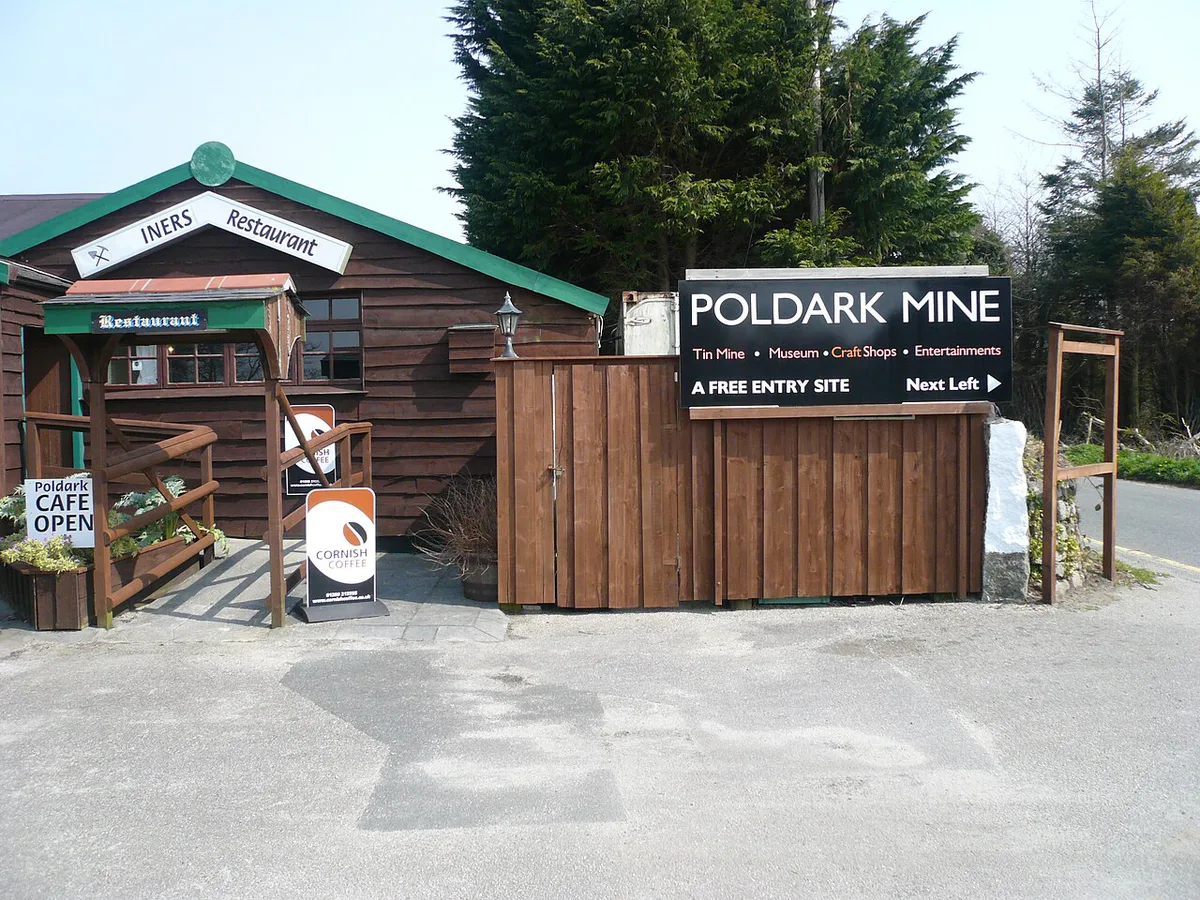
- Poldark Mine, Helston
- Slate Mine Tours in Wales
- Gold Mine Tours in Europe
- Therapy Rooms vs Real Salt Mines
- Underground Hotels in Europe: Mines, Caves & Bunkers
- Salt Cathedrals & Salt Mine Churches in Europe
Notes for your next trip underground
Optional updates when we add or revise cave and underground guides.
More guides
More guides you'll find useful