
How Are Sea Caves Formed? Rock, Waves and Tide Safety
How are sea caves formed? Waves, weak rock, hydraulic action and abrasion carve them. Learn the process, European examples and tide safety rules.
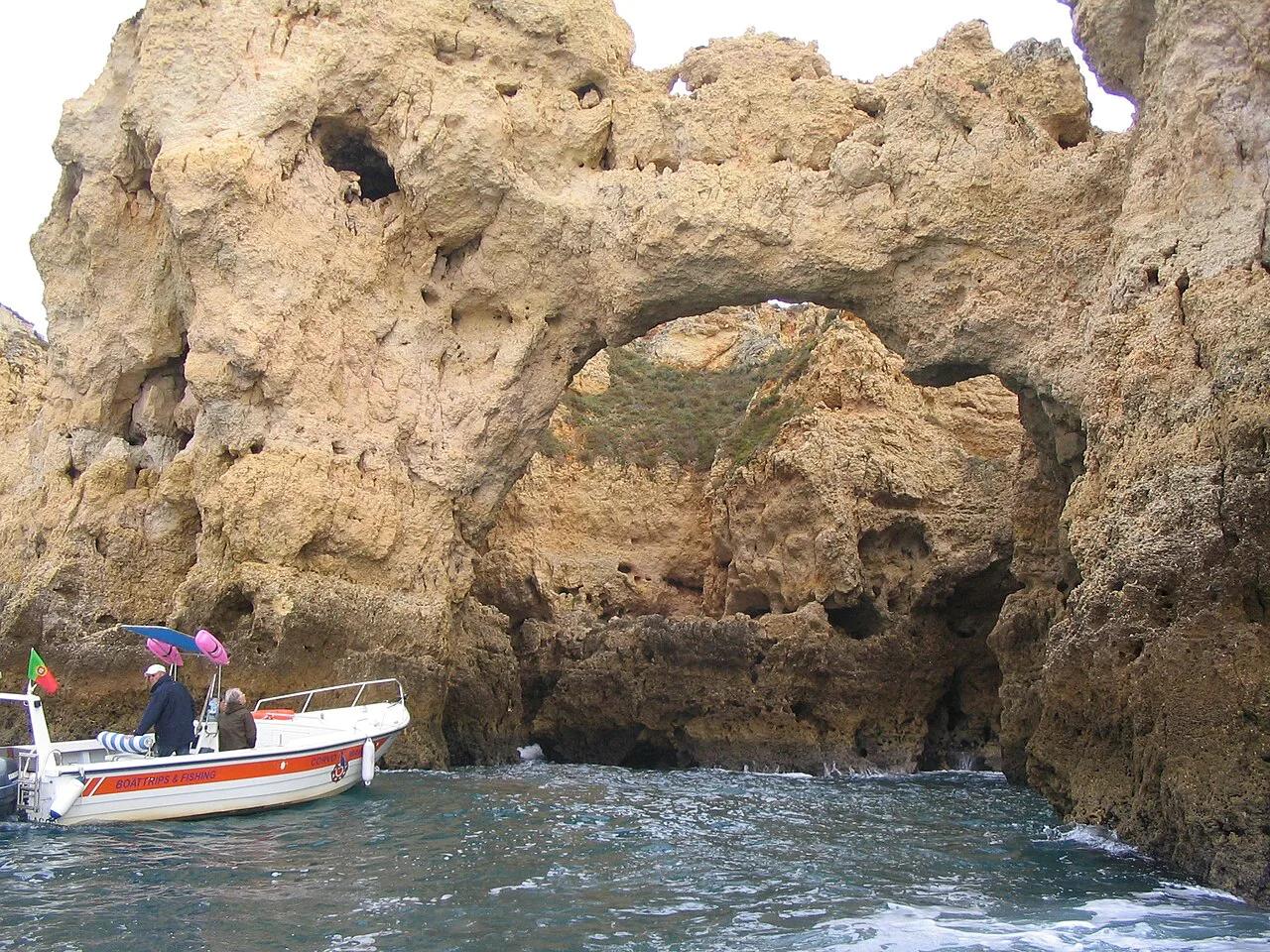
Last updated November 2026: how are sea caves formed comes down to waves attacking weak rock at the base of a cliff. Hydraulic action and abrasion widen a crack into a cave, and in limestone, dissolving helps too. For places to see the results, start with our guide to where to find sea caves in Europe.
Featured image: Patrice78500, CC BY-SA 3.0, via Wikimedia Commons.
How Are Sea Caves Formed: The Short Answer
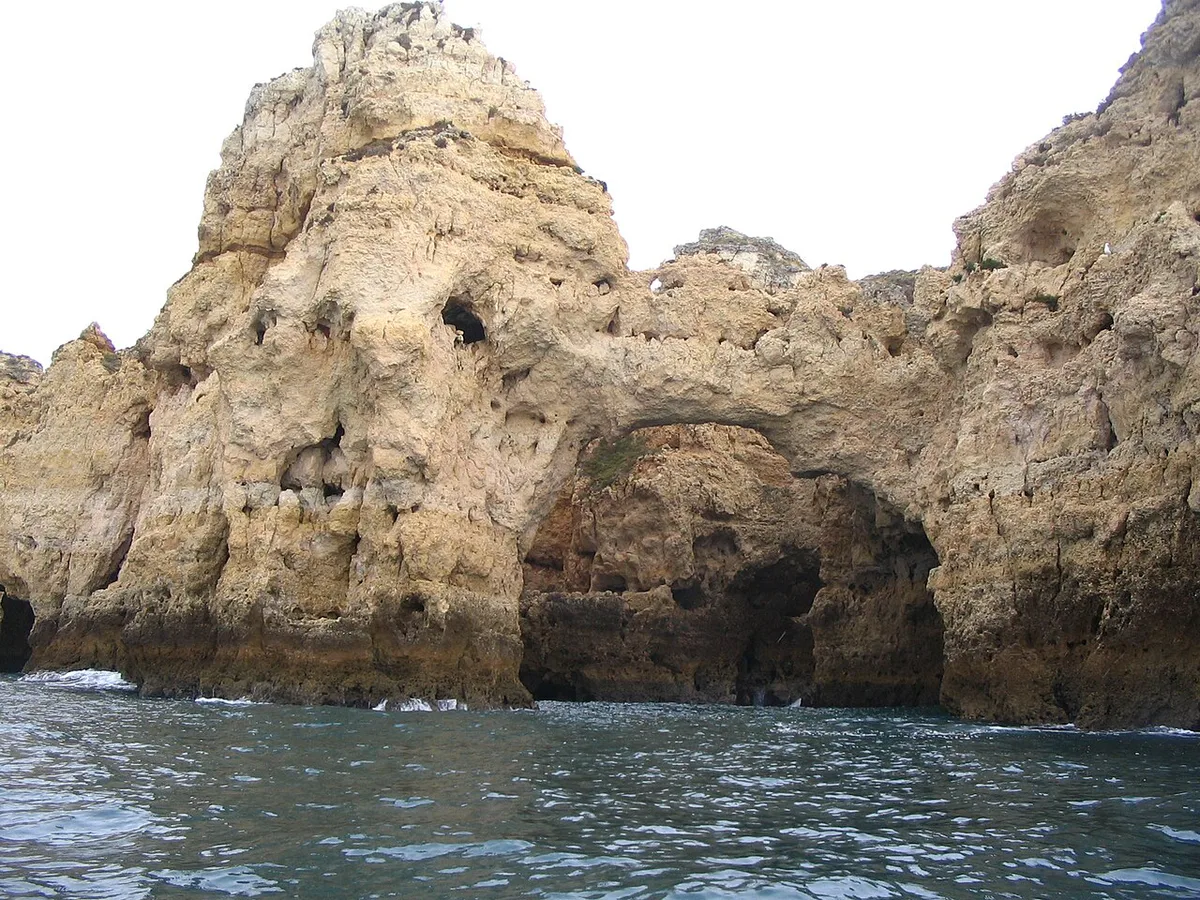
Sea caves form where waves find a weakness in a rock face. Weaknesses include joints, faults, bedding planes and softer layers. Compressed air and water, plus rock and sand thrown by waves, enlarge that weakness over time. Cave formation is slow, and it speeds up wherever storms hit a cliff hard.
The Step-by-Step Process: From Crack to Cave
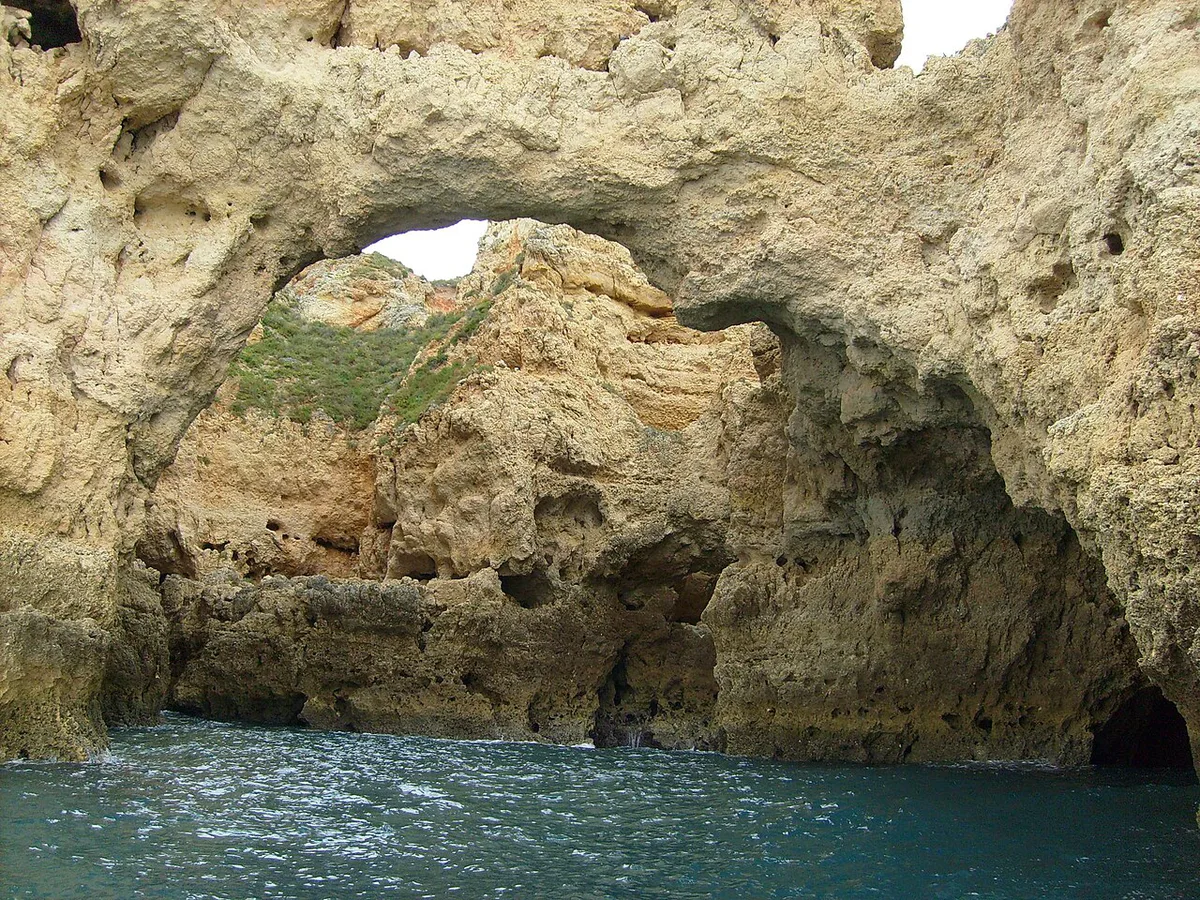
Each step feeds the next, so a small notch can become a walk-in or boat-in cave. Geologists call this wave erosion. Stronger rock slows the process, and heavily jointed rock speeds it up.
- Weakness: waves find a joint, fault, bedding plane, soft layer or dyke at the foot of a headland or cliff.
- Hydraulic action: waves force air and water into cracks, and the pressure pries blocks loose.
- Abrasion: waves hurl sand, pebbles and boulders at the rock and grind the notch deeper.
- Solution: in limestone, slightly acidic water dissolves the rock and adds to the damage.
- Enlargement: the cave lengthens inland, and the roof can collapse or blow out through a blowhole.
Why Some Coasts Get Caves: Rock Type, Waves and Tides
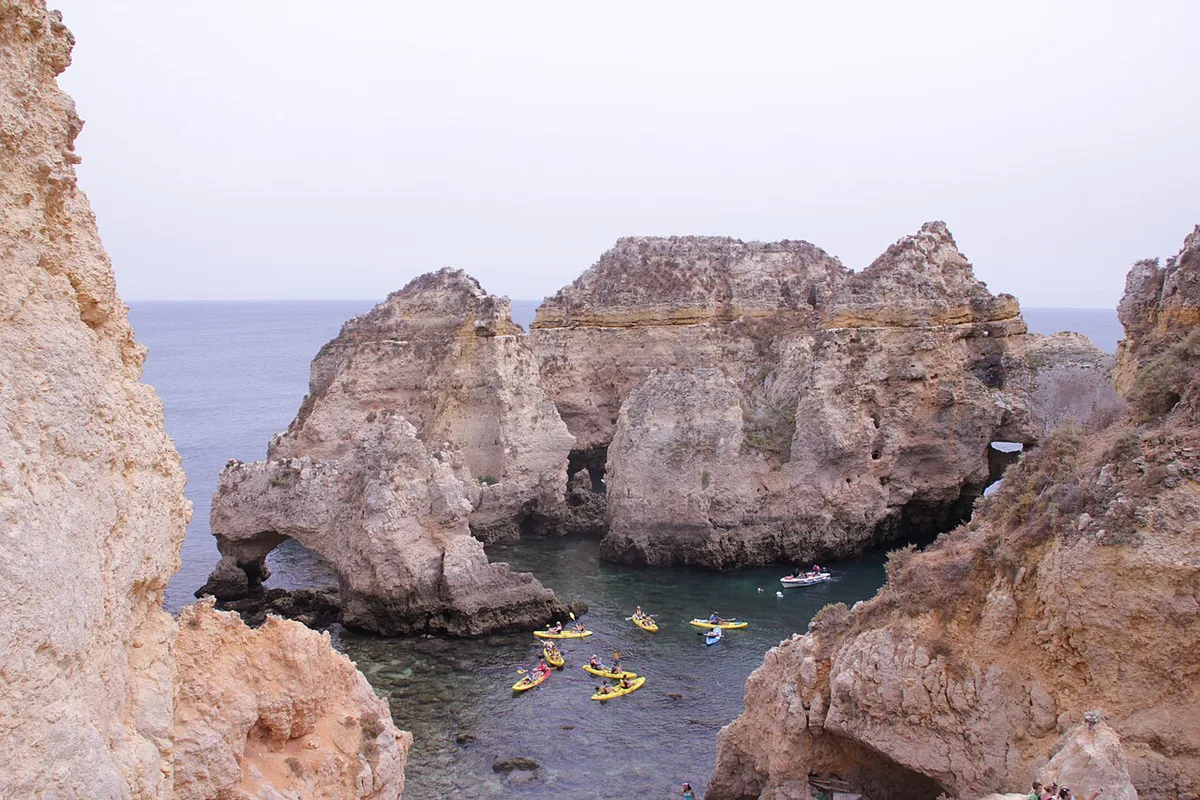
Four factors decide where caves cluster. These are rock type, wave exposure, tidal range and joint density. A coast with dense joints and strong swell tends to have more caves than a sheltered, massive cliff. Treat the table below as tendencies rather than rules.
| Rock type | How caves tend to form | Visitor implication |
|---|---|---|
| Limestone | Waves open joints, and dissolving widens them | Caves can be deep and branching; check for flooding at high tide |
| Chalk | Waves exploit cracks in soft, jointed cliffs | Rockfalls are a real risk; keep clear of the cliff base |
| Sandstone and other sedimentary layers | Waves strip weaker beds between harder ones | Roofs can be brittle; wet rock may be slippery |
| Volcanic rock | Waves attack joints and fractured zones; lava tubes may be opened by the sea | Sea access is often the only practical route |
Active, Raised and Karst Sea Caves: How to Tell Them Apart
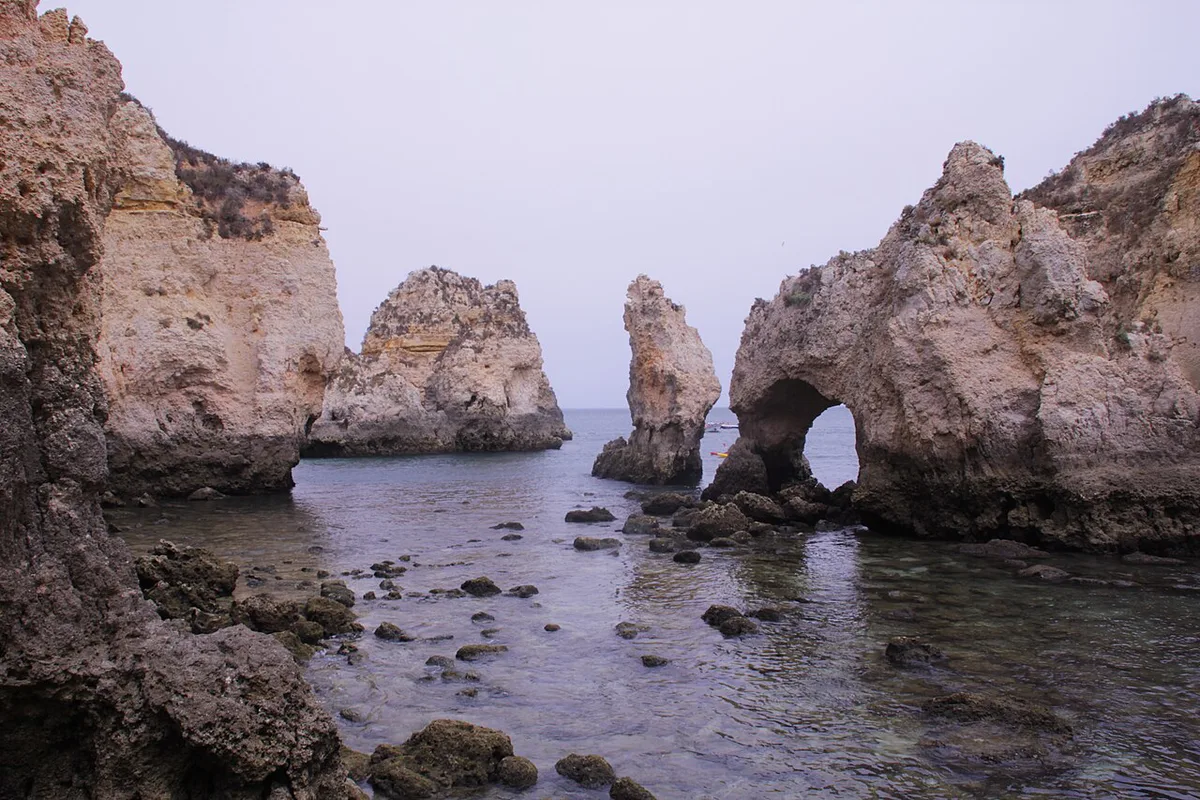
Not every coastal cave is still being cut by the sea. Knowing the type tells you how the cave behaves today.
- Active caves: waves still reach the back wall, with fresh rock, loose debris and wet floors.
- Relict or raised caves: left above present sea level, often dry and sometimes reachable on foot.
- Karst caves: dissolved in limestone first, then opened by the sea as the cliff retreated.
- Lava-tube caves: formed by flowing lava, then exposed or entered by waves.
- Flooded or sea-only caves: reachable only by boat, kayak or swimming, often only in calm conditions.
From Cave to Arch to Stack
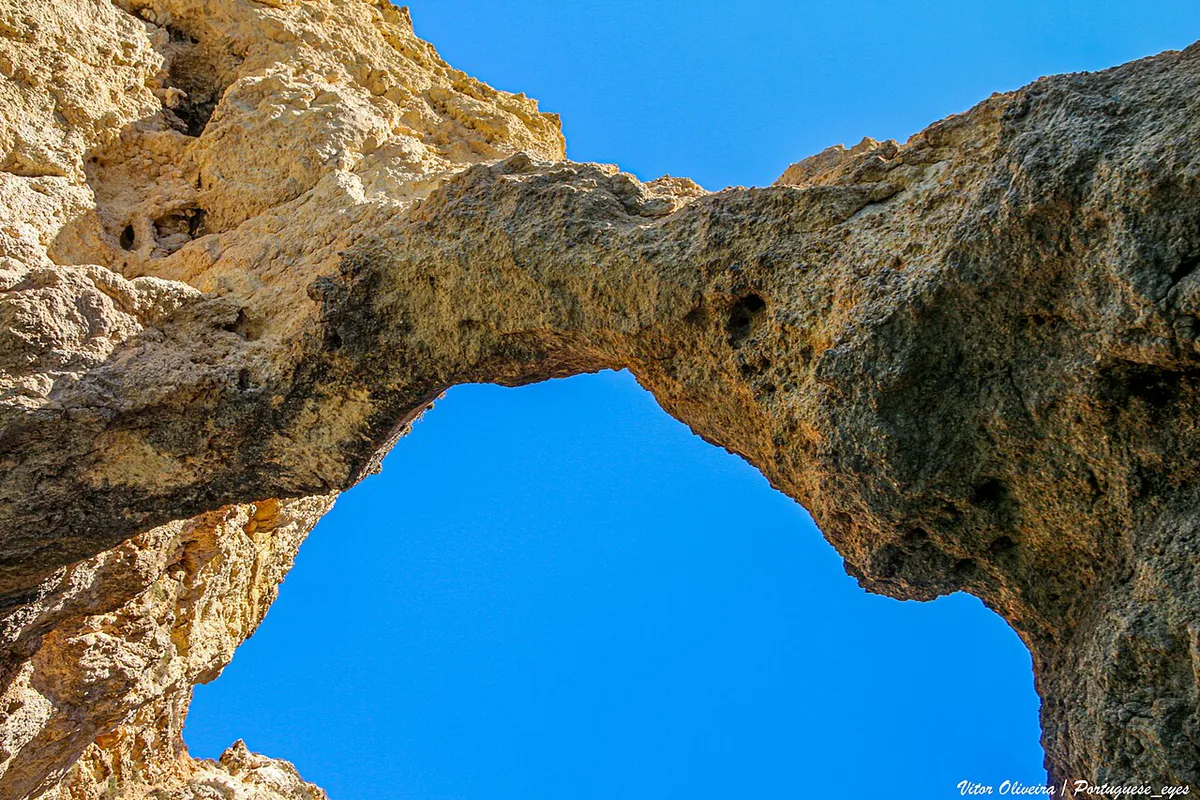
Erosion can carry on past the cave stage. If 2 caves cut into opposite sides of a headland, they can join as an arch. The arch thins and eventually collapses, leaving a stack. A stack then wears down to a stump. This cave, arch, stack, stump sequence explains many dramatic coastlines, but it is a side story here.
European Coasts Where You Can See This in Action
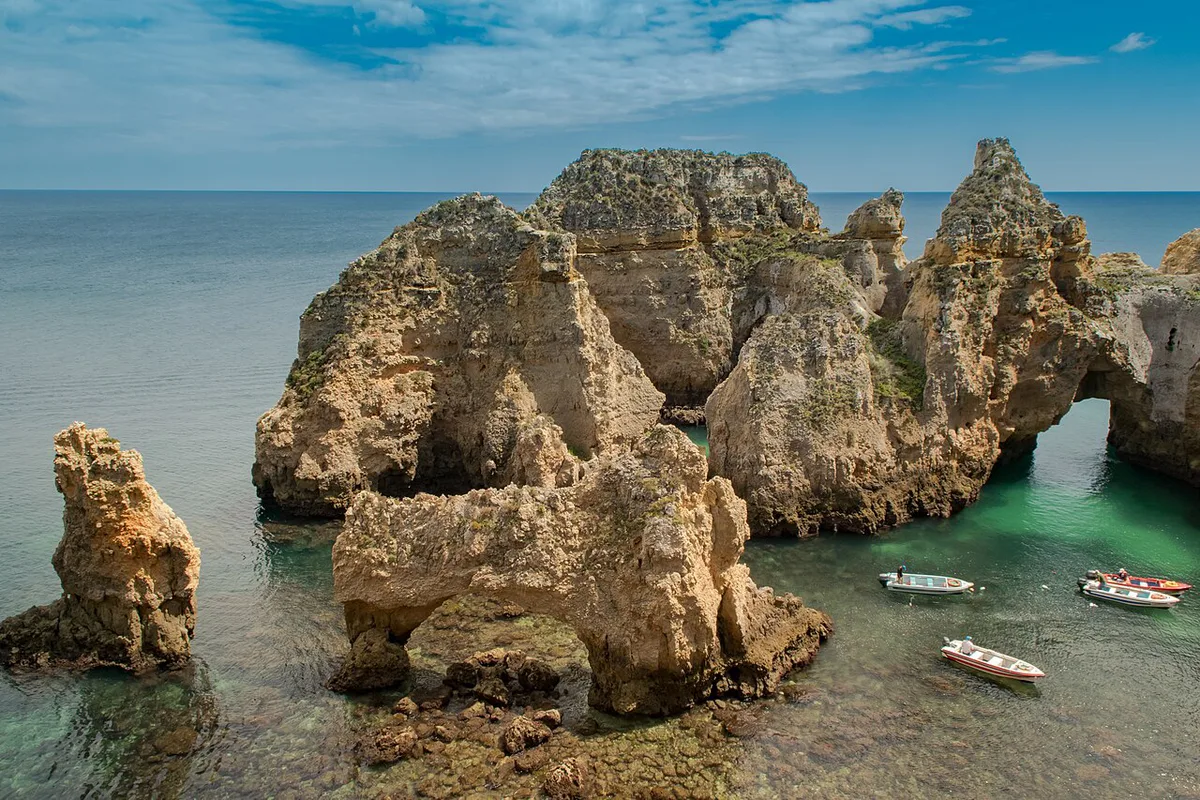
Staffa in Scotland is known for Fingal's Cave, a sea cave in volcanic rock. Visit Scotland's Staffa page covers visiting the island. Lagos on Portugal's Algarve coast shows how sedimentary rock layers and North Atlantic swell sculpt caves, arches and stacks. Our guide to Sea Caves in Portugal: Algarve Access, Tours and Timing maps these sites in more detail.
What the Geology Means for Visiting: Tides, Safety and Access
Swell and tide decide whether a cave is open or a trap. Active caves on exposed coasts are the most sensitive. Read tide tables and the marine forecast before you go. Calm water in a harbour tells you little about conditions at the cliff. For reaching caves by water, read our guide to Sea Cave Kayaking in Europe: Places, Safety, Costs. Swimmers should read about Cave Swimming in Europe: Where to Swim in Sea Caves & Cave Pools first. Visitors with limited mobility, poor swimmers and anyone who cannot read a tide table should choose a licensed boat tour instead.
- Check the tide table and plan to leave well before the tide turns.
- Read the local marine forecast, including swell, not just the wind.
- Avoid soft or heavily jointed cliffs after storms, because rockfall is more likely.
- Go with a local guide or licensed operator if you are unsure.
- Mistake to avoid: entering a cave on a rising tide or in swell, or trusting calm harbour water.
Frequently Asked Questions
Are there underwater caves in the ocean?
Yes. Some were cut by waves when sea level was lower and later drowned as seas rose. Others are dissolved limestone caves that now sit below the waterline. Underwater caves need specialist training and local guides.
Notes for your next trip underground
Optional updates when we add or revise cave and underground guides.
More guides
More guides you'll find useful






