Rock-Hewn Churches of Ivanovo: Visitor Guide (Bulgaria)
Plan a visit to the rock-hewn churches of Ivanovo near Ruse, Bulgaria: what you'll see, how to get there, timing, costs to check and who should go.
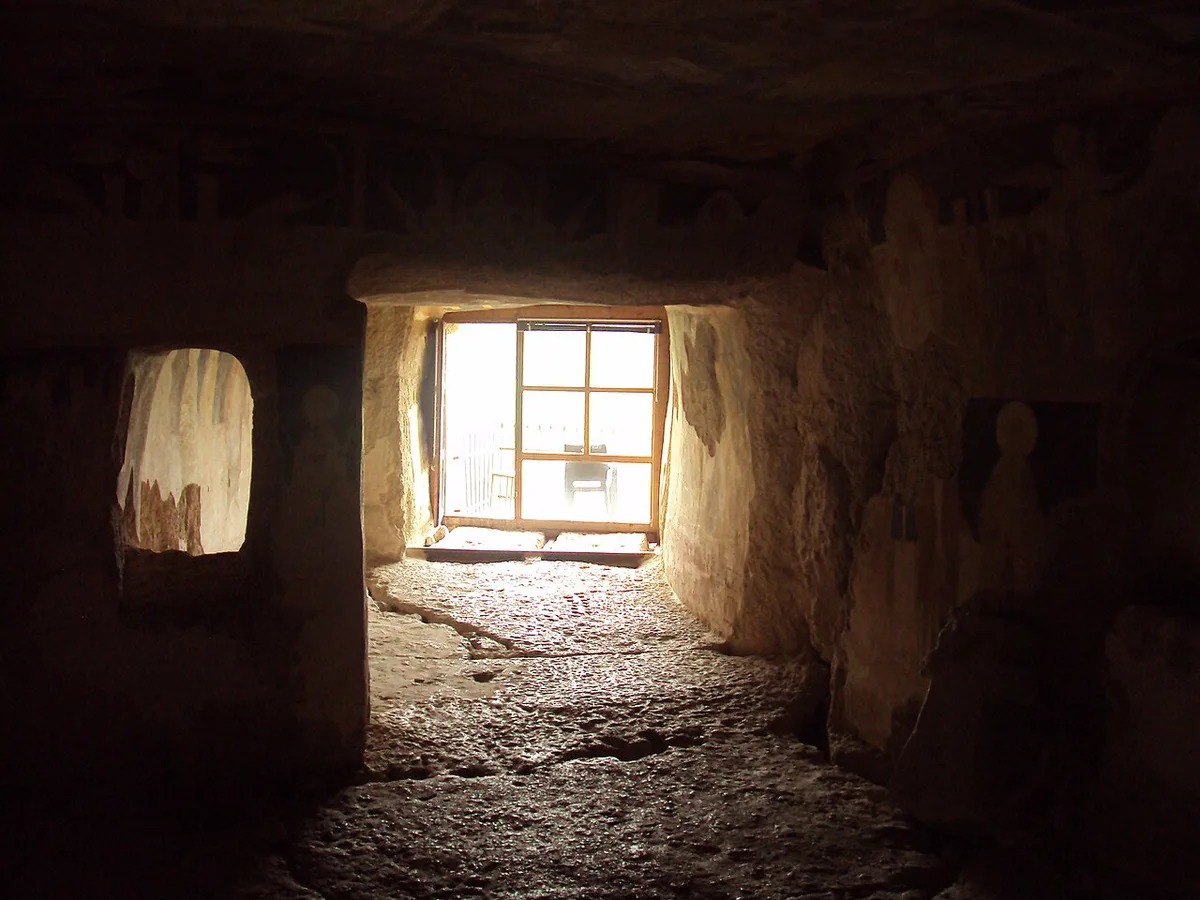
Last updated November 2026. The rock-hewn churches of Ivanovo are a UNESCO-listed group of churches, chapels and cells cut into limestone cliffs above the Rusenski Lom river in northern Bulgaria. Their main draw is a set of 14th-century Tarnovo School frescoes, best seen on a half-day trip from Ruse. This guide covers what survives, how to get there, how long to stay and who should skip it.
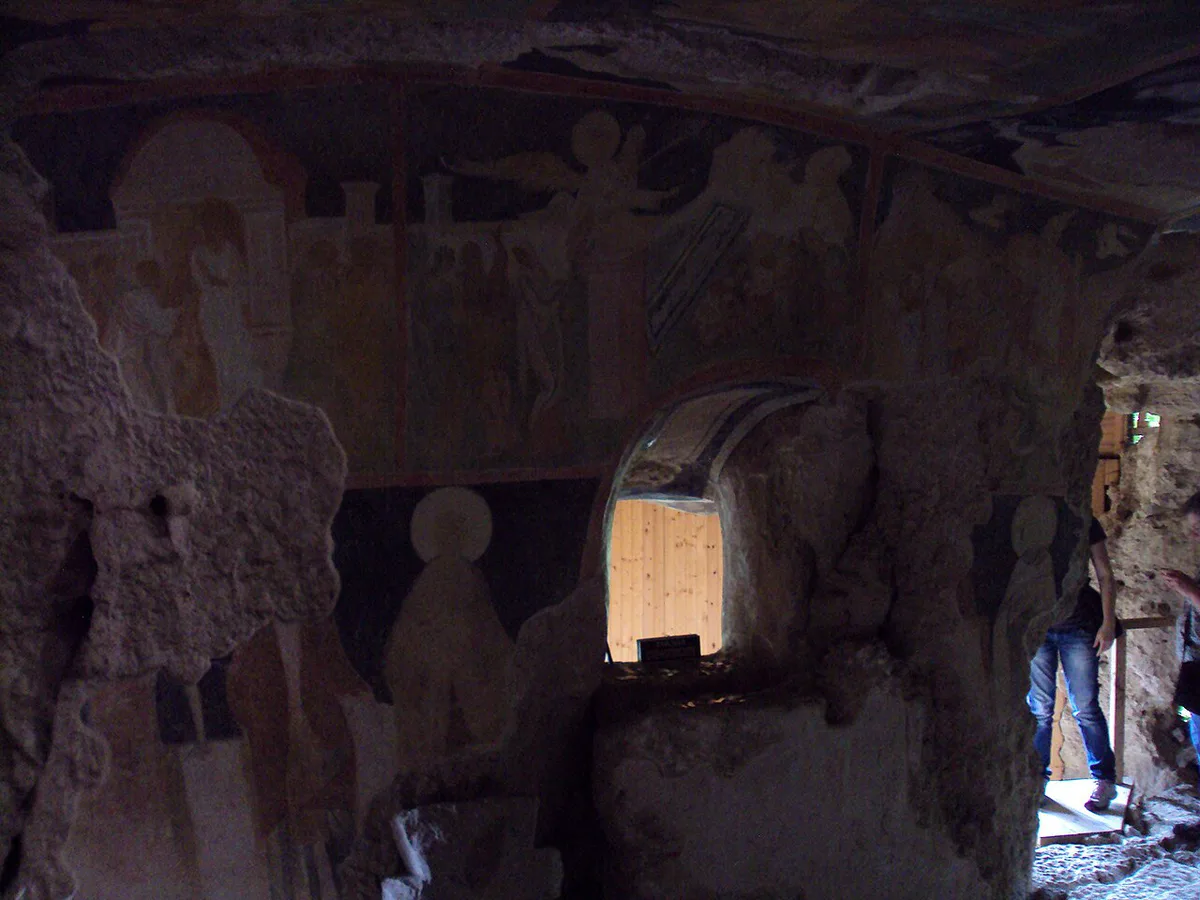
Featured image: Vislupus, CC BY-SA 4.0, via Wikimedia Commons.
Quick answer: are the Ivanovo rock churches worth visiting?
Yes, if medieval frescoes or cliff-side walking appeal to you. Plan on roughly 1.5 to 2 hours for the churches, the ledge path and the viewpoints. Most of the rock monastery is bare stone, so the payoff is concentrated in a few painted chapels. Treat it as a half-day add-on to Ruse or Veliko Tarnovo rather than a destination on its own.
- Best for: fresco enthusiasts, hikers, travelers crossing the Danube from Romania, and anyone building a northern Bulgaria loop.
- Skip if: you have limited mobility, small children who need carrying, a fear of heights, or only want a quick photo stop.
- Bring: shoes with grip, water and a light jacket, since the rock interiors stay cool.
What the rock-hewn churches of Ivanovo are
Ivanovo is a medieval monastery carved into the cliff face above the Rusenski Lom river. UNESCO inscribed the site in 1979, and the frescoes in the main church are the reason. Monks hewed roughly 20 churches, chapels and cells that survive today. At its peak the monastery is estimated to have held about 40 churches and about 300 cells. Treat those figures as estimates rather than a precise count.
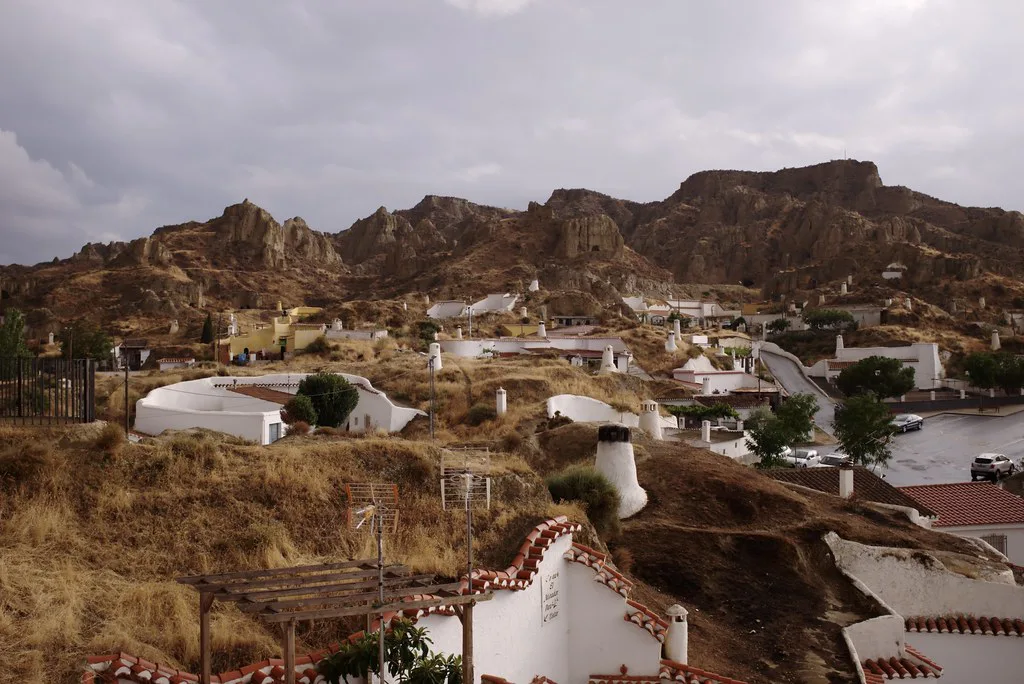
Its layout is unusual. Instead of one church surrounded by residential buildings, the monastery is a network of connected chambers with small churches, chapels and monks' cells. Caves here were inhabited from the 13th century until the 17th. The complex was dedicated to St Michael the Archangel, and in the 14th century it was a centre of Hesychasm, a contemplative monastic tradition. Under Ottoman rule it declined and was revived in the 18th century. Today it operates as a museum and tourist site, with no resident monks.
What to see: the churches in visiting order
Start with the church that holds the best painting, then work outward along the ledge path. The cliff face sits roughly 32 meters above the river, so the walk links the chapels with steps, rails and views down the valley. Several chapels are fragmentary, so set expectations before you climb.
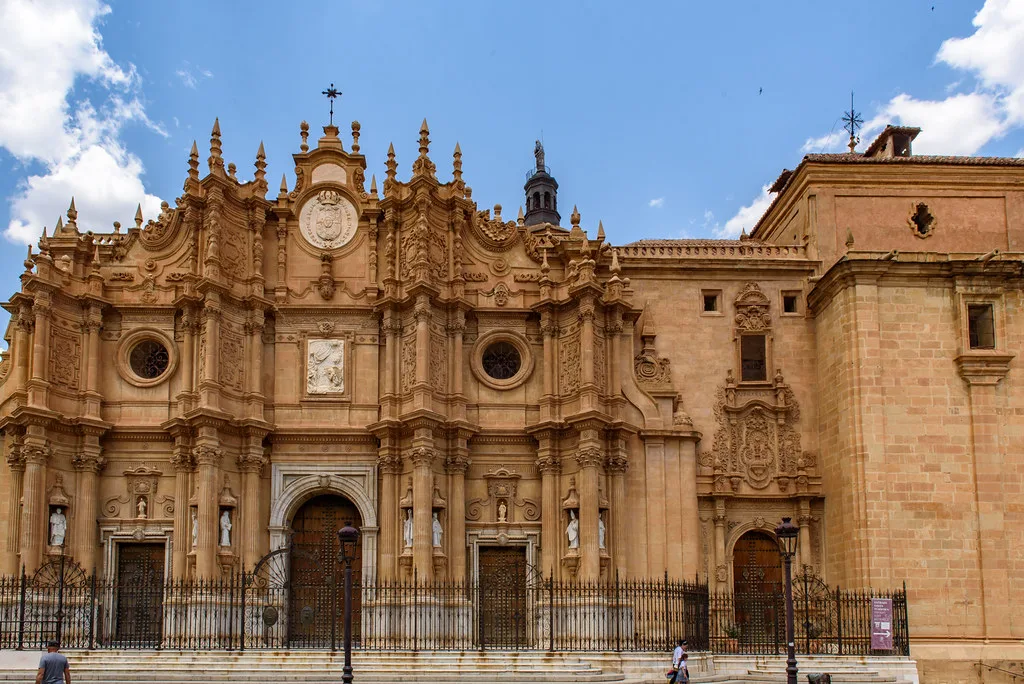
- Church of the Holy Mother of God (Sveta Bogoroditsa): the main church and the highlight. Its frescoes show expressive faces in red and blue pigments typical of the Tarnovo School, including a donor portrait of Tsar Ivan Alexander holding a model of the church.
- Church of St Archangel Michael: smaller and quieter, and worth seeing for how monks shaped living rock into domes and niches.
- Church of St Theodor Tiron: a modest chapel with fragments of surviving painting, a reminder of how much weather has erased.
- Other chapels, including the so-called Demolished Church and Buried Under Church: partly ruined, with donor portraits that scholars link to the Second Bulgarian Empire. Expect mostly empty rock.
- Monastic cells: dozens of small cave rooms along the path. Peering in shows how little comfort a hermit had.
- The ledge walk: the connecting path with rails and steps. Wear shoes with grip, especially if the steps are damp or icy.
How to get there from Ruse, Veliko Tarnovo and Bucharest
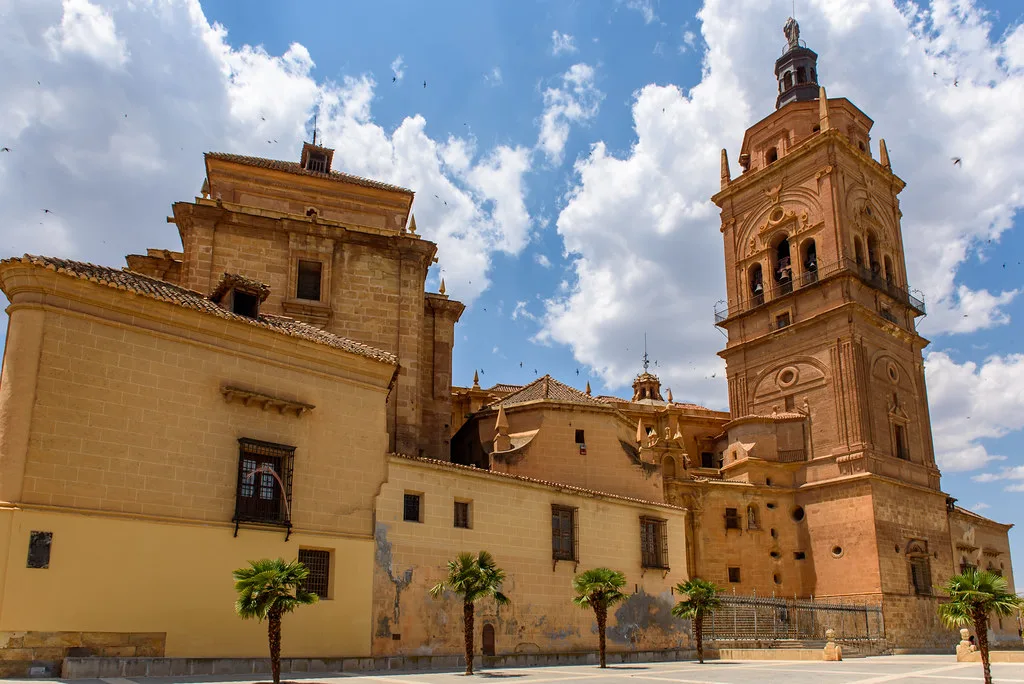
Ivanovo sits south of Ruse, and published distances range from about 20 km to 25 km. A local bus from Ruse to Ivanovo village takes roughly 30 to 40 minutes and costs about €1 to 3. A taxi from Ruse takes about 25 minutes and costs around €10 to 15 each way. The site has parking near the entrance, and roads toward Ivanovo are straightforward. Bucharest day trips cross the Danube at Ruse, so the border crossing adds time on top of the drive.
| Option | Best for | Rough time | Cost level | Main drawback |
|---|---|---|---|---|
| Local bus or minibus from Ruse | Budget travelers | About 30 to 40 minutes | Low, about €1 to 3 | Stops in the village, so you still walk to the site; check the timetable |
| Taxi from Ruse | Short on time | About 25 minutes | Moderate, about €10 to 15 each way | Arrange the return pickup in advance |
| Own car | Combining several stops | Under an hour from Ruse | Fuel and parking only | Needs your own planning for Basarbovo or Cherven |
| Tour or day trip from Bucharest | No Bulgarian base | Full day | Moderate to high | Little time at the site after the border crossing |
How much time to allow
A focused visit to the main churches and the cliff path takes about 1.5 to 2 hours. These are editorial estimates, and they shift with your pace on the steps. Add roughly an hour if you walk forest paths in Rusenski Lom Nature Park. A comfortable full day combines Ivanovo with the Basarbovo Monastery or Cherven fortress, starting from Ruse in the morning.
- About 1 hour: the Church of the Holy Mother of God and one or two nearby chapels.
- Half day: the full ledge walk, the cells and a slow look at the frescoes.
- Full day: add the canyon, Basarbovo or Veliko Tarnovo.
Opening hours, tickets and photography
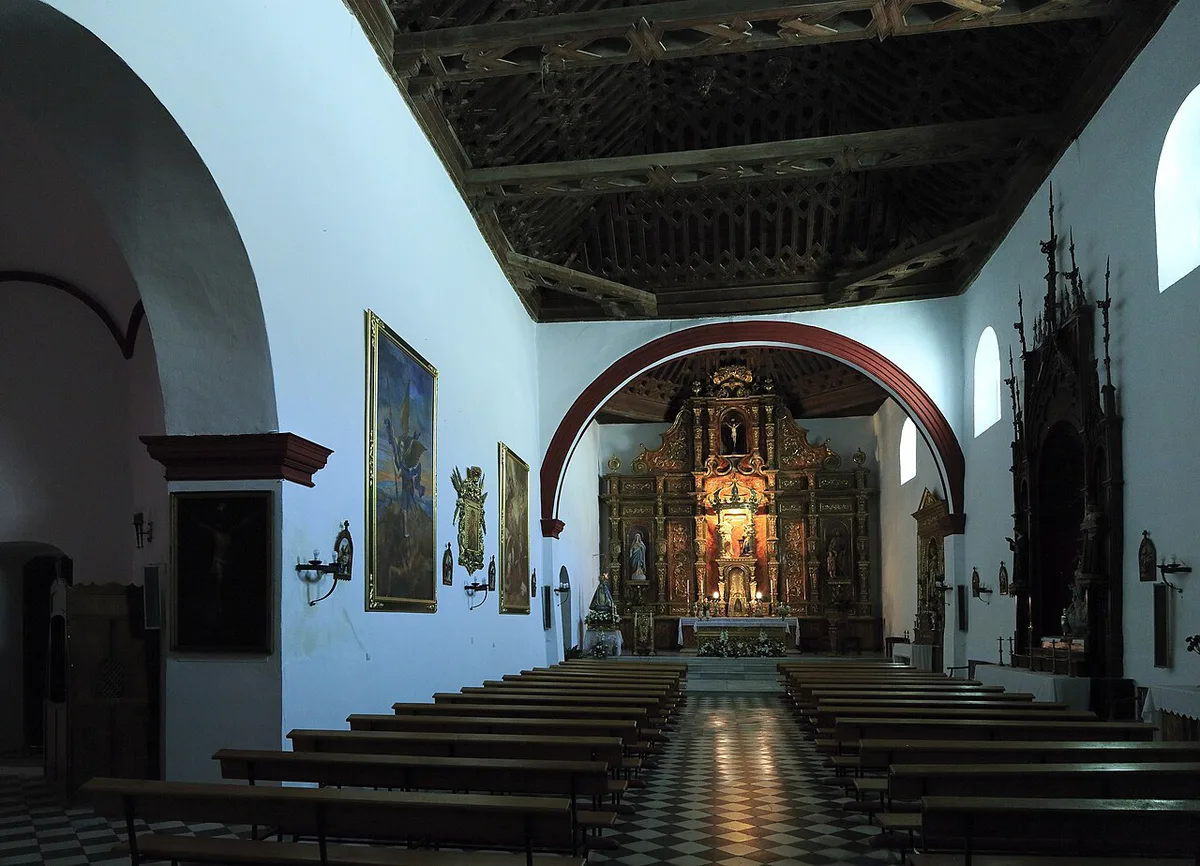
Published information disagrees, so use this as a guide and confirm at the site. One listing gives April to November, daily 9 to 18, but that dates from 2021. Winter hours can be shorter, and the site may close in the coldest months. The listed address is 7088 Ivanovo, with a telephone number of +359-82-825-002. Prices and hours checked November 2026 against published listings only.
For admission, one source reports free entry in 2021, while another gives a ticket of about €3 to 5 covering the main churches. A small guide booklet or photo permission may cost extra, up to roughly €3. Photography is also disputed, with one source saying it is allowed and another saying it is not permitted inside. Ask at the ticket window before you raise a camera. For regional context, see the official Bulgarian tourism portal. Bring a torch in case the chapels are dim.
When to go
Late spring and early autumn give the best mix of comfort and open doors. Spring highs of 59 to 79°F (15 to 26°C) and green gorge walls make April to June the most comfortable window. Summer reaches 82 to 93°F (28 to 34°C), and tour buses from Ruse cluster around midday. September and October see highs of 54 to 77°F (12 to 25°C) with thinner crowds. Winter brings icy steps and about 9 hours of daylight. May or September is the safest choice.
| Season | Comfort | Crowds | Access risk |
|---|---|---|---|
| Spring (April to June) | Most comfortable | Moderate | Low |
| Summer (July to August) | Hot, sweaty climb | Tour groups at midday | Low; go early |
| Autumn (September to October) | Comfortable | Thin | Low |
| Winter (November to March) | Cold | Very few | Icy steps, shorter hours |
Where to base yourself: Ruse or the village
Ruse is the practical base, with hostels, cafes and bus and train links that Ivanovo village lacks. Stay near Svoboda Square for flat, well-lit streets and riverside restaurants. A guesthouse in Ivanovo or nearby Basarbovo suits travelers who want quiet and early access before groups arrive. Rooms are few and evening food options are limited, so book ahead and bring snacks. Choose Ruse for company and transport, and the village for silence.
Combine it with other stops
Veliko Tarnovo, capital of the medieval Second Bulgarian Empire, shaped the artistic style you see in the frescoes. Rusenski Lom Nature Park adds canyon walks and birdwatching. Basarbovo Monastery and Cherven fortress fit into a full day by car. Ruse itself is the gateway if you are crossing the Danube from Romania. Madara Rider is a single carved relief, whereas Ivanovo is a whole monastery you walk through.
Rock-hewn churches elsewhere in Europe
Ivanovo is a religious cave site, not a dwelling, which separates it from the homes covered in our guide to cave houses across Europe. For other carved sanctuaries, see our guide to Cave Churches in Europe: Where to See Rock-Cut Churches. Ivanovo stands out for its painted interiors and its cliff-ledge setting.
Frequently Asked Questions
When were the rock-hewn churches of Ivanovo built?
Monks carved the chapels, cells and corridors from the 13th century, and the caves were inhabited until the 17th century. The main frescoes date to the 14th century, during the Second Bulgarian Empire. UNESCO inscribed the site in 1979.
Notes for your next trip underground
Optional updates when we add or revise cave and underground guides.
More guides
More guides you'll find useful