6 Best Caves in Scandinavia: Show Caves, Sea Caves and Mines
Caves in Scandinavia are few, so this guide sorts six underground visits by type: Gotland's karst cave, Norwegian sea caves and four historic mines.

Last updated November 2026. Caves in Scandinavia are fewer than in southern Europe, and the best underground visits are often mines and sea caves rather than classic show caves. This guide covers Sweden and Norway as the core, with Finland linked out as a Nordic neighbor. Items are sorted by type so you know what to expect before you book.
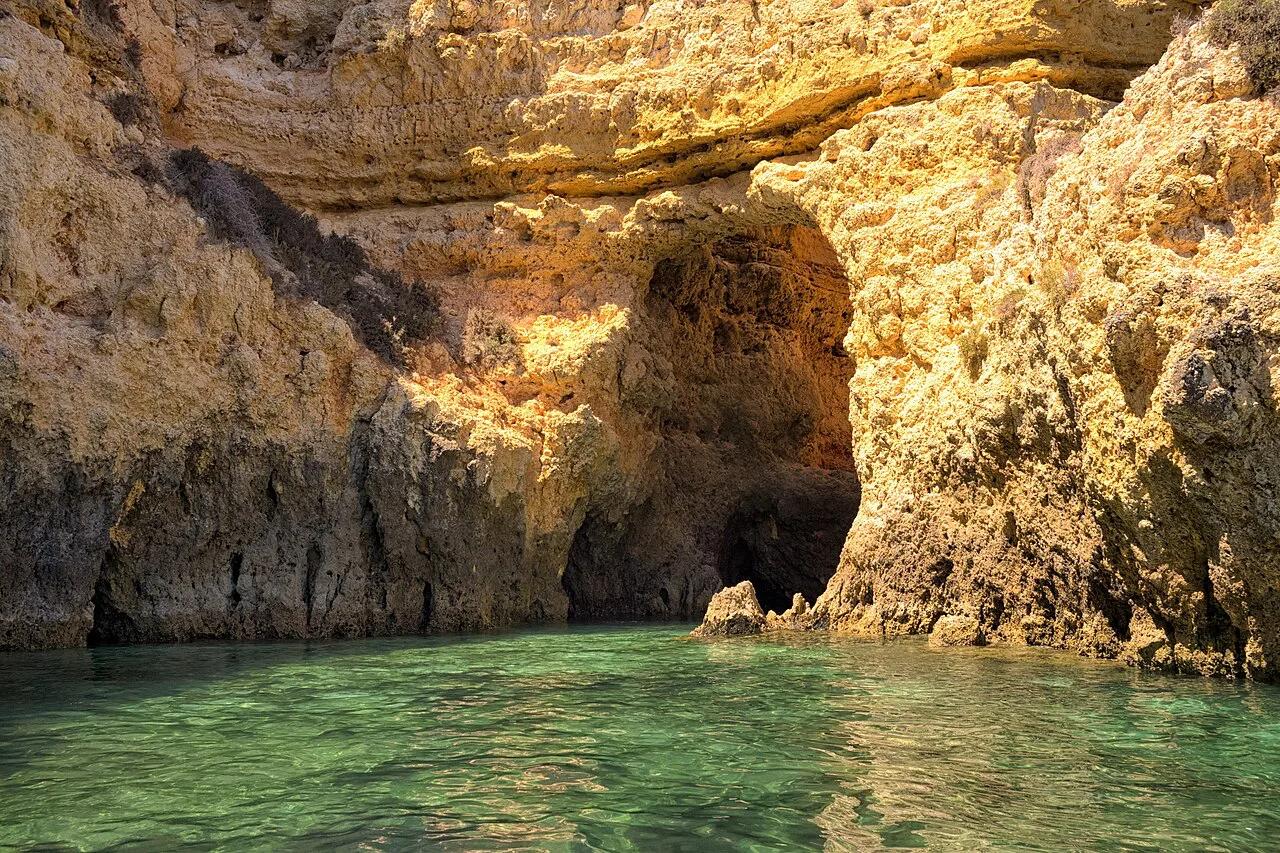
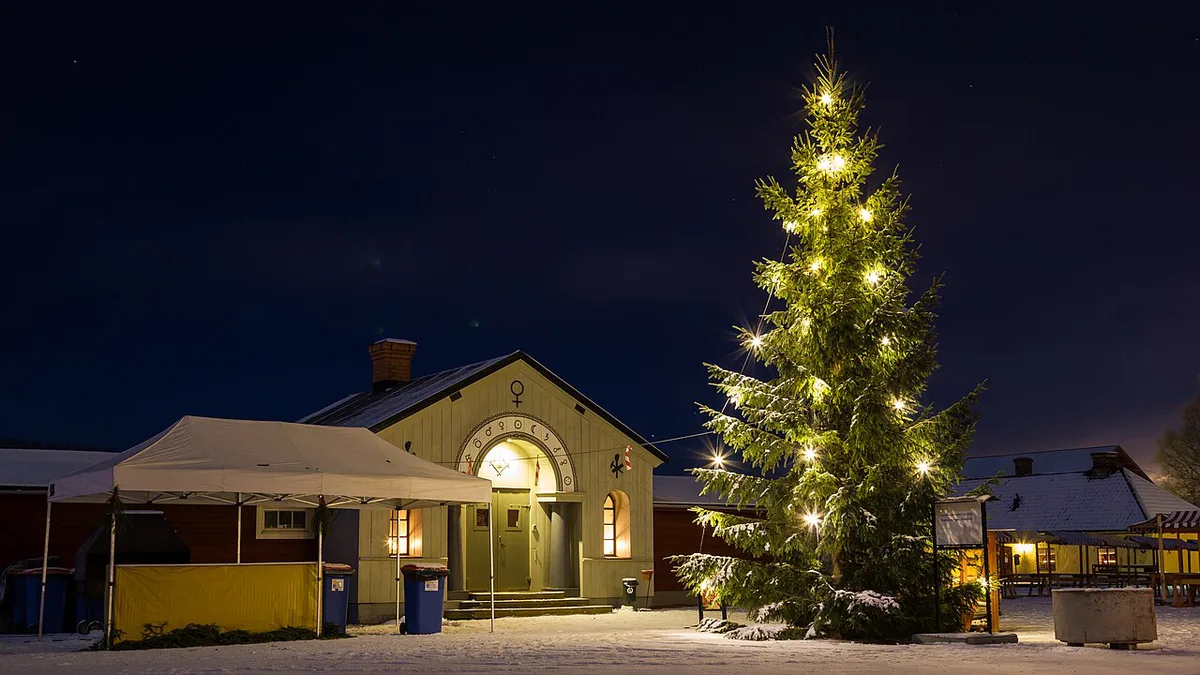
Featured image: Calle Eklund, CC BY-SA 4.0, via Wikimedia Commons.
Caves in Scandinavia at a glance
Each site below suits a different kind of trip. Official sites give current opening seasons and ticket prices, and those details change, so check them when you plan. Prices and hours for every site were last reviewed in November 2026.
| Site | Country | Type | Best for |
|---|---|---|---|
| Lummelunda, Gotland | Sweden | Natural karst cave | Geology fans, families |
| Norwegian sea caves | Norway | Sea and erosion caves | Boat or kayak trips in calm weather |
| Falun Mine | Sweden | Copper mine | Industrial history |
| Sala Silver Mine | Sweden | Silver mine | History fans, rainy-day backup |
| Kongsberg Silver Mines | Norway | Silver mine | Mining heritage |
| Røros mines | Norway | Copper mine | History fans, town stay |
6 best caves in Scandinavia and underground alternatives
One natural cave, one sea cave group and four mines make up this list. Expect cool rock and guided tours at most sites. Mines show tunnels and tools, not cave formations.
1. Lummelunda Cave, Gotland, Sweden
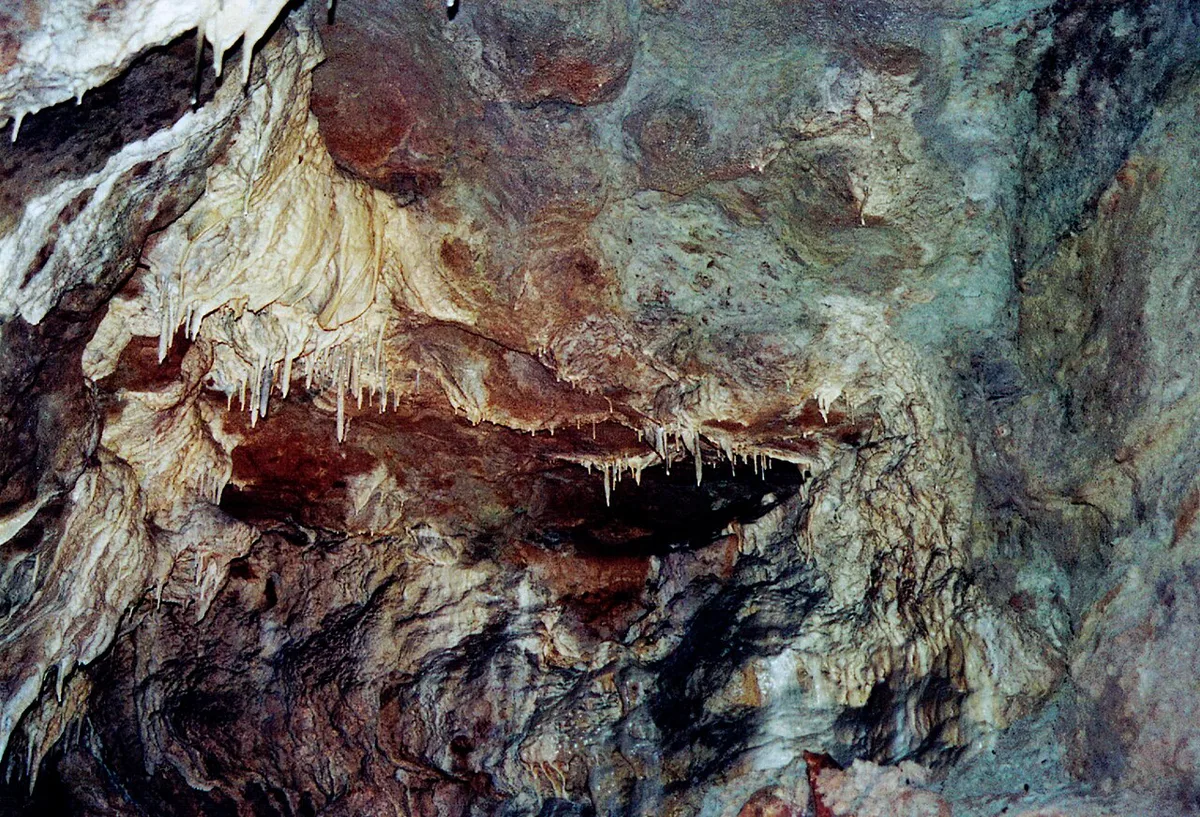
Lummelunda is the clearest true karst show cave in this guide. It sits on Gotland, so the trip starts with a ferry or flight. Look for the limestone passages and the water that shaped them. Details on the route are in our guide to Lummelunda's karst caves.
Tour dates and times come from the Lummelunda cave site. Visit Gotland lists island transport options. Families and geology fans get the most from it. Skip it if you want a mainland day trip with no ferry.
2. Norwegian sea caves, Norway
Norway's coast holds caves cut by waves, and reaching them usually means a boat or kayak. That makes the trip more about water than rock. Choose calm weather and a licensed local operator. Swell can close a cave entrance on short notice. Our guide to Norwegian sea caves covers the access options and safety points.
For dry land caves, read about Norway's caves first. Skip sea caves if you are uneasy on small boats or travel in rough-weather months.
3. Falun Mine, Dalarna, Sweden
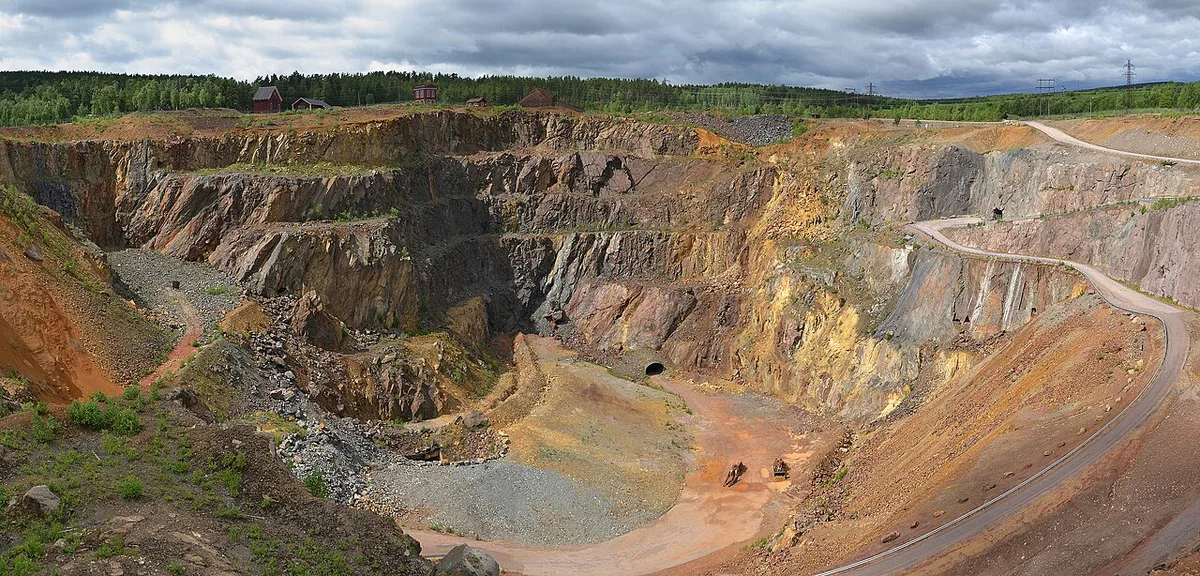
Falun is a historic copper mine and a UNESCO-listed mining area. You descend on a guided tour into old workings. Expect rough rock walls, dark chambers and stories of the mine's working life. You will not see cave formations. Tour times and the underground clothing advice are on the Falu Gruva site.
Our Falun mine tour guide explains what a visit involves. History fans will enjoy it. Visitors with claustrophobia or limited mobility should read the access notes before booking.
4. Sala Silver Mine, Västmanland, Sweden
Sala is a former silver mine that opens to guided underground visits. It pairs well with Falun on a central Sweden mining trip. The draw is the depth and the old shafts, not natural rock formations. A tour is a solid rainy-day option. Seasons and tour languages are listed on the Sala Silvergruva site.
Read our Sala's silver mine guide for the route. Skip it if you only want natural caves.
5. Kongsberg Silver Mines, Norway
Kongsberg's mines belong to a former silver-mining town. The Norwegian Mining Museum runs related exhibits and information. This visit suits industrial-heritage fans who like tools, tunnels and town history together. The Norsk Bergverksmuseum site gives current opening details.
More detail is in our guide to Kongsberg's silver workings. Skip it if you want caves with natural formations.
6. Røros mines, Norway
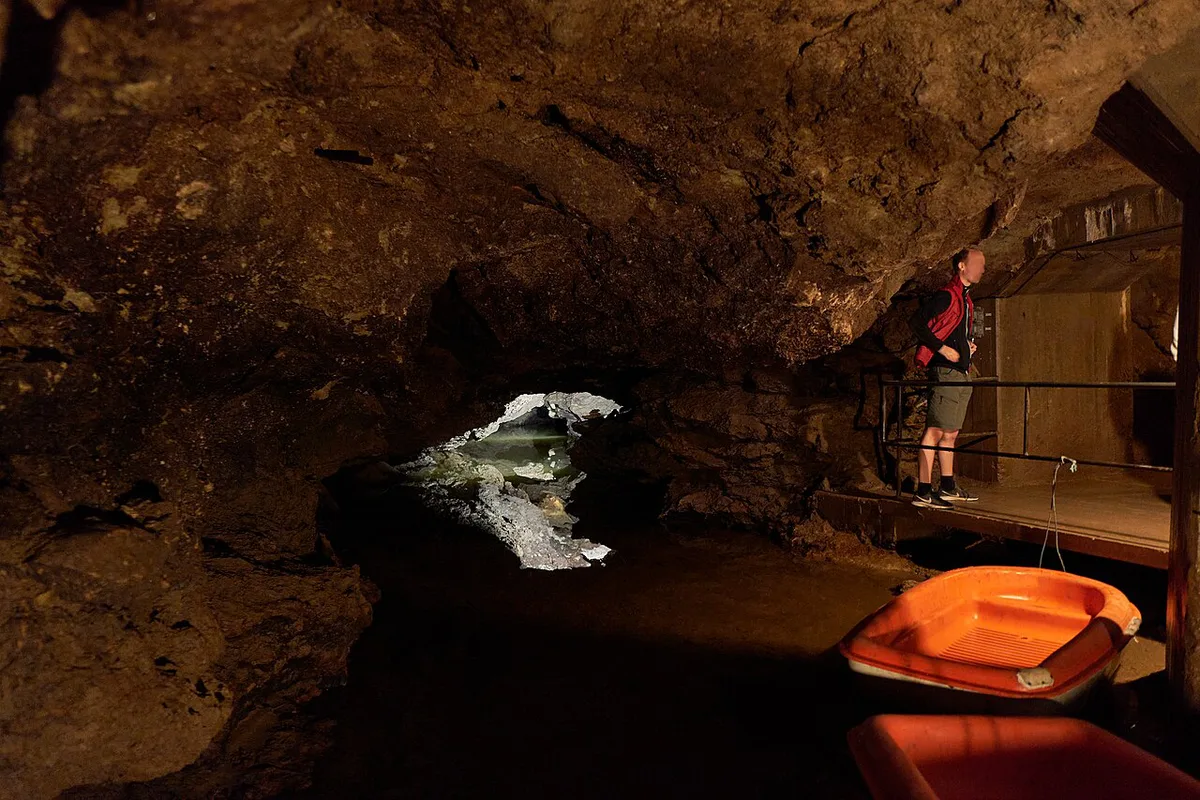
Røros is a mining town with a UNESCO-listed center. The Olavsgruva mine lets you walk underground on a guided visit. Combine it with a stay in town and you get streets, museums and mine in one trip. Hours and tour details sit on the Olavsgruva site.
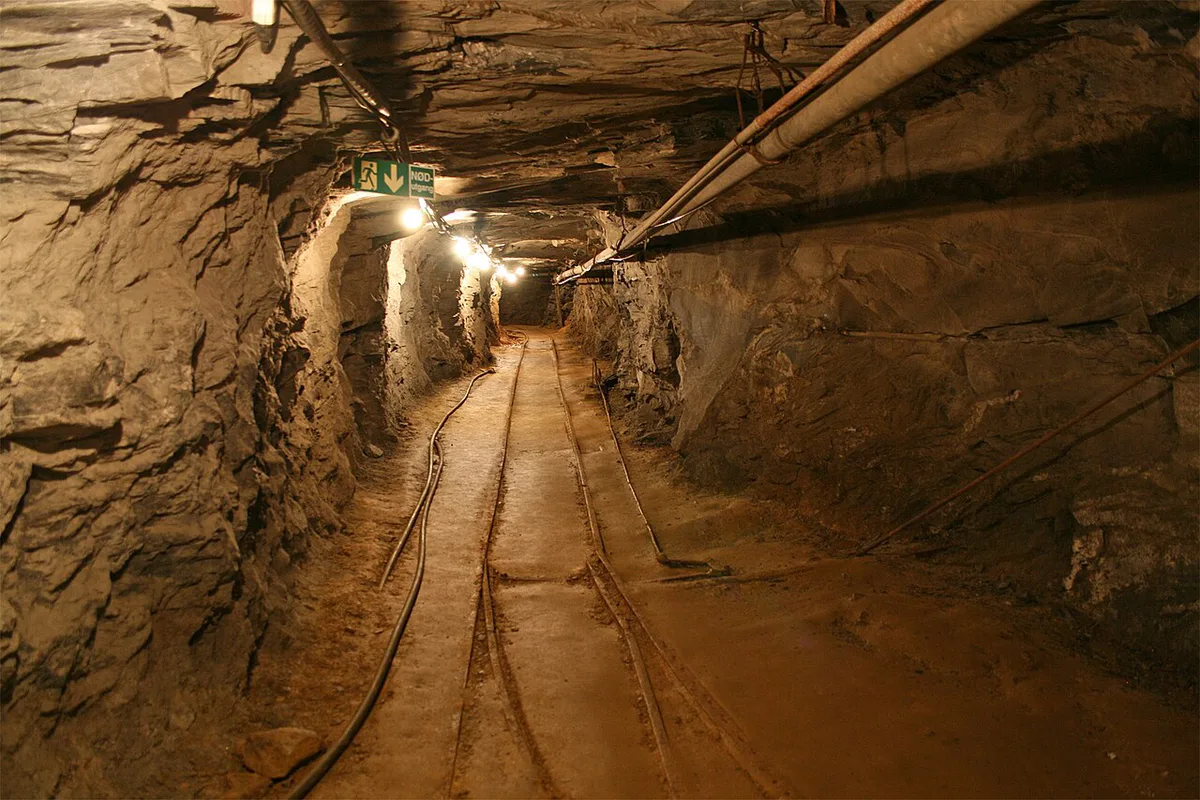
Our Røros copper mines guide covers the visit in more detail. Skip it if you prefer open-air sights or cannot manage cool, damp tunnels.
Natural caves in Helgeland, Norway: Grønligrotta, Setergrotta, Torghatten
The six sights above lean on mines and sea caves, but northern Norway also has a few natural caves and rock formations that can be visited on land. Most sit in Helgeland, the southern part of Nordland county, so they combine well into one road trip along the coast. They are extra options to weigh against the main list, not replacements for it.
Grønligrotta, near Mo i Rana
Grønligrotta is a marble cave close to Mo i Rana and one of the more accessible show caves in Norway. Visits are by guided tour, and the cave has a stream running through it. Tours run on a seasonal schedule, so check the official site for dates and ticket prices before you drive there.
Setergrotta, Hemnes
Setergrotta lies in Hemnes municipality, a short drive from Mo i Rana. Guided visits take you into the mountain through narrow, tunnel-like passages, so expect some crouching and wet rock. Wear sturdy shoes and a warm layer. The operator provides lighting and guiding, and opening times vary by season.
Torghatten, Brønnøy
Torghatten is not a cave in the strict sense. It is a mountain with a hole running straight through it, commonly cited as about 160 m long and 35 m high. A short uphill walk from the car park brings you to the opening, and you can walk through it. Weather matters more than booking here, and the path can be slippery after rain. The nearest base is Brønnøysund.
| Site | Type | Access |
|---|---|---|
| Grønligrotta | Marble show cave | Guided tour, seasonal |
| Setergrotta | Mountain cave | Guided tour, seasonal |
| Torghatten | Hole through a mountain | Self-guided walk |
Distances in Helgeland are long and ferries or detours may be needed, so plan these as a separate northern Norway trip rather than adding them to a Kongsberg or Røros itinerary. Check each operator's current season before you set off.
How to choose your underground visit
Match the site to your weather, group and interests. Use these rules.
Of these six, only 1 is a natural karst show cave, so choose Lummelunda for formations; mines show tunnels and tools, and sea caves need a boat or kayak.
Finland and the wider Nordic region
Finland has few classic caves, and the best options sit near the capital. Read about Finland's caves for the full list. In Helsinki, underground spaces in Helsinki make an easy city stop. Visit Finland has wider planning help.
Planning logistics for caves in Scandinavia
Sites are far apart, so group Falun and Sala on one Swedish trip and treat Gotland, Kongsberg and Røros as separate journeys. Underground air stays cool all year, so bring a warm layer and sturdy shoes even in summer. Tour prices and booking rules are on each official site, and peak-season tours can sell out.
Choose the right underground experience
Start with the kind of place you want to see. This guide has 6 underground sights, but only 1 is a natural karst show cave: Lummelunda on Gotland. Choose it for limestone passages and geology. It requires a ferry or flight, so it works best as part of a Gotland stay.
The remaining options have very different settings. Norway’s sea caves are reached by boat or kayak in calm weather. Falun, Sala, Kongsberg and Røros are former mines. Their guided visits focus on tunnels, working life and industrial heritage rather than natural formations.
For a history-focused trip, pair the 2 central Swedish mining sites, Falun and Sala. Keep Kongsberg and Røros as separate Norway journeys. Choose a mine for a rainy-day activity, but check mobility notes before booking. Cool, damp tunnels can be uncomfortable for visitors with claustrophobia or limited mobility.
For more sea caves on the North Atlantic coast, see our guide to caves in Scotland.
Explore More Guides
Keep planning your trip with these guides.
Guides
- Lummelunda Cave Gotland
- Falun Mine (Falu Gruva)
- Sala Silver Mine: Tours, Tickets, Depth and Underground Stay
- Kongsberg Silver Mines: King's Mine Tour & Visitor Guide
- Olavsgruva Tour and Planning
- Caves in Norway: Best Caves to Visit and What to Expect
- Caves in Finland: What You Can Actually Visit (and Alternatives)
- Underground Helsinki: What You Can Actually Visit
- Sea Caves in Norway
Notes for your next trip underground
Optional updates when we add or revise cave and underground guides.
More guides
More guides you'll find useful