5 Best Cave Houses in Europe to Visit or Stay In
Where to find cave houses in Europe, from Spain's Guadix to France's Loire and beyond. Compare regions, stays and access, then pick by goal.

Last updated November 2026: the best cave houses in Europe are carved into soft rock in Andalusia and the Loire Valley; Matera's Sassi in southern Italy are a famous cave-house district but sit outside this guide. Andalusia offers lived-in cave neighborhoods and rentals, while the Loire offers troglodyte villages built for day visits. Decide whether you want to stay, visit or buy, then follow the regional guide that matches.
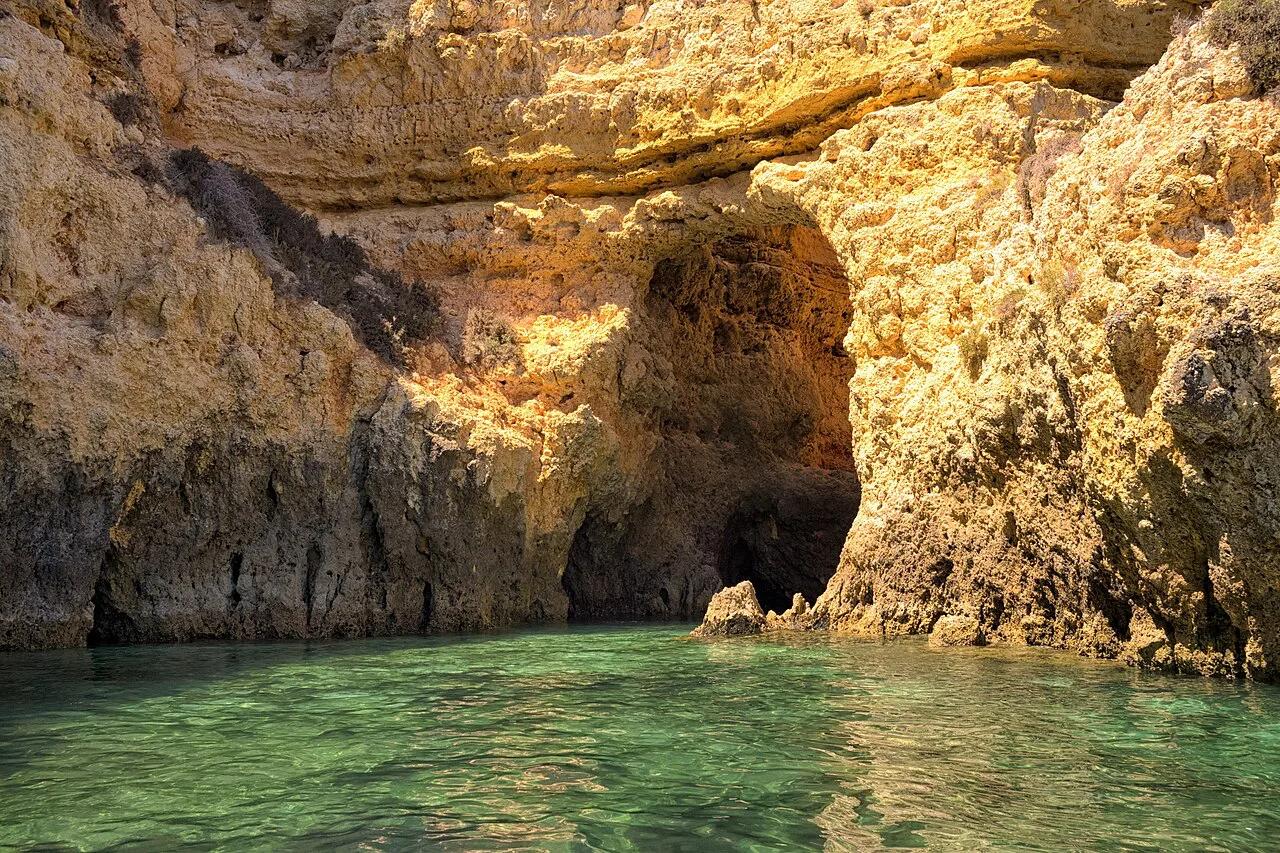
Featured image: BrokenSphere, CC BY-SA 3.0, via Wikimedia Commons.
What counts as a cave house
A cave house is a home dug into tuff, loess or other soft rock, often with a built front wall and a chimney through the hillside. A cave hotel is a commercial stay that may be in a converted dwelling. An earth-sheltered modern house is built on the surface and covered with soil, and a show cave is a natural cavern with no residents. This guide covers dwellings only. Rock-cut churches appear in our guide to sacred caves across Europe.
5 Best Cave Houses in Europe, Region by Region
Each entry below is a short route into a fuller regional guide. Opening dates and rates change by season, so check each official site before you plan a trip.
1. Guadix, Granada province, Spain
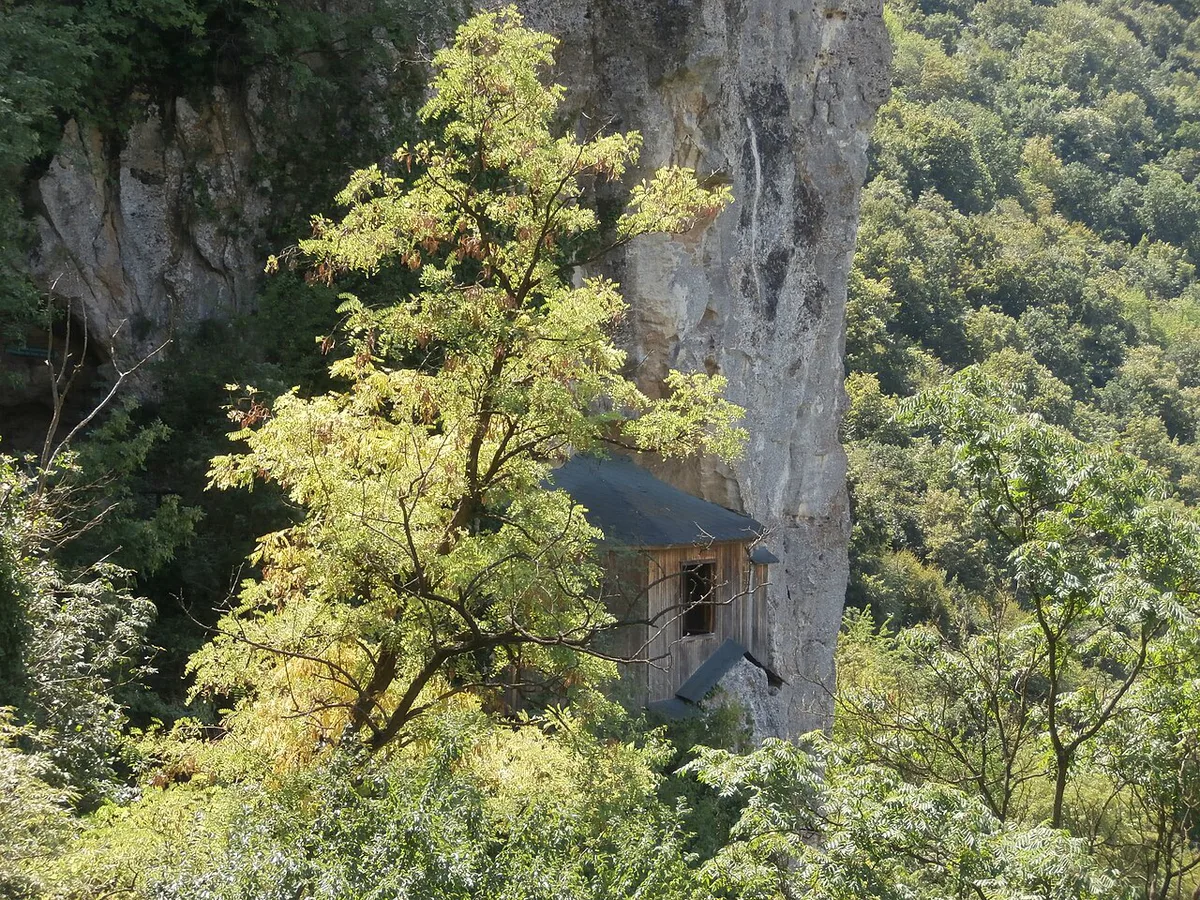
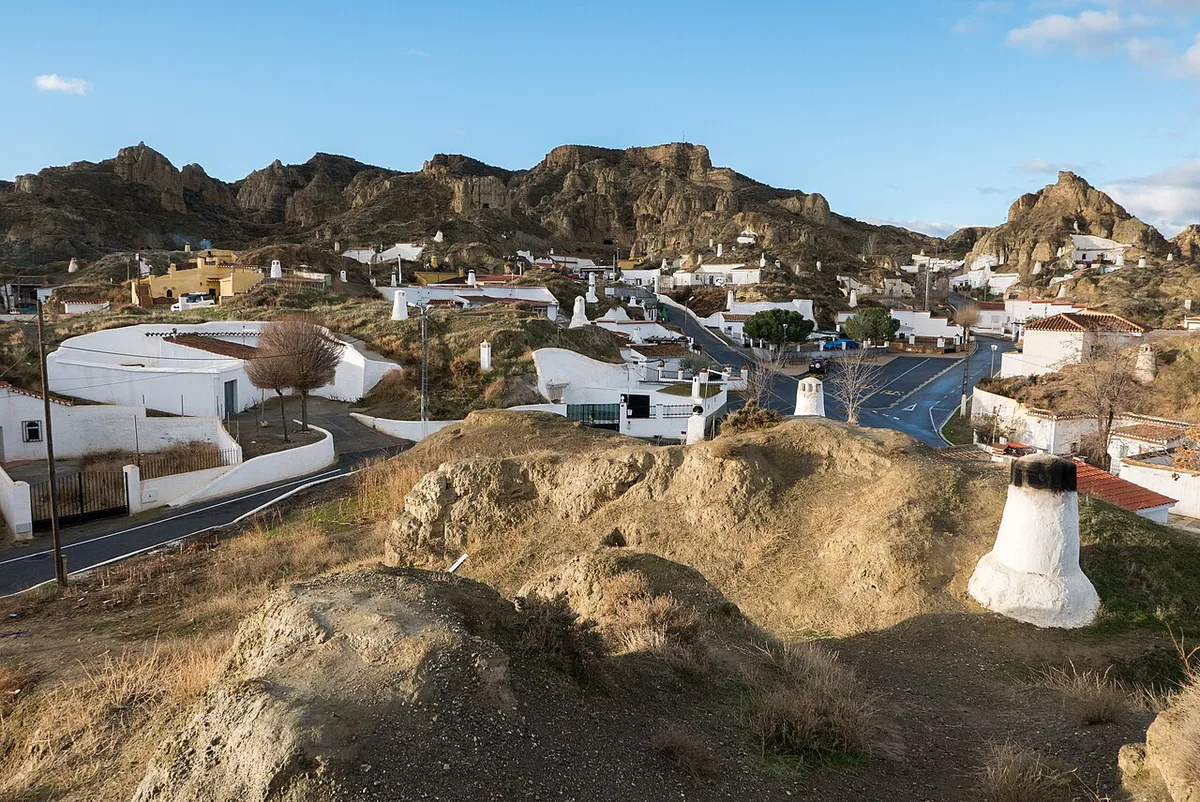
Guadix is the best-known place in Europe to see cave houses still used as homes, centered on the Barrio de las Cuevas. Walk the hillside lanes to see whitewashed fronts and chimneys poking out of the slope. Start with our Guadix cave house guide for the neighborhood layout.
Town information is on the Guadix council tourism site. A car makes the wider Granada province easier to explore, though the barrio itself is walkable. Skip it if steep lanes and stairs are a problem for you.
2. Cuevas del Almanzora, Almería, Spain
Cuevas del Almanzora sits in the Almanzora valley in Almería province, and its name points straight at its cave heritage. It suits travelers who want a quieter, less visited alternative to Guadix. Our Cuevas del Almanzora guide covers what to see in town.
Regional planning help is on Almería province tourism. Expect to rely on a car for the valley and the coast. Skip it if you want a dense cluster of ready-made visitor attractions in one afternoon.
3. Saumur, Loire Valley, France
Saumur is the easiest base for troglodyte sites in the Loire Valley, with caves cut into the pale local tuff. Use it to link several cave sites in a single day by car. Read our Saumur troglodyte caves guide for specific stops.
The Saumur tourism office lists current visitor information. Some sites close or reduce hours outside the main season, so build a flexible plan. Skip it if you want to sleep in a cave, because many sites are for daytime visits.
4. Rochemenier, Loire Valley, France
Rochemenier is a troglodyte village presented for visitors, with rooms cut underground around courtyards. It is a good fit for families and history-minded travelers who want to see how rural households were organized. Our Rochemenier village guide covers the visit in detail.
Opening details are on the Rochemenier site. Treat it as a museum-style visit, not a place where you stay overnight. Skip it if you only have time for a quick photo stop.
5. Turquant, Loire Valley, France
Turquant is a Loire village where cave frontages line the hillside along the river road. It works well as a slow stop between larger sites, especially for photographers. Plan your visit with our Turquant troglodytes guide.
Some caves here now hold restaurants, which we cover in our Loire cave dining guide. Broader regional heritage information is on Loire Valley tourism. Skip it if you expect interior tours at every cave, because many frontages are best seen from outside.
Cave houses in Europe at a glance
Use this table to match a region to your goal. Our Spain overview, cave houses across Spain, adds detail on each Andalusian area.
| Region | Dwelling type | Best for | Access |
|---|---|---|---|
| Guadix, Spain | Lived-in hillside homes | Visit or stay | Car helpful |
| Almanzora valley, Spain | Valley cave homes | Visit | Car needed |
| Saumur, France | Tuff troglodyte sites | Visit | Car helpful |
| Rochemenier, France | Troglodyte village | Visit | Car helpful |
| Turquant, France | Cave frontages and dining | Visit | Car helpful |
How the five compare on the ground
Scale and style differ more than the list suggests. Guadix is the largest: commonly cited figures put the Barrio de las Cuevas at over 2,000 cave homes, and whitewashed chimneys on the hillside show where people still live underground. A self-guided walk through the quarter takes 1 to 2 hours and is free, but the lanes are steep with steps, and ordinary family homes line them, so treat them as someone's street.
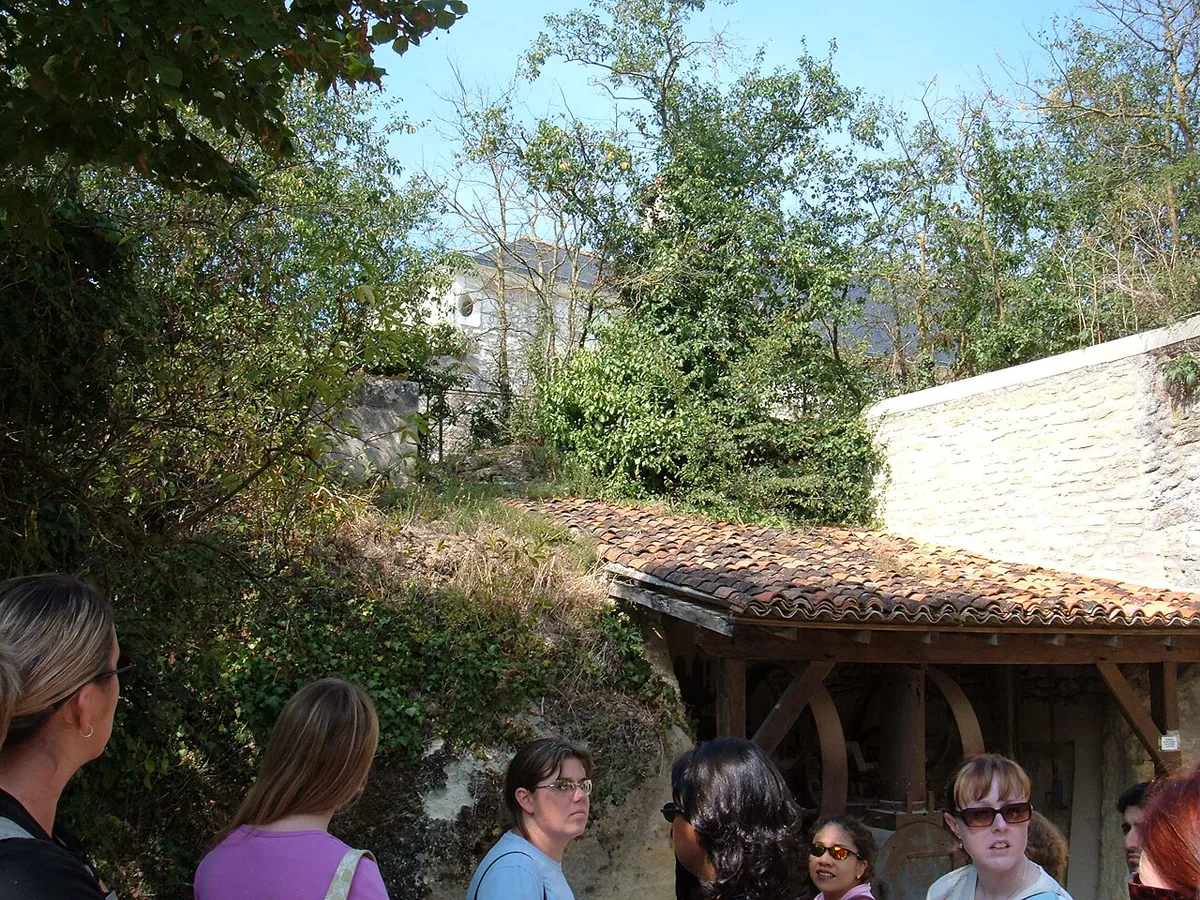
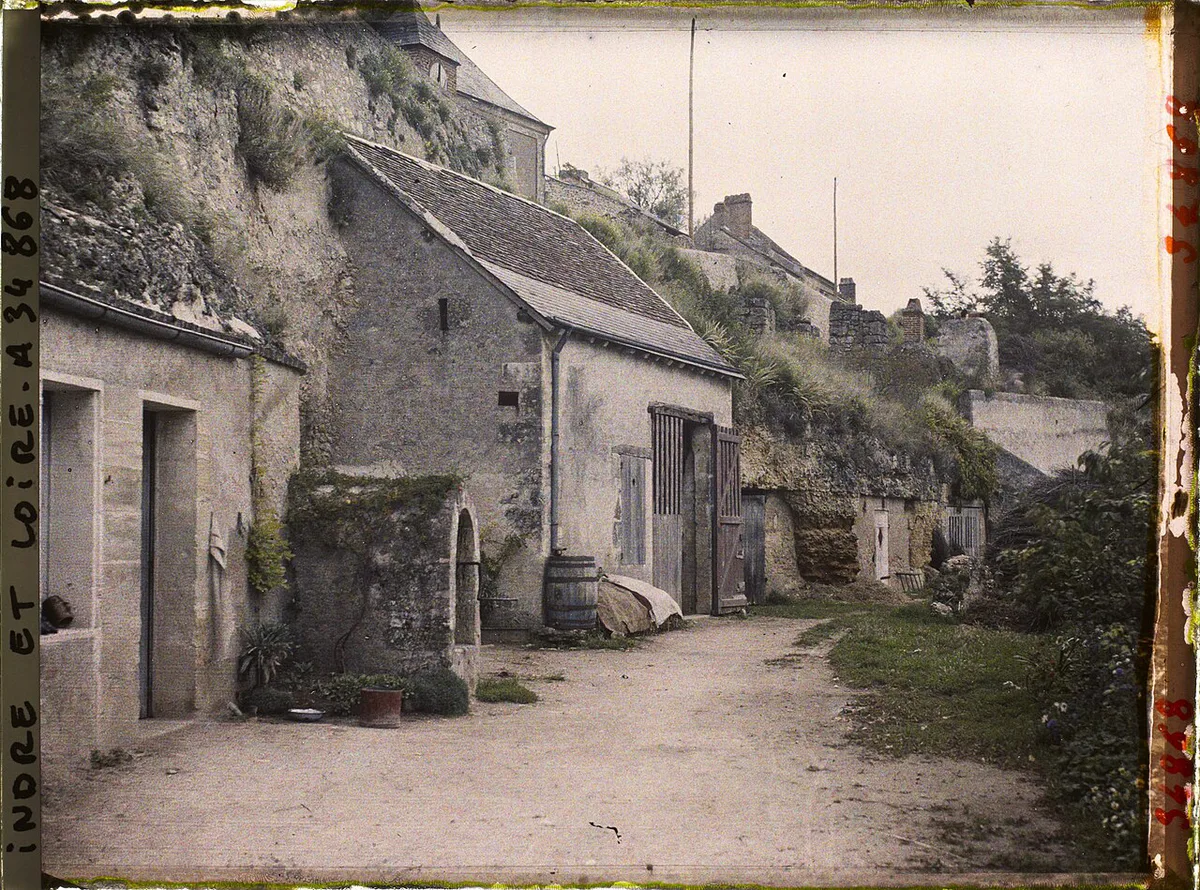
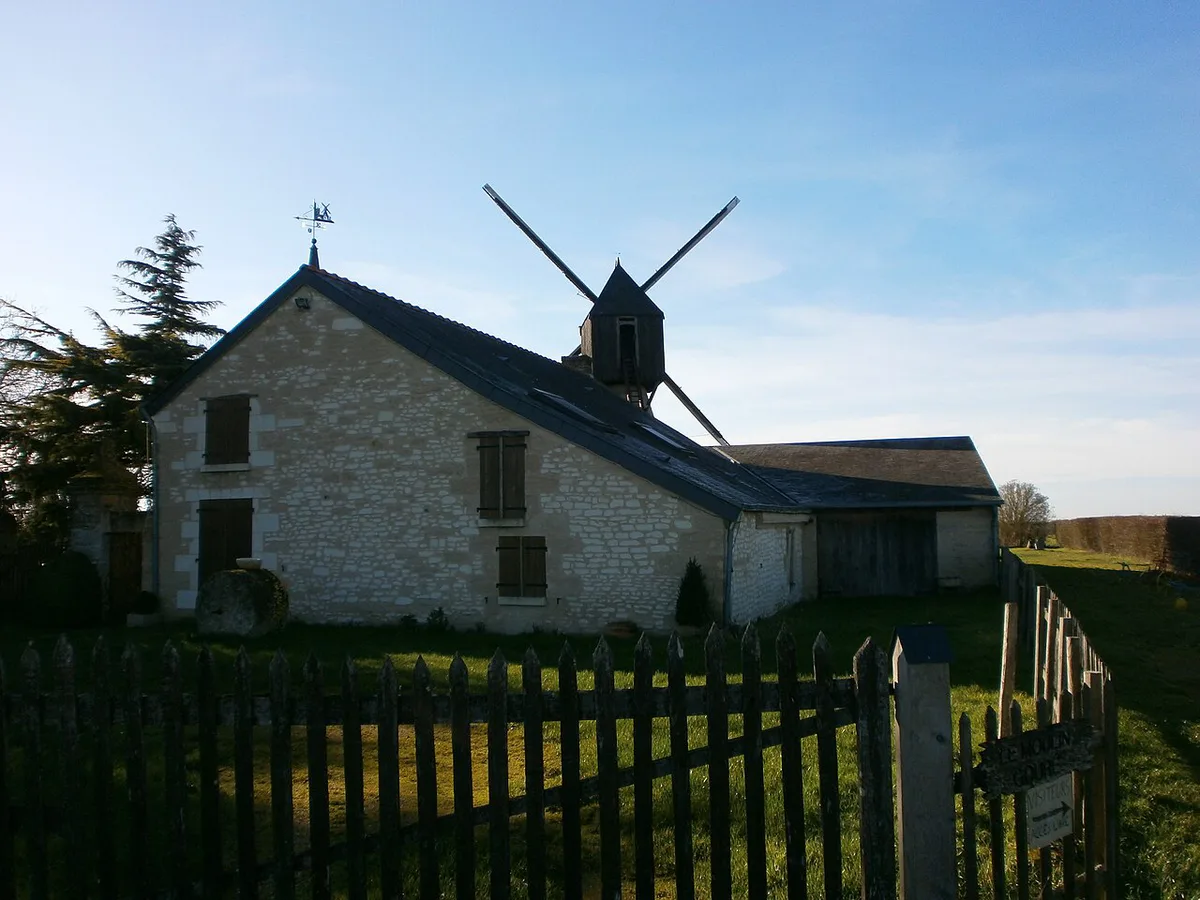
The Loire sites are smaller and spread out. Rochemenier is a farm village on a plain: farmers dug each courtyard down like an open quarry in falun, a shell-rich sandstone, then cut rooms sideways. The visit covers 2 preserved farms out of about 40 in the original village, with more than 20 rooms, and takes 90 minutes to 2 hours. Turquant, roughly a 10-minute drive from Saumur, is a 2 to 3 hour stroll for wine, cave lanes and mills rather than a single headline sight. In Saumur itself, the Nantilly district is the oldest in town, with former tufa quarry galleries.
Choose by how you travel. Without a car, start with Nantilly in Saumur town. On a bike, Souzay-Champigny suits short, steep climbs. For farm life underground, choose Rochemenier; for a living cave neighborhood, choose Guadix.
Stay in a cave house or a cave hotel
A cave rental usually means a whole dwelling, while a cave hotel offers services and a front desk. Compare stairs, damp, natural light, family fit and booking lead time before you choose. Our Europe cave hotel guide is the main next step. Spain-focused readers can use the Spanish cave hotel list.
What life in a cave house is like
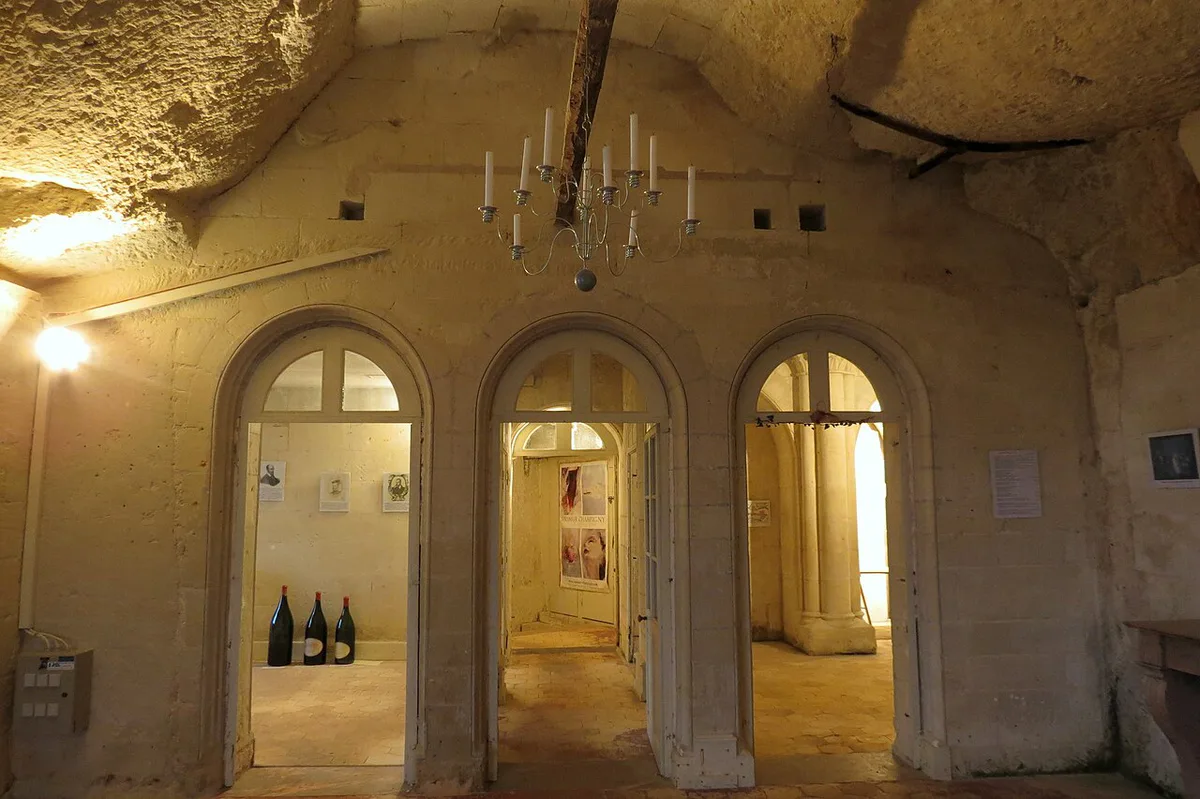
Rock walls tend to keep indoor temperatures steadier than a standard building, which helps in hot summers. Damp and limited daylight are the usual trade-offs, so ask about ventilation before booking. Mobile signal and noise vary by hillside. Visitors with limited mobility should ask about steps at the door and inside.
Thinking of buying a cave house
Cave homes for sale vary widely in condition, from move-in ready to unrenovated shells. Renovation scope, utilities and legal title are the main questions. Hire a local lawyer and surveyor before any commitment, and treat old online listings as outdated.
Which cave house region fits you
Match your travel style to a region, then read the linked guide. Mistake to avoid: booking a cave stay in the Loire without checking that the property is a rental. Many Loire sites are visitor attractions, not accommodation. For the full French picture, see our French troglodyte villages guide.
| Traveler | Best fit |
|---|---|
| Couple | Guadix cave rental |
| Family | Rochemenier day visit |
| Photographer | Turquant |
| History-focused | Saumur |
| Budget | Almanzora valley |
| Buyer | Andalusia, with local legal advice |
For the natural show caves you can pair with a cave-house stay in the south, see our guide to caves in Spain.
Explore More Guides
Keep planning your trip with these guides.
Guides
- Guadix Cave Houses: What to See, Visit & Stay In
- Cave Houses in Spain: Where to See, Stay or Buy
- Cave Hotels in Spain: Where to Stay in a Cueva
- Cave Hotels in Europe: Where to Sleep in a Real Cave
- Troglodyte Villages in France: Where to Go and How to Choose
- Saumur Troglodyte Caves: Which to Visit, Cycle or Stay In
- Rochemenier Troglodyte Village: Visit Guide & Tips
- Turquant Troglodytes: Cave Village Guide and Walks
- Troglodyte Restaurants in the Loire Valley
- Cuevas del Almanzora: Castle, Caves & Visitor Guide
- Cave Churches in Europe: Where to See Rock-Cut Churches
- Rock-Hewn Churches of Ivanovo
Notes for your next trip underground
Optional updates when we add or revise cave and underground guides.
More guides
More guides you'll find useful