
Cave Churches in Europe: Where to See Rock-Cut Churches
Where to see cave and rock-cut churches in Europe, how they differ, and what to check on access, tickets and dress before you go.
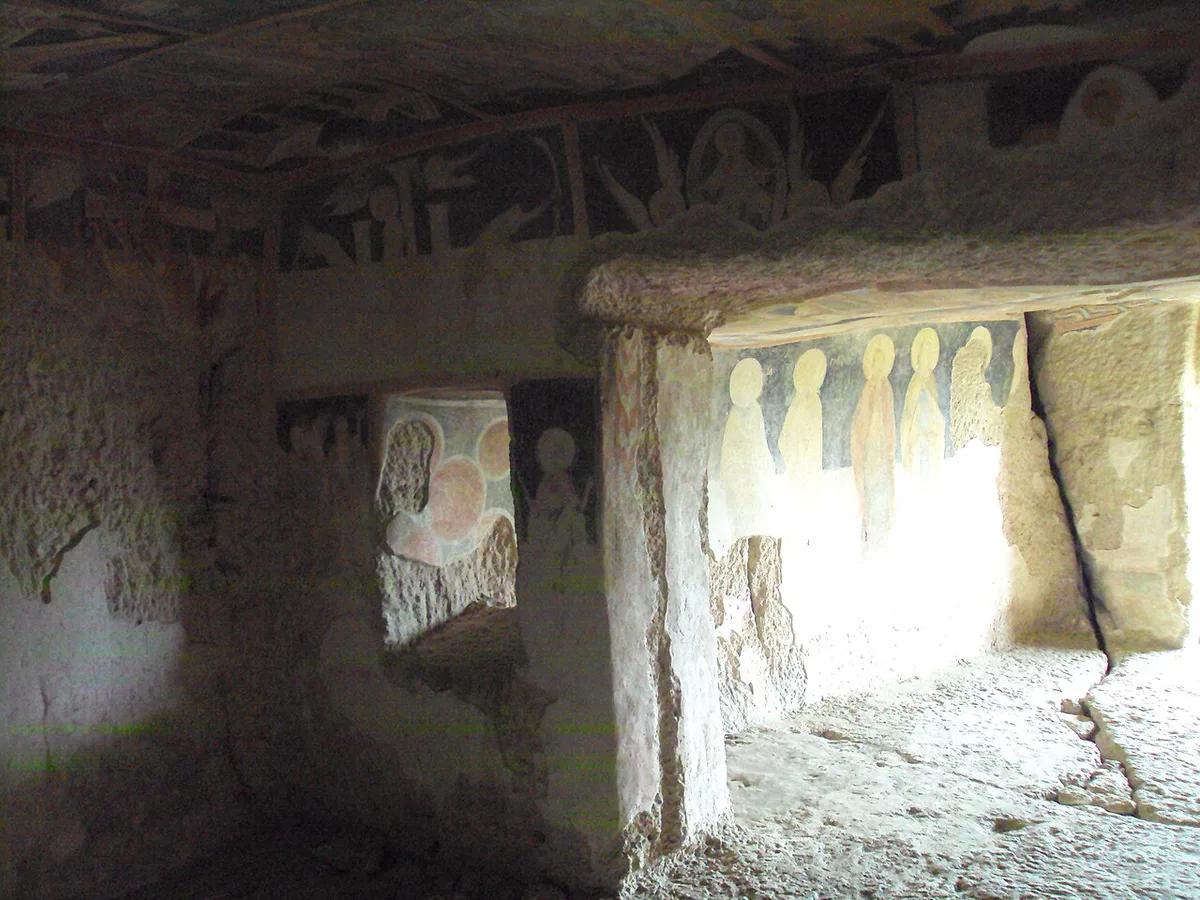
Last updated November 2026: cave churches are chapels and churches carved into rock or built inside natural caves, and Europe has two standout kinds of site. Bulgaria's Ivanovo rock churches and the troglodyte farm village of Rochemenier in France's Loire Valley are the clearest trip-worthy stops. Both sit within the wider story of cave houses across Europe, which this guide uses as its backbone.
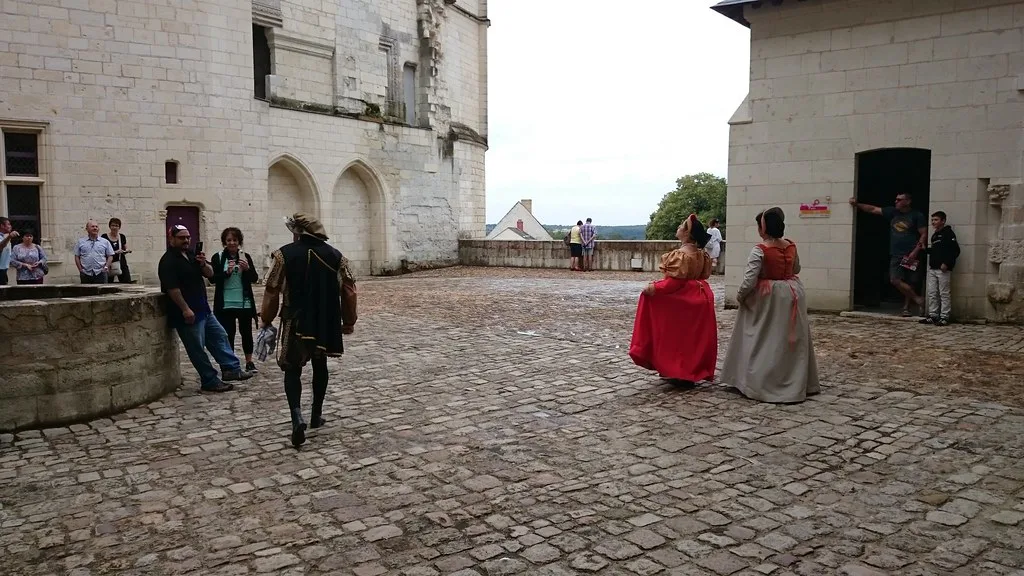
Featured image: Vislupus, CC BY-SA 4.0, via Wikimedia Commons.
What counts as a cave church
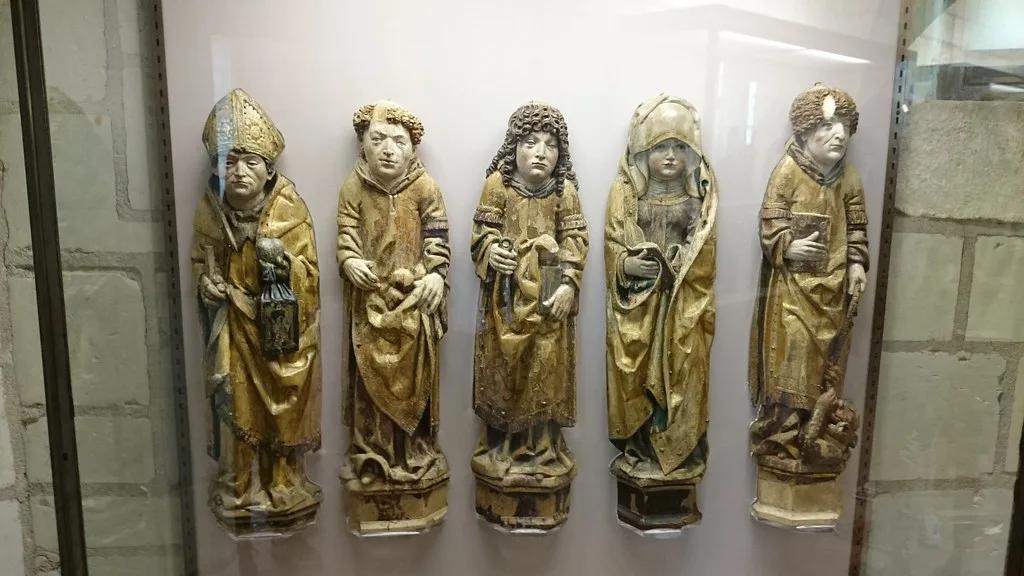
A cave church is a church or chapel carved into natural rock, or set inside a cave. Two types matter when you plan a trip.
Rock-cut churches are excavated by hand from cliff or rock faces, and many keep painted interiors. Natural-cave sanctuaries are caves that were adopted as chapels or hermitages, often with little added architecture.
A third situation turns up inside troglodyte villages, where a chapel is one room among many dug homes. Scope here is Europe only. Cave churches elsewhere, including Egypt and parts of Turkey, are different trips.
Where to see cave churches in Europe
Start with the sites that fit the question best. Each entry says why to go, who it suits and what to expect.
- Bulgaria, Ivanovo: Ivanovo's rock-cut chapels are the main European example for fresco lovers. Go if painted interiors are your priority. Access is on a monument-style visit, so read the details on Bulgaria's official tourism portal before you travel.
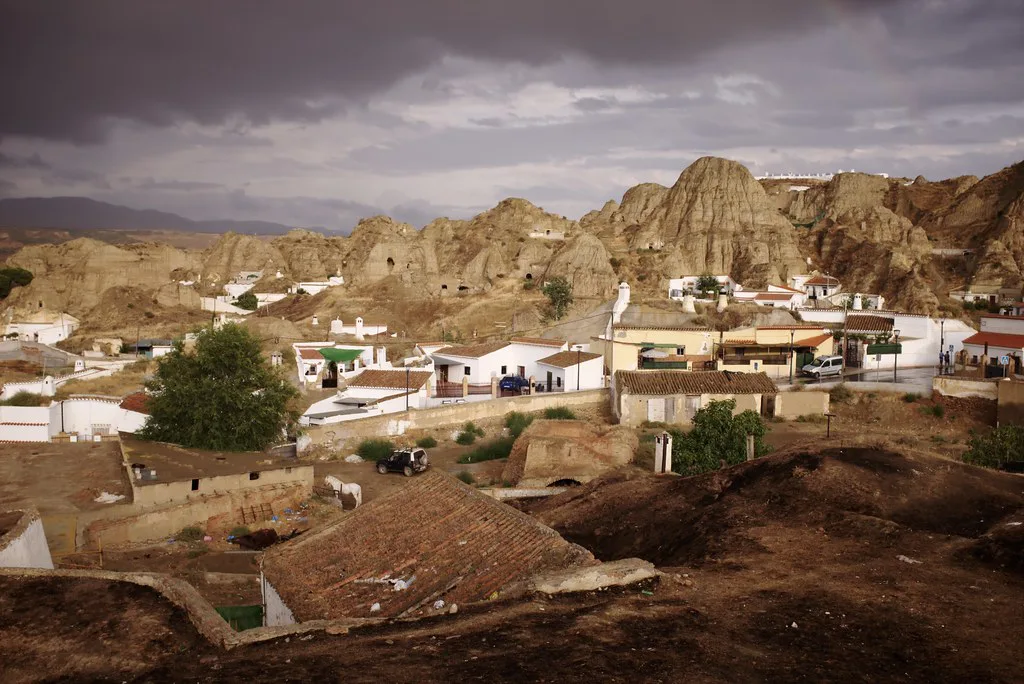
- Spain: Cave-house towns such as Guadix and Cuevas del Almanzora are about dwellings first. Read Spain's cave-house towns for context. Treat any cave chapel there as a local find and ask the town tourist office.
- France: The Loire's troglodyte sites near Saumur are built around homes, farms and wine cellars. Our France's troglodyte villages overview covers them, and the regional Loire Valley tourism office lists current visits.
Natural-cave sanctuaries: Ostrog and Kyiv
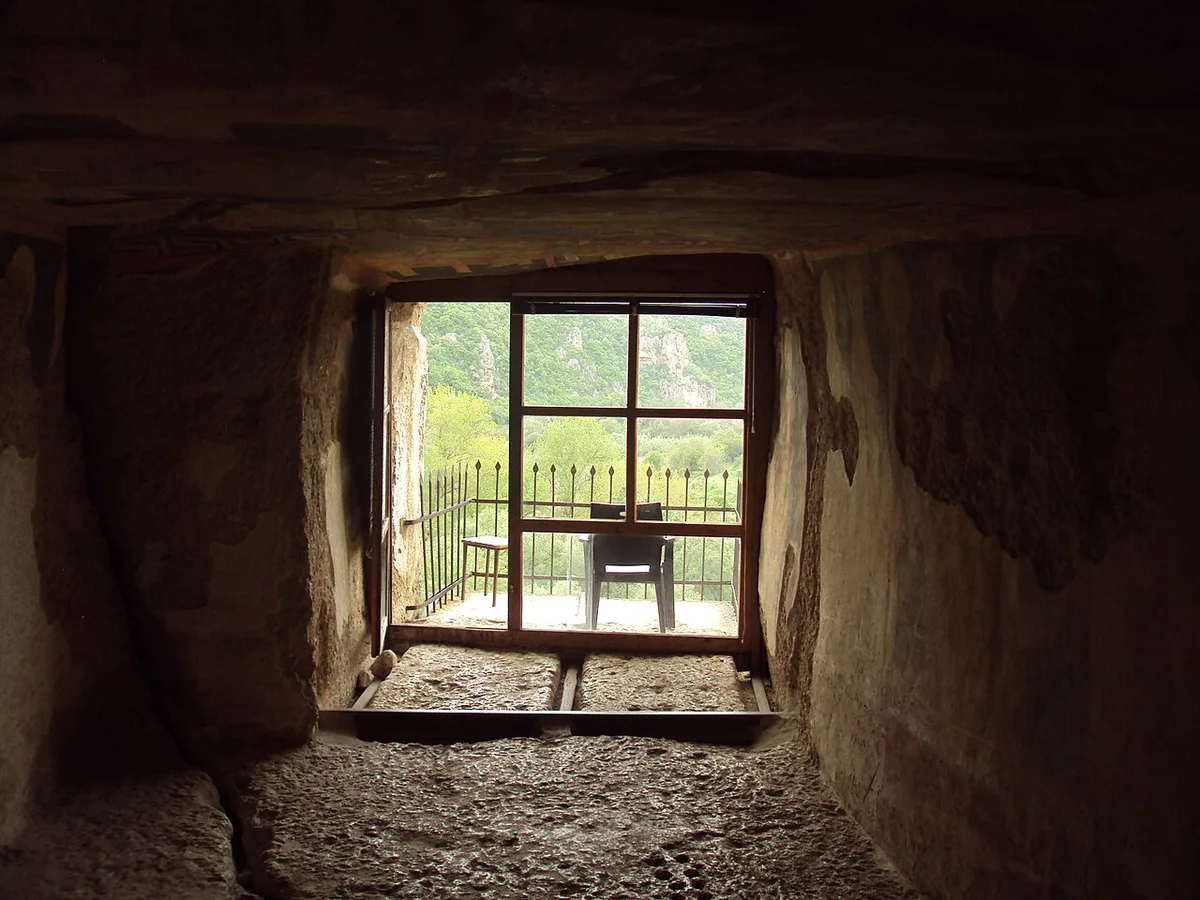
Beyond the rock-cut frescoed chapels, two European sites are working pilgrimage places built in or against natural rock. They suit travellers who want a living sanctuary rather than a heritage monument.
- Ostrog Monastery, Montenegro: an Orthodox monastery built into an almost vertical cliff face, with small cave churches in the upper complex. It draws a steady stream of pilgrims, so expect queues on religious holidays and weekends.
- Kyiv Pechersk Lavra, Ukraine: a monastic complex with underground cave passages, known as the Near and Far Caves, where monks lived and were buried. Access depends on current conditions in Ukraine, so check the Lavra's official channels and travel advice before planning a visit.
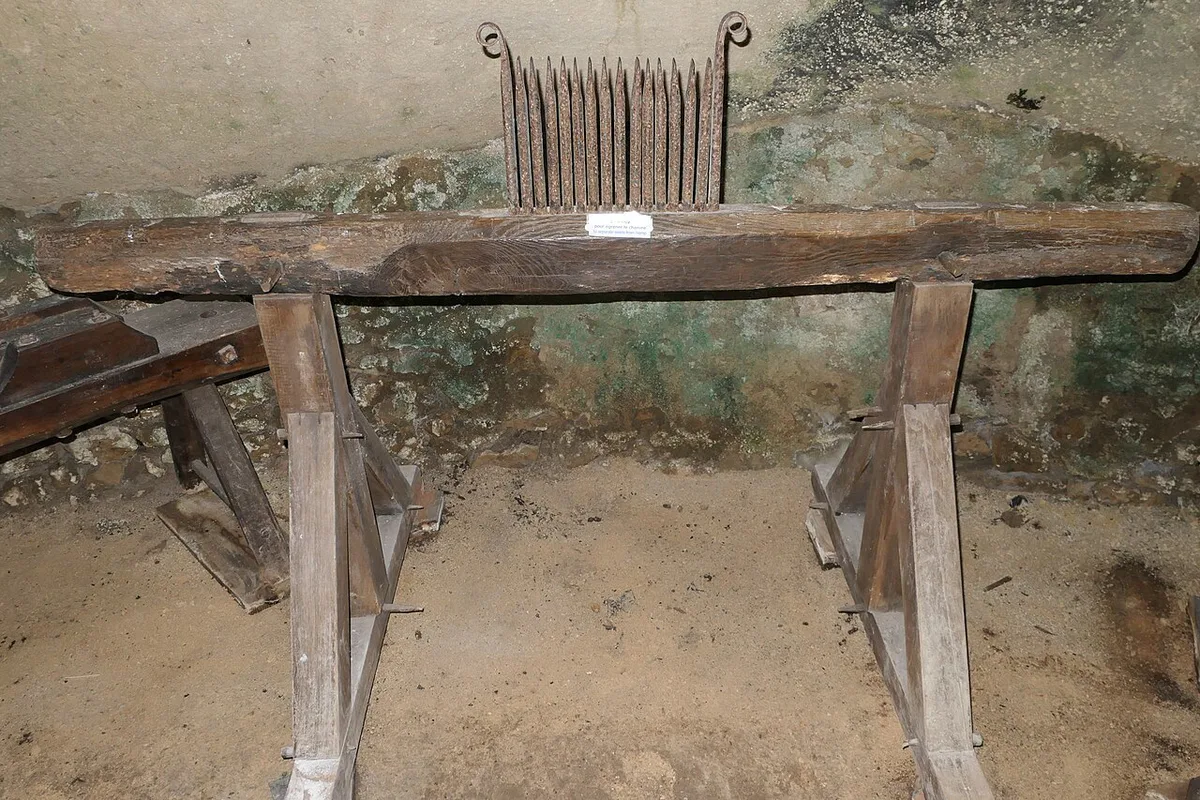
These sites differ from the cave-house towns covered earlier because the cave is the sacred space itself, not a home with a chapel attached. Expect cool, damp air inside natural caves even in summer, so bring a light layer. For the wider picture of European underground sites, see 8 Best Caves in Europe: Show Caves, Sea Grottoes and Underground Lakes.
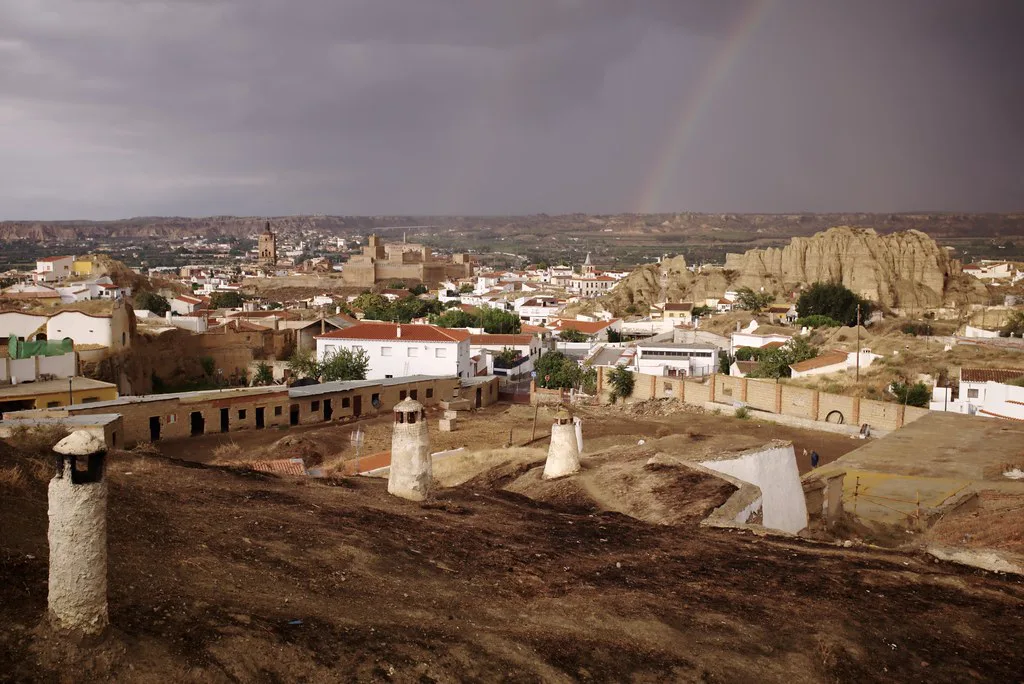
Dress and behaviour rules matter more at active shrines. Covered shoulders and knees are expected at Ostrog, and photography may be restricted near altars or relics. Opening hours and visiting rules change, so confirm them with the shrine or the local tourist office before you travel.
Cave churches compared
This table sorts the main stops by type and by what you can expect. Cells marked "check official site" depend on current local rules.
| Site | Country | Type | Visit style | Access note |
|---|---|---|---|---|
| Ivanovo rock churches | Bulgaria | Rock-cut, frescoed | Heritage monument | Check official site |
| Guadix and Cuevas del Almanzora | Spain | Cave-house towns | Town visit | Ask the local tourist office |
| Saumur and Rochemenier area | France | Troglodyte villages | Museum-style village | Check official site |
Ivanovo and Rochemenier in detail
Two sites with their own guides on this site show how different cave churches can be. At Ivanovo, UNESCO inscribed a medieval monastery cut into limestone cliffs above the Rusenski Lom river in 1979. Roughly 20 churches, chapels and cells survive, and the Church of the Holy Mother of God holds the highlight: 14th-century Tarnovo School frescoes in red and blue pigments, including a donor portrait of Tsar Ivan Alexander holding a model of the church. Caves here were inhabited from the 13th century until the 17th, and the complex is now a museum with no resident monks. Plan on roughly 1.5 to 2 hours for the churches, the ledge path and the viewpoints. Most of the rest is bare stone, so the payoff is concentrated in a few painted chapels.
Rochemenier in Maine-et-Loire is the opposite case: a farm village where the dug-out chapel is one room among many. Farmers dug courtyards down into falun, a shell-rich sandstone, then cut rooms sideways around them. The visit covers 2 preserved farms out of about 40 in the original village, with more than 20 rooms, stables, a wine press and the chapel. Allow 90 minutes to 2 hours, and ask about stairs and uneven floors if mobility is a concern. The village sits on a plain rather than a hillside, roughly 10 minutes by car from Doué-la-Fontaine, and local heritage listings say it has been open to visitors since 1964. The rooms stay cool even in summer, which makes it a useful rainy-day stop for anyone based in Saumur or Angers. The address is 14 Rue du Musée, 49700 Louresse-Rochemenier. Confirm the season and ticket prices on the official village site before you go, since the only published date range we found comes from a 2016 visitor report.
How to choose a cave church to visit
Pick by what you want to see. Frescoes point to Ivanovo. A farm village you can walk through points to Rochemenier.
If cave life matters more than cave worship, head to Andalusia or the Loire. Rochemenier's troglodyte village shows a full underground farm, and Guadix's cave quarter shows homes still in use.
- Want painted walls: Ivanovo.
- Want cave homes with a chapel as a bonus: Spain or the Loire.
- Short on time: pair one site with a town stay rather than a long transfer.
Etiquette, photography and accessibility
Some cave churches are working places of worship, and others are protected monuments. Dress modestly, keep voices low and stay out of services.
Photography rules often differ near frescoes, where flash can harm pigment. Follow posted signs and staff instructions.
Expect steps, low light and uneven floors at most rock-cut sites. Step-free routes are rare, so ask the site before you go if mobility is a concern.
- Mistake to avoid: using flash near frescoes.
- Mistake to avoid: wearing slippery shoes on worn rock steps.
- Mistake to avoid: arriving without checking whether the site is open that day.
Costs, tickets and opening hours
Published prices and hours change often, and none are fixed here. Use the official tourism pages linked above for current entry details.
Where to stay nearby
Staying in a cave room suits this kind of trip. Compare cave hotel options across Europe for a wider pick. For Andalusia, see Spanish cave hotels.
Around the Loire, the Saumur cave sites and Turquant's troglodyte houses make easy bases for short visits.
Notes for your next trip underground
Optional updates when we add or revise cave and underground guides.
More guides
More guides you'll find useful






