
Resava Cave (Resavska Pećina) Guide: Getting There, Tickets & Tips
Plan a visit to Resava Cave in Serbia: getting there from Belgrade, what you see underground, what to combine nearby, and who should skip it.
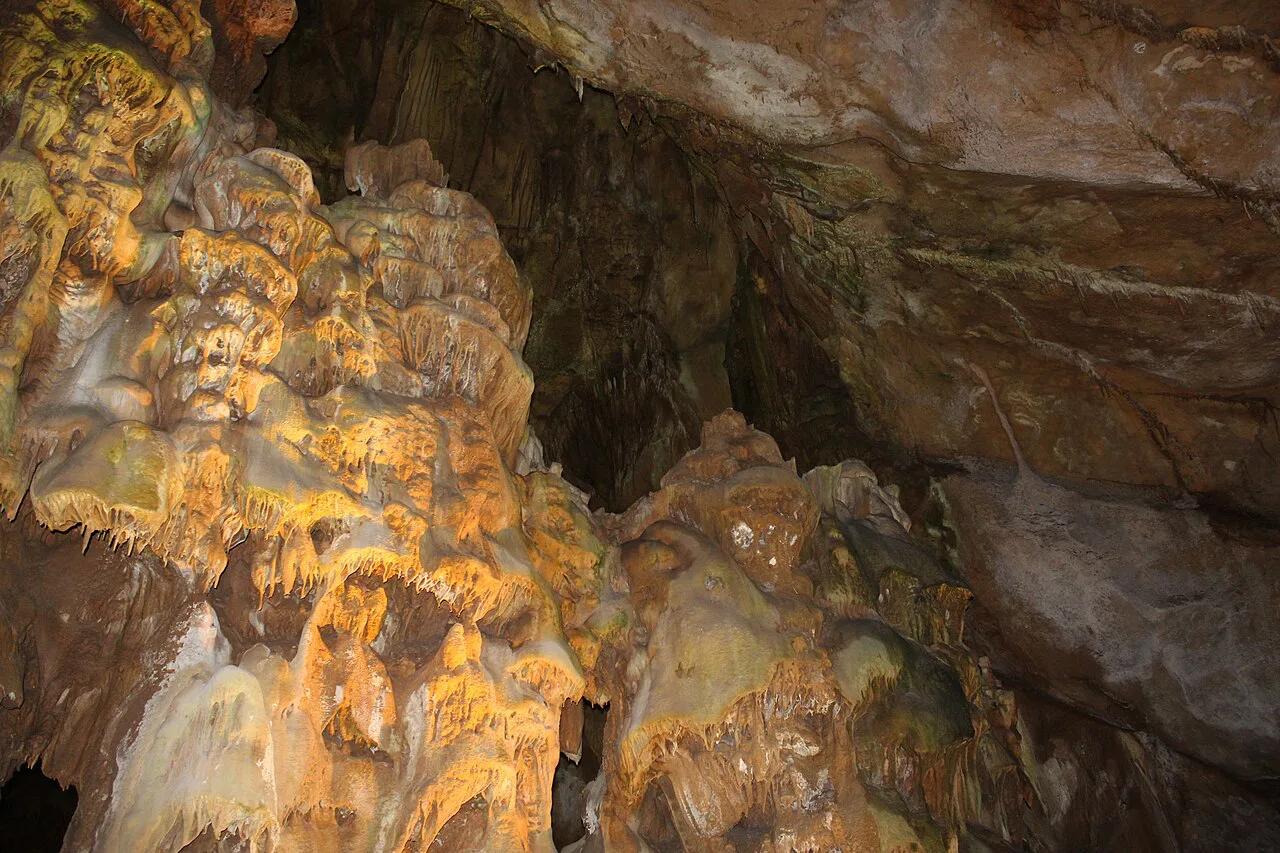
Last updated November 2026. Resava Cave (Resavska pećina) is a show cave near Despotovac in eastern Serbia, visited on guided tours along lit walkways. Expect a cool, decorated underground route that pairs easily with Manasija monastery and the Veliki Buk waterfall. It suits road-trippers who want an easy stop, and it sits within our wider guide to caves in Serbia.
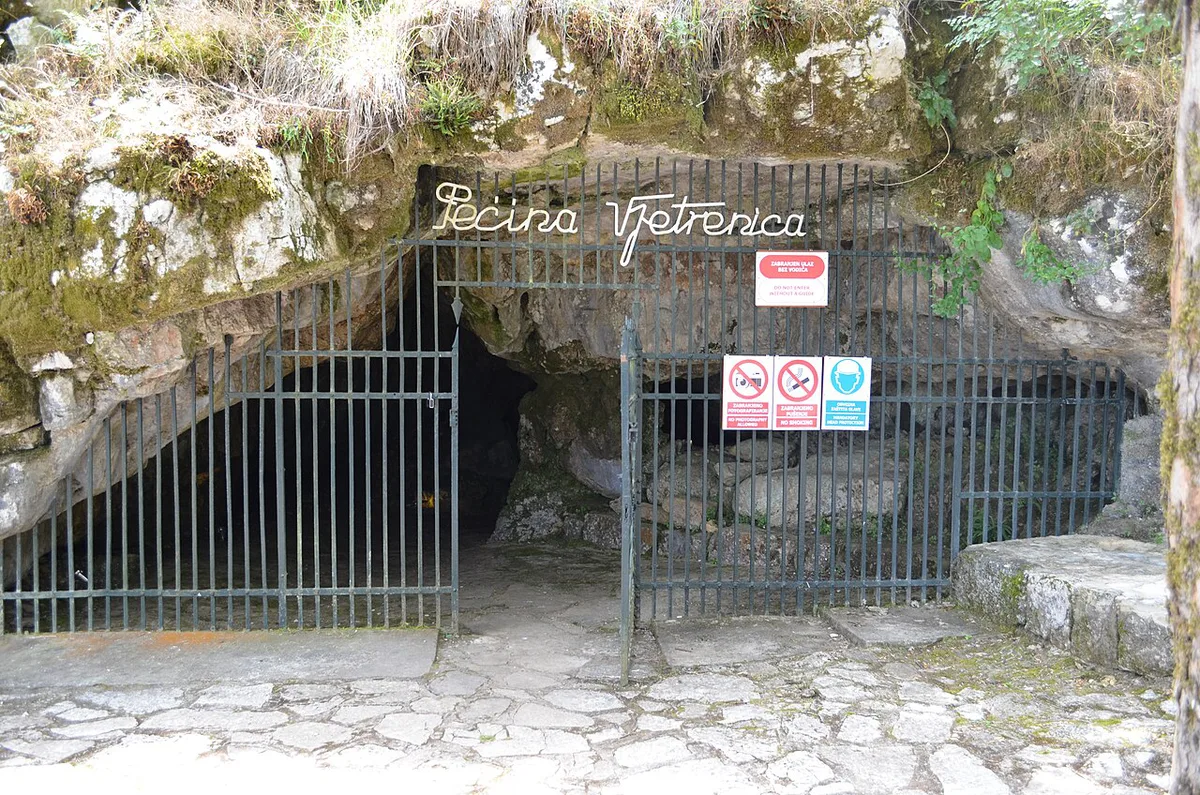
Featured image: Geograf208, CC BY-SA 4.0, via Wikimedia Commons.
Resava Cave at a Glance
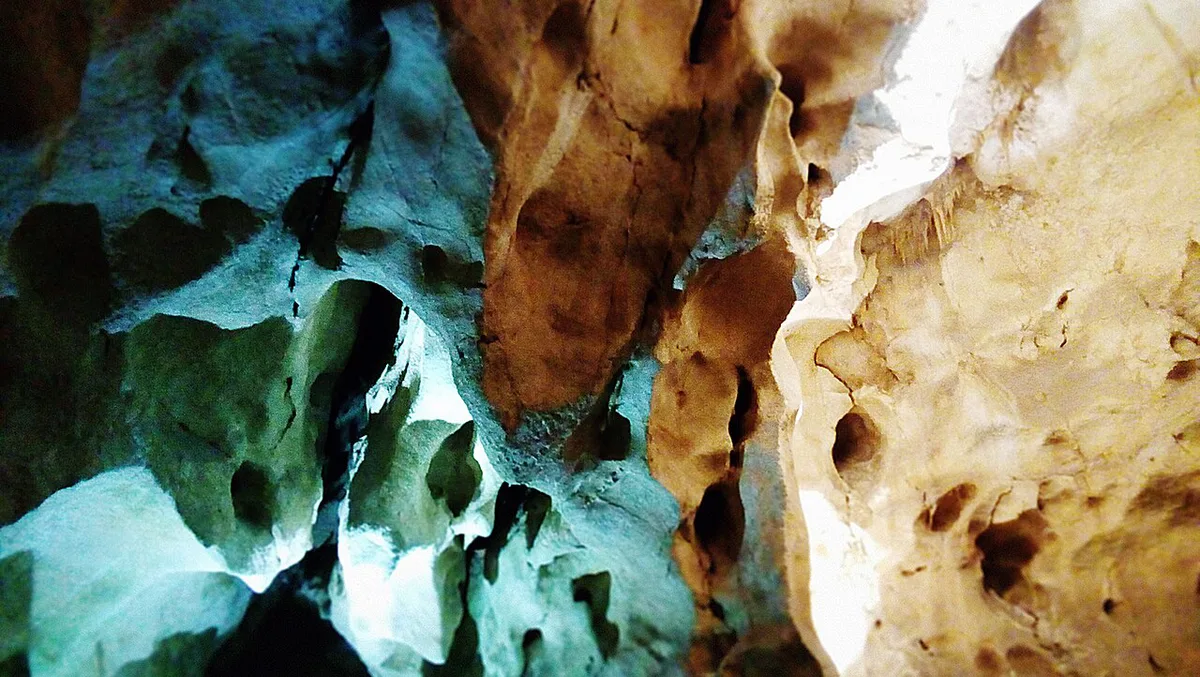
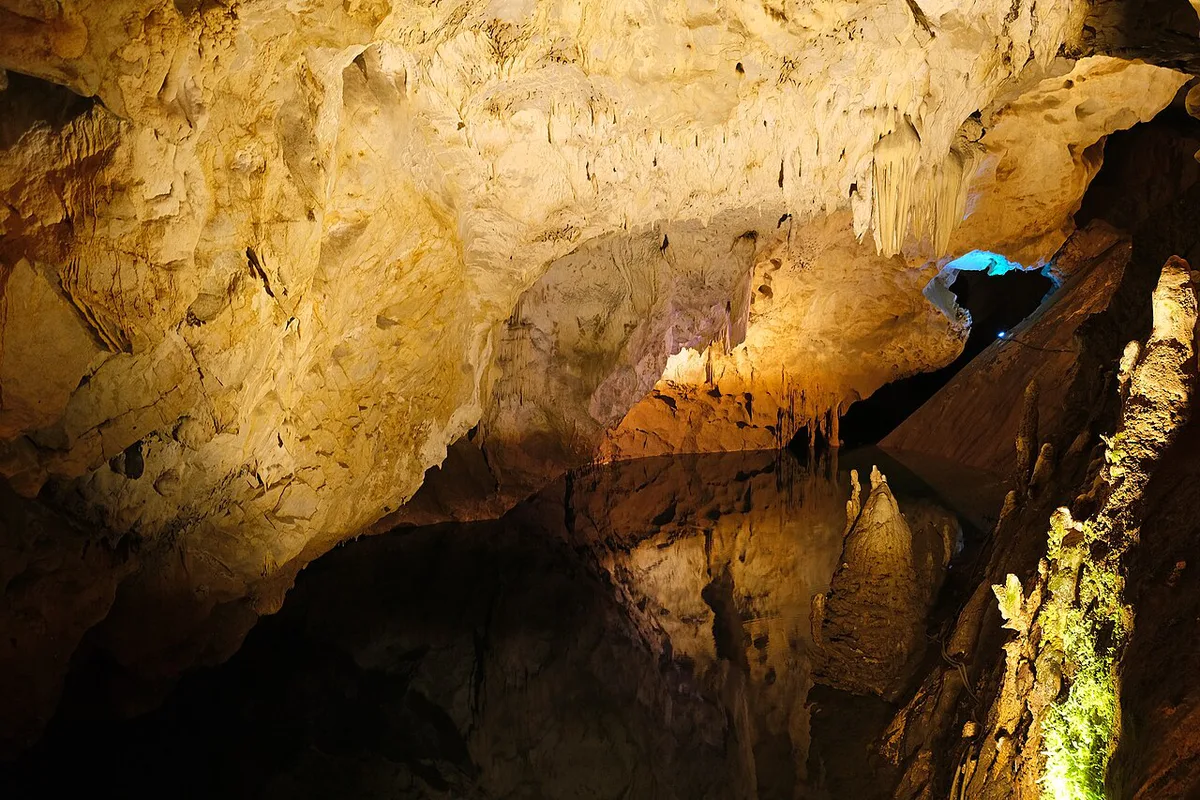
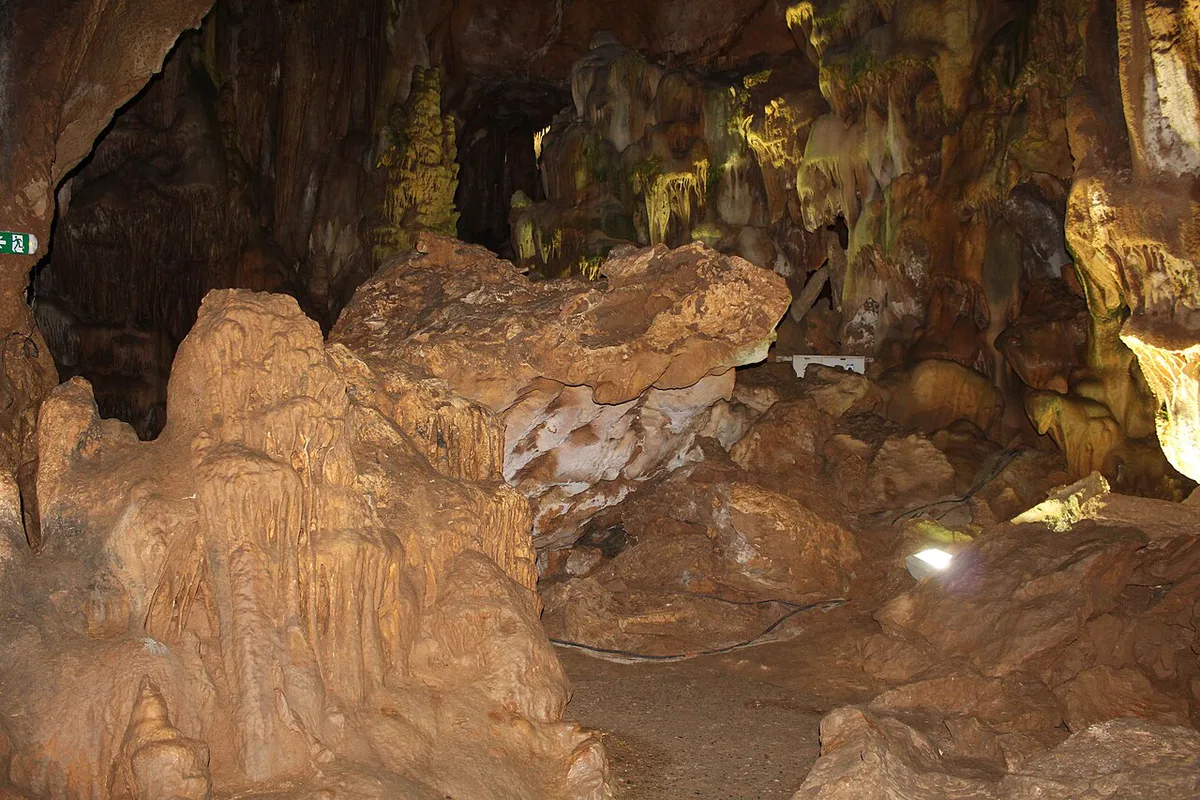
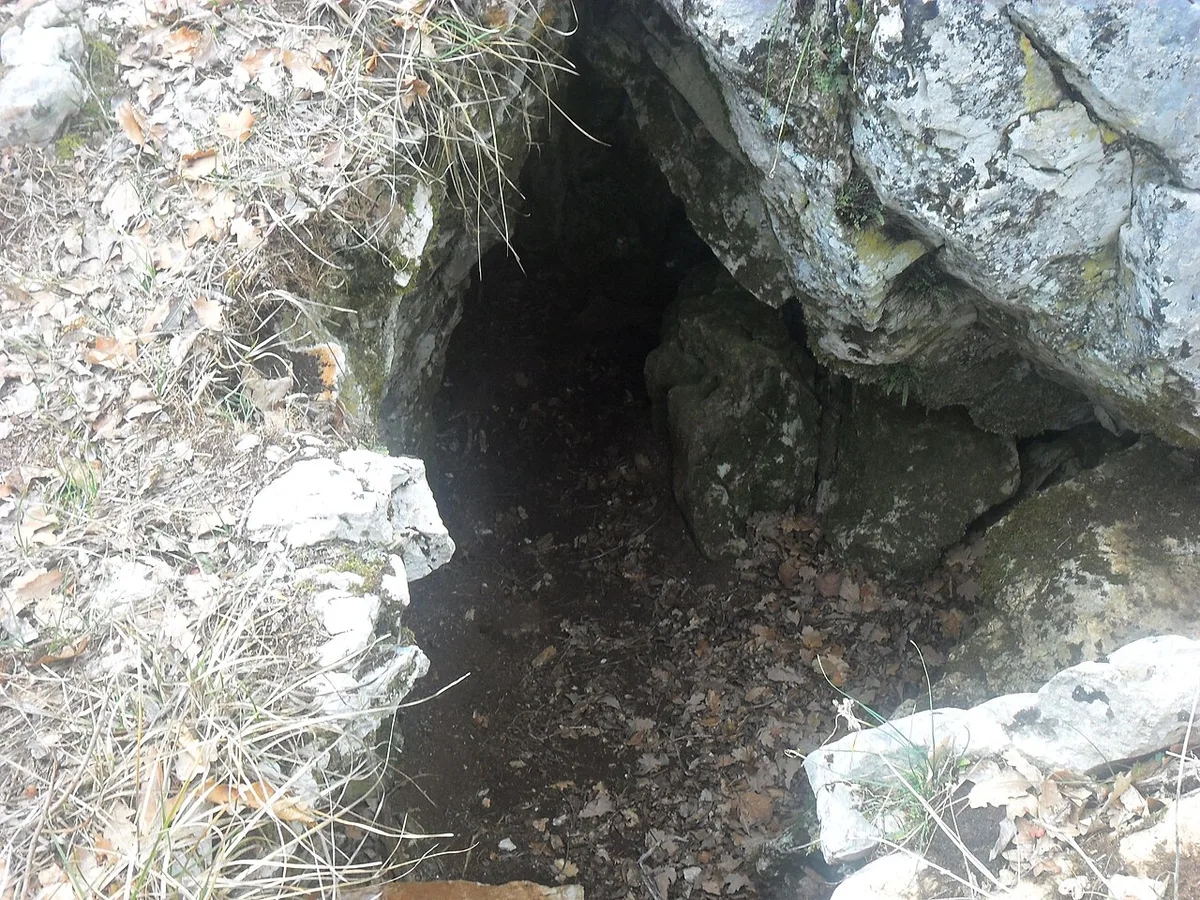
Decorations start right at the entrance, which sits at about 458 m above sea level. Inside, the temperature stays near 7°C all year. Humidity runs between 80% and 100%, so the air feels damp as well as cold. Most visitors treat the cave as a half-day stop rather than a full-day destination.
- Location: near Despotovac, eastern Serbia
- Format: guided tour on lit walkways
- Interior: about 7°C, 80–100% humidity
- Best for: road trips, families with older children, monastery-and-nature days
- Skip if: you want the scale of the big Balkan show caves
What You See Inside
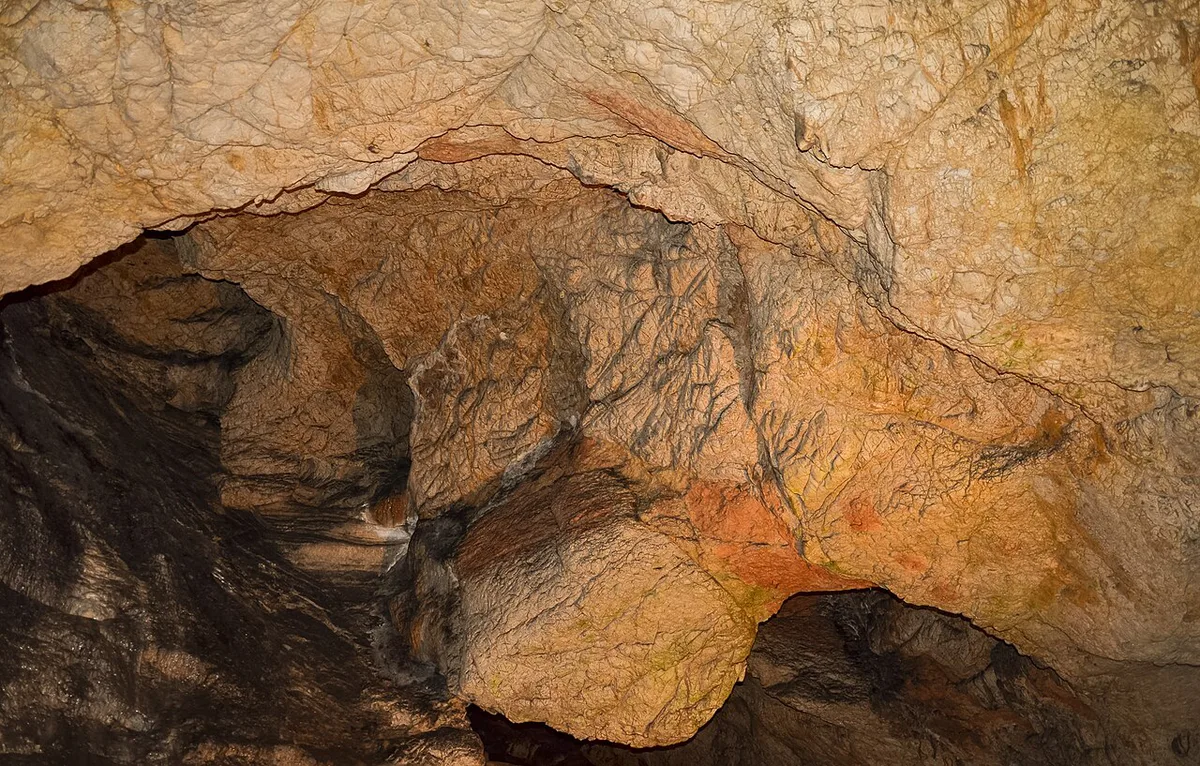
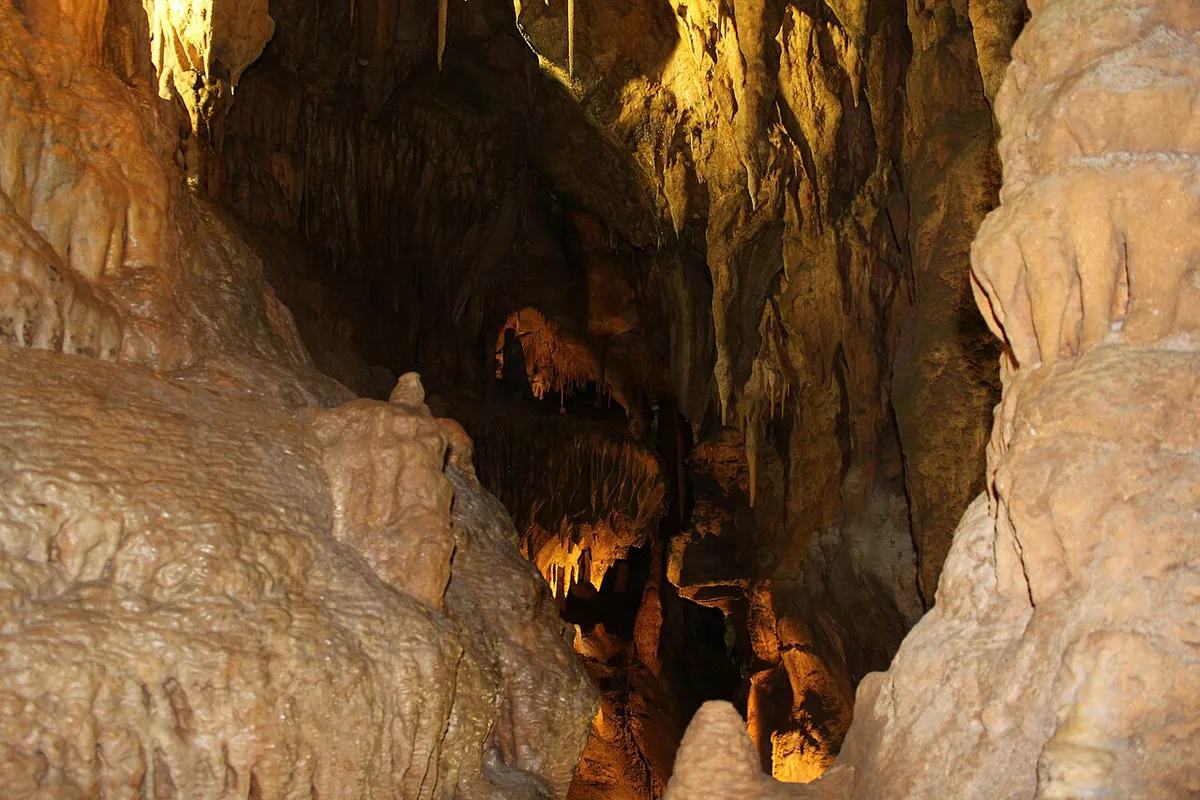
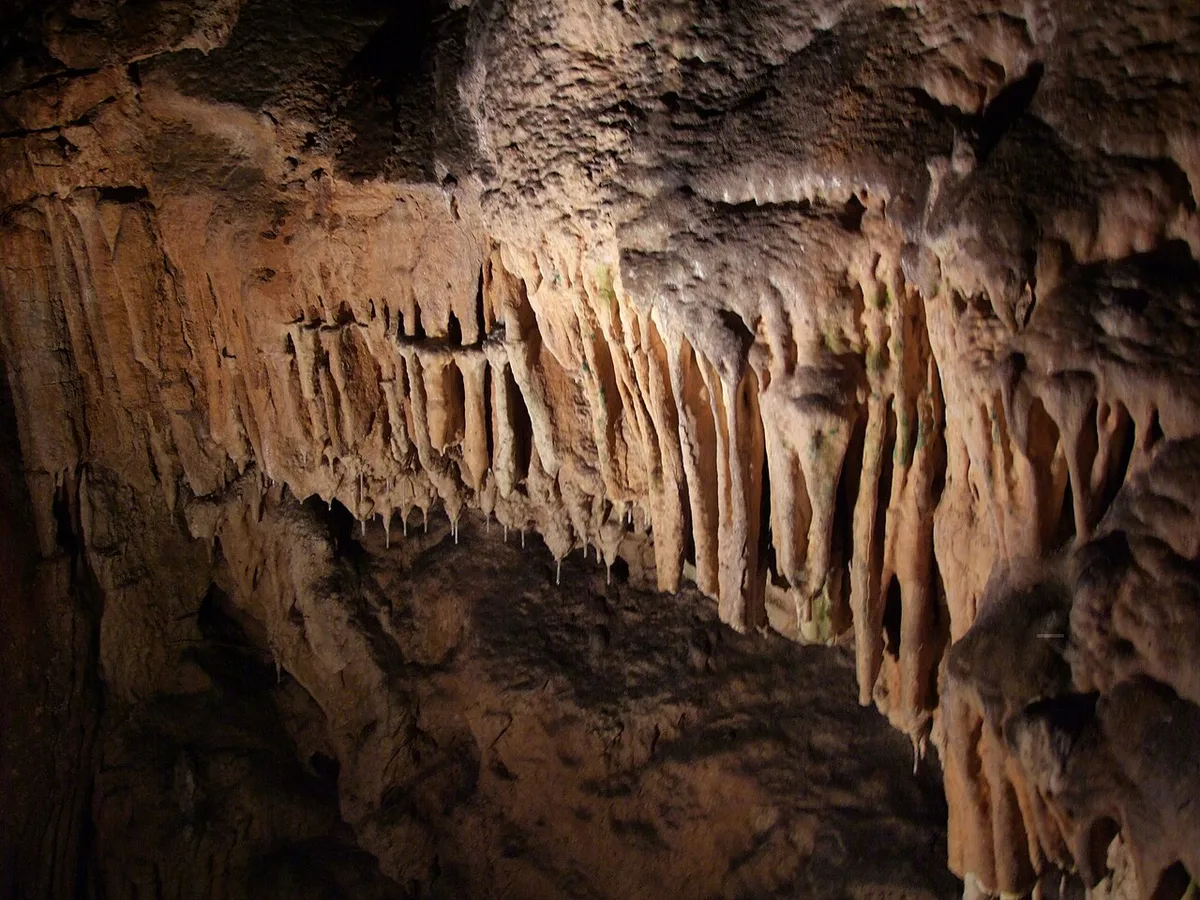
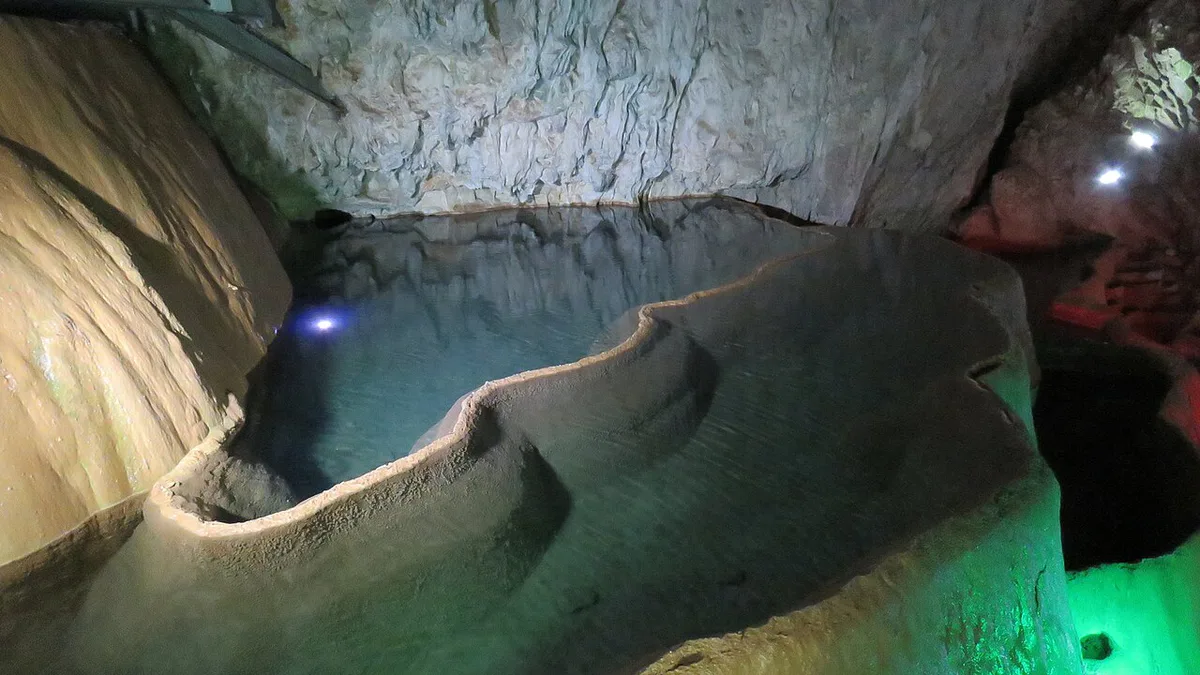
The cave is described as one of the oldest explored caves in Serbia. Its age is estimated at 80 million years, and the oldest decorations are put at around 45 million years. Walls carry halls, canals, galleries, pillars, stalactites, stalagmites and draperies. Red is the dominant colour, which comes from oxidised iron. White tones come from crystalline calcium, and yellow comes from clay particles. Because the temperature never changes, the underground experience is the same in January and in August.
Getting There From Belgrade: Tour vs Car vs Bus
Belgrade day tours run by bus on the highway to Despotovac. They bundle the cave with Manasija and the waterfall, so you do not handle logistics. Driving yourself gives you control over timing and the order of stops. Public transport is the slowest option and needs the most planning, so check current timetables with the bus operator before committing. Parking and the final stretch of road are worth checking on a mapping app before you leave.
| Option | Time and flexibility | Cost level | Best for |
|---|---|---|---|
| Guided day tour from Belgrade | Fixed itinerary, one long day | Mid (tour fee plus tickets) | No-hassle visitors without a car |
| Rental car or own car | Fully flexible, any order of stops | Fuel and parking | Families and photographers |
| Bus or public transport | Least flexible, timetable-bound | Lowest | Budget travellers with spare time |
Tickets, Hours And Booking
Official prices, season dates and tour times change, so use the Tourist Organization of Serbia and the cave's own operator for current figures. Prices and hours were checked November 2026 only to the extent that no official figure was found. One Belgrade tour operator listed the cave ticket at 300 RSD and the miniatures park at 100 RSD as add-ons. Treat those as a rough guide rather than a current fare. Entry is by guided tour, and photography rules and group size are set by the operator on the day.
Combine It With Manasija, Veliki Buk And Nearby Stops
Veliki Buk waterfall at Lisine is a 10–15 minute drive from the cave. It stands over 20 m high and is protected as a natural monument. Manasija monastery was built between 1407 and 1418 by Despot Stefan Lazarević. A miniatures park shows Serbian monasteries at a scale of 1:17. If you only have time for two stops, pick the cave and Manasija. Add the waterfall when you have a spare hour, and the miniatures park last. A good sequence is Manasija first, then the cave, then the waterfall, with lunch near Lisine. Another Serbian underground option is Stopića cave, though it lies in a different part of the country.
A 10–15 minute drive from the cave puts the waterfall within reach of a half-day stop, so both fit one plan.
- Cave: the anchor of the day
- Manasija: the strongest cultural add-on
- Veliki Buk: best in spring when flow peaks, and attractive in autumn
- Miniatures park: skip if short on time
When To Go And What To Wear
The cave is a constant 7°C, so season matters little underground. Timing matters more for the waterfall, which carries the most water in spring and looks its best in autumn. Dress in layers and bring a warm top even in summer. Wear shoes with grip, since damp walkways can be slippery.
Underground, a constant 7°C paired with 80–100% humidity feels damp and cold, so the warm top matters even in summer.
- Mistake: wearing sandals into a 7°C cave
- Mistake: planning the waterfall for a dry late summer and expecting full flow
- Mistake: skipping a warm layer because it is hot outside
Who Should Skip It
Stairs and walkways make the route harder for visitors with limited mobility, so ask the operator about access before you go. Anyone uneasy in enclosed, dim spaces may find the passages tight. Parents should judge whether young children can handle the cold and a guided pace. If any of this applies, the waterfall and Manasija still make a worthwhile day without the cave.
Resava Compared With Other Balkan Caves
Resava wins on convenience and on how easily it combines with monasteries. It is weaker on scale and drama than larger systems. For a bigger underground experience, read about Vjetrenica in Bosnia. Croatian options are collected in our Croatia caves guide, and the full regional picture sits in the Balkans caves overview. Compare quieter alternatives such as Vrelo Cave (Matka Canyon): Boat, Kayak & Visitor Guide if you want a different landscape.
Notes for your next trip underground
Optional updates when we add or revise cave and underground guides.
More guides
More guides you'll find useful






