Vjetrenica Cave Guide: Getting There, Tours and What to Expect
Planning Vjetrenica Cave in Herzegovina: how to get there from Dubrovnik, what the guided tour covers, and what to know before you go.
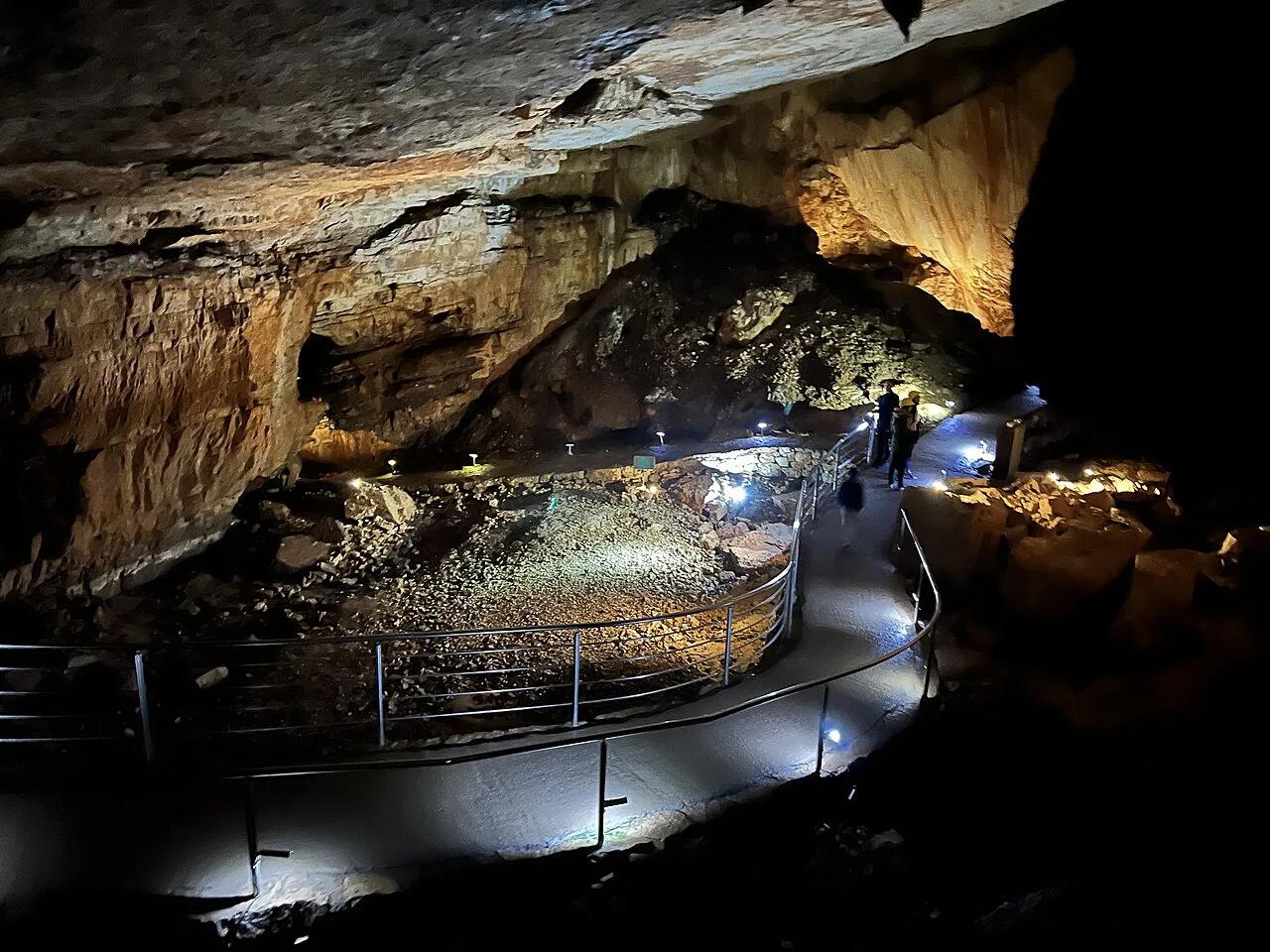
Last updated November 2026: Vjetrenica Cave is the largest cave system in Bosnia and Herzegovina, in Popovo polje near Ravno in Herzegovina. A visit is a guided walk on a set route through the Dinaric karst. It sits far from major transport hubs, so it works best as a day trip or detour from Dubrovnik, Trebinje or Mostar.
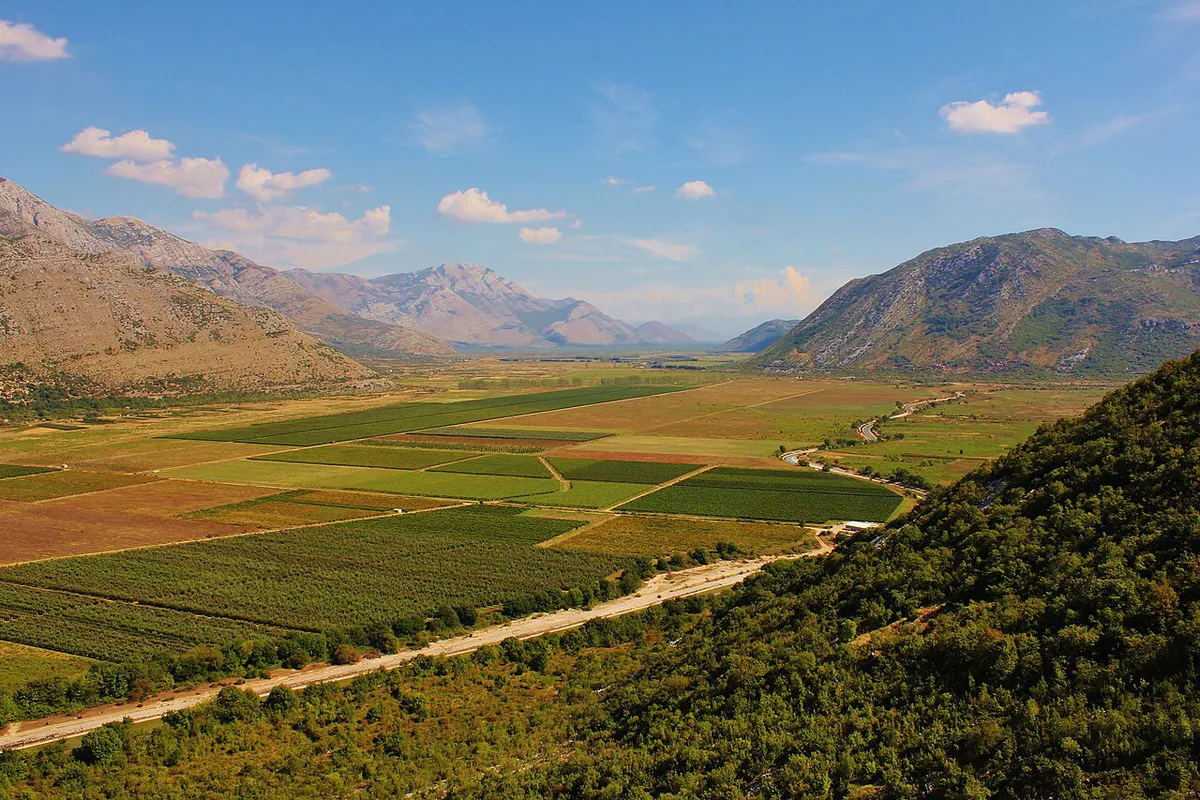
Featured image: Bdx, CC0, via Wikimedia Commons.
Vjetrenica Cave at a Glance
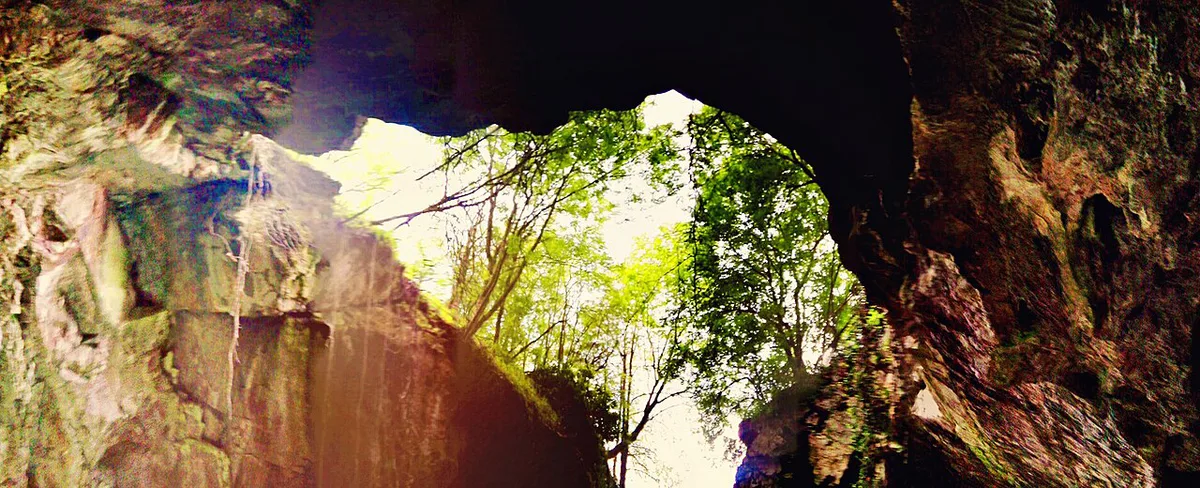
Vjetrenica means "wind cave". It is a karst cave system known as much for its underground wildlife as for its halls and lakes. Visitors see only a section of it, and only with a guide.
- Location: Popovo polje, in the Ravno municipality, Herzegovina
- Visit type: guided walk on a fixed route
- Access: by car or organised tour; no public transport is documented
- Best for: cave enthusiasts, naturalists and travellers looking for a detour from the Adriatic coast
- Hub guide: caves across the Balkans
Is Vjetrenica Cave Worth Visiting?
Go if you want a cave with real scientific weight rather than a polished show cave. Older survey figures put the underground channels at 6,300 m, with a main channel of 2,047 m. Those lengths describe the whole system, not the part you walk. Skip it if you only have a few hours, dislike guided schedules, or need step-free access, because a cave route is uneven underfoot. If you are staying on the coast, Caves in Croatia: Best Caves to Visit & How to Choose are easier to reach without a border crossing.
How to Get to Vjetrenica Cave
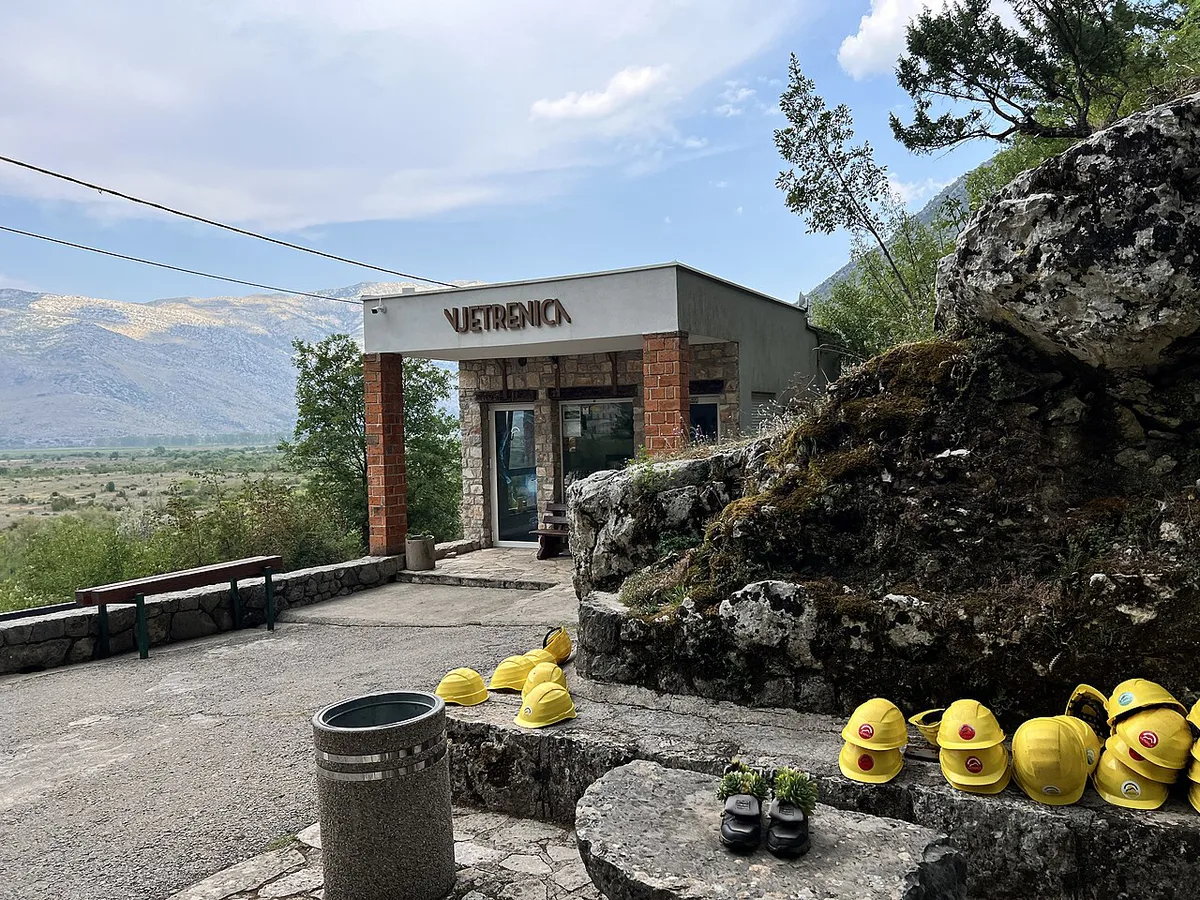
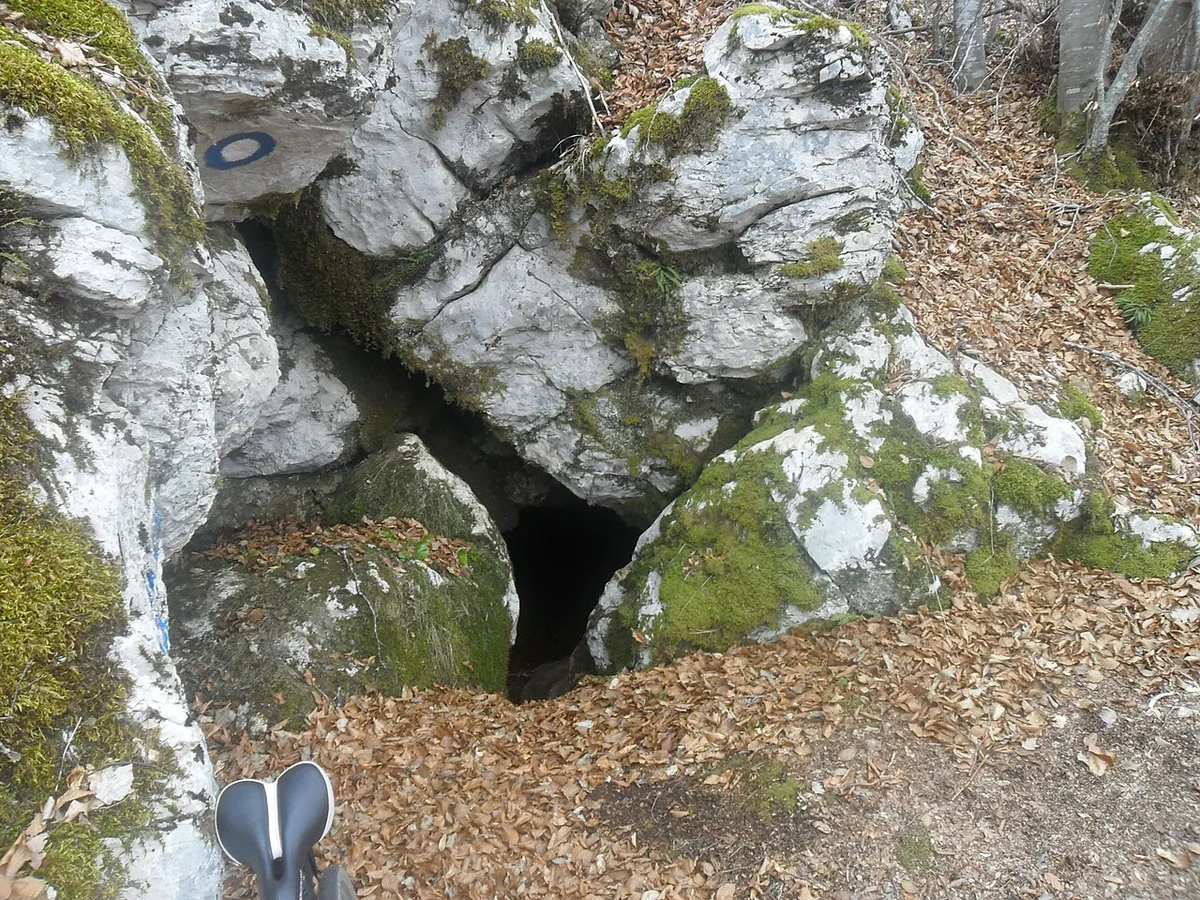
Plan on driving. Typical starting points are Dubrovnik, Trebinje, Mostar and Neum, and each requires travel inland into Herzegovina. From Dubrovnik you cross an international border, so carry passports and the vehicle paperwork your rental company requires. Border waits vary by day and season, so build slack into the schedule. Public transport to Ravno is not documented, so a rental car or a organised excursion from Dubrovnik or Međugorje is the realistic choice.
Most of the 6,300 m system lies beyond the guided route, so a long drive from Dubrovnik buys a visit to one section only.
Tickets, Tours and Opening Hours
Prices, tour times and seasonal closures change, and no current figure is quoted here. Check the official Vjetrenica site for the current schedule and booking details before you set out.
What Lives Inside Vjetrenica Cave
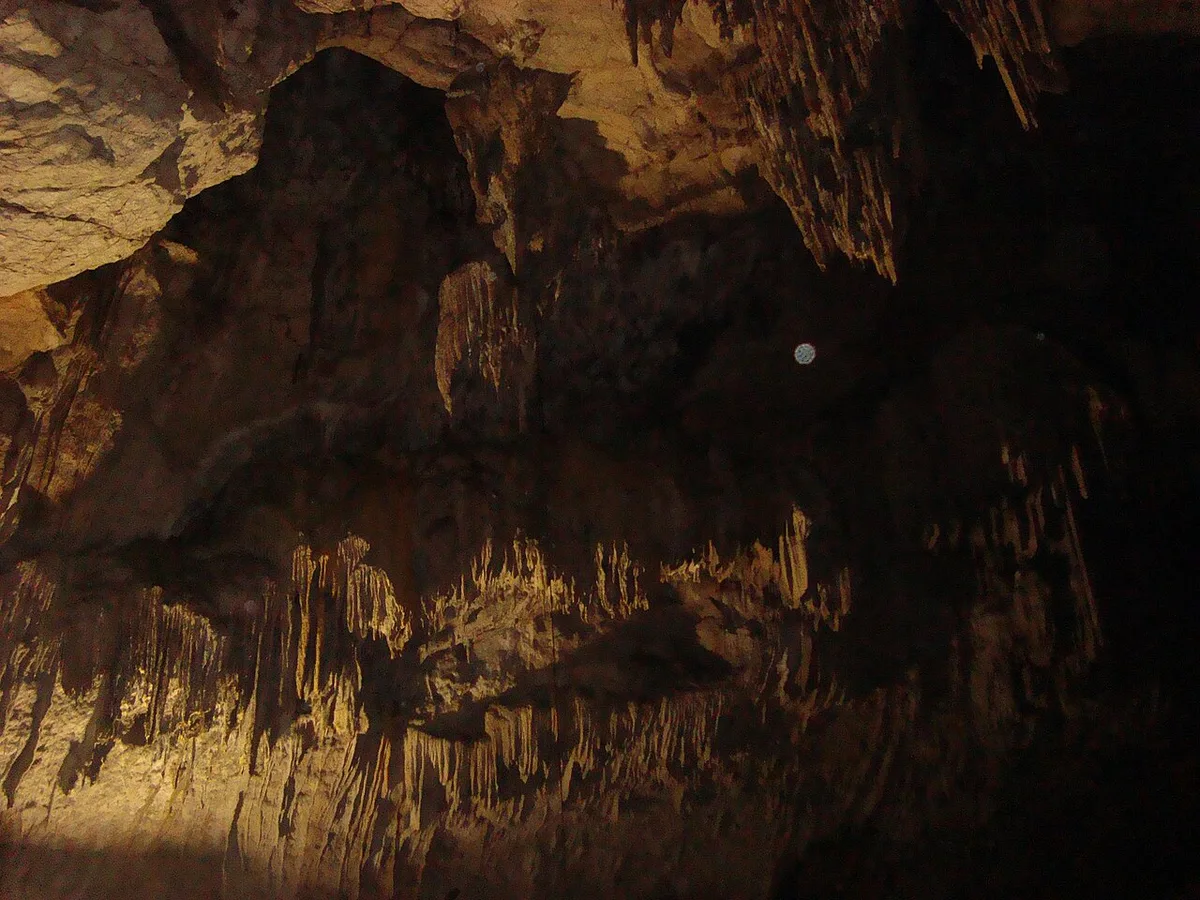
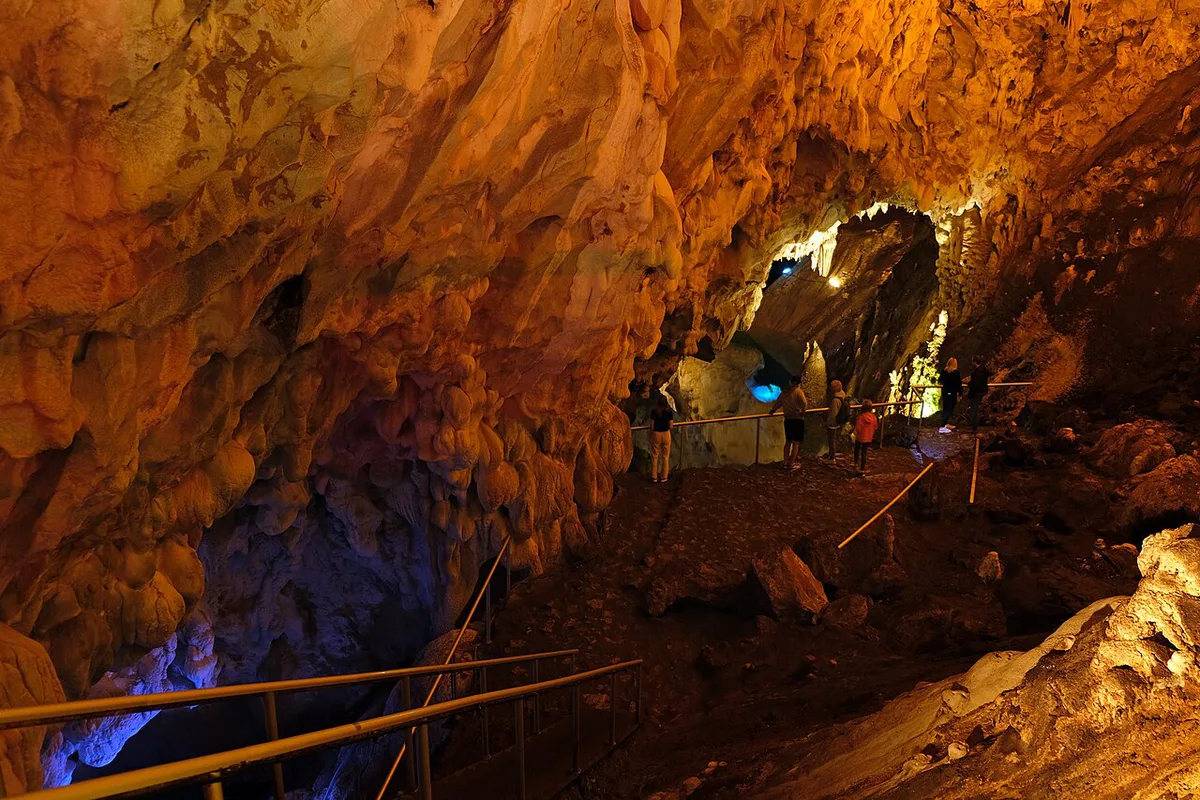
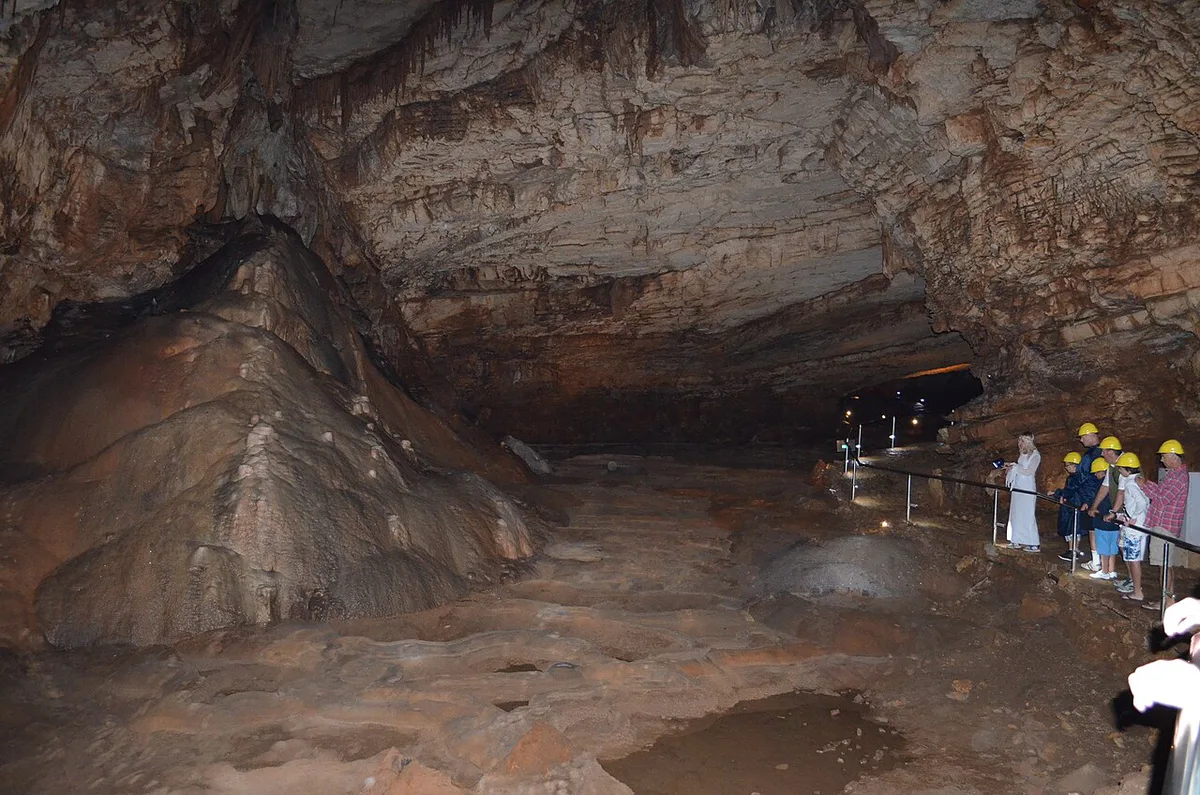
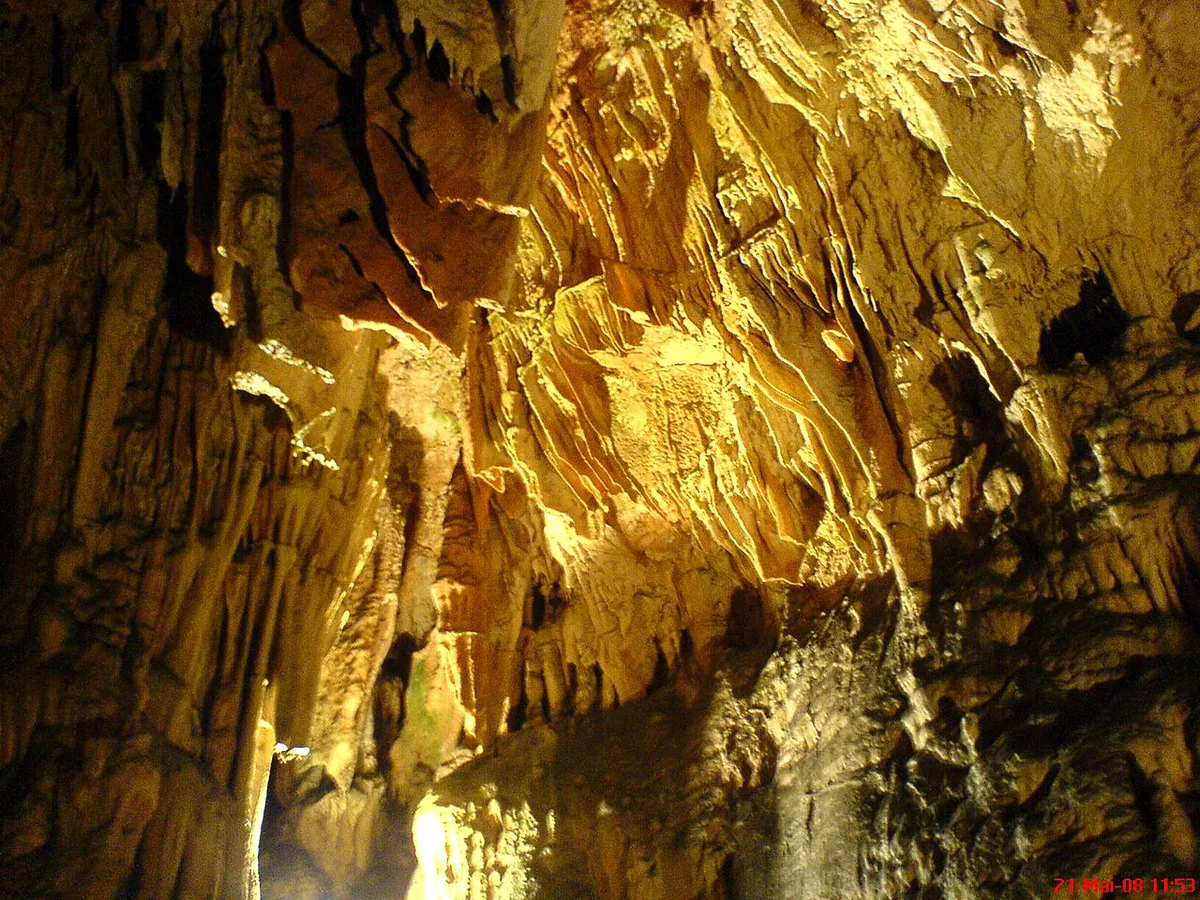
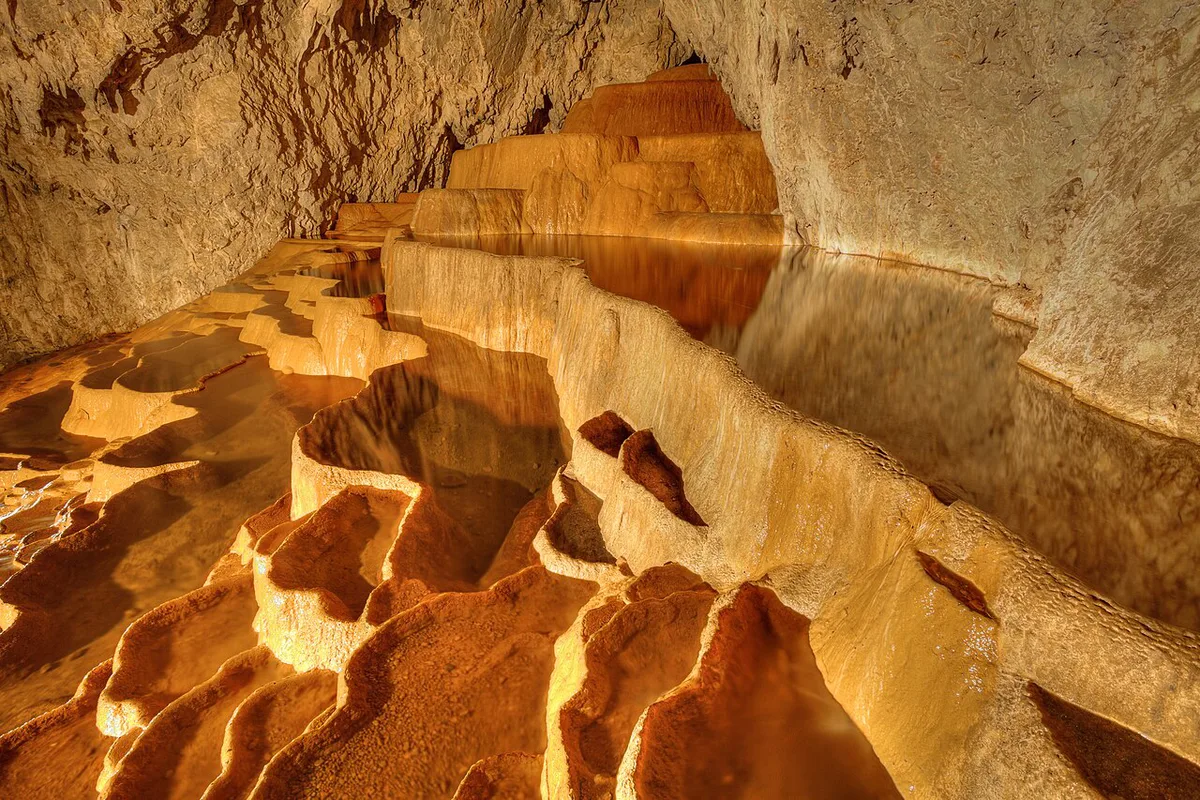
Biology is the cave's main claim to fame. Older descriptions count almost 200 animal species, of which 91 are troglobionts, animals that live only underground. Of those, 37 were first found and described here. The best-known resident is the olm (Proteus anguinus), which reacts strongly to changes in light, temperature and noise. That sensitivity is why guides set rules on lighting and group behaviour, and why you should follow them. Do not expect to see the olm on demand. Inside, the route passes large halls, lakes, streams and stalactite formations. Fog sometimes hangs in the Absolon channel, named for the Czech researcher Karel Absolon, who carried out the largest early surveys in the early twentieth century. A leopard skeleton found here in 1968 is among the notable finds.
What to Wear and Bring
Dress for a cool, damp interior even in summer. Wear shoes with real grip, because cave paths can be wet. Bring a light jacket and keep your hands free. Ask the guide about photography before you raise a camera, since flash and lights can disturb the fauna.
Combine Vjetrenica With Nearby Stops
Pair the cave with a morning or afternoon elsewhere in Herzegovina. Trebinje and the wetlands of Hutovo Blato are the natural add-ons for a day out of Dubrovnik. Check drive times for your own route before committing to more than one stop. For comparison with other underground sites, see the Balkan cave hub, which also links to the Serbian and Croatian guides.
Vjetrenica Cave’s Long Human and Scientific History
Vjetrenica has drawn attention for far longer than modern cave tourism. The cave is thought to have been mentioned by Pliny the Elder in 77 CE, making it one of the region’s longstanding natural landmarks. Its name, meaning “wind cave,” reflects the airflow felt near the entrance.
Modern exploration revealed that the visitor route is only a small part of a much larger underground system. Older surveys recorded about 6,300 m of passages, while the main channel measured 2,047 m. These figures help explain why the cave remains important to researchers as well as visitors.
One notable discovery was a leopard skeleton found in 1968. Together with the cave’s specialised underground fauna, it shows that Vjetrenica is more than a scenic stop. Listen for the guide’s interpretation of the formations and wildlife, rather than treating the visit as a quick walk through a show cave.
Notes for your next trip underground
Optional updates when we add or revise cave and underground guides.
More guides
More guides you'll find useful