
Røros Copper Mine: Olavsgruva Tour and Planning
Planning a visit to the Røros copper mine? Learn what the Olavsgruva tour involves, how to get there, and how to pair it with Smelthytta and the old town.
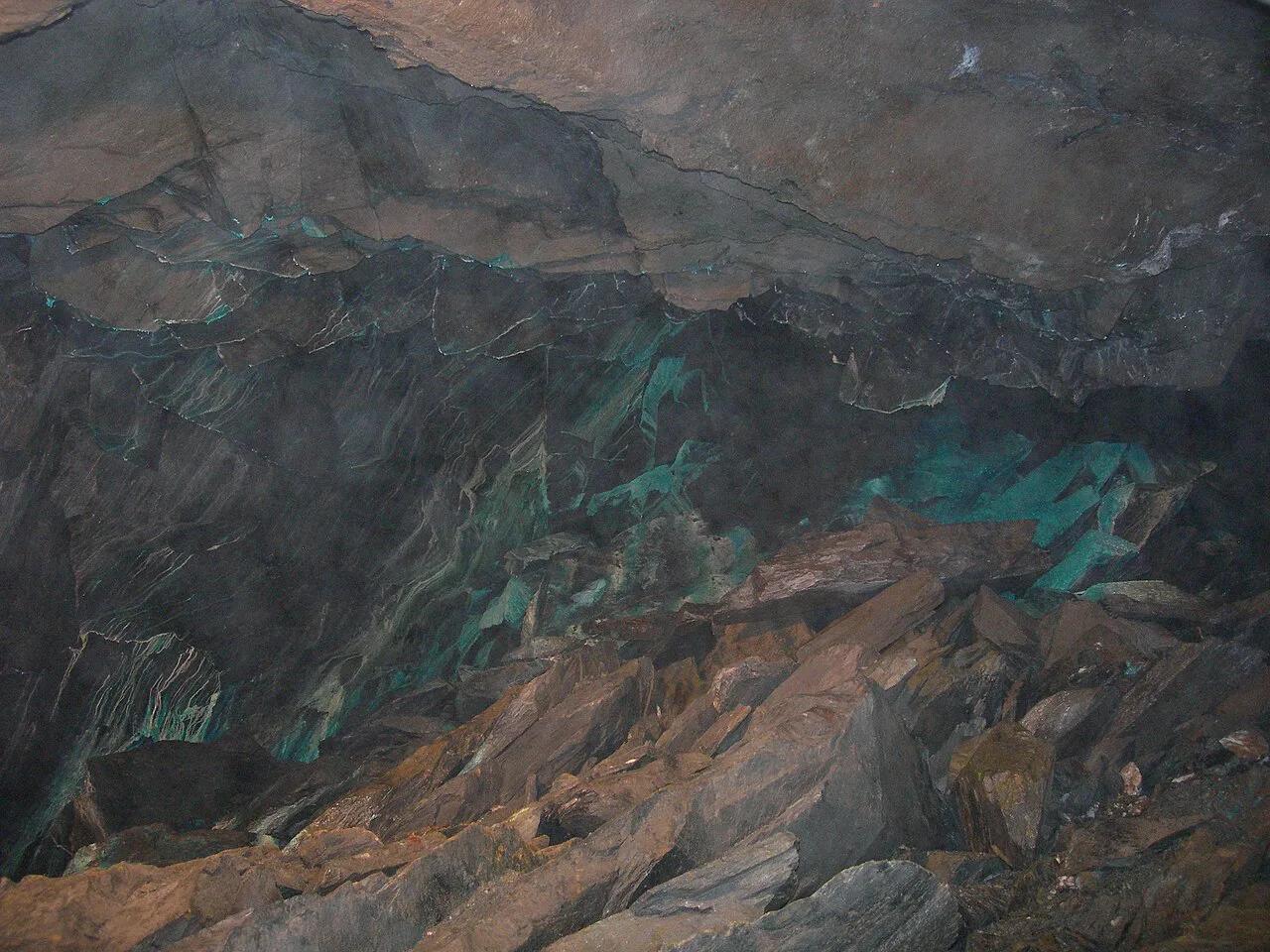
Last updated November 2026: the Roros copper mine is Olavsgruva (Olav's Mine), a guided walk about 50 m (164 ft) underground at Storwartz, east of Røros. Copper mining here ran from the 1640s to 1977, and the town is a UNESCO World Heritage site. Rock temperature holds near 5°C (41°F) all year, so bring a warm layer even in July.
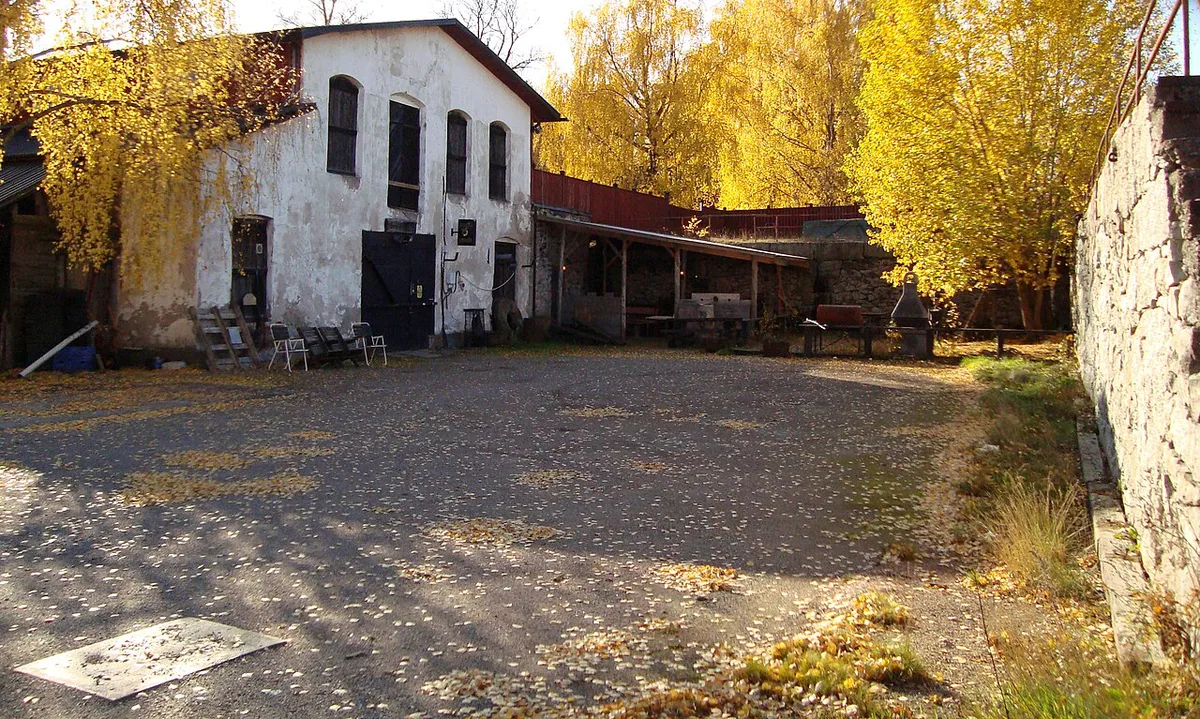
Featured image: Heidi Soosalu, CC BY-SA 3.0, via Wikimedia Commons.
Roros copper mine at a glance
Olavsgruva is a working-era copper mine, not a natural cave. Visitors enter on a guided walk and descend about 50 m into the rock. Allow roughly 2 hours for the visit, which is an approximate figure. Underground conditions stay near 5°C (41°F) whatever the weather is doing outside. Guided walks are advertised for the summer season, so winter access needs a check with the operator before you plan around it.
- Mine name: Olavsgruva (Olav's Mine), joined to Nyberget as one continuous mine
- Location: Storwartz field, east of Røros town in Trøndelag, Norway
- Mining years: 1640s to 1977
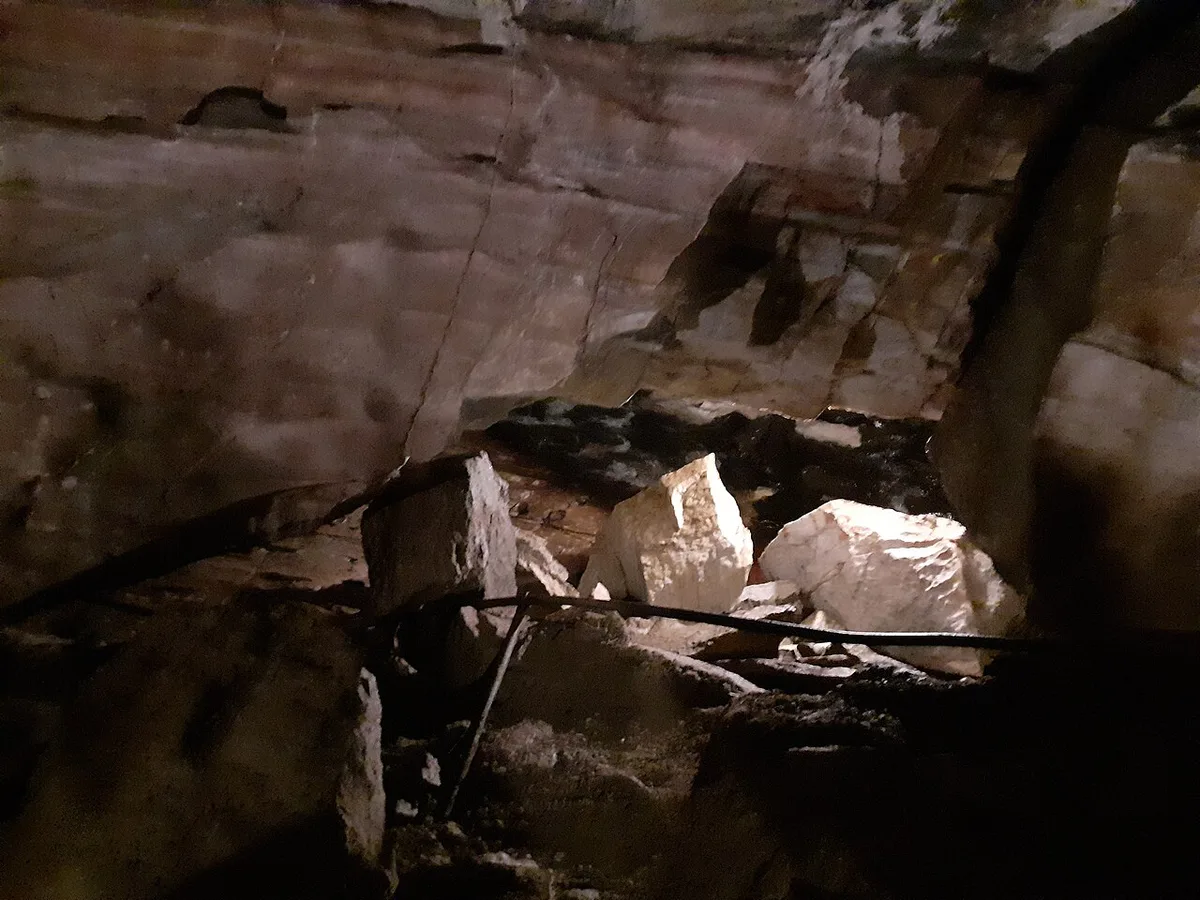
- Format: guided walk through old mine pathways, including the Miner's Hall
- Depth and temperature: about 50 m, around 5°C (41°F)
A short history of the Røros Copper Works
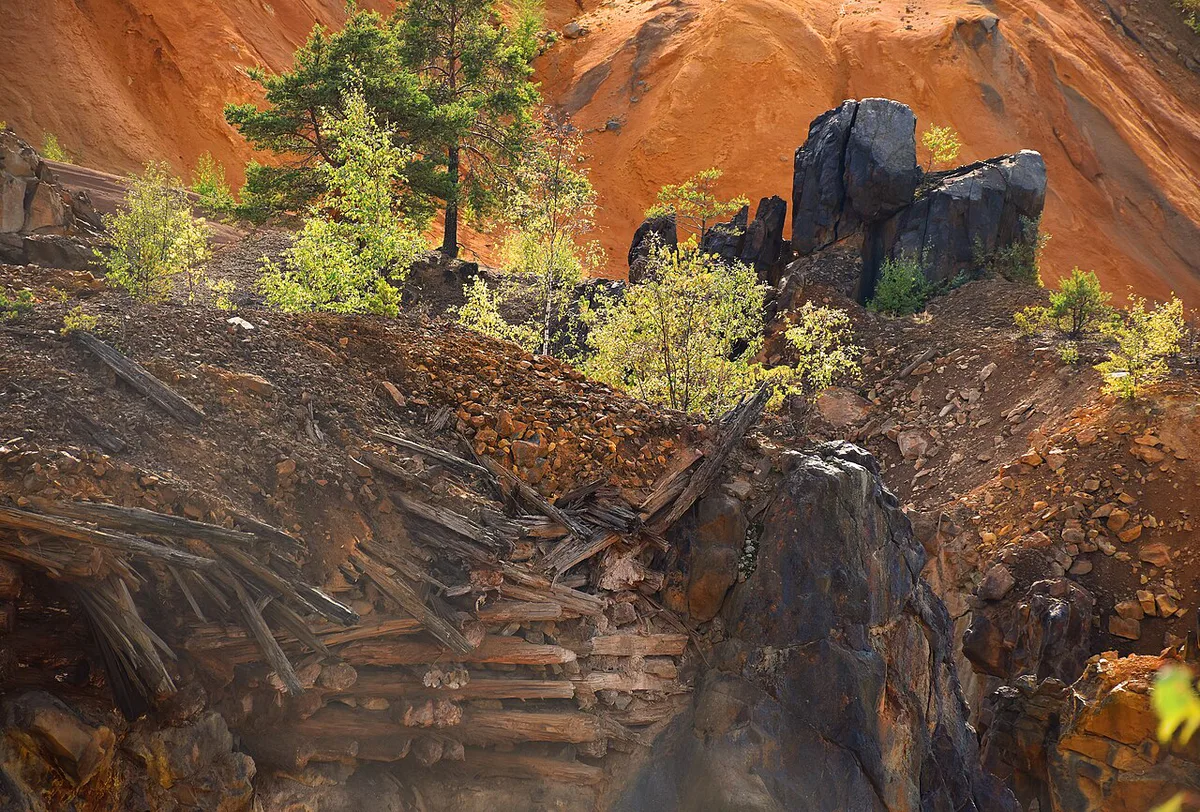
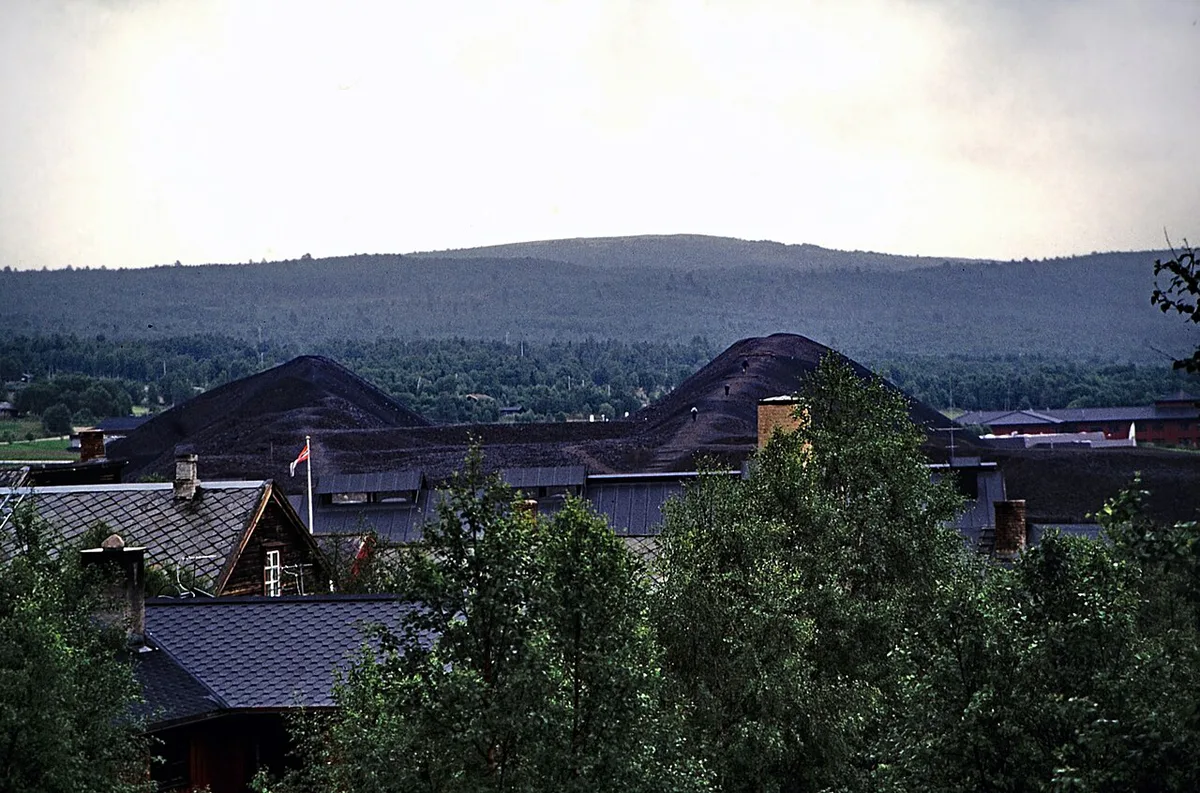
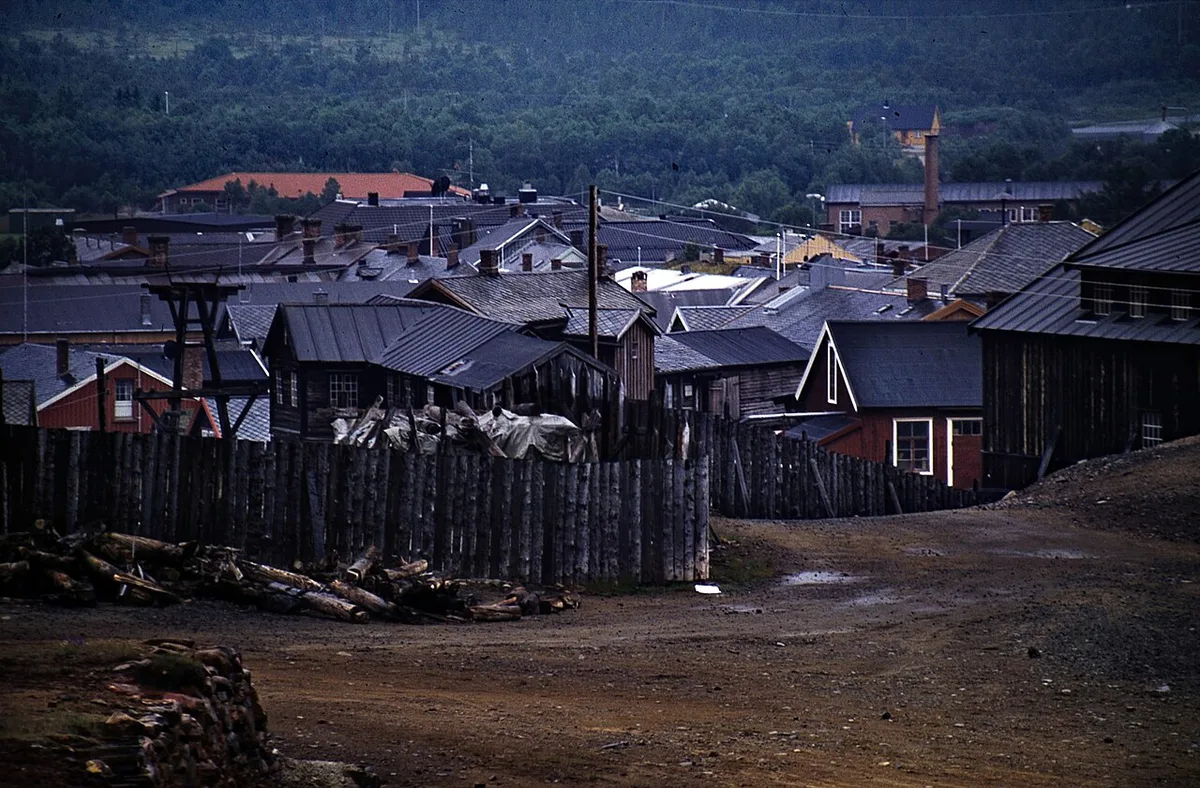
Røros Copper Works built its first smelting shed in 1646, and sources also give 1644 for the first ore discovery. Miners were encouraged to set up smallholdings, so the town grew as a community of urban farmsteads with stables and outhouses. Mining stopped in 1977. UNESCO listed the town and its surrounding industrial landscape in 1980. Timber buildings survived because nothing arrived to replace them, and the slag heaps still rise at the top of the main street.
Olavsgruva: what the underground tour is like
Nyberget is the Copper Works' second oldest mine. Olav's Mine was the last one in operation in the Storwartz field. Today the two form one continuous mine, and a guide leads you along the old pathways. The route reaches the Miner's Hall, which shows the scale of the old workings. Expect cold, wet rock underfoot rather than the lit walkways of a show cave. Wear non-slip shoes and a jacket. Tours run whatever the weather is doing outside. Age limits, tour languages and accessibility details are listed on the Olavsgruva official site. Anyone with limited mobility should read those before booking.
Tickets, season and booking
Current ticket prices, tour times and languages are published by the operator, and they change by season. Check the official page for the schedule that applies to your dates. Summer is the season the regional tourist board advertises for guided walks. Some travel posts recommend Røros in winter, when Nov 25 temperatures sat between -24°C and -16°C. The mine's 5°C interior does not change, but tour days and times may. Do not assume daily departures outside summer. In July and August, book ahead rather than turning up on the day.
Røros in winter and summer: what changes at the mine
The mine's 5°C (41°F) interior is constant, but almost everything around it changes with the season.
| Season | Outside | What to plan for |
|---|---|---|
| Summer (July and August) | Mild days; the interior still feels cold by comparison | Guided walks are advertised for this season, so book ahead rather than turning up. Bring a warm layer for the mine even in July. |
| Shoulder months | Variable | Do not assume daily departures. Check the operator's schedule for your exact dates before booking trains or rooms. |
| Winter (December to February) | Severe cold; one late-November report put temperatures between -24°C and -16°C | Confirm that underground tours run at all. Pack gloves and a hat, and plan an indoor fallback. |
Winter tips
- Dress in layers you can add and remove. Going from far below freezing into 5°C rock is a big swing, and the rock is wet.
- Put Rørosmuseet Smelthytta, an indoor visit of about 1.5 hours, on the coldest day and move the mine to a day when a tour is confirmed.
- Keep outdoor stops, such as the slag heaps and old town streets, to the middle of the day, when daylight is at its best.
Summer and shoulder-season tips
- Reserve the underground tour first, then fit the free outdoor walks around it.
- Wear non-slip shoes even on a dry day. The conditions underground do not depend on the weather above.
Which Røros mining stop fits your trip?
Four stops cover the mining story, and they differ in weather exposure and depth. Times below are approximate. Rørosmuseet Smelthytta is the reconstructed smelting house on the river. Working water-wheel models show the whole ore process, so it makes the best first stop. Olavsgruva comes next, and the walk up Bergstaden's main street to the slag heaps and Røros kirke fits around it.
Smelthytta's 1.5 hr indoor visit makes a good winter-day swap, since Olavsgruva tours depend on season.
| Stop | Time needed | Weather dependence | What you learn | Best for |
|---|---|---|---|---|
| Olavsgruva (underground) | About 2 hr | Season-limited tours; 5°C inside | How the ore was mined | First-hand mine experience |
| Rørosmuseet Smelthytta | About 1.5 hr | Indoor | How ore became copper | Rainy or winter days |
| Bergstaden old town and slag heaps | About 2 hr | Outdoor, free | Town layout from the 1640s | Photographs and slow walks |
| Røros kirke | About 30 min | Mostly indoor | Church of 1784, room for around 1,600 | Short stop on the way through |
- Half day: Smelthytta (1.5 hr), then Olavsgruva (2 hr).
- Full day: add the old town and slag heaps (2 hr) and the church (30 min).
A 2-day Røros itinerary built around the mine
Because Røros is a long haul from Oslo and a day trip is impractical, two days is the sensible minimum. This plan uses the approximate visit times from the table above and puts the one season-dependent stop, Olavsgruva, on its own morning so it is easy to move.
Day 1: the smelting story and the old town
- Arrive by midday. The train from Trondheim takes about 2.5 hours, so an early departure leaves the afternoon free.
- Rørosmuseet Smelthytta (about 1.5 hr). Start here. The water-wheel models explain how ore became copper, which makes the mine make more sense the next day.
- Bergstaden old town and slag heaps (about 2 hr). Walk up the main street to the slag heaps at the top. Late light on the timber buildings suits photographs.
Day 2: underground, then the church
- Olavsgruva (about 2 hr). Confirm the tour time with the operator before you leave town, and book ahead in July and August. Bring a warm layer and non-slip shoes.
- Røros kirke (about 30 min). The church of 1784 holds around 1,600 people and is an easy stop on the way back into town.
- Departure. Check train times against the end of your tour, since the mine lies east of town at Storwartz and getting back takes extra time.
If Olavsgruva tours do not run on your dates, swap in a second walk through the old town and use the church as the closing stop. The underground visit is the only part of this plan that depends on the season.
Getting to Røros and to the mine
Røros sits on a high plateau near the Swedish border. From Trondheim the train takes about 2.5 hours, and driving takes a similar time. From Oslo the train takes about 5 hours with a change at Hamar. A flight from Oslo takes about 50 minutes, but one traveler reports no Saturday flights, so check Avinor or the airline. Because the haul is long, a day trip from Oslo is impractical. Plan at least one night. Olavsgruva lies east of the town at Storwartz. Ask the operator whether a shuttle runs, or book a taxi, since the walking distance is not confirmed.
Where to stay and what to pack
The old town is compact, so stay within walking distance of it. Vertshuset Røros is a guest house dating from 1740 in the middle of the old town. It offers rooms in the historic building and apartments in the yard behind. The church and the smelting house are within a few minutes' walk. For the mine, pack a warm mid-layer for 5°C (41°F), non-slip shoes for wet rock, and gloves and a hat from December to February.
Røros compared with other Nordic mines
Røros is a copper town with timber streets, so the mine is one part of a wider heritage visit. Sweden's Falun's mining heritage offers another copper-mining comparison. Sala's silver workings cover a different metal in Sweden. In Norway, silver mining at Kongsberg is a closer match by country. If you came here expecting natural caverns, read Norway's natural caves first. Our wider Scandinavian underground guide places Olavsgruva among them as a man-made working mine.
Notes for your next trip underground
Optional updates when we add or revise cave and underground guides.
More guides
More guides you'll find useful






