Caves in Norway: Best Caves to Visit and What to Expect
Which caves in Norway can you actually visit? Guided sea-cave walks, northern limestone and marble caves, and what to check before you go.
Last updated November 2026: caves in Norway are a short list, because the country has few developed show caves of the kind found in southern Europe. Most visits are guided sea-cave walks in Lofoten, mine tours, or northern caves whose access you must check locally. Cave Walk Lofoten suits most first-timers, and a mine suits anyone who wants a dry, enclosed underground visit.
Featured image: Ranværing, CC BY-SA 4.0, via Wikimedia Commons.
Quick Answer: The Best Caves in Norway at a Glance
Norway has no single headline show cave, so the useful question is which underground experience fits your trip. One option is fully documented: Cave Walk Lofoten, a guided coastal walk of about 2 hours that starts from 1,295 NOK on the operator's booking page. Prices and details checked November 2026. Everything else in the table is a mine, a rock shelter or a named lead without confirmed visitor access. Entries marked "listed, access unconfirmed" appear in regional directories, but no official visitor information backs them yet.
| Site | Region | Type | Guided? | Difficulty | Season | Status |
|---|---|---|---|---|---|---|
| Cave Walk Lofoten | Kalle, Vågan (Lofoten) | Sea caves and narrow coastal passages | Guided | Medium | Route changes with weather and tides | Verified with operator |
| Grønligrotta | Helgeland | Cave | Unconfirmed | Unconfirmed | Unconfirmed | Listed, access unconfirmed |
| Pluragrotta | Helgeland | Cave | Unconfirmed | Unconfirmed | Unconfirmed | Listed, access unconfirmed |
| Brufjell Caves and Helleren | Dalane | Cave and rock-shelter sites | Unconfirmed | Unconfirmed | Unconfirmed | Listed, access unconfirmed |
| Stangelandshelleren | Jæren | Rock shelter | Unconfirmed | Unconfirmed | Unconfirmed | Listed, access unconfirmed |
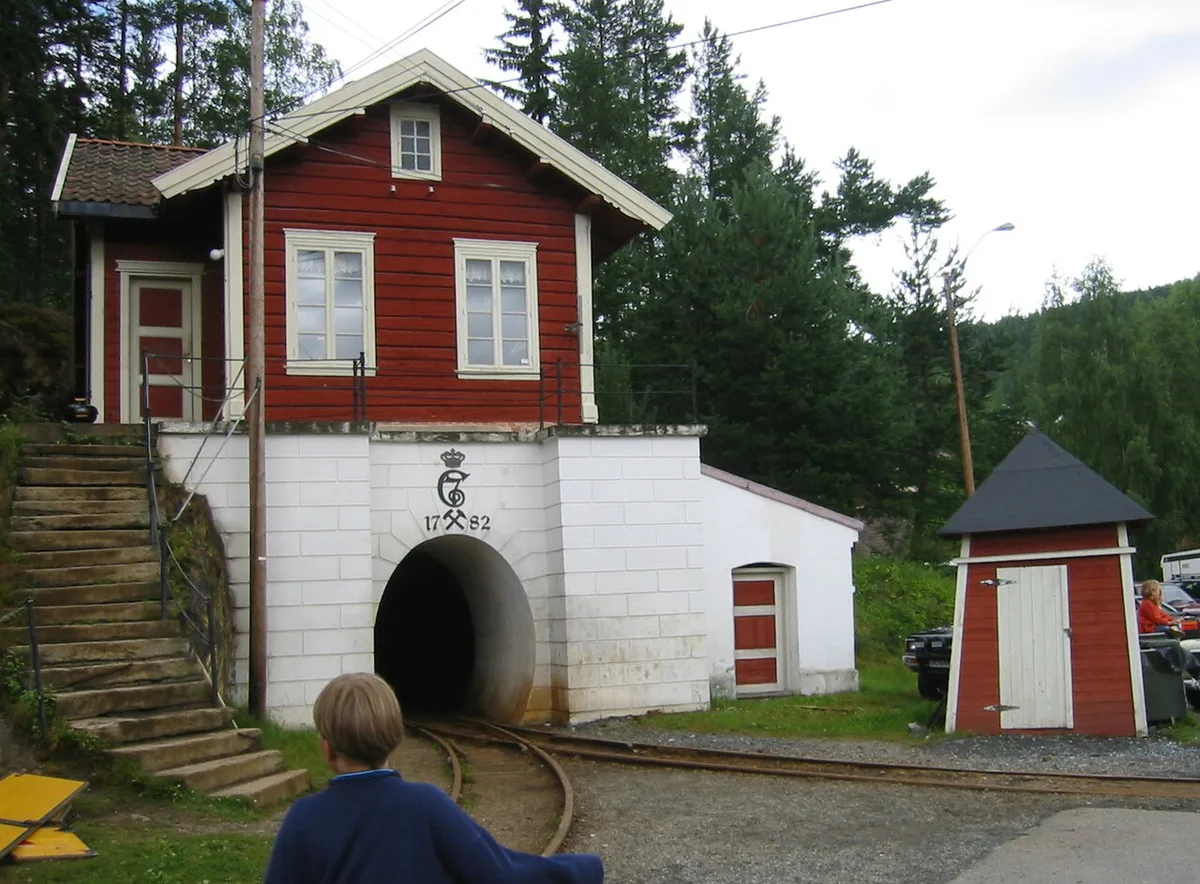
| Kongsberg Silvermine | Kongsberg | Mine | See mine guide | See mine guide | See mine guide | Heritage mine, not a cave |
What Counts as a Cave in Norway (and What Doesn't)
Four different things get called caves in Norway, and mixing them up is the most common planning error. True caves are natural voids in rock, such as the northern limestone and marble caves named in regional listings. Sea caves are cut by waves along the shoreline, which is why a Lofoten walk depends on tide and weather. Our guide to coastal sea-cave routes covers that category in depth, so this page keeps it short.
- True caves: natural cavities in limestone or marble, mostly listed in the north. Visitor access needs a local check.
- Sea caves: wave-cut openings reached on foot along the coast, usually with a guide.
- Rock shelters: overhangs once used by people. Some are archaeological sites with protection rules.
- Mines: human-made tunnels. These are heritage sites, not caves, and they run on fixed tour schedules.
Guided Sea-Cave Walks: Lofoten
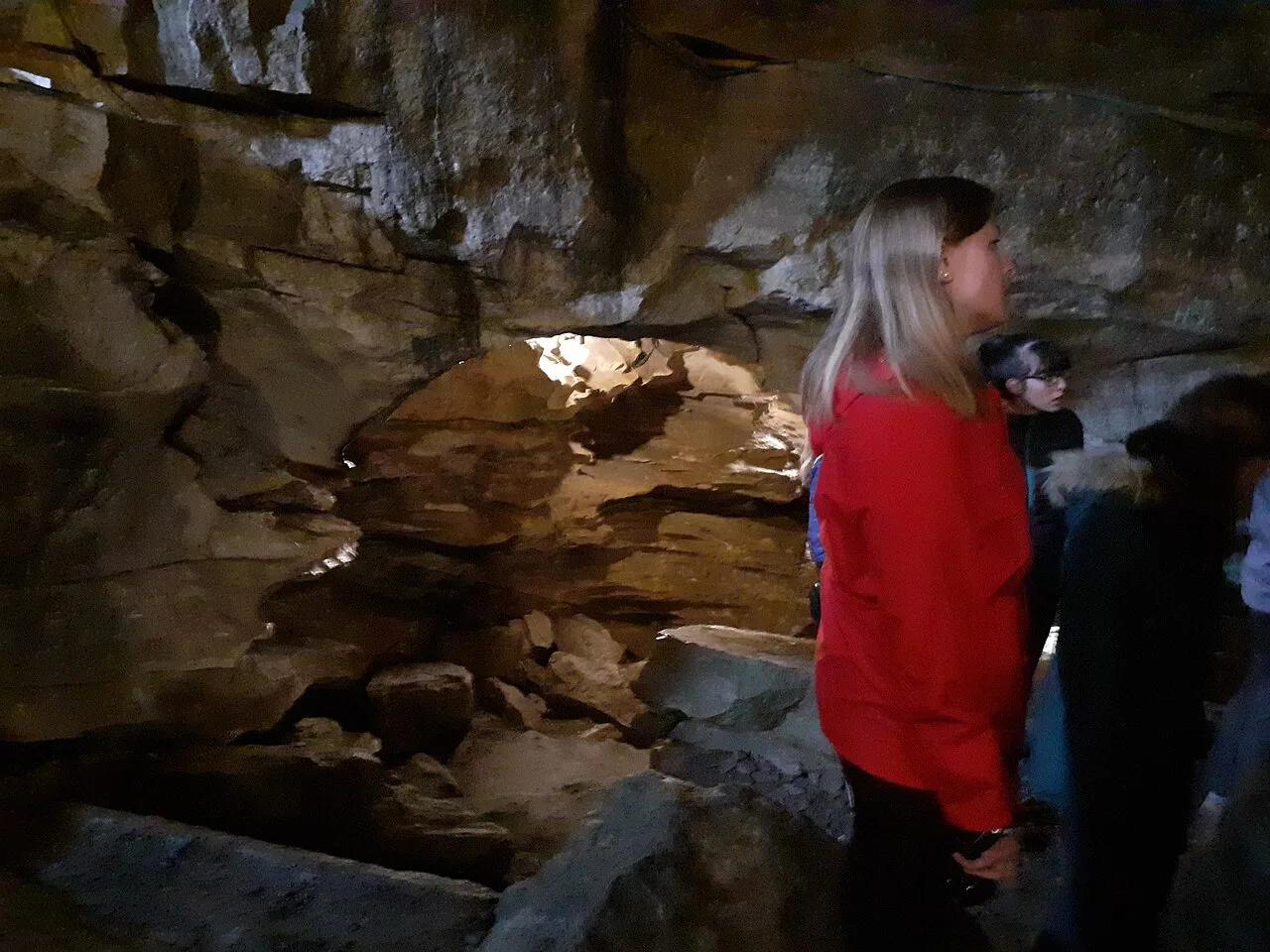
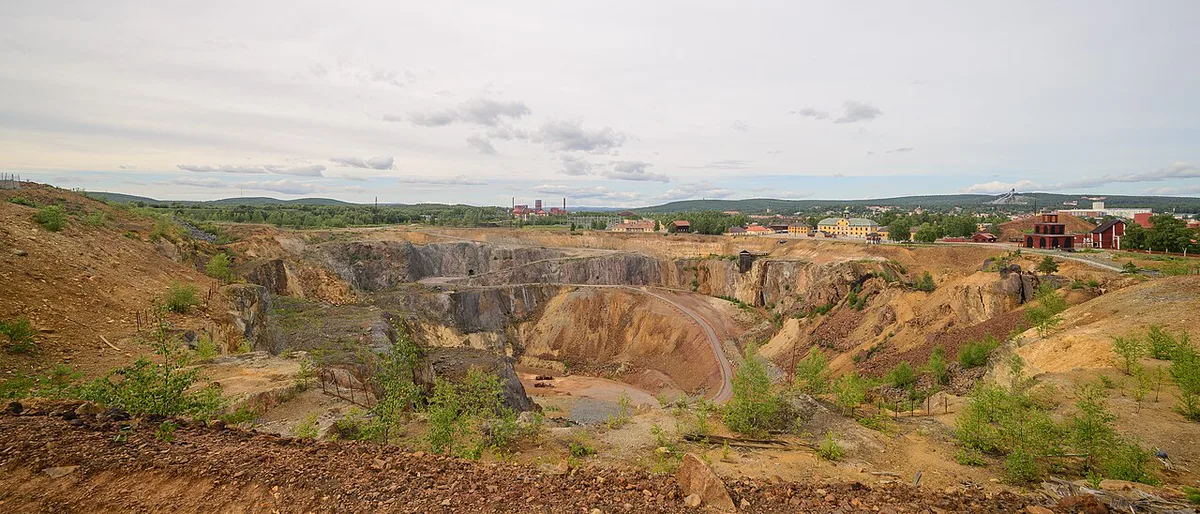
Cave Walk Lofoten is the one experience in Norway with a complete, operator-published booking page. Hooked on Lofoten describes it as a guided coastal adventure through sea caves, narrow passages and shoreline shaped by tide and waves. It lasts about 2 hours, carries a medium difficulty rating, and has a minimum age of 8 years. Prices start from 1,295 NOK per the operator's page.
- Meeting point: Kalleveien 21, Kalle, in the Vågan area of Lofoten.
- Terrain: rocky and uneven, with narrow spaces along the route.
- Route: the operator may adjust it depending on weather, tides and coastal conditions.
- Weather cancellation: if the operator cancels for bad weather, you receive a full refund.
Booking the Lofoten Walk: Cancellation Tiers
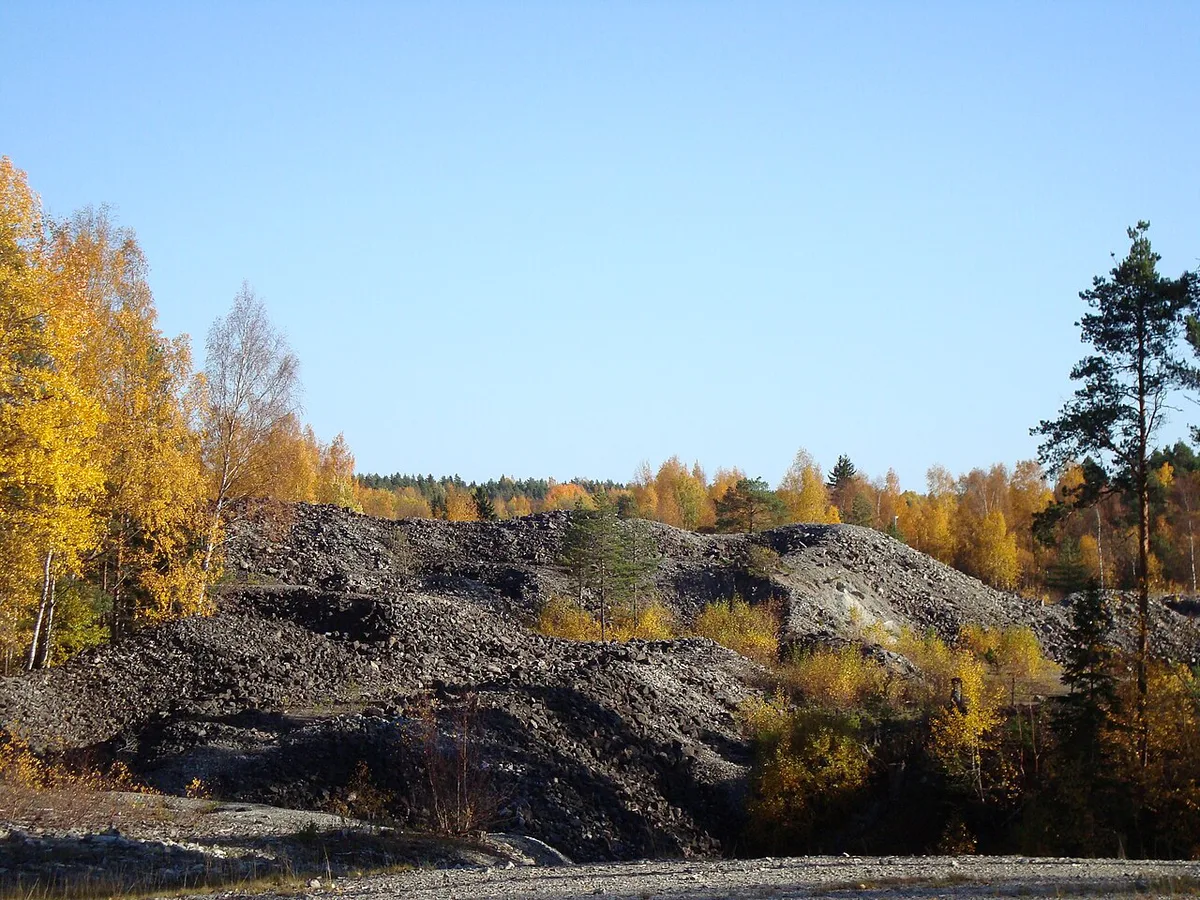
Book direct through the operator, since the booking goes straight to Hooked on Lofoten. Read the cancellation tier before you pay, because the policy has three steps. Cancel up to 14 days before departure for a full refund. Between 14 days and 72 hours before departure, the refund is 50%. Inside 72 hours, the booking is non-refundable. These terms belong to this operator and are not a Norway-wide rule. Because the route depends on tides, avoid booking the walk on the last day of a tight itinerary. A weather cancellation then leaves you no second chance.
Inside 72 hours before departure, a voluntary cancellation gets nothing back, but an operator weather cancellation still refunds in full.
Northern Norway Caves: Helgeland and Nordland
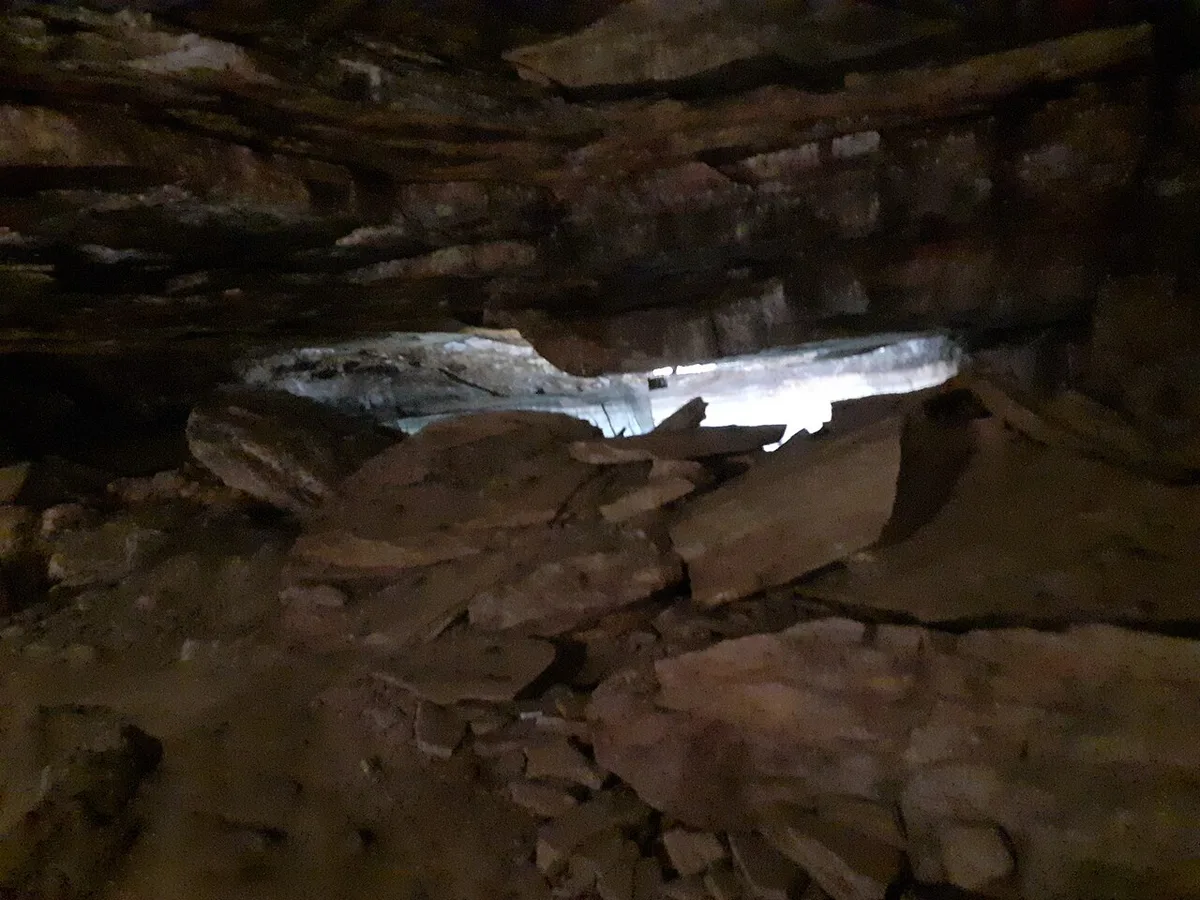
Helgeland's regional listings name Grønligrotta and Pluragrotta, and both are worth watching if you travel north. Neither has a published tour, price or season that we can attribute to an official source. Treat them as leads, not plans. Before you build a route around either one, contact the local tourist office or the municipality for access rules, guide requirements and gear. Northern roads and ferries can add hours to a trip, so settle access first and transport second.
- Ask whether a guide is required or only recommended.
- Ask what gear is needed, including a headlamp and sturdy footwear.
- Ask which months are open, since winter access is unconfirmed.
- Ask how to reach the entrance without a car.
Southern and Western Norway Cave Sites
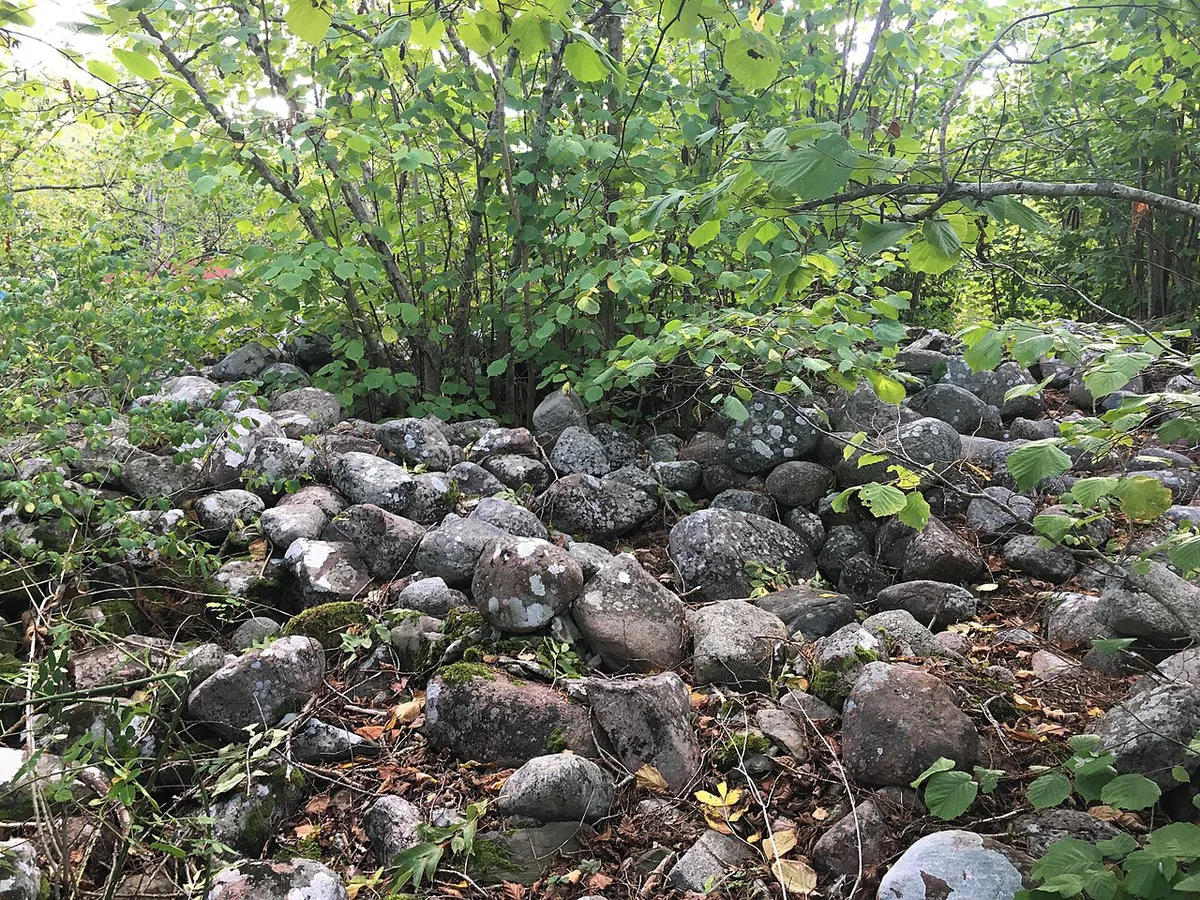
South and west Norway lists more rock shelters than classic caves. Dalane's directory entries include Brufjell Caves and Helleren, and Jæren lists Stangelandshelleren. Ryfylke lists Fantahålå, and Grenland lists Mikkelshulen. Several of these may be archaeological or protected, and some may be hard to reach on foot. A listing name alone does not prove a visitor route exists. Check county or municipal heritage pages before you go, and respect any fencing or signage at protected shelters. If no official page confirms access, choose a verified experience instead.
Mines You Can Enter Instead of Caves
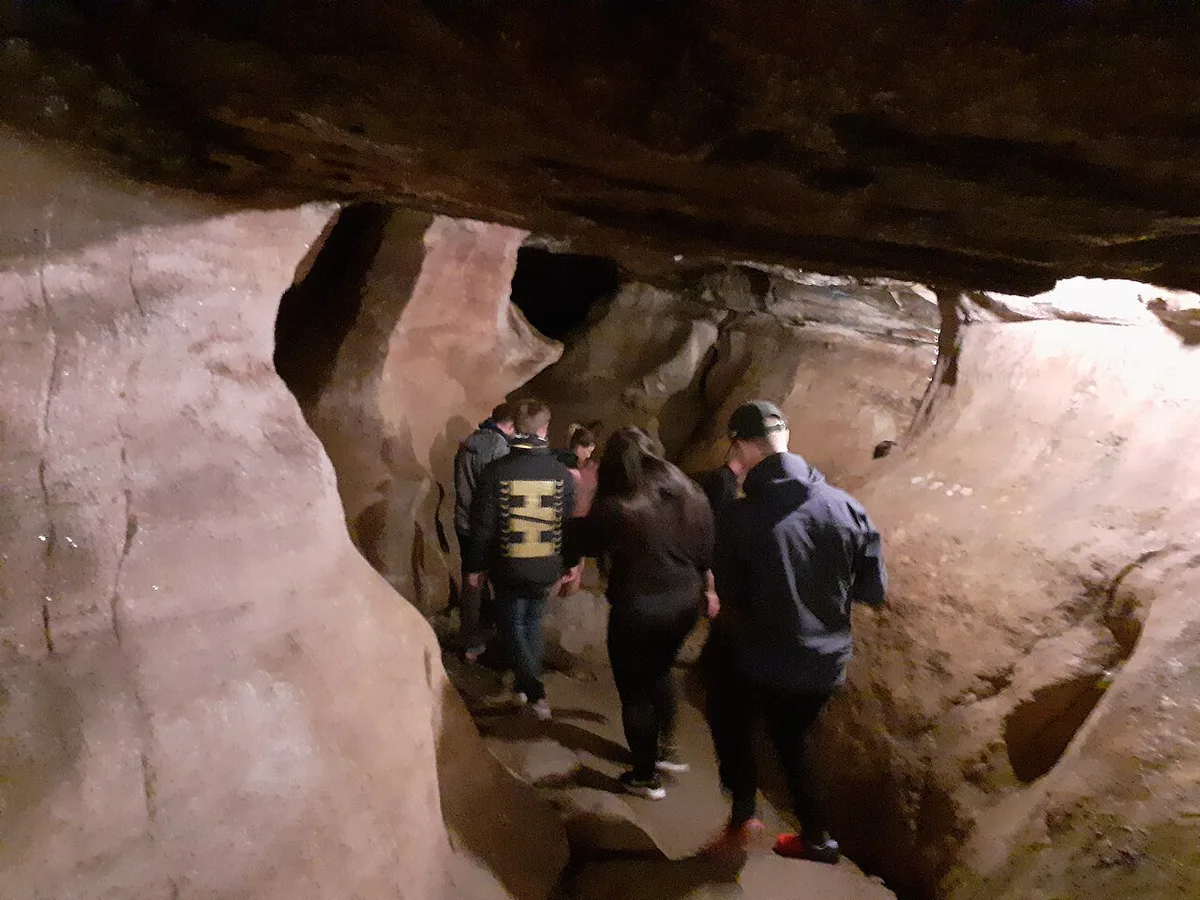
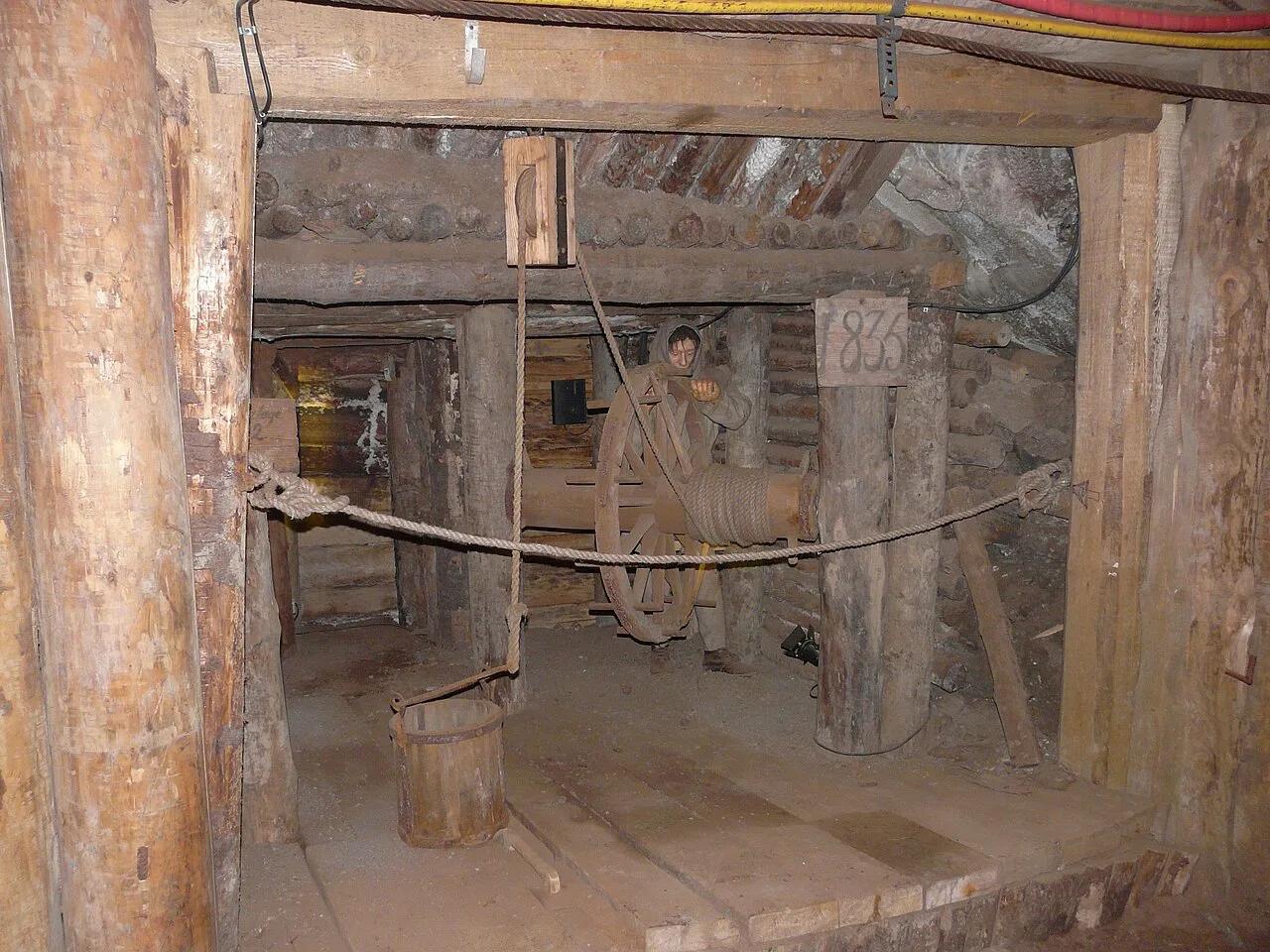
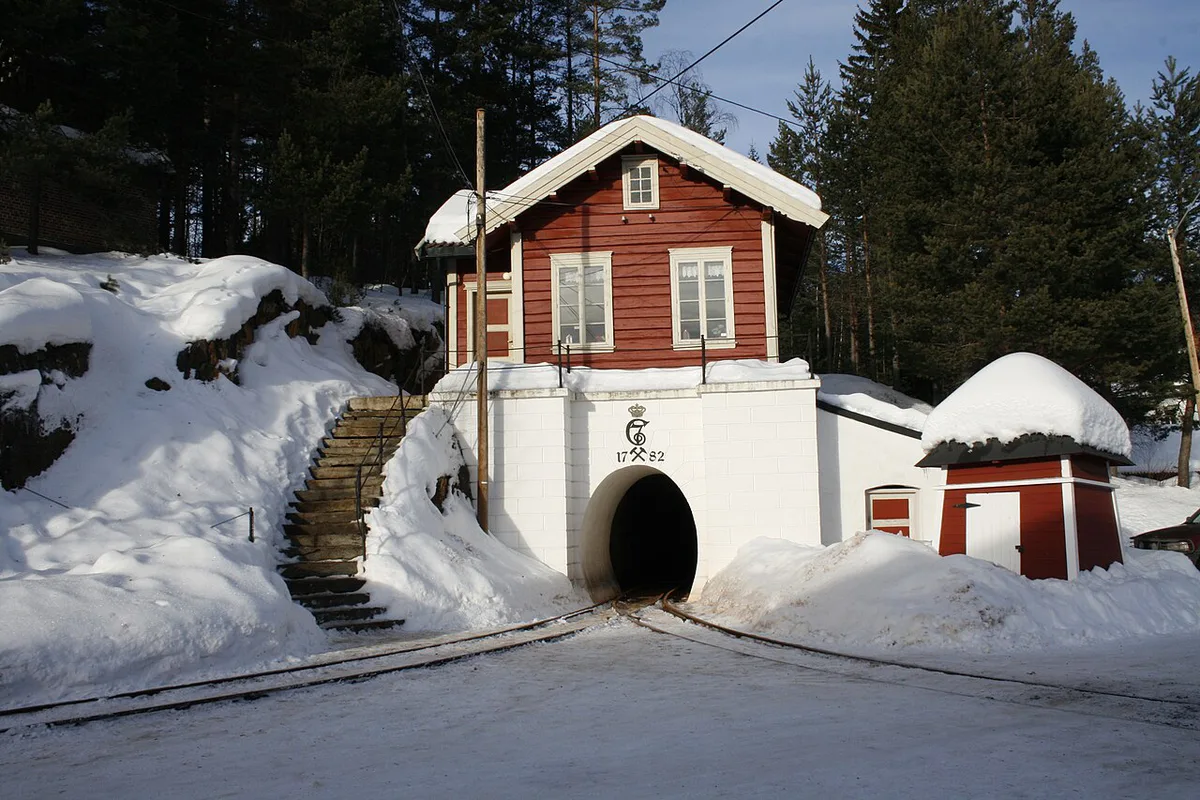
If you want a dry, enclosed underground visit, a mine is the practical substitute. Underground silver at Kongsberg is the main candidate in the south. For mining history more broadly, Norsk Bergverksmuseum is the national mining museum. Northern Europe's best-known heritage mine pages also include Olavsgruva's official site. Read about Røros mining heritage before you pick between them. Mines run on set tour schedules, so they suit rainy days better than spontaneous detours.
How to Choose: Time, Cost, Access and Fitness
Match the experience to your constraint, not to the longest list. The 2-hour Lofoten walk fits a half-day slot, and its minimum age of 8 sets the family rule. Mines fit wet weather. Unconfirmed caves fit only travelers who can check access in advance and carry their own gear.
| Your situation | Best fit | Why |
|---|---|---|
| Short on time | Cave Walk Lofoten | About 2 hours from the Kalle meeting point |
| Traveling with kids | Cave Walk Lofoten if all are 8 or older | Operator minimum age is 8 years |
| Rainy day | A mine tour | Enclosed and not tied to tides |
| Photographers | Lofoten sea caves | Coastal passages and shoreline light |
| No driving | Verify transport first | Remote sites often need a car or ferry |
- Mistake: assuming every cave is open year-round. Seasons for most listed sites are unconfirmed.
- Mistake: skipping the tide and weather check. The Lofoten route changes with both.
- Mistake: wearing smooth-soled shoes on rocky, uneven ground.
- Mistake: treating a mine as a cave. Mines follow tour schedules and different rules.
Planning, Safety and Costs
Budget from the one published figure: the Lofoten walk starts from 1,295 NOK, and the cancellation tiers run at 14 days and 72 hours. Wear sturdy shoes with grip, since the terrain is rocky and uneven. The operator's page does not list a gear package, so ask at booking about headlamps and clothing. Remote caves usually need a car or a ferry, so ask the official operator about ferry and bus links. At rock shelters, check for protected-site rules, stay on marked paths and leave any finds where they lie.
Beyond Norway: Other Nordic Underground Sites
If Norway's short list leaves gaps, neighboring countries offer more developed underground options. Our Scandinavian cave guide compares the region. Sweden offers Lummelunda on Gotland, plus the mines at Falun's mine and Sala's silver mine. Finland has its own options in Finland's cave options. In the capital, Helsinki's underground spaces work well on a short city stay.
Notes for your next trip underground
Optional updates when we add or revise cave and underground guides.
More guides
More guides you'll find useful