6 Best Sea Caves in Europe: Access, Season and Risks
Compare 6 sea caves in Europe by access mode, season and risk, from Smoo Cave to Capri, Zakynthos, the Algarve, Milos and Sardinia.
Last updated November 2026. Most visitable sea caves in Europe are entered by boat, kayak, swim-in or on foot at low tide, and that access mode decides your trip. This guide compares 6 caves from Scotland to the Aegean and tells you who each one suits. Fingal's Cave on Staffa, the Blue Cave on Biševo and Neptune's Grotto at Capo Caccia are famous too, but this guide leaves them out. Every entry depends on swell, wind and tide, so plan 1 buffer day.
Featured image: Otávio Nogueira from Fortaleza, BR, CC BY 2.0, via Wikimedia Commons.
Sea Caves in Europe: Quick-Pick Table
Use this table to narrow 6 options by how you get inside. Difficulty reflects your own sea comfort, not fitness alone.
| Cave | Country | Access | Difficulty | Go if |
|---|---|---|---|---|
| Smoo Cave, Durness | Scotland | Short signed walk; dinghy tour for the third chamber | Easy | You want a walk-in sea cave on a road trip |
| Blue Grotto, Capri | Italy | Boat, then small rowboat | Easy | You want a first-timer classic |
| Blue Caves, Zakynthos | Greece | Boat tour from Agios Nikolaos | Easy | You want caves and the Navagio view on one boat |
| Algarve sea caves | Portugal | Boat or kayak | Easy to moderate | You want several caves along one coast |
| Milos sea caves | Greece | Boat tour with swim stops | Moderate | You want to swim at cave mouths |
| Grotta del Bue Marino, Cala Gonone | Italy (Sardinia) | Boat from Cala Gonone | Easy | You are based on the Orosei coast |
How to Choose Between European Sea Caves
Start with sea comfort. Boat tours into a cave mouth suit children and most mobility levels, while kayaking and swimming need real confidence. If paddling appeals, compare kayak routes into caves before booking. For glowing water, see our guide to emerald-water grottoes. Budget follows the same logic: a shared boat is cheaper than a private charter, and a self-guided walk-in is cheapest. Weather flexibility matters most. If you only have 1 day on an island, pick the cave with a backup nearby.
Pick the Algarve when you want 2 or 3 caves in one outing, since a shared boat keeps costs down.
6 Best Sea Caves in Europe, Grouped by Access Mode
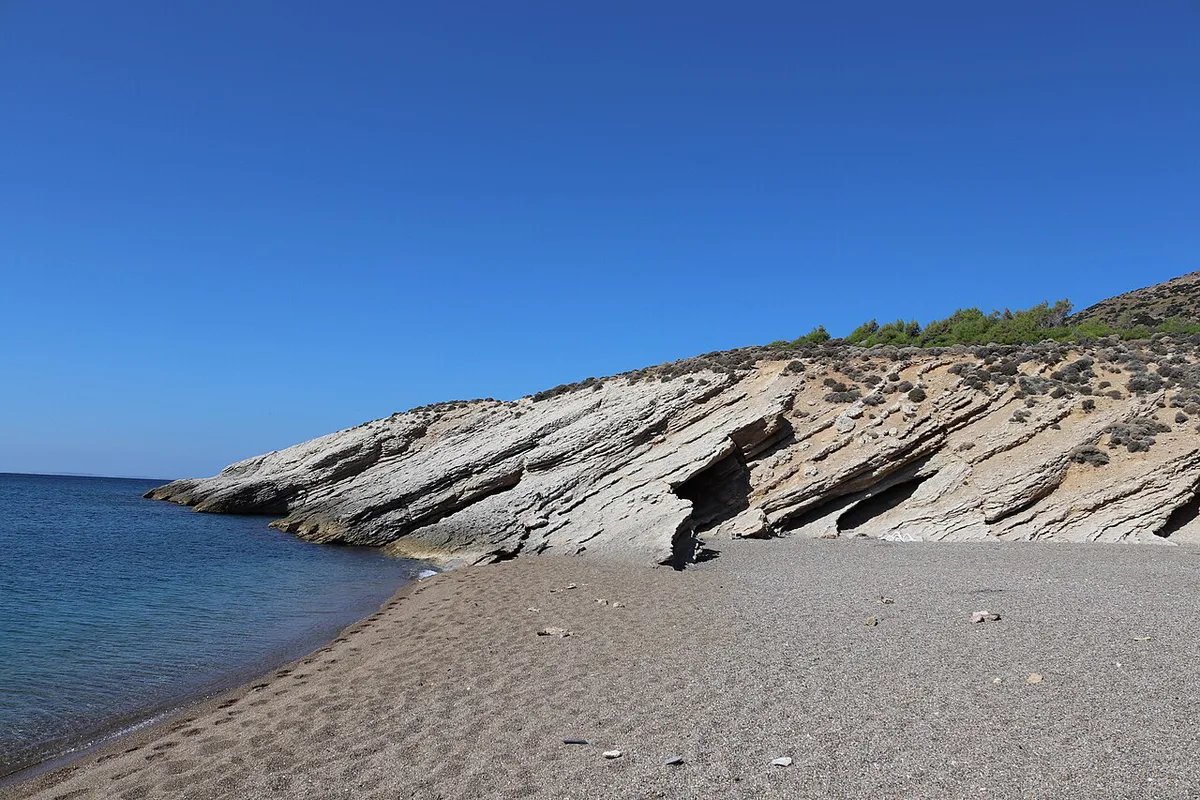
Operator schedules and fees change each season, so use the operator's current page for dates and prices. Entries run from the Scottish north coast south to the Mediterranean.
The shared Agios Nikolaos cruise at Zakynthos covers the Blue Caves and Navagio on one ticket, so it is the efficient pick for a short stay.
1. Smoo Cave, Durness, Scotland (walk-in plus boat)
Smoo Cave is a large limestone sea cave at the head of a geo about 1 mile east of Durness on the north Sutherland coast. A signed walk of about five minutes from the A838 car park leads to the outer chamber, and you can enter it and look into the second chamber without a guide. Only the third chamber needs an inflatable-dinghy tour, which depends on weather and water levels and is generally not running in winter.
Ask locally for current tour prices, since the outer cave needs no guide. Best for road-trippers who want a short detour with a waterfall inside. Avoid it if you only want a dinghy tour on a fixed date, because rain and water levels decide whether it runs.
2. Blue Grotto, Capri, Italy (boat plus rowboat)
Blue Grotto is on the island of Capri, and Italia.it's Capri page is a good starting point. Entry normally means moving from your tour boat into a small rowboat at the cave mouth. Closures happen when swell is high, so keep a second Capri activity ready.
Cost level is premium once boat and entry charges add up. Families and first-timers suit it well, since no swimming or paddling is needed. Claustrophobic visitors and anyone wanting long, quiet time inside should look elsewhere.
3. Blue Caves, Zakynthos, Greece (boat tour)
The Blue Caves run along the north-west coast of Zakynthos near Cape Skinari. A shared cruise from Agios Nikolaos runs 2.5 to 3 hours with fares from about €30 per person, and a Blue Caves-only trip from the same port takes about 1 hour. Operators set their own fares, so compare them before you pay.
Cost level is budget to mid-range for a shared boat. Best for first-timers who want caves and the Navagio view on one ticket. Skip the shared cruise if you have only an hour or dislike group boats, and note that the south-coast caves near Keri are a separate trip with a separate boat.
4. Algarve sea caves, Portugal (boat or kayak)
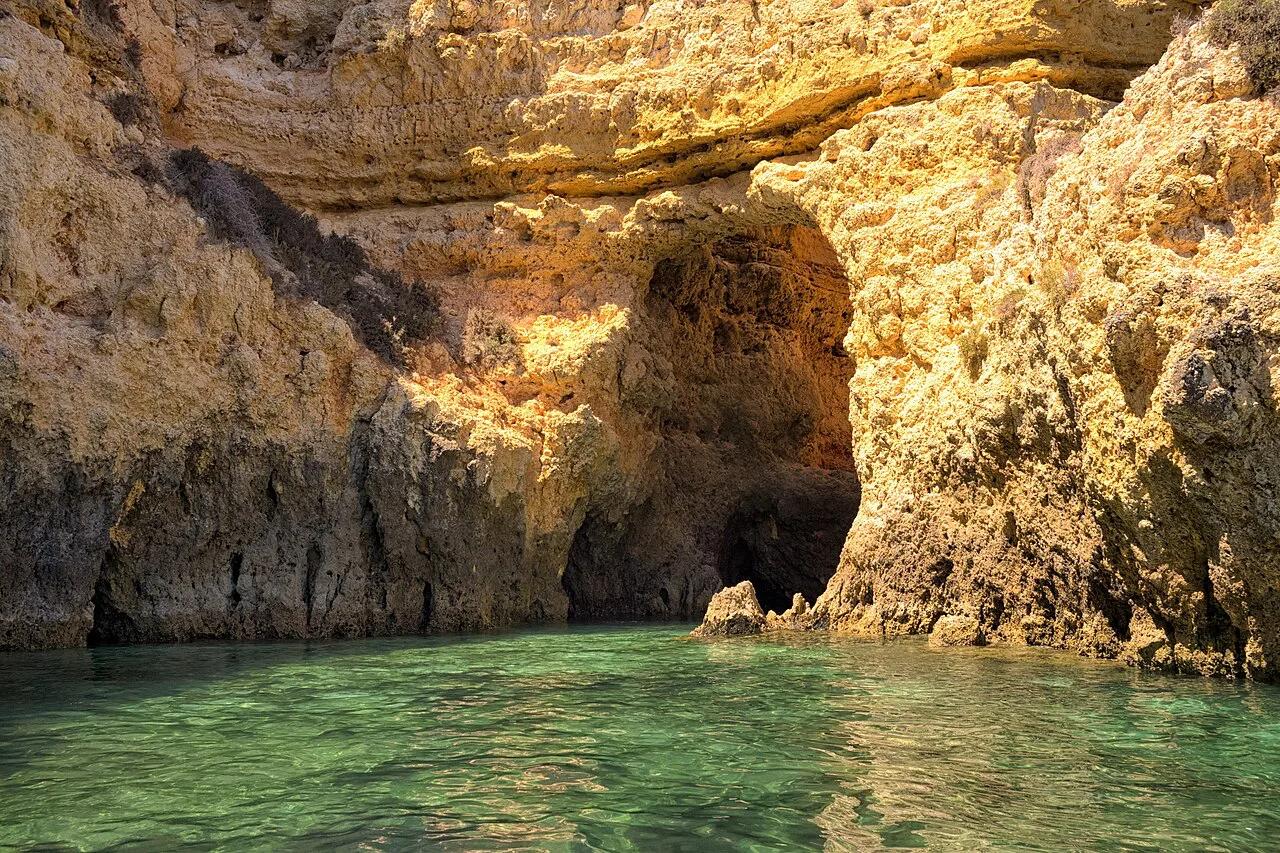
Portugal's Algarve coast has several caves along one stretch, and Portugal's Algarve sea caves has the full detail. Regional information is on Visit Algarve. Boat tours leave from harbours and beaches, and kayaks suit calmer mornings.
Cost level ranges from budget for shared boats to mid-range for guided kayaking. Travelers wanting 2 or 3 caves in one outing get the best value here. Strong Atlantic swell shuts access, so allow a spare day.
5. Milos sea caves, Greece (boat with swim stops)
Milos is a Cyclades island, and Visit Greece's Milos page introduces it. Boat tours circle the coast and stop at cave mouths where you can swim. Wind affects which side of the island operators can reach, so ask about the backup route.
Confident swimmers should read about swim-in cave options first. Cost level is mid-range for a shared boat and higher for private skippers. Weak swimmers and small children are better served by a boat that stays aboard.
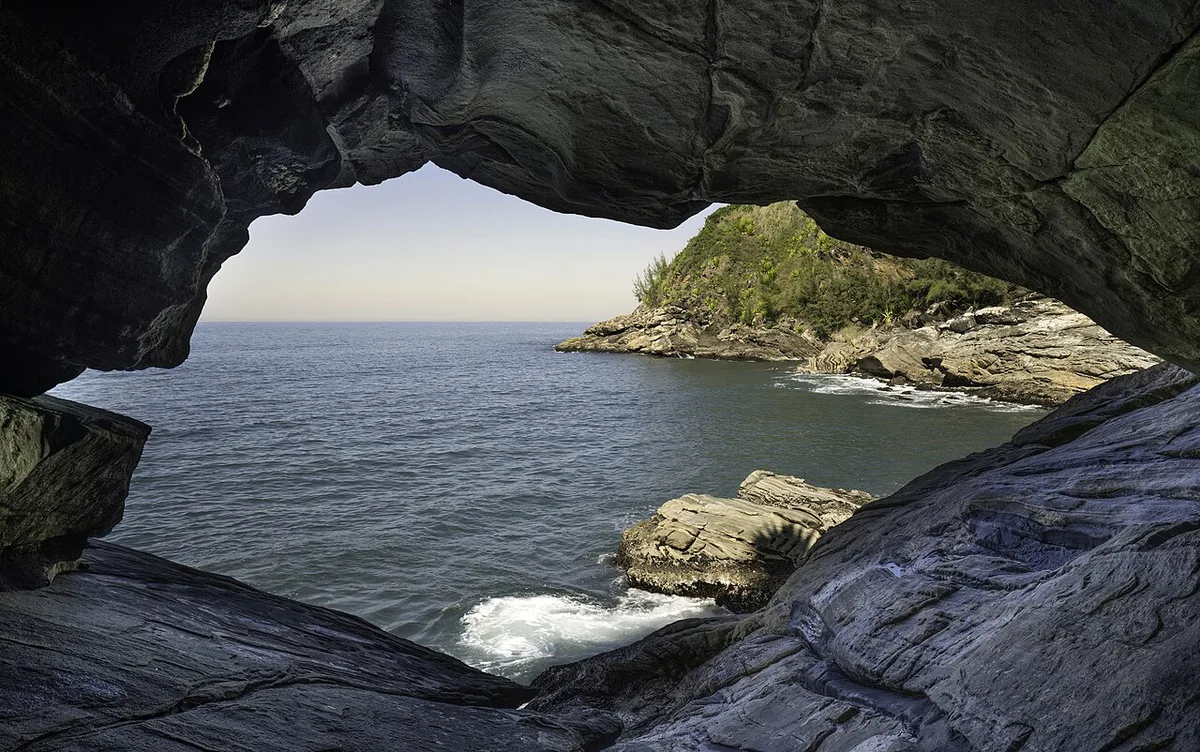
6. Grotta del Bue Marino, Cala Gonone, Sardinia (boat)
Grotta del Bue Marino is a karst sea cave on the Golfo di Orosei coast, and Sardegna Turismo lists regional visitor information. Access is by sea only, and organised visits board boats in Cala Gonone. Only the southern section is open, with a walk of about 900 m past stalactites and a large underground salt lake. The full excursion takes about two hours including the crossing.
Sea state can cancel a departure, so keep a spare day. Best for travelers based on the Orosei coast who want a cave and a boat ride in one outing. Avoid it if you get seasick or need a flexible, drop-in stop.
Planning and Safety for Sea Cave Trips
Swell, wind and tide decide every entry, and operators cancel when conditions turn rough. Book your cave early in your stay so a cancelled departure leaves 1 or more spare days. Pack water shoes, a dry bag and a windproof layer, because slippery rock and spray are common. Follow marine-park and operator rules, and never enter a cave alone on a swim. Rockfall is a real risk near unstable cliffs, so stay out of closed zones. Readers wanting geology can read the geology of cave formation. For a freshwater alternative, see a freshwater cave option.
Frequently Asked Questions
How is a sea cave made?
Waves attack weak rock along cracks and joints in a cliff, widening them over time. Our geology page explains the process step by step.
Explore More Guides
Keep planning your trip with these guides.
Guides
- Emerald Caves in Europe
- Sea Cave Kayaking in Europe: Places, Safety, Costs
- Sea Caves in Portugal: Algarve Access, Tours and Timing
- Cave Swimming in Europe: Where to Swim in Sea Caves & Cave Pools
- Cenotes in Europe? Closest Swimmable Caves
- How Are Sea Caves Formed? Rock, Waves and Tide Safety
Which sea cave in Europe is easiest to visit?
Smoo Cave in Scotland is the simplest, because a signed walk of about five minutes leads to the outer chamber and no guide is needed there. Among boat-access caves, Blue Grotto at Capri and the Zakynthos Blue Caves need no swimming or paddling.
Do I need to book sea cave trips in advance?
Book early in your stay. Swell, wind and tide decide every entry, and operators cancel when conditions turn rough, so a spare day lets you reschedule. Check the operator's current page for dates, fares and cancellation terms.
Notes for your next trip underground
Optional updates when we add or revise cave and underground guides.
More guides
More guides you'll find useful