Cave Swimming in Europe: Where to Swim in Sea Caves & Cave Pools
Where you can swim in caves and cave pools in Europe, how to get in, when to go, and the safety rules that matter before you enter the water.
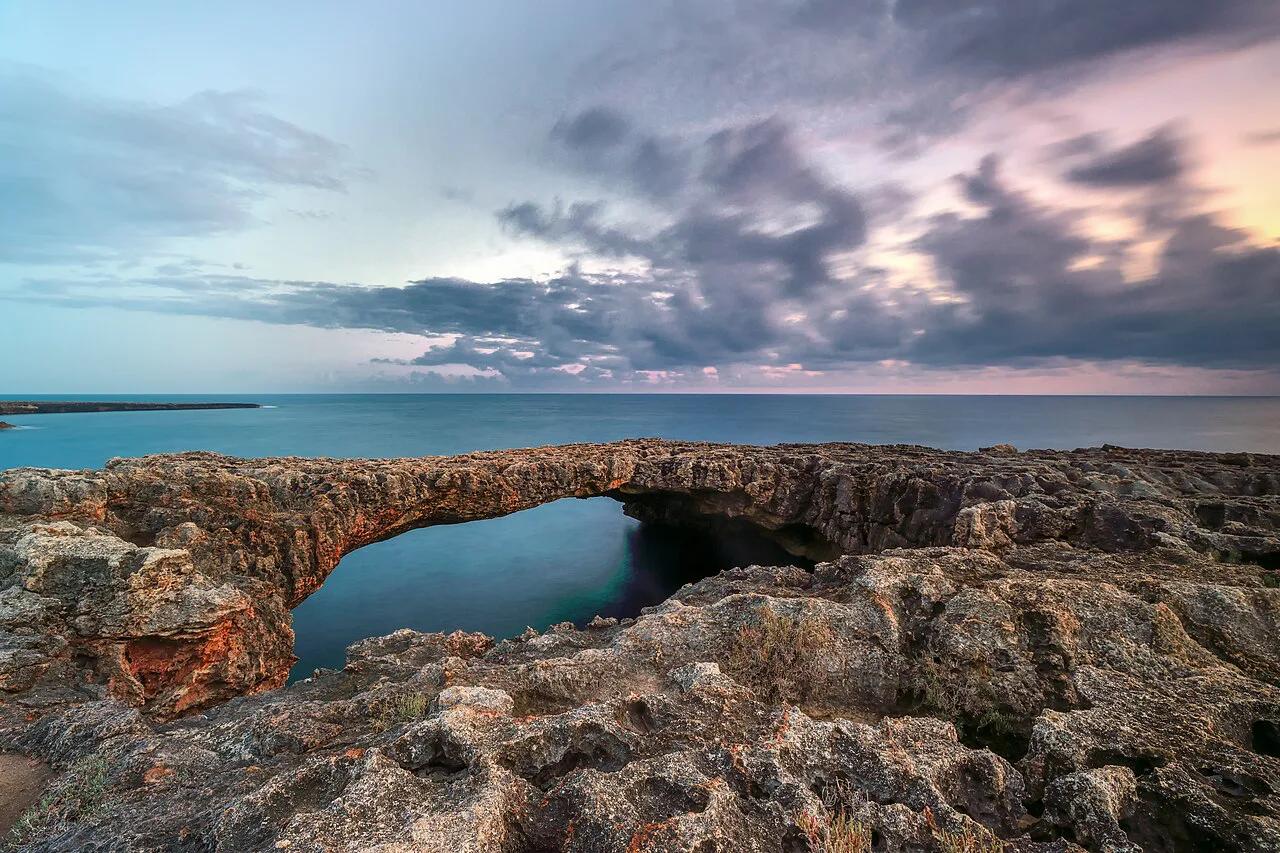
Last updated November 2026: a cave pool in Europe almost always means a sea cave or lit grotto where an operator or local authority allows swimming. Most swims happen in open sea caves reached by boat, kayak or from a beach, and our guide to sea caves across Europe lists the full set of places. Looking for backyard or indoor pool designs, or a lakeside bar? Those are not covered here, which sticks to real caves, grottos and sinkhole pools.
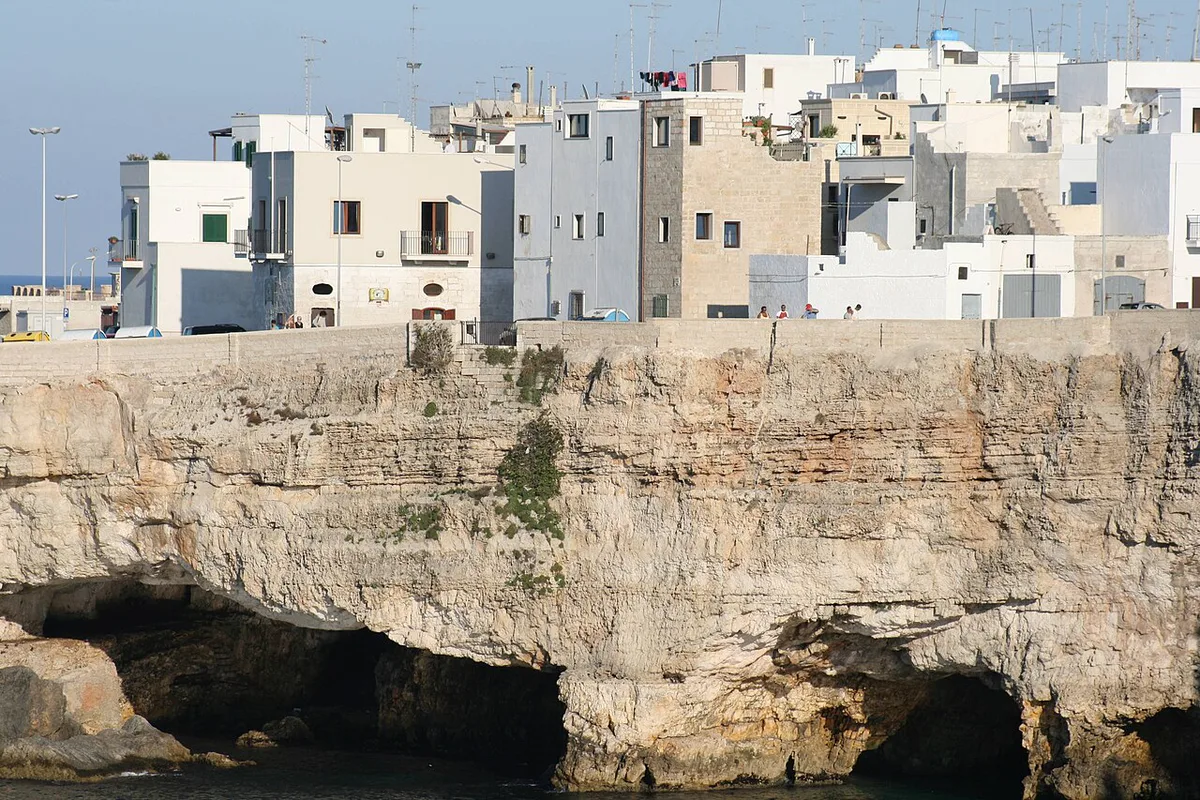
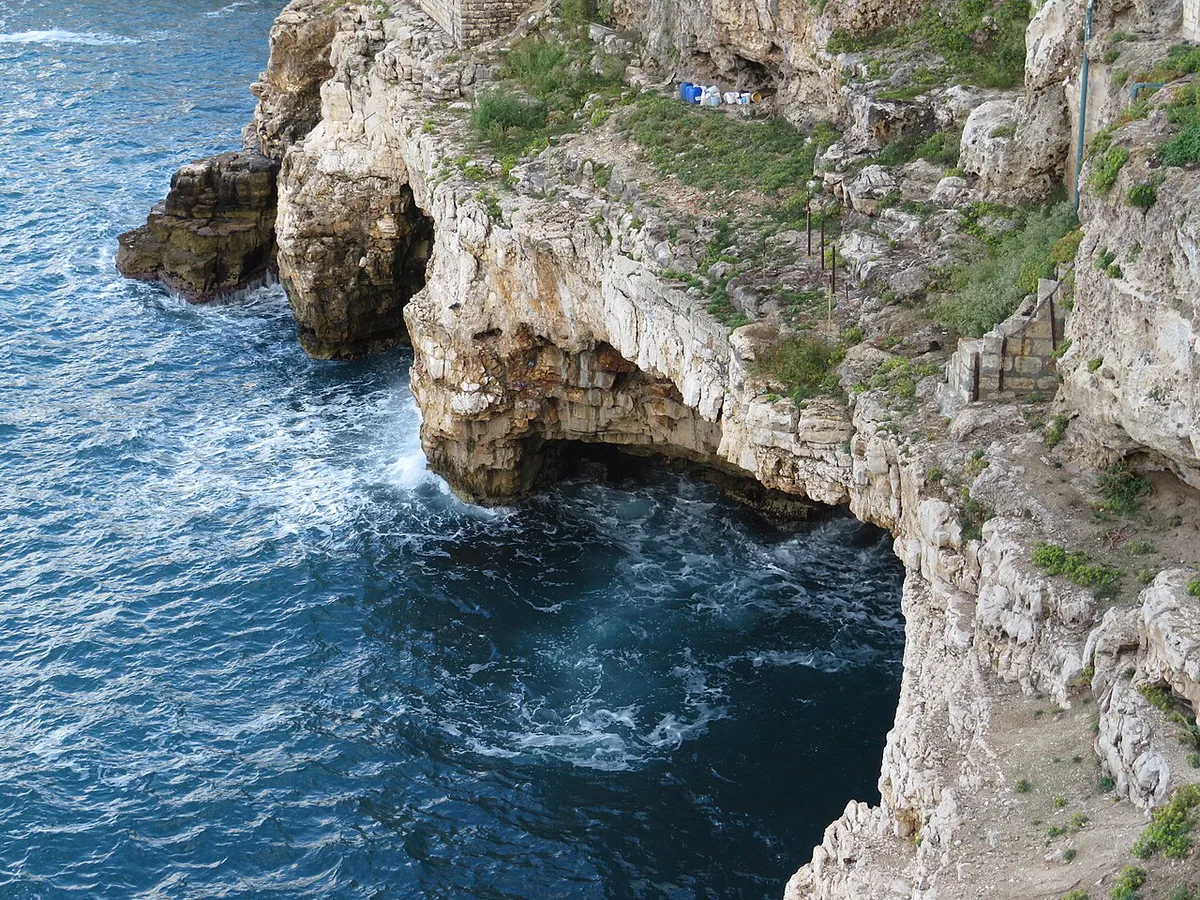
Featured image: Matteo Pappadopoli, CC BY-SA 4.0, via Wikimedia Commons.
Types of cave swims and who they suit
Access decides almost everything about a cave swim. It sets how much skill you need, whether you need a guide, and how likely weather is to cancel your plans. Pick the type first, then the place.
- Beach-access sea caves: you swim, snorkel or paddle a SUP from the shore. These suit confident swimmers who can read the sea state themselves.
- Boat-access caves with a swim stop: a skipper takes you in, and you drop into the water briefly. Emerald-colored grottoes are the classic example, and they suit families and mixed abilities.
- Guided kayak-and-swim trips: you paddle between caves and swim inside them. Our guide to sea cave kayaking covers the routes and what a guide handles for you.
- Freshwater and karst cave pools: sinkholes and underground lakes with calm, cold water. Our page on cenote-style swims in Europe explains where they exist.
- Managed grottoes and show caves with a pool: access is controlled and often ticketed. Rules are set by the site, so check the operator before planning around one.
Cave pool and cave swimming spots compared
Use this table to compare swimming caves in Europe by access type and main hazard. Rows come from official tourism areas and our own cave guides. Cells marked "check locally" depend on the operator, the season and the day's sea state, so ask on the spot. Portugal has its own country-level deep dive in Sea Caves in Portugal: Algarve Access, Tours and Timing.
| Place / country | Access type | Best season | Swim difficulty | Guide required | Main hazard |
|---|---|---|---|---|---|
| Algarve coast, Portugal | Boat or kayak, some beach access | Check locally | Easy to moderate | Varies | Swell and boat traffic |
| Conca dei Marini, Amalfi Coast, Italy | Boat-access grotto | Check locally | Easy | Check locally | Swell at the entrance |
| Capri, Italy | Boat-access grottoes | Check locally | Easy to moderate | Check locally | Swell and low light |
| Sardinia, Italy | Boat or kayak sea caves | Check locally | Moderate | Varies | Open-water distance |
| Staffa, Scotland | Boat trip to a basalt cave | Check locally | Check locally | Check locally | Cold water and landing conditions |
| Zakynthos, Greece | Boat-access sea caves | Check locally | Easy to moderate | Varies | Swell and slippery rock |
- Full list of places: our overview of European sea caves goes beyond these six.
How to choose a cave swim
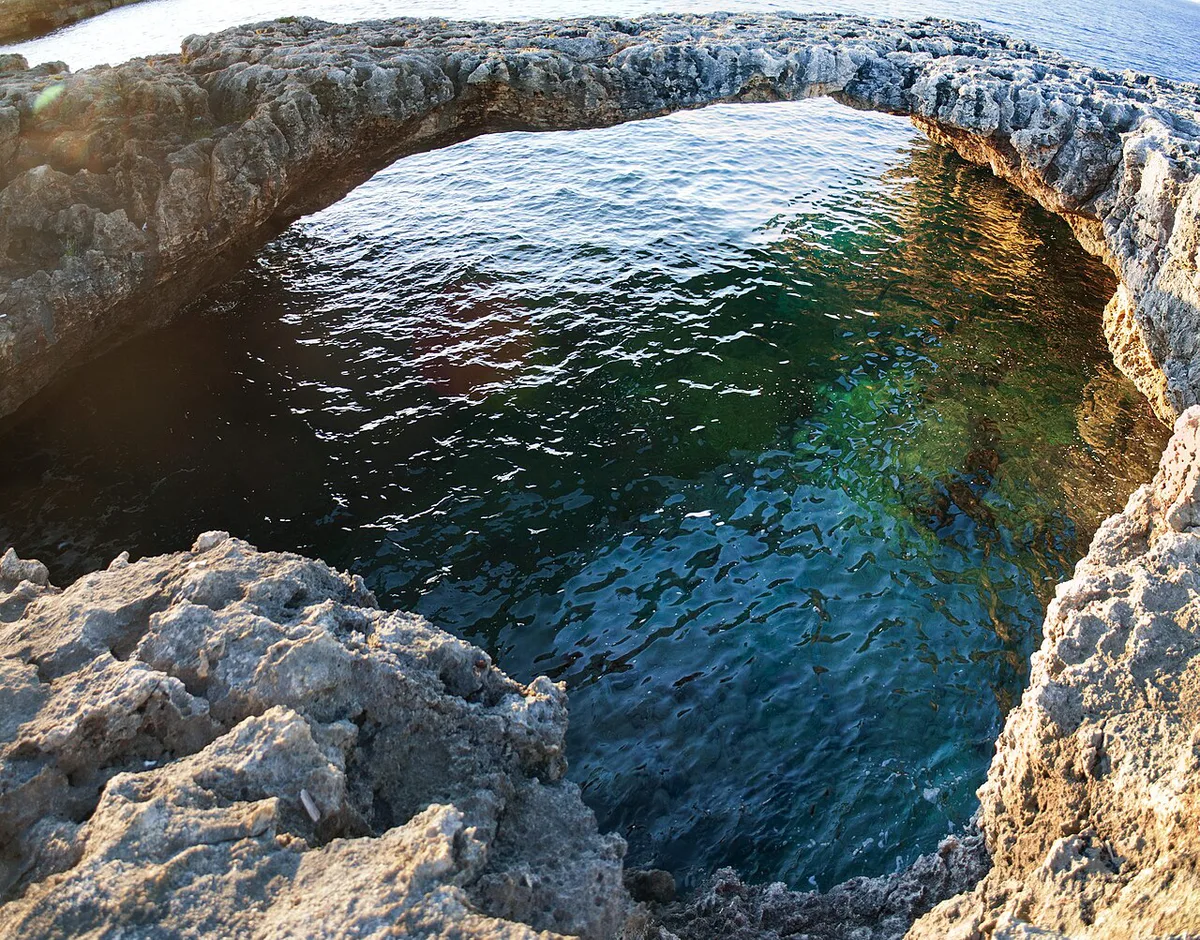
Start with honest swimming ability. If you tire in open water, pick a boat-access cave with a short swim stop and a lifejacket. Strong swimmers can consider a beach-access cave on a calm day. Claustrophobia matters too, because many sea caves narrow quickly and go dark within a few strokes.
Children and anyone with limited mobility do best on boat trips where the operator supplies floats and a ladder. Kayak trips need a steady paddle and the ability to climb back aboard from the water. A free beach swim costs only your time, but you carry all the risk. A paid boat or kayak tour costs more, and in return a skipper reads the sea and the schedule. Prices differ by operator, so read the current rate on the operator's own page. Self-organized hike-ins are slowest, and the return swim or scramble is the part people underestimate.
Safety, tides and rules before you enter
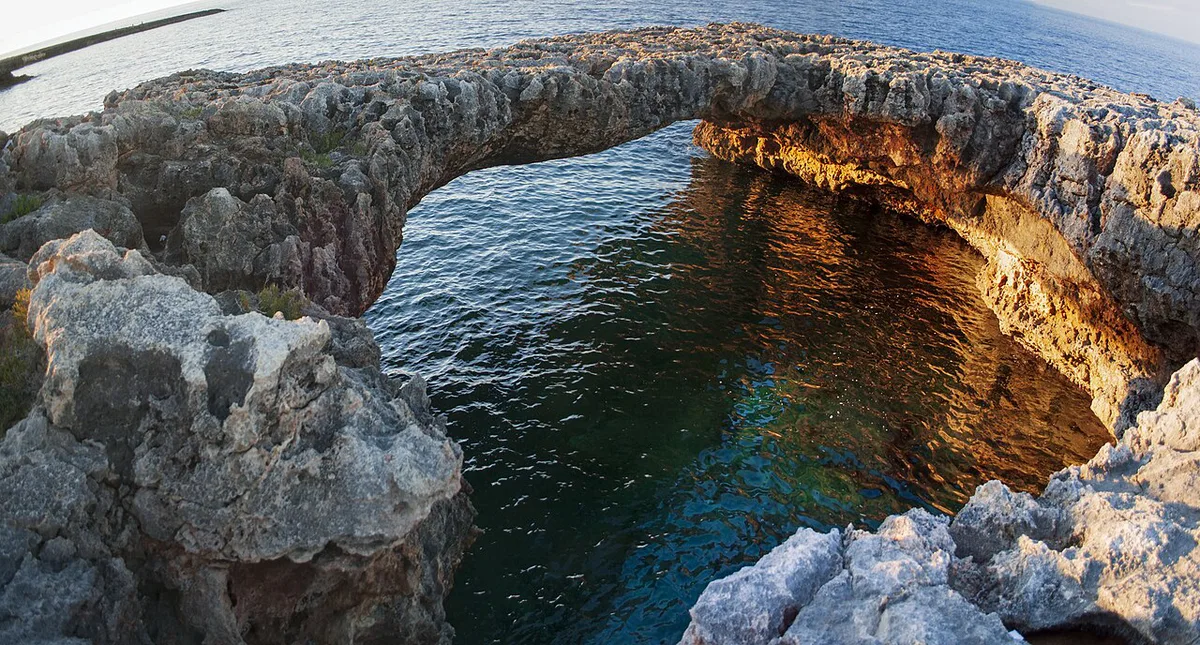
Swell is the main danger. Waves that look small from a beach can surge inside a cave, push you into rock and make the exit hard to find. How Are Sea Caves Formed? Rock, Waves and Tide Safety explains why narrow, funnel-shaped caves amplify that surge.
Cold water, slippery rock and low light add to the risk. Respect red-flag days and any closure signs, because authorities close caves when conditions turn. Many caves also sit inside protected areas with their own rules, so ask the local tourist office or harbor before you go. For Scottish waters, VisitScotland's page on Staffa is the place to start for access to Fingal's Cave.
- Go with a guide or skipper wherever one is offered, and never swim in alone.
- Wear a float or buoyancy aid, even if you swim well.
- Carry a waterproof light, because phone torches fail when wet.
- Check the marine forecast for swell on the day, not the day before.
- Agree a plan for the return swim before you enter.
What to bring and when to go
Keep the kit short. Water shoes protect your feet on algae-covered rock. A wetsuit or shorty helps in cool water, and a dry bag keeps your phone and keys safe. Add a waterproof light and a small float.
Season depends on the coast. Summer brings warmer water and calmer seas on many Mediterranean shores, but also crowds at popular grottoes. Early morning is usually quieter. For the Portuguese coast, Visit Algarve lists current tour operators and local information. Booking lead times and group-size limits vary, so ask the operator.
Common mistakes to avoid
Most problems come from the same few choices. Avoid them and your cave swim stays enjoyable.
- Going on a rough-sea day because the trip is already booked.
- Entering a cave without a guide where one is required.
- Ignoring protected-site rules and closure notices.
- Relying on a single weather check instead of looking again before you leave.
- Swimming in with no plan for the return swim or exit.
Frequently Asked Questions
Can you swim in cave water?
Yes, in many sea caves and grottoes across Europe, provided conditions are calm and local rules allow it. Cold water, swell and low light are the main risks, so a guide, a float and a waterproof light are worth having. Check the local authority or operator for the day's status.
Notes for your next trip underground
Optional updates when we add or revise cave and underground guides.
More guides
More guides you'll find useful