
Biserujka Cave, Krk: Tickets, Hours & Visitor Guide
Visiting Biserujka Cave on Krk? Get the logistics, what you'll see underground, how long to allow and how it compares with other caves.
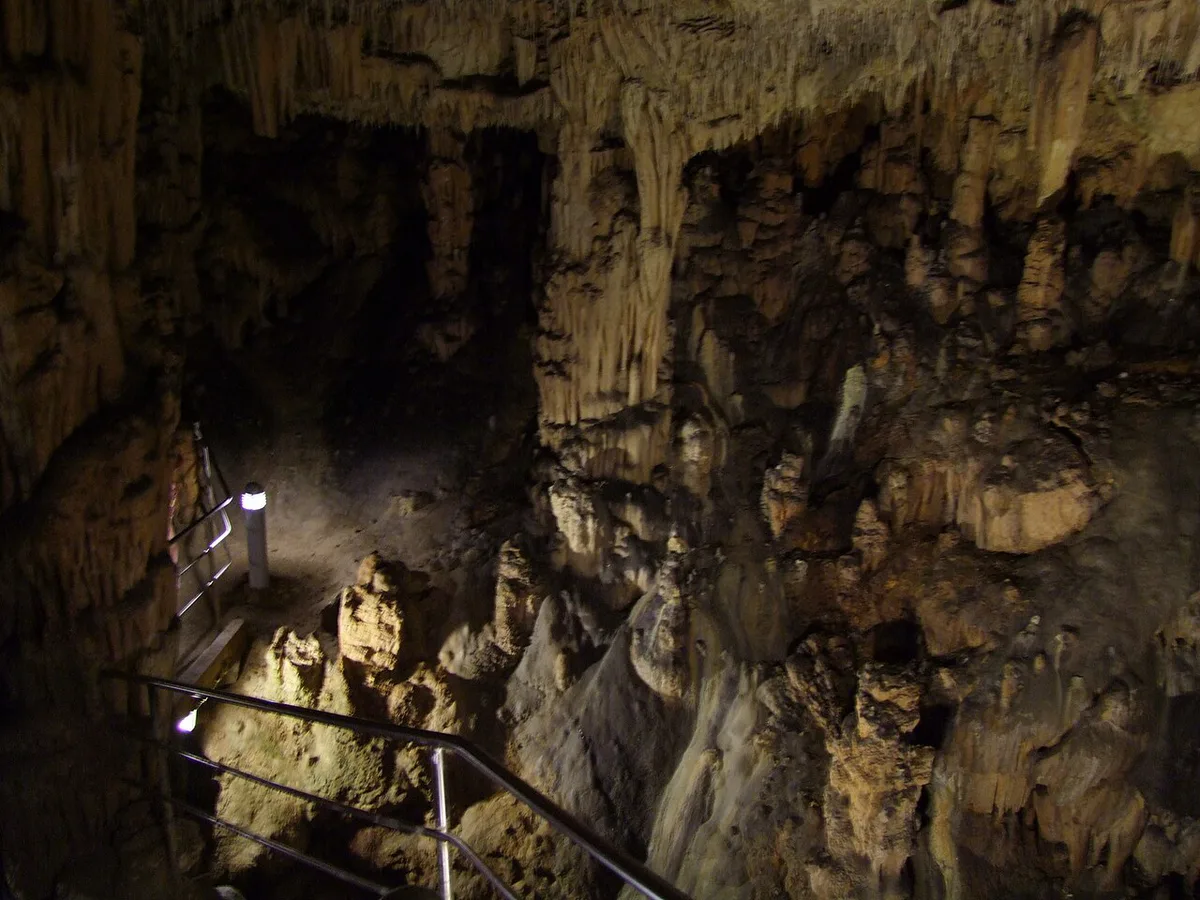
Last updated November 2026: Biserujka Cave is a show cave on northern Krk, near Rudine and Omišalj, and you visit it on a guided tour. Biserujka cave suits anyone who wants a short, walk-in underground stop with lit paths and no special gear. Divers and swimmers after wilder caves will find better matches elsewhere on the Kvarner coast.
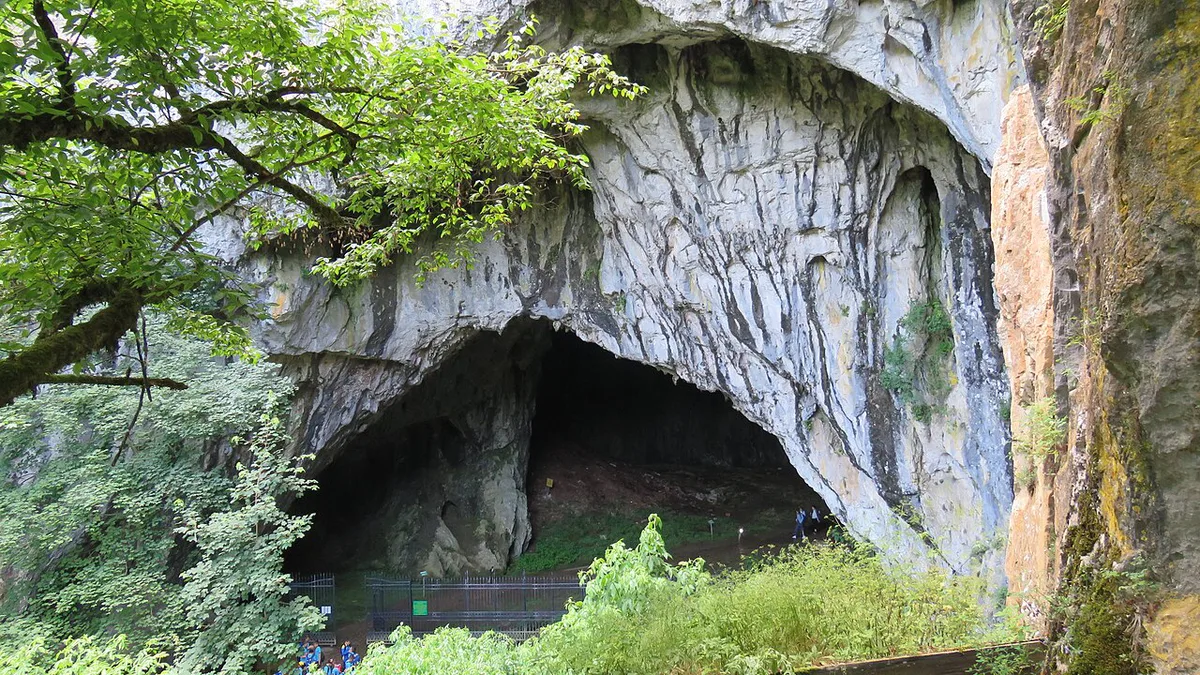
Featured image: harassek, CC BY-SA 3.0, via Wikimedia Commons.
Biserujka Cave quick answer: is it worth visiting?
Biserujka (the name is usually translated as "the Pearl") is a Croatian show cave with a fenced, lit walking trail. Local accounts describe it as roughly 110 m long, so this is a compact visit rather than an expedition. Most visitors treat it as a half-hour to hour-long stop, not a full-day outing.
It is worth the detour if you like stalactites, flowstones and a bit of prehistory. It is also a sensible wet-weather or hot-day option on an island otherwise built around beaches. Serious cavers, or anyone who wants a long underground route, will find it short.
- Families and casual sightseers: a good fit, because the trail is guided and lit.
- Photography and geology fans: worth it for the formations, as long as the photo rules at the entrance allow it.
- Divers and adventure seekers: look at the Vrbnik and Plavnik caves described below instead.
- Anyone on a tight ferry or bus schedule: allow generous buffer time, because the cave sits away from the main towns.
What you will see inside
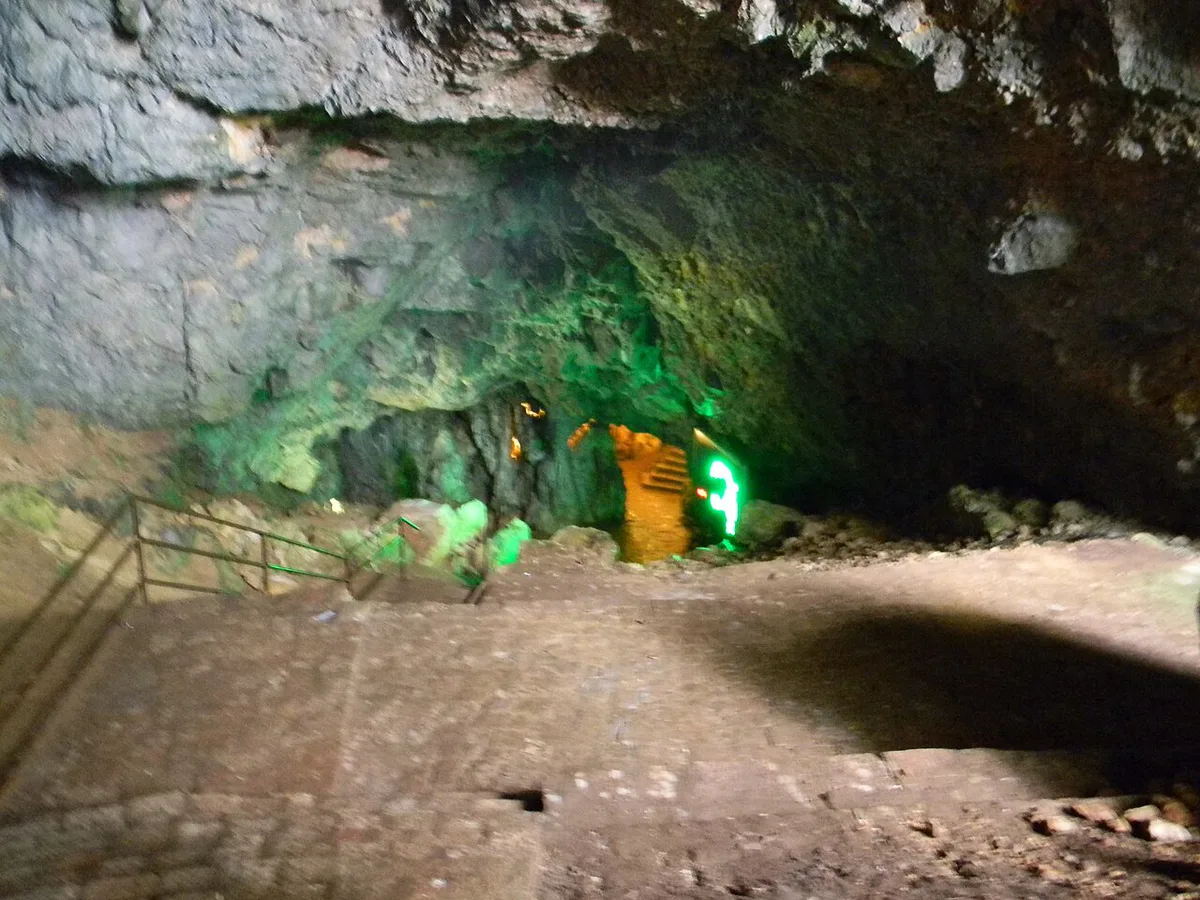
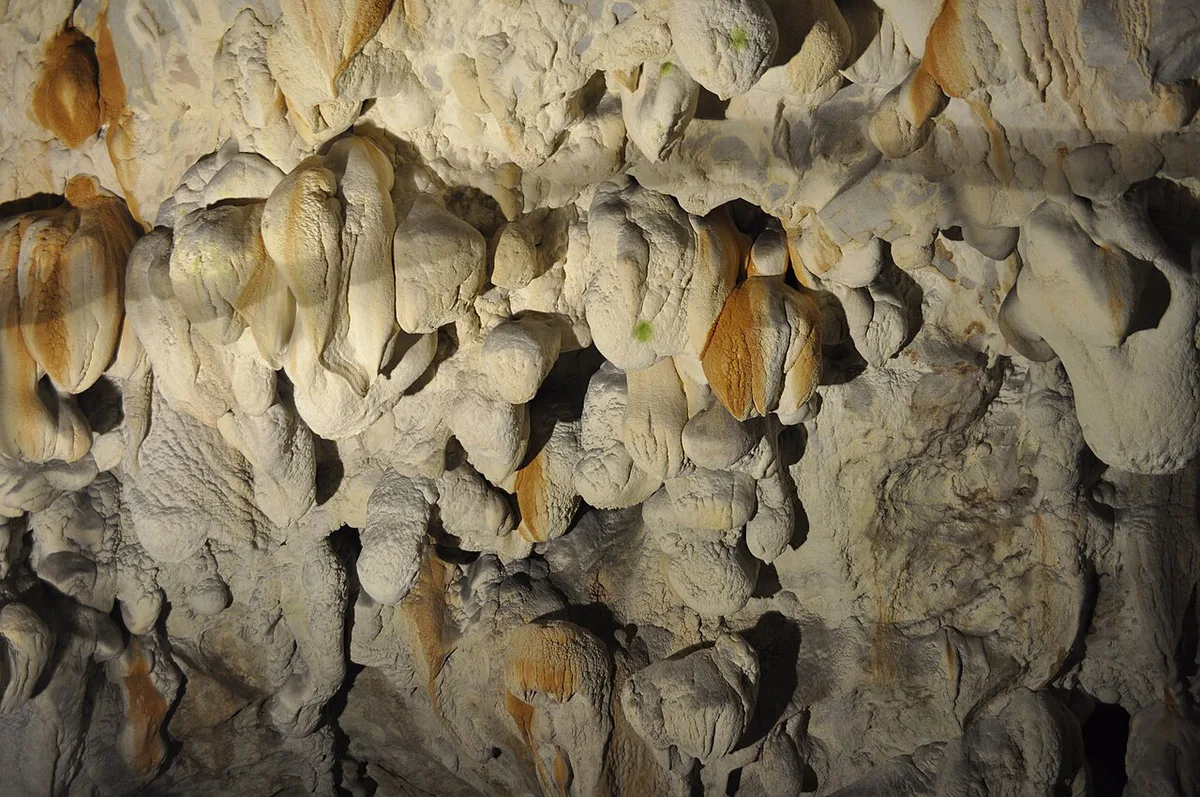
Inside, expect lit stalactites and flowstones along a fenced walking trail. Tourist accounts mention seven halls and rooms, and some give them names such as the Great Hall, the Bridge Hall and the Balloon Hall. The names are worth asking your guide about, since they come from tourist accounts and are not officially established.
Two hooks come up repeatedly. One is a set of six endemic species said to live in the cave. The other is the remains of a cave bear said to be about 24,000 years old. The guide can tell you which remains are on display and which are protected in place.
The name has a legend attached. Local stories say pirates hid treasure here, which supposedly gave the cave its "Pearl" name. No treasure has ever been found, so treat it as folklore and enjoy it as a story on the tour.
Getting to Biserujka from Krk Town, Baška and Omišalj
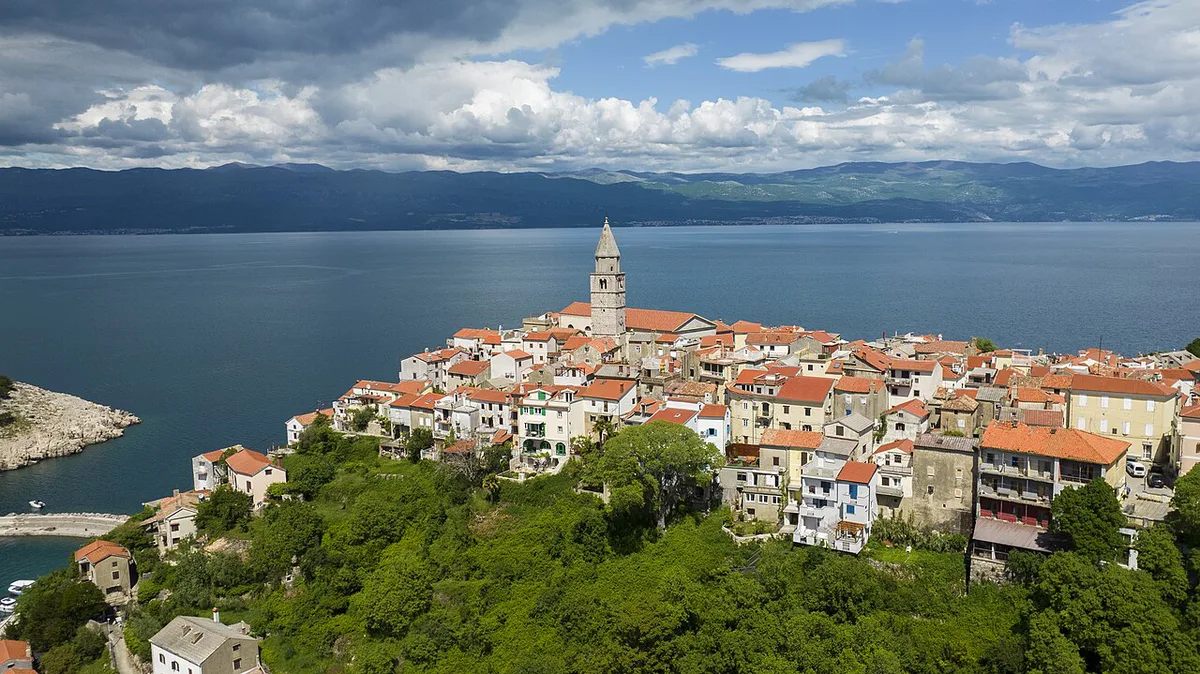
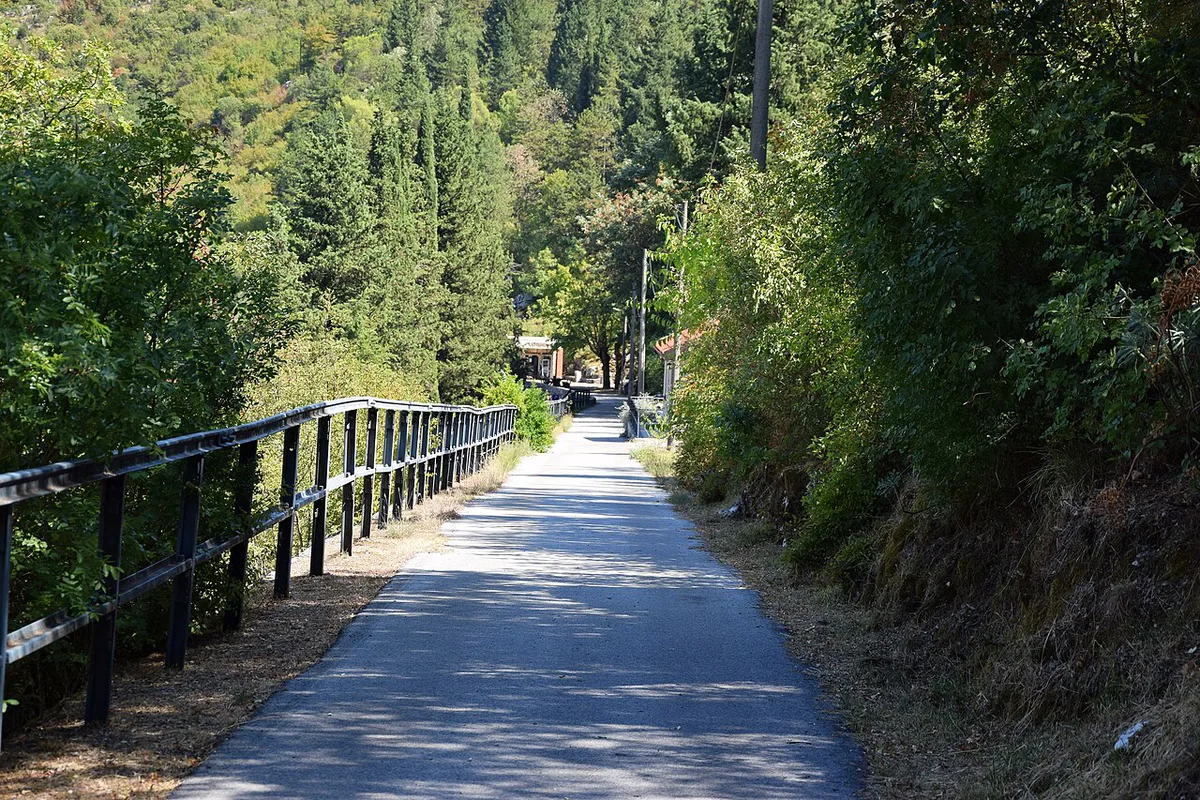
Biserujka lies near Rudine on northern Krk, and Omišalj is the nearest town named in visitor accounts. Most people arrive by car or bicycle. Both Krk Town and Baška are described as easy bases for the trip, but exact drive times depend on traffic and season.
If you are coming from the mainland, plan the crossing to Krk first and the cave second. The Croatian National Tourist Board is the place to start for current transport and regional information. Parking arrangements and fees at the cave are not published in the material we hold, so ask the cave operator before you set out.
Tickets, opening hours and tour format
Visits are by guided tour only, along the fenced and lit trail. Ticket prices in euros, opening hours and tour start times change by season. We found no current 2026 price list, so we are not quoting figures that might be wrong.
Prices and hours checked November 2026: no published figures were available to us. Get the current ticket price, seasonal timetable and group rules from the cave operator or the Krk tourist board before you travel. Winter hours are usually shorter than summer hours at show caves, so do not assume the cave is open daily in every month.
- Check: whether the cave is open on your date, and the first and last tour times.
- Check: the ticket price in euros, and whether children or groups pay differently.
- Check: whether photography is allowed and whether tours need booking ahead.
How long to allow and how to combine it with other Krk stops
Allow about an hour in total for the cave, including the walk from parking and waiting for your tour to start. That is an estimate based on the cave's short length, not an official figure. Build in extra time in July and August, when tours may fill up.
A simple half-day works well. Visit the cave in the morning, then head to a beach or a walk around Omišalj in the afternoon. If you are staying in Baška, treat the cave as a separate half-day outing rather than something to squeeze between other stops.
On a rainy day, the cave pairs naturally with an indoor lunch in Krk Town. On a very hot day, it offers a cool break, though the temperature is best treated as unknown until you are inside.
What to wear and who it suits
Visitor accounts put the cave's temperature at a steady 15°C all year. That is cooler than a summer beach day and close to a mild autumn day, so bring a light jacket in summer. Wear closed shoes with grip, since cave paths can be damp.
The trail is fenced and lit, which makes it manageable for most walkers and for children who can follow a guide. Accessibility for wheelchairs and strollers is not confirmed in the material we hold. Ask the operator about steps and path width if anyone in your group has limited mobility.
Other Krk caves that are not Biserujka
Two other caves turn up in Krk searches, and neither is a walk-in show cave. Tourist accounts describe the Vrbnik cave as a diver-only site, with an entrance about 15 m underwater and a cave about 30 m long. The Blue Cave, also called the Love Cave, sits on the neighbouring island of Plavnik and is said to be reachable by swimming, diving or walking. Treat both as unconfirmed and ask local operators.
| Cave | Access | Best for |
|---|---|---|
| Biserujka | Guided walk-in tour on a lit trail | Families, casual visitors, wet-weather days |
| Vrbnik cave | Divers only, entrance said to be about 15 m deep | Trained divers |
| Blue (Love) Cave, Plavnik | Swim, dive or walk, per reports | Swimmers and boat-trip travelers |
Biserujka vs other Balkan and Croatian caves
Biserujka is a short, easy cave. For other options across the country, our Caves in Croatia: Best Caves to Visit & How to Choose guide compares the main choices. If you are planning a wider trip, the Balkan caves overview shows how the region fits together.
For a longer underground walk, consider Resava Cave (Resavska Pećina) Guide: Getting There, Tickets & Tips in Serbia. The Tourist Organization of Serbia lists visitor information for the country. For a very different, much larger system, Vjetrenica Cave Guide: Getting There, Tours and What to Expect has its own official Vjetrenica site with current visiting details.
Biserujka wins on convenience and short visit time. The larger caves win on scale and route length, but they usually mean a longer drive from the coast.
Notes for your next trip underground
Optional updates when we add or revise cave and underground guides.
More guides
More guides you'll find useful






