
Cave Houses in Spain: Where to See, Stay or Buy
Where Spain's cave houses are, how to visit or stay in one, and what to check before buying. Practical trade-offs, no hype.
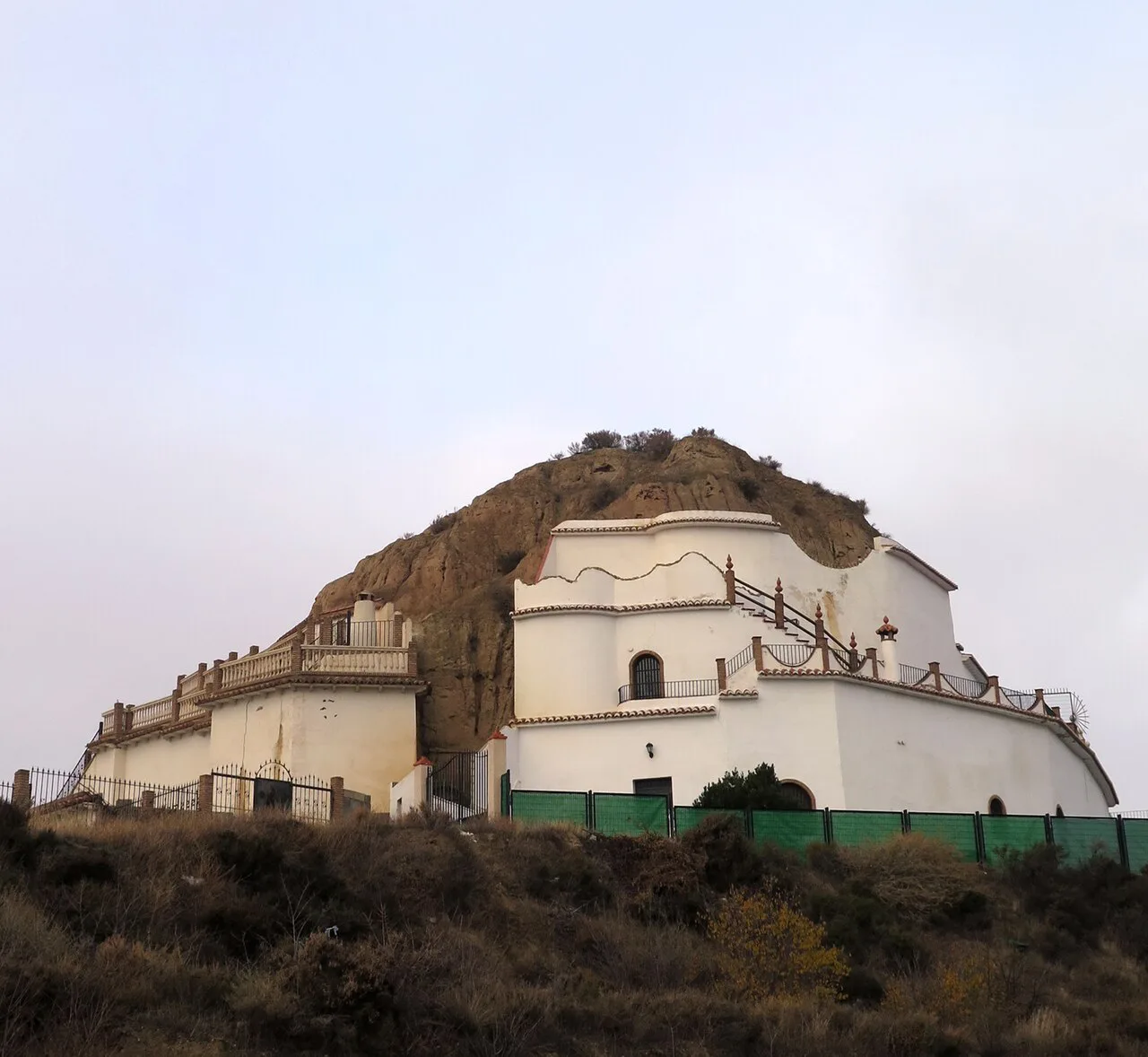
Last updated November 2026: cave houses spain are best known in Granada province, especially around Guadix, Baza and Huéscar. You can visit or sleep in cave dwellings near Guadix and buy in several Altiplano villages. Cave dwellings also exist in the Almanzora valley in Almería, and our overview of cave houses across Europe puts Spain in context.
Featured image: AntonVe, CC BY-SA 4.0, via Wikimedia Commons.
Where to find cave houses in Spain
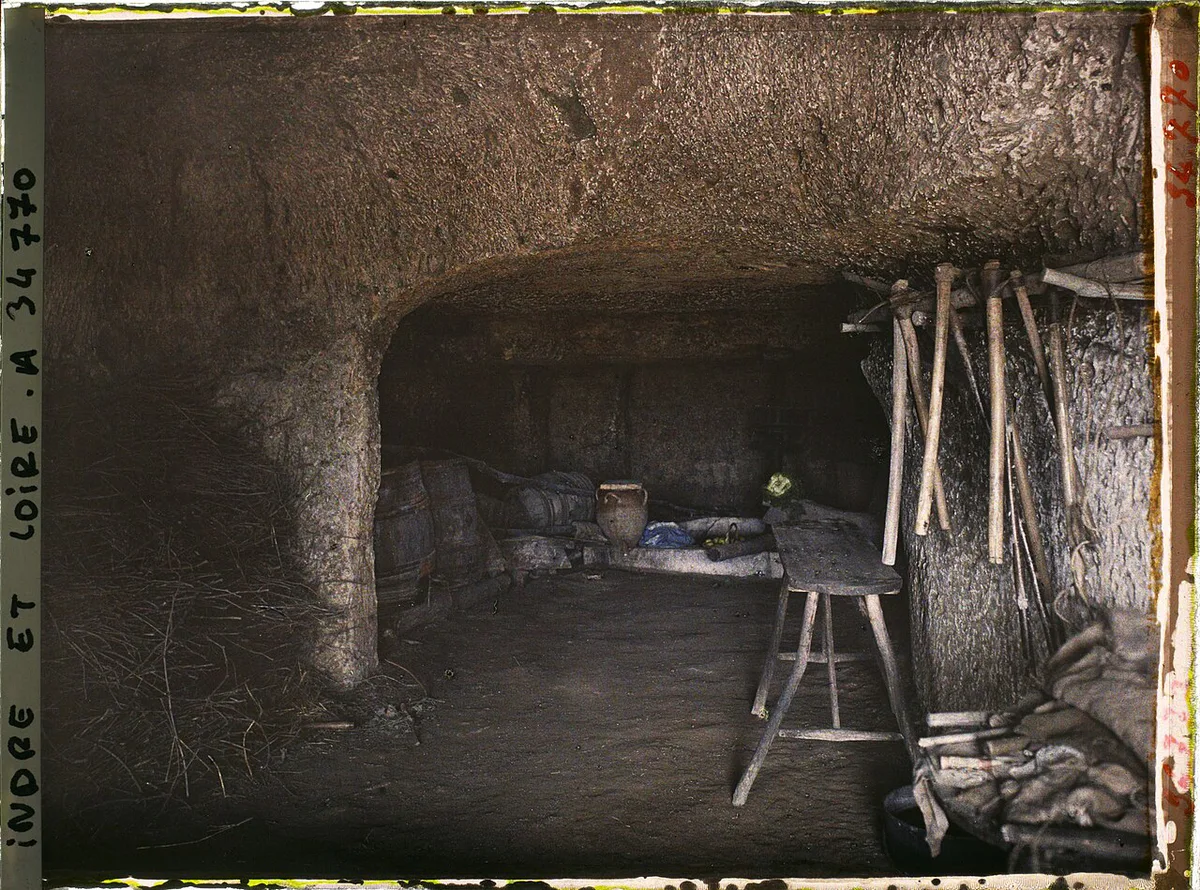
Granada province is the area most associated with cave living. Granada's provincial tourism board is the place to start for regional planning. Guadix and nearby Purullena are the easiest places to see cave homes as a visitor. Further east, the Altiplano towns of Baza, Galera and Huéscar are where cave homes are most often discussed by buyers. Sacromonte, on the edge of Granada city, is another cave-dwelling district. Cave dwellings are not limited to Granada. Cuevas del Almanzora: Castle, Caves & Visitor Guide in Almería is a clear example, and the Almería province tourism site covers the wider area.
| Area | What you can do | Access note |
|---|---|---|
| Guadix and Purullena (Granada) | See cave quarters, stay overnight | Best base for first-timers; see our Guadix guide |
| Baza, Galera, Huéscar (Granada Altiplano) | Visit villages, consider buying | Rural; a car is the practical choice |
| Cuevas del Almanzora (Almería) | See cave dwellings, learn local history | Check town council information for current visitor details |
Visit, stay or buy: which fits you?
Three different readers land on this topic, and each path asks for a different level of commitment. Pick the row that matches your plans, then follow the link for detail. Our guide to Spanish cave hotels covers the stay option in full.
| Option | Time needed | Budget level | Comfort and commitment |
|---|---|---|---|
| Day visit | A few hours | Lowest | No commitment; you see the exterior and public areas |
| Overnight stay | One or two nights | Mid to premium, varies by property | Full interior experience with hotel-style comfort |
| Long-term rental | Weeks to months | Varies by area | Daily reality of damp, light and access |
| Purchase | Months of checks | Highest | Legal, structural and maintenance responsibility |
How to visit and stay
Start in Guadix. Our Guadix cave quarter guide explains what to see on foot. For opening arrangements and local events, use the Guadix town council site. A car makes the Altiplano far easier, because villages around Baza and Huéscar are small and spread out. Rail and bus timetables change, so plan a car-free trip around current ones. Spring and autumn are the easiest seasons for comfort. Summer brings heat on the surface, and winter can bring damp, so ask any host how the rooms are ventilated. Book popular cave stays early, particularly for weekends. Reserve ahead and ask about stairs, because some cave rooms involve slopes and steps.
What living in a cave house is like
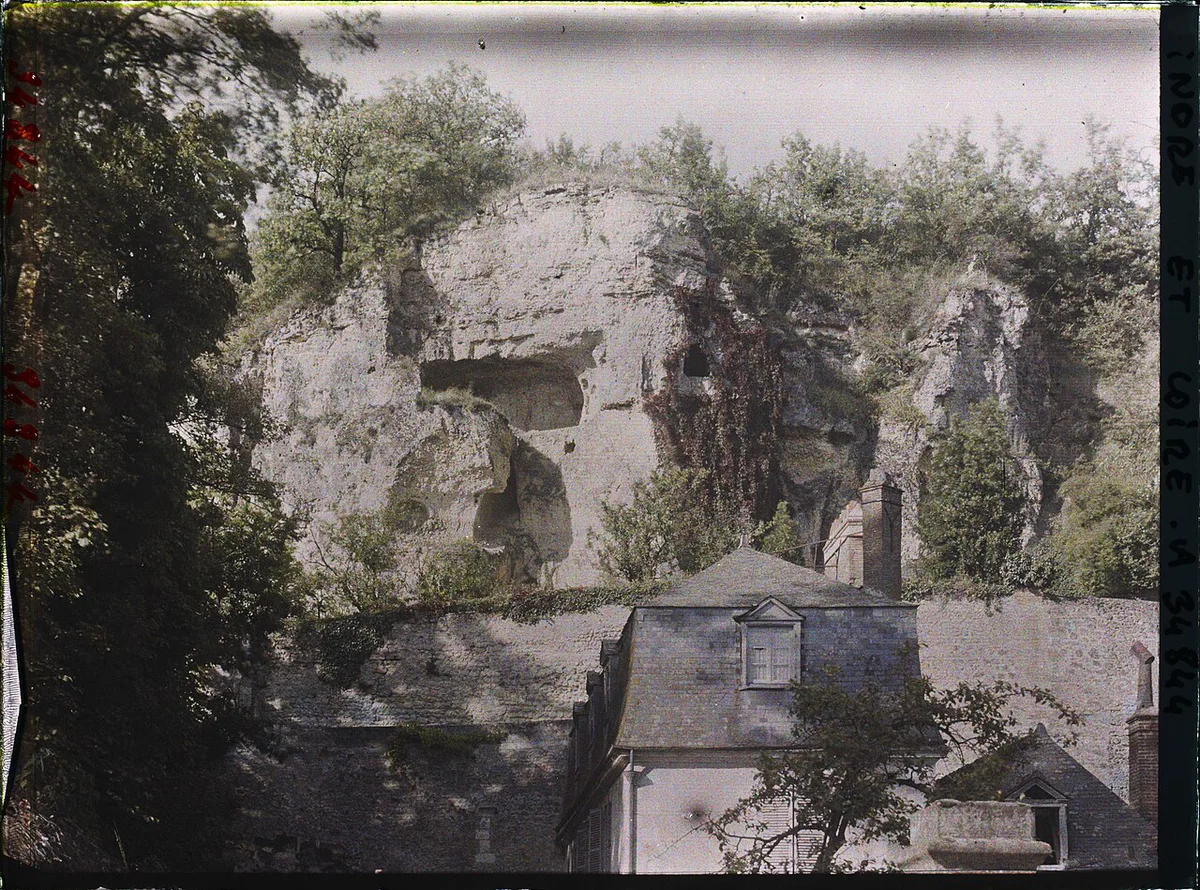
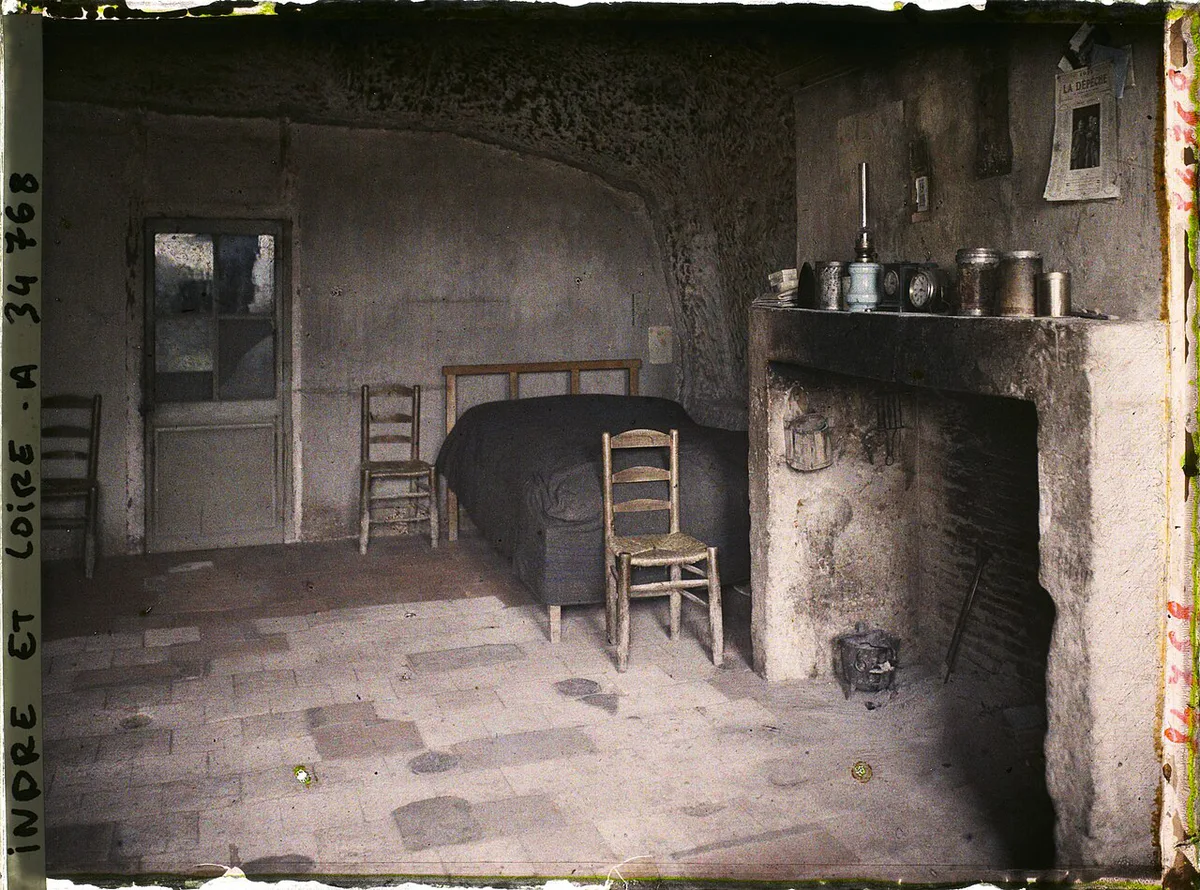
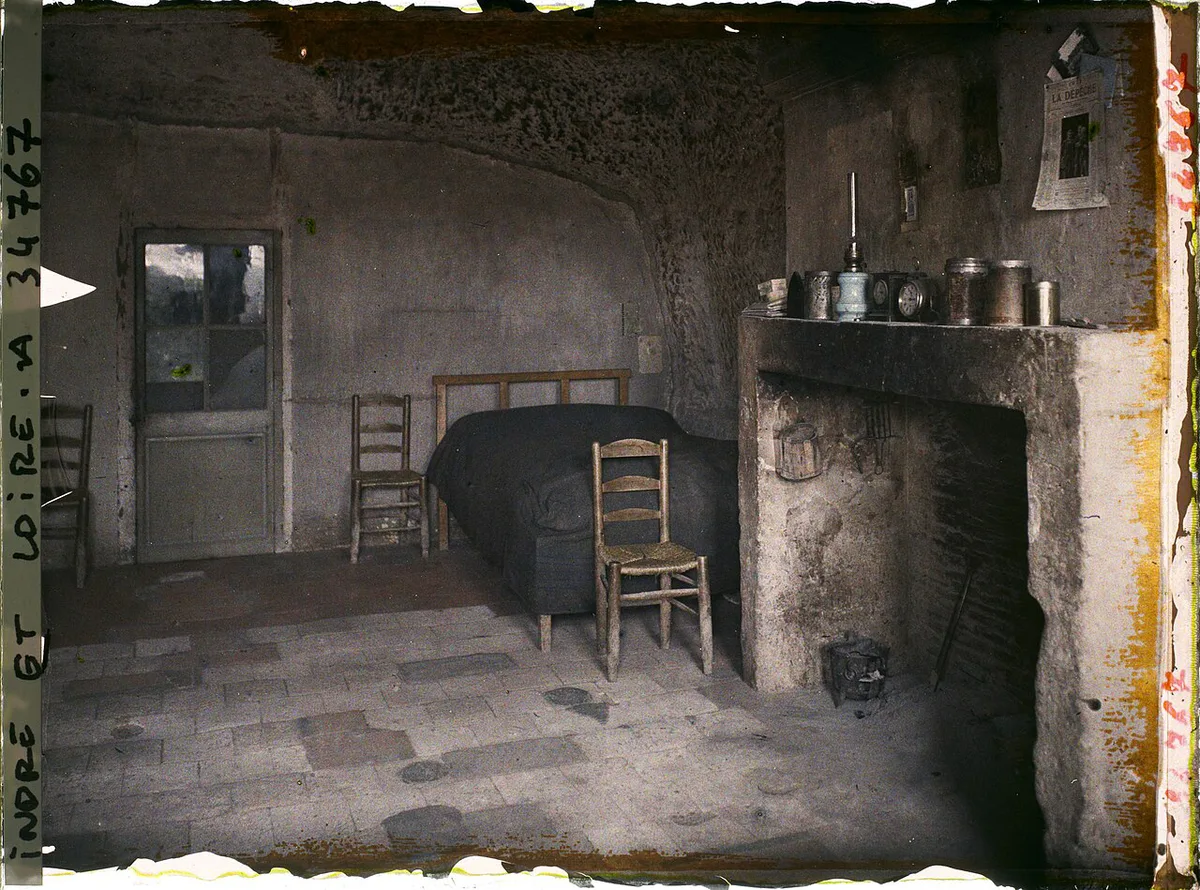
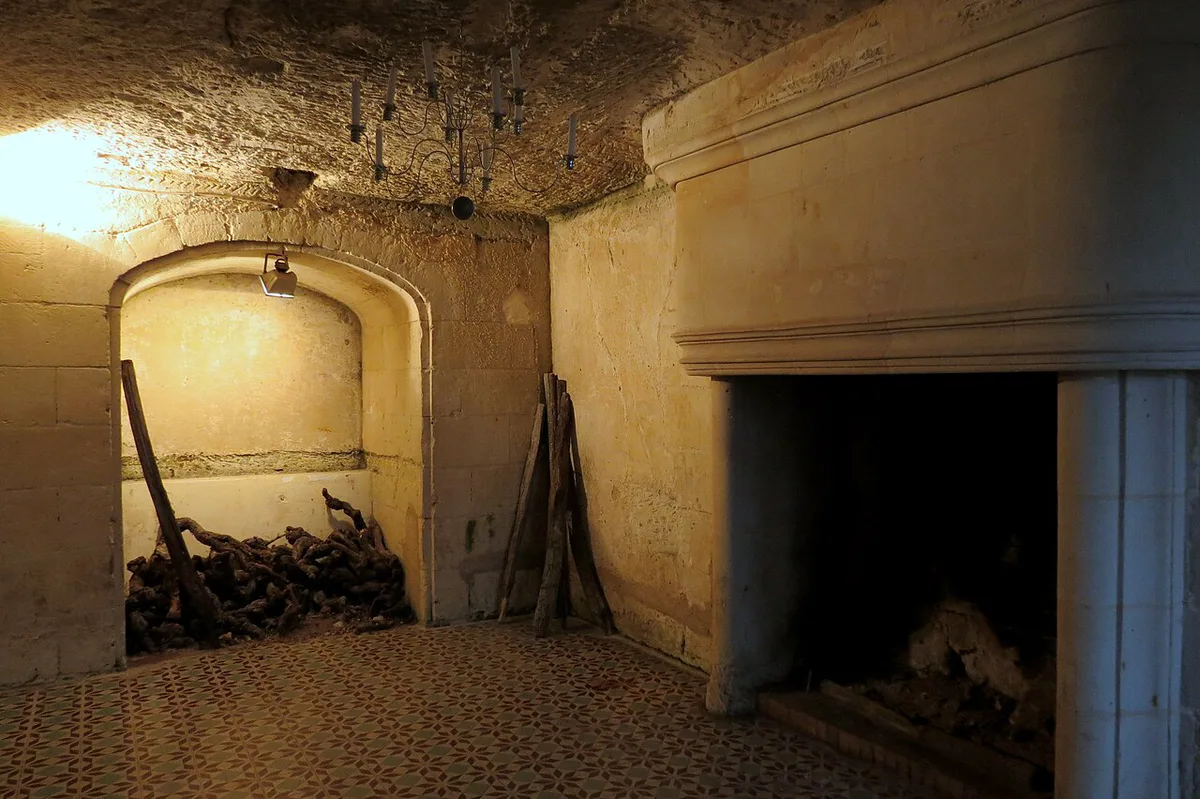
Cave houses are dug into hillsides rather than built up from the ground. Rooms are typically deep, with a front façade and a chimney that rises through the land above. Natural light comes mostly from the front, so back rooms can be dim. Thick earth around the rooms is often credited with steadier indoor temperatures than ordinary buildings. That claim depends on ventilation and upkeep, so ask owners how each room behaves in summer and winter. Layouts are usually a row of connected rooms rather than a stacked floor plan. Damp is the main trade-off, and good drainage and airflow make the difference.
Buying a cave house: what to check
Buying a cave house works like buying any Spanish property, with extra checks for the excavated rooms. This is general information, not legal advice. Hire a qualified Spanish lawyer and a surveyor familiar with cave dwellings, and have details checked through the official property registry and a notary.
- Legal title and registration: make sure the registered description matches the property you are viewing.
- Habitability and planning status: ask what the local council records say about permitted use.
- Alterations versus documentation: check that extensions and new rooms appear in the paperwork.
- Utilities: make sure water, electricity and drainage connections are in place and legal.
- Ventilation, drainage and damp: look for stains, smells and condensation in back rooms.
- Structure: ask a surveyor to inspect ceilings, façades and chimneys.
- Land above the rooms: confirm who owns it and what is built or planted over the excavation.
- Access and boundaries: inspect the route in, plus plot edges against the documents.
How to search for cave houses for sale in Spain
Listings for cave homes are scattered, so the search method matters as much as the budget. Most sellers are small-town owners or local agents, not national developers.
Search terms that work
Spanish listings rarely say "cave house". Search for casa cueva, cueva en venta or casa cueva en venta, then add the town name. Typing Guadix, Baza, Galera or Huéscar is more useful than searching "Granada", because the province also covers coastal and city listings that have nothing to do with cave living.
Where listings appear
- Property portals: Idealista and Fotocasa both let you filter by province and municipality, and cave homes usually sit under the "casas rurales" or "casas" categories rather than their own tag.
- Local agencies (inmobiliarias): Agents in Guadix and Baza often hold cave properties that never reach the big portals. Visiting the office in person is normal in these towns.
- Direct owners: Some owners advertise with a hand-written "Se vende" sign on the door or façade, or through town noticeboards. Contacting an owner directly can work, but it means you must check everything yourself, so the legal checks above matter even more.
What to prepare before you make an offer
- A Spanish NIE (foreigner identification number) is needed for any purchase.
- Budget for transfer tax on resale properties, notary and land registry fees, and your lawyer. Andalusia's resale transfer tax is currently 7% of the declared price, but confirm the figure and any local conditions with your lawyer.
- Ask for the nota simple from the property registry, which shows the owner and any debts or charges registered against the home.
- Check whether the property is listed as a dwelling or as storage or farm use, since that changes what you can legally do with it.
Asking prices vary widely with condition, size and whether the cave has been renovated. Compare several listings in the same village before judging any single price. If you plan to try cave life first, an overnight stay is a low-risk test; see the stay options under how to visit and stay above.
Mistakes to avoid
Most problems come from assumptions rather than bad luck. Avoid these.
- Buying on looks alone: a whitewashed façade says little about drainage or structure.
- Visiting in peak summer heat without checking how the rooms stay comfortable.
- Assuming every cave is a hotel: many are private homes, so ask before knocking.
- Skipping professional checks on title, planning status and structure.
- Booking a stay without asking about steps, slopes and ventilation if you have mobility limits, claustrophobia or damp sensitivity.
Beyond Spain
Spain is one chapter in a wider story of dwellings cut into rock. Our European cave houses hub compares regions. In France, Troglodyte Villages in France: Where to Go and How to Choose show the same idea in tufa stone. Planning a stay beyond Spain? See cave hotels across Europe.
Notes for your next trip underground
Optional updates when we add or revise cave and underground guides.
More guides
More guides you'll find useful






