
Guadix Cave Houses: What to See, Visit & Stay In
See how Guadix's cave houses work, what you can visit, and whether to stay in one, with access, etiquette and day-trip trade-offs.
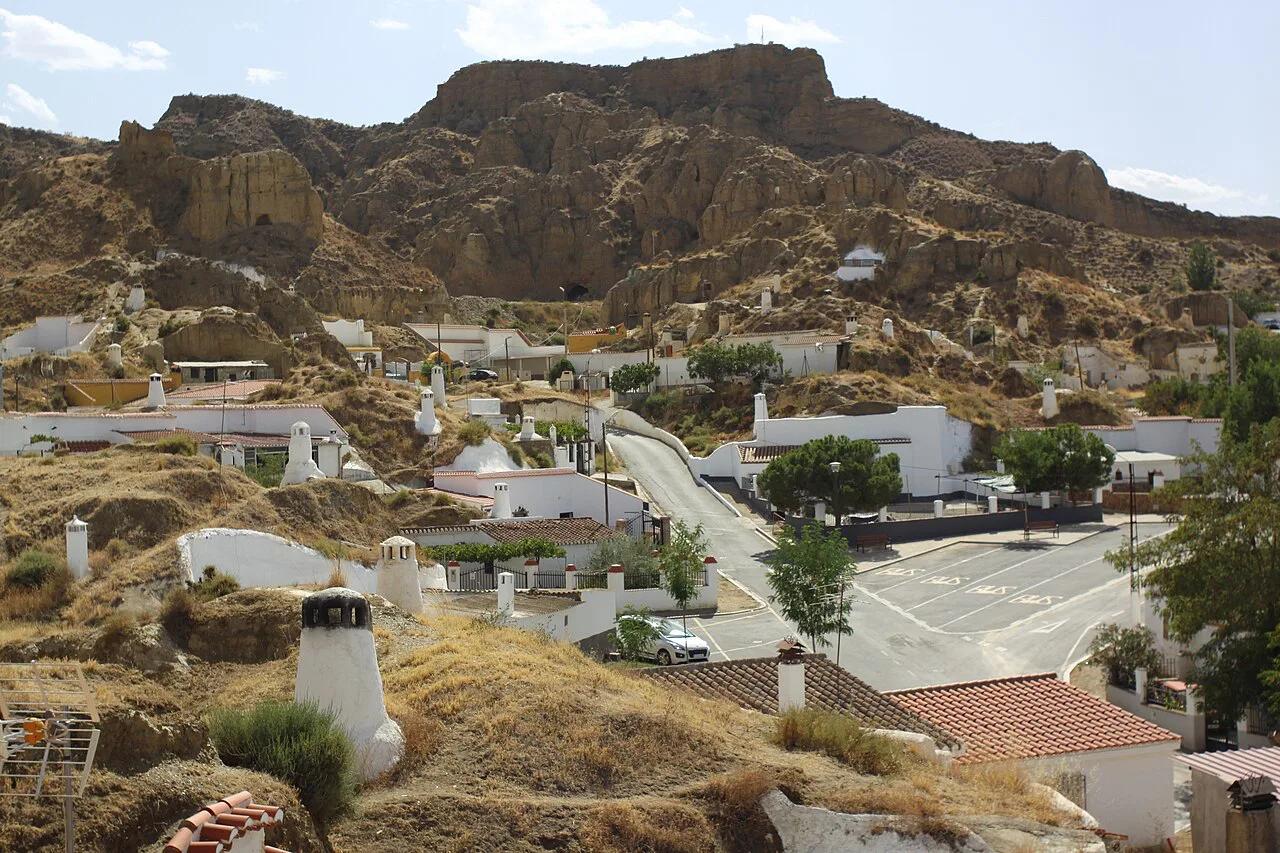
Last updated November 2026: Guadix cave houses fill the Barrio de las Cuevas, a district of homes dug into the soft hillsides of Granada province. Many are still lived in, and some now work as a museum, hotel or rental. Here is what you can see, how to behave, and whether to sleep in one. For wider context, browse our guide to cave homes across Spain.
Featured image: Enrico Razzetti, CC BY-SA 2.0, via Wikimedia Commons.
Guadix Cave Houses at a Glance
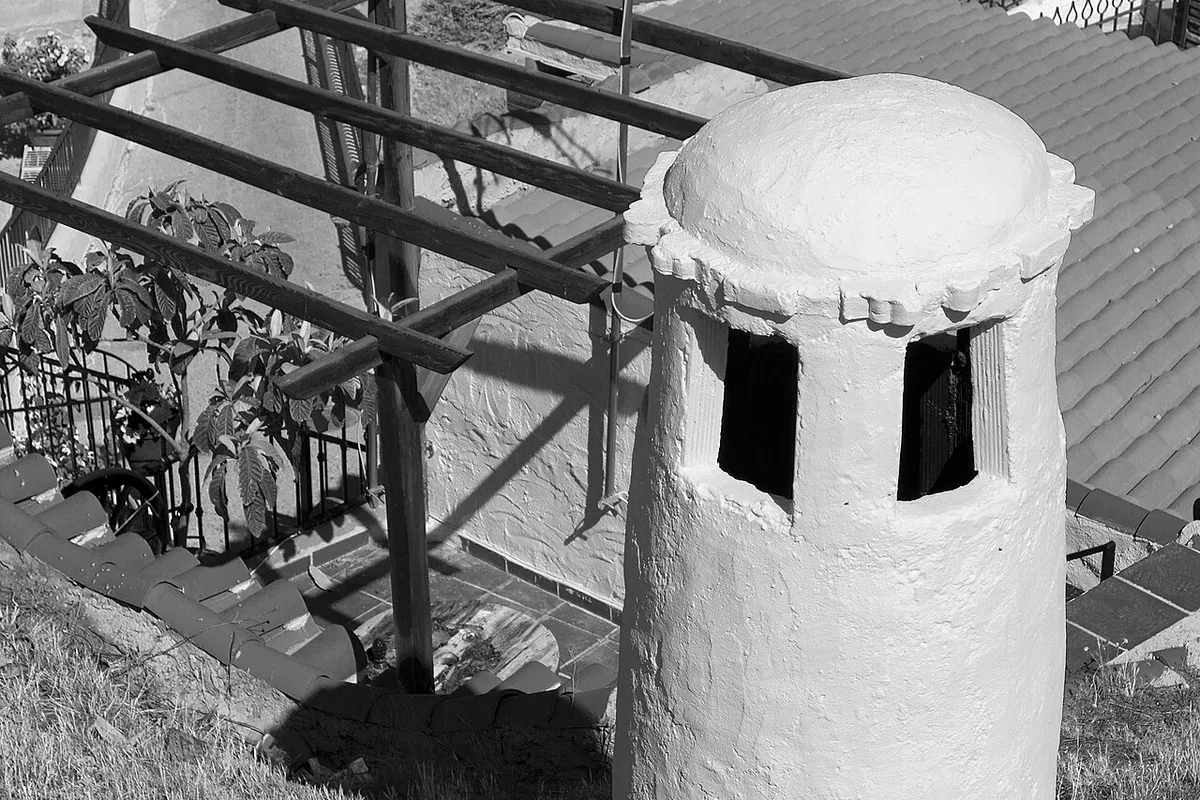
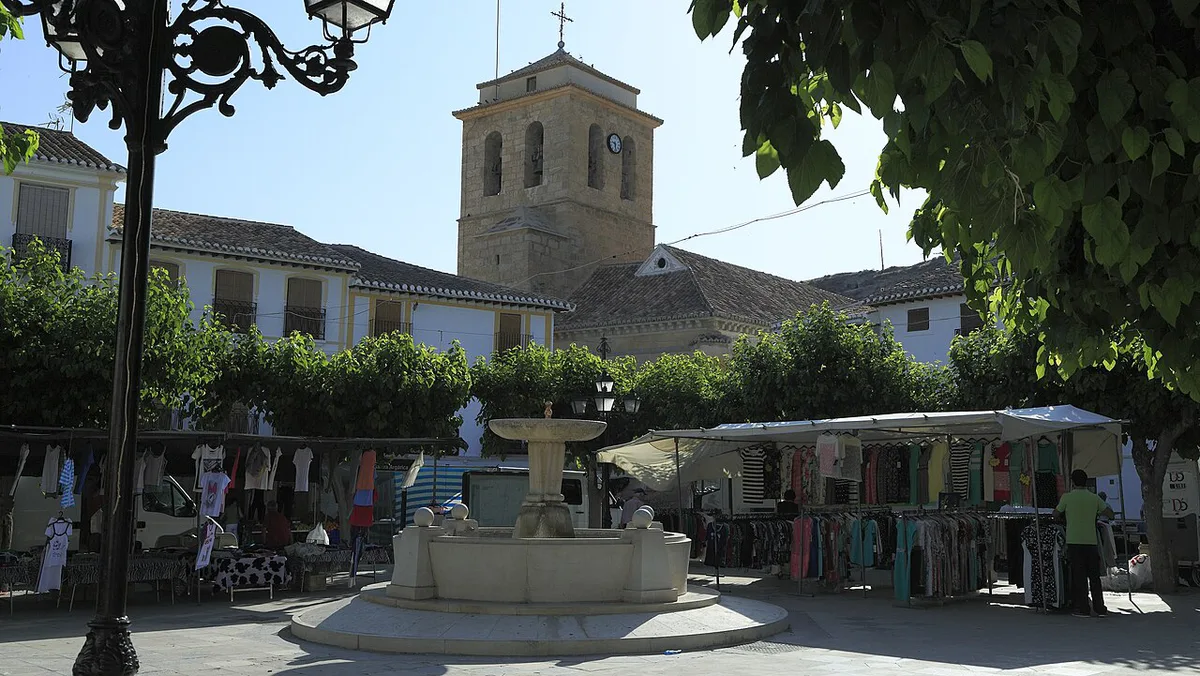
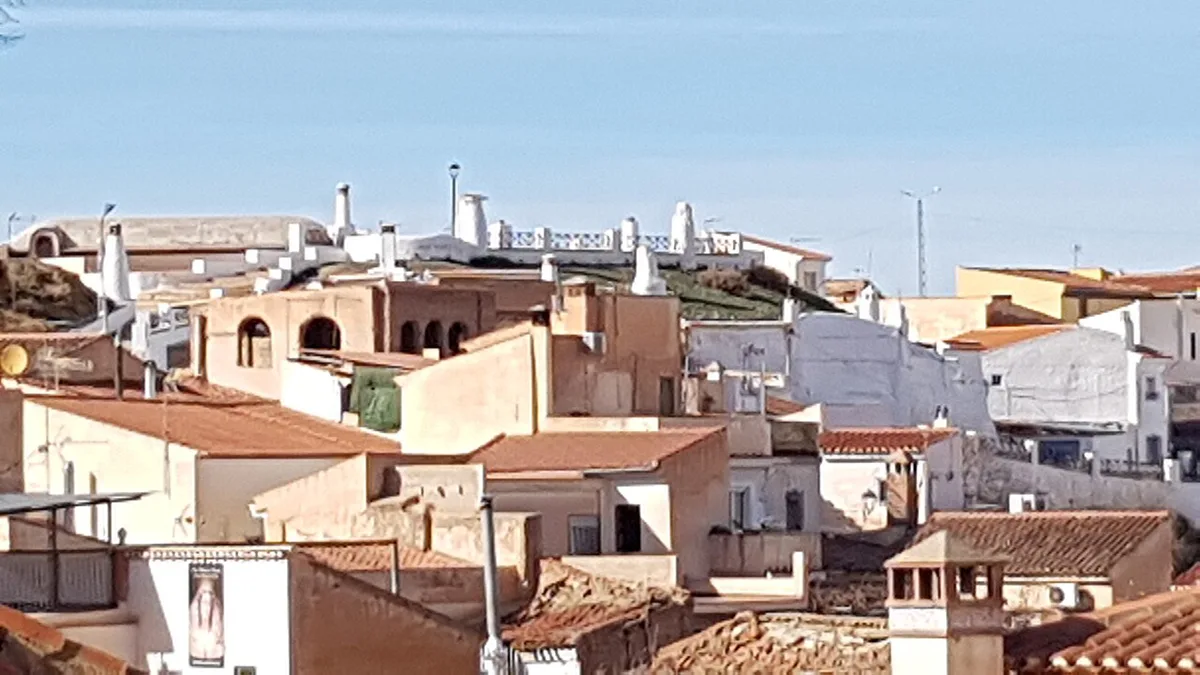
Guadix is a town in Granada province, and the Barrio de las Cuevas is where its cave homes cluster. Commonly cited figures put the quarter at over 2,000 cave homes. Whitewashed chimneys on the hillside show where people live underground. You can experience the quarter three ways, and the table below compares them. Time figures are our own planning estimates, and the cost levels are relative.
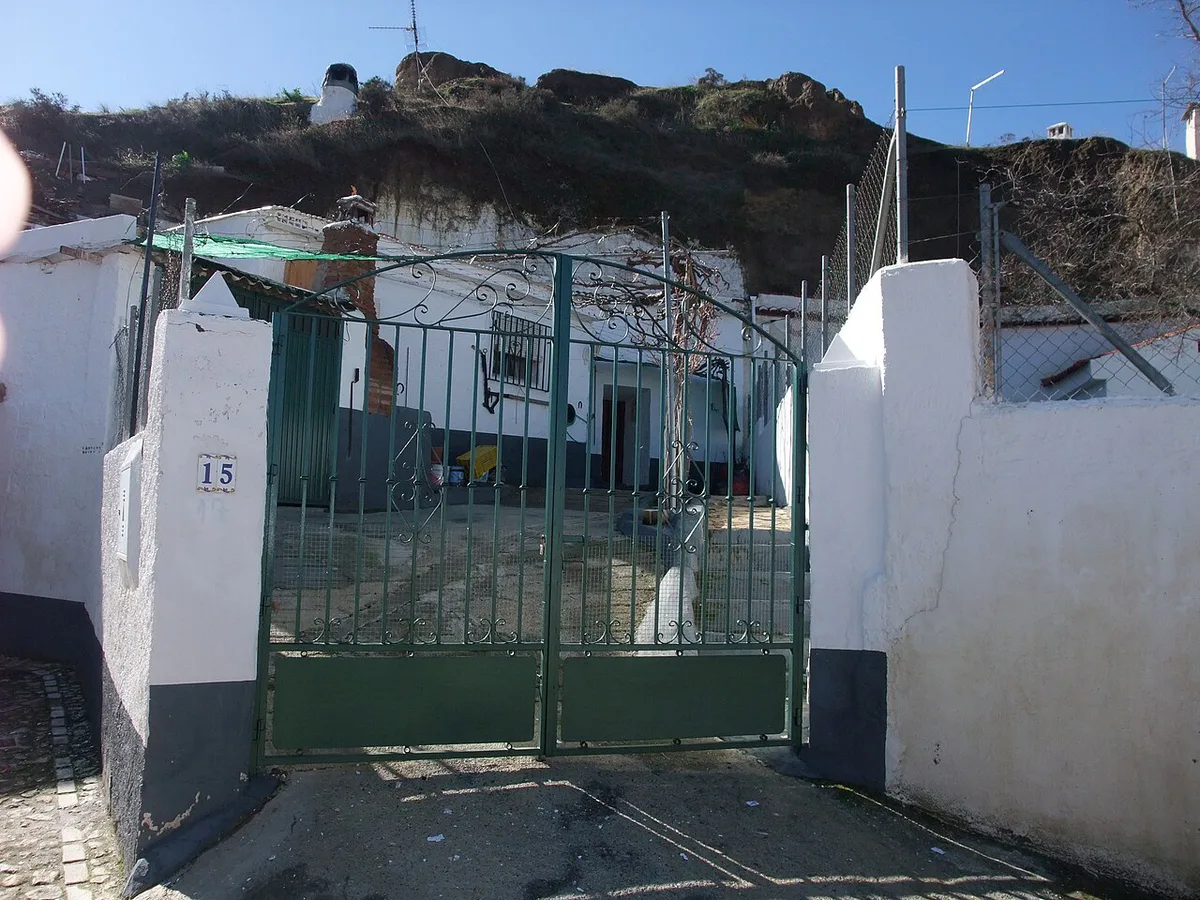
Ordinary family homes are among the over 2,000 cave homes here, so treat the lanes as someone's street.
| Way to visit | Time (estimate) | Cost level | Effort | Best for |
|---|---|---|---|---|
| Self-guided walk through the quarter | 1 to 2 hours | Free | Moderate, steep lanes and steps | Photographers and first-time visitors |
| Cave museum or cave church | About 1 hour | Low | Low to moderate | Anyone who wants the story of cave life |
| Overnight in a cave | One night or more | Mid to high | Low once you arrive | Couples and curious families |
What the Cave Houses Are and How They Work
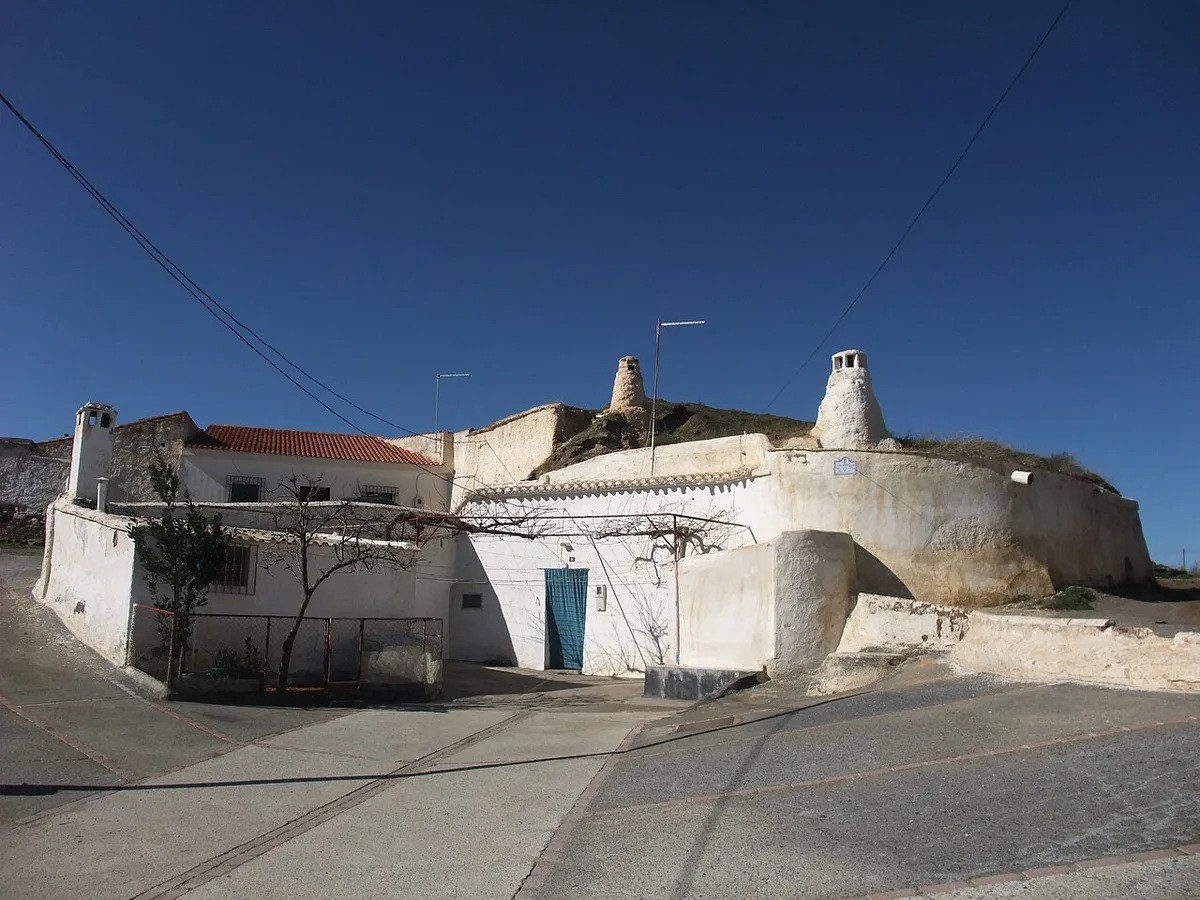
These homes are cut into the hillside rather than built on top of it. Only the whitewashed front and the chimney show above ground. Residents and local guides often say the interiors stay cool in summer and warm in winter. Treat that as a widely repeated claim, and read the area overview from Turismo de Granada if comfort matters to your plans. Many of these homes are ordinary family residences today.
Barrio de las Cuevas: Walking the Cave Quarter
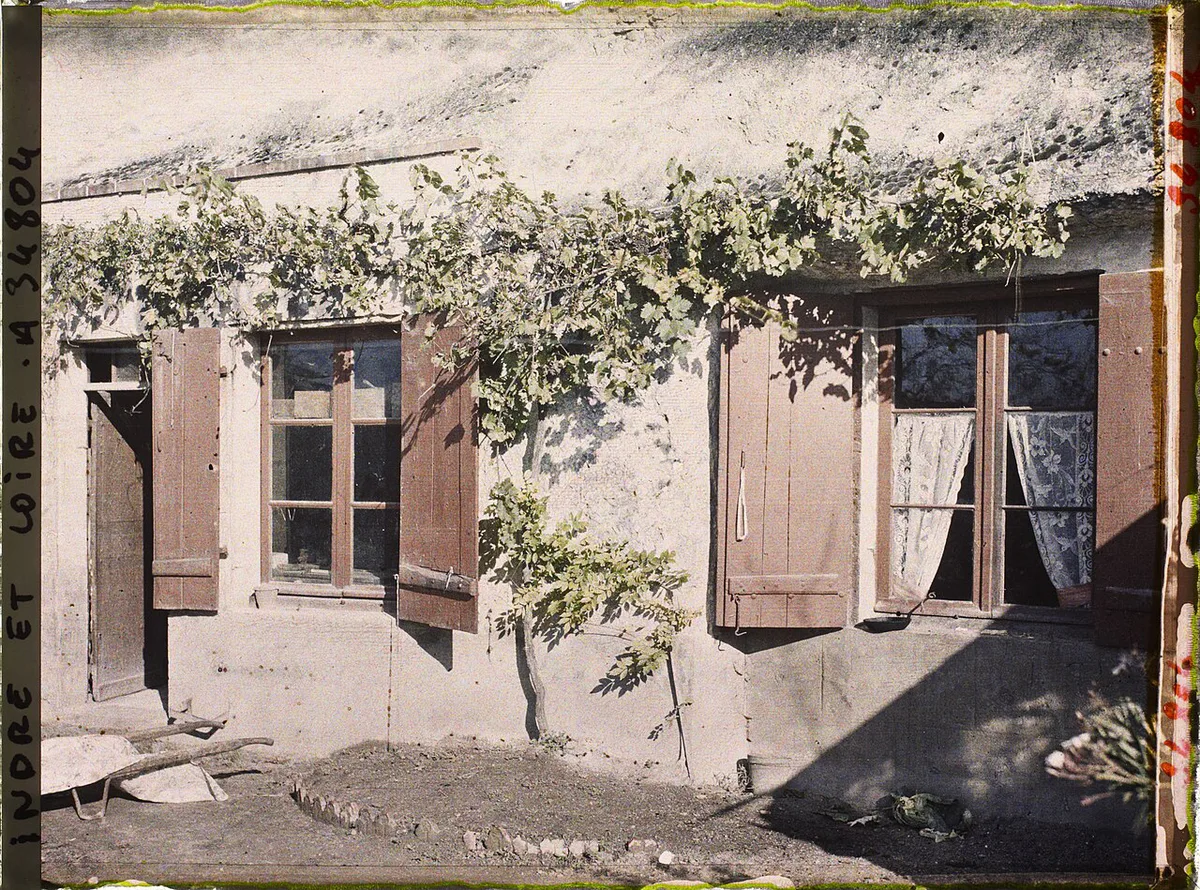
Start in the Barrio de las Cuevas and let the chimneys guide you uphill. Lanes are steep and include steps, so strollers and wheelchairs will struggle. Midday sun in summer is punishing, while morning and late afternoon light shows the whitewash and the Sierra Nevada views best. Stay on public paths. Never open a door that is not clearly signed for visitors.
- Keep voices low, since people live behind every façade.
- Ask before photographing a resident, and skip close-ups of windows and doorways.
- Avoid flying a drone over private terraces.
- Wear shoes with grip for the sloping lanes.
Cave Museum and Cave Church: What to Check Before You Go
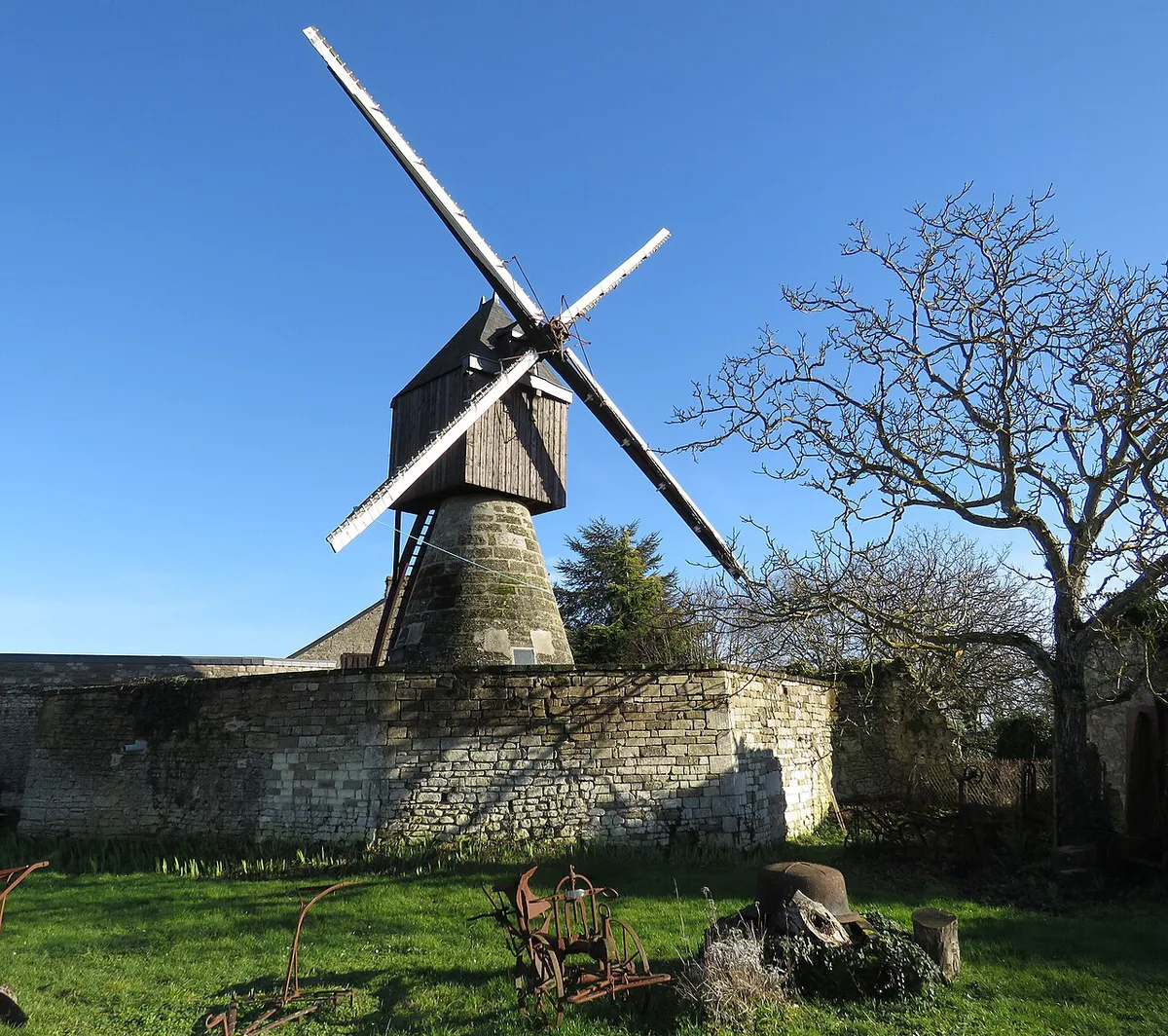
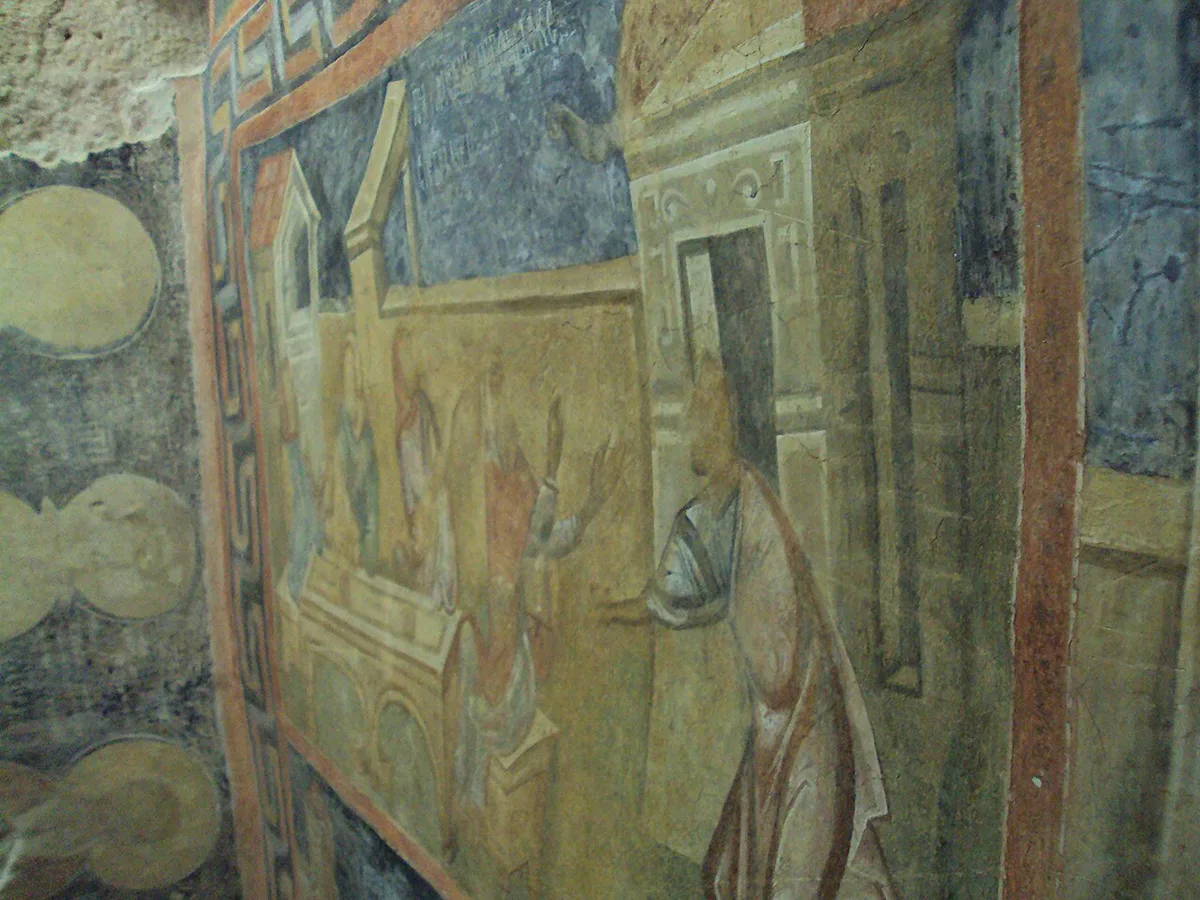
Guadix has a cave house museum that shows how a dug-out home was arranged. It also has the Ermita de Gracia, a cave church with religious artefacts and a dedicated cave area. For European comparisons, see our overview of cave churches across Europe. Opening hours and ticket prices change, so read the current listings on the Guadix town council site. The Moorish Alcazaba fortress is a separate stop in town.
A Short History: Why People Dug Homes Here
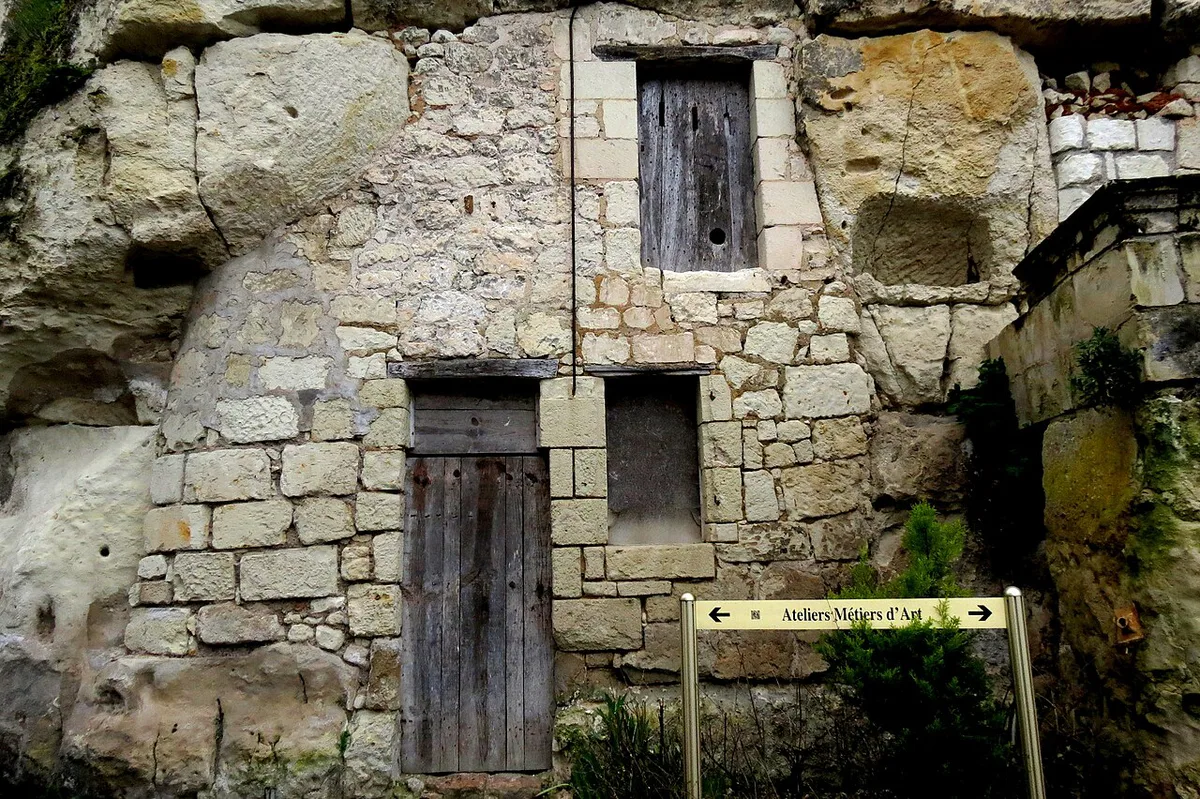
Origins are debated, and no firm start date exists. Cave dwelling is commonly tied to the Moorish era, which ran from the 8th to the 15th century. Many Moriscos are said to have sought refuge in the hills after the Catholic monarchs took Granada in 1492. Romans founded the town of Guadix but are not credited with the caves themselves. Soft rock made digging cheap, and the stable interior suited a harsh climate.
Staying in a Cave House
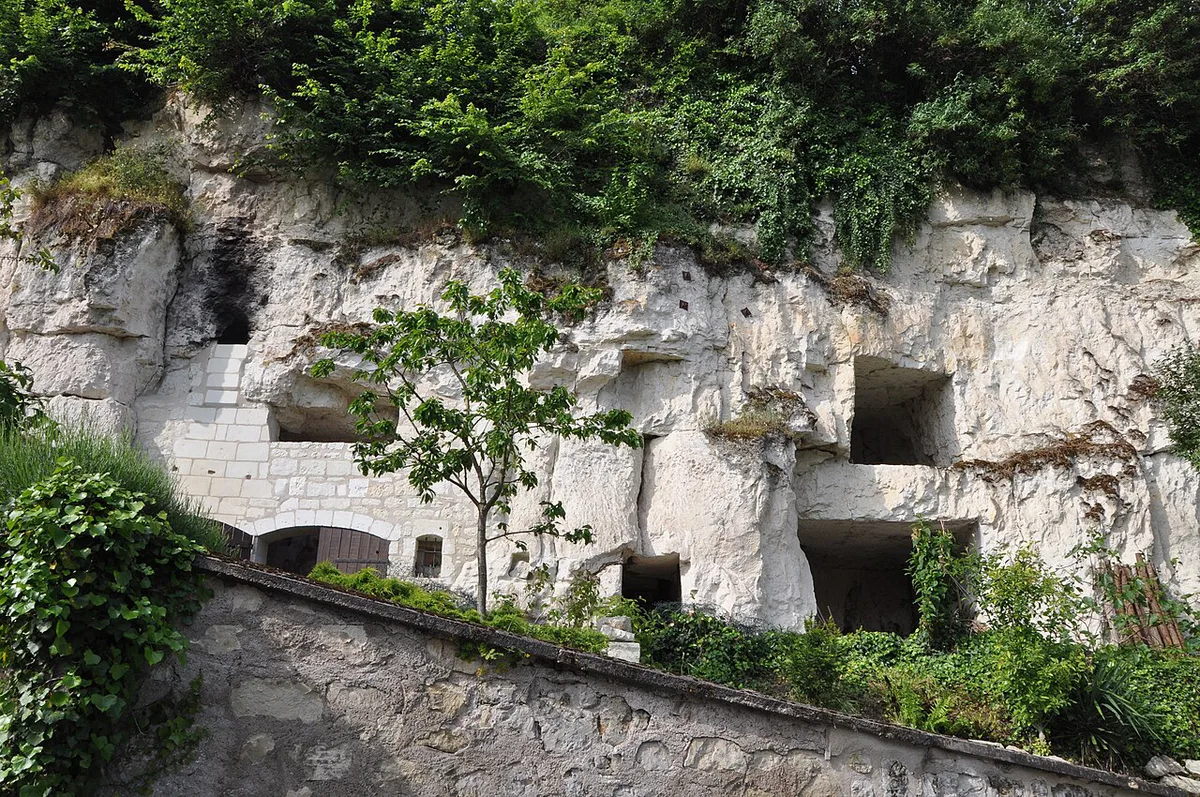
A night underground suits travellers who want atmosphere more than a lobby. Compare options on privacy, light, parking and climate before booking. Our guide to Cave Hotels in Spain: Where to Stay in a Cueva lists places to stay. Broader choices appear in cave hotels across Europe. Ask each host about steps, damp, heating and cooling, because every cave differs.
| Criteria | Cave hotel | Cave apartment | Conventional hotel |
|---|---|---|---|
| Privacy | Shared reception and corridors | Whole home to yourself | Neighbours on both sides |
| Light | Often limited to front windows | Often limited to front windows | Usually bright |
| Parking | Ask the property | Ask the property | Usually easier |
| Heating and cooling | Rock insulation, check heating | Rock insulation, check heating | Standard air conditioning |
| Family fit | Good if steps are manageable | Best for space and a kitchen | Easiest with small children |
Day Trip or Overnight? Getting There and Planning Time
Granada is the likely base for most visitors. Compare car, bus and train options on the operators' own timetables, since schedules shift by season. A day trip lets you walk the quarter and see one museum or church. An overnight adds sunset and early-morning light on the chimneys. Some travellers pair Guadix with the Gorafe geological park in one day from Granada. Check the park's official source for access before committing to that plan.
Walking the quarter takes 1 to 2 hours, so pairing it with a museum visit of about one hour fits a single day from Granada.
| Option | What you gain | What you give up |
|---|---|---|
| Day trip from Granada | Lower cost and a quick look | Evening light and a slow pace |
| Overnight in Guadix | Time to walk twice and sleep in a cave | Extra lodging cost and luggage on steep lanes |
Mistakes to Avoid
Most problems come from timing and expectations.
- Arriving at midday in peak summer, when the lanes have little shade.
- Expecting a single ticketed site, when the quarter is a living neighbourhood.
- Photographing residents or looking into open doorways.
- Wearing smooth soles on steep, sloping lanes.
- Booking a cave stay without asking about parking and steps.
Other Cave Towns to Compare
Southern Spain offers more cave dwellings nearby. Cuevas del Almanzora: Castle, Caves & Visitor Guide in Almería province is the closest Spanish comparison. France's Loire has a different tradition, covered in our Troglodyte Villages in France: Where to Go and How to Choose guide. For the full continental picture, start from our Europe cave dwellings hub.
Frequently Asked Questions
Are there people who still live in caves?
Yes. Many Guadix cave homes in the Barrio de las Cuevas are still lived in, and some also serve as a museum, hotel or rental.
Is Guadix worth visiting?
Yes, if you want to see a lived-in cave quarter rather than a single monument. Plan one to two hours for a walk, and add a museum or a night in a cave for a fuller visit.
Are there cave houses in Spain?
Yes. Guadix in Granada province is among the best known, and Cuevas del Almanzora in Almería province is another example.
Notes for your next trip underground
Optional updates when we add or revise cave and underground guides.
More guides
More guides you'll find useful






