
Cave Hotels in Europe: Where to Sleep in a Real Cave
Where to sleep in a real cave in Europe: the Loire, Andalusia and more. Compare destinations, access, comfort and who each suits.
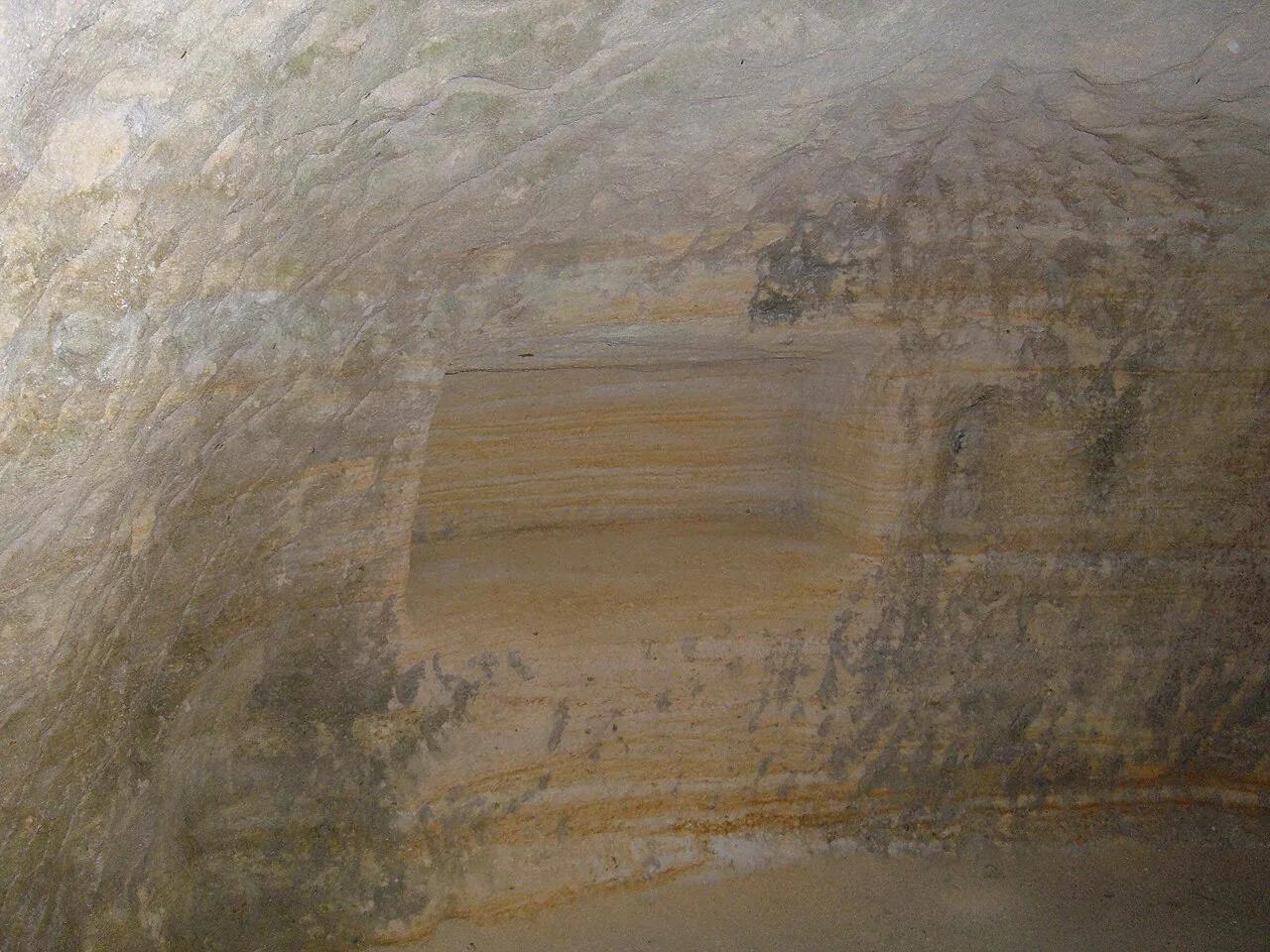
Last updated November 2026. Cave hotels in Europe cluster in two regions: the Loire Valley in France and Andalusia in Spain. Each offers a different kind of rock room, from a tuffeau troglodyte house to a whitewashed Andalusian cave home. Use this guide to pick a destination first, then a property type.
Featured image: BrokenSphere, CC BY-SA 3.0, via Wikimedia Commons.
Quick answer: where to find cave hotels in Europe
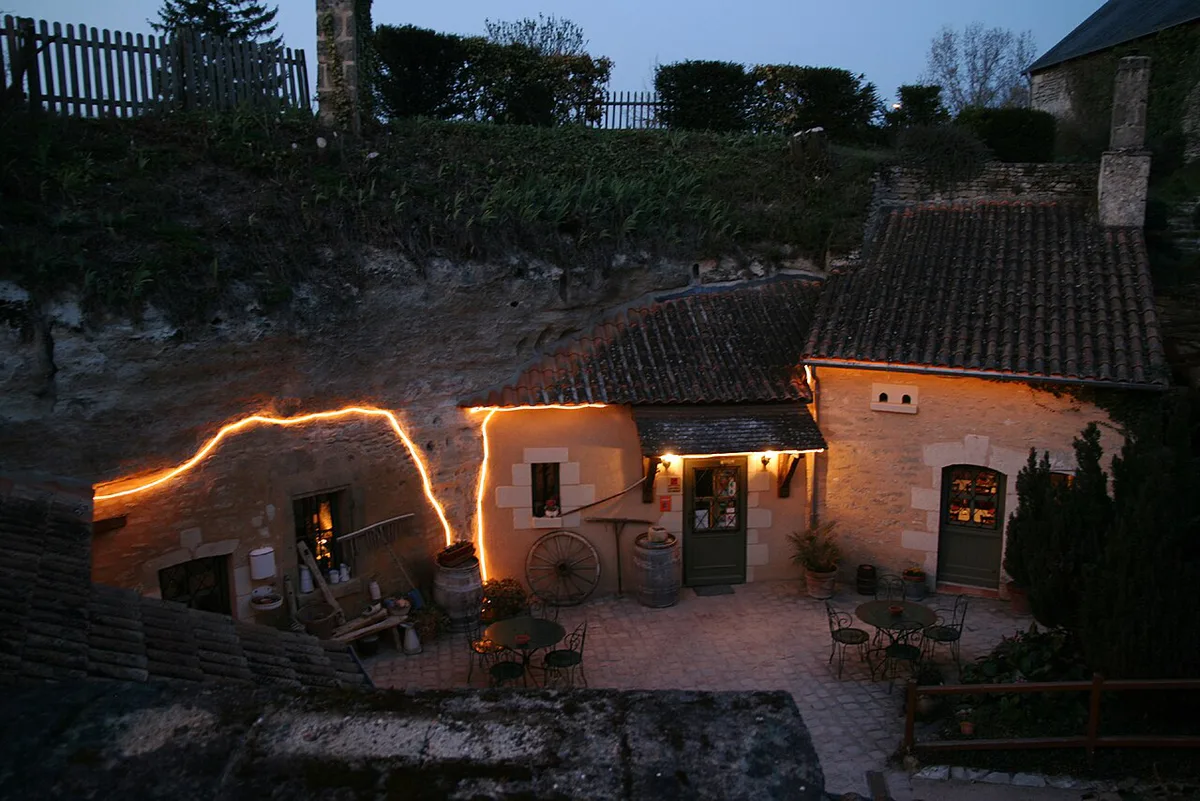
A cave hotel is a property whose rooms are carved into rock or built inside a natural cavity. The Loire Valley and Andalusia lean toward guesthouses and self-catering cave homes, and rooms in Matera's Sassi and in Turkey's Cappadocia exist too but are outside this guide. For the difference between a hotel room and a rented dwelling, read our guide to cave houses.
- Loire Valley, France: troglodyte guesthouses cut into tuffeau limestone.
- Andalusia, Spain: cave houses and hotels around Guadix, Purullena, Galera and Almanzora.
Real cave hotel or cave-style room? How to tell
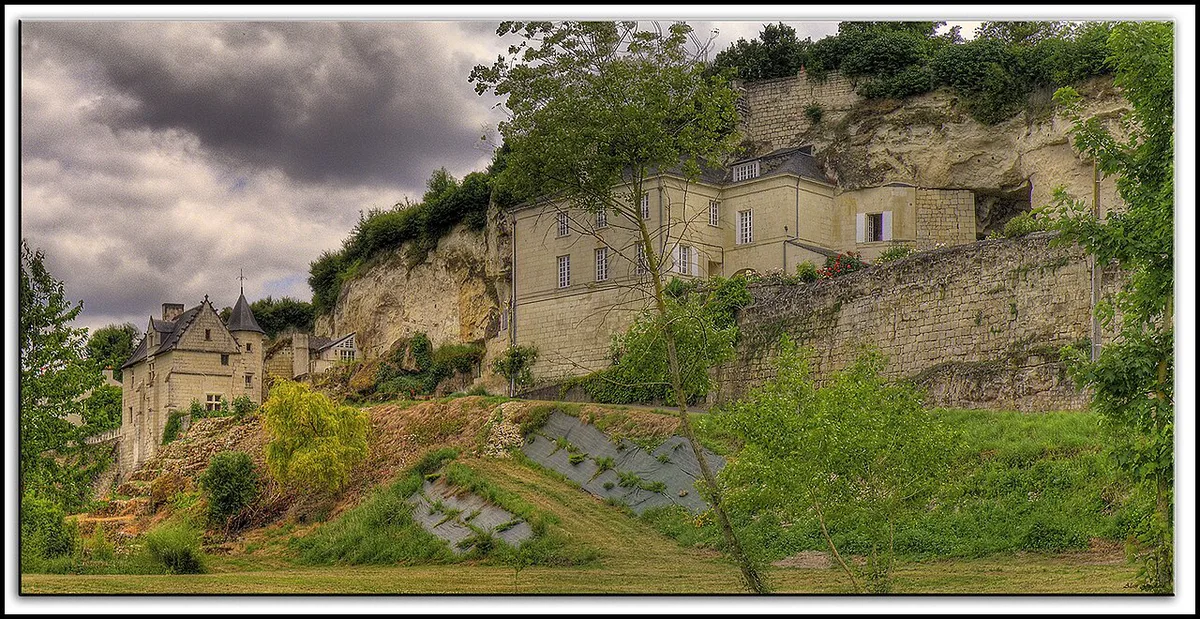
Many properties borrow cave language for stone arches and dim lighting. A genuine cave stay is cut into or built within the rock itself. Run every listing through the checks below before you pay a deposit.
- Rock walls: ask whether the room is carved or in natural rock, or only plastered to look the part.
- Window: ask whether the room has one, because some cave rooms get light only through the door.
- Humidity: ask how the property controls damp, for example through heating or dehumidifiers.
- Structure: ask whether the room sits inside the hillside or is a modern annex with a rock facade.
- Photos: compare the hotel's own site with recent guest photos, and look for the same walls and ceilings.
Cave hotel destinations compared
Use the table to shortlist a destination. Cost levels are relative bands, not quoted rates, so check each property's own site for current prices.
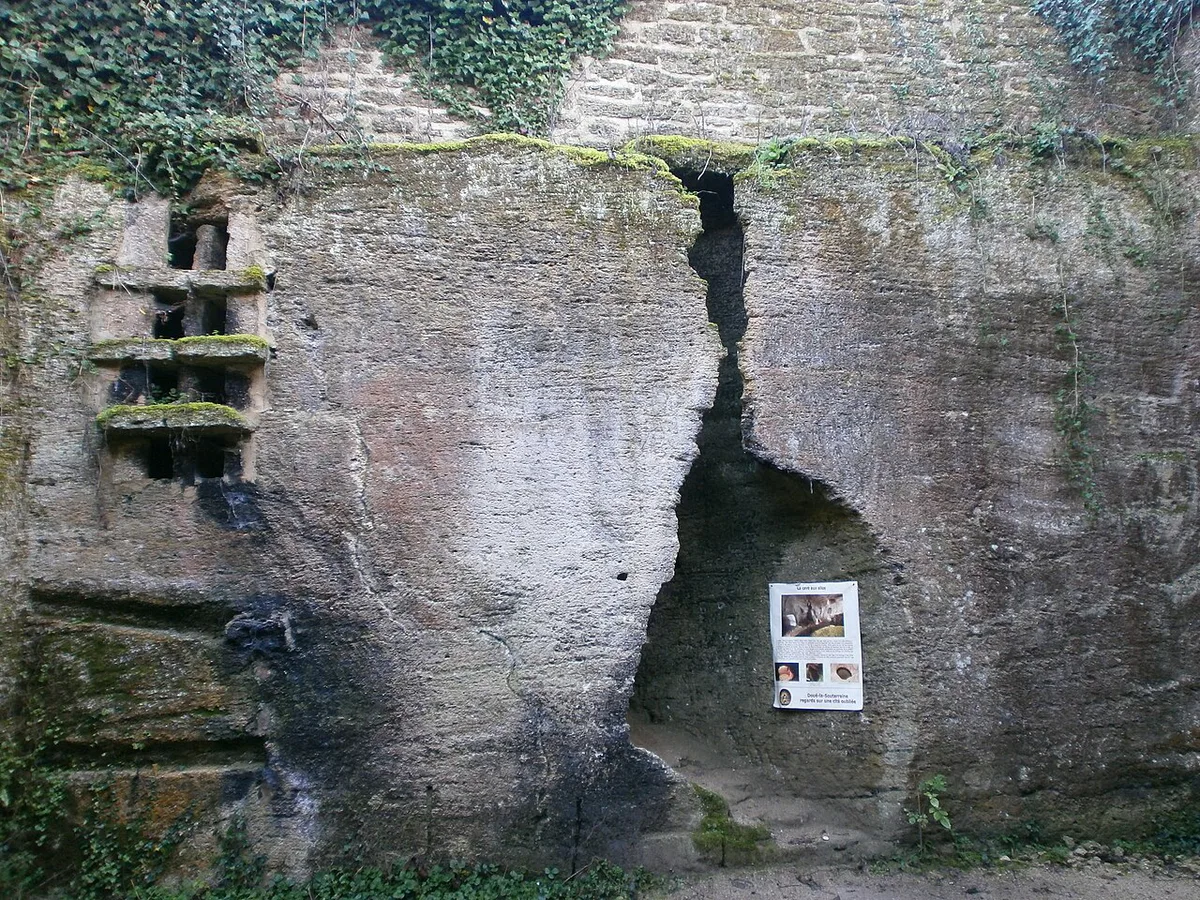
| Destination | Cave type | Stay format | Getting there | Best seasons | Suits / skip | Cost level |
|---|---|---|---|---|---|---|
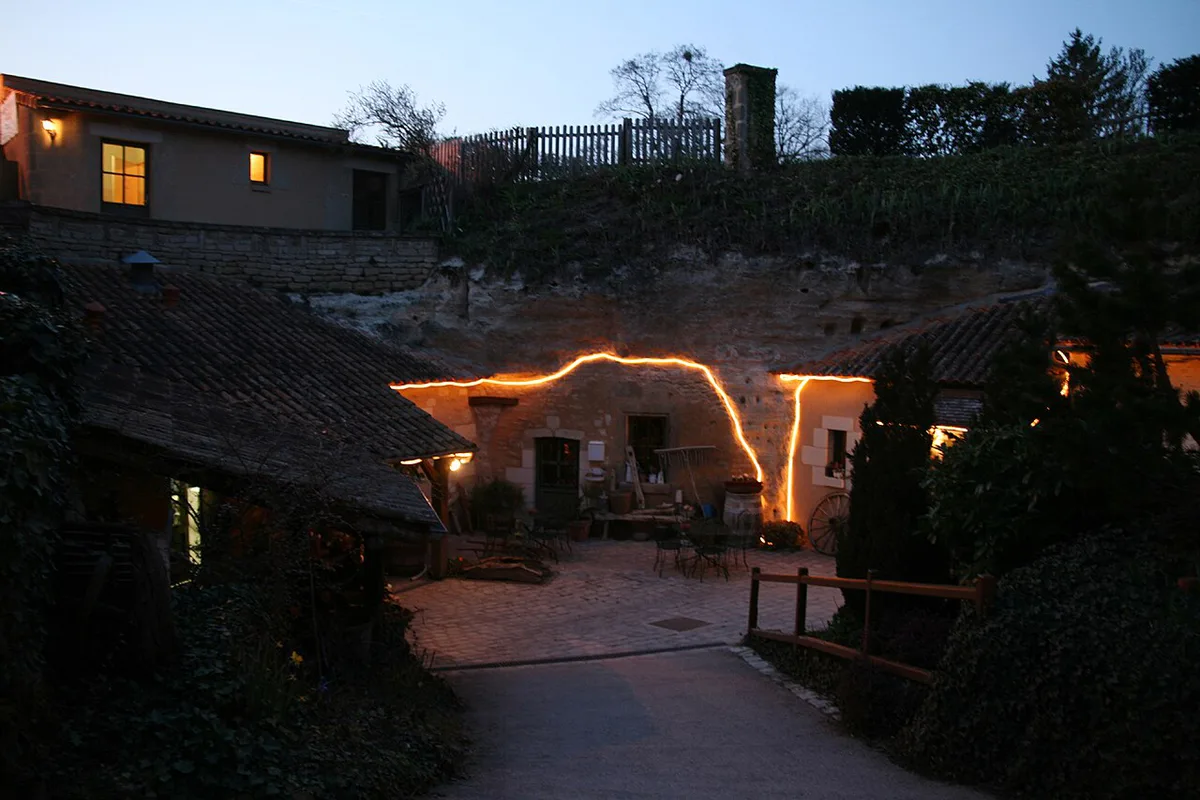
| Loire Valley, France | Tuffeau troglodyte homes | B&B, guesthouse, self-catering | Car is the practical choice for villages along the river | Late spring to early autumn | Suits couples and slow-travel drivers; skip if you rely on trains alone | Budget to mid |
| Andalusia, Spain | Andalusian cave houses | Self-catering house, small hotel | Car helps around Guadix and Almanzora | Spring and autumn | Suits families and long stays; skip if you want a staffed lobby | Budget to mid |
Loire Valley, France
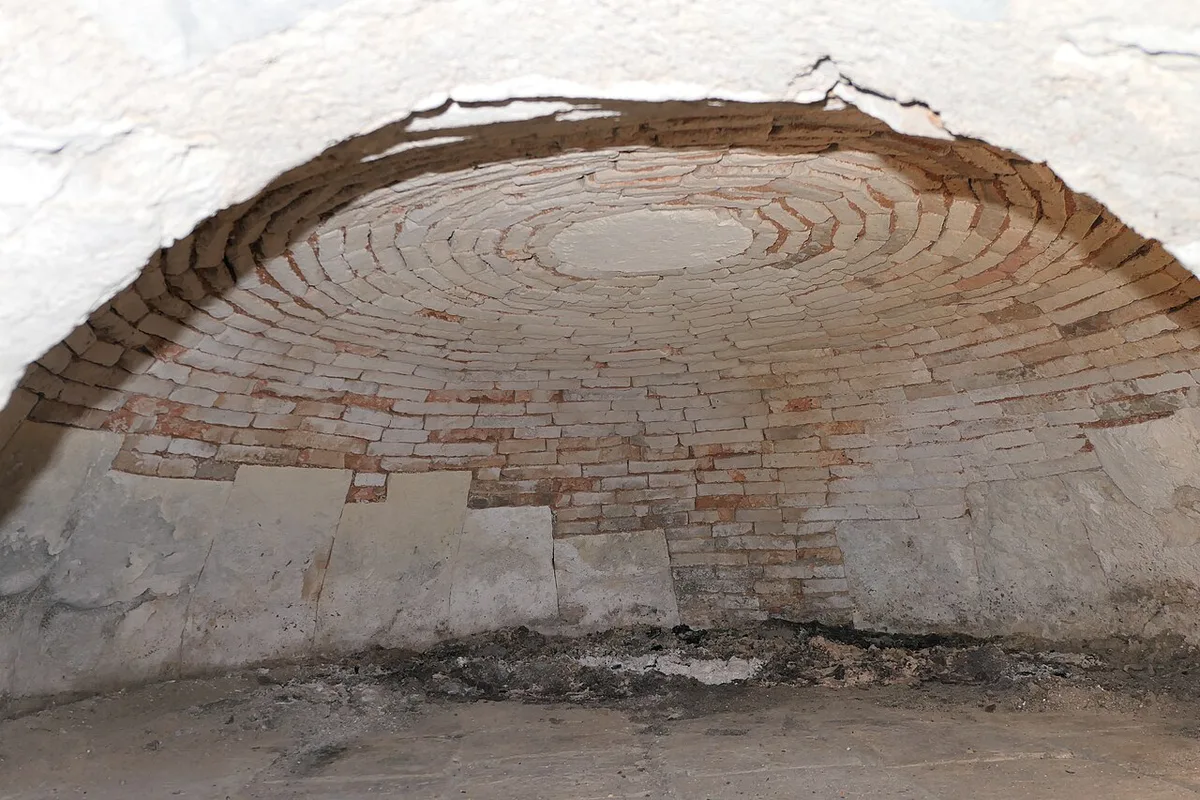
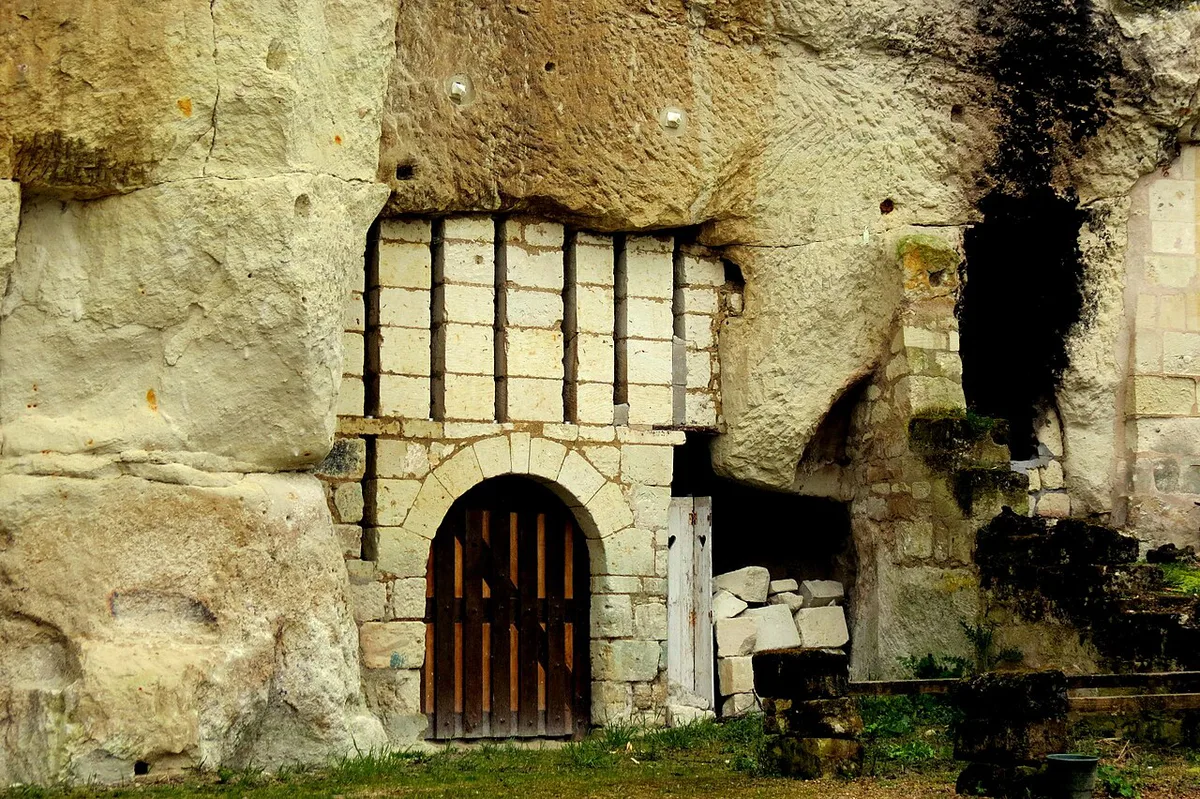
Loire troglodyte stays use soft tuffeau limestone, which locals dug out for building stone and then lived in. Start with our overview of Troglodyte Villages in France: Where to Go and How to Choose. Around Saumur, the Saumur Troglodyte Caves: Which to Visit, Cycle or Stay In show how the rock was used. Turquant is a good base for a quiet night, and our Turquant troglodyte page explains the village. For regional context, the Saumur tourism office lists local accommodation and visits.
Andalusia, Spain
Southern Spain offers the widest choice of cave homes. Hotel-focused readers should start with our page on Cave Hotels in Spain: Where to Stay in a Cueva. Self-catering travelers can compare Cave Houses in Spain: Where to See, Stay or Buy. Guadix is the classic base, and our Guadix cave house guide covers its neighborhoods. In Almería province, see Cuevas del Almanzora: Castle, Caves & Visitor Guide for a quieter alternative. For wider context, Turismo de Granada covers the province, including Sacromonte.
Choosing a base: Guadix, Turquant or Saumur
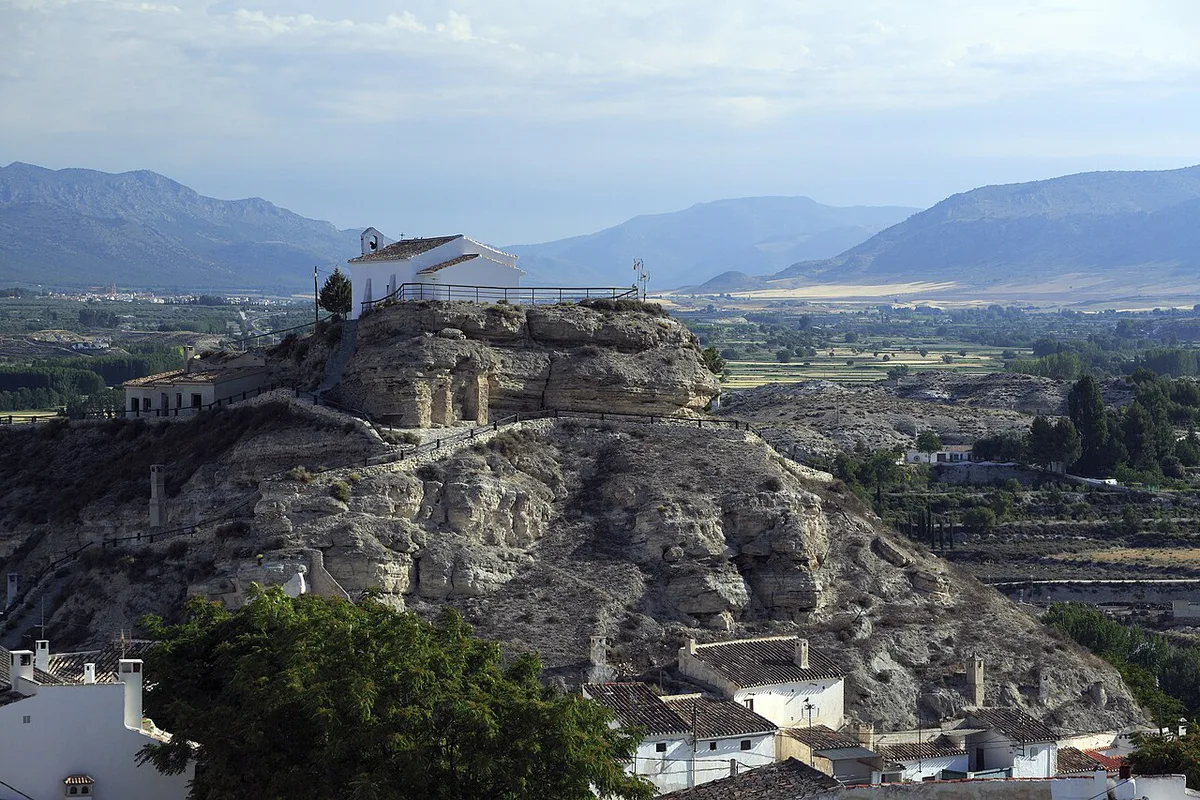
Guadix suits readers who want the largest living cave quarter. Whitewashed chimneys on the hillside mark homes in the Barrio de las Cuevas, and a self-guided walk through the quarter takes 1 to 2 hours. Treat the lanes as someone's street, and read the Guadix guide before you book a night there.
Turquant sits on the Saumur-Montsoreau stretch of the Loire, roughly a 10-minute drive from Saumur. Homes, workshops and cellars are cut into the tuffeau cliff along the road, and some winemakers advertise from cave homes. It is a place for slow walks and tastings, not for museum-style sightseeing.
Saumur is the easiest base without a car. Its Nantilly district, the oldest in town, has former tufa quarry galleries, and the cliff villages of Souzay-Champigny and Rochemenier's underground farm village are day-visit options by bike or car.
What it is actually like to sleep in a cave
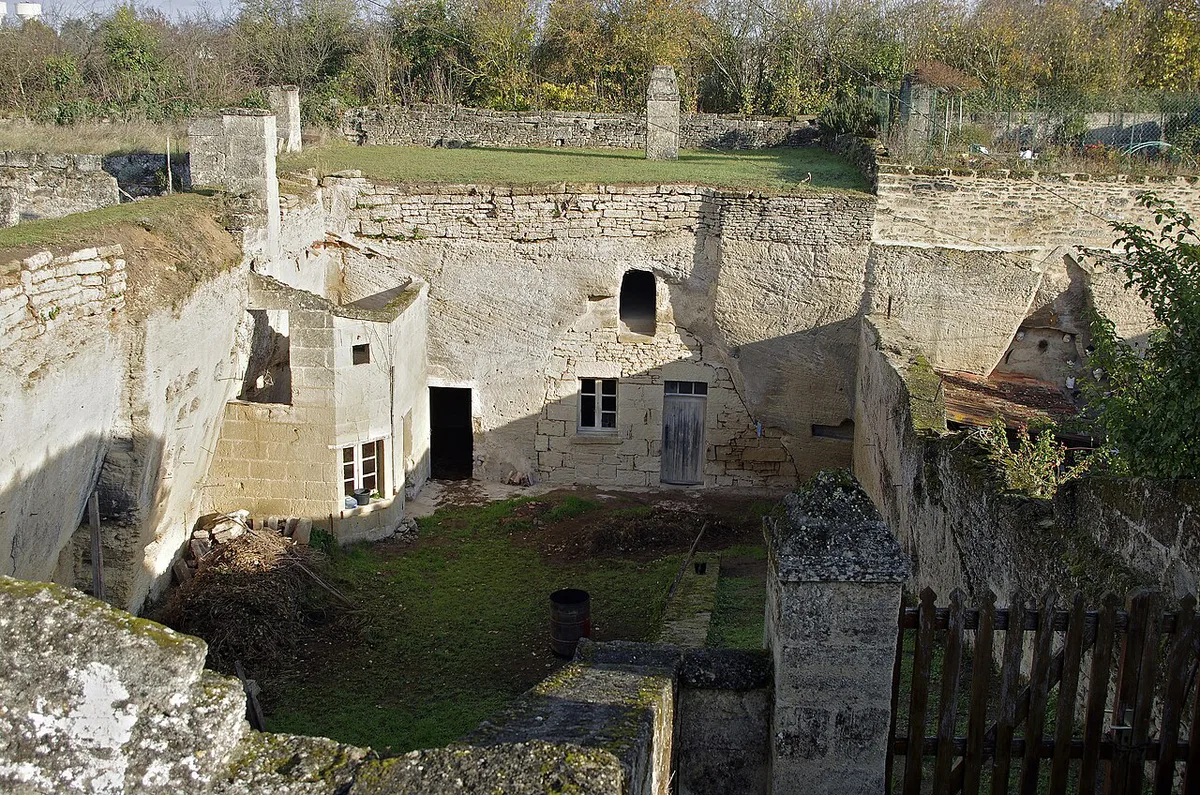
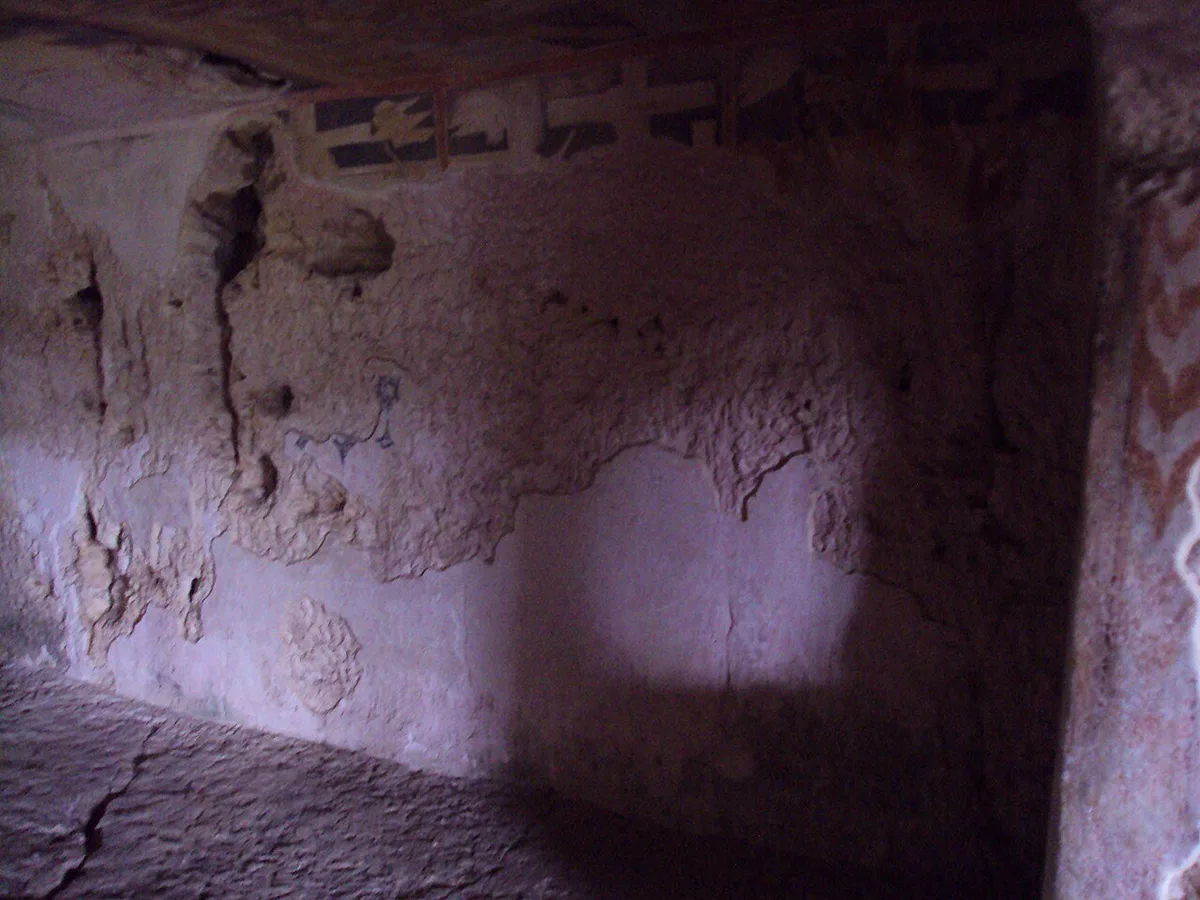
Rock keeps a steady temperature, so caves usually feel cool in summer and can feel damp in winter. Ask about heating and dehumidifying before you book. Some rooms have no window, which suits light sleepers and unsettles others. Mobile signal and wifi can drop inside thick rock, so ask the host if you need to work. Quiet is common, though shared walls and courtyards can carry sound. Anyone prone to claustrophobia should look for a high ceiling and a window.
Which cave stay fits you
Match the destination to how you travel, not to the prettiest photo.
- Wine, photography and slow travel: Turquant on the Loire, where cave-front workshops and cellars line the cliff road.
- Budget: Andalusian cave houses, which often cost less than a hotel room for a group.
- Limited mobility: ask each property for step-free routes, and avoid hillside lanes without confirmation.
- Car-free travel: base in Saumur town, where the Nantilly district can be reached without a car, rather than in rural Loire villages.
- First cave stay: choose a hotel with staff, because it removes key handover and heating guesswork.
- Repeat visit: try a Loire troglodyte guesthouse or a self-catering cave house in Guadix.
How to book and what to ask first
Start with the property's own website for room descriptions, then compare recent guest photos. Message the host with specific questions. Does the room have a window? How is heating handled in winter? Is there a dehumidifier? How many steps lead from the street to the door? Where can a car be left? Finally, read the cancellation terms and ask what happens if the weather or access changes.
Even a well-reviewed cave property may place rooms up steep steps, so confirm the route from the parking spot or taxi stop before arrival.
Mistakes to avoid
Booking a cave-style room is the most common error, followed by ignoring stairs and arriving at a hillside property without a transport plan. Do not assume a taxi can reach the door in an old centre. Ask where it can stop, and agree a meeting point. Skip any listing that cannot confirm whether the room is genuine rock.
More cave experiences
Rooms are only part of the story. In France, the Rochemenier Troglodyte Village: Visit Guide & Tips shows how families lived underground. Eat in the rock at one of the Loire troglodyte restaurants. For sacred spaces, see our guide to Cave Churches in Europe: Where to See Rock-Cut Churches. Bulgaria's Rock-Hewn Churches of Ivanovo: Visitor Guide (Bulgaria) are a further option for a longer trip.
Are cave stays suitable for children?
Families usually do best in Andalusia, where cave houses often provide self-catering space for longer stays. Among the guide’s 2 core regions, this is the clearest fit for travellers who need separate sleeping areas and flexible meal times. Confirm whether bedrooms are reached by internal steps and whether outdoor areas are enclosed before booking.
In Guadix, the Barrio de las Cuevas holds over 2,000 cave homes, many of them ordinary family residences. Lanes are steep and include steps, so strollers are awkward. In the Loire Valley, a car is the practical choice for village stays, so check parking and child-seat arrangements before arrival.
For any cave room, ask about windows, heating, humidity control and mobile signal. A larger cave house may suit a family better than a compact hotel room, but only if access and sleeping arrangements match your group.
Notes for your next trip underground
Optional updates when we add or revise cave and underground guides.
More guides
More guides you'll find useful






